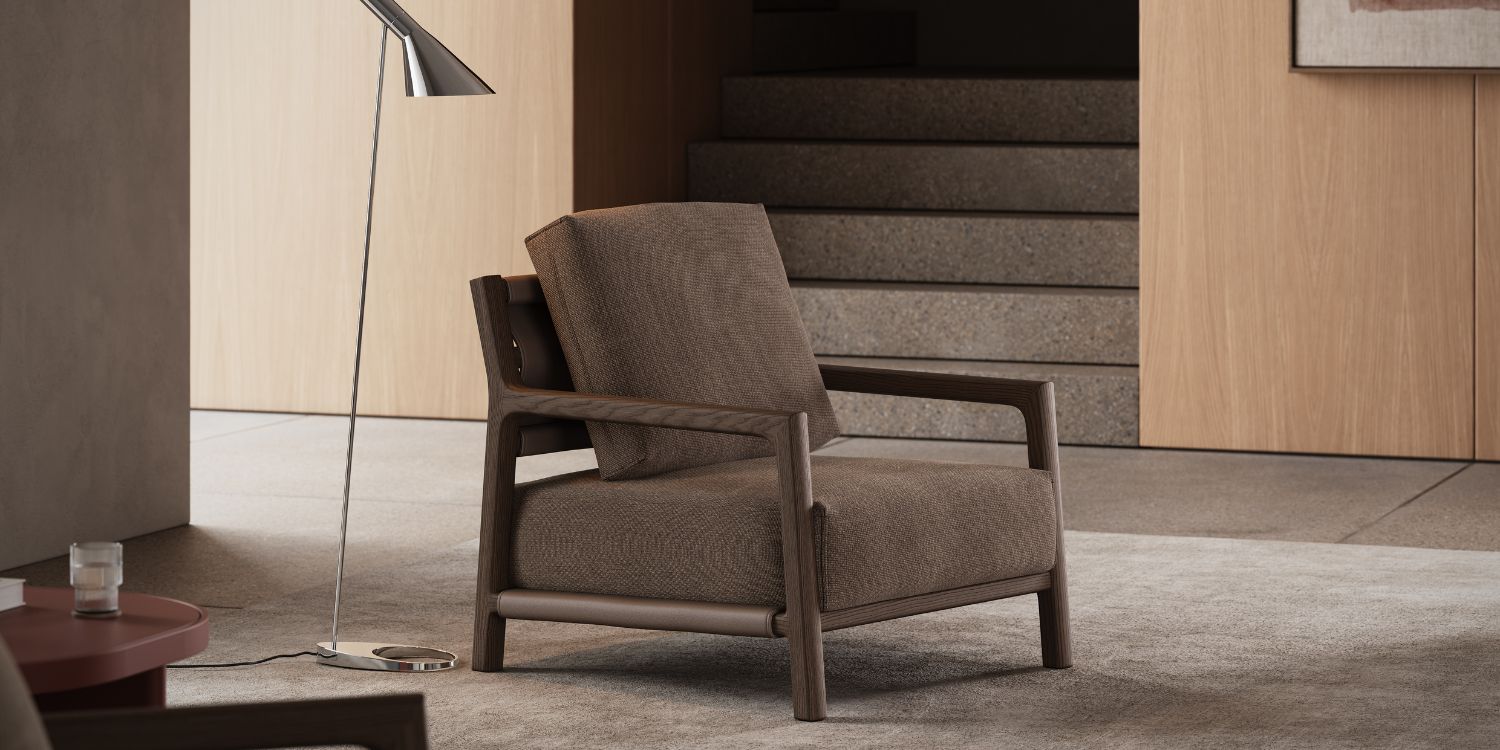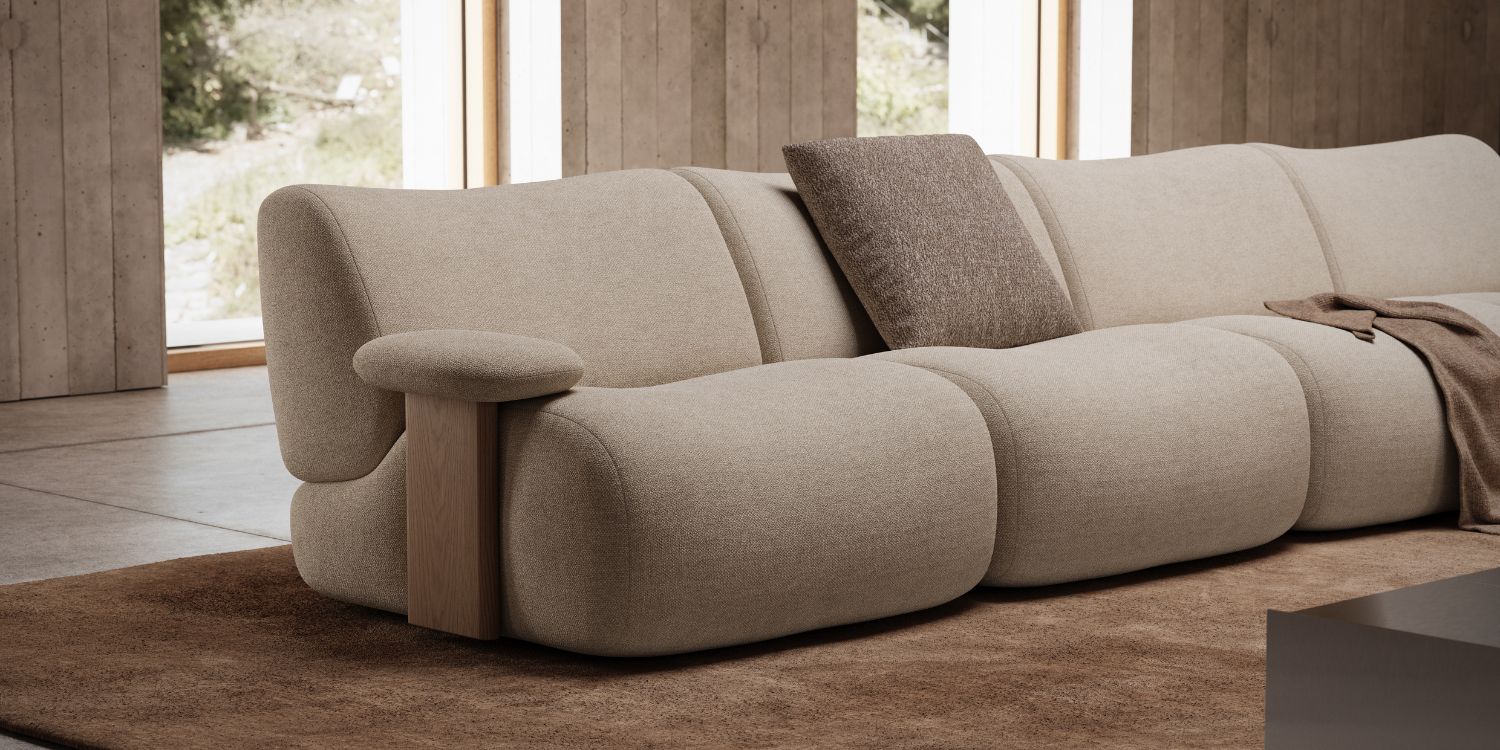


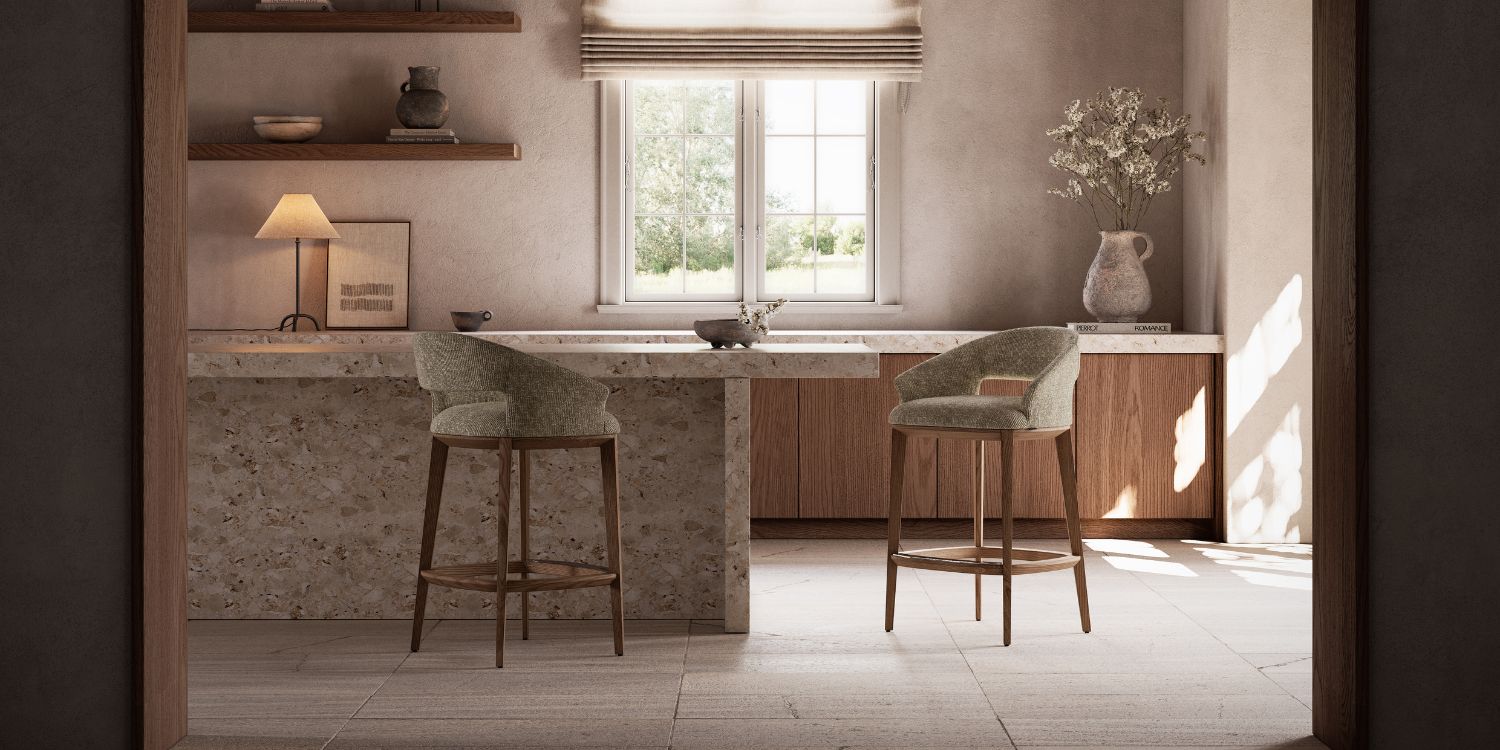
In contemporary interiors, bar and counter seating has evolved far beyond a purely functional role. Today, these pieces actively shape the atmosphere of a space, influencing movement, interaction and the visual rhythm of an interior. Whether positioned around a kitchen island, integrated into a hospitality lounge or defining the social core of a restaurant, seating design has become an essential architectural gesture.
Within this context, the Jermain Bar & Counter Chair emerges as a refined expression of balance between structure and comfort. Part of The Human Touch Collection, the piece explores how minimalist contemporary furniture can still feel warm, tactile and deeply connected to human experience.
Rather than relying on excessive ornamentation, Jermain achieves its identity through proportion, silhouette and carefully considered details. Its strong architectural presence is softened by ergonomic curves and subtle transitions, creating a seating solution that feels simultaneously sophisticated and inviting.
Design Concept: The Dialogue Between Structure and Softness
Minimalist furniture often risks feeling too rigid or purely sculptural. The challenge lies in creating pieces that maintain a strong visual identity without compromising warmth or usability. The Jermain Bar & Counter Chair addresses this through a careful dialogue between geometry and softness.
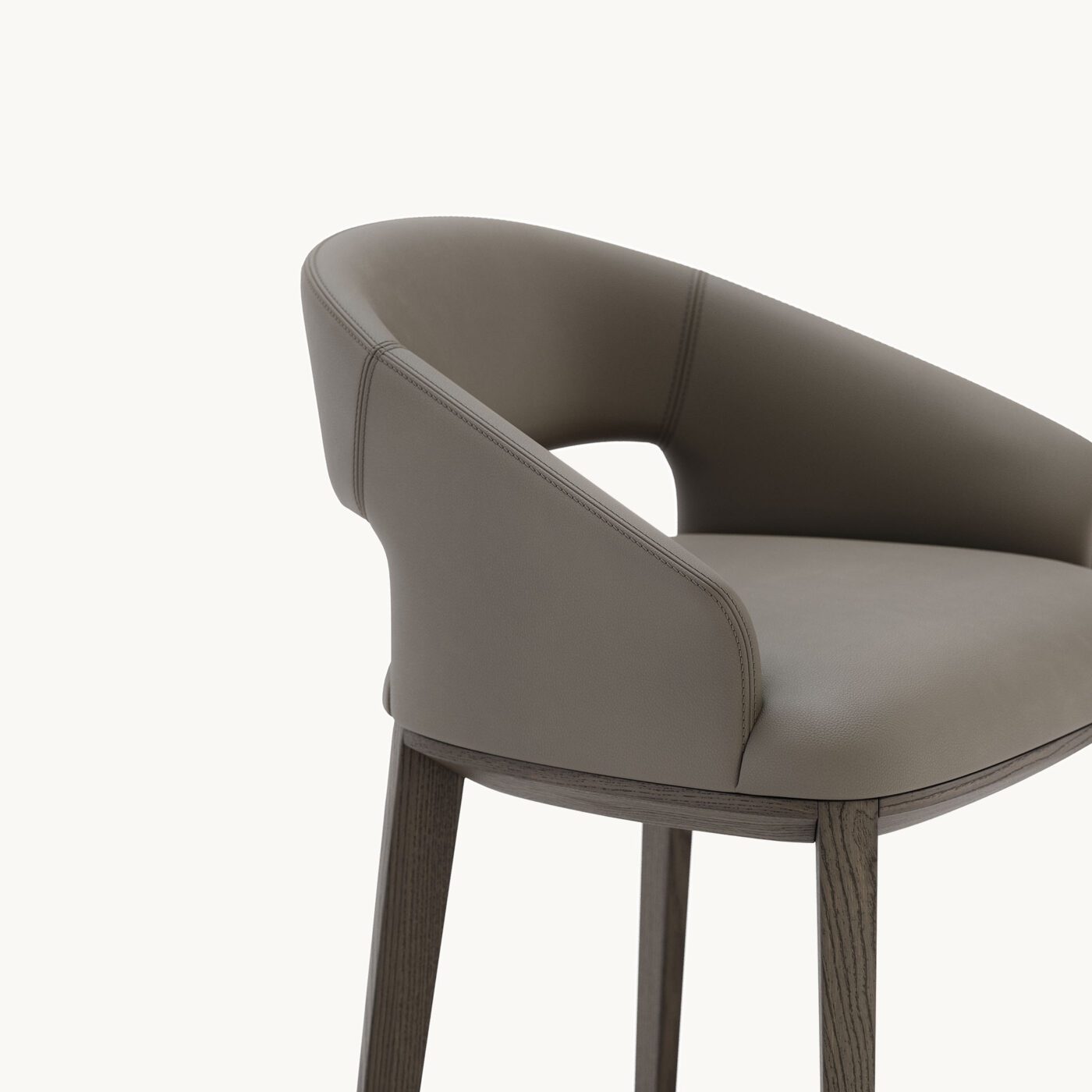
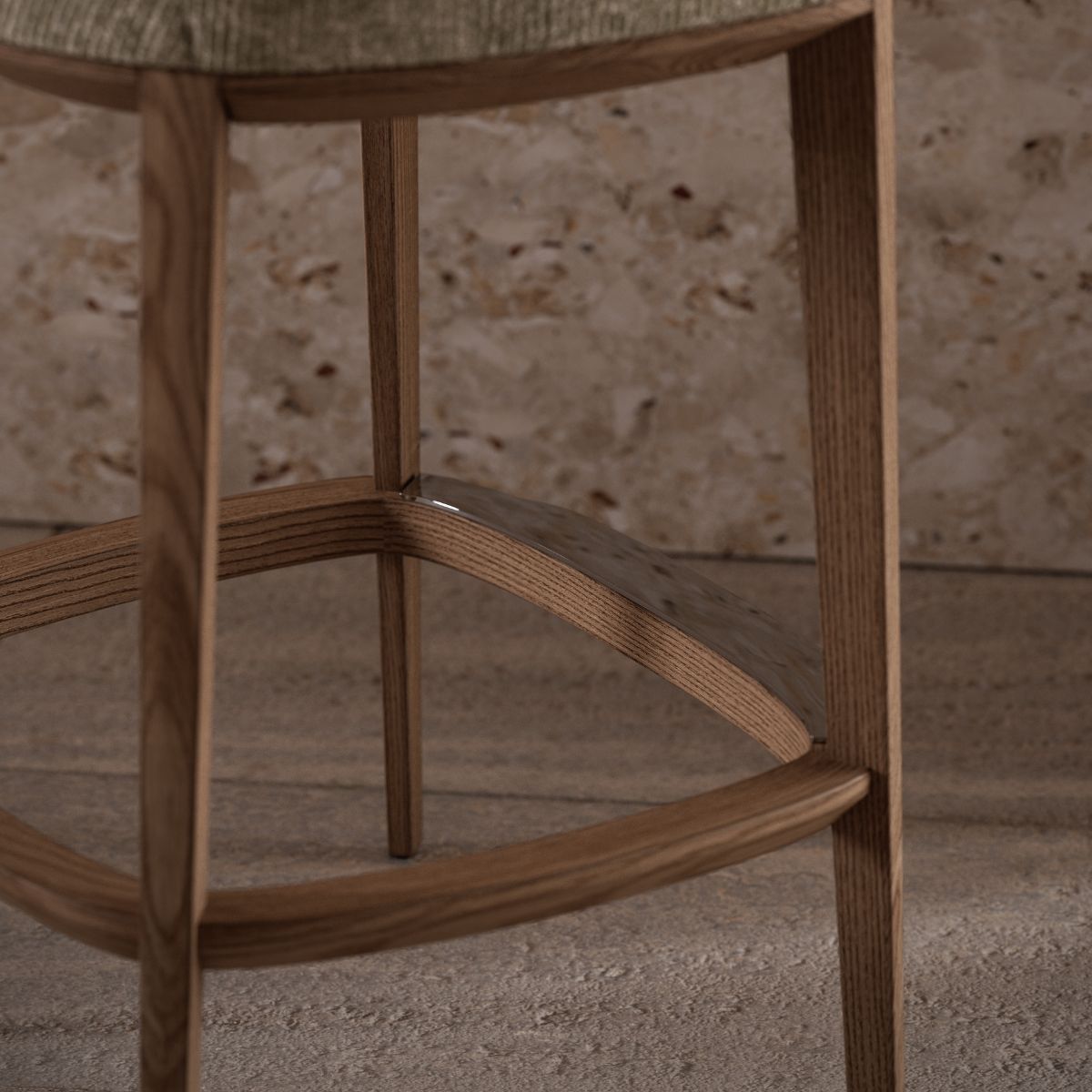
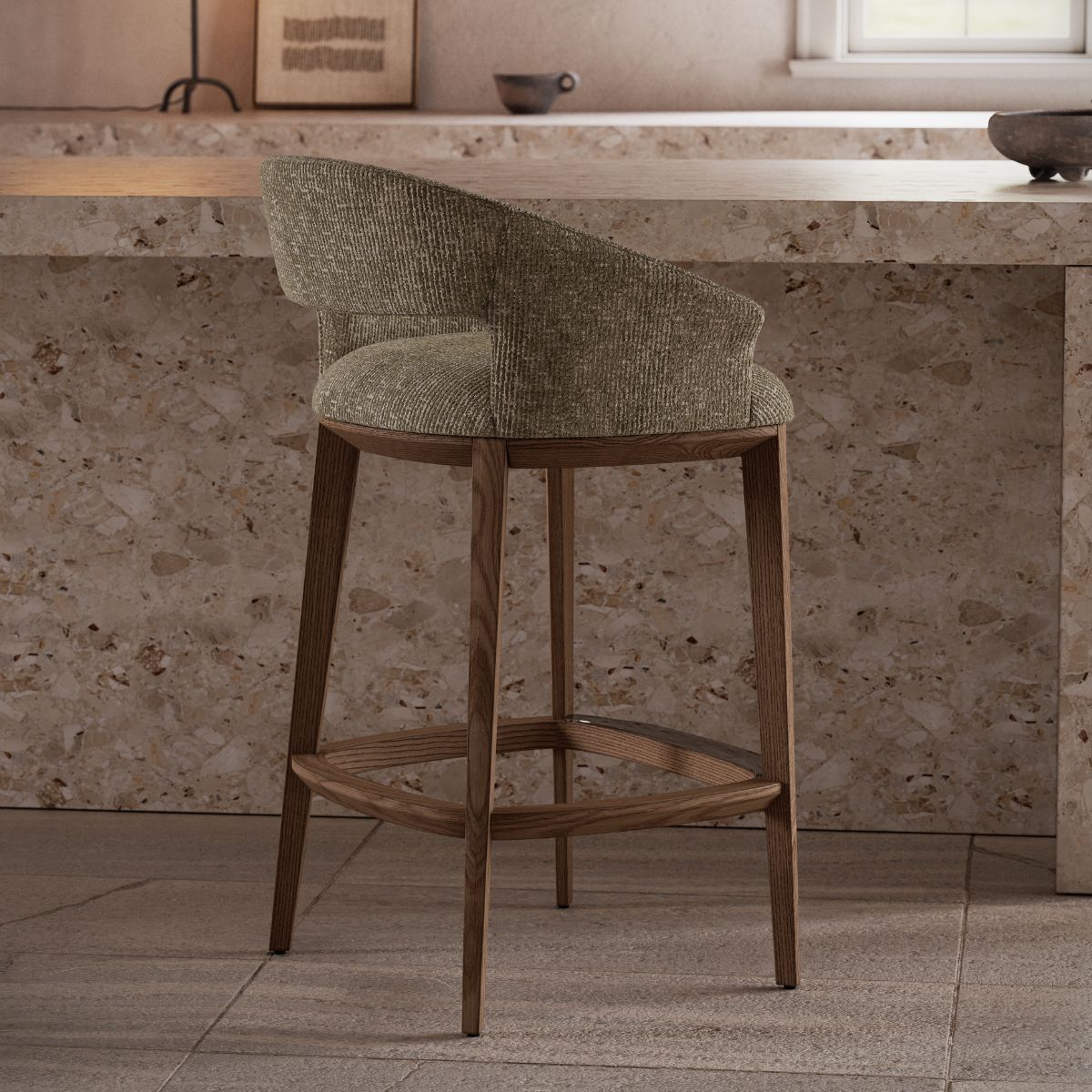
Its silhouette is defined by clean lines and a structured composition, anchored by a wooden frame with four angular-cut legs. This detail introduces an architectural quality that gives the chair presence and stability while reinforcing its refined proportions.
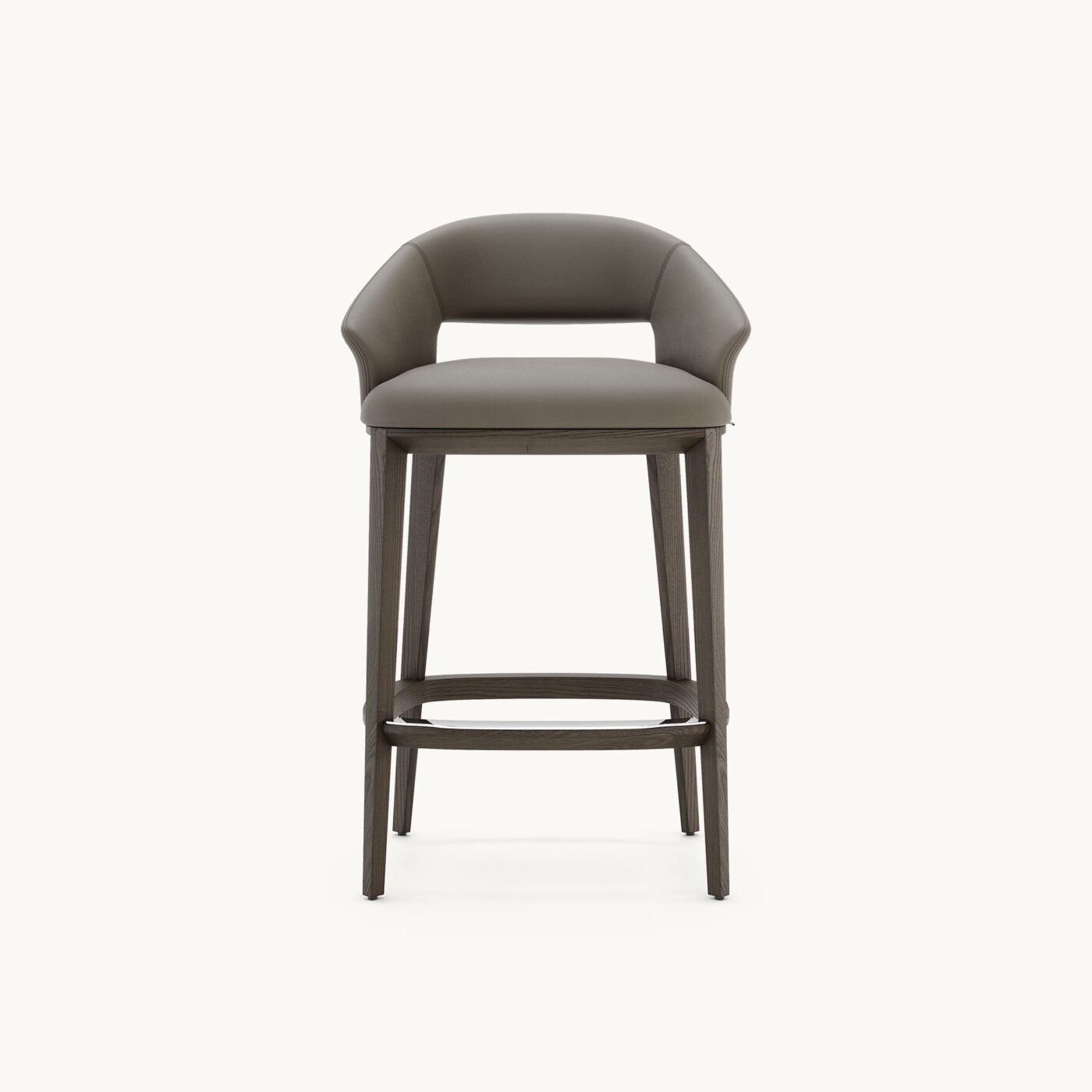
At the same time, the design avoids visual heaviness. The transitions between the structural elements and upholstered surfaces feel fluid and understated, allowing the piece to integrate naturally into a variety of contemporary interiors.
This contrast between precision and comfort reflects a growing movement within interior design, where furniture is expected to contribute to the architectural language of a project while still supporting human interaction and wellbeing.
In hospitality environments, especially, this balance becomes essential. Seating must enhance the atmosphere visually while remaining inviting enough to encourage long conversations, relaxed dining experiences and social engagement.
Form & Ergonomics: Designed Around Human Interaction
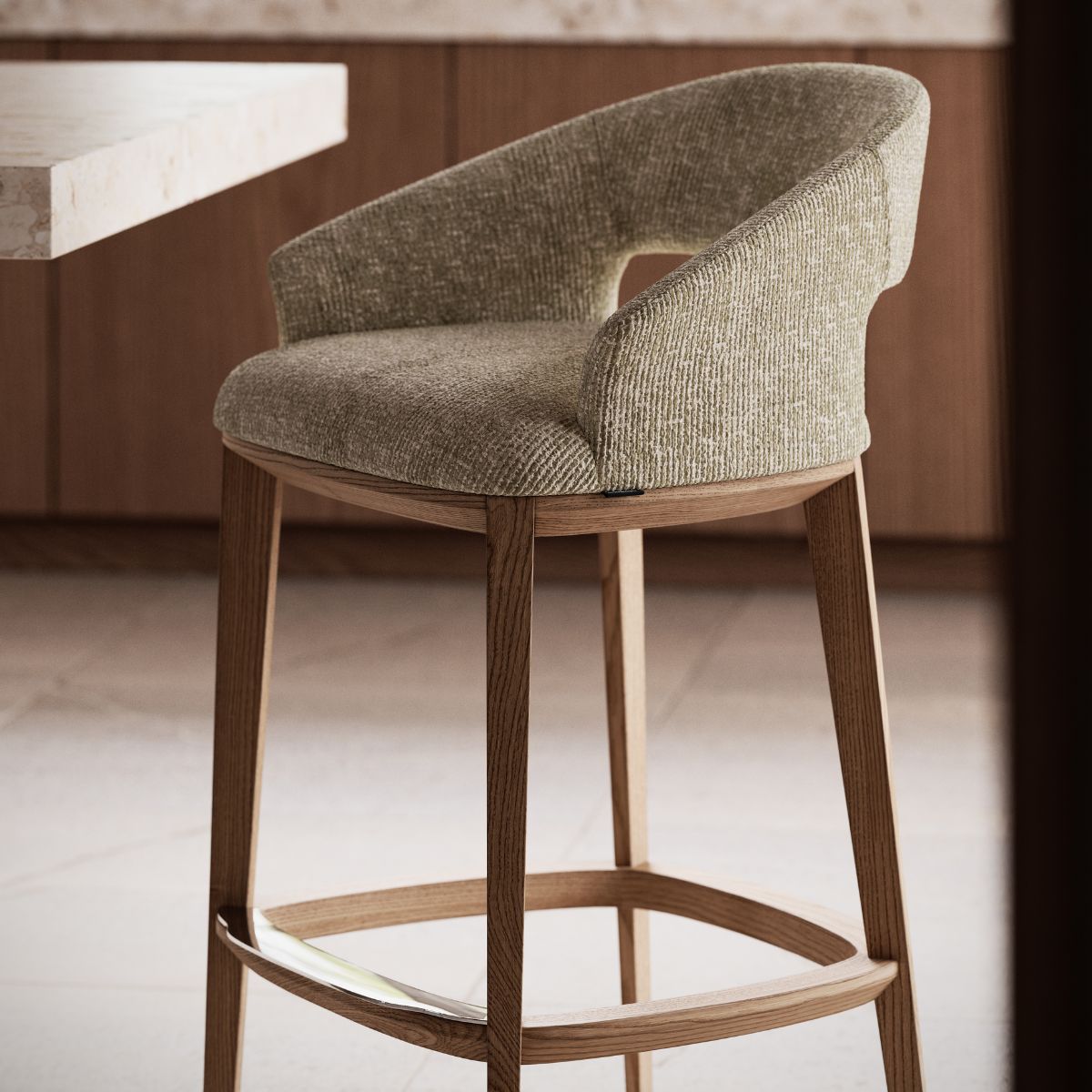
One of the defining characteristics of the Jermain Bar & Counter Chair is the way ergonomics are integrated into its minimalist form.
The convex backrest gently embraces the body, providing support without appearing overly padded or bulky. Rather than functioning as a separate design feature, the backrest flows seamlessly into discreet armrests, reinforcing the continuity of the chair’s silhouette.
This subtle integration has an important effect on the user experience. The chair feels supportive and comfortable while preserving a visually light appearance – a quality particularly valuable in projects where multiple bar or counter chairs are used together.
In open-plan kitchens, hospitality bars or restaurant interiors, seating repetition becomes part of the overall architectural composition. Bulky or visually dense furniture can easily overwhelm a space, whereas refined proportions create rhythm and elegance.
The Jermain Bar & Counter Chair demonstrates how ergonomic comfort does not need to compete with minimalist aesthetics. Instead, both qualities coexist through carefully controlled lines and thoughtful curvature.
Materiality & Craftsmanship: The Strength of the Structure
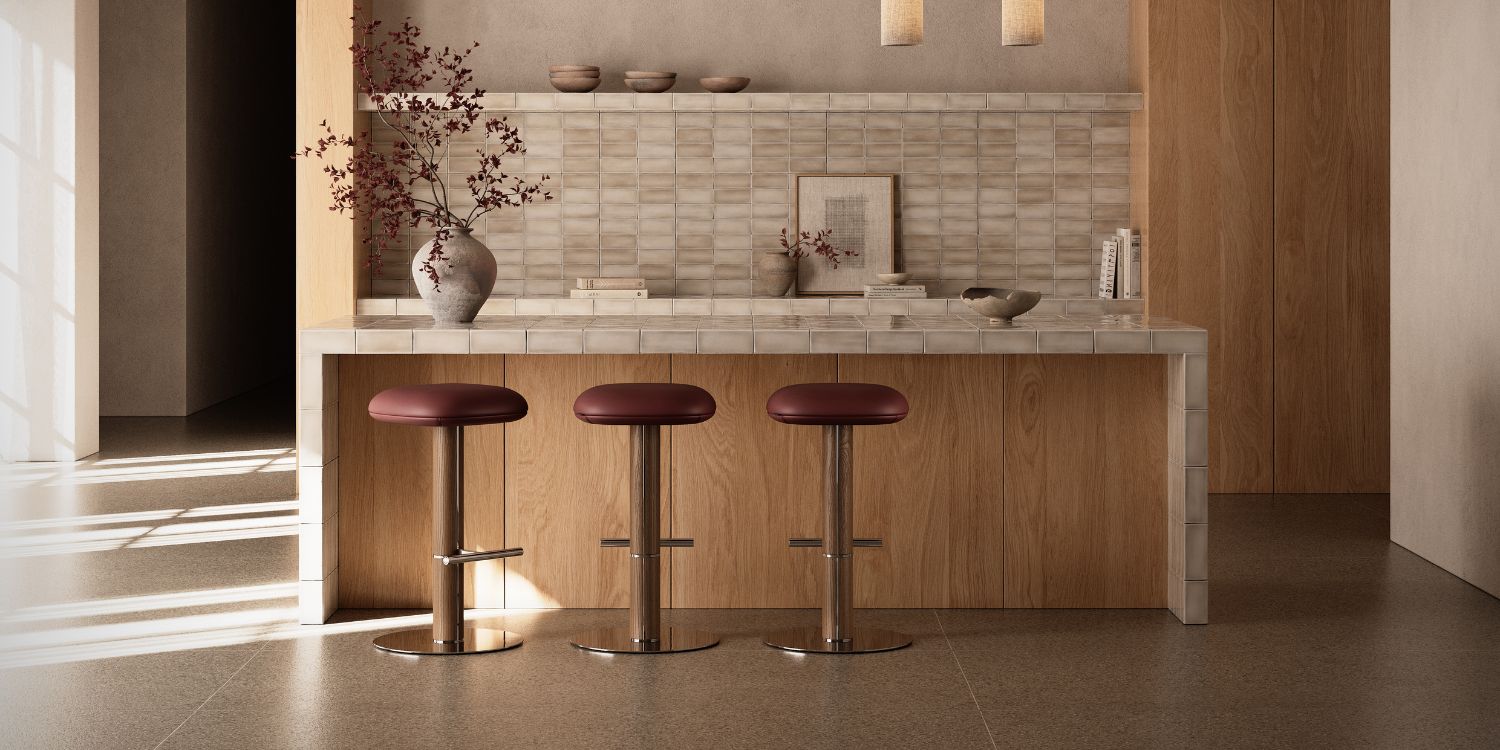
Materiality plays a central role in defining the chair’s character. While the wooden frame version introduces warmth and architectural richness, the Jermain Bar & Counter Chair is also available in a refined metal base version, offering a more contemporary and lightweight interpretation of the design.
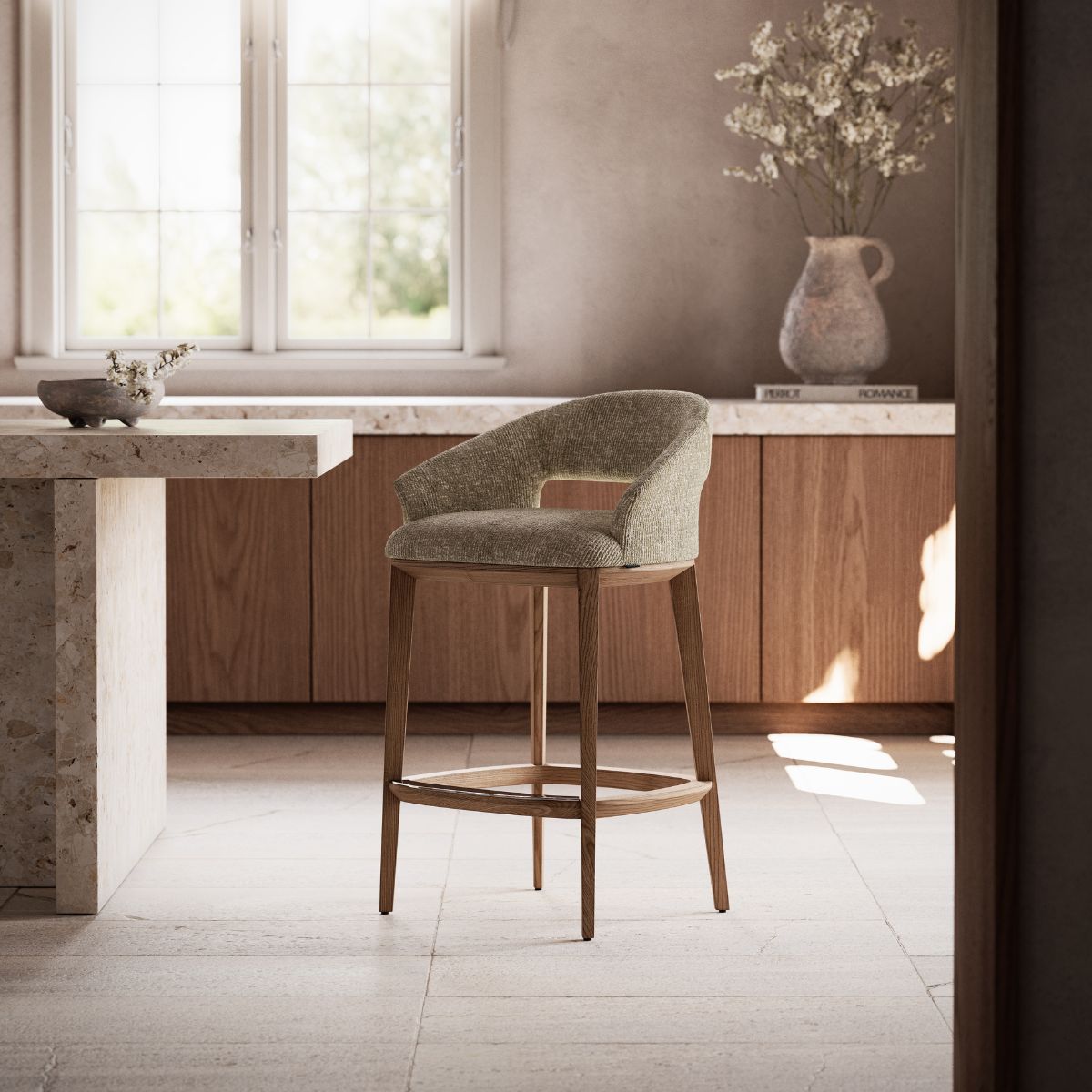
The wooden structure, defined by four angular-cut legs, gives the piece a grounded and sculptural presence. Its precise geometry reinforces the chair’s architectural identity while creating a sophisticated contrast with the softness of the upholstered seating elements.
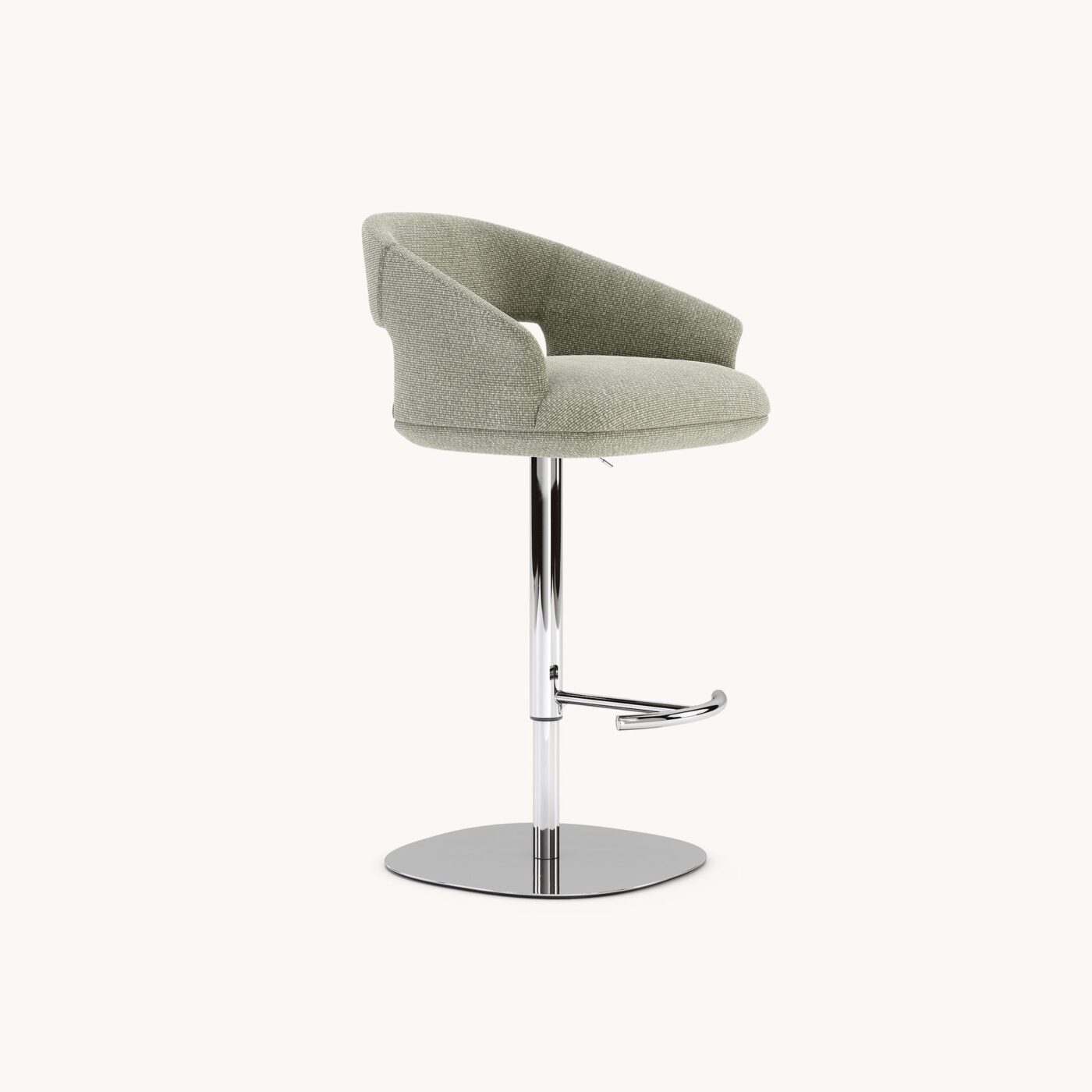
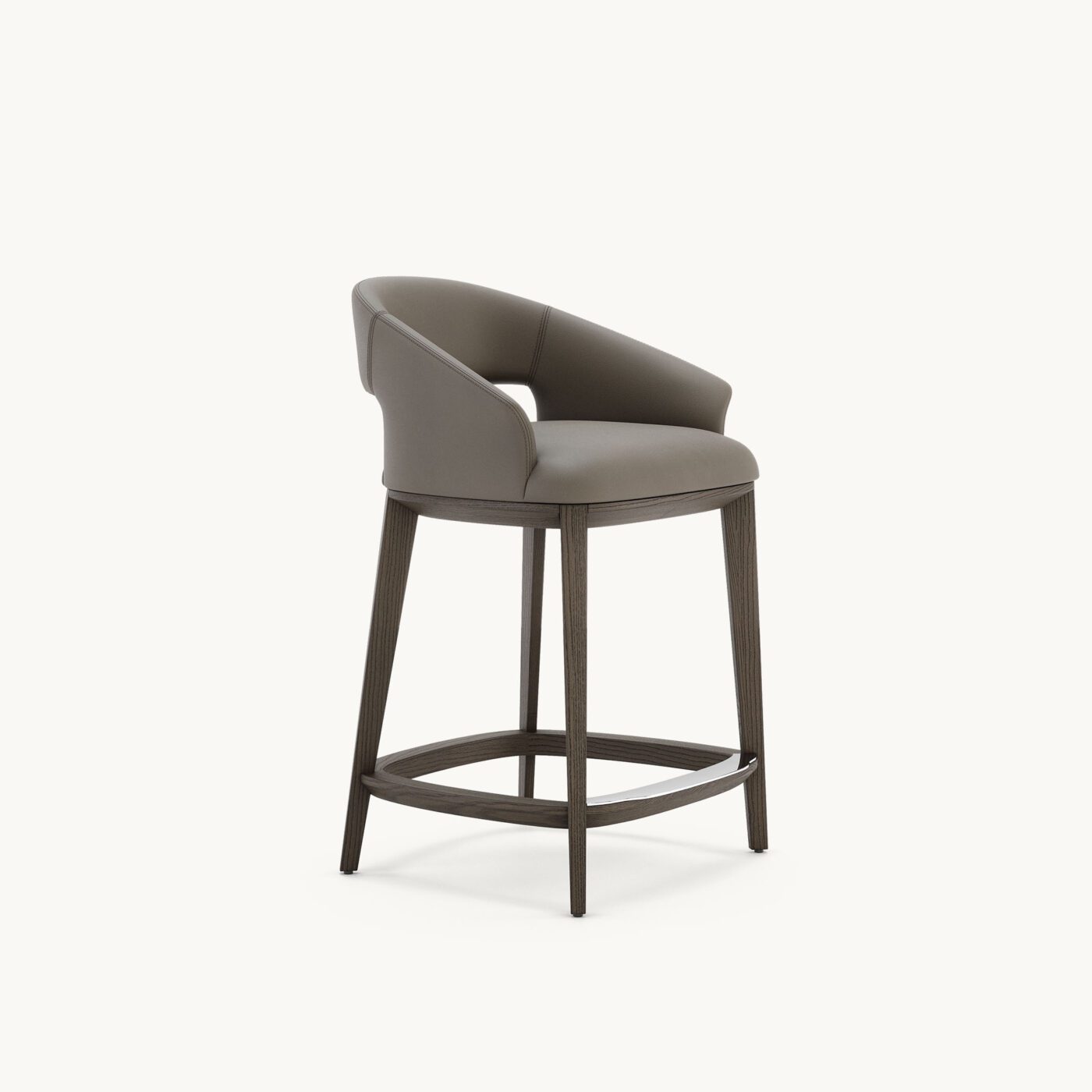
In the metal version, the design takes on a more fluid and contemporary expression. The polished metal base enhances visual lightness and introduces a subtle technical character, making it particularly suited to hospitality interiors, bar environments and modern residential kitchens seeking a cleaner, more minimal aesthetic.
This duality allows the Jermain Bar & Counter Chair to adapt naturally across different interior languages and project requirements. Whether specified with wood for warmth and tactile depth or with metal for a more refined contemporary presence, the chair maintains its essential balance between comfort, functionality and timeless design.
Beyond aesthetics, both versions reflect a strong commitment to craftsmanship and durability, qualities that are increasingly important in residential and contract specifications.
Refined Design Details That Define Contemporary Furniture
In contemporary furniture design, subtle details often carry the greatest impact.
The Jermain Bar & Counter Chair incorporates a discreet opening on the backrest – a small gesture that introduces lightness and visual distinction without interrupting the purity of the form.
This detail serves several purposes simultaneously. Aesthetically, it creates depth and refinement within the silhouette. Functionally, it enhances the visual permeability of the chair, helping it feel lighter within a space.
Most importantly, however, it reflects a broader philosophy of contemporary design: refinement through restraint.
Rather than relying on decorative excess, the chair uses precision and proportion to establish character. These understated gestures create sophistication that feels timeless rather than trend-driven.
Comfort & Everyday Functionality in Social Environments
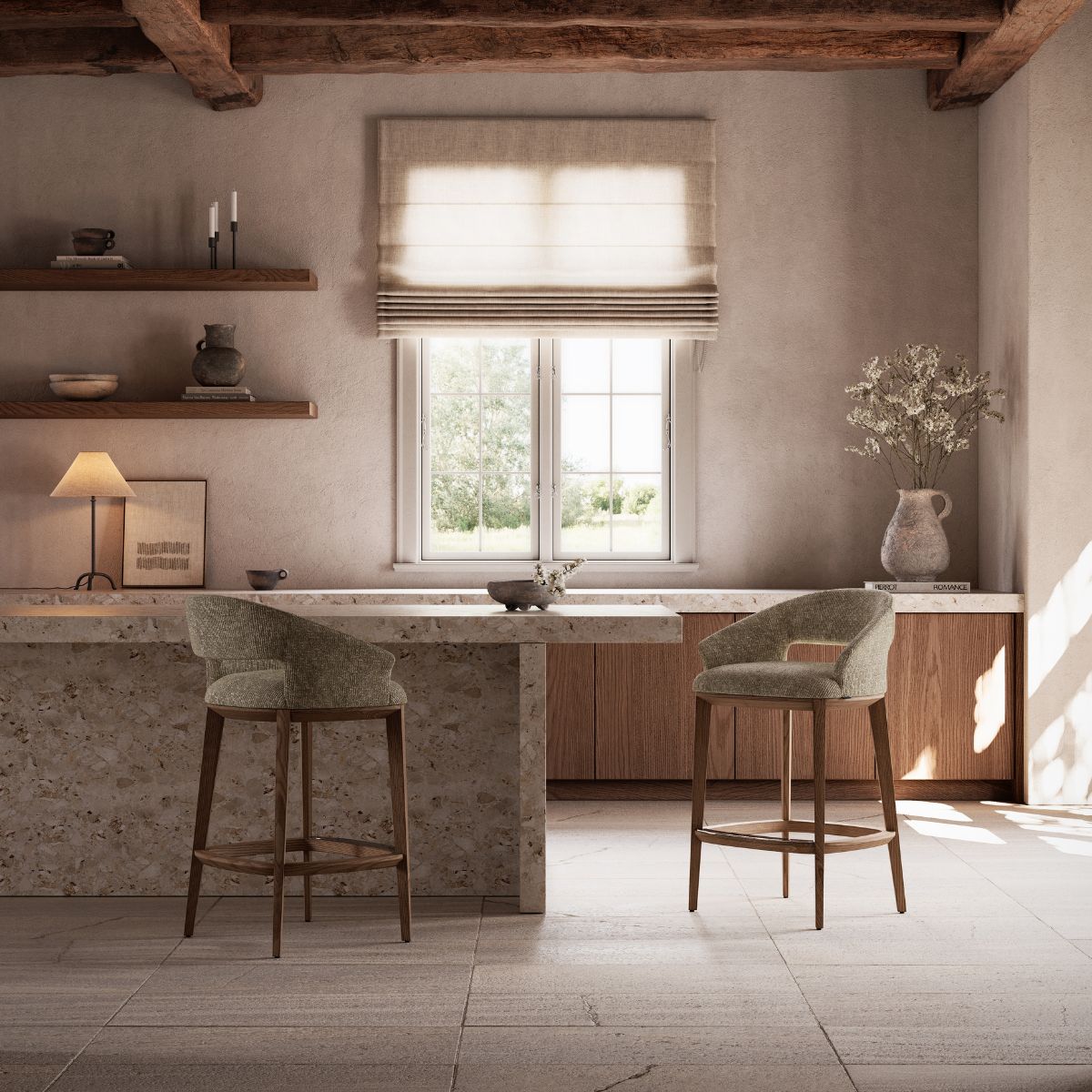
Bar and counter seating occupies a unique role within interiors because it naturally encourages interaction. These are spaces where people gather casually, sharing meals, conversations and everyday rituals.
As a result, comfort becomes fundamental.
The Jermain Bar & Counter Chair is designed to support these social dynamics through balanced ergonomics and thoughtful proportions. The integrated armrests provide subtle support without restricting movement, while the curved backrest enhances comfort during extended periods of sitting.
Equally important is the chair’s visual lightness. In social spaces, furniture should facilitate openness and flow rather than creating visual barriers. The refined silhouette of the chair allows it to contribute to the atmosphere without dominating it.
This is particularly relevant in contemporary residential projects, where kitchens increasingly function as social hubs rather than isolated functional areas. The same applies to hospitality environments, where seating directly shapes the guest experience and the overall rhythm of a space.
Versatility Across Residential and Hospitality Projects
The versatility of the Jermain Bar & Counter Chair makes it suitable for a wide range of applications and interior concepts.
In residential interiors, it integrates naturally into kitchen islands and open dining areas, adding architectural sophistication while maintaining warmth and comfort. In hospitality projects, the chair adapts seamlessly to bars, restaurants, boutique hotels and lounge environments, where refined proportions and ergonomic support become essential to the guest experience.
The availability of wooden and metal base versions further expands its versatility. While the wooden structure introduces warmth and a more tactile architectural character, the metal version offers a lighter and more contemporary aesthetic, particularly suited to modern hospitality settings and minimalist interiors.
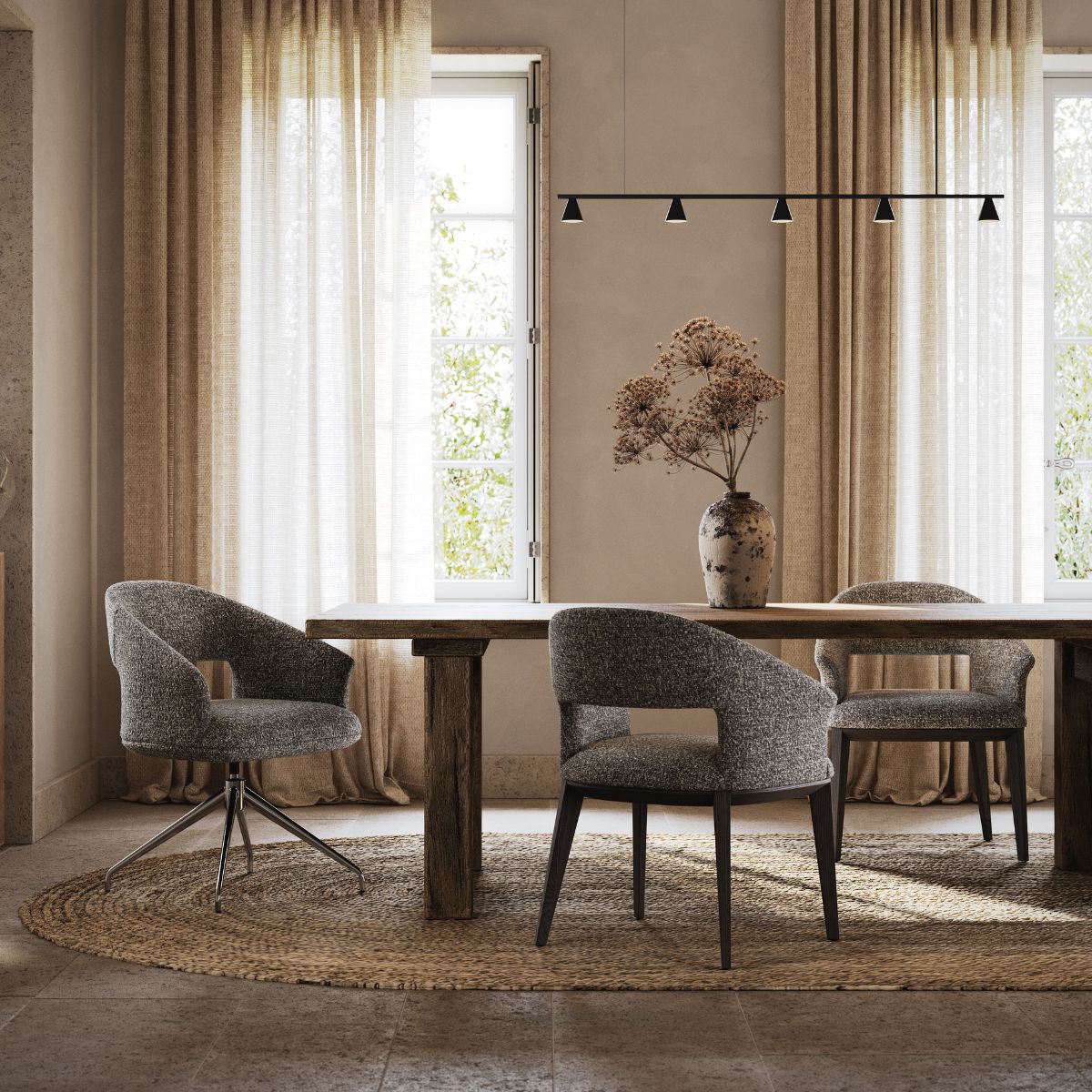
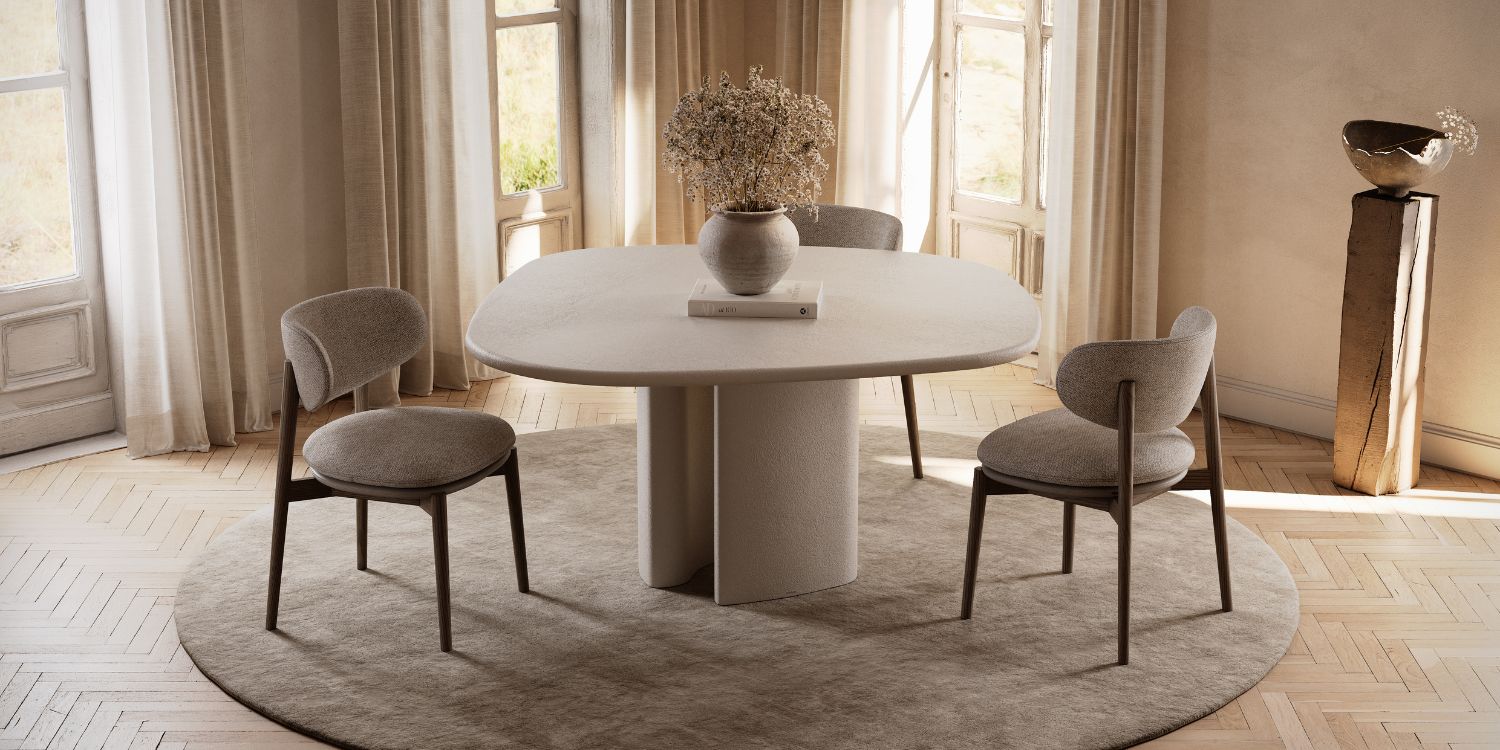
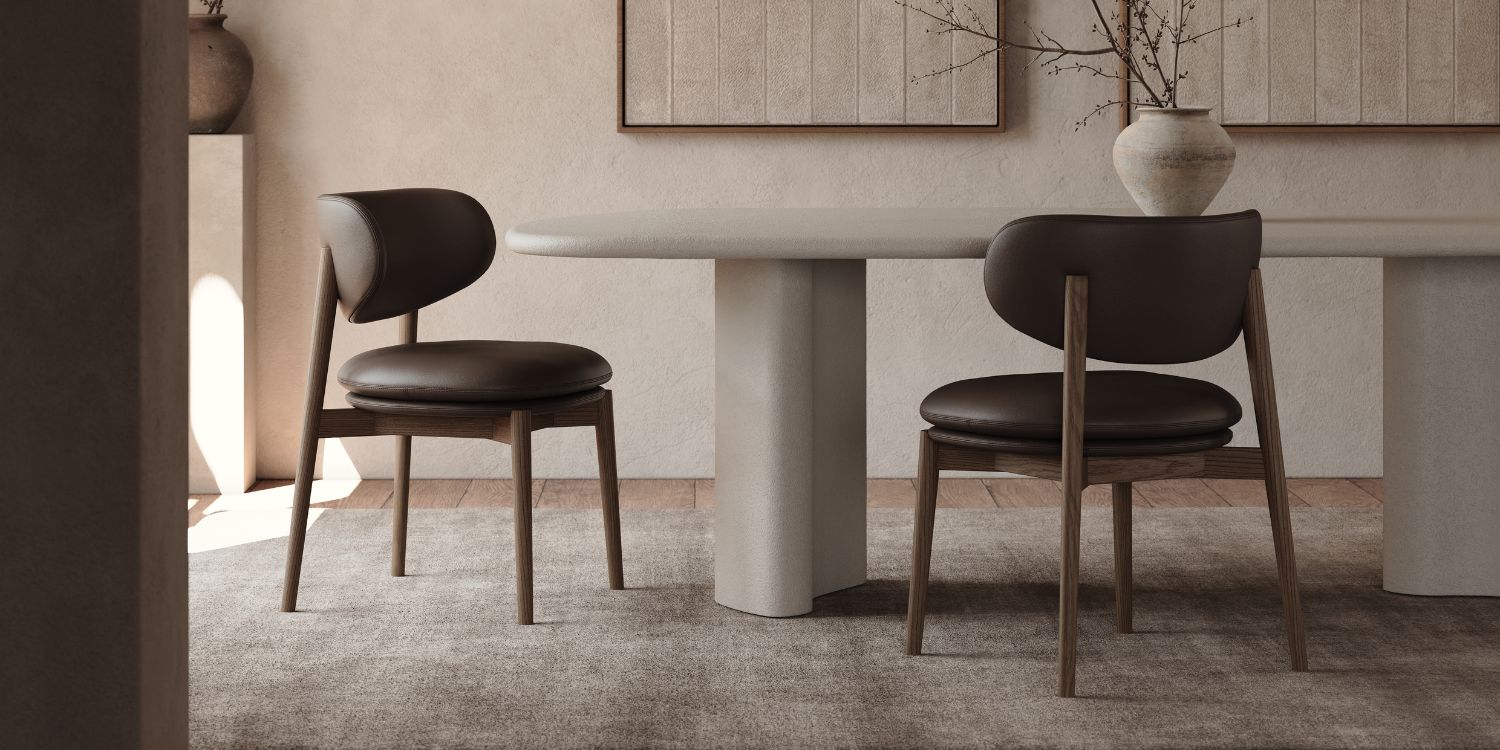
Beyond the bar and counter formats, the Jermain collection also includes a dining chair version, allowing designers to create visual continuity across different areas of a project. This cohesion becomes especially valuable in open-plan residential spaces and hospitality environments, where maintaining a consistent design language helps establish rhythm, harmony and a stronger architectural identity.
Rather than functioning as isolated pieces, the different versions of the Jermain design allow seating to become part of a unified spatial experience – adaptable to varying functions while preserving the same refined silhouette and human-centred comfort.
A Contemporary Seating Piece Designed for Human-Centred Interiors
The Jermain Bar & Counter Chair demonstrates how minimalist furniture can still feel expressive, tactile and welcoming. Through its architectural wooden structure, ergonomic curves and carefully refined details, the piece creates a sophisticated balance between form and function.
With its timeless silhouette and human-centred design approach, Jermain offers a refined solution for projects seeking architectural presence and enduring comfort.
YOU MAY ALSO LIKE: Pontus Dining Table: Calm, Contemporary And Architecturally Refined
We are working every day to bring you the most stylish ideas to fulfil your inspiration and to create the best interior design projects, so feel free to follow our Instagram Page and subscribe to our newsletter.