

Winter has a way of changing how we experience interiors. Light behaves differently, days grow shorter and suddenly the spaces we design aren’t just visual statements: they become shelters and gathering points. For interior design professionals, this seasonal shift can be aesthetic, but it’s also strategic.
Winter interior design trends respond directly to how people live during the colder months. Clients spend more time indoors, seek comfort without abdicating style and expect spaces to feel warm, layered and intentional. Understanding these trends allows designers to create interiors that feel timely yet timeless – spaces that perform emotionally as well as functionally.
Therefore, rather than reinventing design language every season, winter trends refine it. They emphasise tactility, warmth and atmosphere, offering designers an opportunity to deepen the relationship between people and their interiors.
1. Warm minimalism replaces cold simplicity

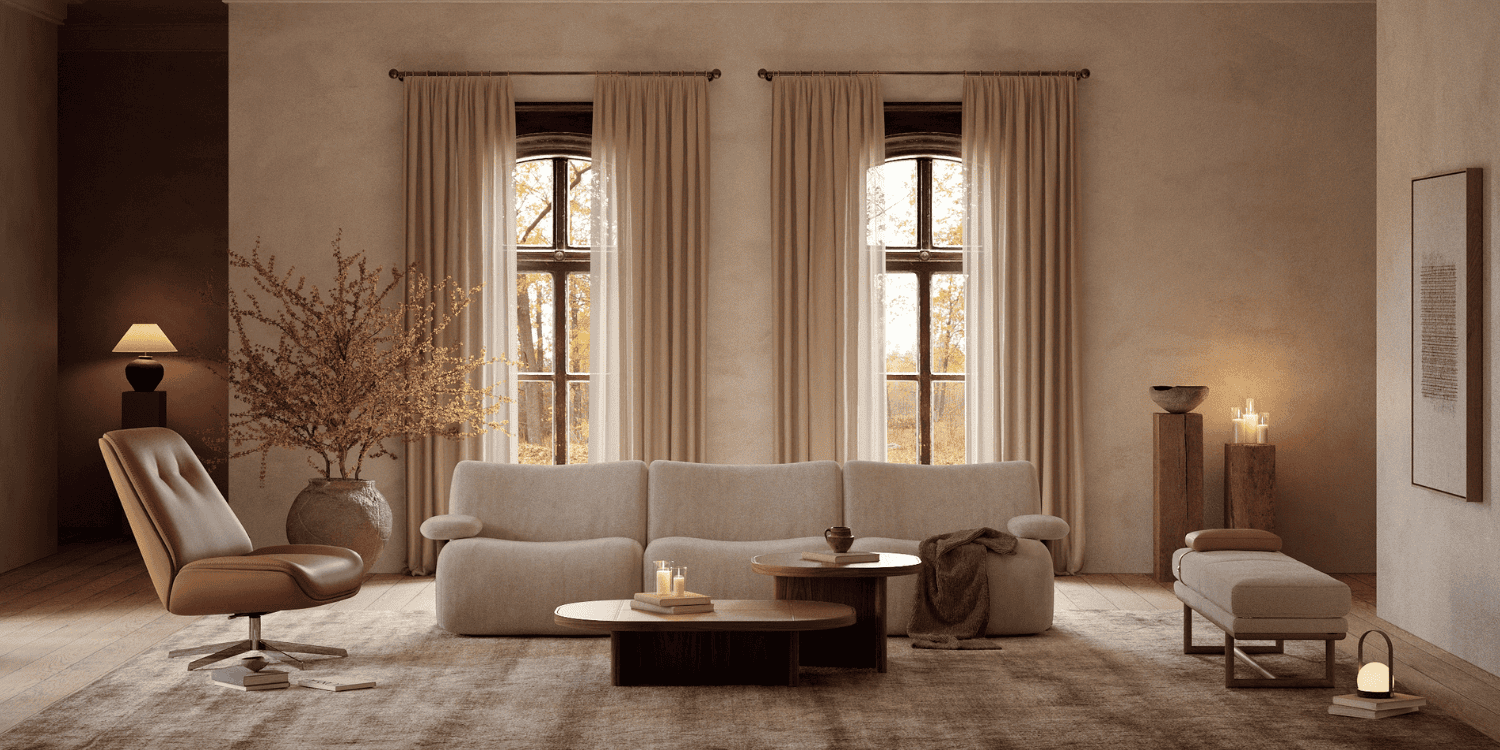
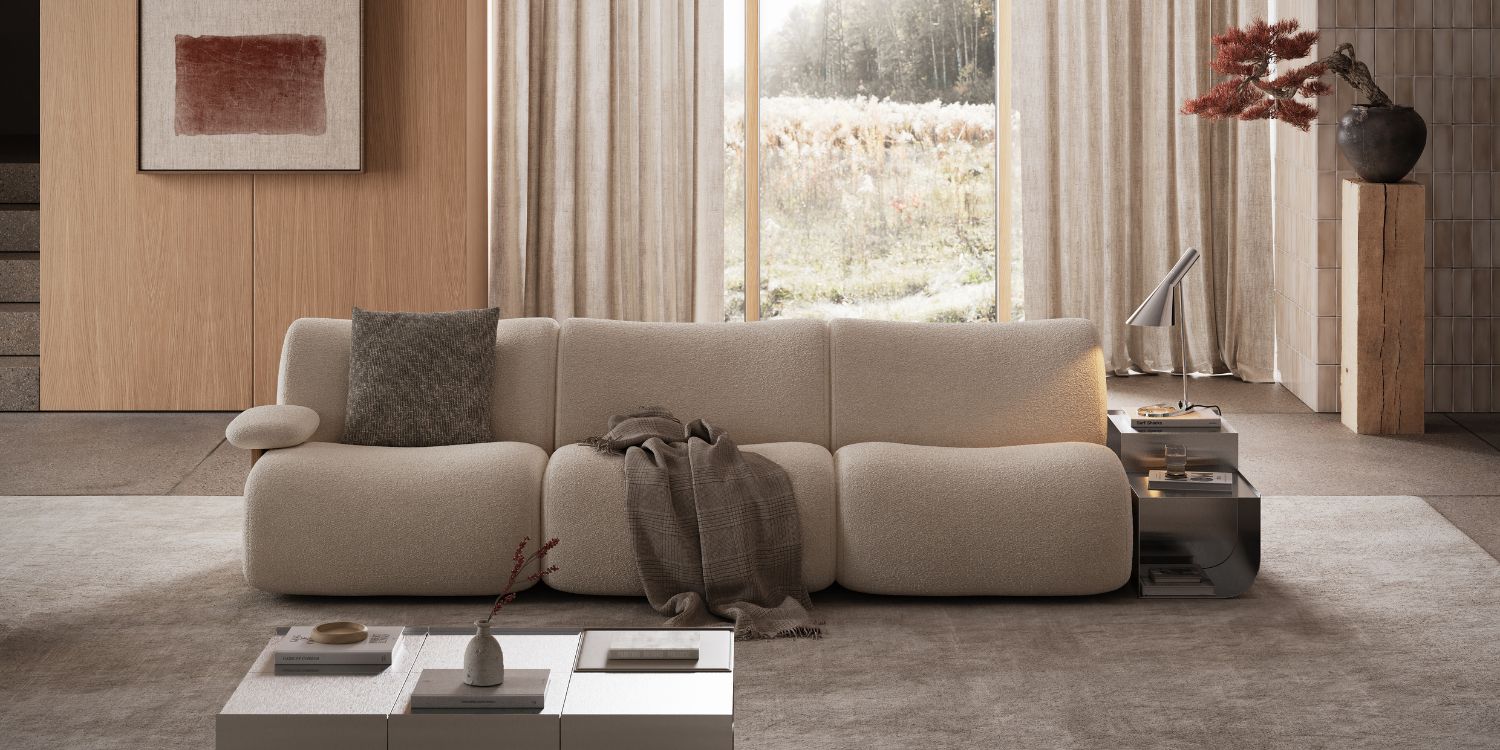
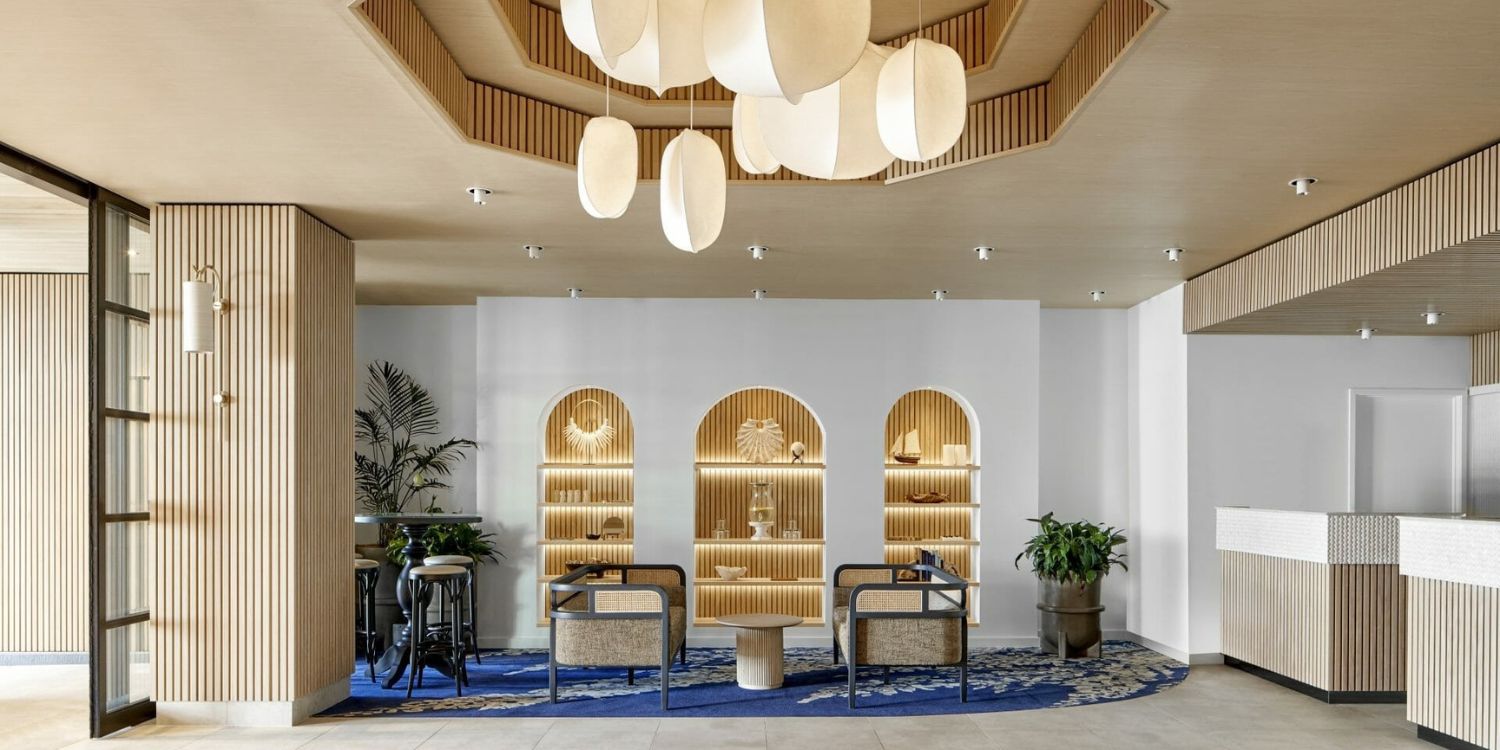
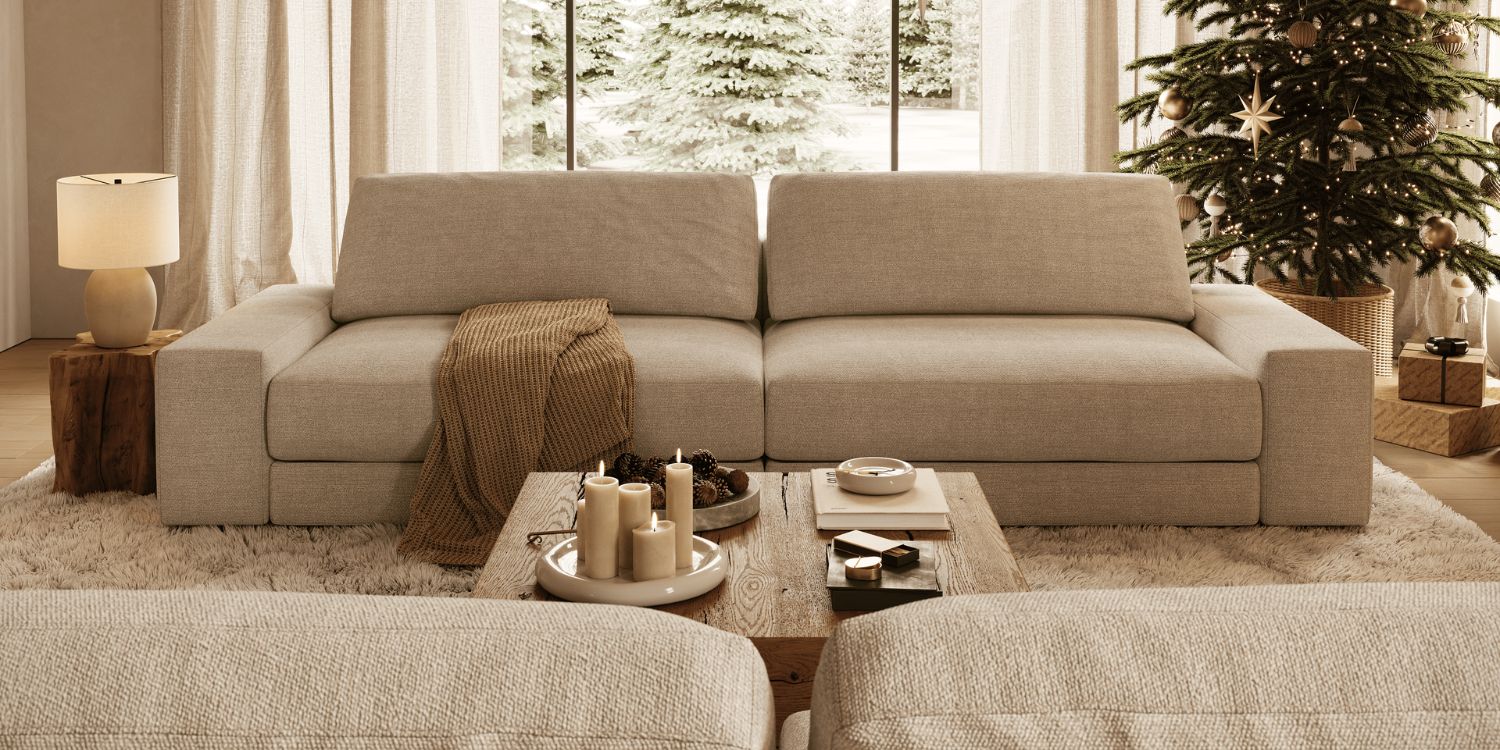
Minimalism hasn’t disappeared – it has matured. In winter, interiors move away from sharp contrasts and rigid forms toward warm minimalism, where clarity is softened by texture, rounded silhouettes and tactile materials.
For clients, this shift translates into spaces that feel calm but not cold. For designers, it’s an opportunity to elevate projects through restraint: choosing fewer pieces, but with greater presence and comfort.
How to apply it in your projects:
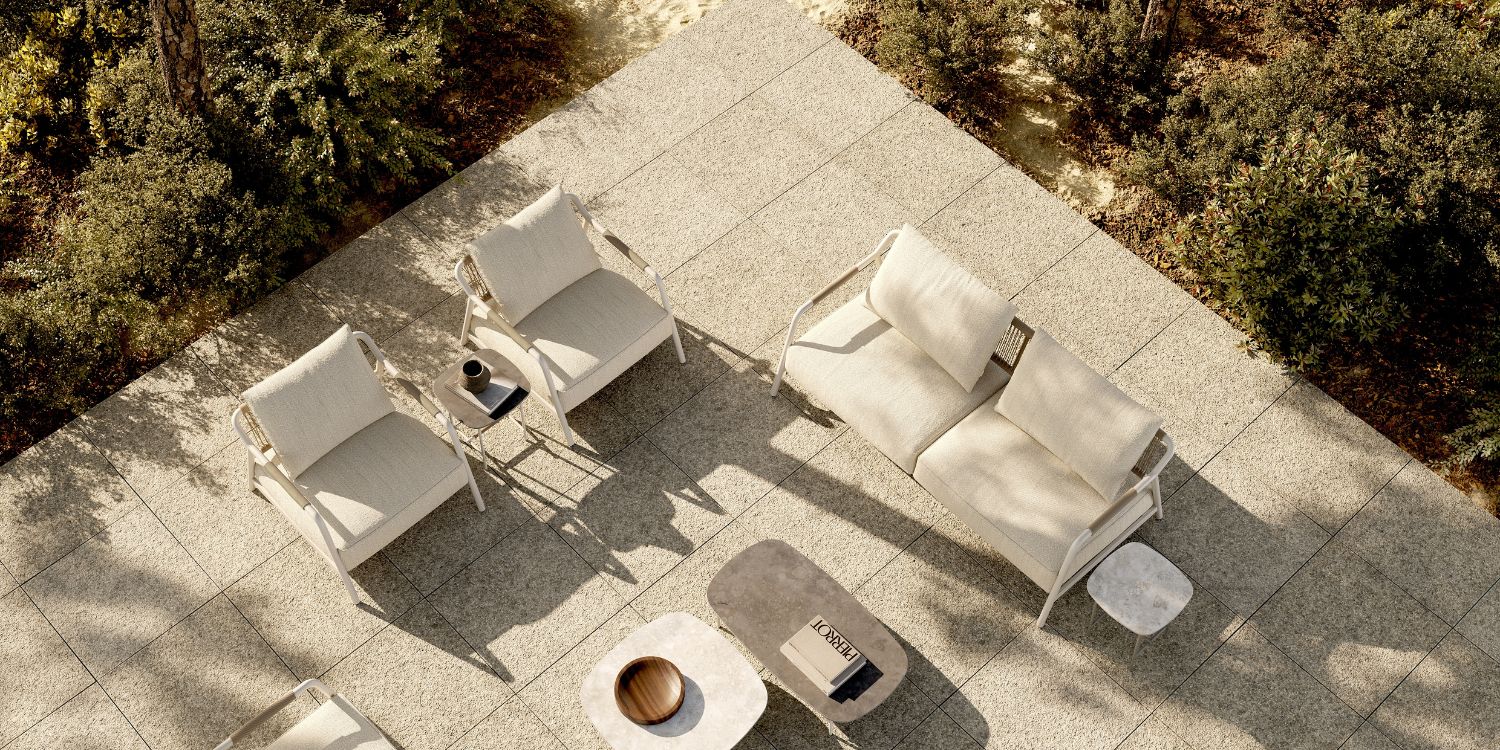
Instead of filling the room, define it. Select one or two statement furniture pieces with generous proportions, soft upholstery and refined detailing. These pieces should visually ground the space while delivering comfort.
By reducing visual noise and prioritising form and material quality, you achieve warmth without excess – the essence of winter-ready minimalism.
2. Layering becomes a design strategy
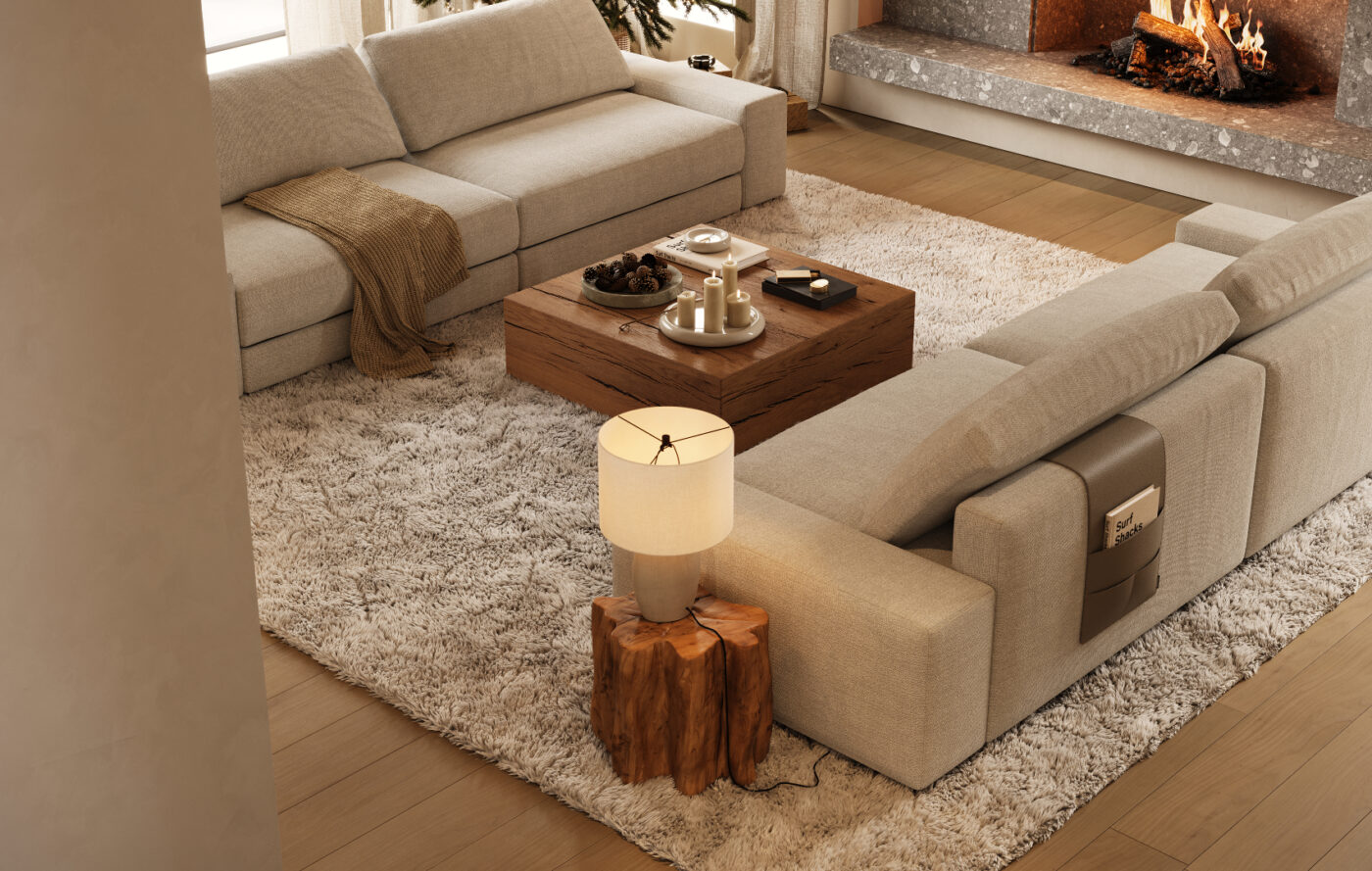
Layering is no longer about styling alone; it’s structural. Winter interiors rely on layers of light, materials and finishes to create depth and adaptability throughout the day.
As natural light fades earlier, interiors must perform harder. Layering allows spaces to evolve from bright and functional during the day to intimate and atmospheric at night without altering the layout.
How to apply it:
Layering works best when it’s intentional. Design lighting in tiers – ambient, task and accent – and integrate texture across upholstery, rugs and soft furnishings from the outset.
This approach ensures the space adapts naturally to winter rhythms, offering flexibility without redesign. For designers, it also increases perceived depth and sophistication with minimal structural change.
3. Earthy and muted colour palettes take centre stage
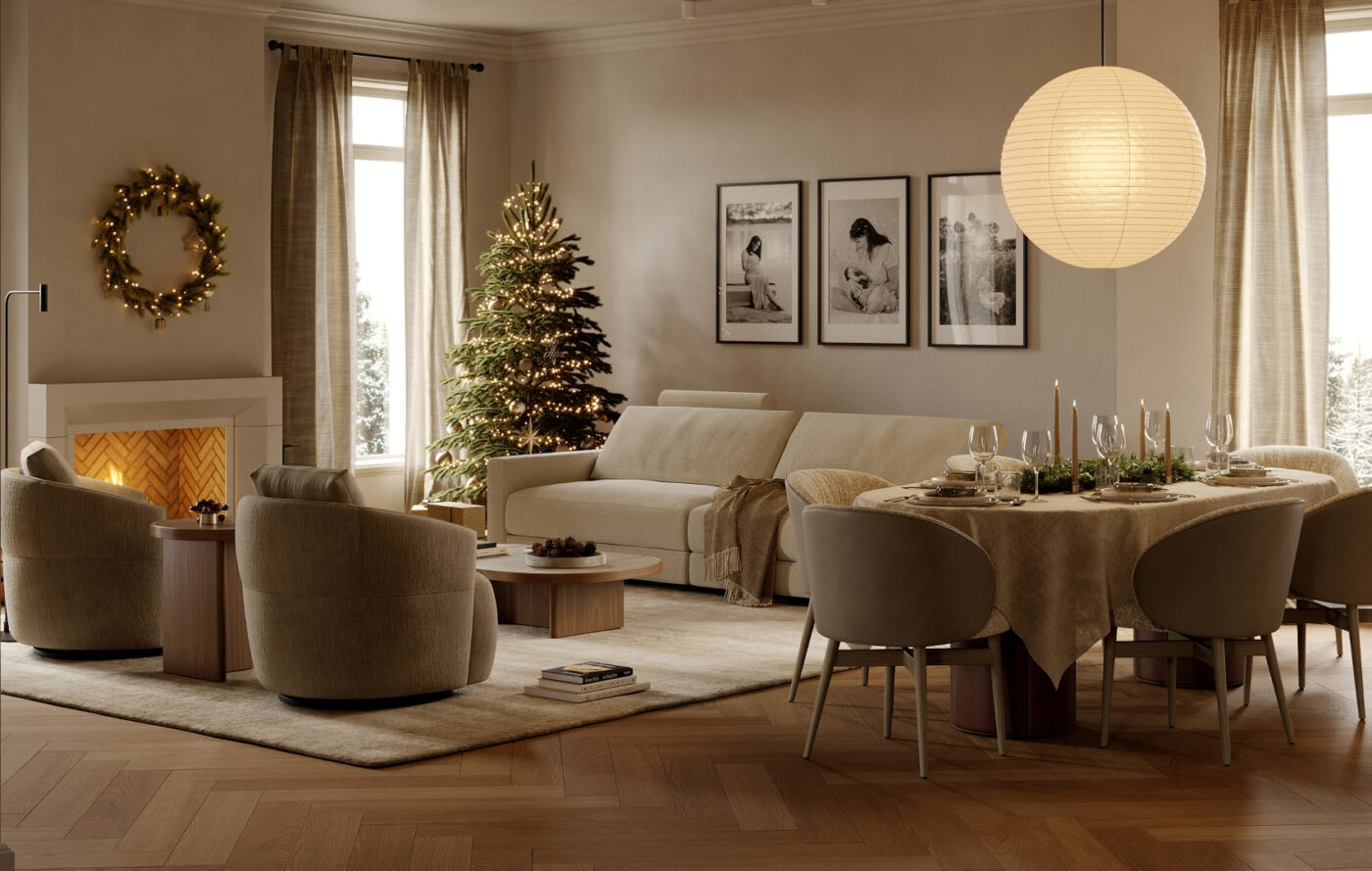
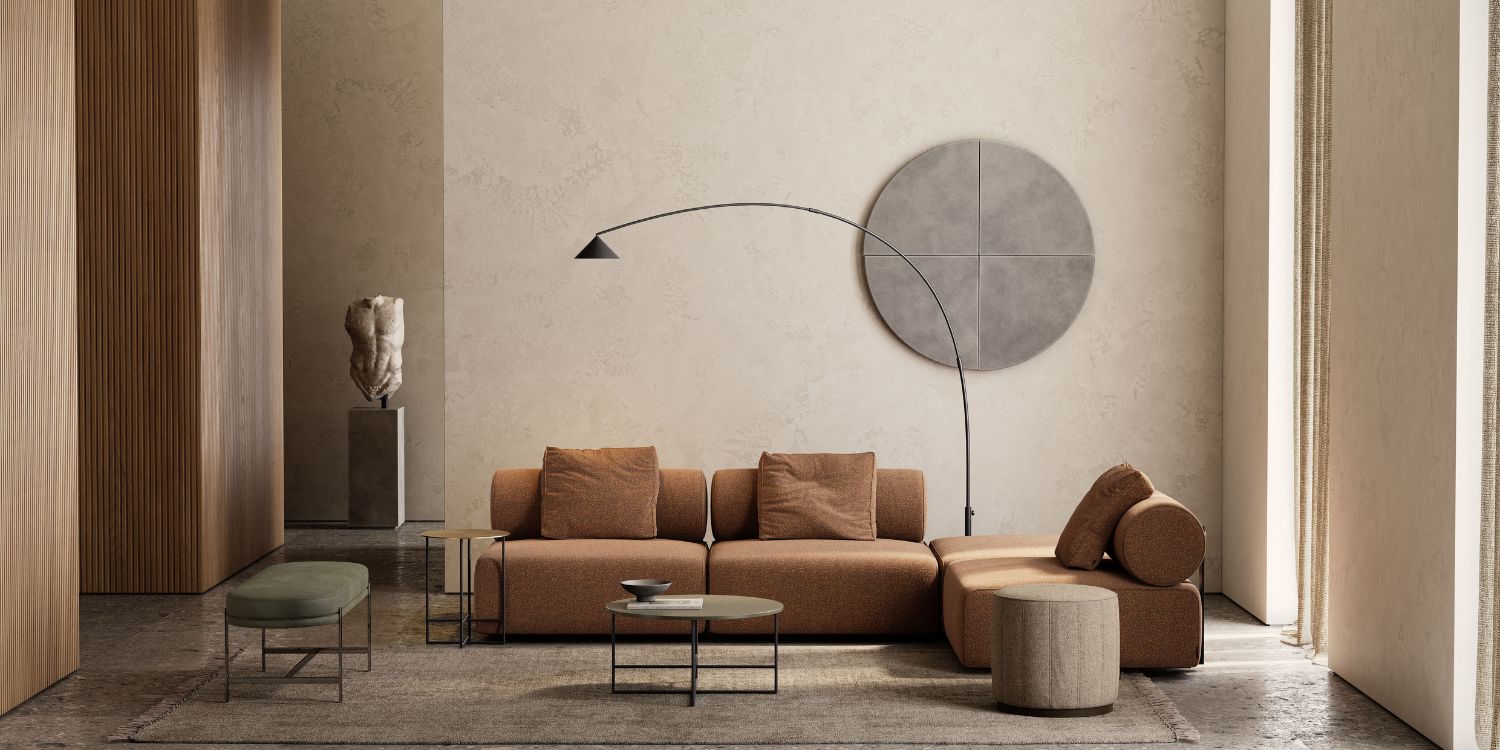
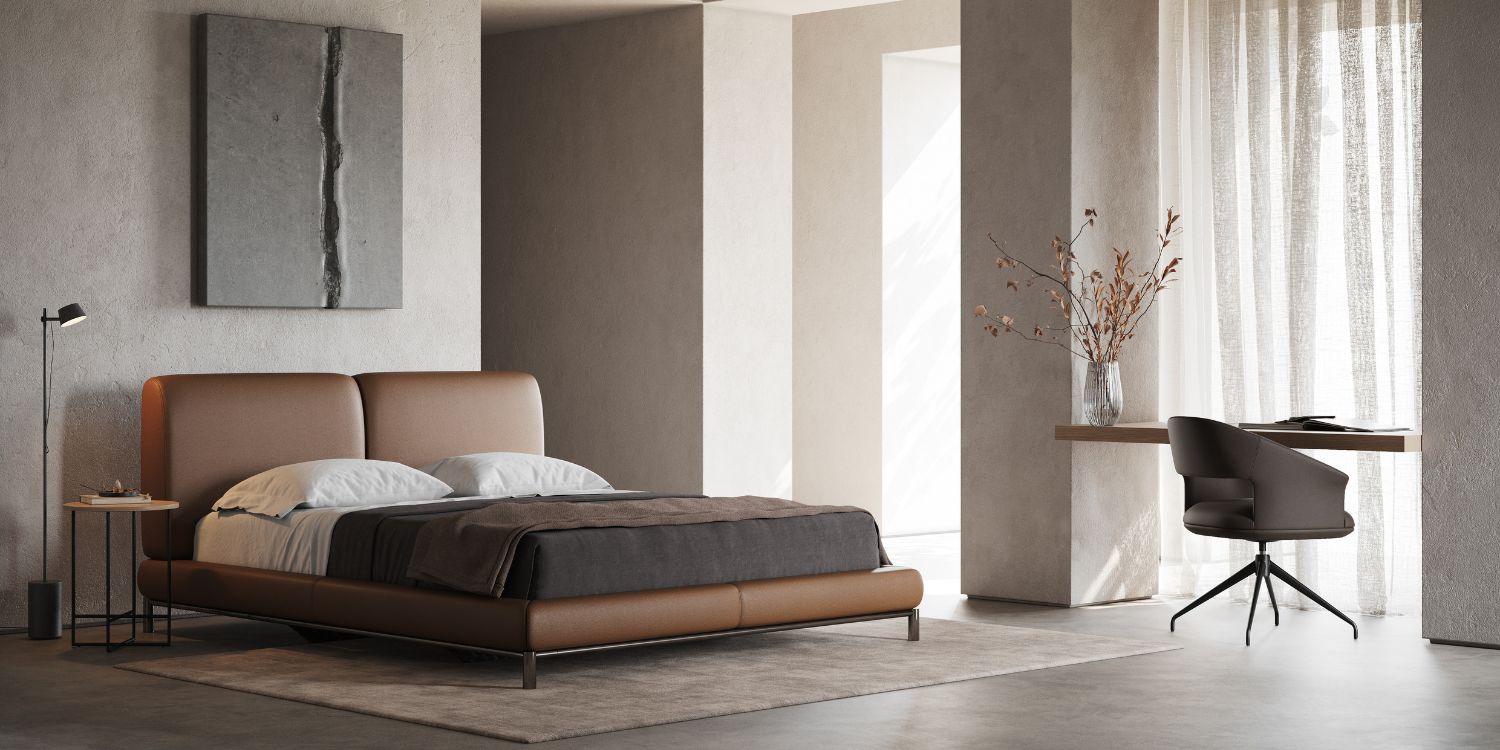
Winter interior design trends favour grounded, muted tones that create continuity and emotional warmth. Browns, taupes, warm greys, soft olives and desaturated neutrals dominate because they don’t compete – they envelop.
These palettes also support longevity. Rather than feeling seasonal or trendy, they act as a base layer that allows furniture, texture and form to take the spotlight.
How to apply it to your winter project:
Rather than treating colour as decoration, use it architecturally. Choose a dominant warm tone and apply it in varying intensities across walls, furniture and textiles.
This tonal approach reinforces cohesion and allows winter palettes to feel immersive rather than heavy, especially effective in open-plan or hospitality interiors.
4. Curves continue to define comfort
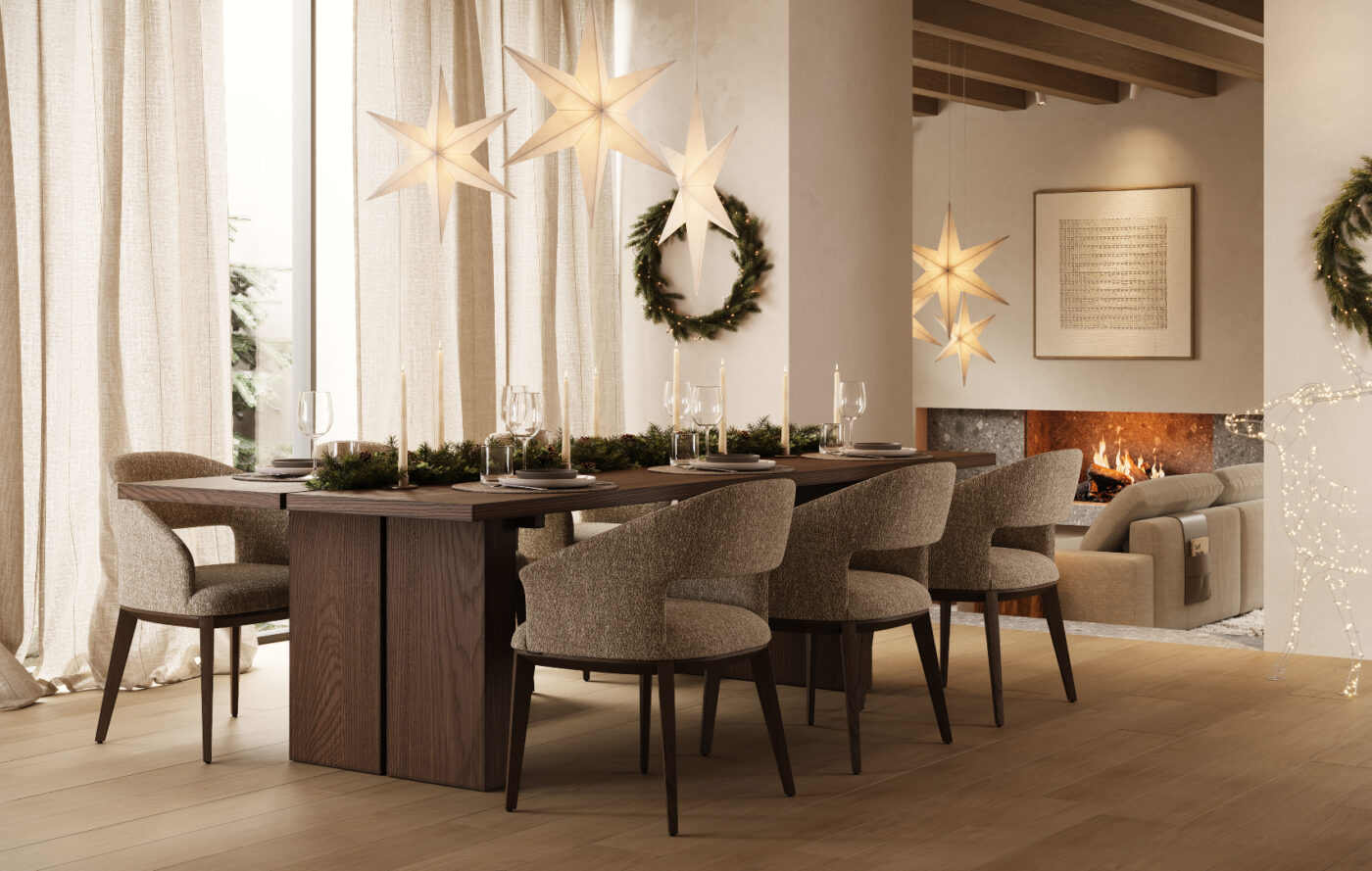
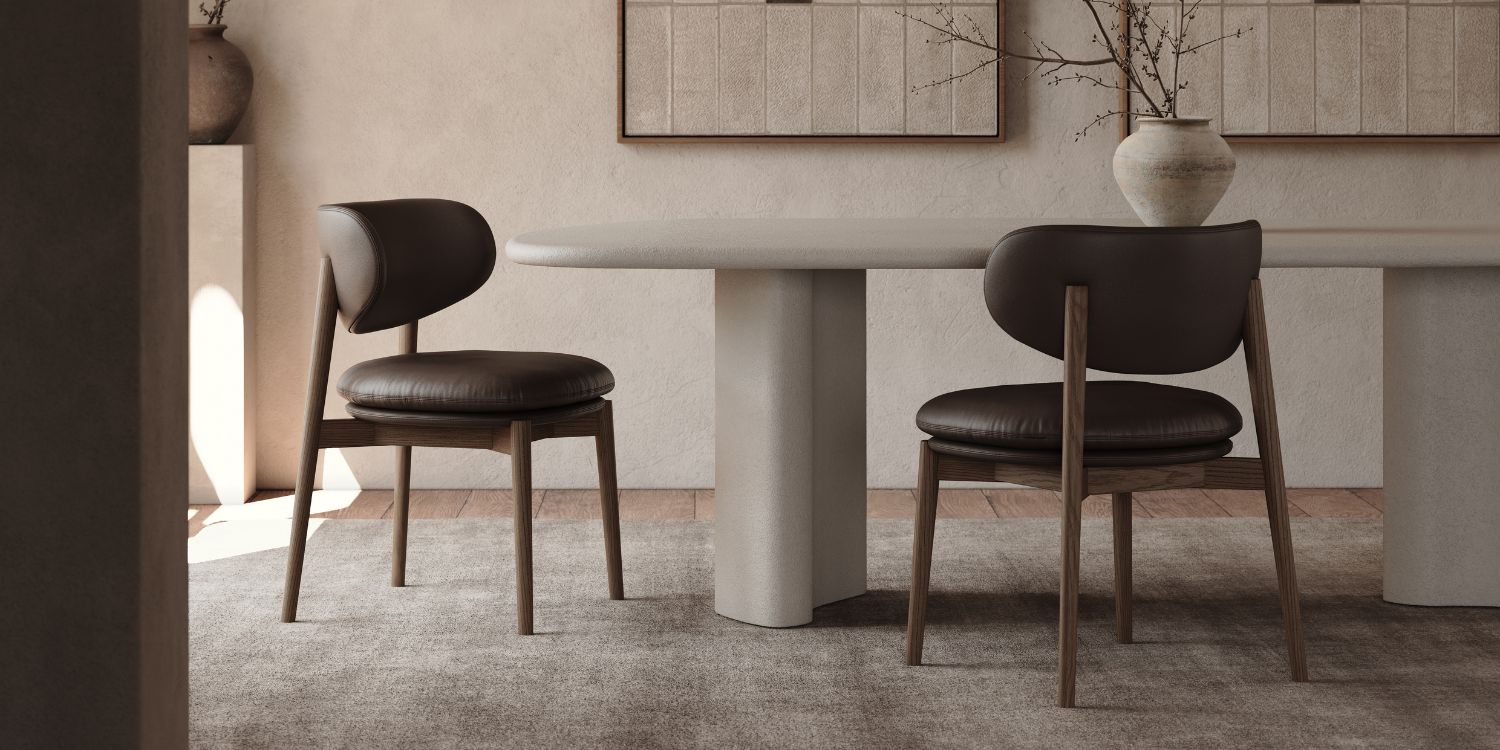
Curved forms play a psychological role in winter interiors. Rounded silhouettes feel protective, fluid and inviting, qualities that align perfectly with how people use spaces during colder months.
From sofas to dining chairs, curves soften layouts, improve circulation and encourage longer, more comfortable moments of use.
How to introduce it in your projects:
Curved furniture should serve form and function. Use rounded silhouettes to soften transitions between zones, improve circulation and encourage social interaction.
In dining and living spaces especially, curves create layouts that feel more fluid and welcoming – ideal for winter moments centred around gathering and staying in.
5. Materials that invite touch

In winter, interiors are experienced up close. People sit longer, gather more and physically interact with furniture and surfaces. As a result, materiality becomes central to perceived quality.
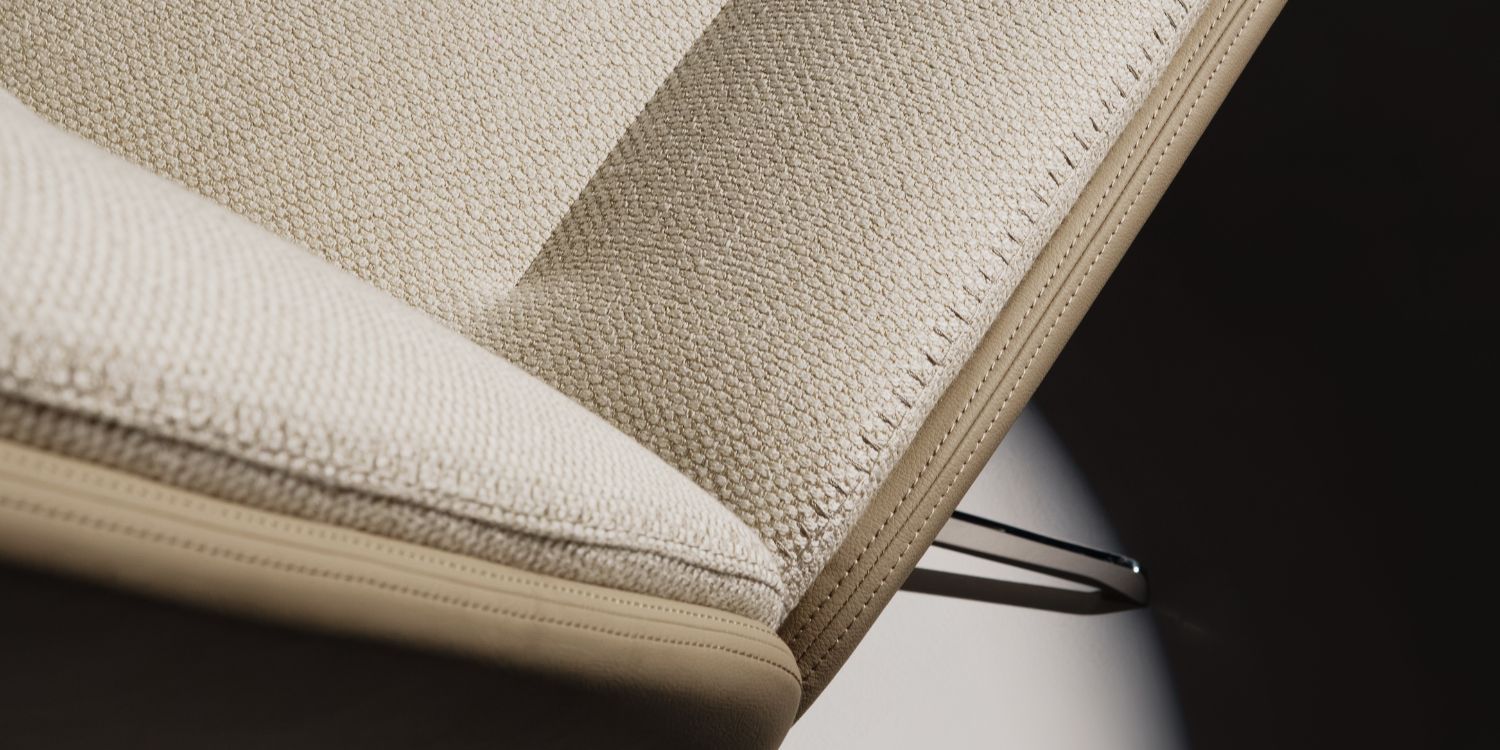
Tactile fabrics, textured finishes and matte surfaces outperform glossy or purely visual materials, reinforcing a sense of comfort and authenticity.
How to specify materials that reward everyday use:
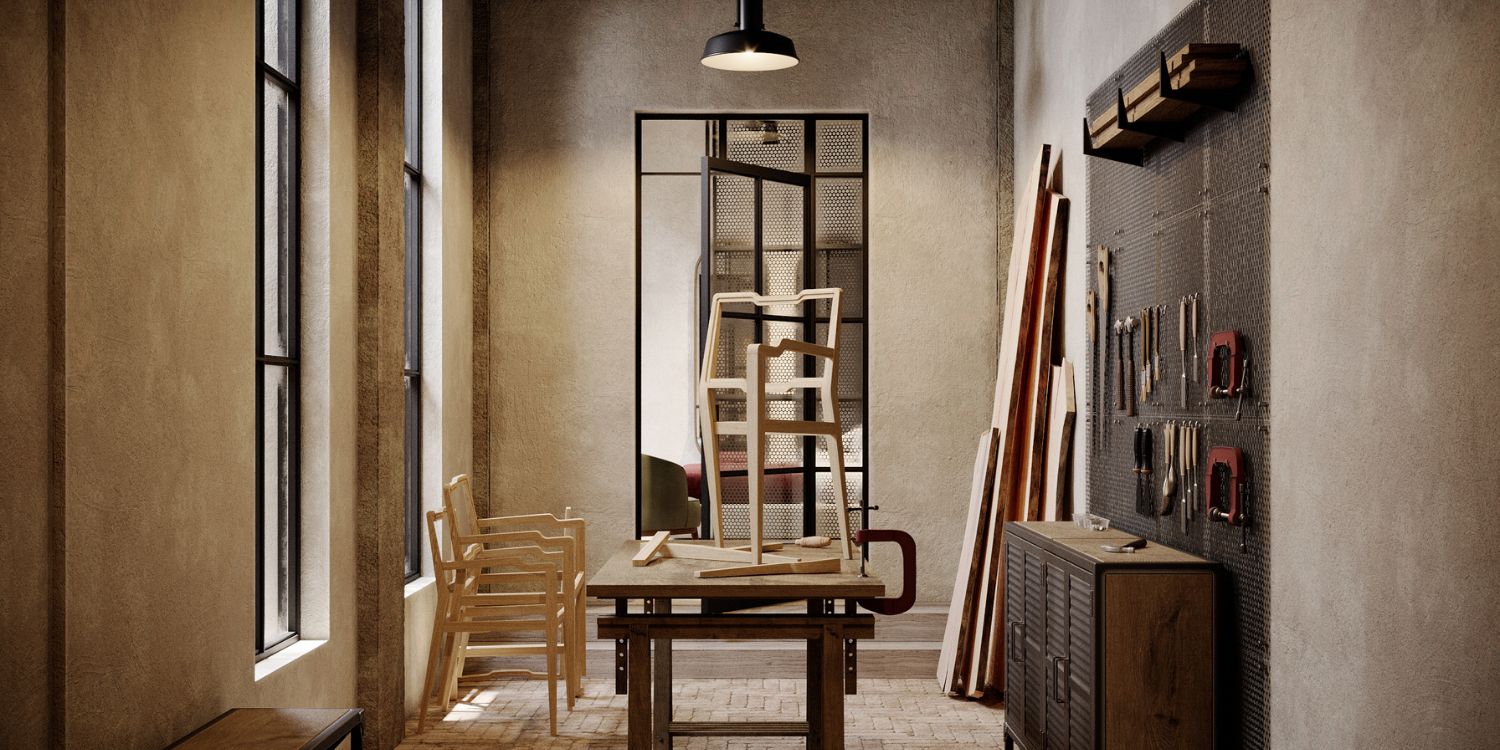
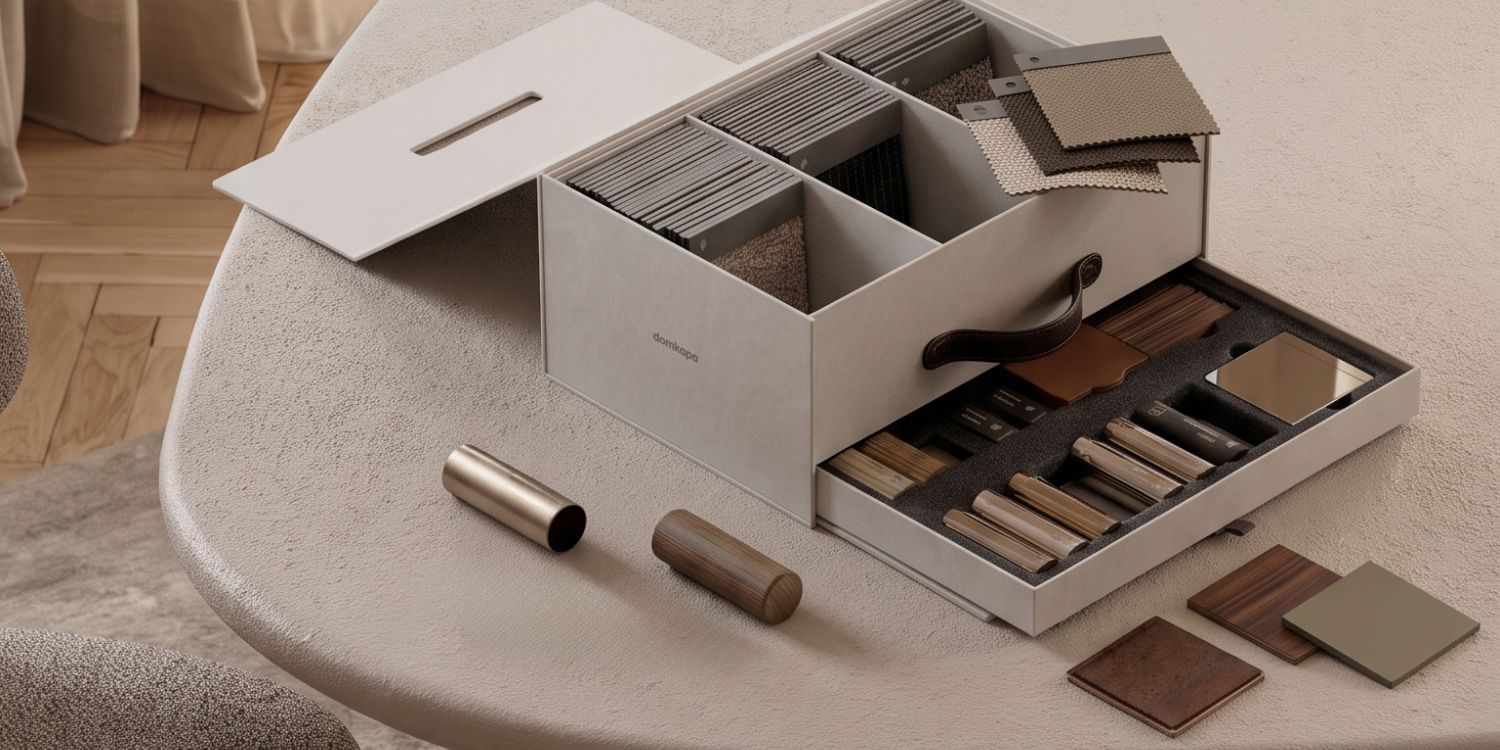
Prioritise materials that feel rich to the touch and perform well over time. Textured fabrics, soft leathers and matte finishes add warmth while reinforcing durability and craftsmanship.
Balance these tactile elements with grounding materials like wood or metal to maintain structure and visual clarity – a combination that feels cosy and refined.
Winter interior design trends provide designers with a framework for creating spaces that feel emotionally intelligent. By focusing on comfort, tactility and atmosphere, professionals can deliver interiors that resonate deeply with clients and stand the test of time.
Designing for winter isn’t about adding layers for the sake of it. It’s about intentional choices that respond to how people live, gather and unwind during the colder months. When done right, winter interiors feel intimate, refined and quietly luxurious.
Are you already using any of these trends in your projects?
YOU MAY ALSO LIKE: Pantone Color Of The Year 2026: 5 Reasons To Use The Cloud Dancer
We are working every day to bring you the most stylish ideas to fulfil your inspiration and to create the best interior design projects, so feel free to follow our Instagram Page and subscribe to our newsletter.