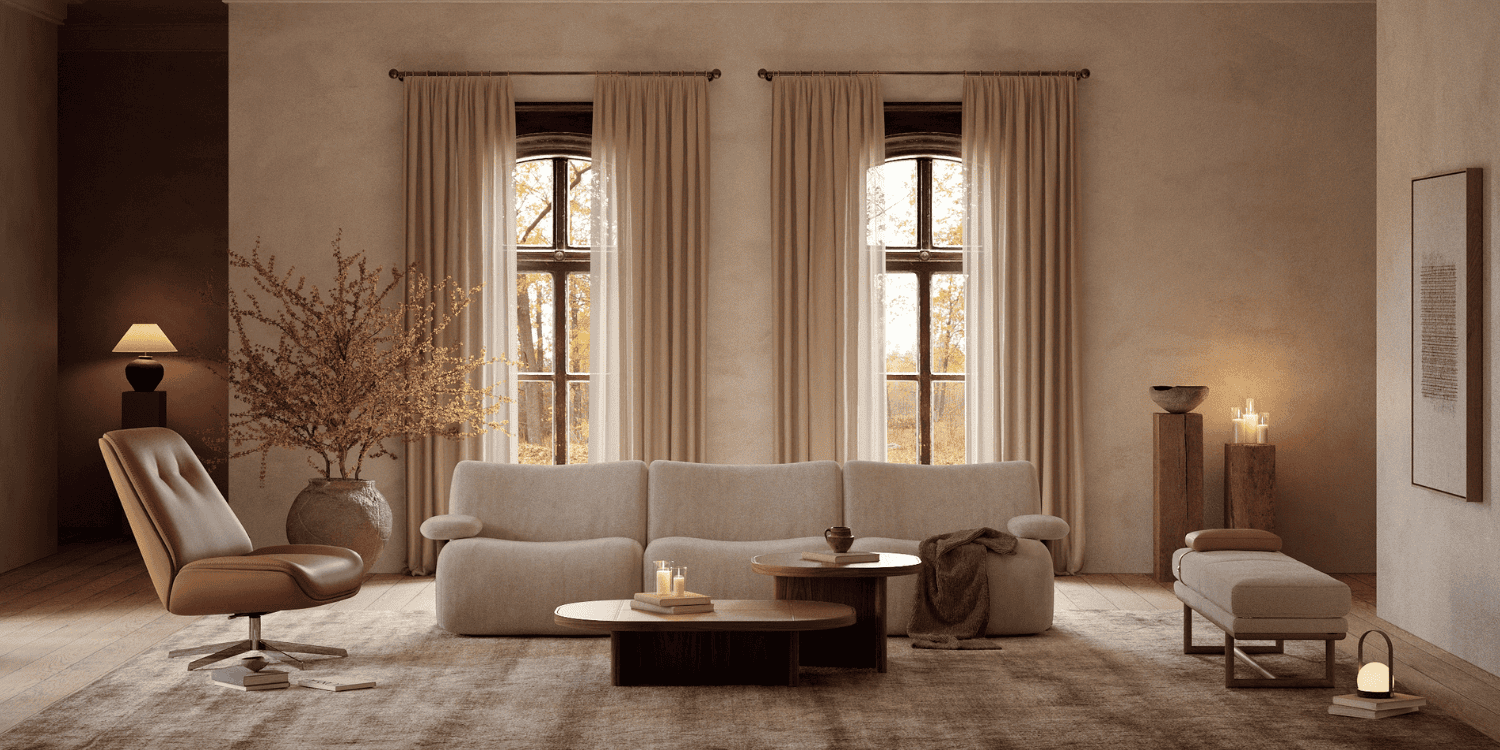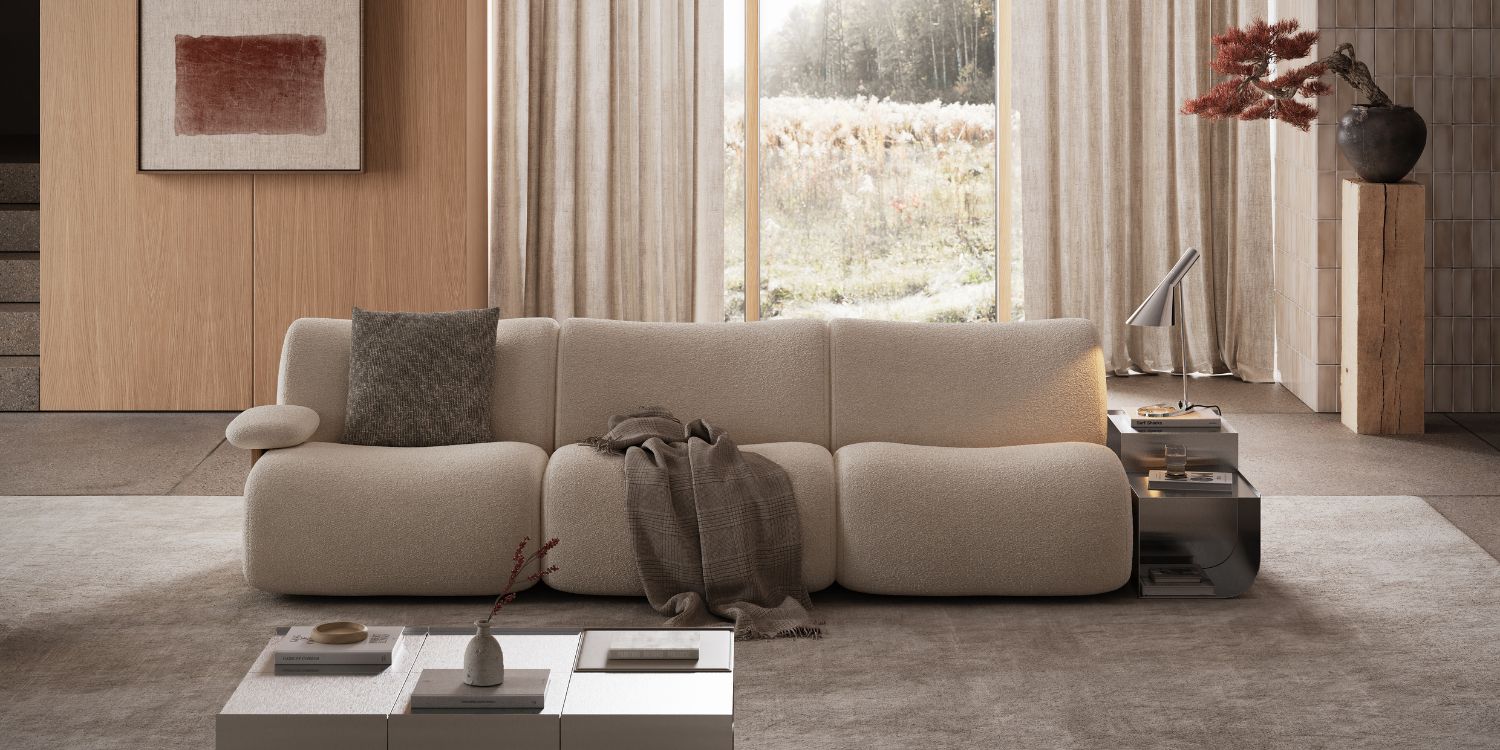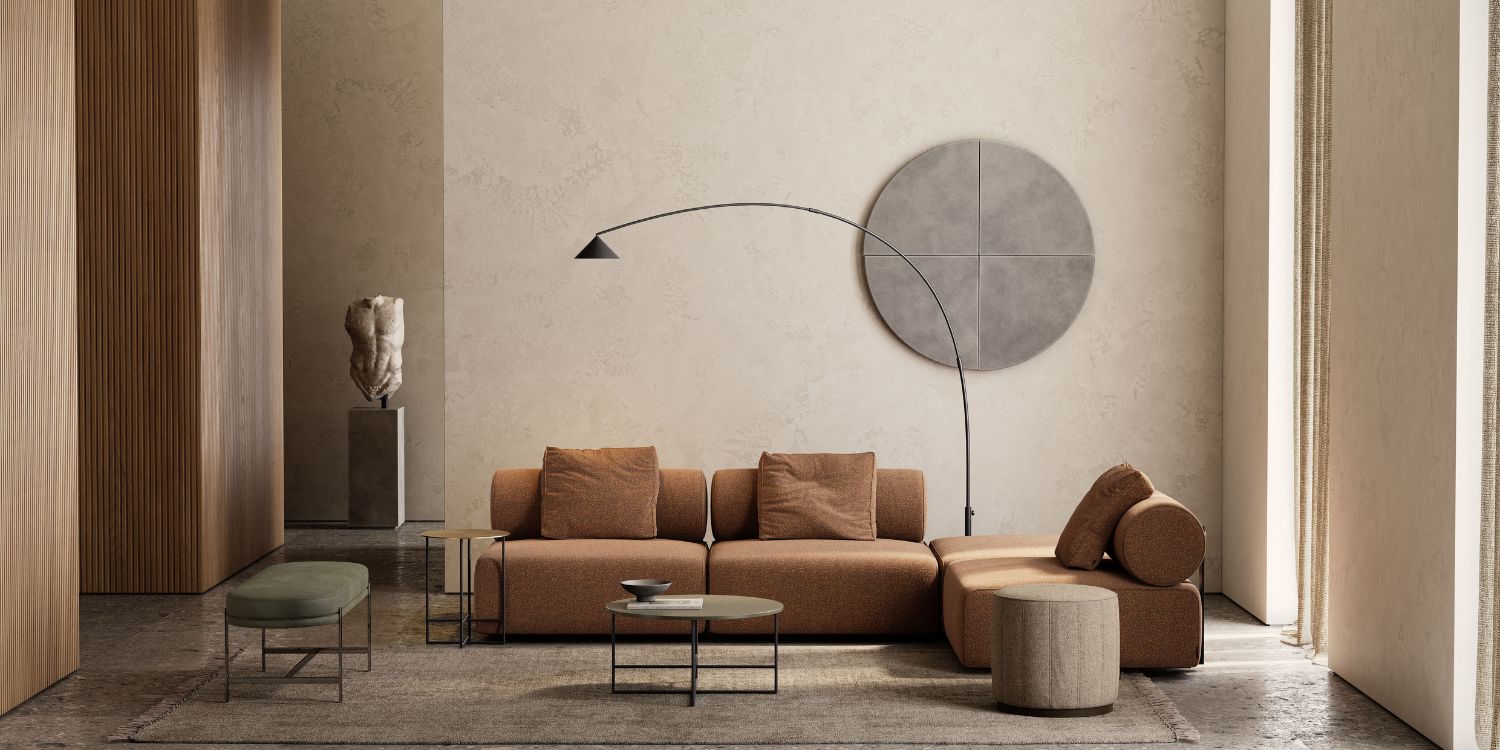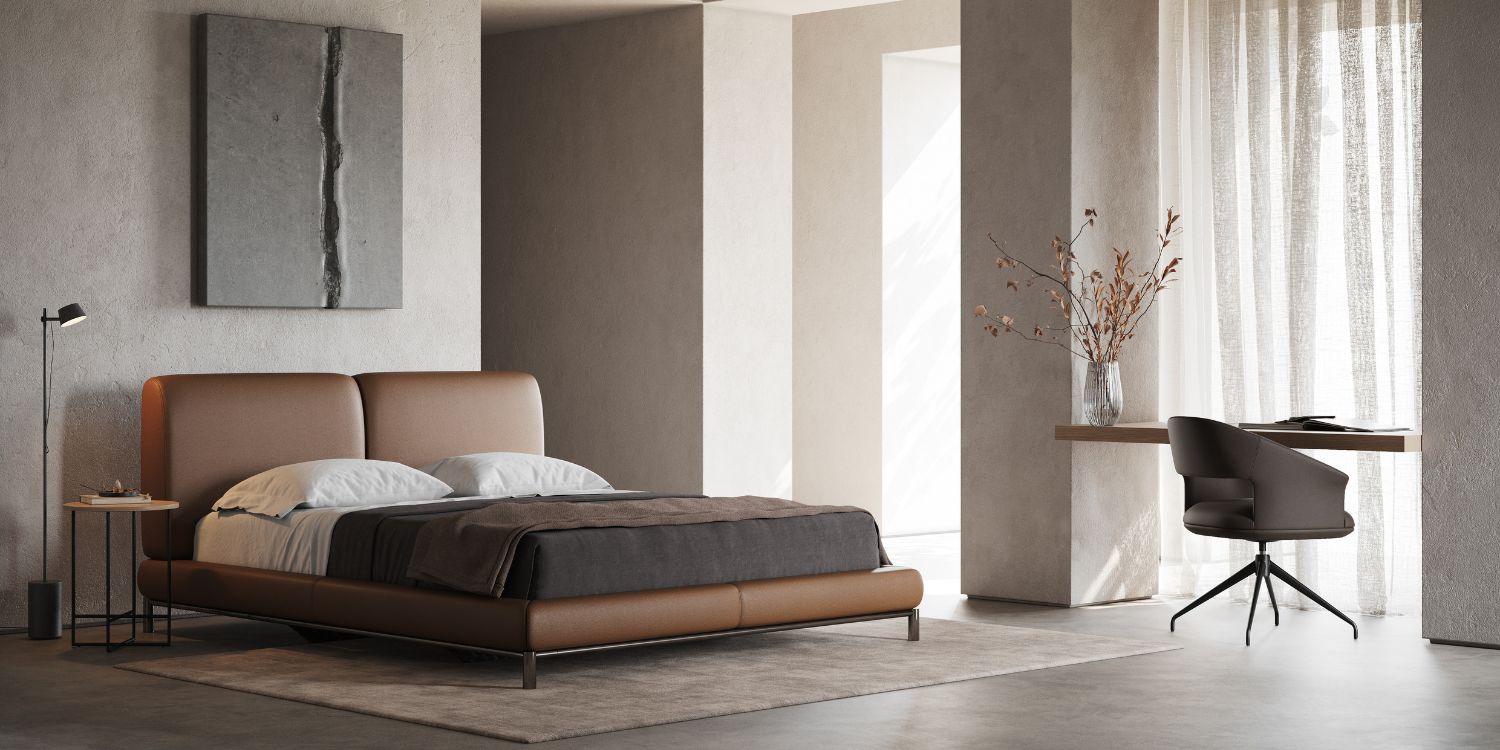


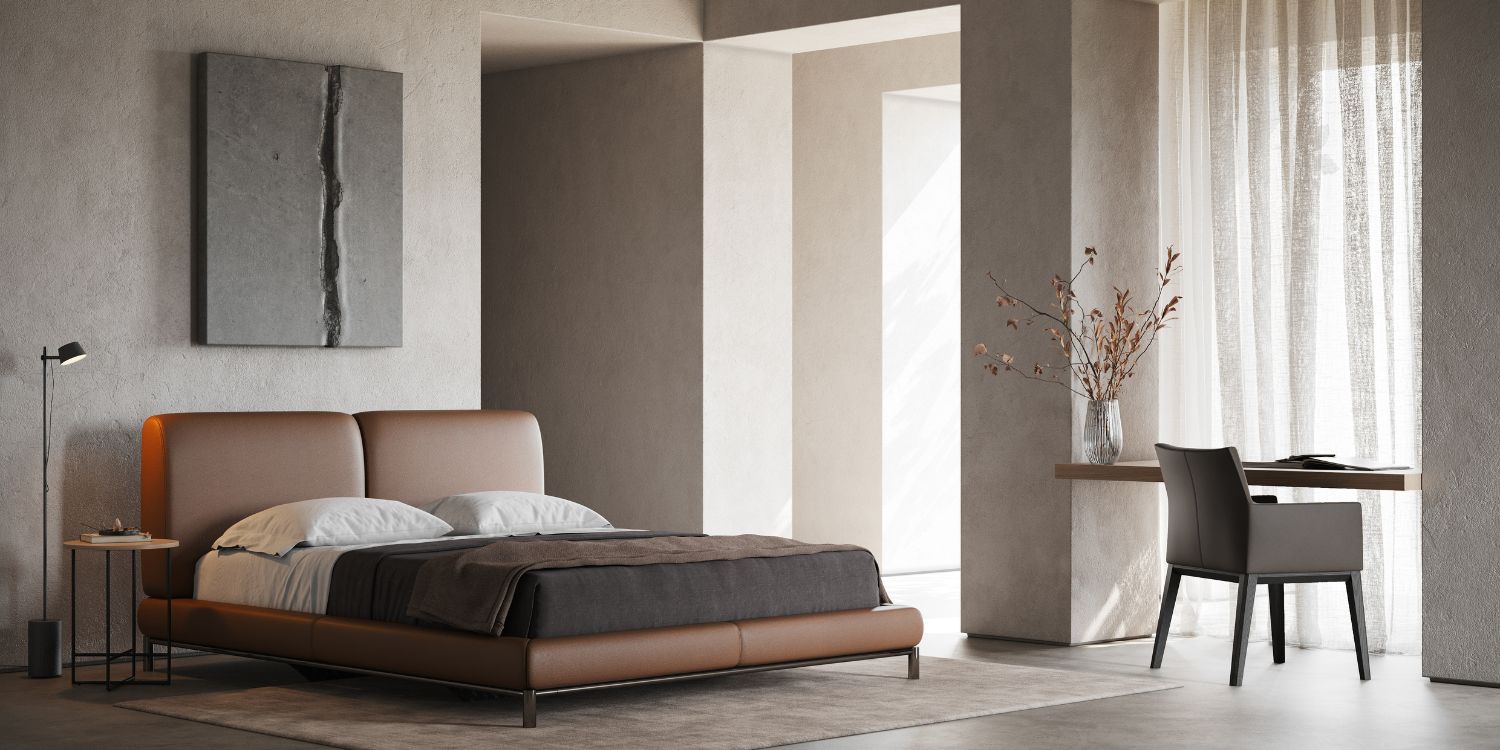
Hotel suites are more than a place to sleep – they are micro-residences where guests expect comfort, personality and calm. For hoteliers and designers, the challenge is to deliver that warmth consistently across many stays, in rooms that must withstand heavy use and frequent cleaning. Upholstered pieces are one of the simplest, most direct tools you have to create instant warmth: they add tactile pleasure, visual softness, acoustic absorption and a human scale that hard surfaces alone can’t achieve.
This article breaks down a practical, professional approach to warming up hotel suites using upholstered elements. So, if you design for hospitality, these strategies will help you combine guest comfort with durability, maintainability and brand coherence.
Why upholstery works (and how to think about it strategically):

1 – Tactile comfort changes perception.
Guests judge rooms at a glance and by touch. Soft surfaces invite lingering, which increases perceived value and guest satisfaction. A well-upholstered armchair or headboard signals hospitality more effectively than another decorative pillow.
2 – Layering creates depth.
Visual warmth comes from layering: upholstery + textiles + rugs + throws. Each soft layer reduces the “hotel” sterility that often comes from hard surfaces and minimalism run riot.
3 – Acoustics & privacy.
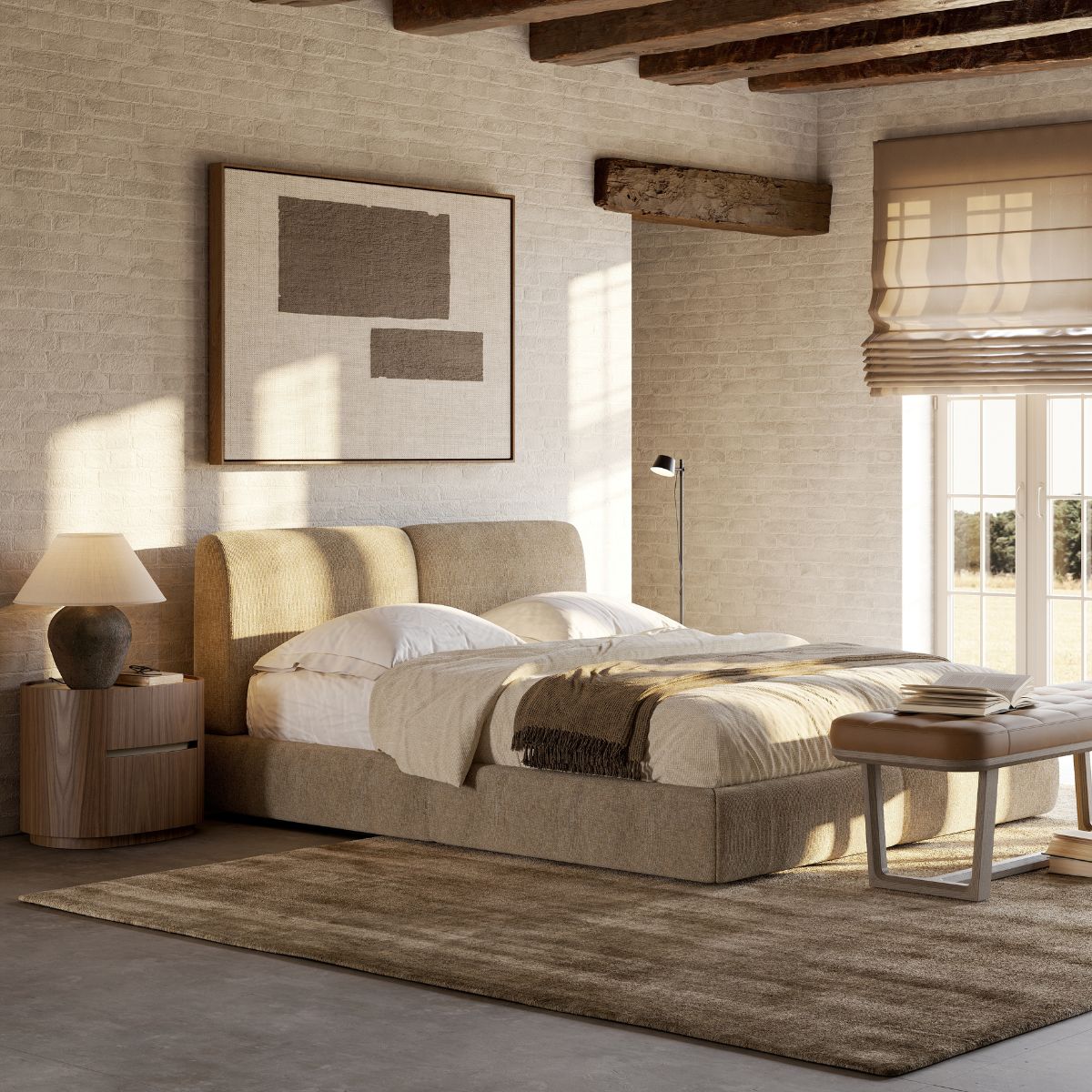
Upholstered surfaces absorb sound – critical in suites that combine sleeping, working and entertaining zones. A curved sofa, fabric headboard or upholstered wall panels reduce reverberation and create a quieter, cosier environment.
4 – Human scale and zoning.
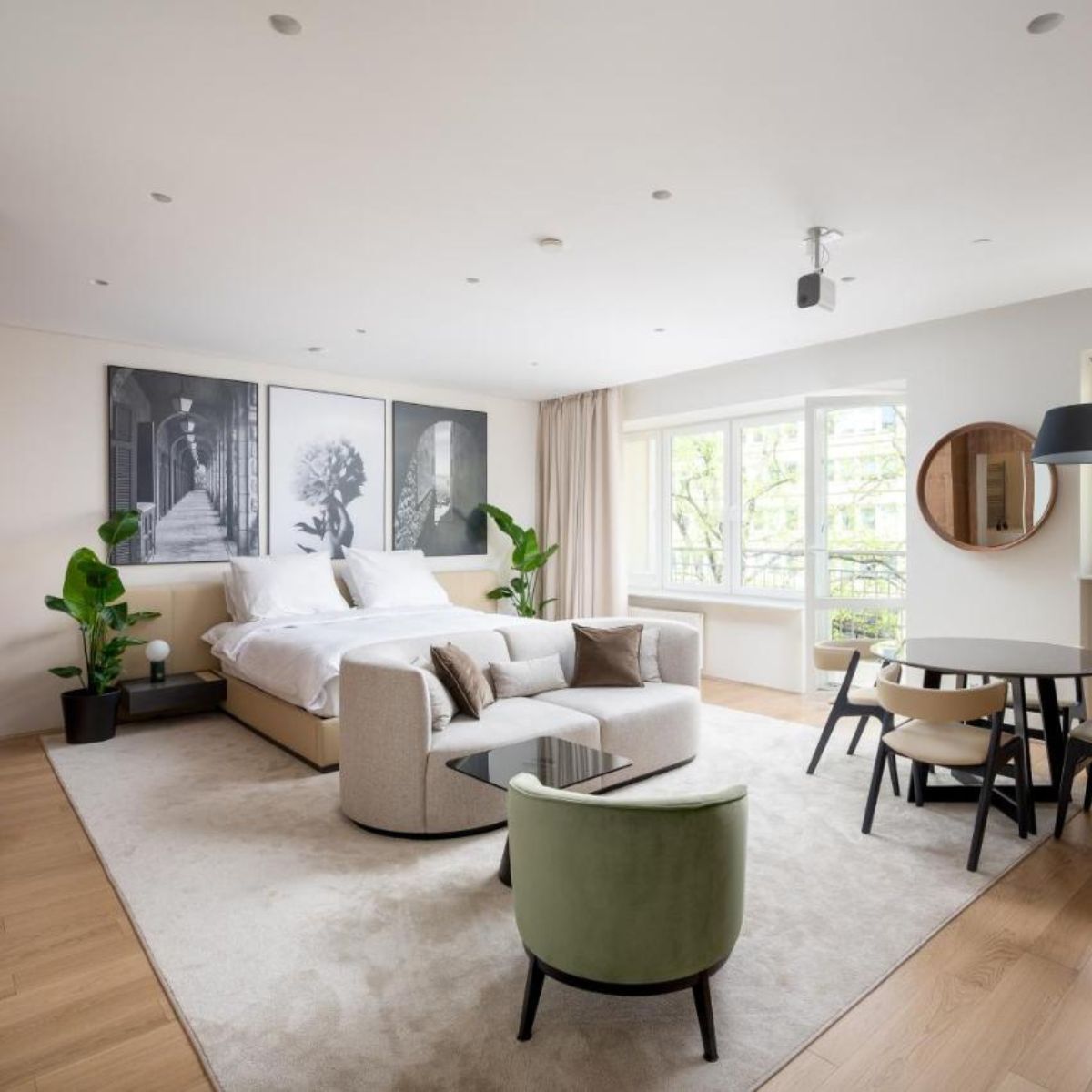
Upholstered furniture helps define zones in a suite (sleeping, living, dining) without the need for walls. Sofas, poufs and benches create comfortable sightlines and encourage the use of each area.
5 – Durability vs. delight — you can have both.
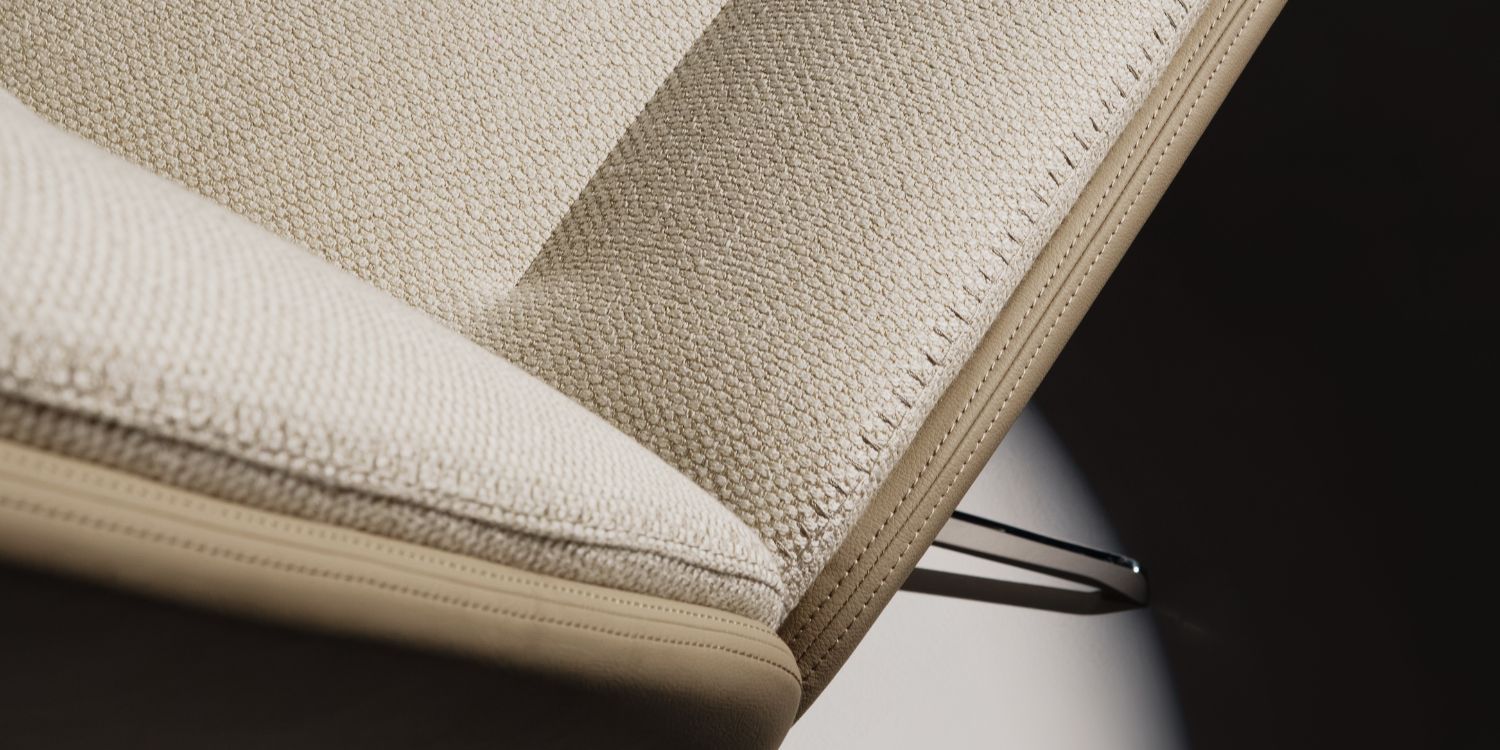
Contract-grade upholstery fabrics and construction techniques now deliver both longevity and tactility. The right choices balance abrasion resistance, cleanability and flame compliance with softness and colour depth.
6 – Brand storytelling through textiles.
Fabric choices tell a story: natural wool blends imply warmth and craft; textured velvets project luxury; performance linens read as approachable elegance. Use upholstery to signal brand values consistently across room types.
Practical how-to steps, specification tips and design moves you can implement right away.
1 – Prioritise the high-impact pieces
Start with a short list of items that deliver the most warmth per square metre:
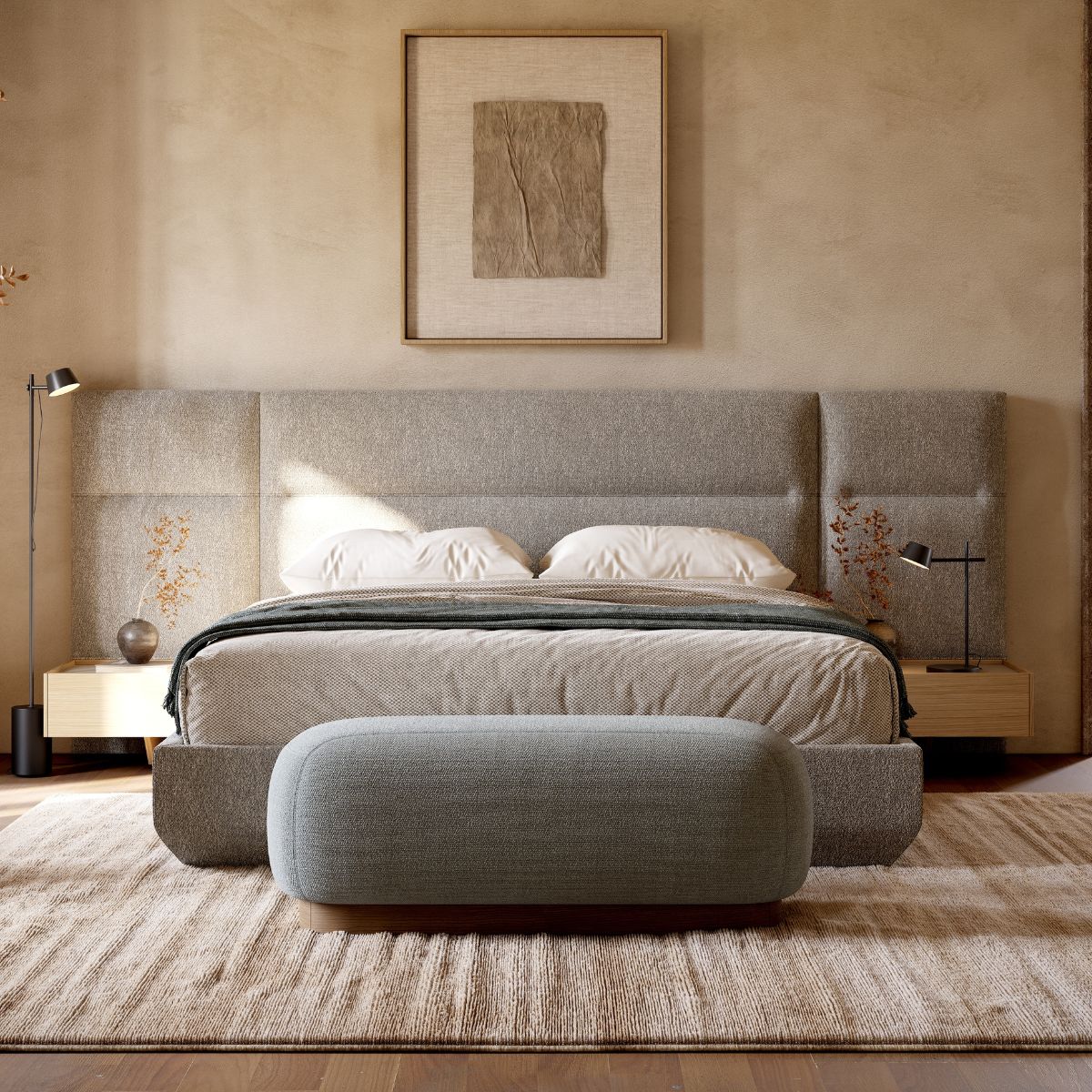
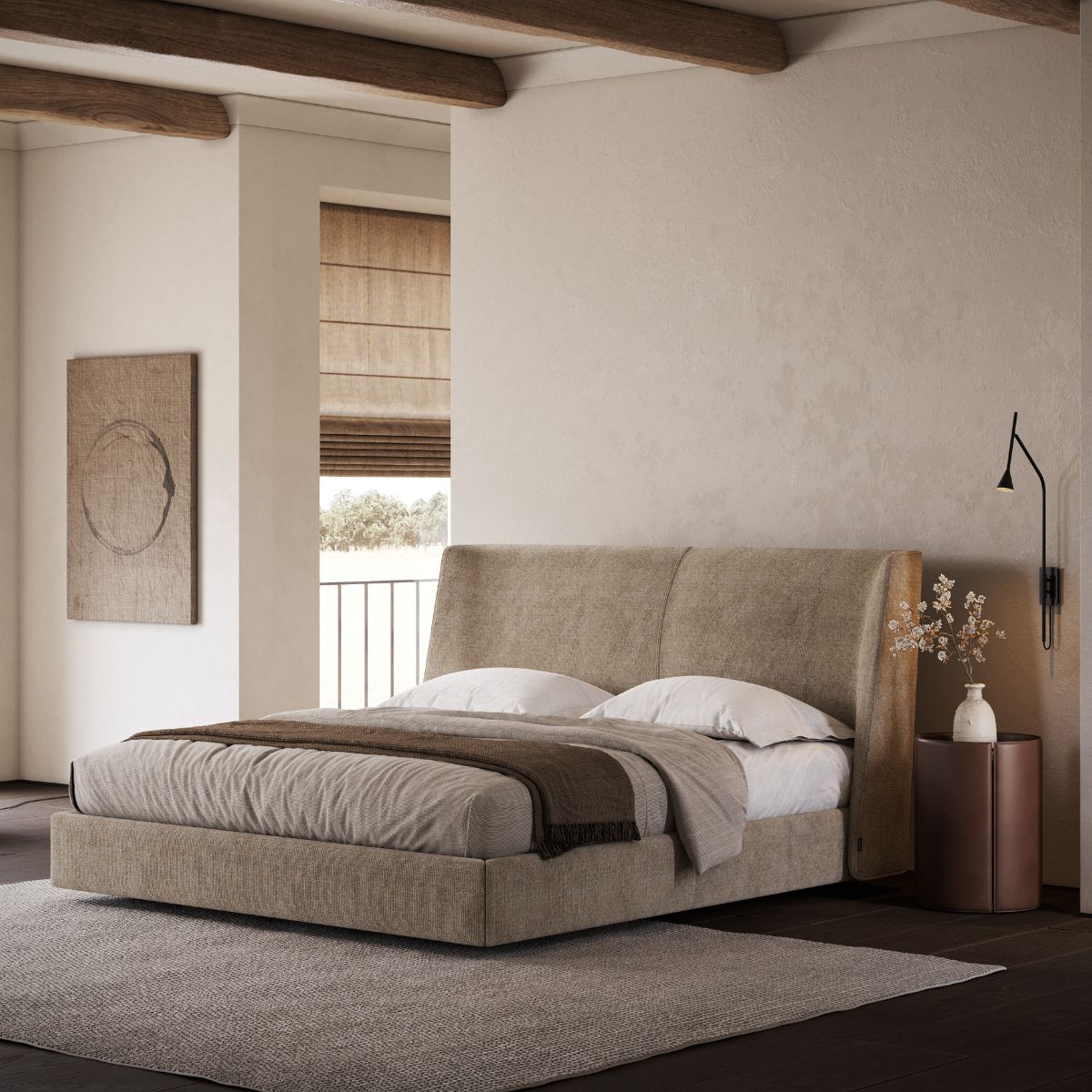
- Headboard (upholstered, full-height or wrapped): The single most effective way to warm a bedroom visually and physically.
- Sofa or chaise in the living zone: Choose a scale appropriate to the suite size; a 2.5–3-seater or a curved modular can be perfect.
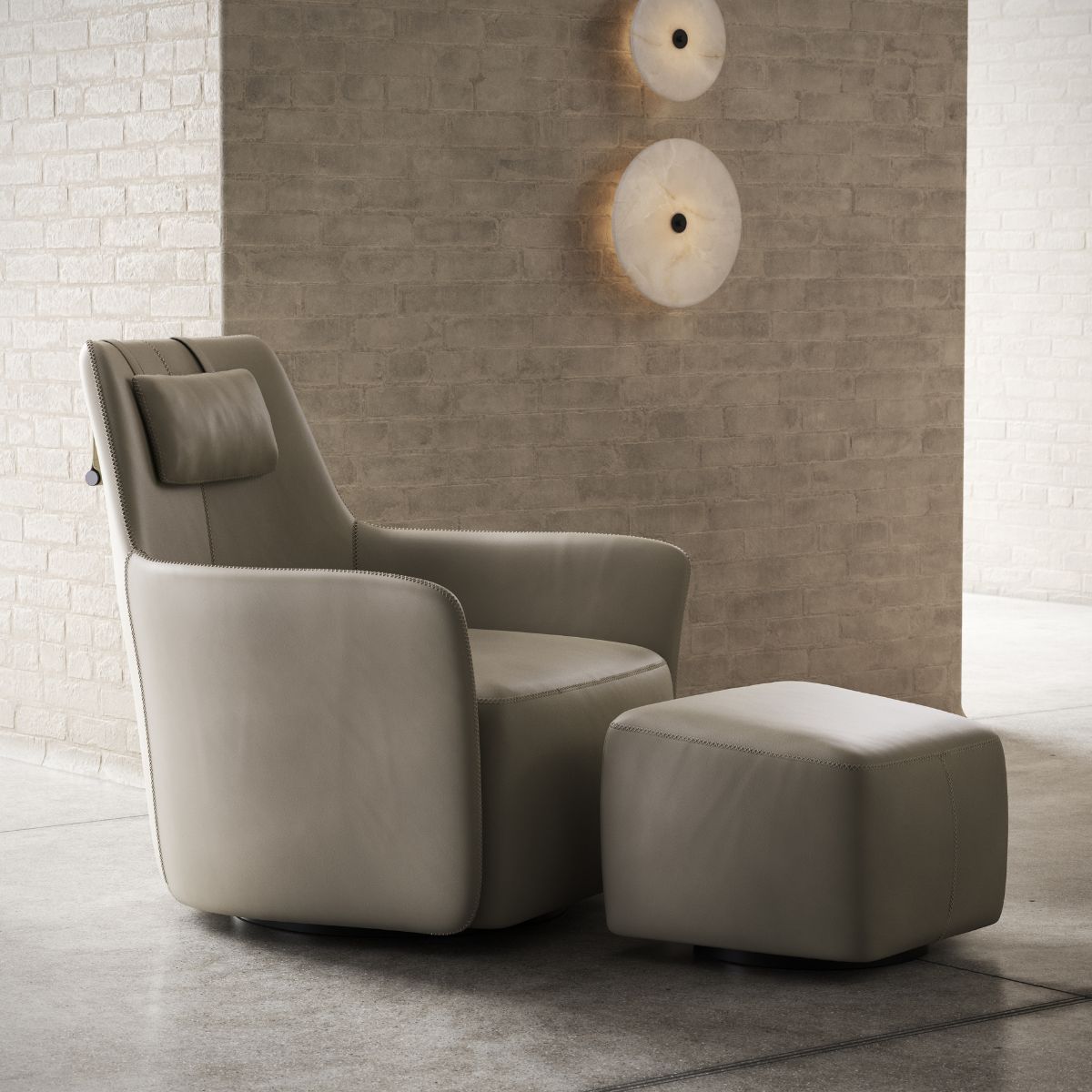
- Armchairs (1 – 2): Place for reading, working or watching TV – go for ergonomic comfort.
- Bench or ottoman at the foot of the bed: Adds a tactile layer and practical luggage surface.
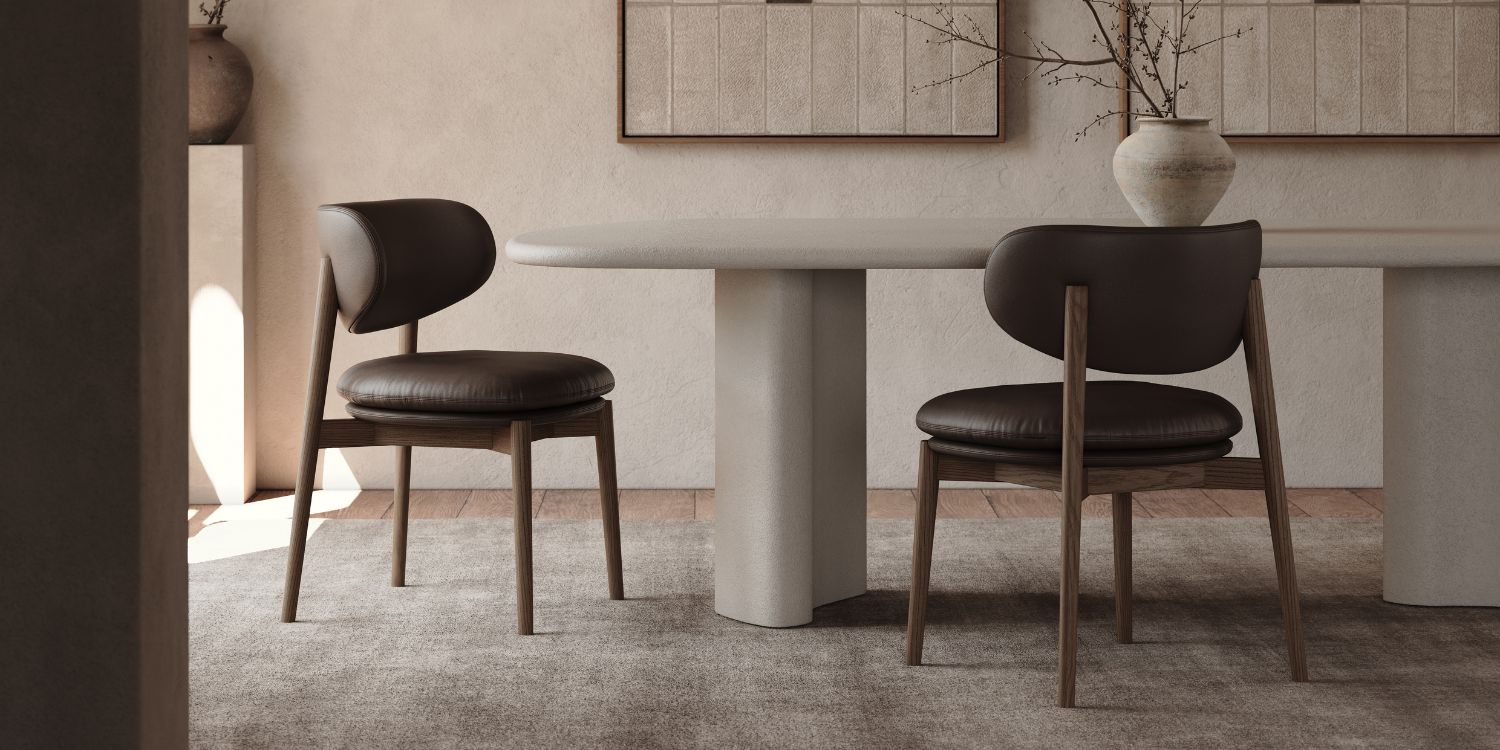
- Upholstered dining seating (for suites with dining nooks): Creates intimacy and depth.
2 – Specify smartly: fabrics & construction
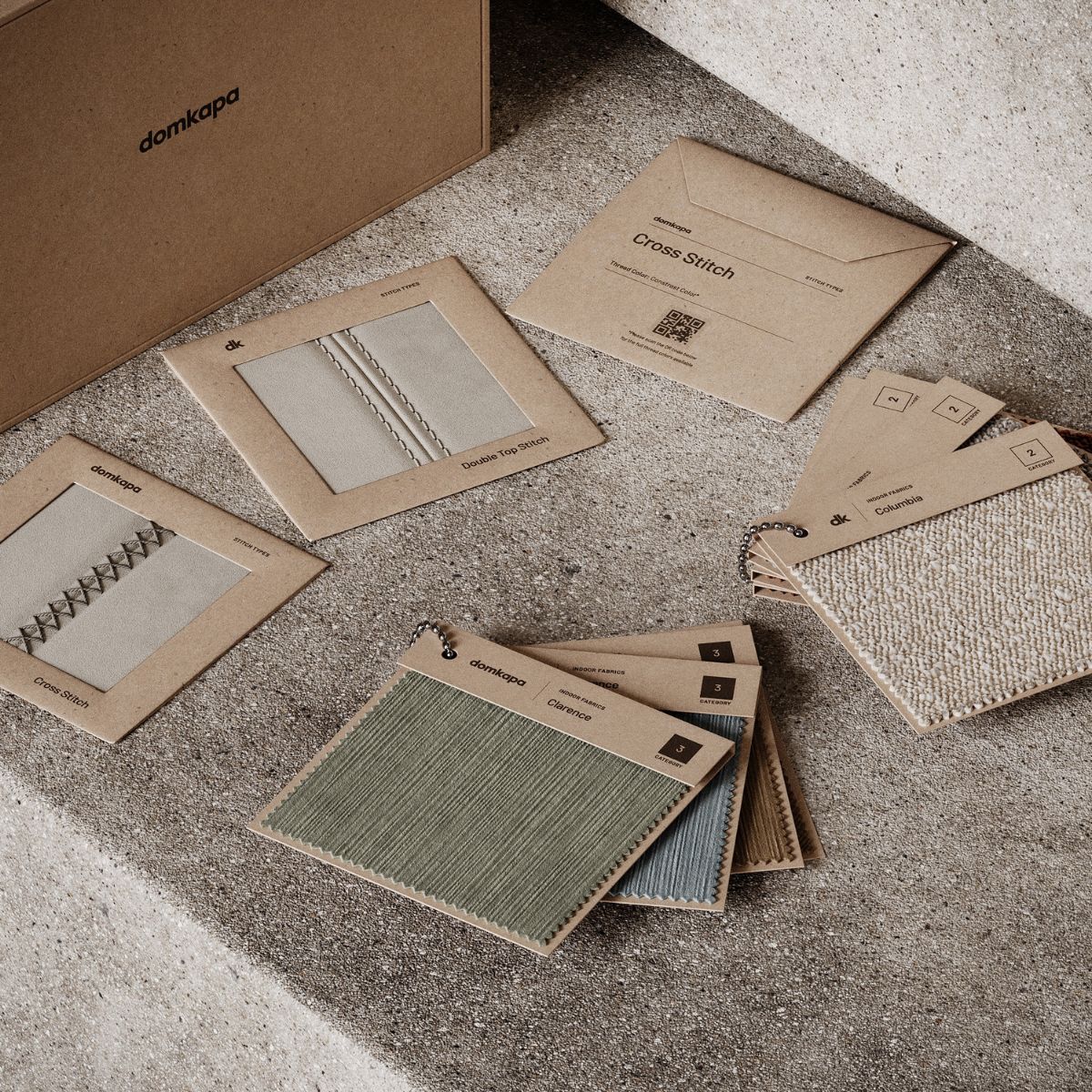
- Contract-grade fabrics: Look for high Martindale ratings for abrasion. (For hospitality, expect high abrasion performance.)
- Performance finishes: Consider performance textiles where spills and stain resistance are priorities.
- Cleanability: Avoid delicate weaves in guest-facing pieces unless protected by removable covers. Choose fabrics that tolerate professional cleaning.
- Fire & safety: Always check and specify local fire codes and hospitality regulations. Confirm the flammability class and provide documentation in tender packs.
- Frame & foam: Use kiln-dried hardwood frames, reinforced joints and high-resilience foam with protective wraps to preserve shape under heavy use.
- Replaceable cushions/covers: Design for ease of maintenance – removable, replaceable cushions reduce lifecycle costs.
3 – Thoughtful colour, texture and pattern strategy
- Warm neutrals as anchors: Taupe, mocha, warm greys and terracotta-based neutrals create an immediate sensation of warmth without courting trends.
- Accent fabrics for personality: Use jewel-toned velvets, bouclé or patterned weaves in controlled doses (throw pillows, a single armchair) to add character without overwhelming cleaning teams.
- Texture over pattern: For long-term appeal, prioritise tactile textures (bouclé, chenille, soft leathers) over small, busy patterns that date quickly.
- Scale matters: Large geometric patterns can make a small suite feel crowded. Opt for a scale appropriate to sightlines.
4 – Consider maintenance & operations
- Serviceability: Choose fabrics that the housekeeping team can spot-clean quickly; avoid delicate blinds or upholstery that require off-site cleaning for minor stains.
- Inventory of spare covers: Keep a small stock of interchangeable cushion covers and slipcovers for quick aesthetic refreshes or replacements.
- Lifecycle planning: When specifying, include the expected lifespan and refurbishment cycles (e.g., reupholstery every 5-7 years for high-use pieces).
5 – Accessibility & ergonomics
- Seat height & firmness: Aim for seat heights and depths that work for a wide range of guests, not just the “looks” but also comfort and usability.
- Armrests & support: Provide at least one fully supportive chair for guests with mobility needs.
If you’re currently specifying hotel suites or planning an upcoming hospitality project, partnering with manufacturers like Domkapa, who understand design intent and contract performance, is essential. Thoughtfully crafted upholstered pieces, customisable in fabrics, finishes and dimensions, allow you to translate your concept into spaces that guests remember and return to.
Looking to elevate your next hotel suite project?
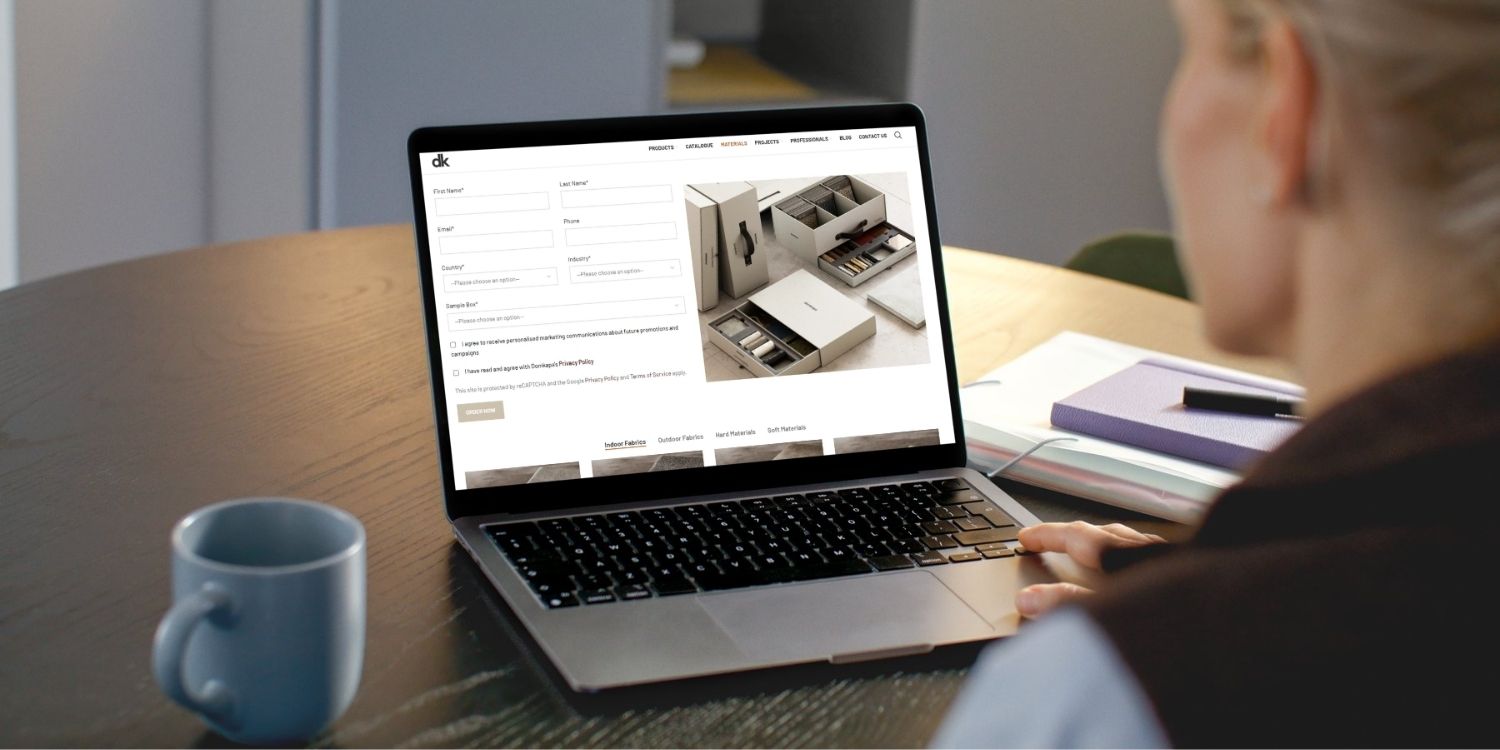
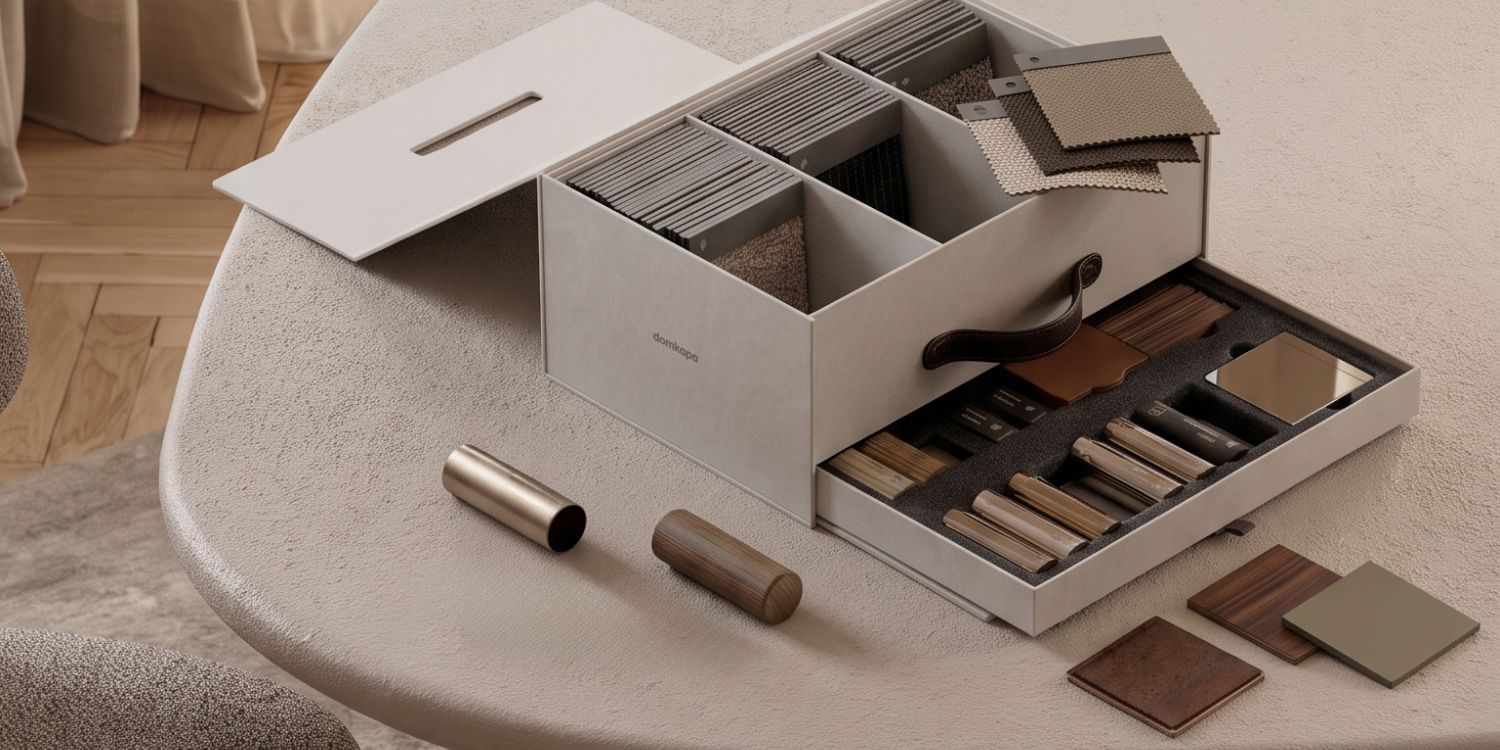
Explore upholstery solutions designed for hospitality, request material samples or speak with a trade specialist to tailor pieces that align with your design vision and operational needs. Comfort sells and in hotel suites, it’s the detail guests feel first!
YOU MAY ALSO LIKE: Interior Design Styles: Find The One That Best Suits Your Projects
We are working every day to bring you the most stylish ideas to fulfil your inspiration and to create the best interior design projects, so feel free to follow our Instagram Page and subscribe to our newsletter.