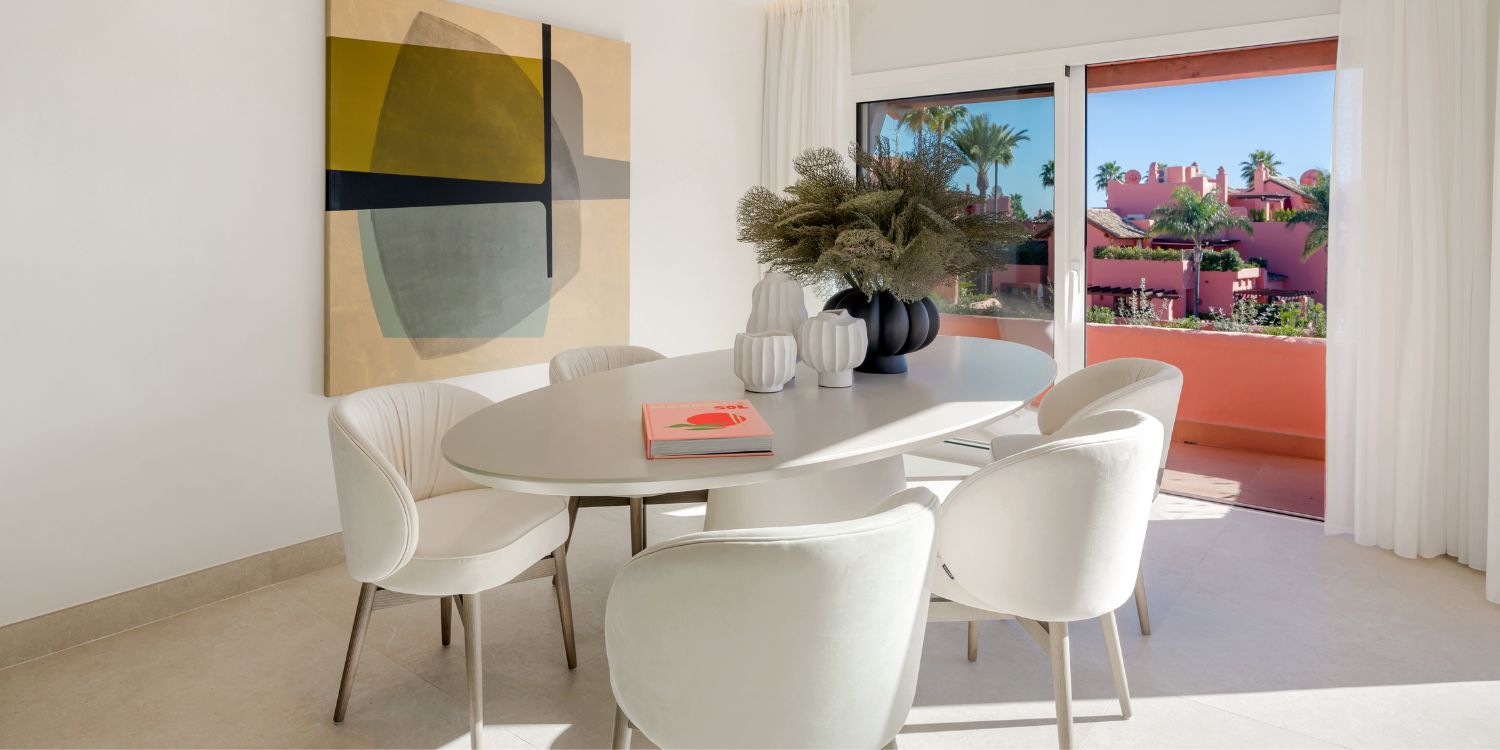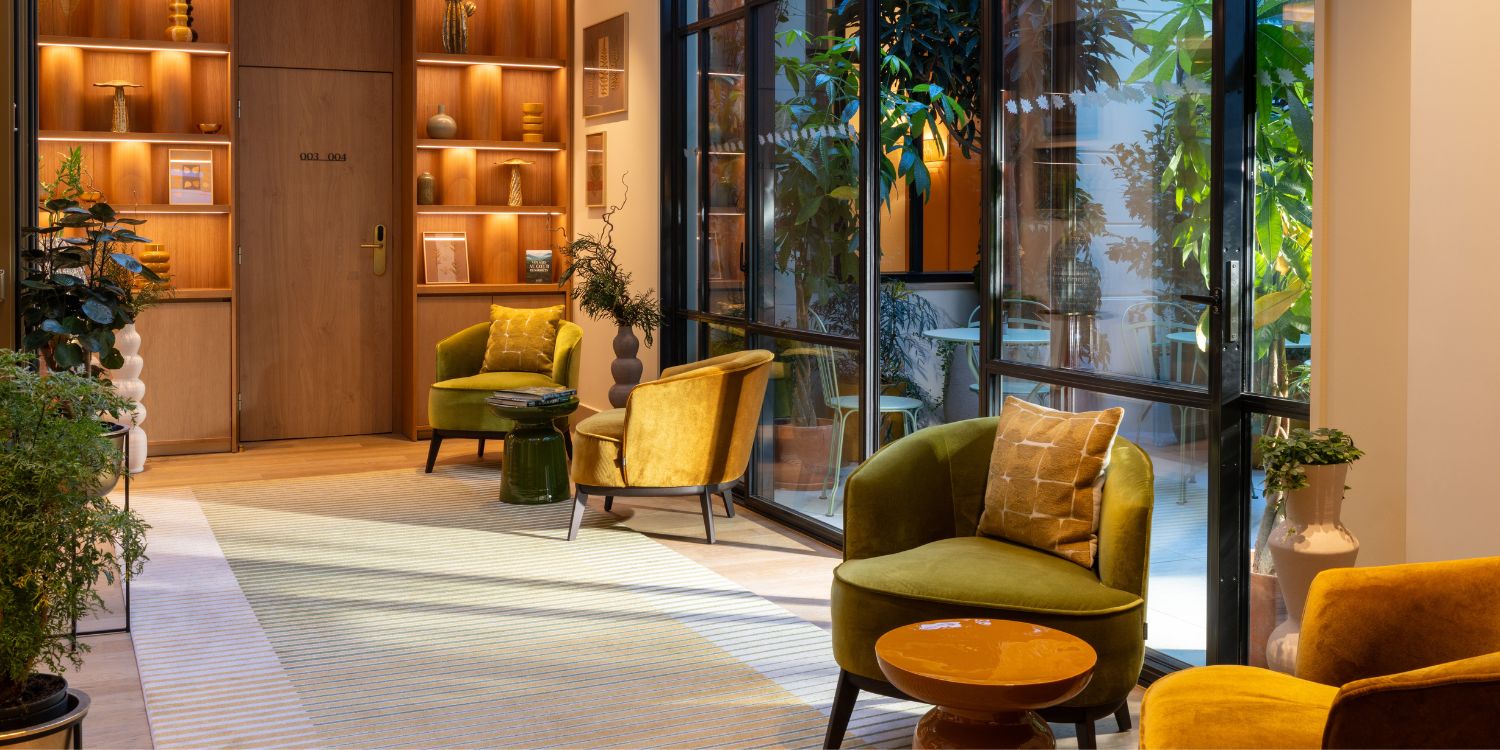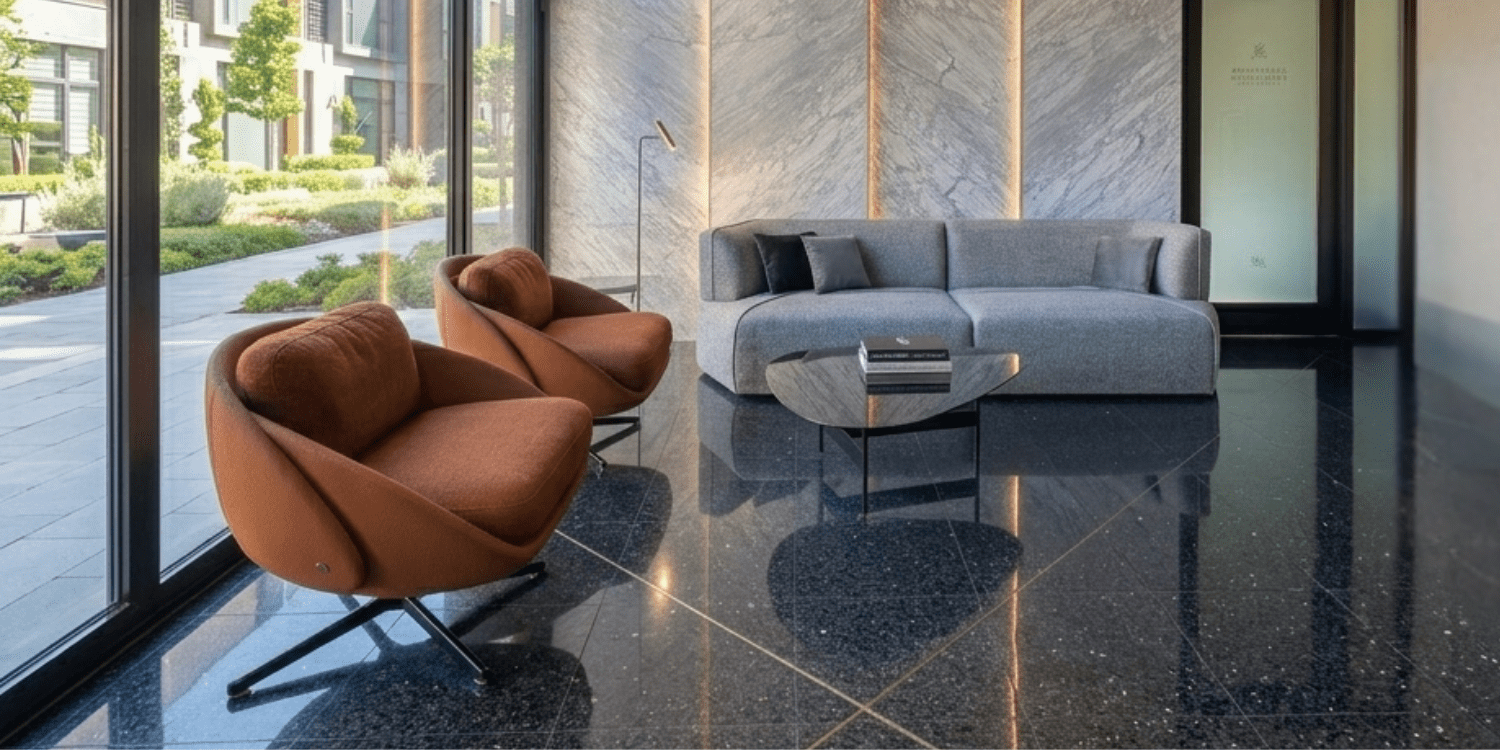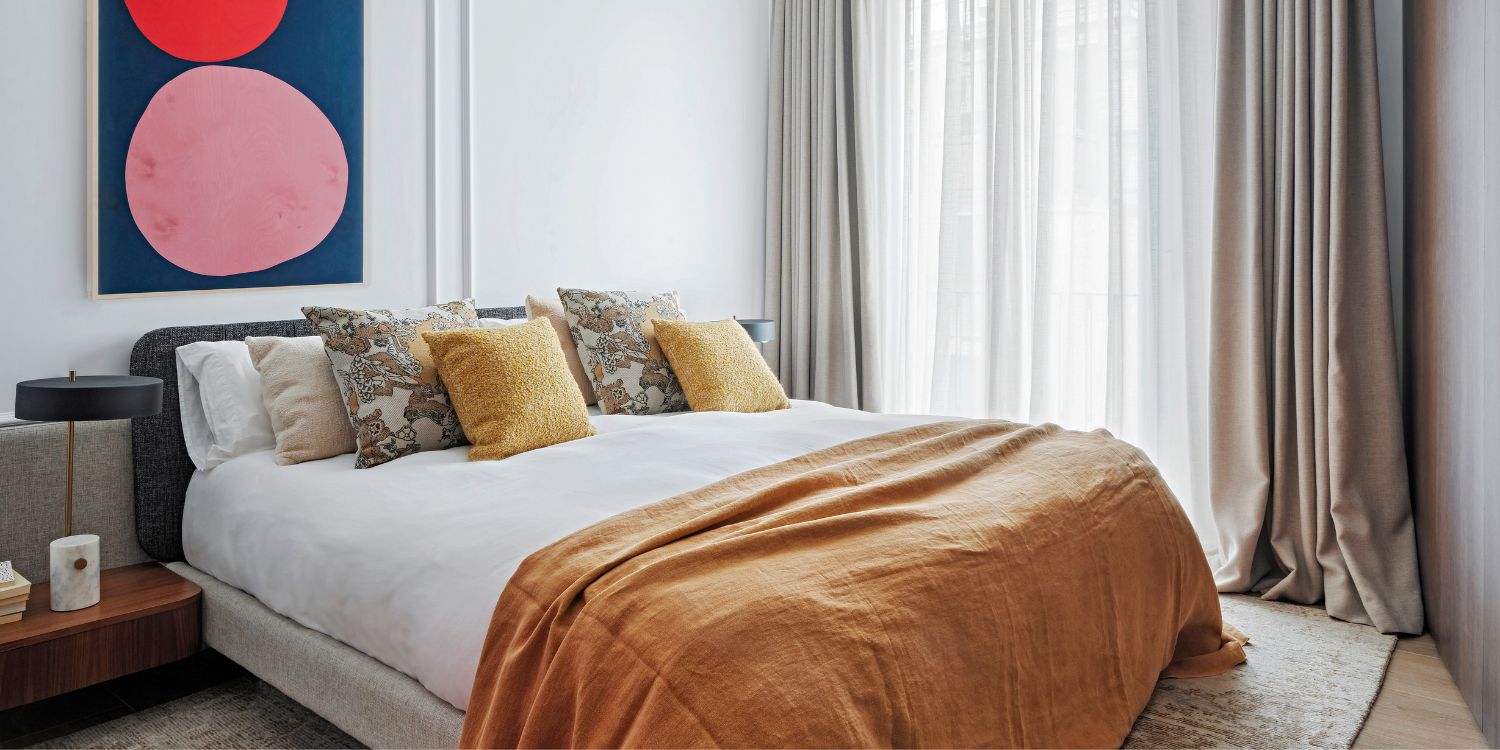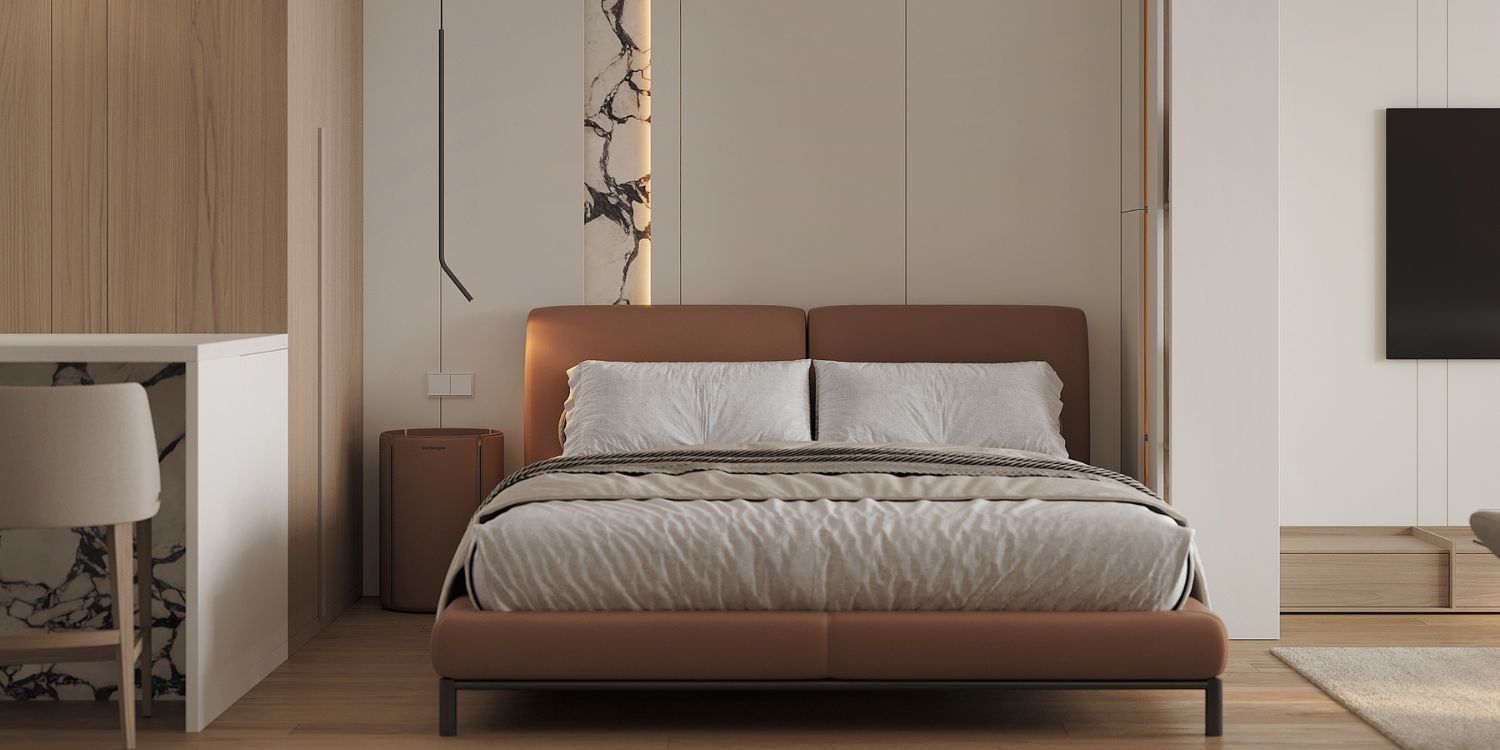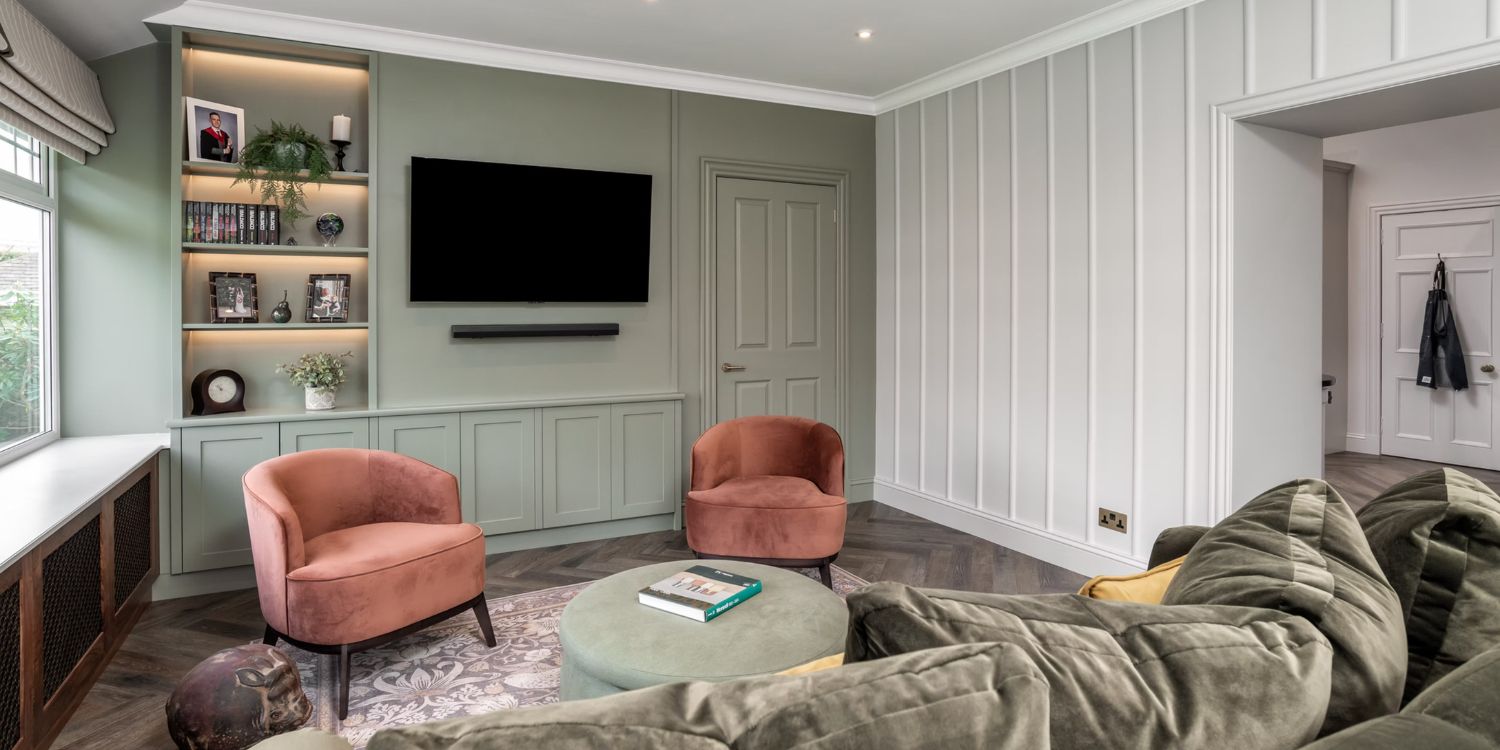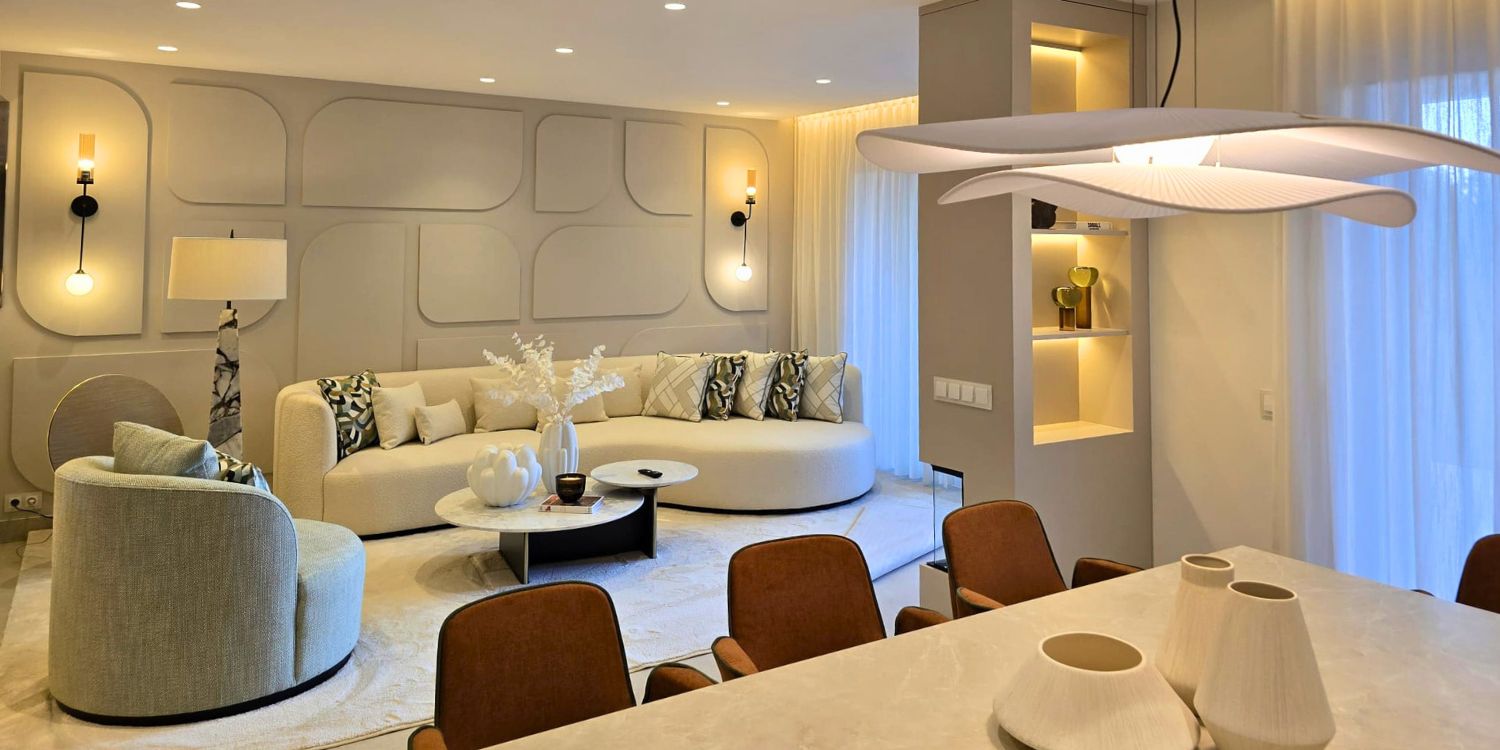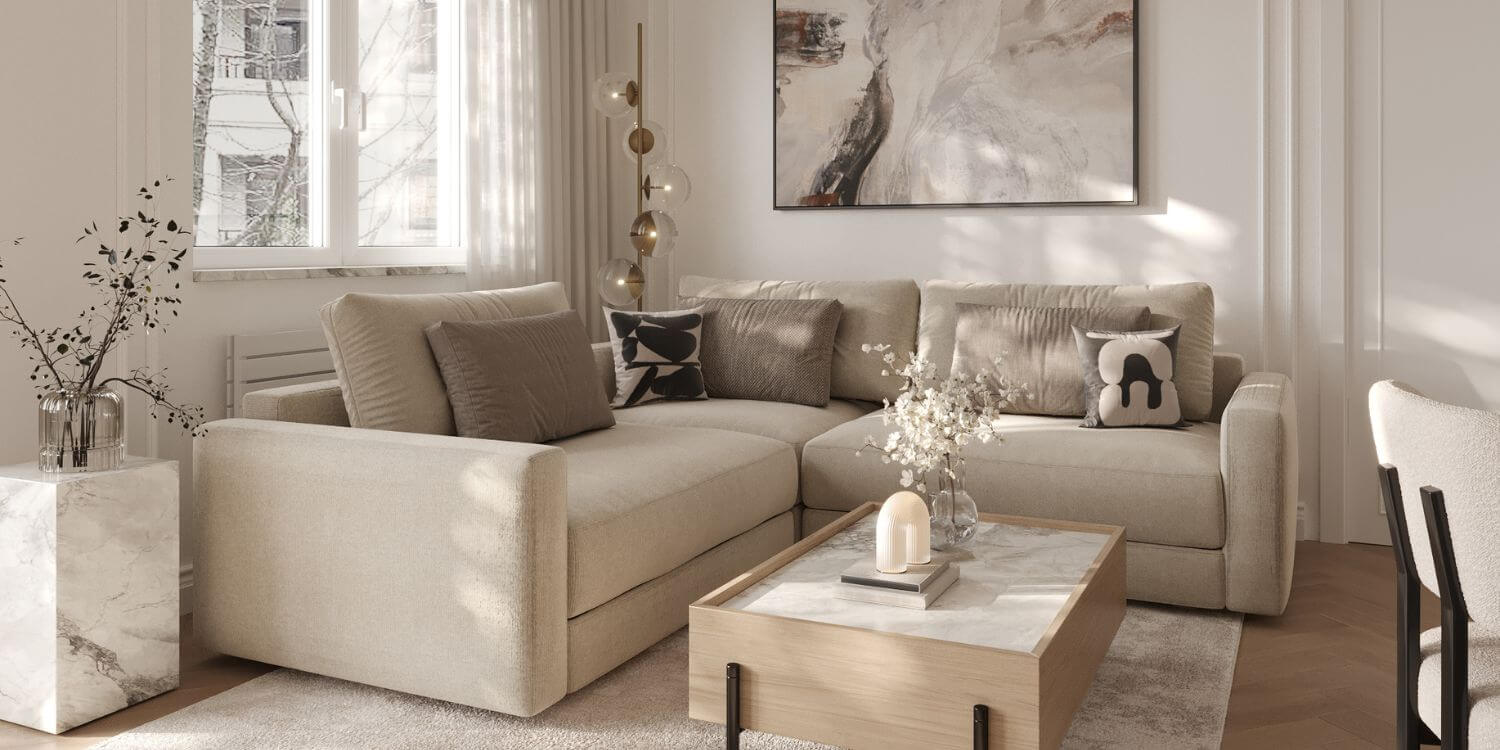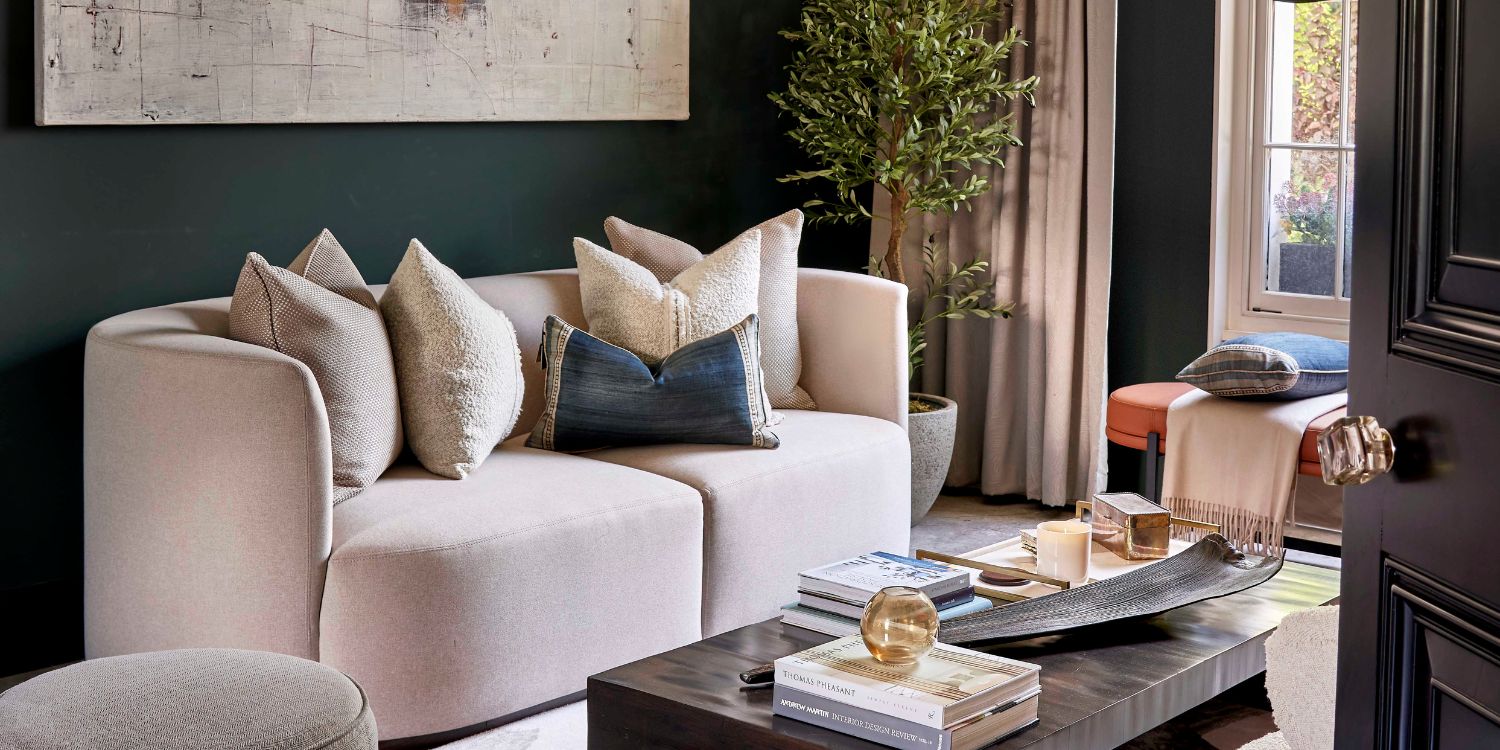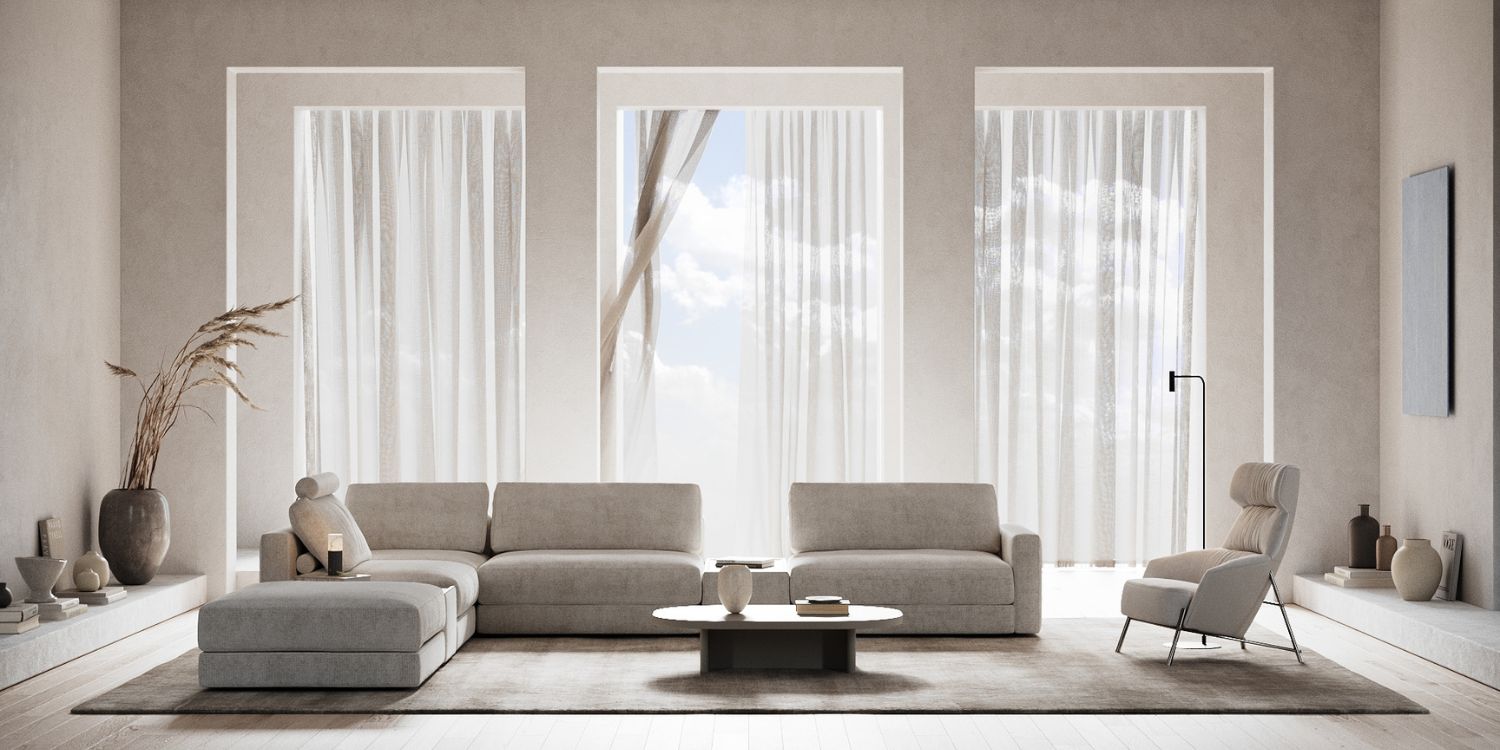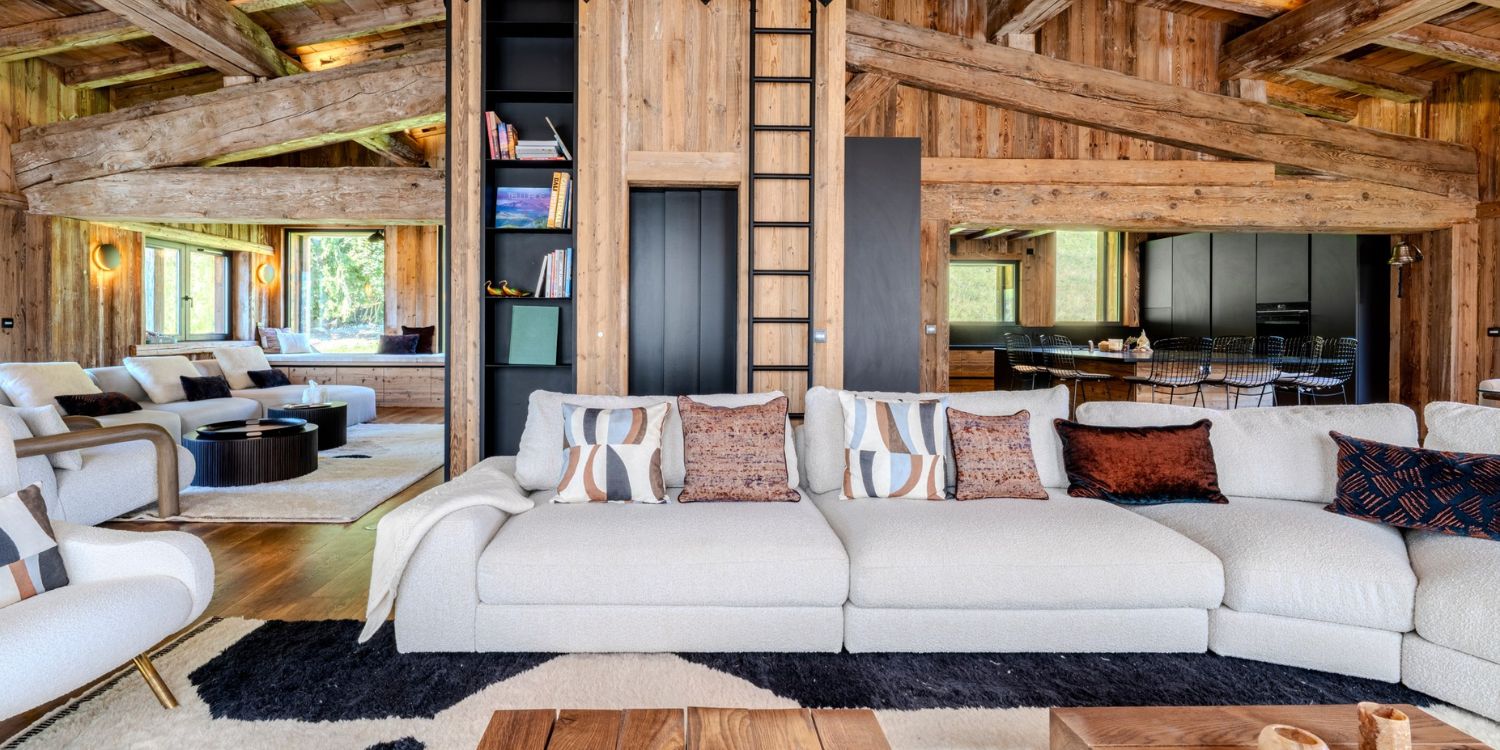


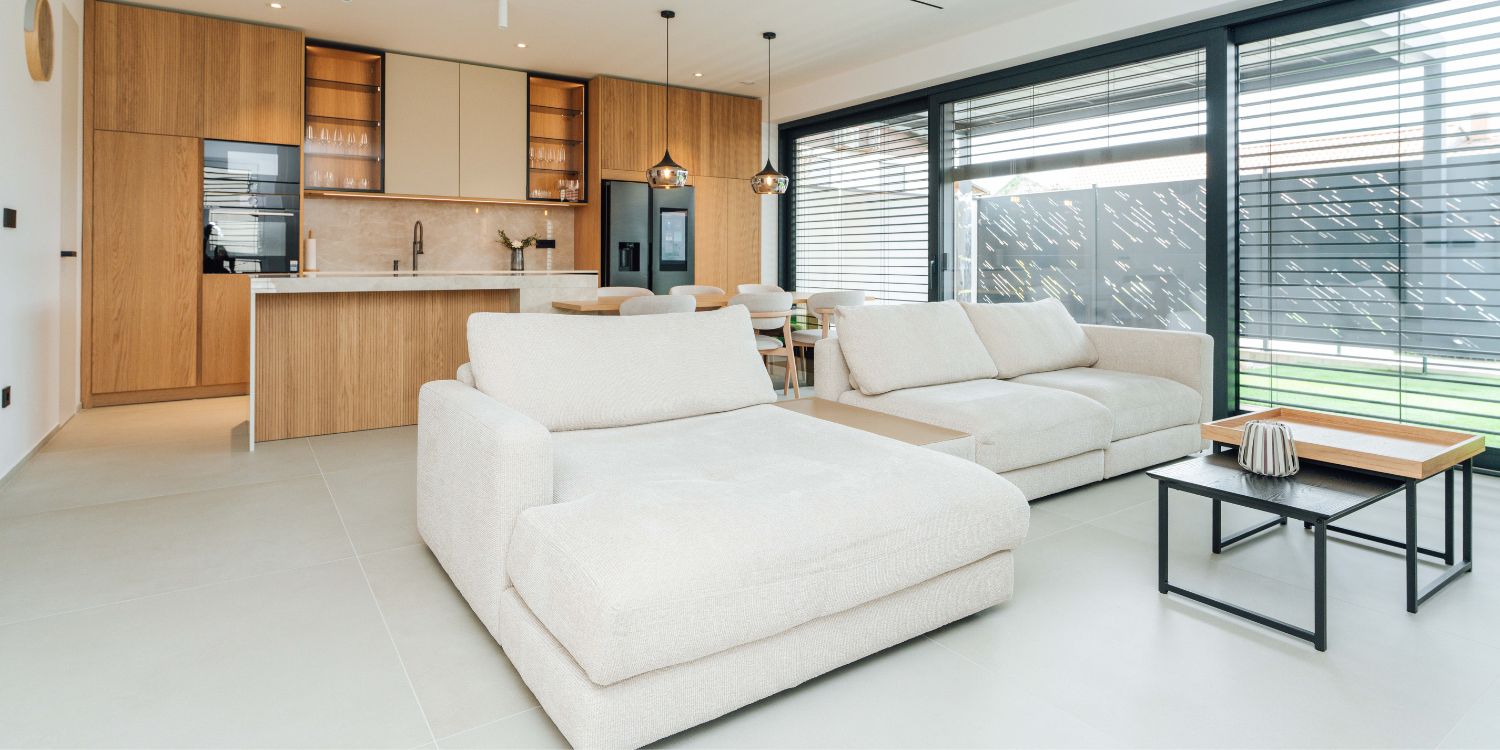
Located near Ljubljana, Slovenia, this thoughtfully designed residence by Estilia Design demonstrates how contemporary interiors can feel refined and deeply welcoming. Defined by natural materials, warm neutral tones and carefully considered spatial planning, the home embodies a growing movement in European residential design that prioritises wellbeing, emotional comfort and everyday functionality alongside aesthetics.
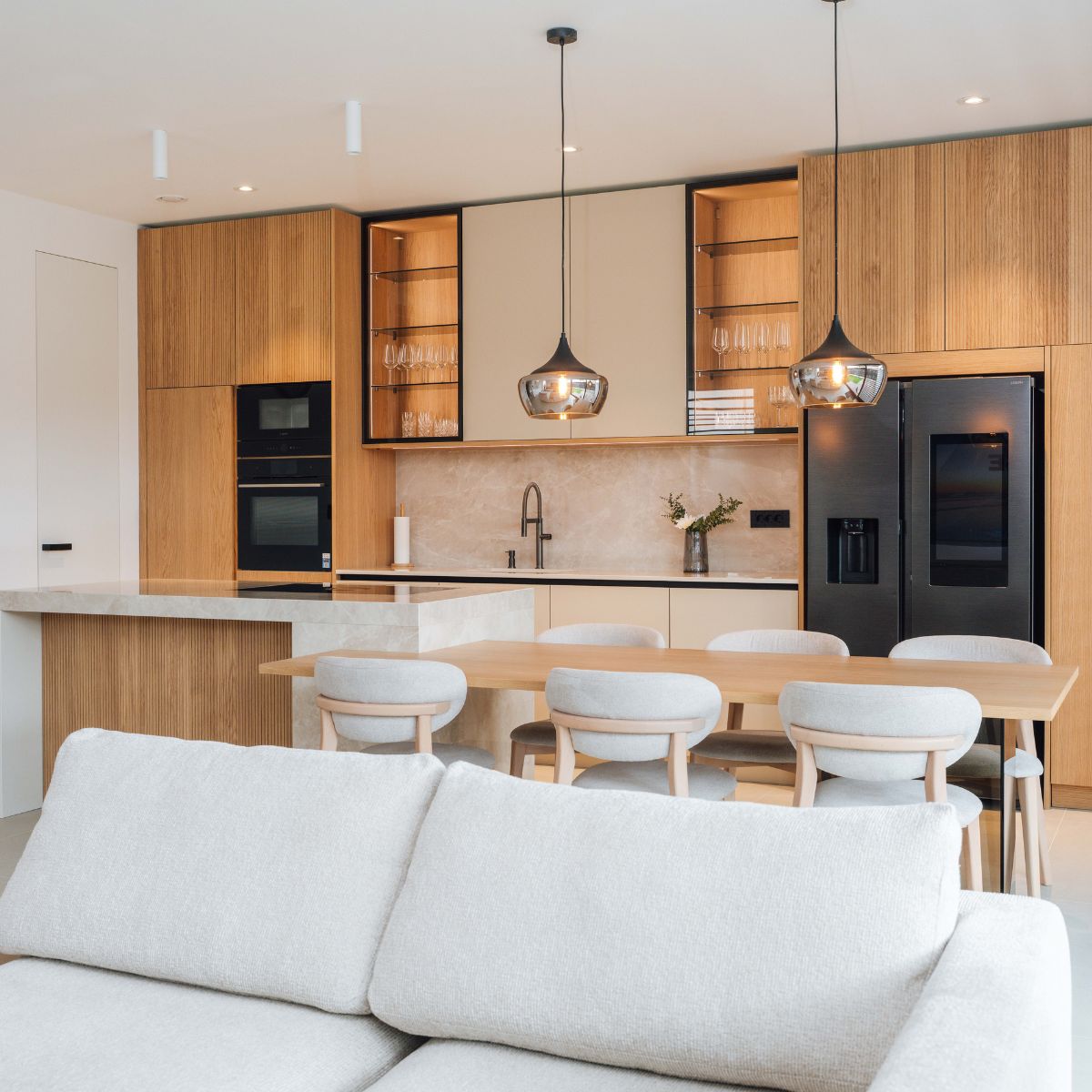
From the moment you enter the space, a sense of calm unfolds through clean architectural lines, soft daylight and a restrained material palette. The open-concept kitchen, dining area and living room flow effortlessly together, creating an environment where family life, relaxation and social gatherings coexist naturally.
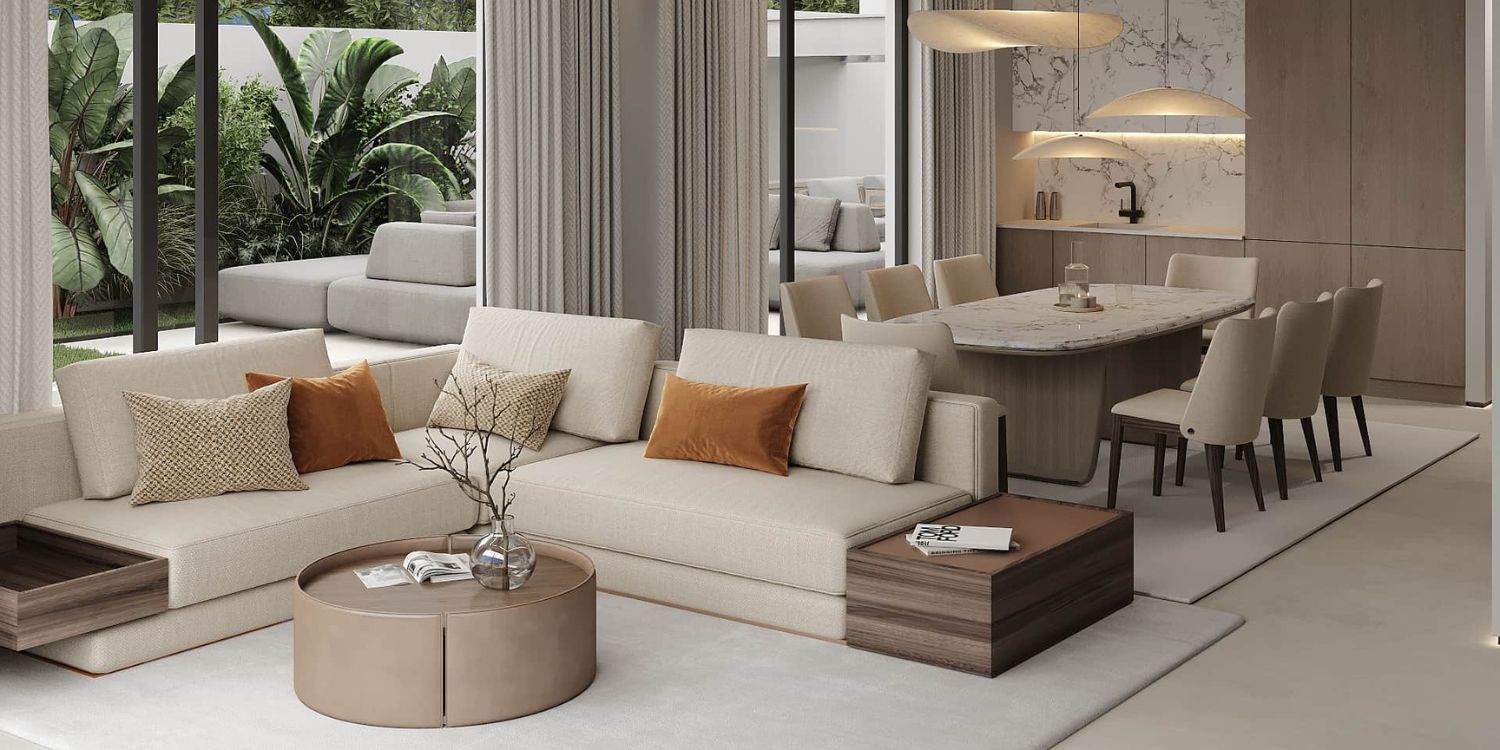
At the centre of this composition sits the Edward Sofa, a piece whose generous proportions and modular flexibility support the home’s overarching design philosophy. Rather than acting as a standalone statement, the sofa becomes an integral part of a carefully orchestrated interior where architecture, materials and furniture work together to create a cohesive living experience.
A Home Designed Around Wellbeing
Creating Spaces That Feel as Good as They Look
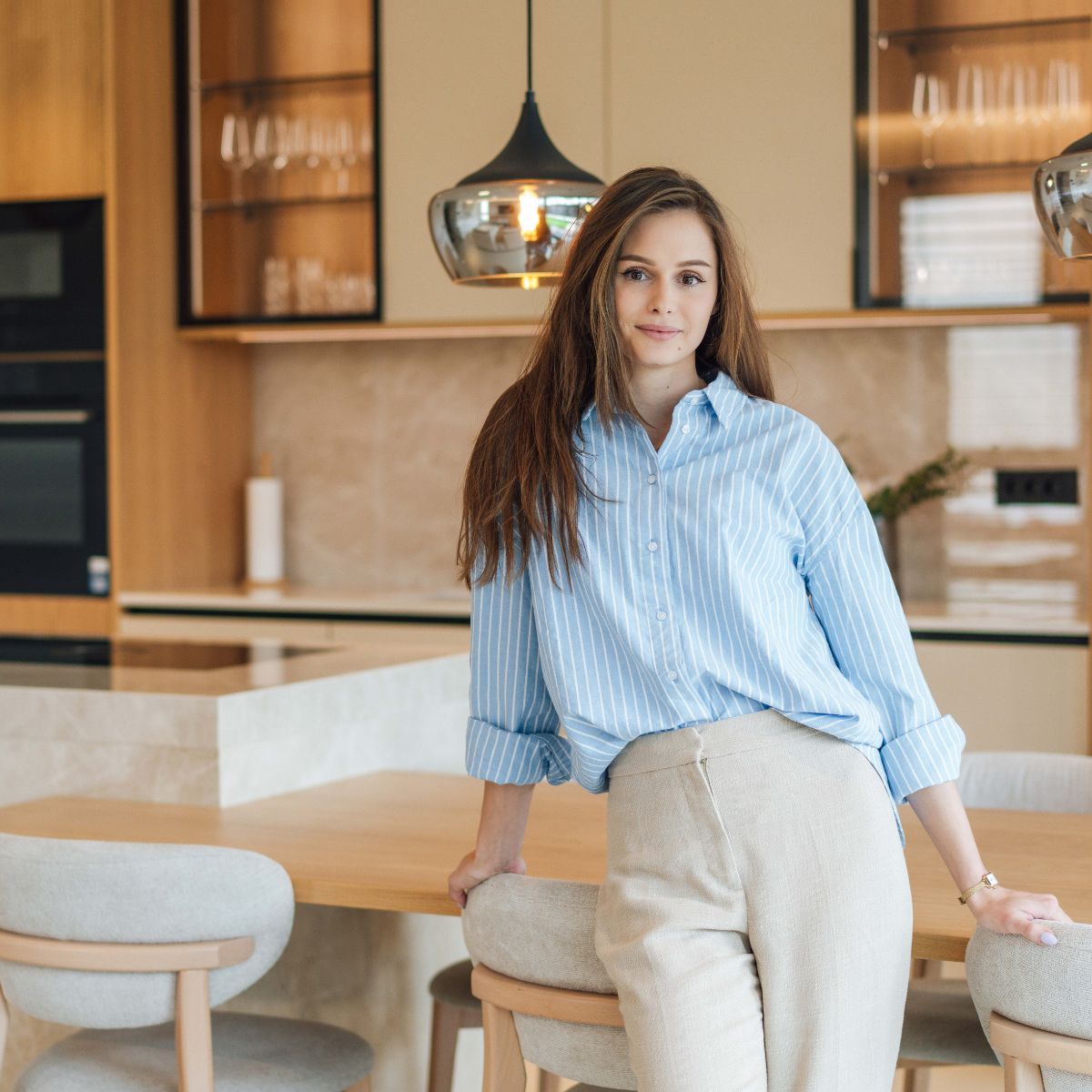
For Estilia Design founder Pia Podlipnik, successful interiors extend far beyond visual appeal. Her design philosophy centres on creating environments that evoke the right emotions – spaces where people genuinely enjoy spending time and feel connected to their surroundings.
This approach is evident throughout the Slovenian residence. Every material, finish and furniture selection contributes to an atmosphere that feels balanced, welcoming and enduring. Rather than following short-lived trends, the project focuses on timeless principles of comfort, functionality and craftsmanship.
Podlipnik’s attention to detail and careful material selection create interiors with lasting value. The result is a home that not only responds to practical needs but also enhances the daily experiences of those who inhabit it.
The Power of Natural Materials
One of the defining characteristics of this contemporary home design in Slovenia is its sophisticated use of natural materials. Wood plays a central role throughout the interior, introducing warmth, texture and visual continuity across the various living areas.
Large wooden panels create a unifying architectural language, subtly connecting the kitchen, dining room and living space. This continuity helps establish a sense of harmony while reinforcing the home’s calm and uncluttered atmosphere.
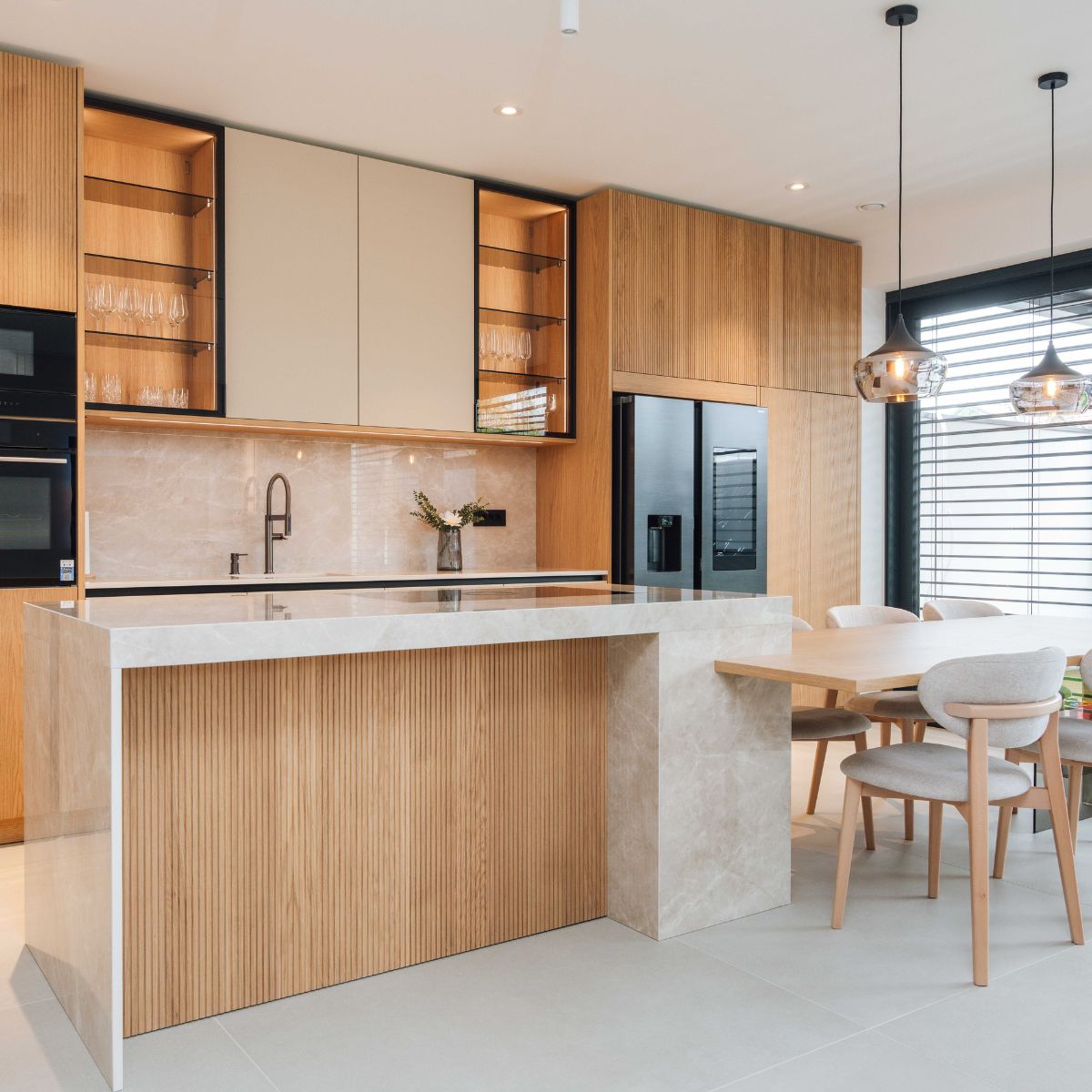
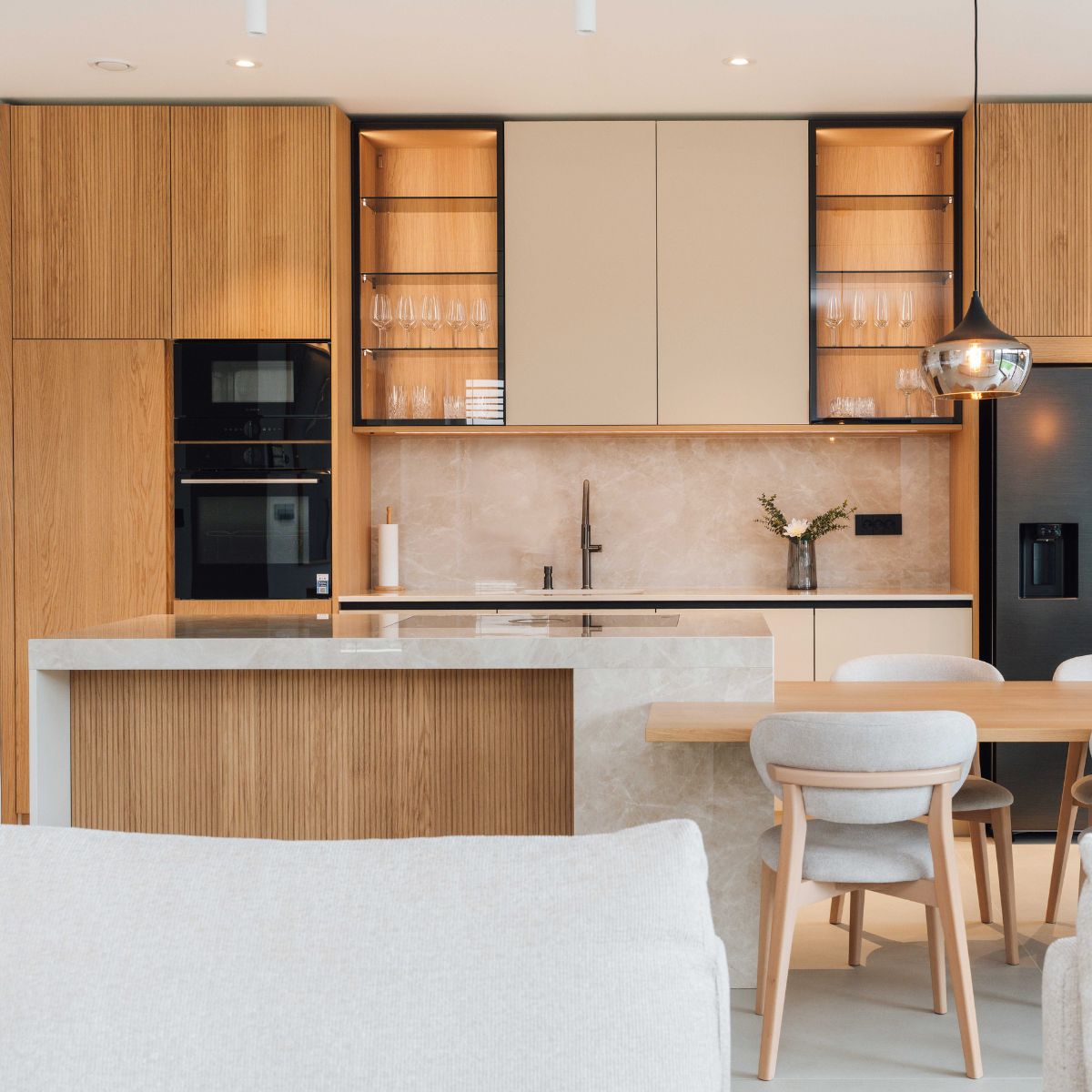
The warm wood tones are complemented by a palette of soft neutrals, allowing natural textures to become the primary source of visual interest. Rather than relying on bold contrasts or decorative excess, the design embraces simplicity and authenticity.
This approach reflects a broader trend within contemporary European residential interiors, where natural materials are increasingly valued not only for their aesthetic qualities but also for their ability to create emotionally comforting environments.
Soft daylight filtering through expansive windows further enhances these materials, highlighting their textures and creating subtle shifts in mood throughout the day.
Open-Concept Living with a Sense of Calm
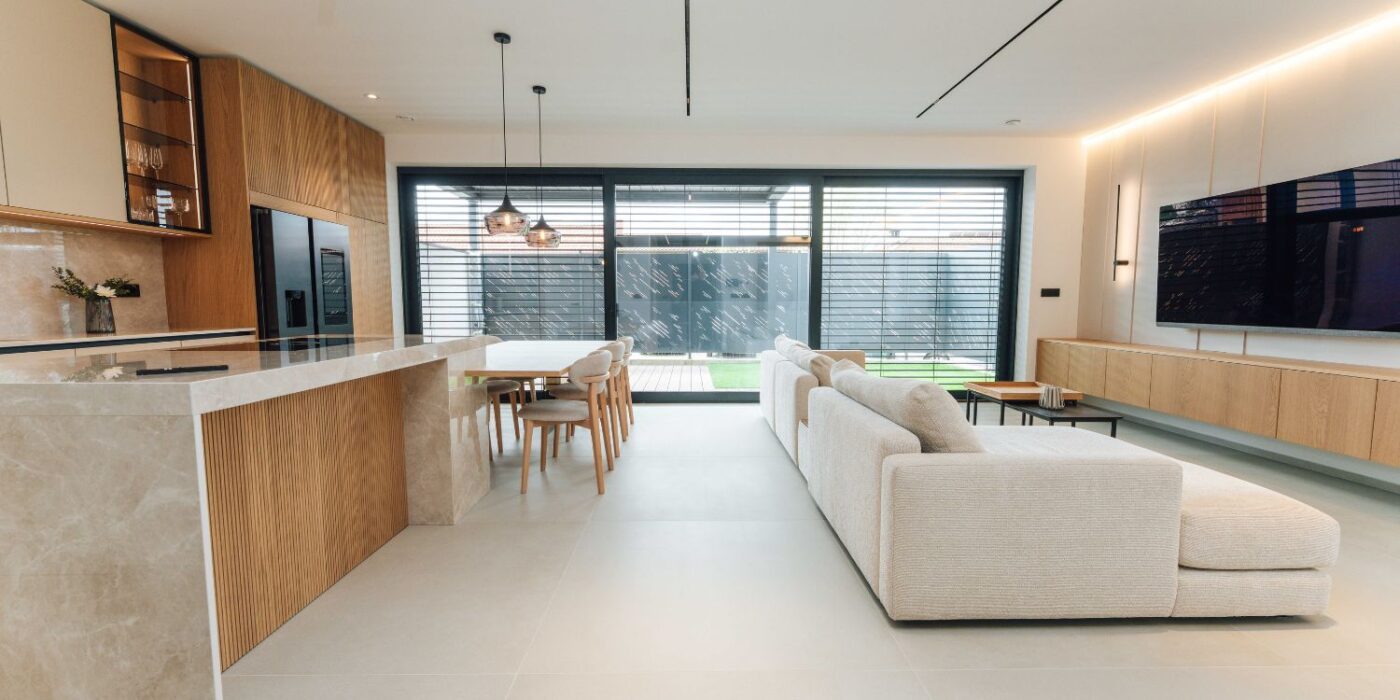
Open-plan layouts have become a defining feature of modern residential design, yet creating cohesion within these expansive spaces requires careful planning. In this project, Estilia Design demonstrates how thoughtful material choices and furniture placement can maintain visual clarity while supporting multiple functions.
The kitchen, dining area and living room exist as part of a single continuous environment, allowing movement and interaction to flow naturally. Despite the openness of the layout, each zone retains its own identity through subtle shifts in furniture arrangement and spatial hierarchy.
Wooden architectural elements provide a visual thread that guides the eye throughout the space, while the restrained colour palette ensures consistency from one area to the next.
This sense of continuity contributes significantly to the home’s peaceful atmosphere. Rather than feeling fragmented, the interior reads as a unified composition where every element supports the overall design narrative.
The Edward Sofa as the Heart of the Living Space
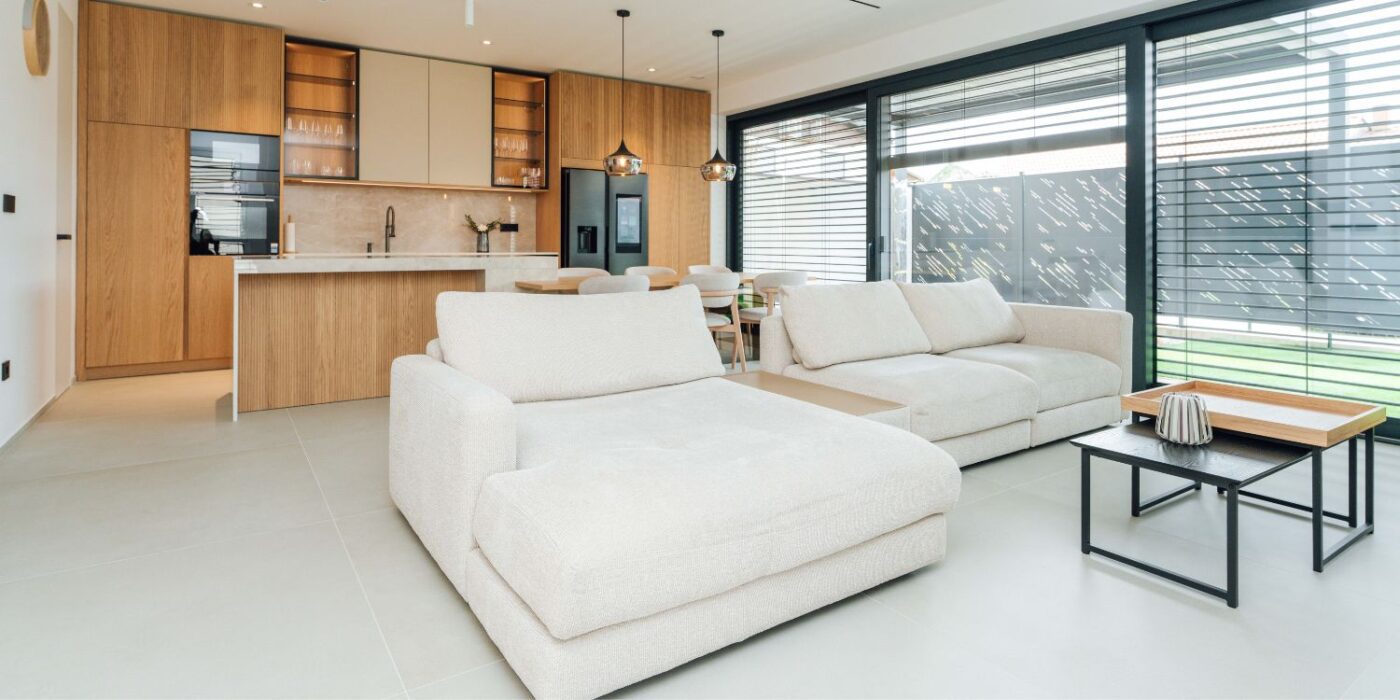
Within the living area, the Edward Sofa serves as a functional anchor and a visual centrepiece. Its generous scale establishes a comfortable gathering space while maintaining the understated elegance that defines the overall interior.
Positioned within the open-plan layout, the sofa helps organise the living zone without interrupting the visual flow between spaces. Its clean lines and balanced proportions complement the surrounding architecture, reinforcing the home’s minimalist character.
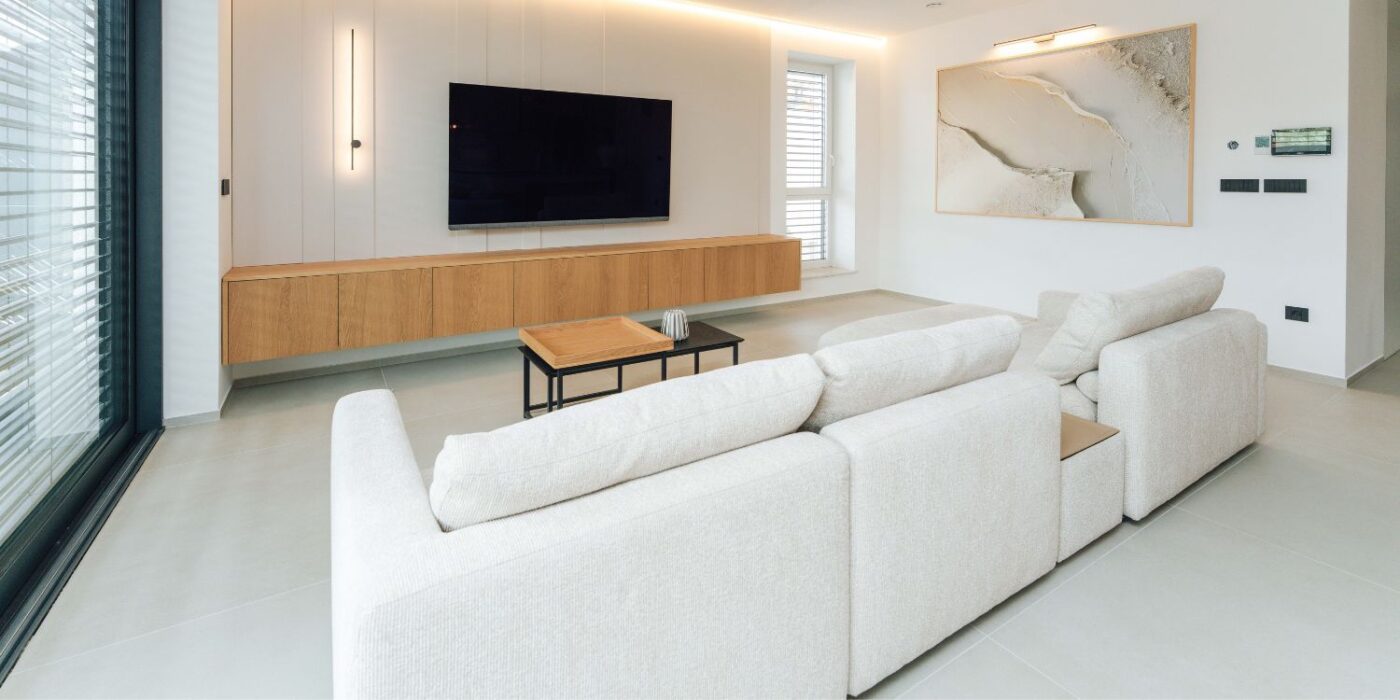
The light upholstery selected for the project creates a harmonious dialogue with the warm wood finishes throughout the interior. Together, these materials contribute to an atmosphere that feels bright, welcoming and timeless.
Rather than dominating the room, the Edward Sofa supports the architecture, demonstrating how carefully chosen furniture can enhance a space while allowing the broader design concept to remain at the forefront.
Modular Design for Contemporary Living
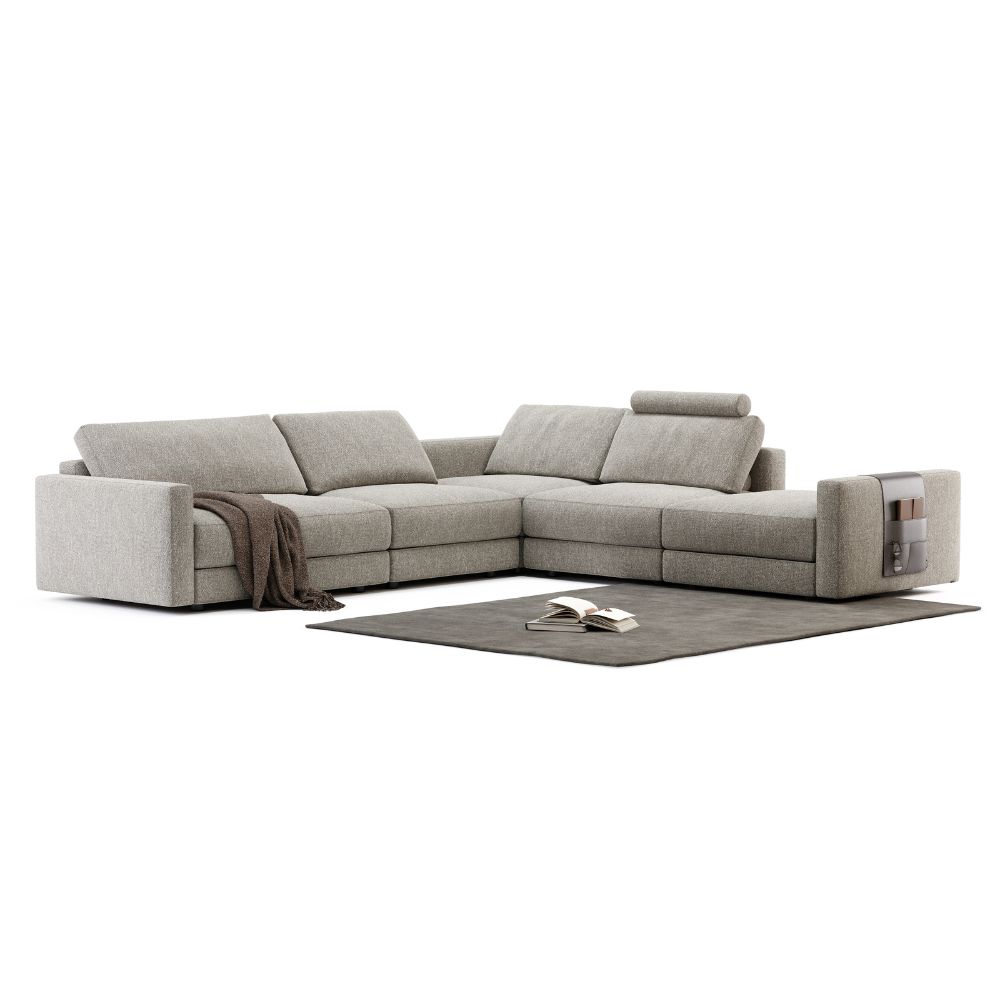
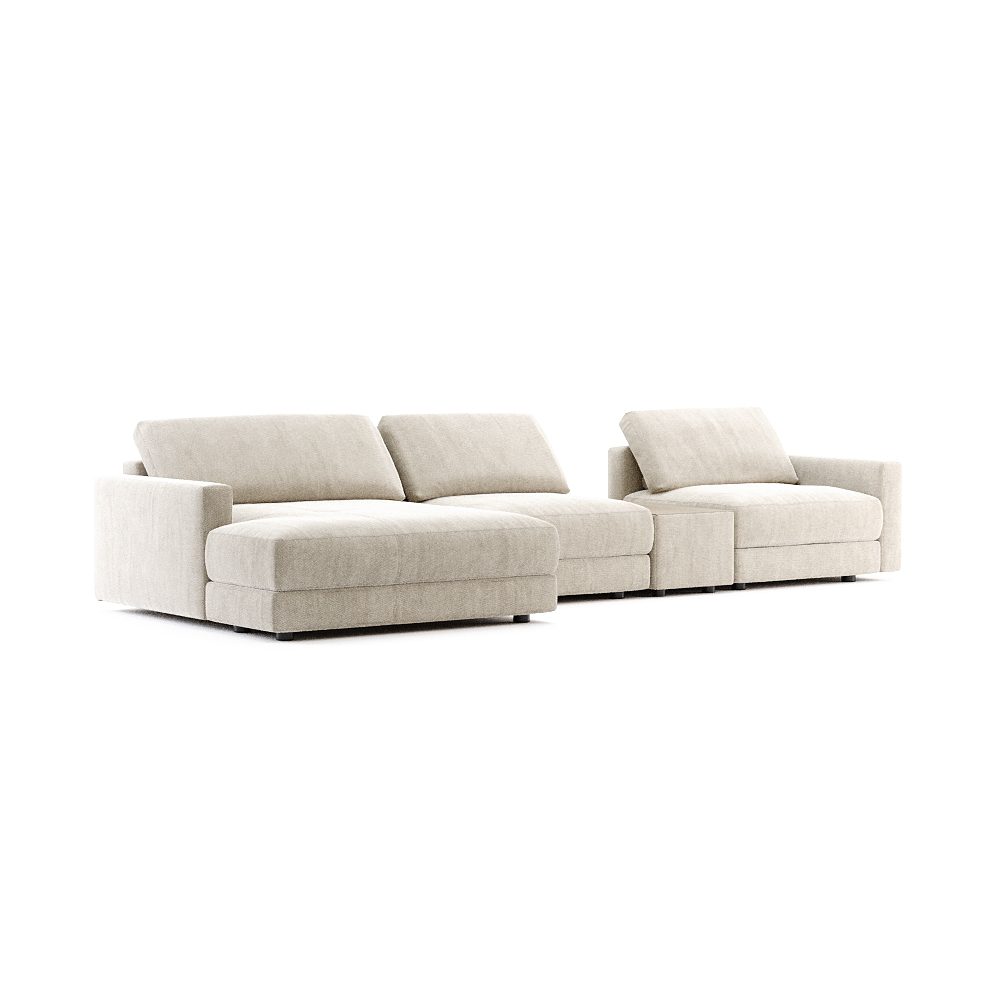
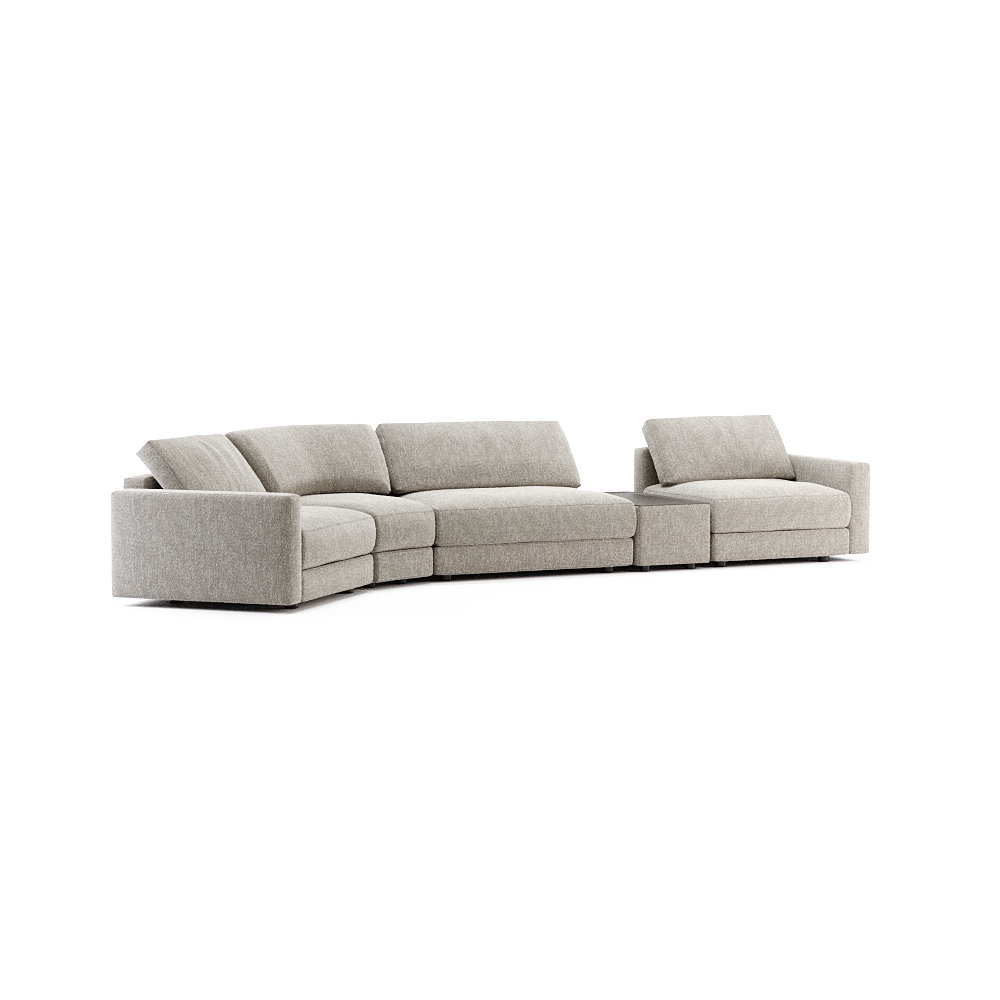
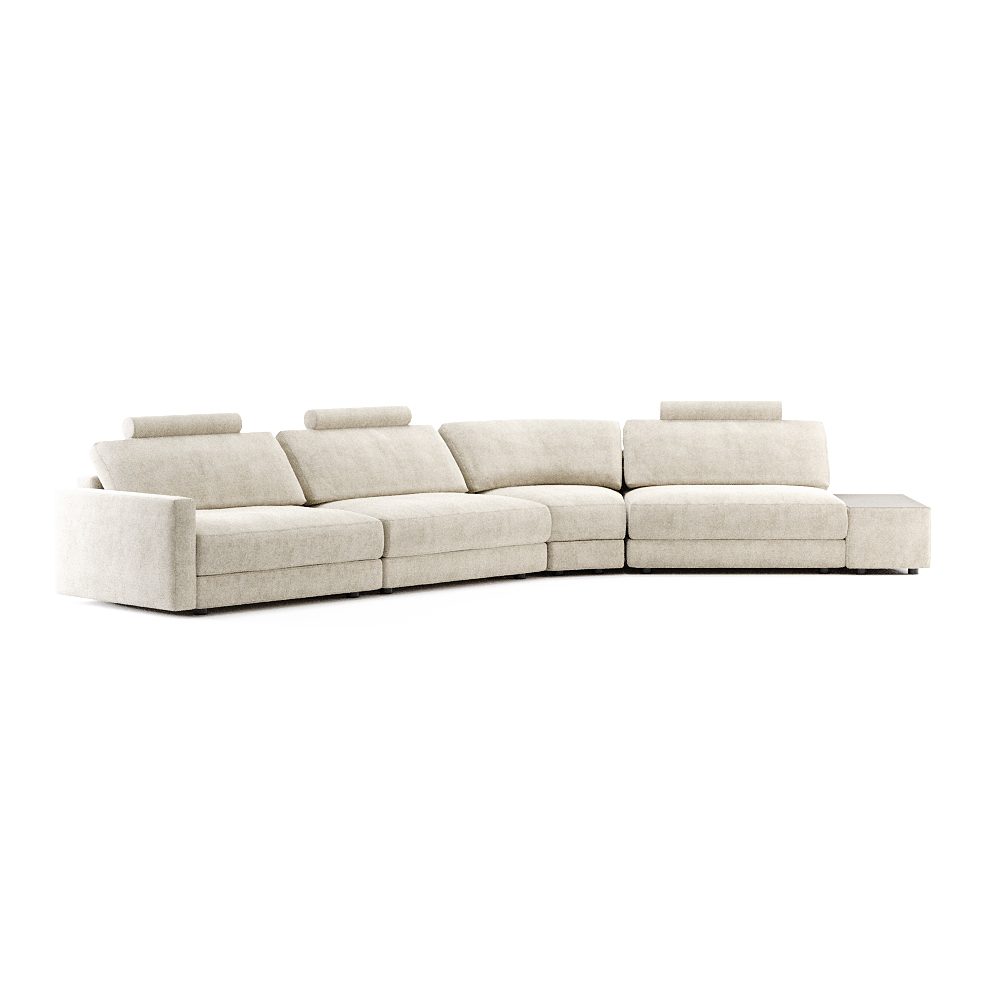
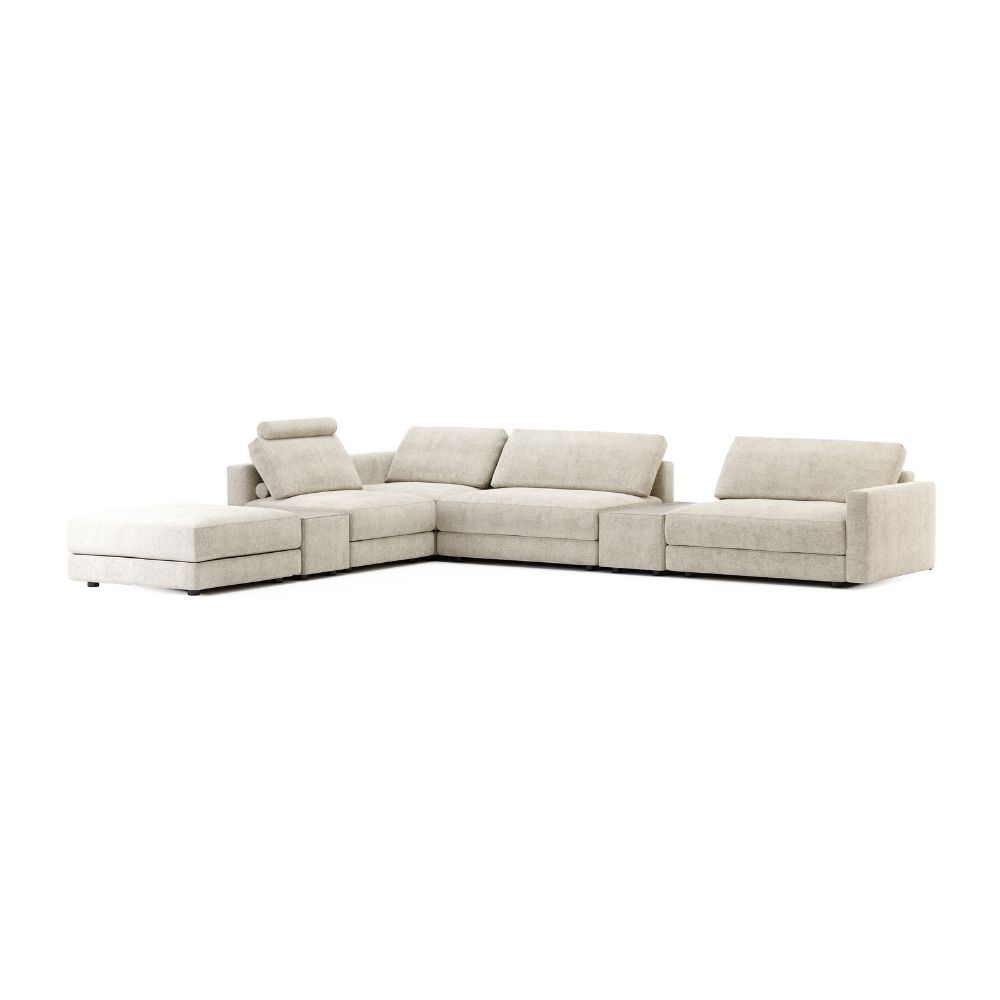
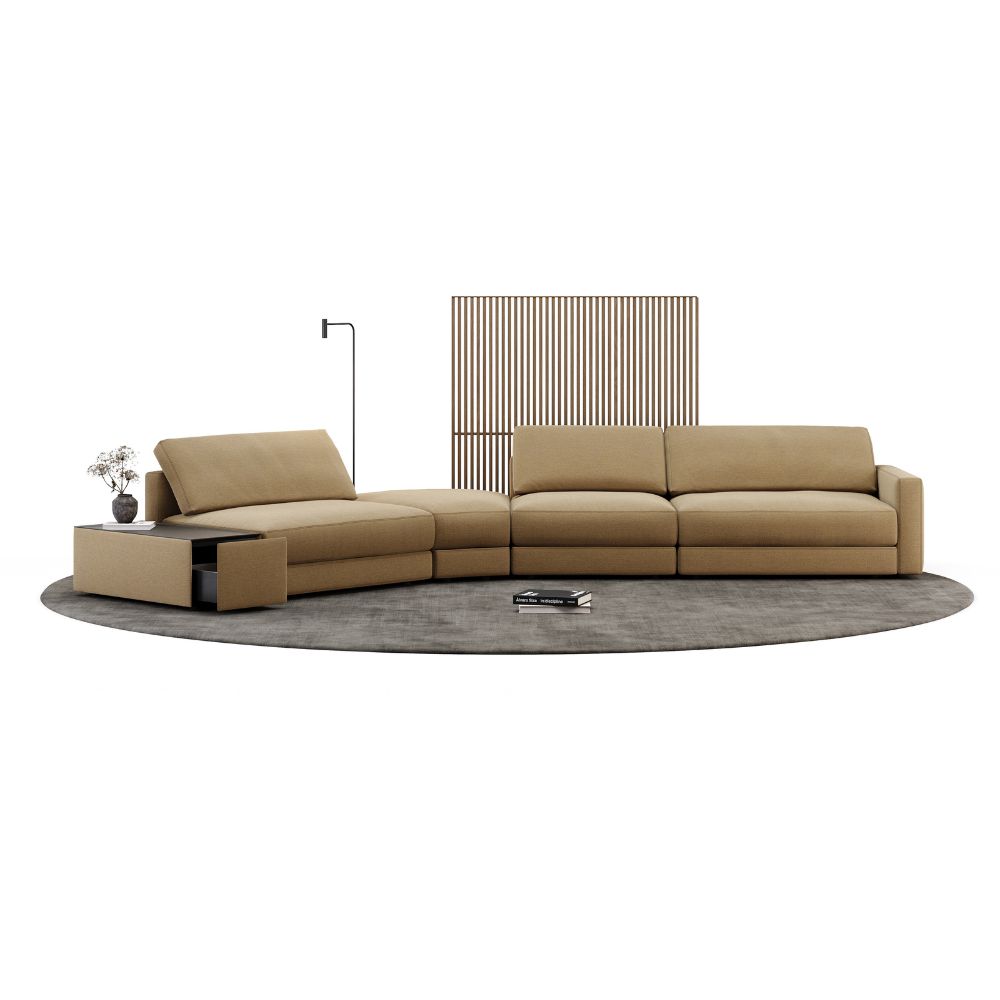
The growing demand for adaptable interiors has transformed the way designers approach residential furniture selection. Today’s homeowners increasingly require spaces that can respond to changing routines, family dynamics and patterns of use.
The Edward Sofa addresses these needs through its modular design system, offering a wide range of configuration possibilities that allow the piece to evolve alongside its environment.
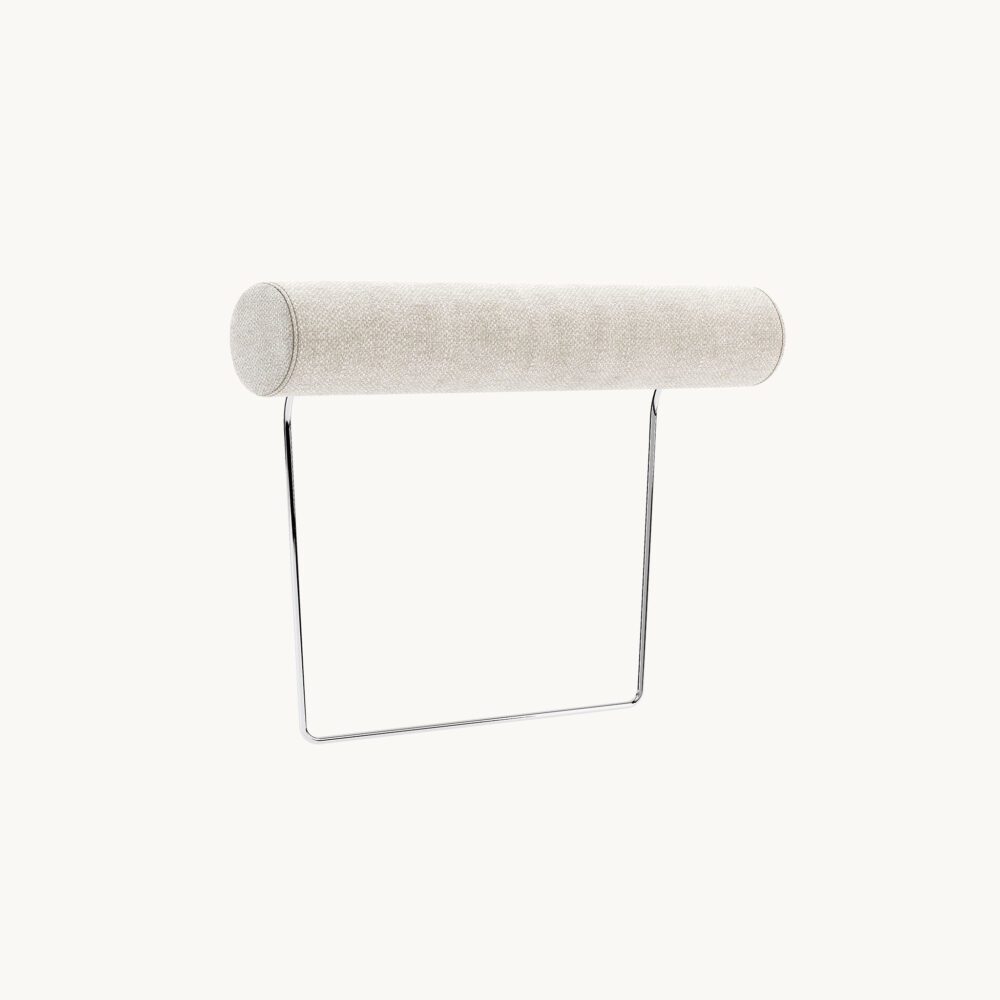
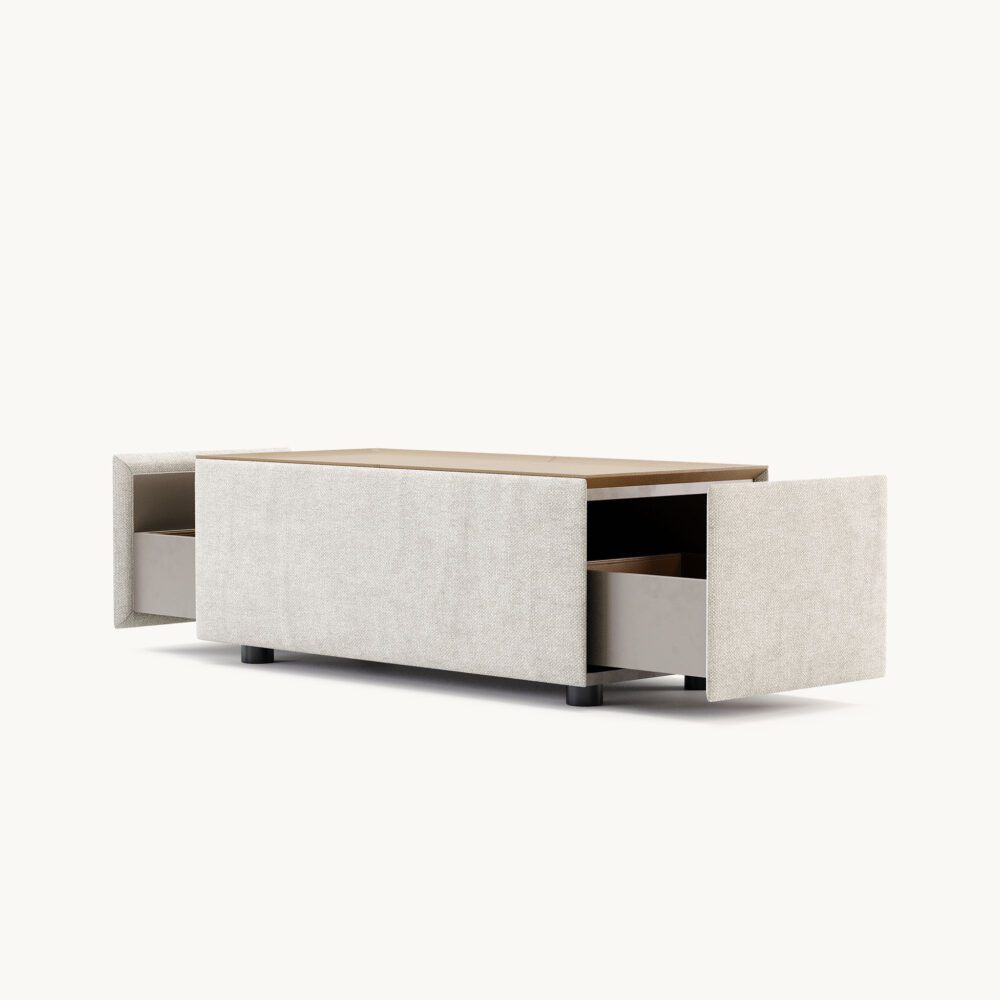
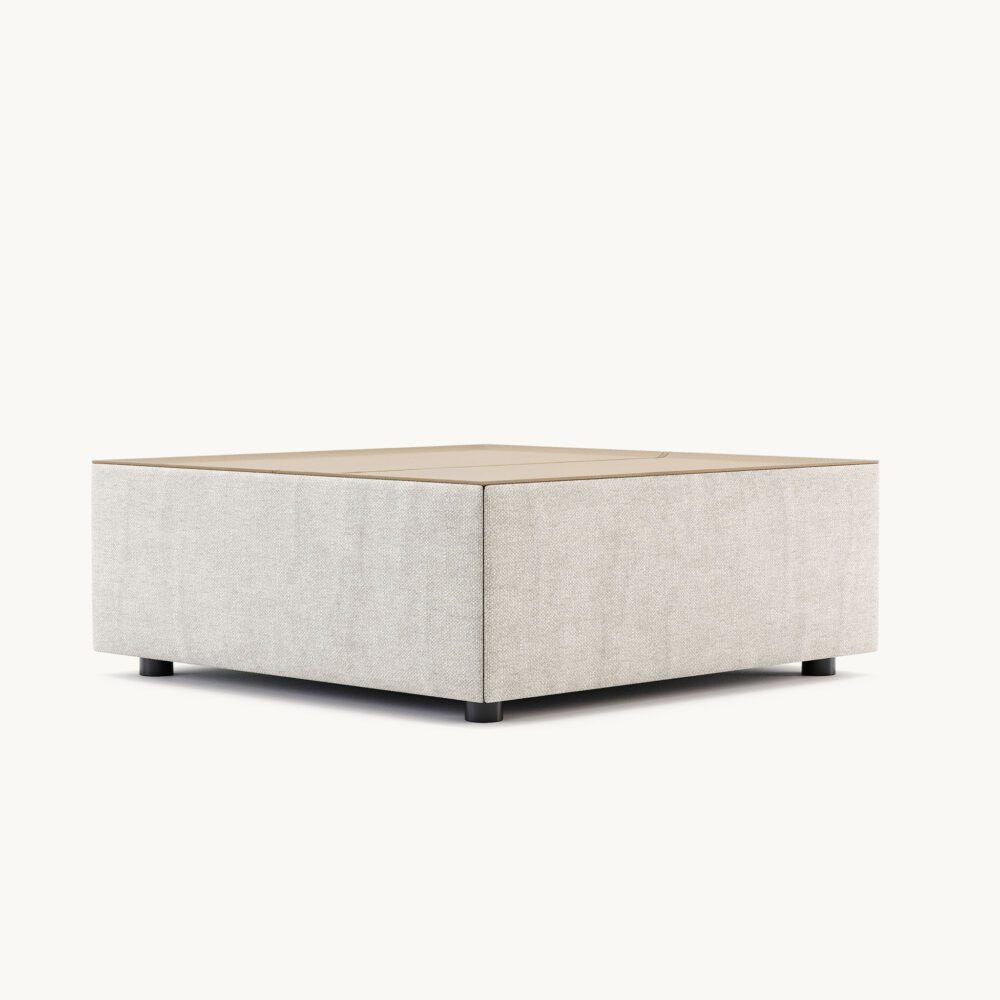
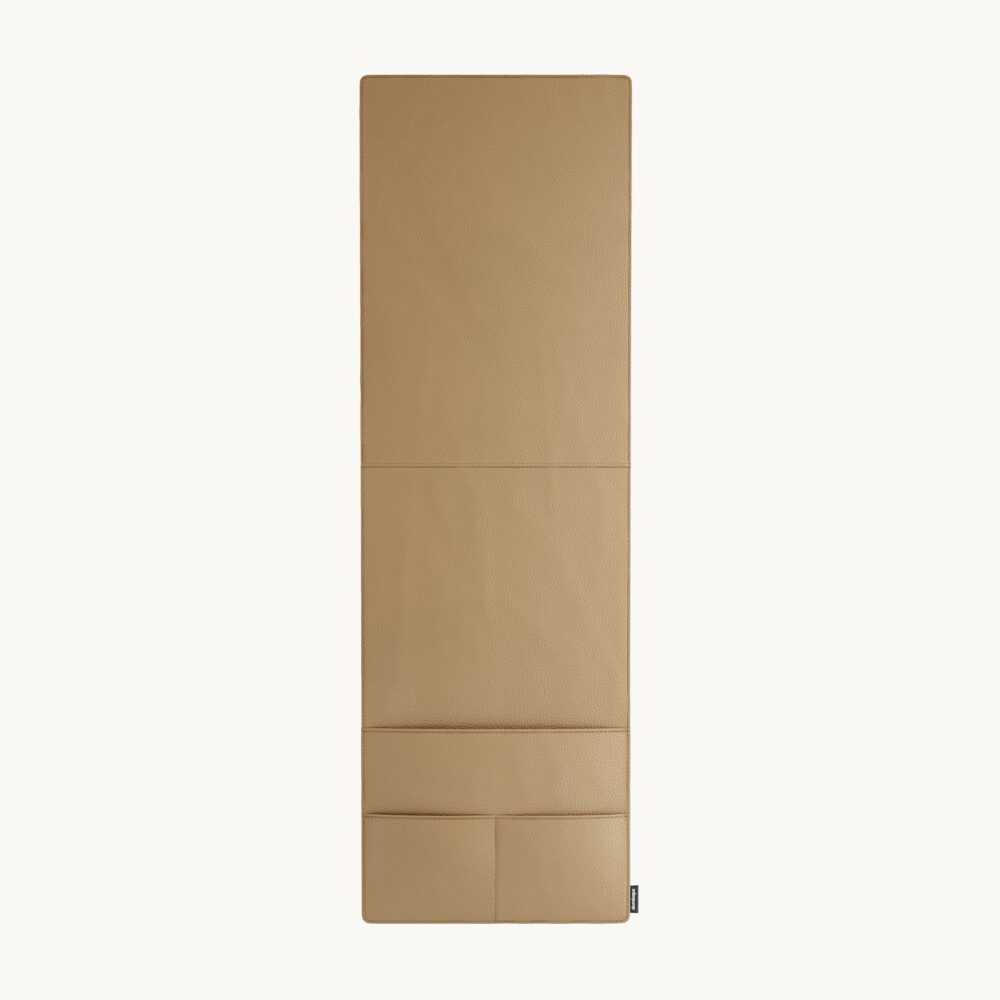
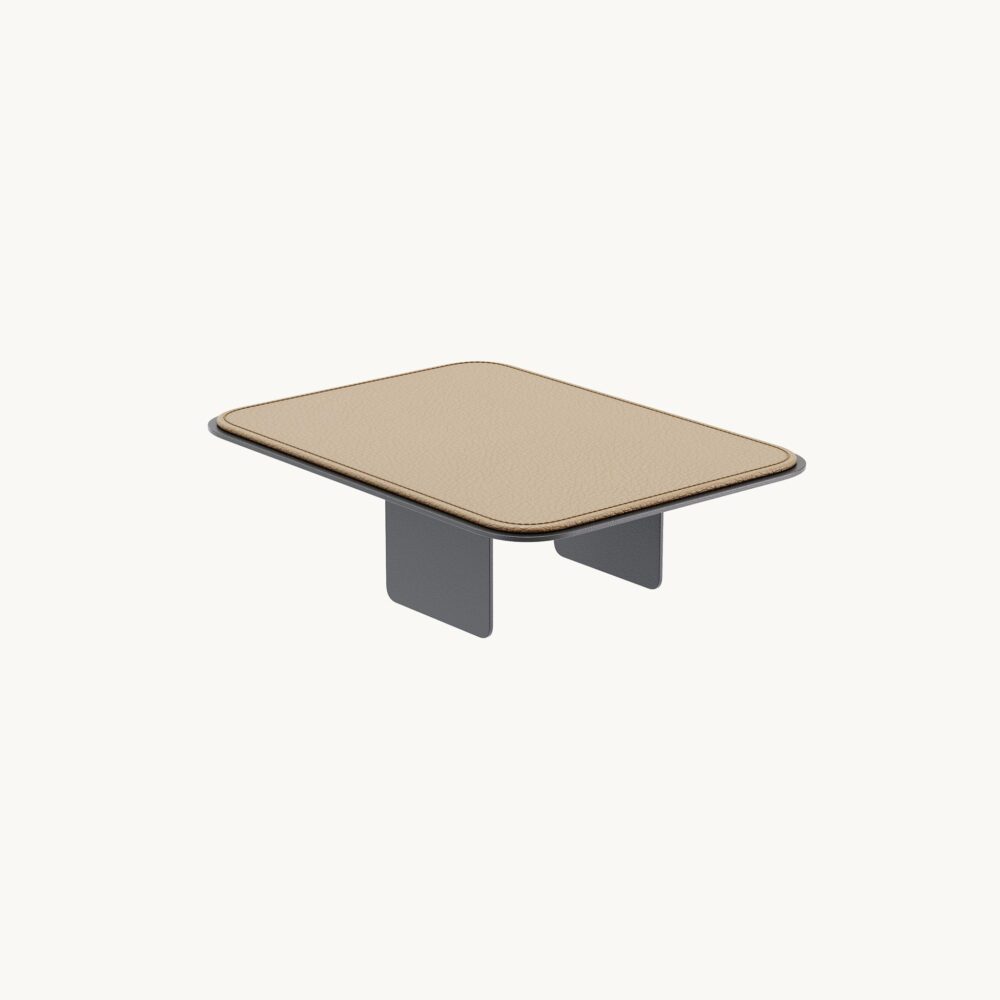
Whether creating an expansive lounge arrangement, defining a conversation area or adapting the layout to suit different spatial requirements, the modular system provides exceptional versatility. Additional elements and accessories further enhance the sofa’s adaptability, making it suitable for a variety of contemporary living scenarios.
This flexibility is particularly valuable within open-plan homes, where furniture often plays a crucial role in defining functional zones while preserving a sense of openness.
As residential interiors continue to prioritise multifunctionality, modular sofa design has become an increasingly important tool for creating spaces that remain relevant and responsive over time.
Materiality, Comfort & Proportion
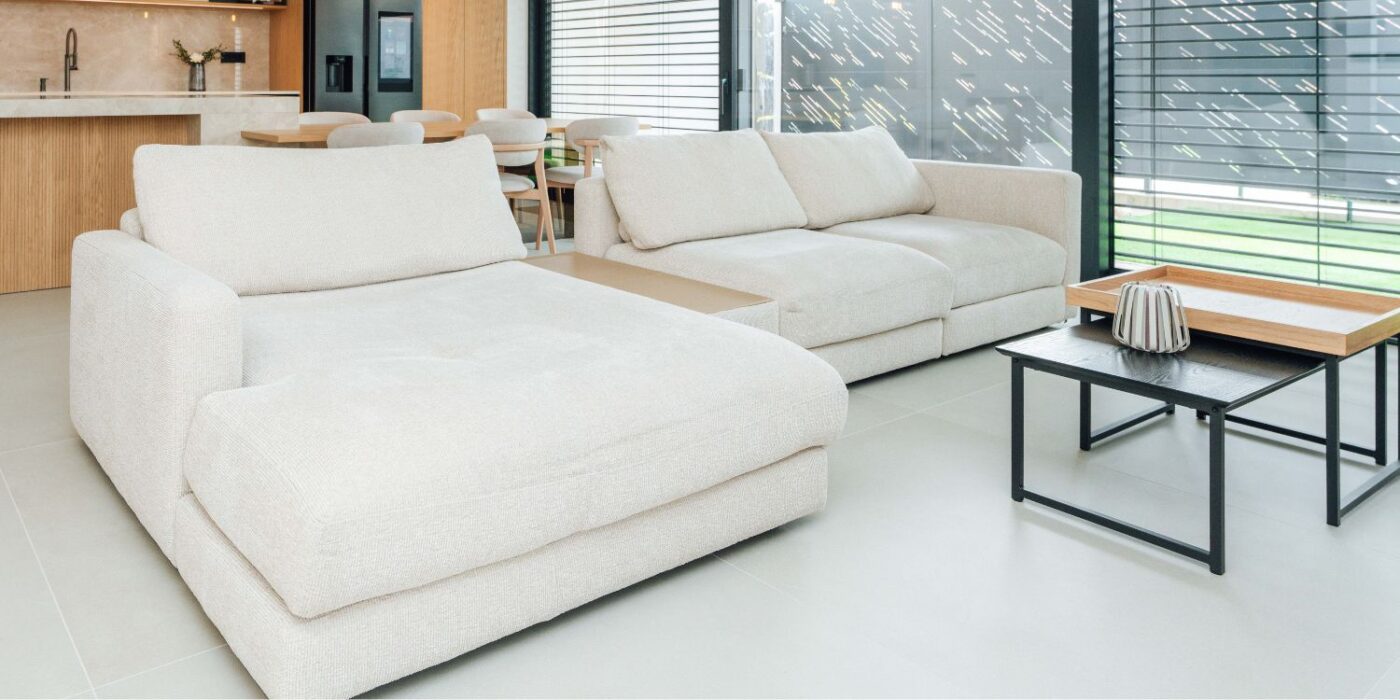
Beyond its flexibility, the Edward Sofa distinguishes itself through its focus on comfort and proportion. Its generous volumes invite relaxation, while its minimalist design language ensures visual lightness despite its substantial presence.
The carefully upholstered surfaces create a tactile experience that enhances the overall atmosphere of the living room. Soft contours and inviting cushions encourage moments of rest and connection, reinforcing the home’s emphasis on wellbeing.
In many contemporary interiors, comfort is no longer viewed as separate from design excellence. Instead, the most successful projects integrate both qualities seamlessly. The Edward Sofa embodies this balance, combining refined aesthetics with everyday practicality.
As contemporary residential interiors continue to evolve, projects like this remind us that the most successful spaces are those that balance beauty with wellbeing. They are homes designed not simply to be seen but to be lived in. Places where architecture, materials and furniture come together to create meaningful experiences.
For interior designers and homeowners alike, this Slovenian residence offers an inspiring lesson: when every element is selected with intention, a house becomes more than a collection of rooms – it becomes a place where people truly want to spend their time.
Featured Image: Lipar Design
YOU MAY ALSO LIKE: Megan Armchair At Le Cardinal Paris Hotel: Boutique Hospitality Through Comfort & Atmosphere
We are working every day to bring you the most stylish ideas to fulfil your inspiration and to create the best interior design projects, so feel free to follow our Instagram Page and subscribe to our newsletter.