

Among the most requested multifunctional pieces in interior projects, the sofa bed has evolved far beyond its utilitarian roots. Today, it’s a sophisticated, design-led solution that combines aesthetics, comfort and spatial intelligence – three pillars every interior designer relies on when shaping a client’s home, hotel suite, apartment or short-term rental.
Yet, even experienced professionals face a challenge: the market is saturated with styles, mechanisms, foam densities, upholstery options and technical details that are rarely obvious at first glance. Choosing the right sofa bed can quickly turn into an overwhelming task, especially when the brief demands a piece that is visually cohesive, durable, comfortable in two distinct modes and easy for the client to use daily.
This guide unpacks the key considerations designers should keep in mind when selecting a sofa bed for different contexts: residential living rooms, compact apartments, guest rooms, hospitality spaces and rental properties. By understanding the nuances between mechanisms, aesthetics and material performance, you’ll be better equipped to specify the perfect sofa bed that meets your project’s functional and stylistic expectations.
1. Start with the client brief and space realities
Before diving into mechanisms or finishes, anchor your decision-making in two fundamentals:
• How frequently will the bed function be used?
A sofa bed used daily requires a high-resilience mattress, a robust opening system and specialist upholstery. An occasional-use guest solution can prioritise aesthetics over technical resilience.
• What is the spatial behaviour of the room?
Measure circulation paths, consider door swings and analyse furniture adjacency. Some mechanisms open forward, others unfold vertically or slide out. For compact interiors, these distinctions are crucial.
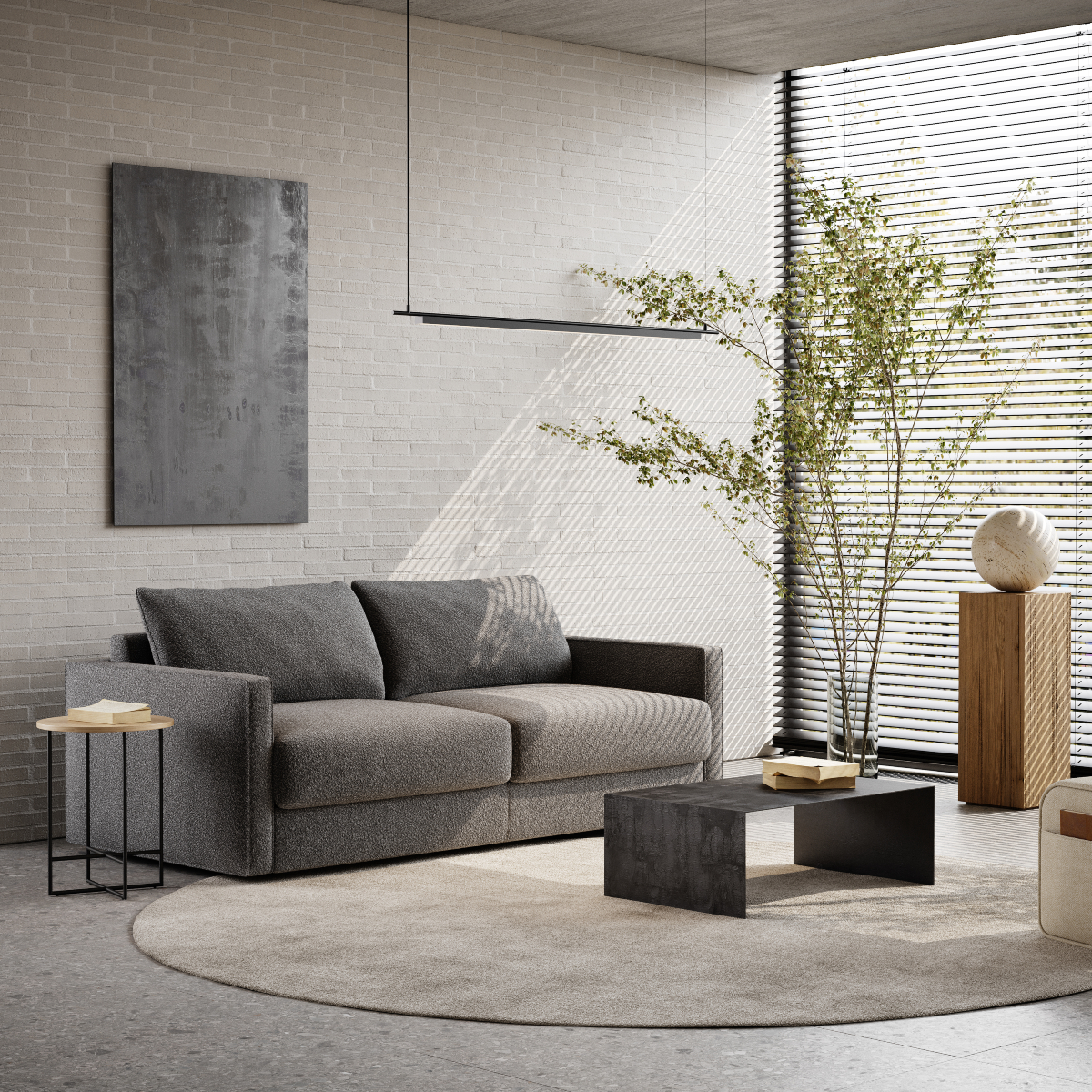
2. Match the Sofa Bed style to the interior concept
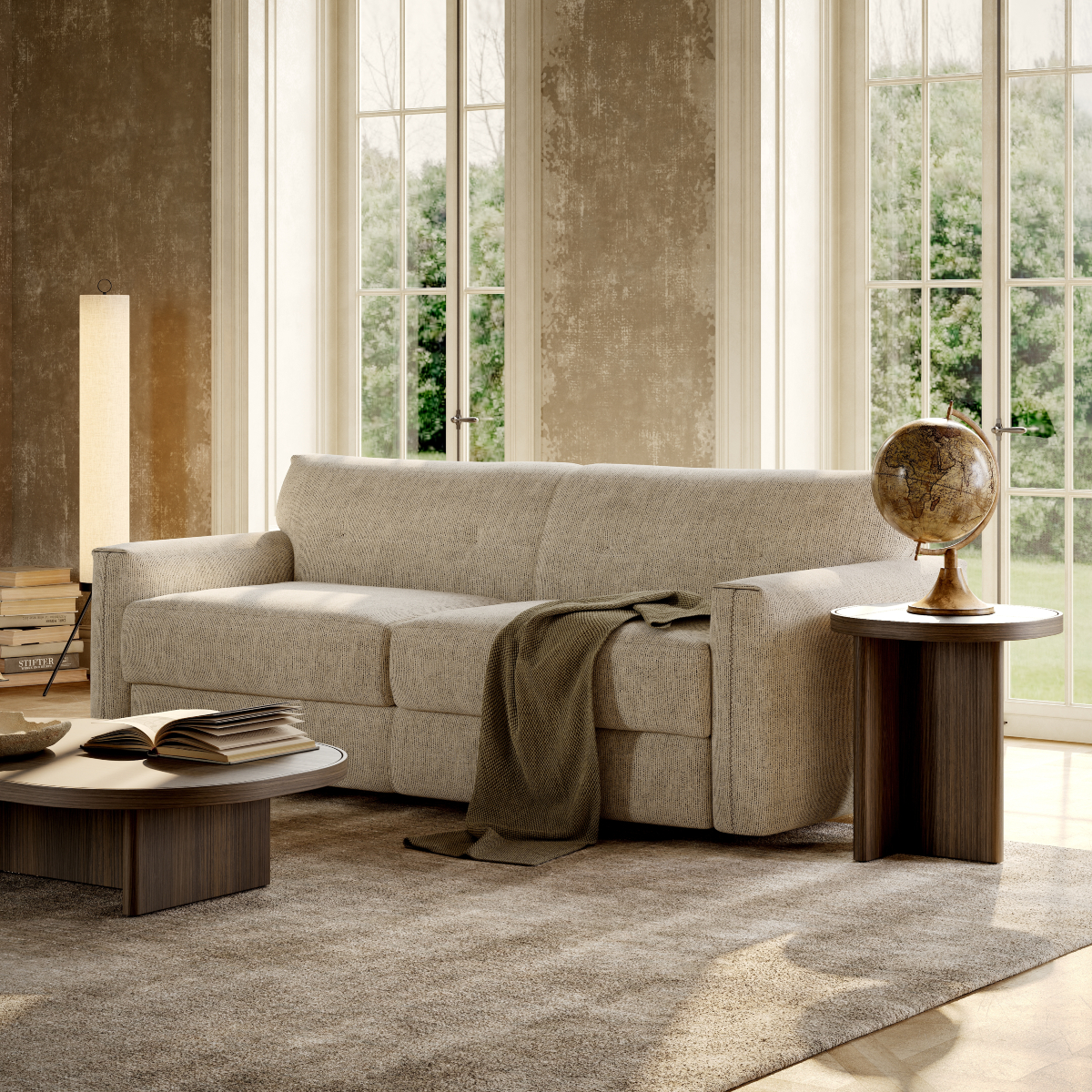
A sofa bed isn’t just a functional addition. It must integrate seamlessly into the overall language of the room. Consider:
• Minimalist or contemporary spaces
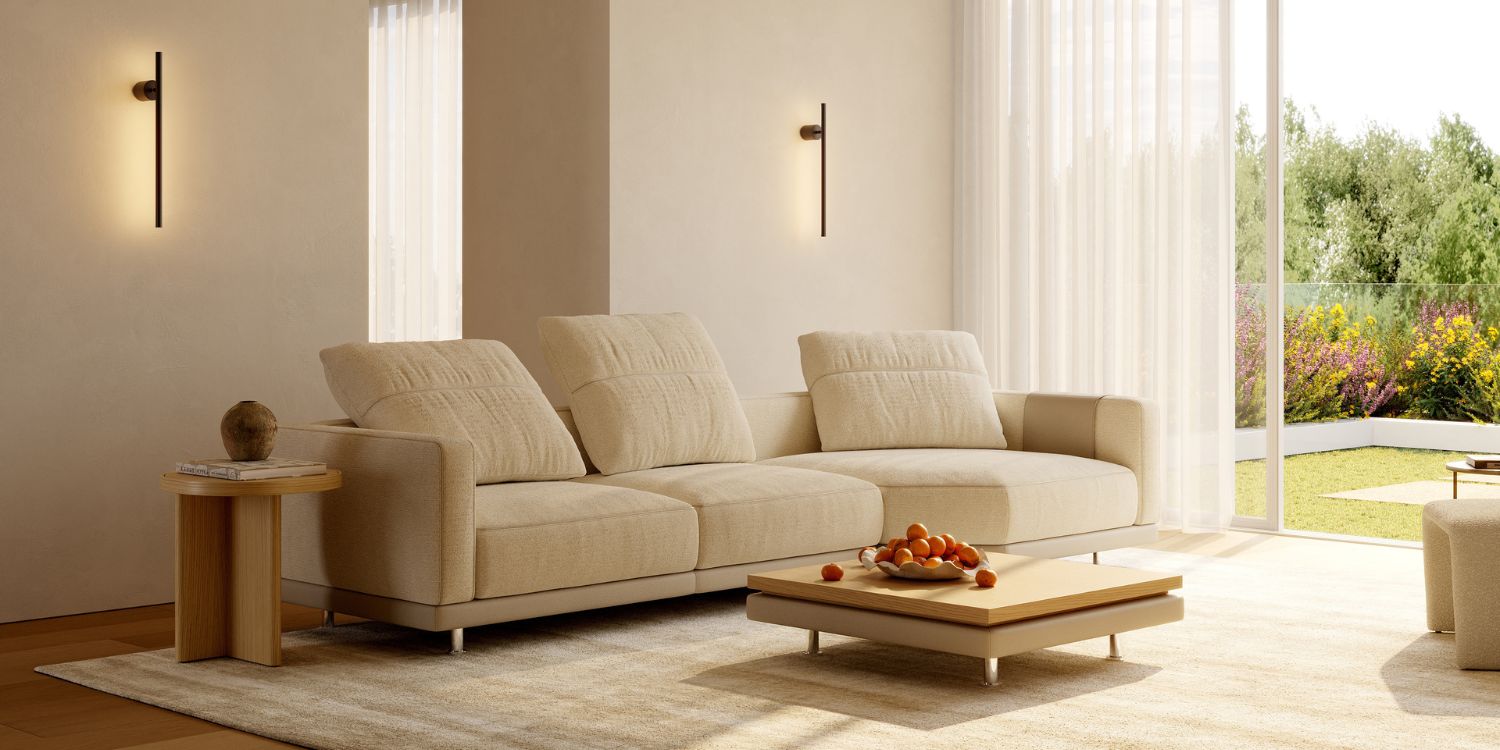
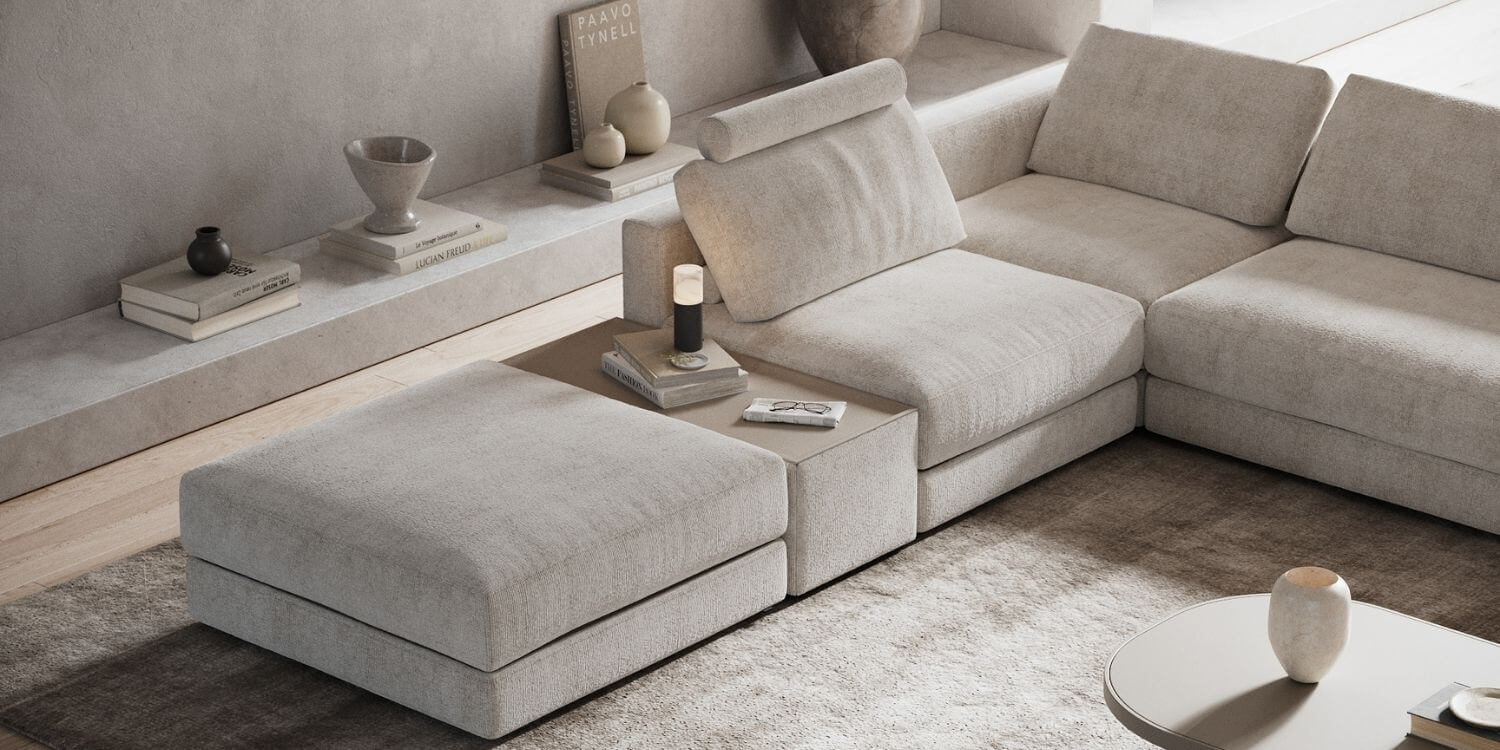
Clean-line silhouettes, slim arms and integrated mechanisms usually work best. The piece should look like a refined sofa first, not a bulky convertible.
• Classic or transitional concepts
Opt for fuller silhouettes, piping details or slightly curved forms. A more generous backrest or elegant stitching can soften the technicality of the mechanism.
• Hospitality or contract environments
Prioritise timeless shapes, durable finishes and fabrics with high Martindale resistance. The sofa bed must survive repeated use without compromising visual appeal.
3. Evaluate mechanism types: the heart of the Sofa Bed
Designers often underestimate the impact the mechanism has on the aesthetics and the experience. These are the most common systems:
• Pull-out (three-fold mechanism)
The mattress folds inside the seat and opens in a forward motion. This system is ideal when:
-
- You need a compact footprint
- The bed is for occasional use
- You prioritise competitive pricing
• Sliding seat / pop-up bed
The seat slides forward and rises to align with the back cushions, becoming a mattress. This system is ideal for:
-
- Daily use
- Families or apartments with limited space
- Projects prioritising quick, effortless conversion
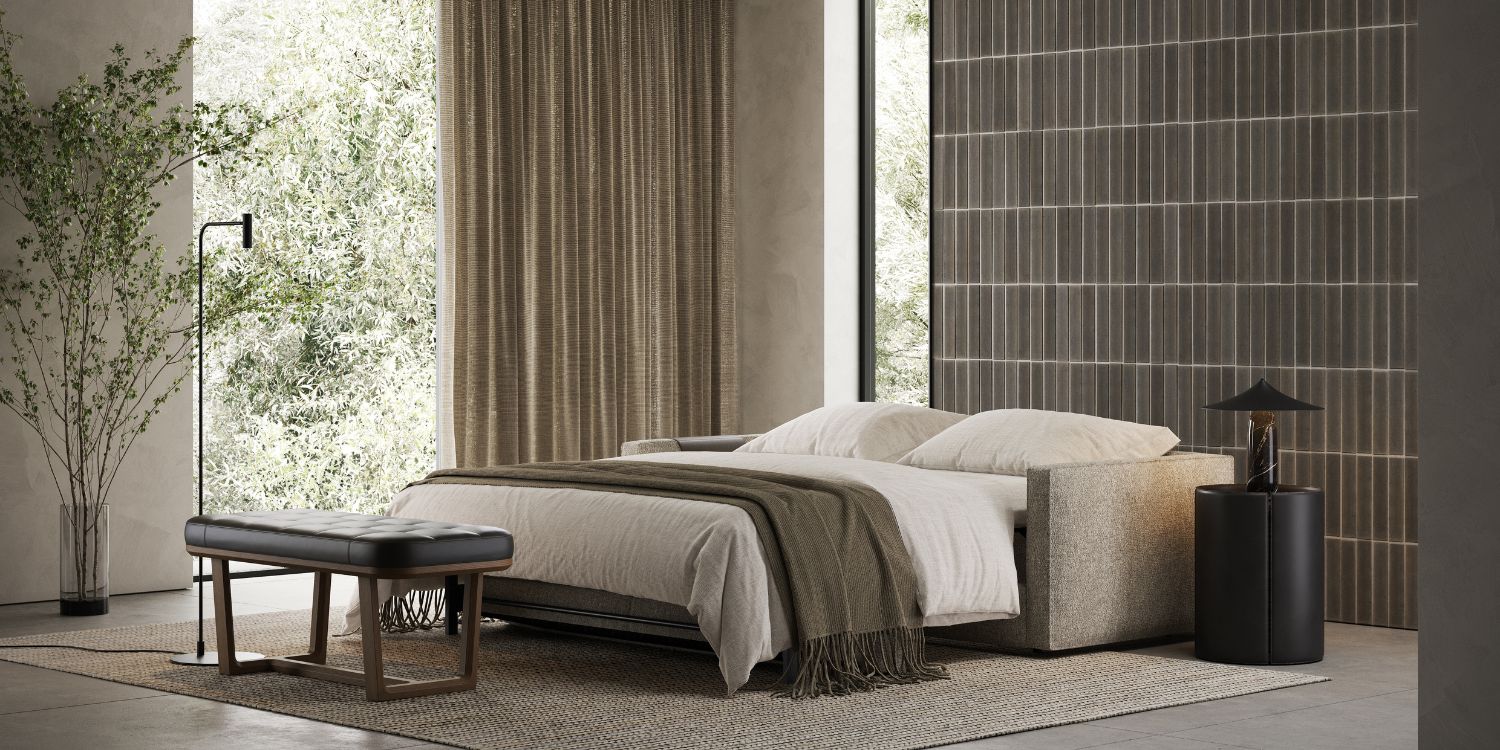
• Single-motion opening systems (premium, used by Domkapa)
With a single pull, the entire system swings open without removing cushions. This is the gold standard system for:
-
- High-end residential projects
- Hospitality settings
- Spaces where ergonomics, elegance and convenience matter
Mechanism choice determines durability, comfort, ease of daily use and ultimately client satisfaction. This is where designers must balance functional expectations with the project’s aesthetic and budget.
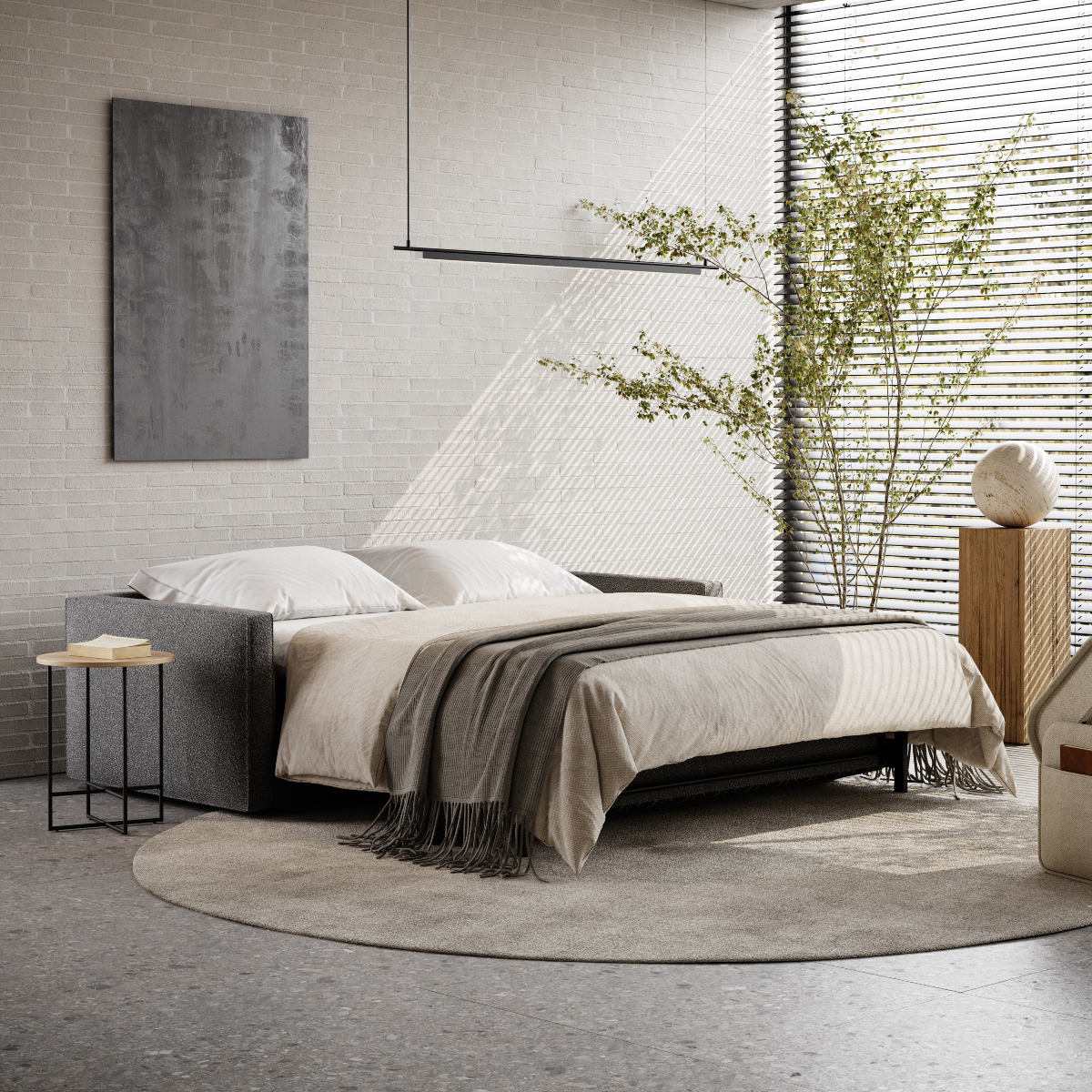
4. Consider mattress quality as part of the design brief
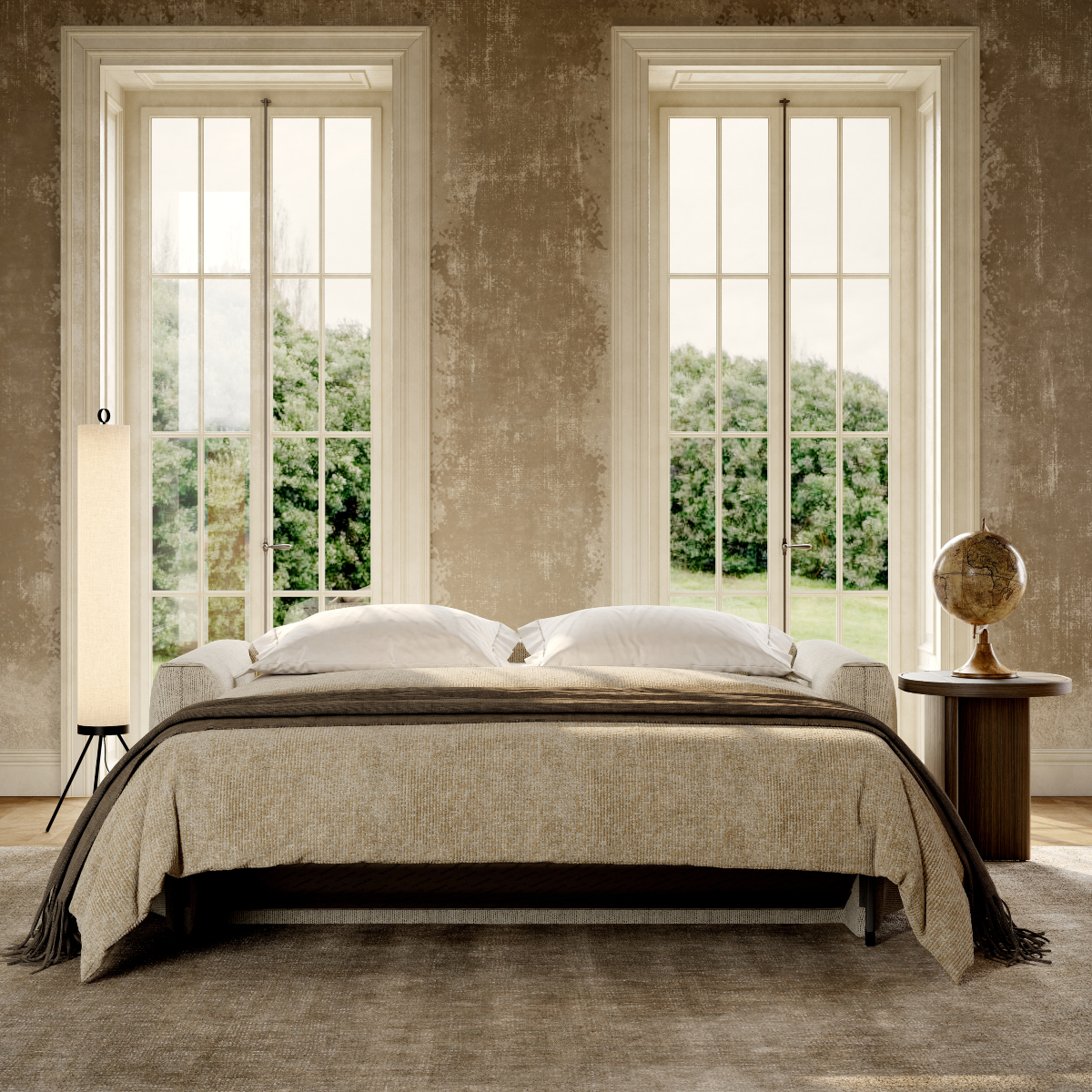
A sofa bed is only as good as the mattress hidden inside it.
Look for:
- High-resilience foam (density above 30 kg/m³ for daily use)
- Breathable materials
- Thickness suitable for the mechanism (typically between 12 and 18 cm)
- Folded vs. single-piece mattresses
For luxury or hospitality projects, a single, non-folding mattress available in premium systems offers superior comfort, edge-to-edge support and durability.
5. Fabric selection: the real test of practicality
Designers know fabrics can make or break a long-lasting specification. For a sofa bed, especially one used frequently, the demands are even higher.
Prioritise:
- Easy-clean fabrics for families, rentals and hospitality
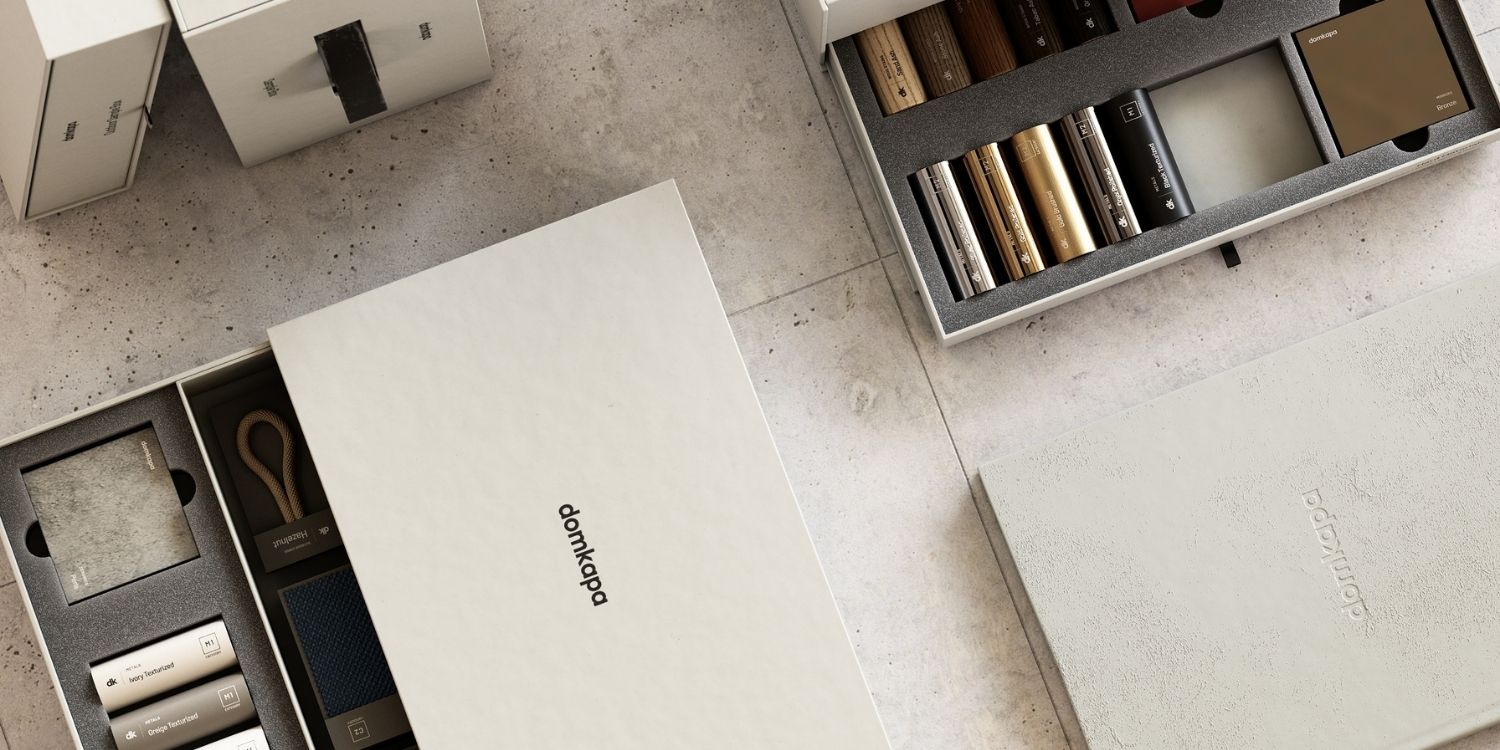
- High Martindale ratings (40,000+ for contract projects)
- Textures that hide creasing from bed conversion
- Pet-proof or stain-resistant options for everyday use
- Synthetic or blend compositions for colourfastness and wear
- Neutral tones or timeless palettes, when the space may evolve
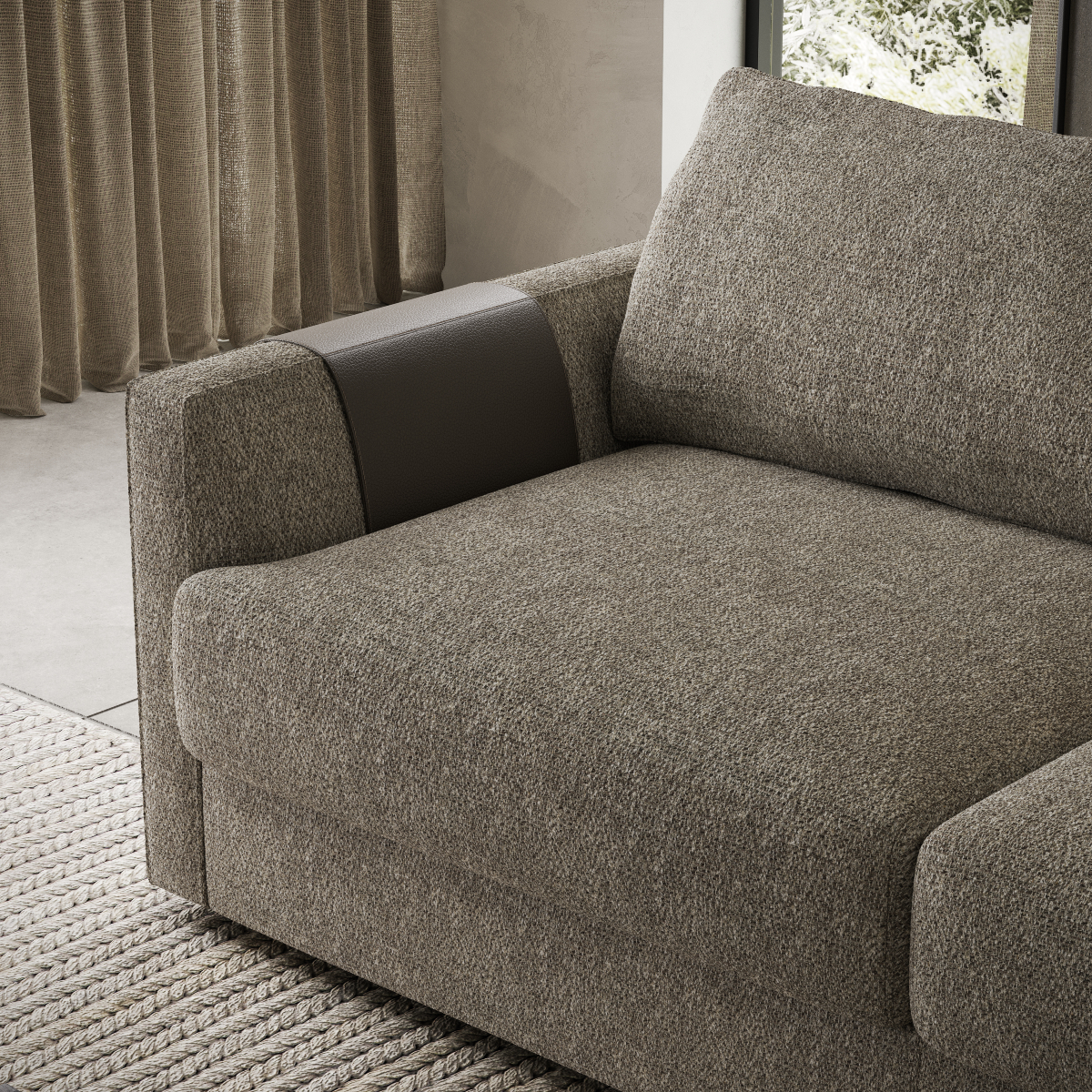
Avoid overly delicate bouclés, lightweight linens or fabrics with loose weaves, unless the sofa bed is strictly for occasional use.
6. Analyse the user experience
Ask yourself:
- Is the mechanism intuitive?
- Does the bed open without moving art, tables or rugs?
- Will the client use it comfortably and confidently?
A well-designed sofa bed should feel effortless in both modes. Designers should always test the mechanism whenever possible, either through a showroom visit, supplier videos or client demonstrations.
Domkapa’s Sofa Bed Collection
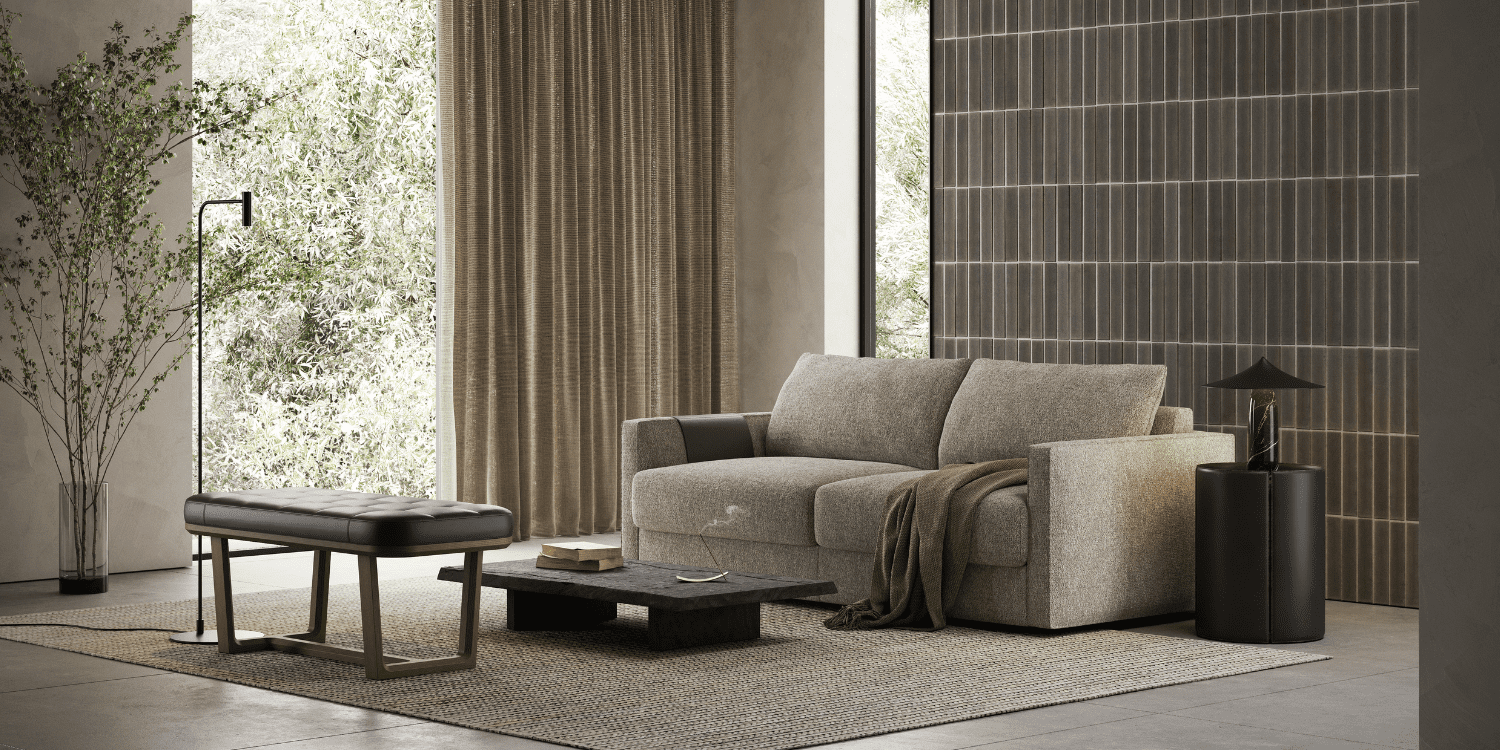
Beaumont Sofa
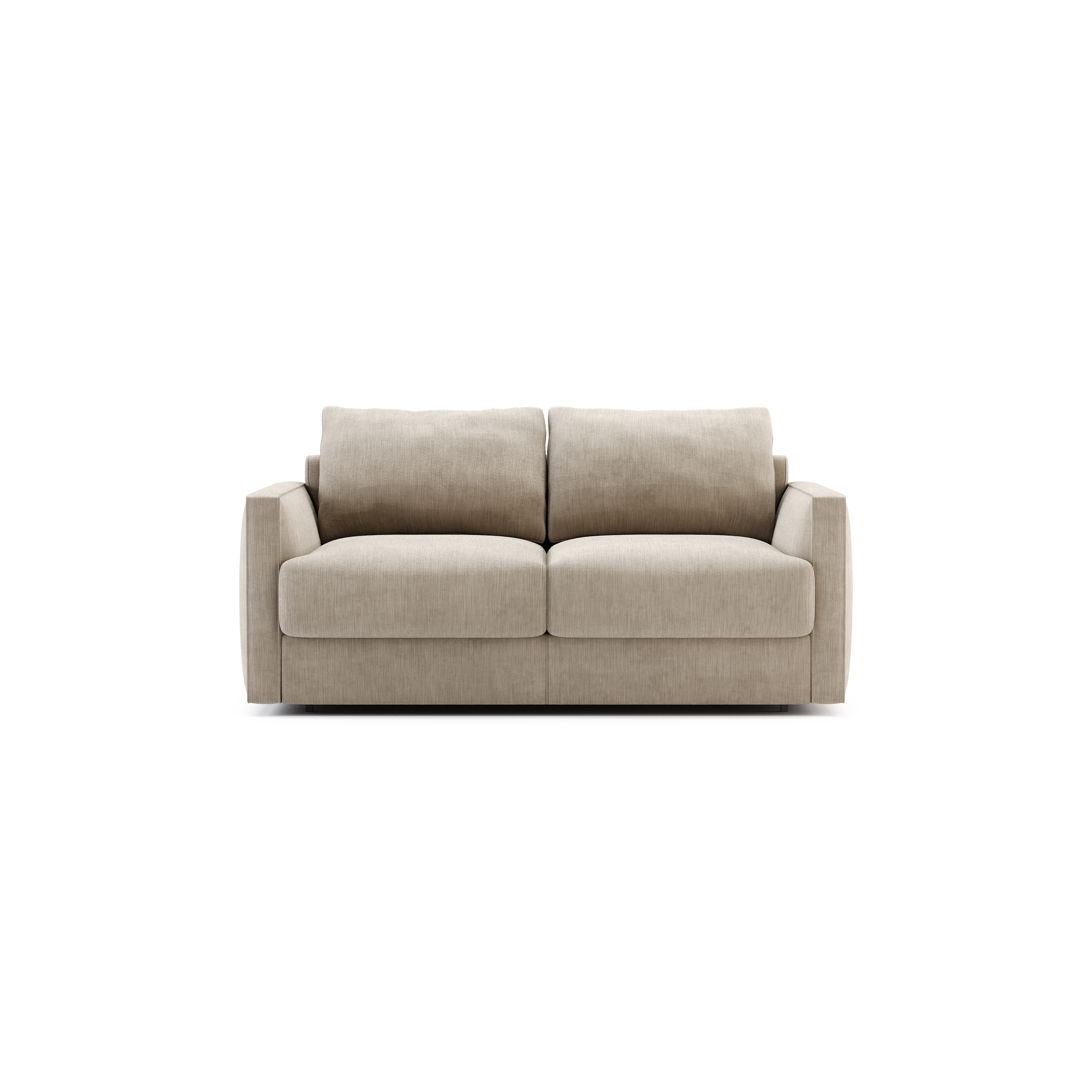
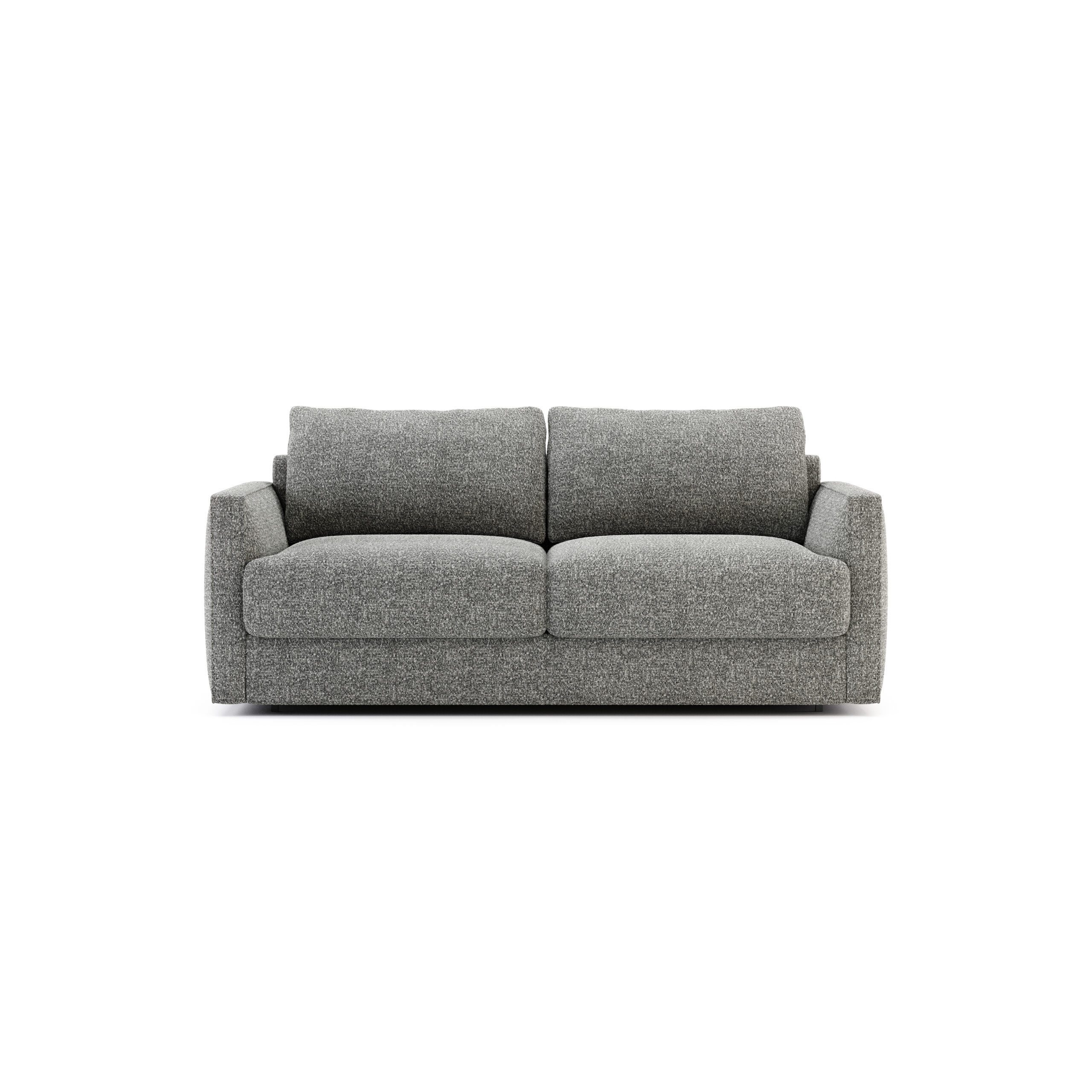

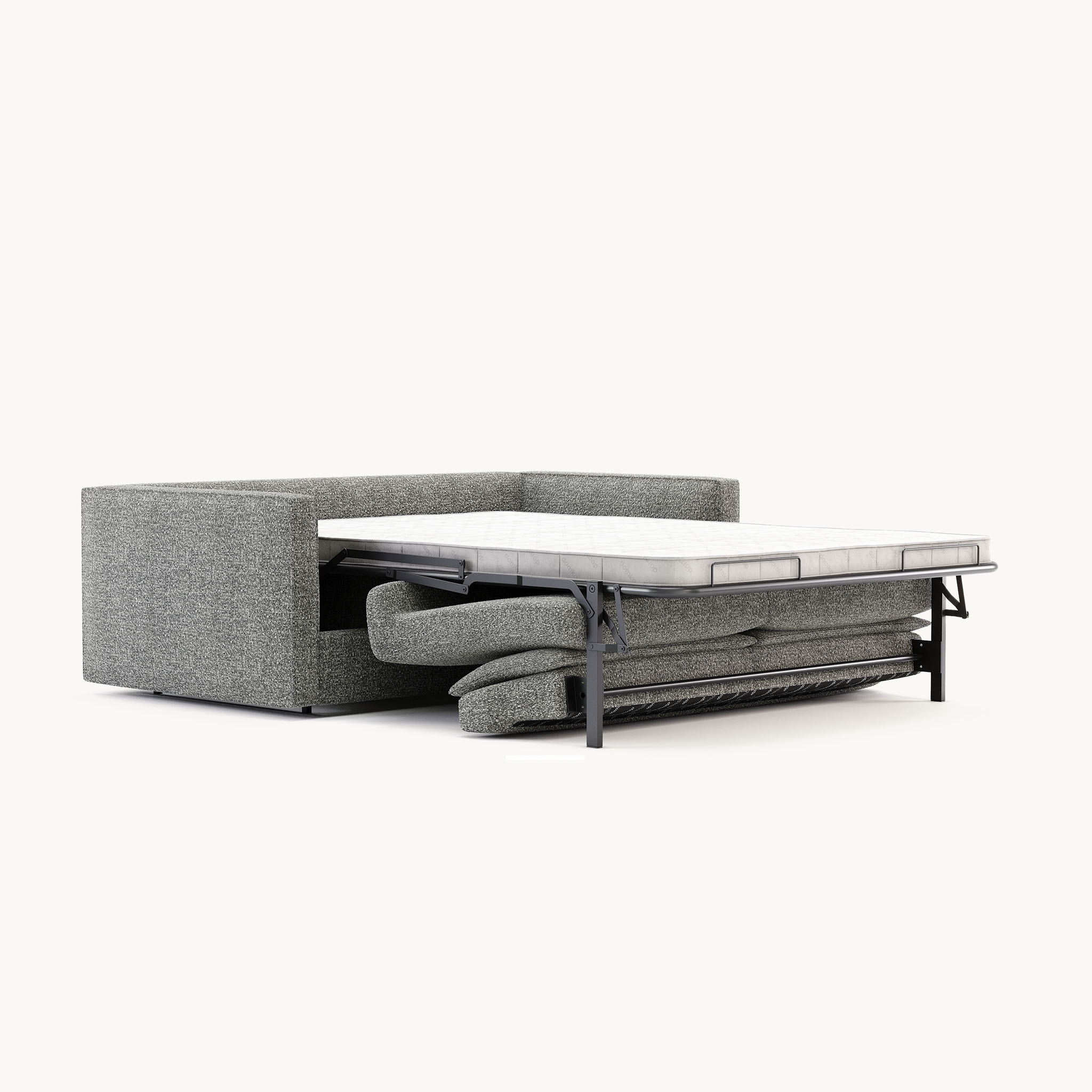
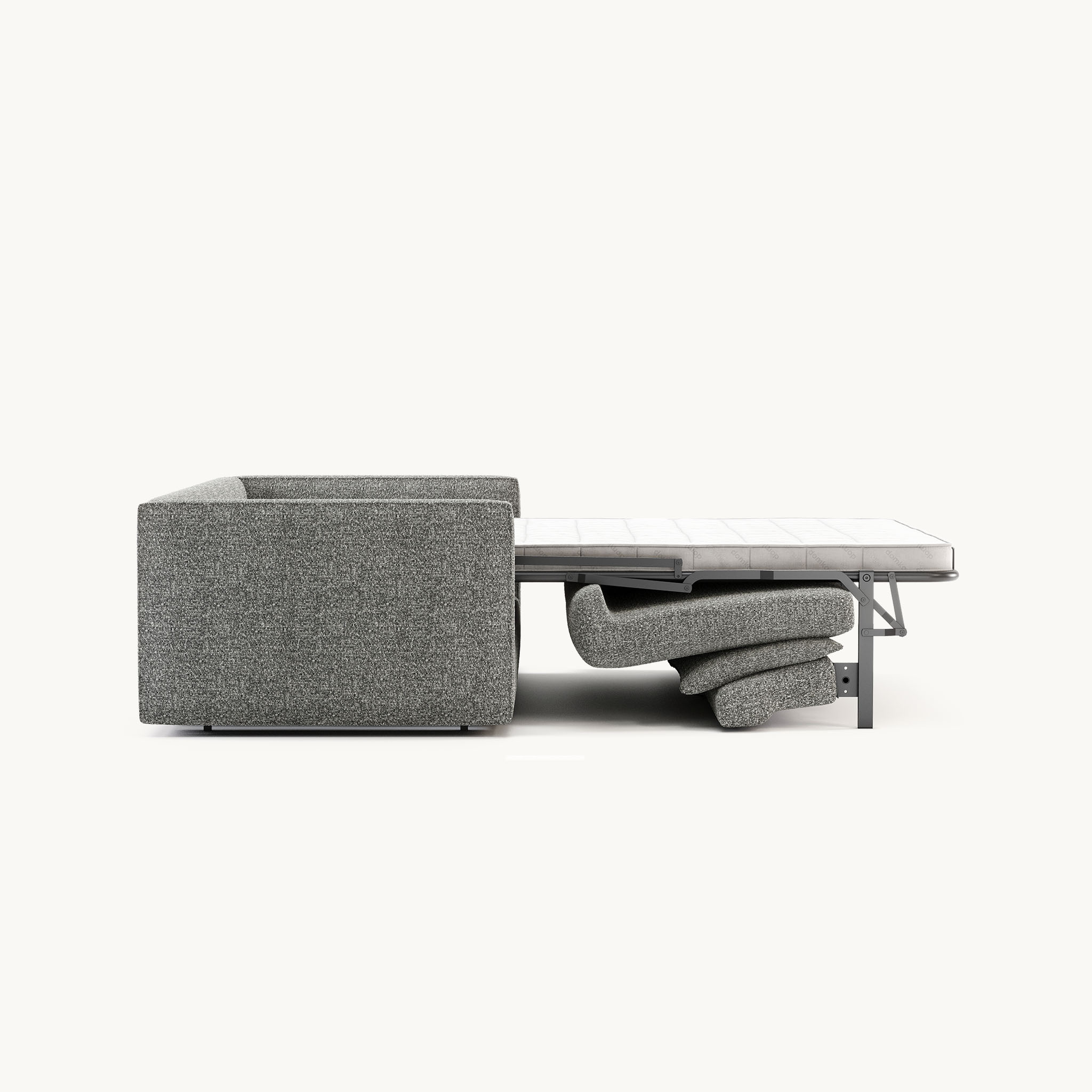
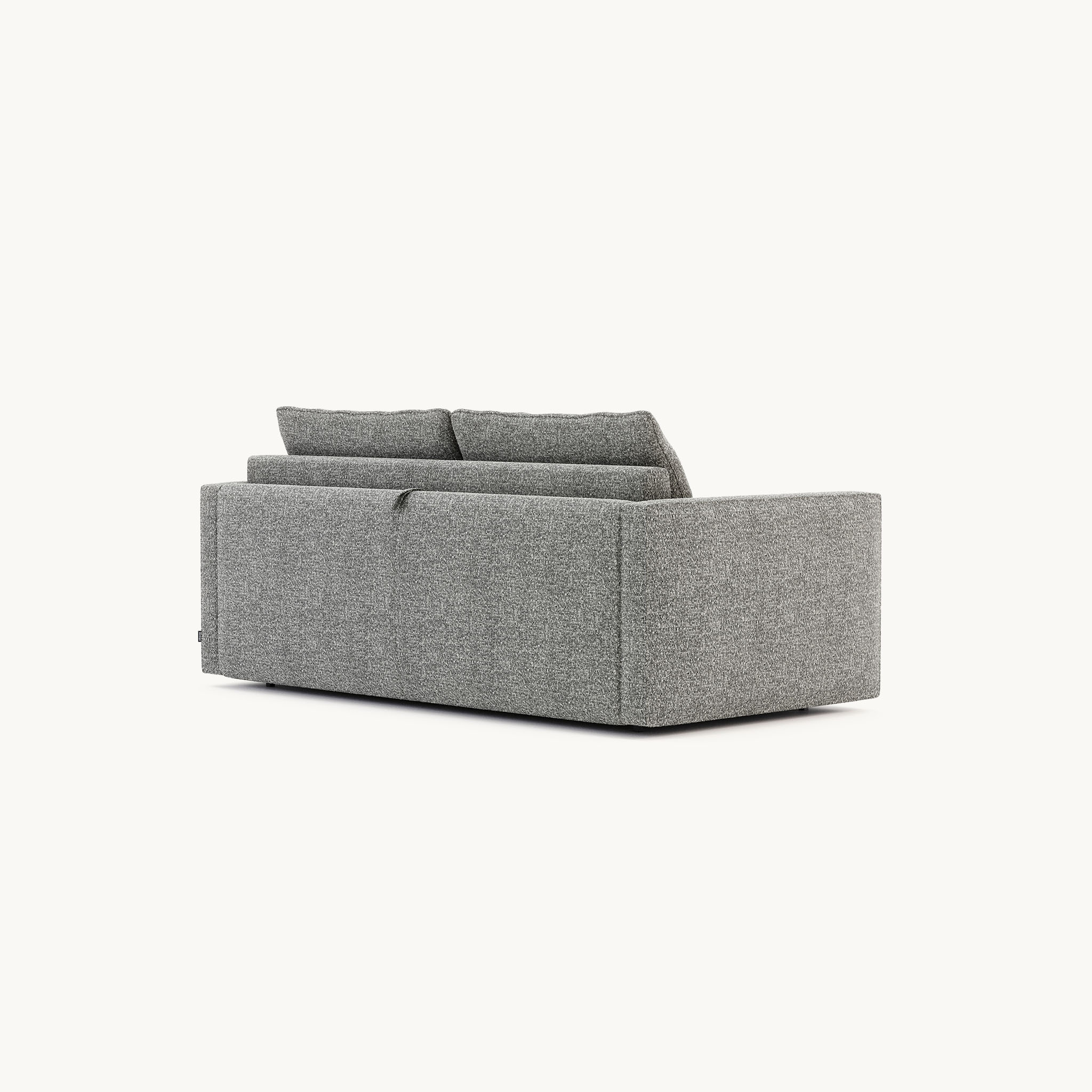
The Beaumont Sofa beautifully combines simplicity with functionality, featuring a single-motion opening system that effortlessly transforms it into an inviting bed. This innovative mechanism ensures an exceptional comfort experience, offering seating and sleeping solutions in one elegant piece.
Crafted from high-quality materials and finished with superior sewing techniques, the Beaumont Sofa is available in three different sizes, seamlessly merging the classic charm of a traditional sofa with the convenience of a modern bed, all without compromising on design.
With its distinct and versatile design, the Beaumont Sofa is the perfect addition to any living space.
Jacques Sofa
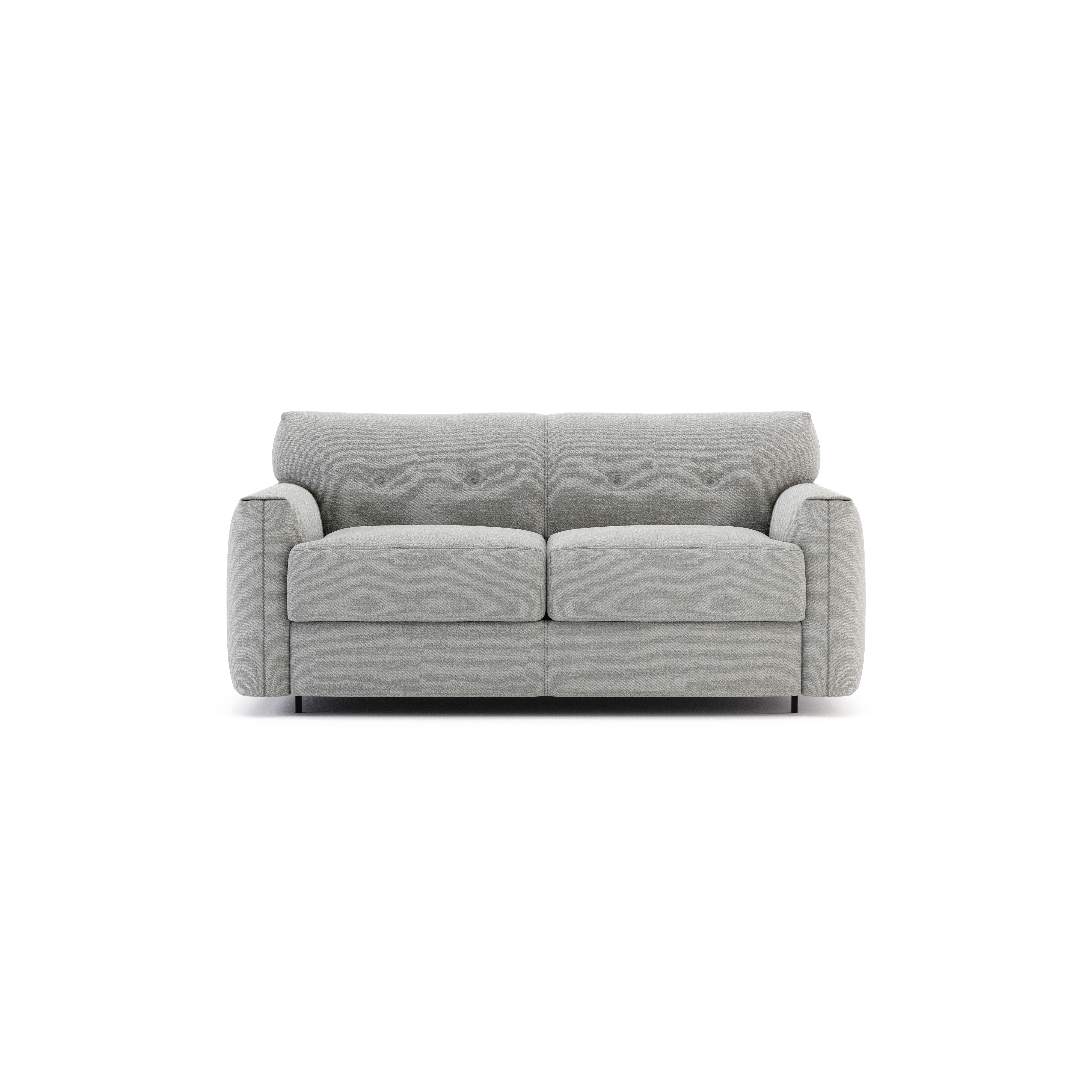
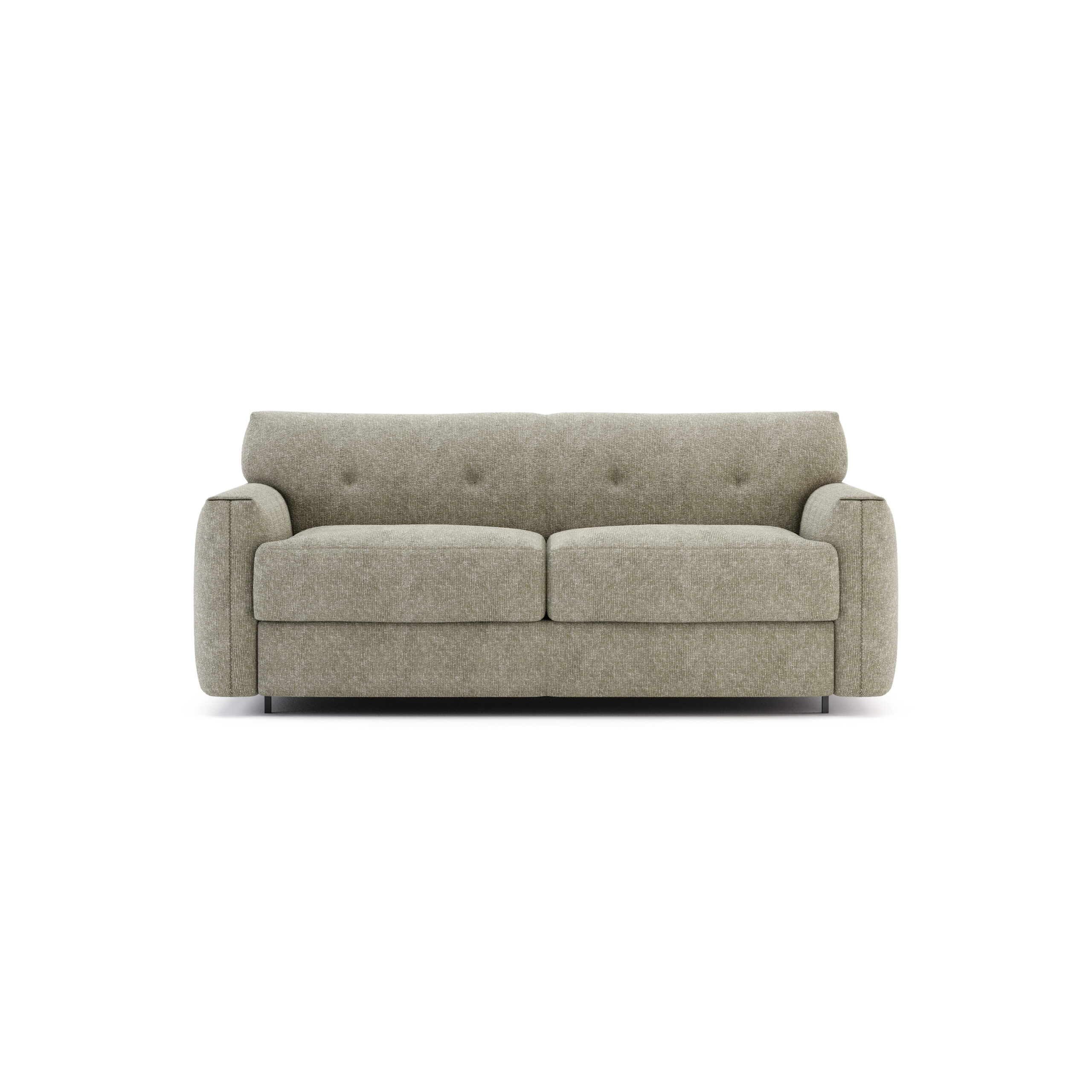

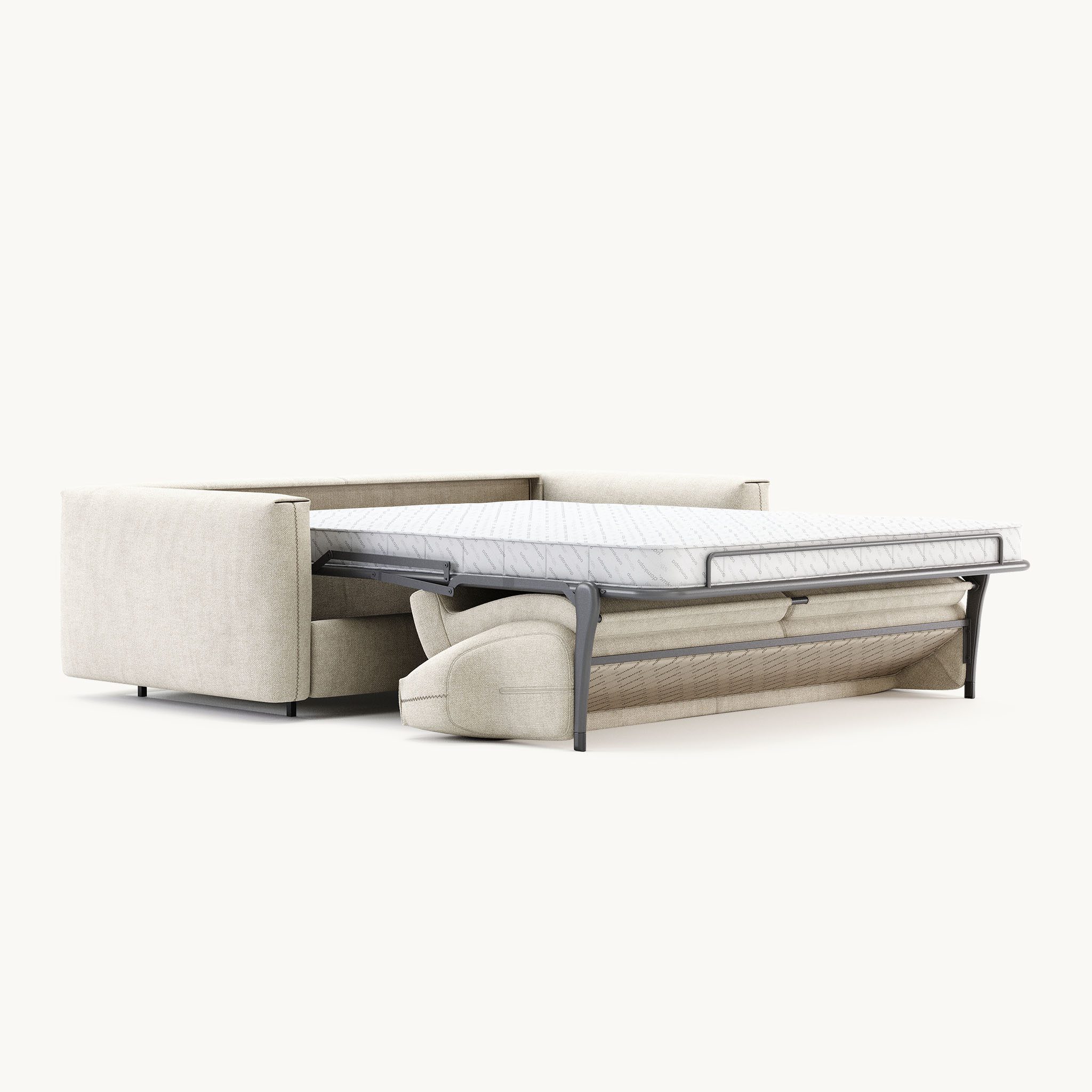
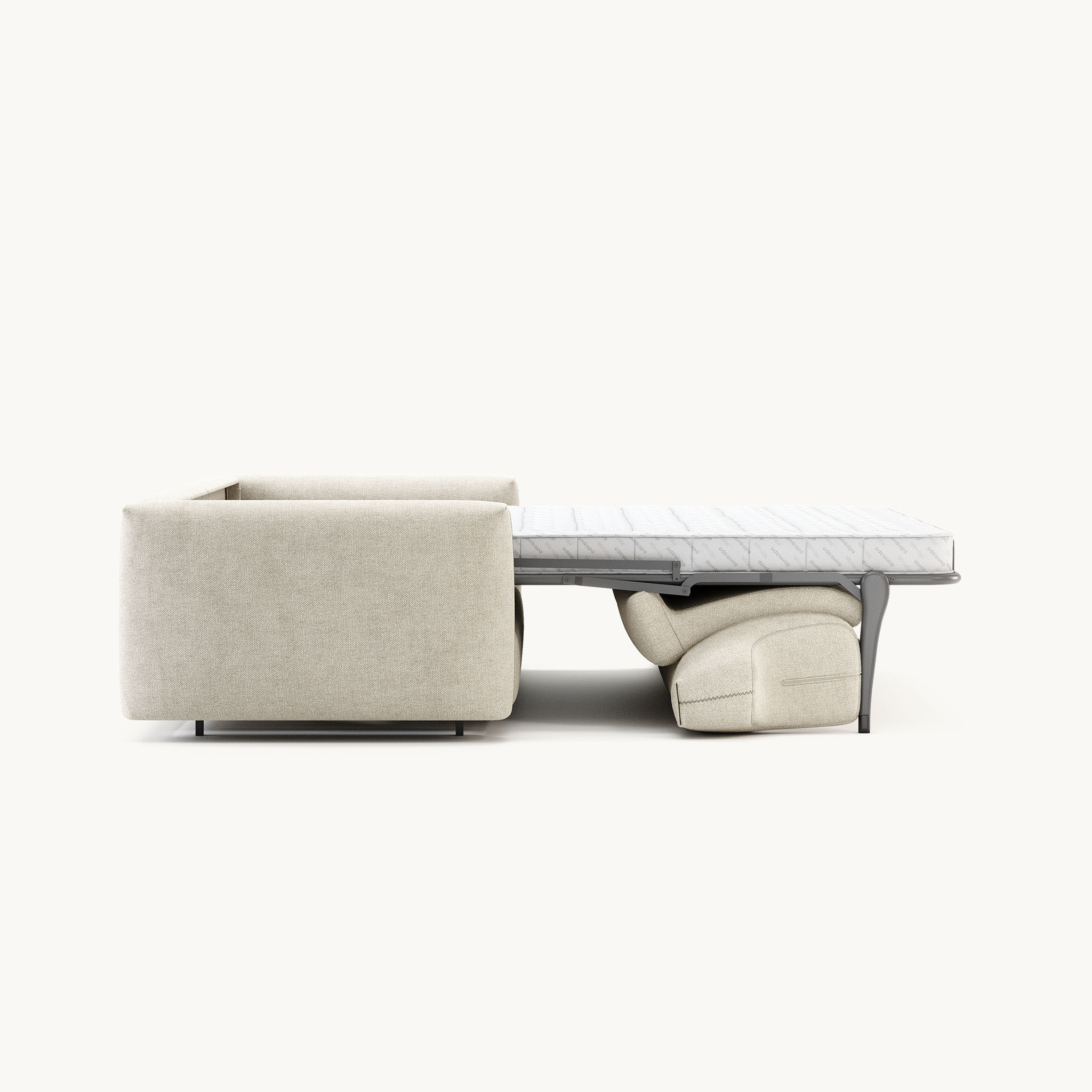

With a perfect balance of functionality and sophistication, the Jacques Sofa features an intuitive opening mechanism for effortless practicality and comfort. The arms and back are enriched with zigzag stitching details, while the backrest is complemented by pulled cross stitching, adding a refined, handcrafted touch. It is a versatile piece for any contemporary space.
Specifying the right sofa bed is a powerful way to elevate the quality and versatility of your interior project. By deeply understanding mechanisms, aesthetics, mattress technology and fabric durability, you can make confident recommendations that align with your client’s brief and the functional demands of the space.
Whether you’re designing a city studio, a luxury suite or a multi-functional living room, the right sofa bed becomes more than a convenience: it becomes a design strategy.
YOU MAY ALSO LIKE: Elegance Is In the Details: Home Office Edition
We are working every day to bring you the most stylish ideas to fulfil your inspiration and to create the best interior design projects, so feel free to follow our Instagram Page and subscribe to our newsletter.