

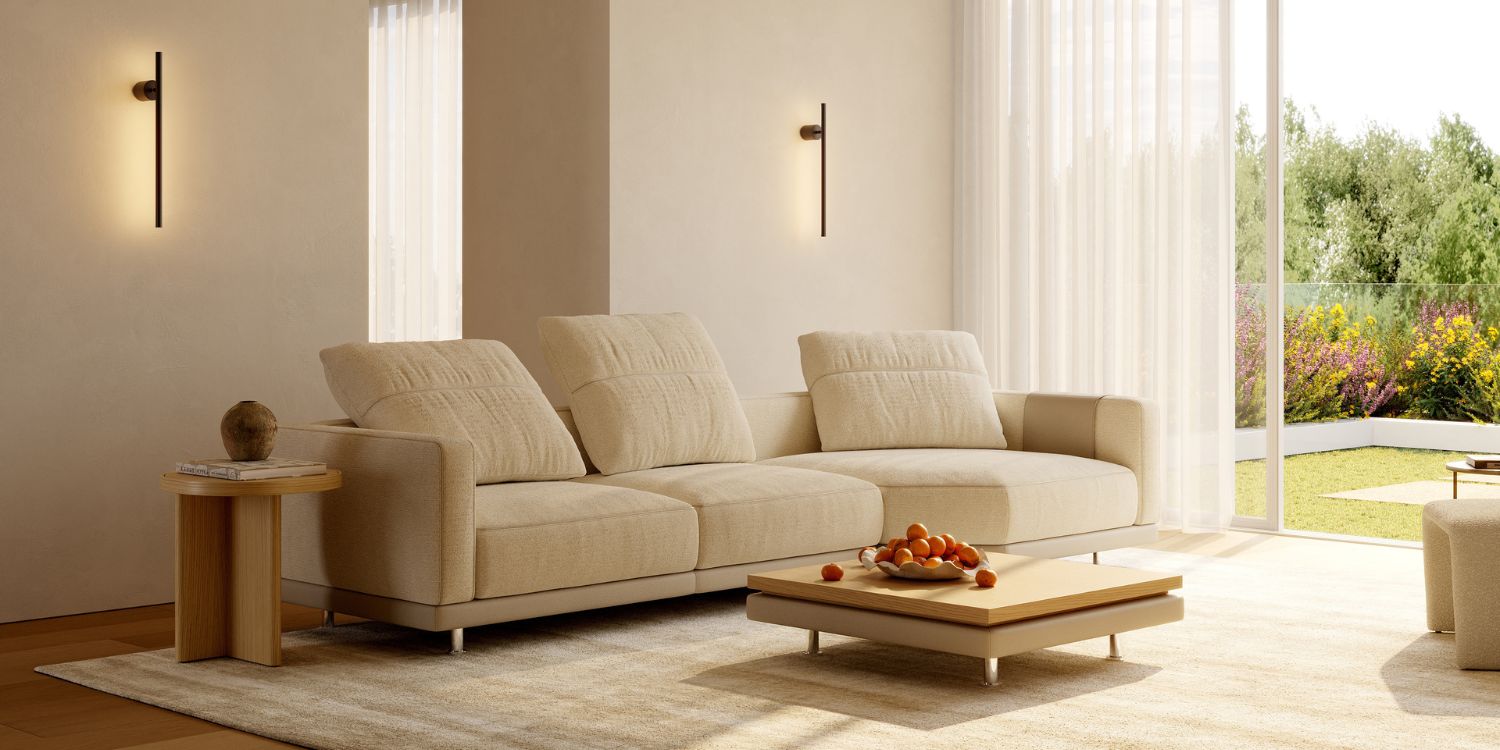
We all know that home design is a complex puzzle. One of the most rewarding parts of the process is helping a client (or yourself!) find that signature interior design style that aligns with their lifestyle. Establishing this visual language early on allows for more focused creativity and ensures the final result is as functional as it is stunning. It’s all about starting the project with a confident, curated edge.
From the hundreds of aesthetics out there, we’ve narrowed down our favourite picks. The best part? Domkapa offers versatile solutions for every single one.
Contemporary Style

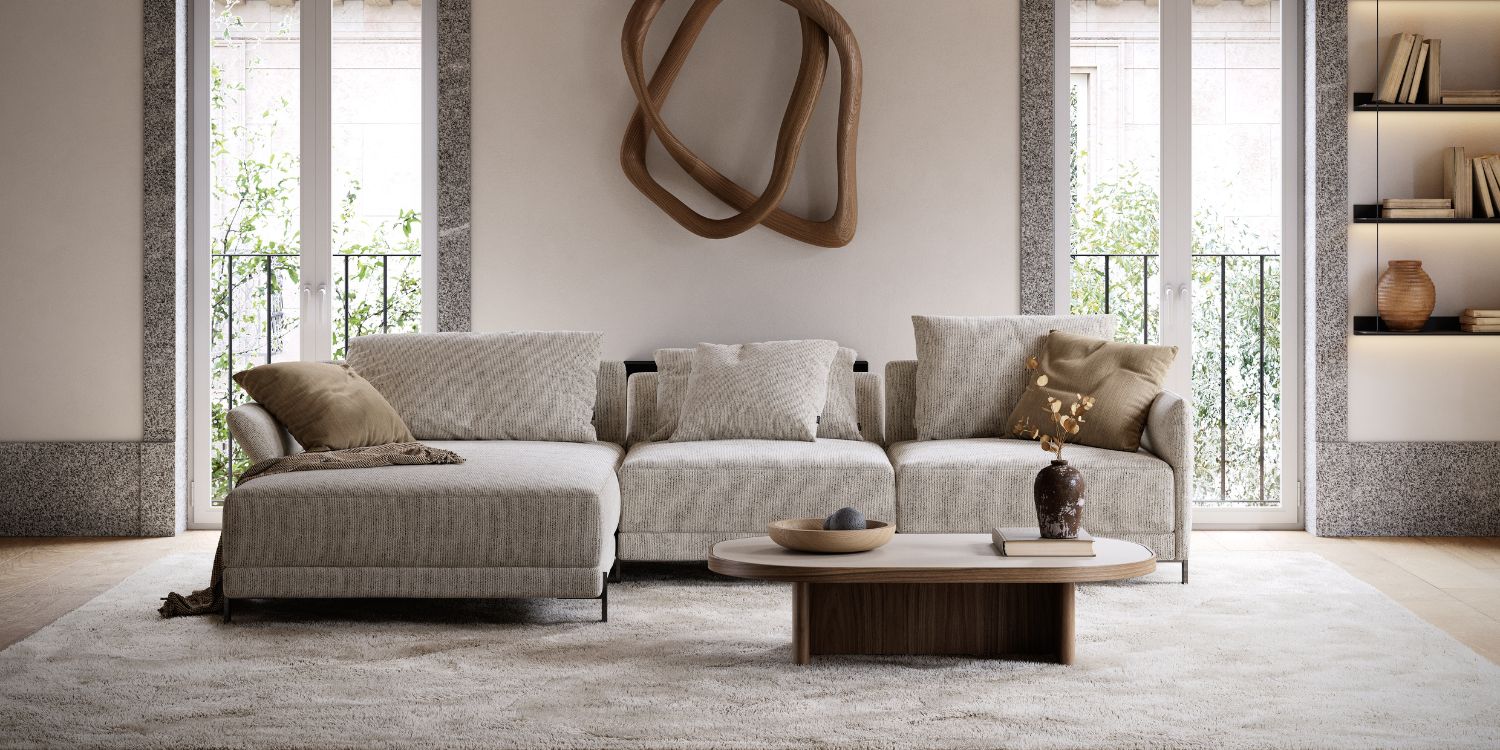
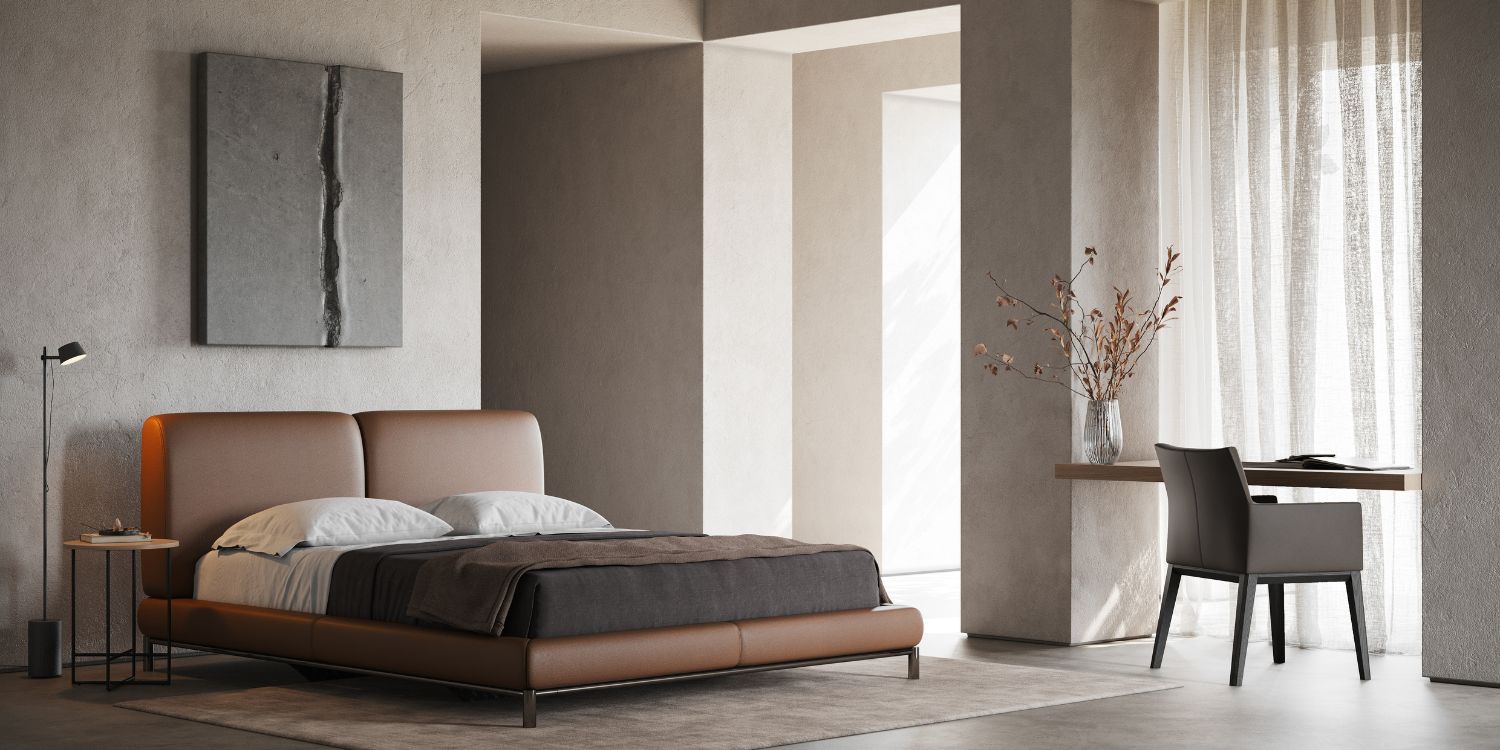
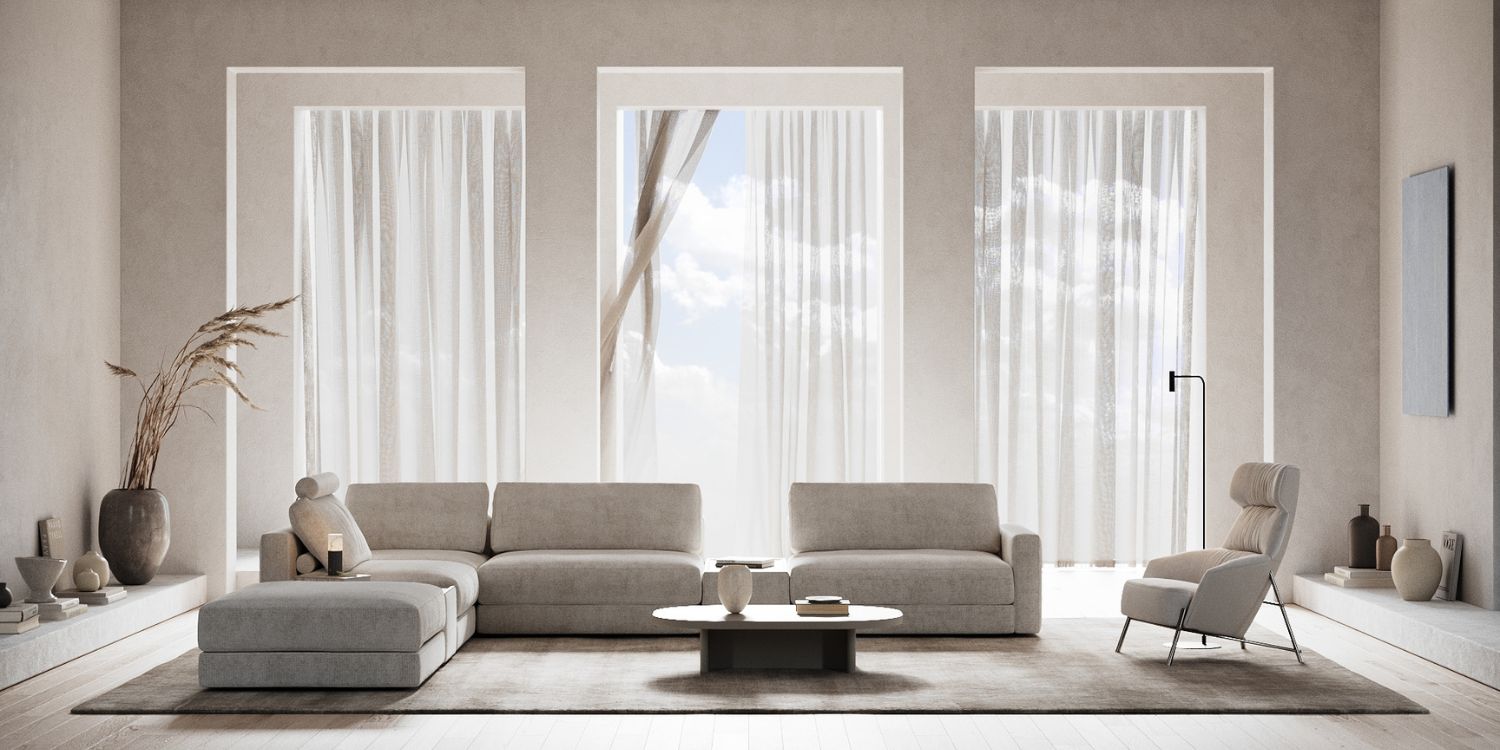
Contemporary design is defined by its architectural simplicity, characterised by clean lines, a restrained colour palette and subtle textural nuances that foster a sense of serenity. It remains a cornerstone of our industry, favoured for its unique ability to feel both high-end and inherently welcoming.
To achieve this aesthetic, focus on curating statement furniture that anchors the room with personality, then balance those pieces with smooth, geometric silhouettes and unadorned surfaces.
Ultimately, the contemporary look offers a timeless appeal, thriving in open-concept spaces where a minimalist approach highlights the integrity of the craftsmanship.
Classic Style

Classic style, also known as traditional style, is perfect for projects where the client desires a sense of permanence and richness. Drawing inspiration from classical antiquity, this style relies on ‘practical norms’ of symmetry and order to create a sense of calm authority.
In these spaces, every piece is intentional. When designing a classic room, we recommend identifying your focal point early and using it to anchor the room’s symmetry. Use detailed silhouettes and subtle patterns to add depth without breaking the harmony. By sticking to an organic, nature-based colour palette, you can ensure that the furniture, lighting and accessories feel like a single, unified composition rather than a collection of individual items.
Modern Style

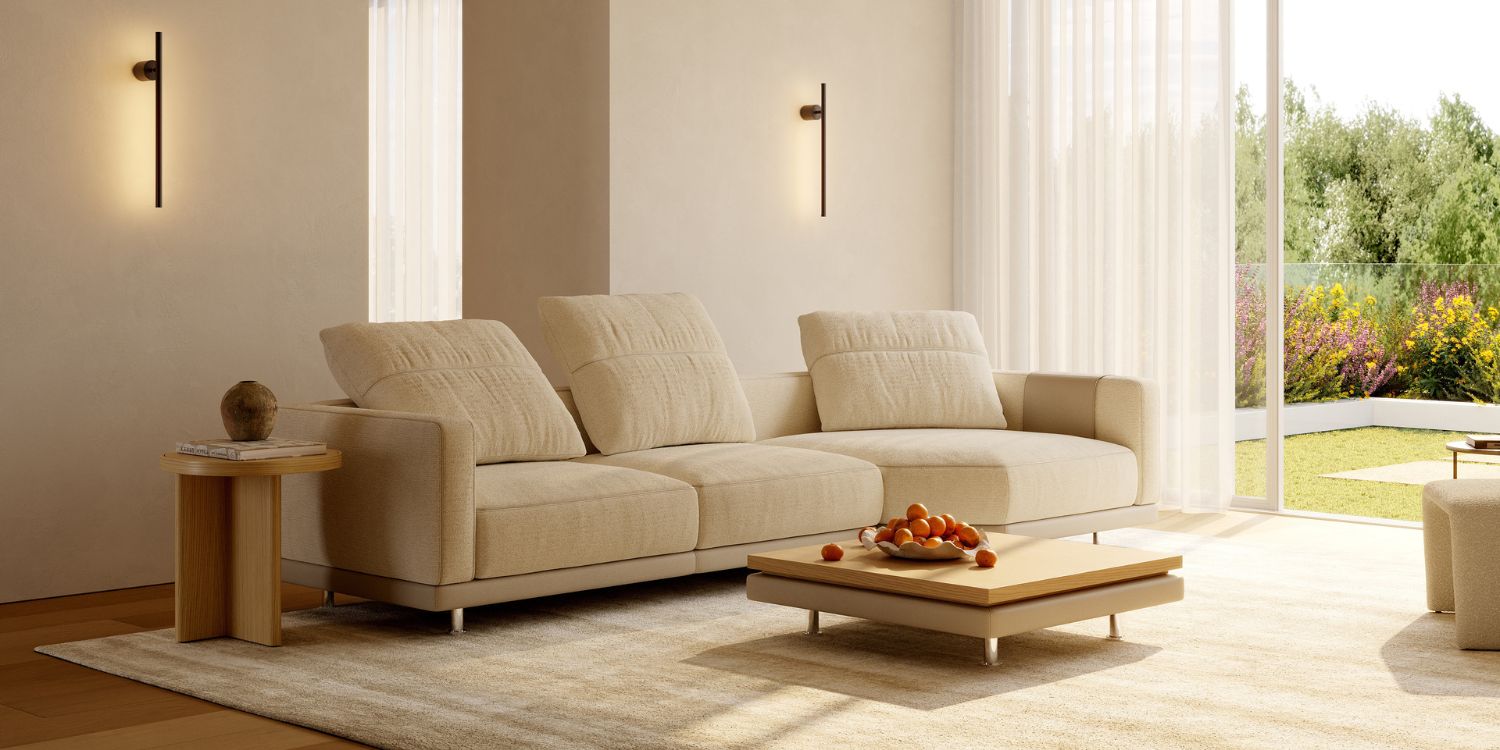
When we talk about modern design, we’re really talking about a legacy that started with German and Scandinavian sensibilities in the mid-1900s. It’s a style that champions the ‘unadorned’ – think sleek lines, natural wood and a grounded, neutral colour story.
The real secret to mastering this look is intentionality. The philosophy is strictly ‘functionality over fashion’, meaning we’re looking to curate spaces where every object has a job to do. It’s about editing out the clutter to let the architecture and the natural light do the talking. It’s a disciplined approach, but when done right, it never goes out of style.
Scandinavian Style

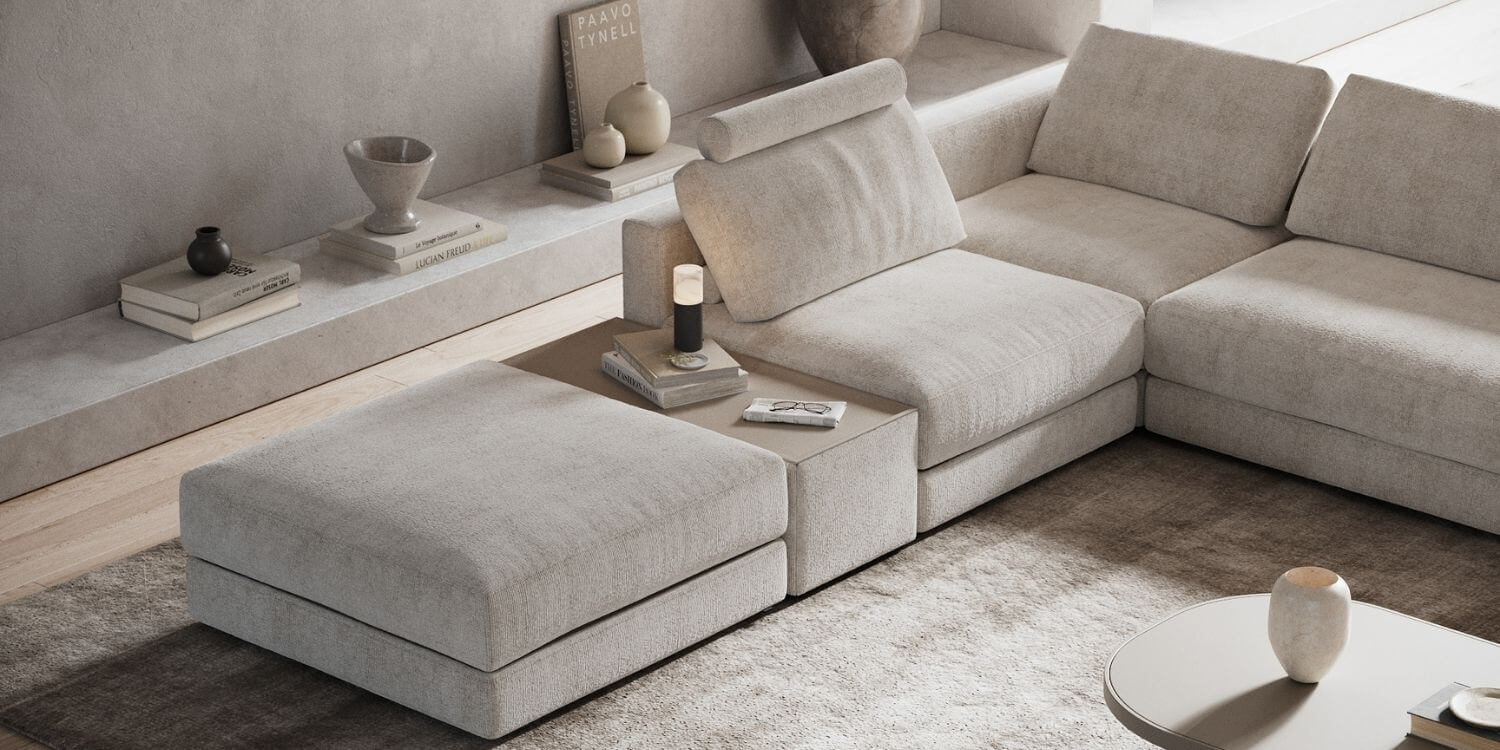
A Scandinavian interior is defined by functionality and minimalism, creating a clean, serene atmosphere where every element has a purpose. Colour is introduced subtly through carefully chosen artwork, soft textiles or small decorative details – adding character without overwhelming the space.
Rooted in a deep connection to nature, this style often embraces natural materials such as wood and leather, bringing warmth and authenticity to the interior.
At its core, Scandinavian design celebrates simplicity, offering a quiet sense of balance and comfort – an understated calm that feels timeless and deeply inviting.
Bohemian Style

Bohemian style is unmistakably bold – it’s the language of free expression in interiors. Inspired by a wandering, creative spirit, boho interiors create visual interest through layered patterns, unexpected textures and a rich mix of colour that feels personal rather than prescribed. The result is a relaxed, lived-in atmosphere that invites discovery.
Unlike classic or rule-driven approaches, bohemian design deliberately throws out the rulebook: it celebrates contrast, handcrafted details and an eclectic mix of objects collected over time. For designers, the trick is to curate the exuberance: pair memorable textiles, rugs and art with a few well-chosen, high-quality anchor pieces to prevent visual overload. In boho worlds, texture and colour work together: embroidered cushions, woven throws and mixed-pattern rugs become the vocabulary; the more considered the layers, the more distinctive the result.
For projects that need personality without chaos, think of bohemian as a practice in refined abundance – let creativity lead, but always land on balance.
Minimalism

Minimalism, much like modern design, rose to prominence in the early 1990s and is guided by a clear philosophy: everything must have a place and a purpose. It’s a style that speaks to those who value practicality and clarity, favouring calm, uncluttered spaces where form and function work in perfect harmony.
Minimalist interiors naturally feel more open and expansive, thanks to their clean lines and carefully curated elements. A restrained colour palette – often centred around soft neutrals – enhances this sense of balance, while architectural details are allowed to take the lead. Furniture and décor are chosen with intention, ensuring that every piece contributes meaningfully to the space, with nothing superfluous.
When it comes to minimalism, restraint is key. Instead of following short-lived trends, invest in timeless, well-crafted pieces that stand out through design and quality. In minimalist interiors, less isn’t just more – it’s essential.
Industrial Style

Industrial style instantly brings to mind open lofts, exposed brick walls and furniture crafted from rustic wood and raw metal. Its appeal goes beyond aesthetics – this is a style rooted in functionality, where honest materials and structural elements take centre stage.
Defined by its factory-inspired character, industrial interiors celebrate raw, unfinished surfaces and straightforward design. This authenticity is precisely what makes the style so versatile: it pairs effortlessly with other aesthetics and adapts easily to different colour palettes and accessories. With its emphasis on durable, long-lasting materials and minimal use of synthetic finishes, industrial design also reflects a more conscious, sustainable approach.
Light-filled spaces, clean lines and striking architectural features are key. High ceilings, black metal-framed windows and visible structural details aren’t concealed – they’re highlighted, giving industrial interiors their distinctive, confident identity.
Mid-Century Modern Style

Mid-century modern design emerged in the post–World War II era, shaped by a collective desire to explore new ideas and embrace the possibilities of mass production and technological innovation. Designers and architects began rethinking how interiors could be functional and expressive, resulting in a style that seamlessly bridges the warmth of Scandinavian design with the clarity of Modernism. Its popularity was cemented by influential figures such as Milo Baughman, Florence Knoll and Vladimir Kagan.
This aesthetic is often defined by sculptural furniture with soft curves, paired with rich natural materials like rosewood, teak and walnut. Colour plays a confident yet balanced role, with iconic accents of black, mustard yellow and flamingo pink adding personality without overpowering the space.
Timeless yet playful, mid-century modern continues to inspire interiors that feel effortlessly stylish, forward-thinking and deeply human.
Eclectic Style

Much like Bohemian style, eclectic design thrives on creative freedom and bold expression. It explores high-energy compositions by mixing contrasting colours, textures and influences – always with the intention of achieving a cohesive, well-balanced result. By blending elements from different design schools and eras, eclectic interiors embrace a confident, maximalist character.
Unexpected shapes, layered compositions and diverse materials come together to create depth and visual intrigue. This interplay of contrasts adds dimension to the space, allowing pieces from different periods and styles to coexist in dialogue rather than competition.
Often compared to a curated art gallery, eclectic interiors guide the eye from one distinctive focal point to another. There are no strict rules – only a thoughtful sense of harmony. In the end, eclectic style is a little bit of everything, brought together by a strong, intentional vision.
Which interior design style speaks to you the most and which one truly belongs in your current project? Choosing the right aesthetic is not just about trends but about creating spaces that feel intentional, functional and timeless.
Throughout our articles, we’ve been exploring the questions that matter most within the interior design industry. If you’re looking for deeper insights, practical guidance and enduring inspiration, our Interior Design Guide brings everything together in one place – from expert perspectives to carefully curated ideas designed to stand the test of time.
YOU MAY ALSO LIKE: Applying Feng Shui To Bedroom Design: A Practical Guide For Professionals
We are working every day to bring you the most stylish ideas to fulfil your inspiration and to create the best interior design projects, so feel free to follow our Instagram Page and subscribe to our newsletter.