

Every year, interior design evolves in response to how we live, work and relate to our spaces. But interior design trends for 2026 feel particularly significant. This isn’t about surface-level aesthetics or fleeting visual moments – it’s about a deeper recalibration of values.
After years of accelerated change, global uncertainty and digital overload, clients and designers are asking more meaningful questions. How can spaces support mental clarity? How do we design with longevity instead of excess? What does luxury mean when sustainability, craftsmanship and adaptability matter more than spectacle?
For interior design professionals, 2026 marks a turning point. Trends are no longer rigid directives; they are design attitudes. They influence material choices, spatial planning and how projects are communicated to clients. And, understanding these shifts isn’t optional – it’s strategic.
This article explores the interior design trends for 2026, not as rules to follow blindly, but as frameworks you can interpret and elevate across residential, hospitality and contract projects.
1. Emotional functionality takes priority

In 2026, interiors are expected to feel as good as they look. Clients are increasingly drawn to spaces that support emotional well-being, not just visual impact.
This is reflected in:
- Softer, enveloping furniture forms;
- Generous seating proportions;
- Layouts that encourage comfort, pause and conversation.
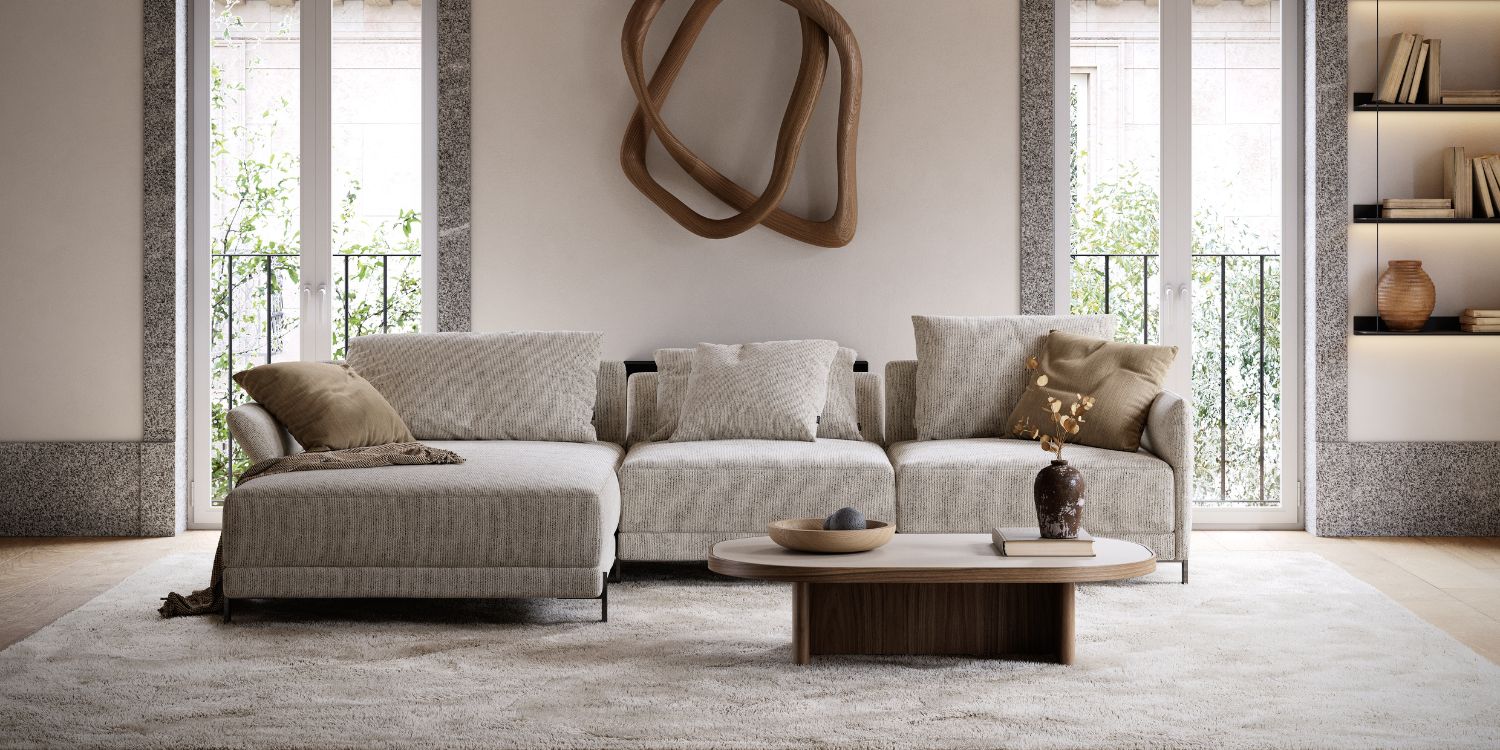
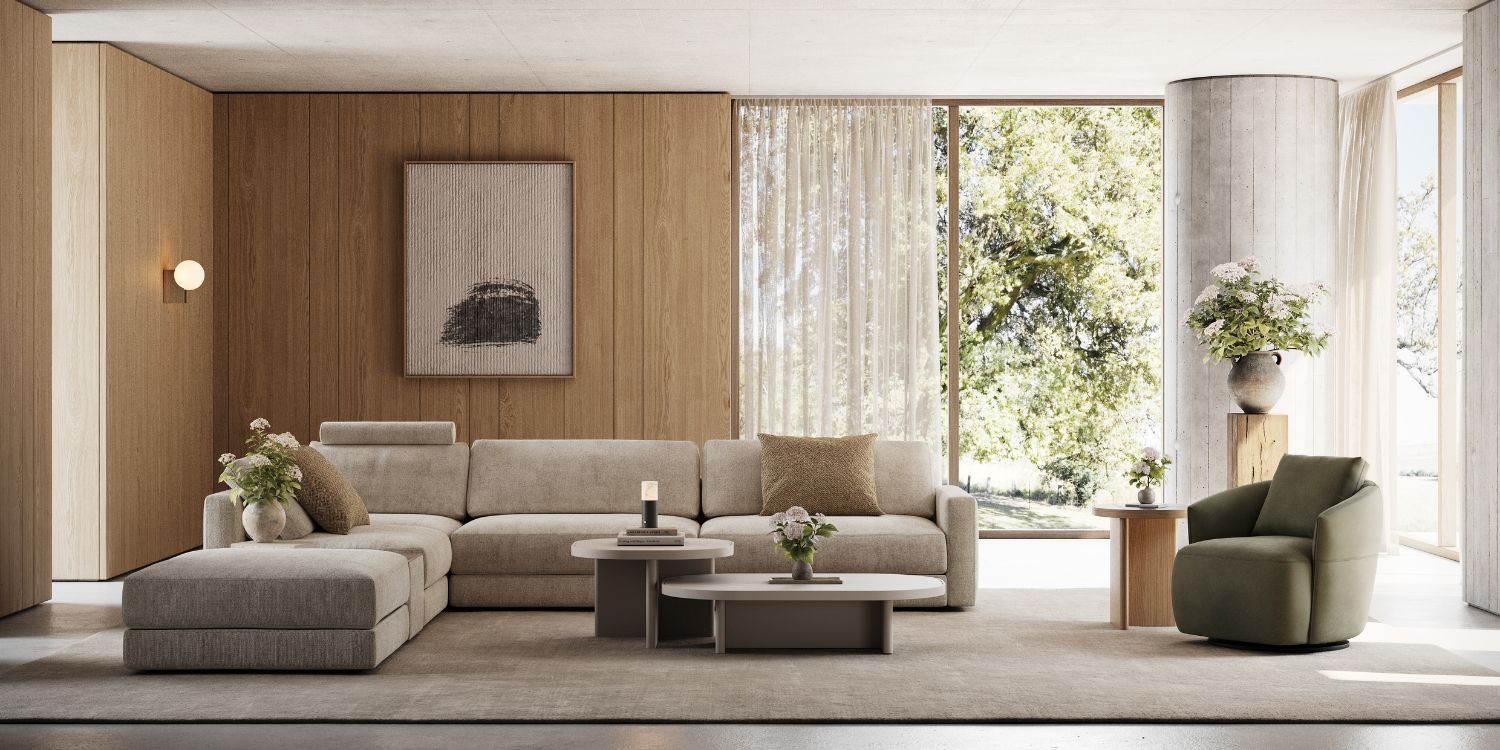
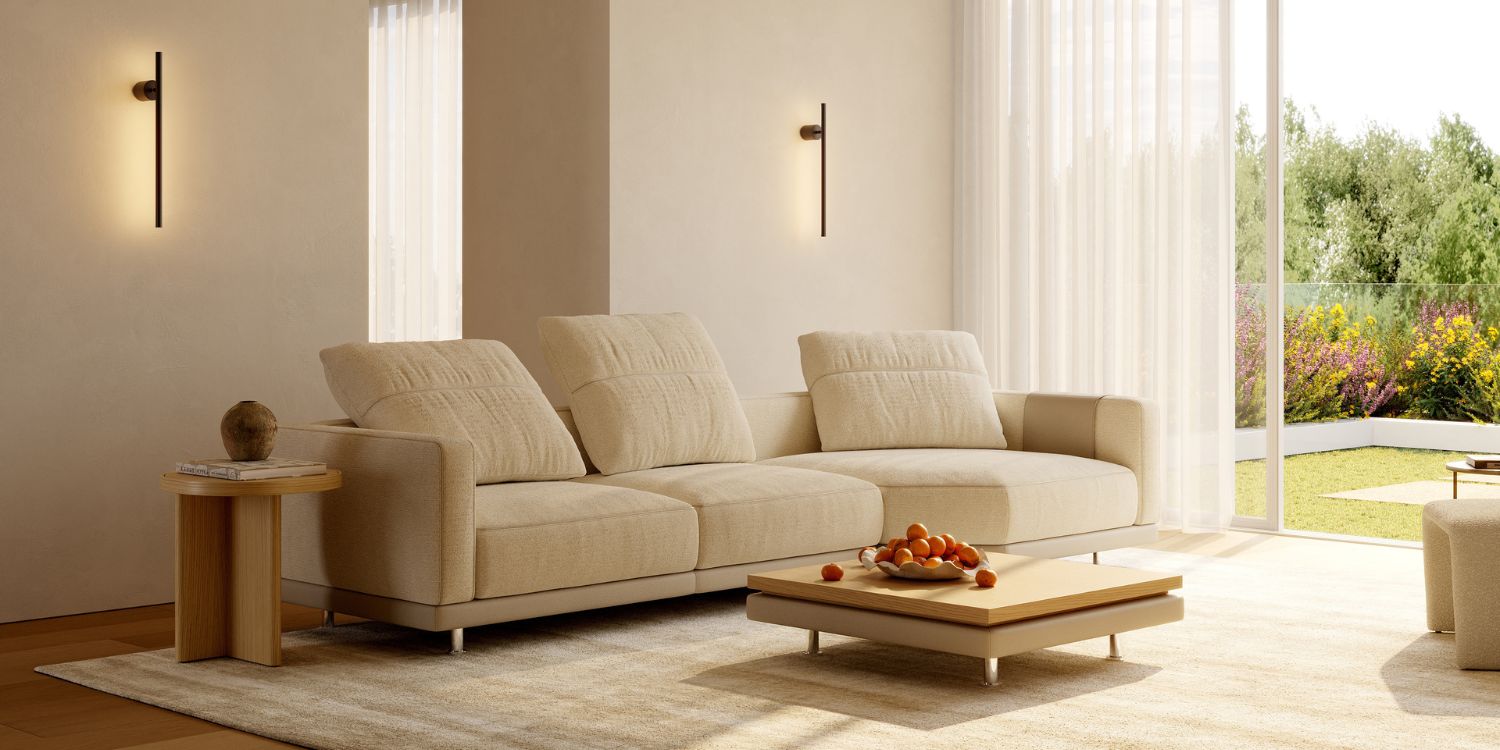
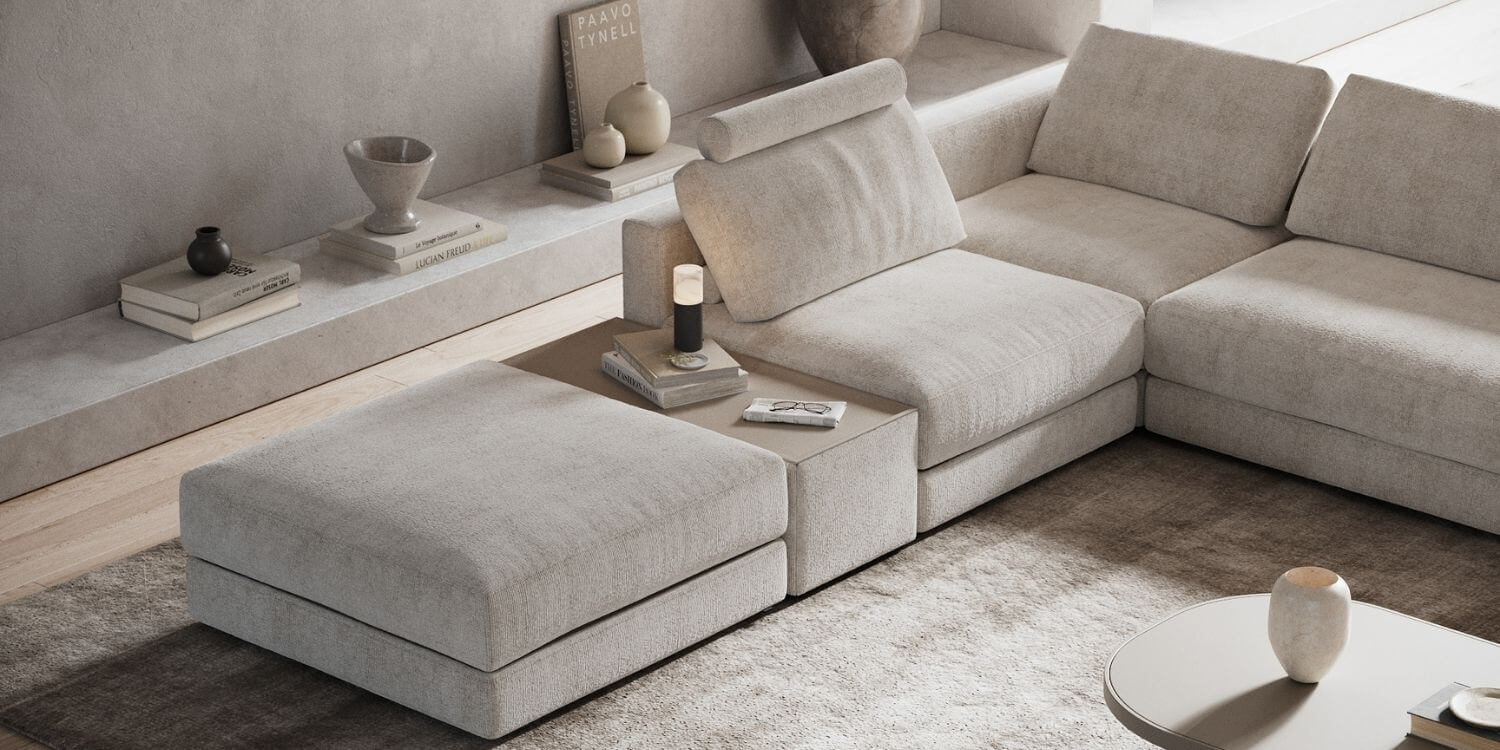
Design is informed by how spaces are experienced daily, not just photographed. Curved sofas, cocooning armchairs and modular seating systems respond to this need for intuitive comfort.
For designers, emotional intelligence becomes just as important as technical expertise.
2. Neutrals, reimagined through depth and texture

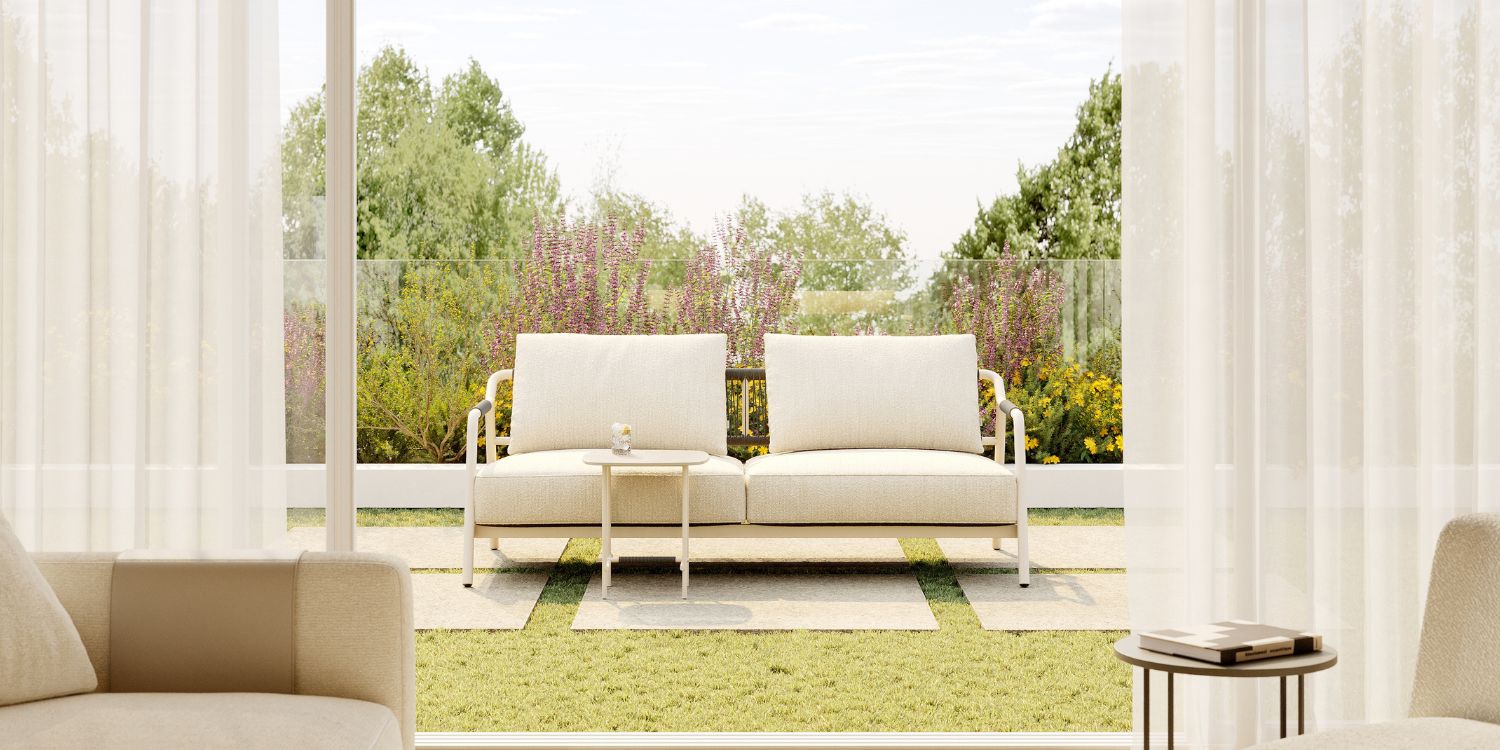
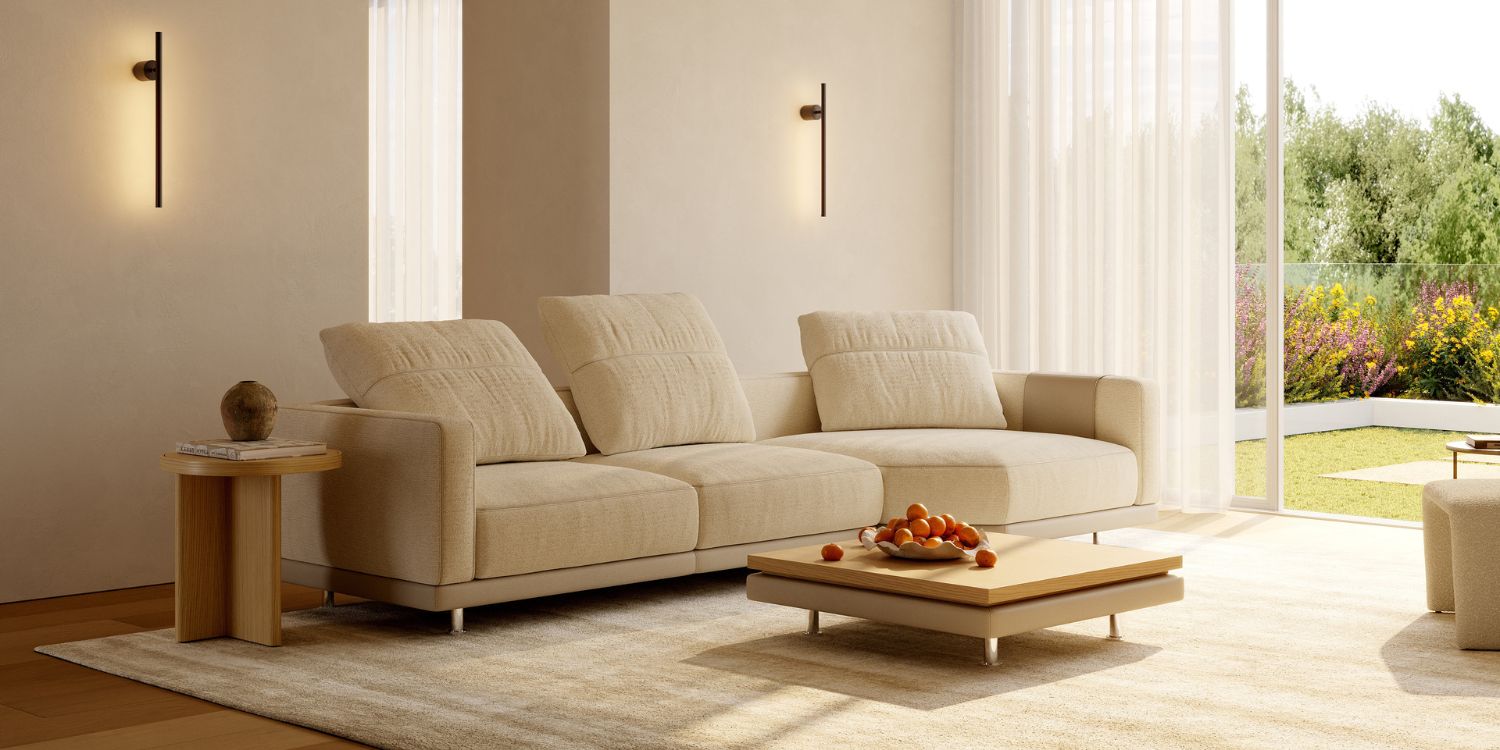
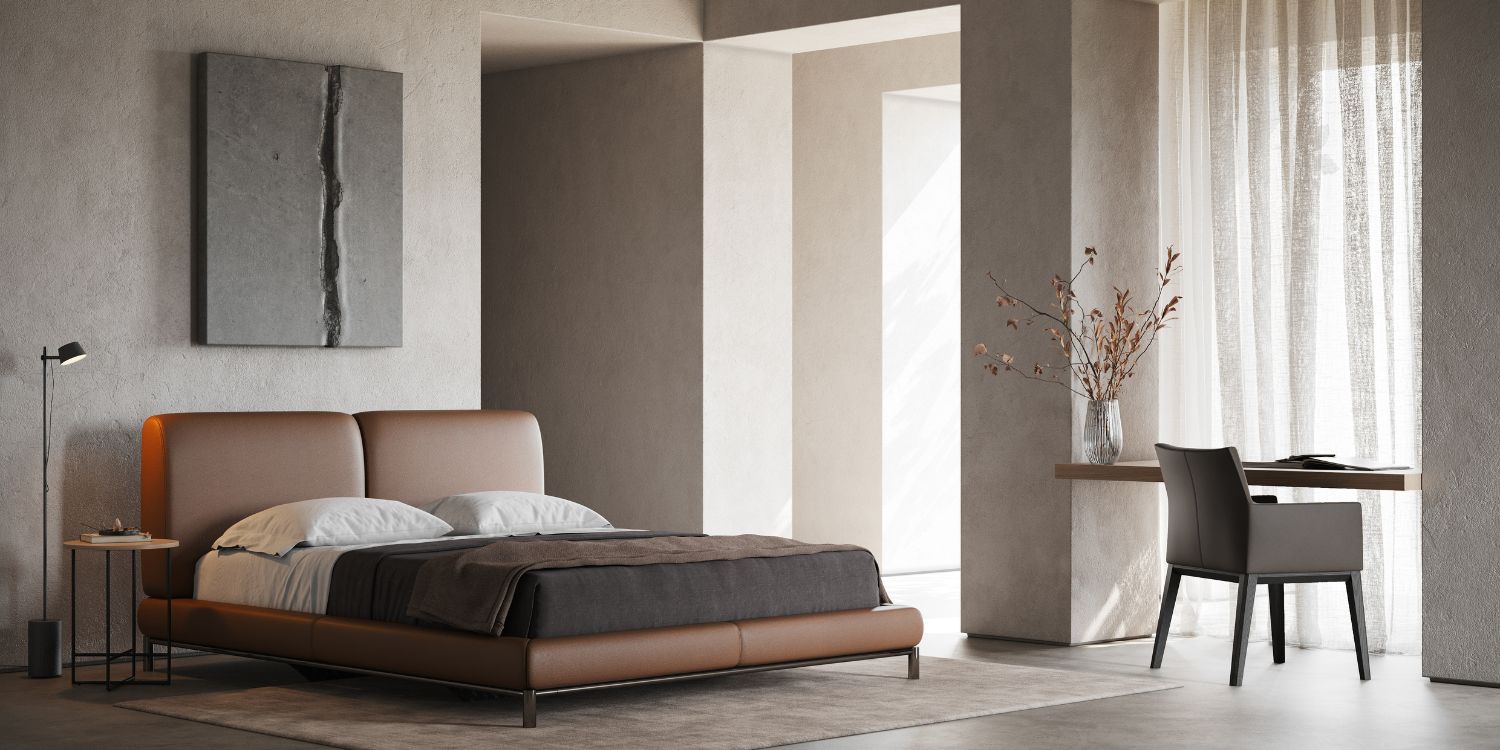
Neutrals remain central to 2026 interior design trends, but they evolve beyond flat minimalism. Instead, they become layered, warm and tactile.
Soft whites, creamy beiges, mushroom greys and gentle taupes define interiors that feel calm yet rich. This palette aligns seamlessly with Pantone’s Color of the Year, Cloud Dancer – a refined white that brings serenity and lightness without feeling stark.
Rather than contrast, designers focus on:
- Material layering;
- Subtle tonal shifts;
- Texture-driven surfaces.
The result is a quiet sophistication that feels timeless rather than trend-driven.
3. Material choices with meaning

Materials in 2026 are chosen with intention. Clients want to understand the story behind what they’re living with.
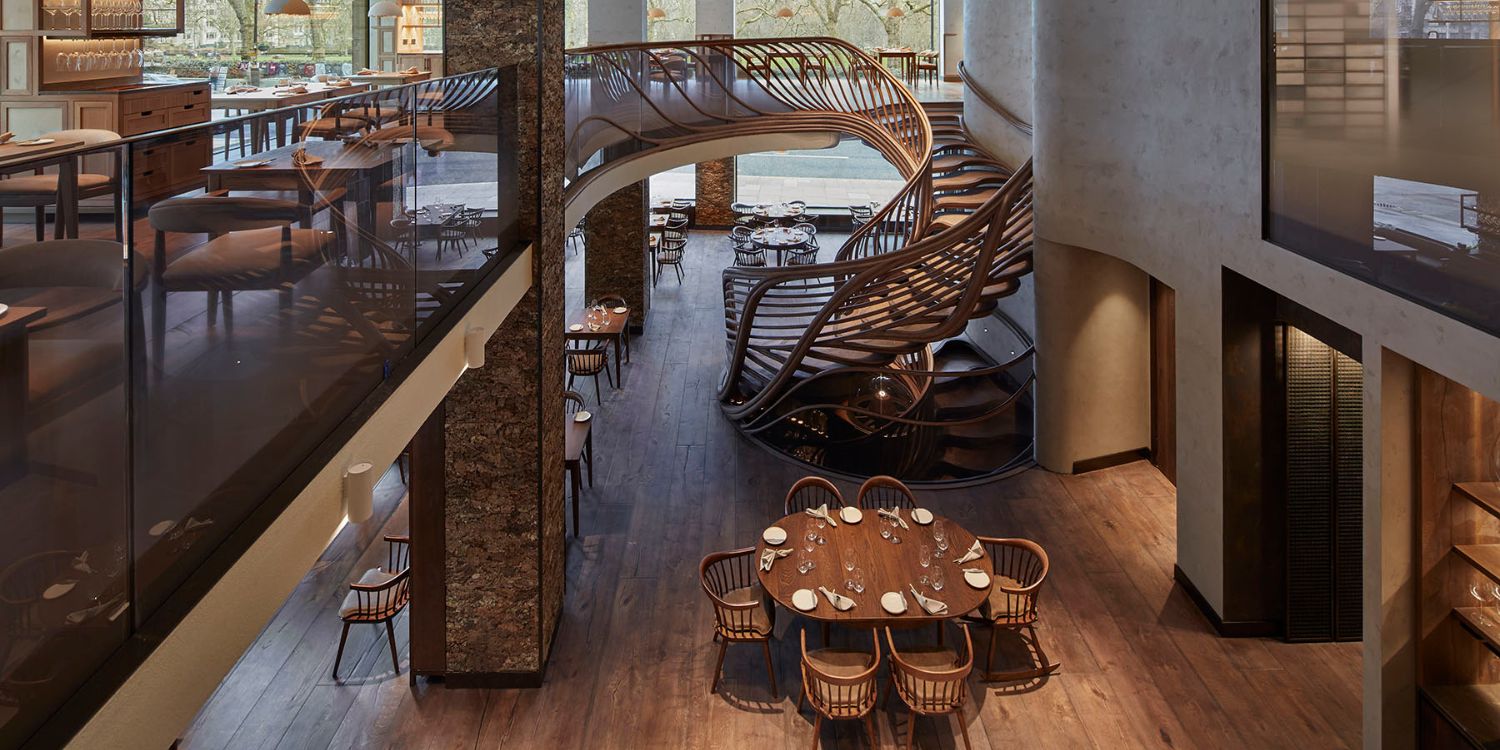
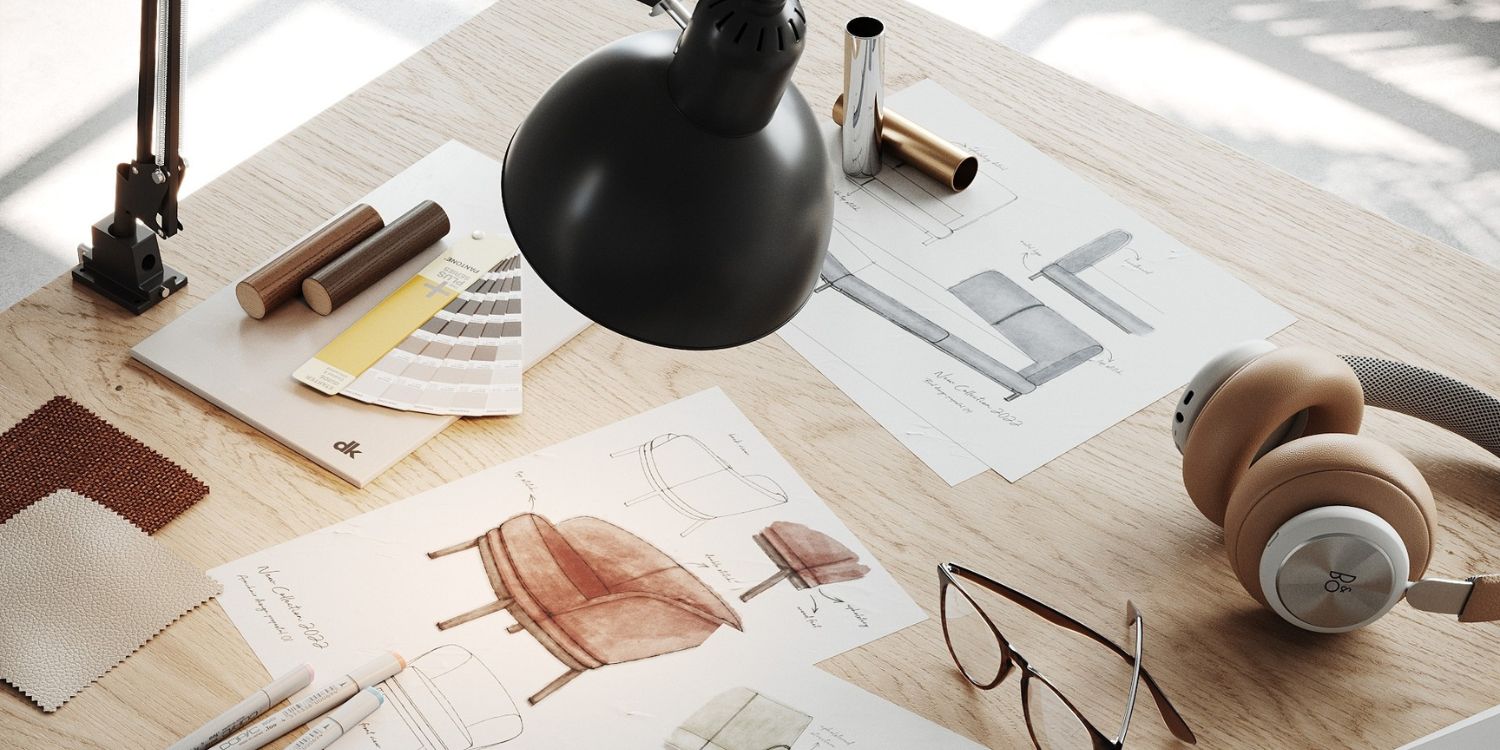
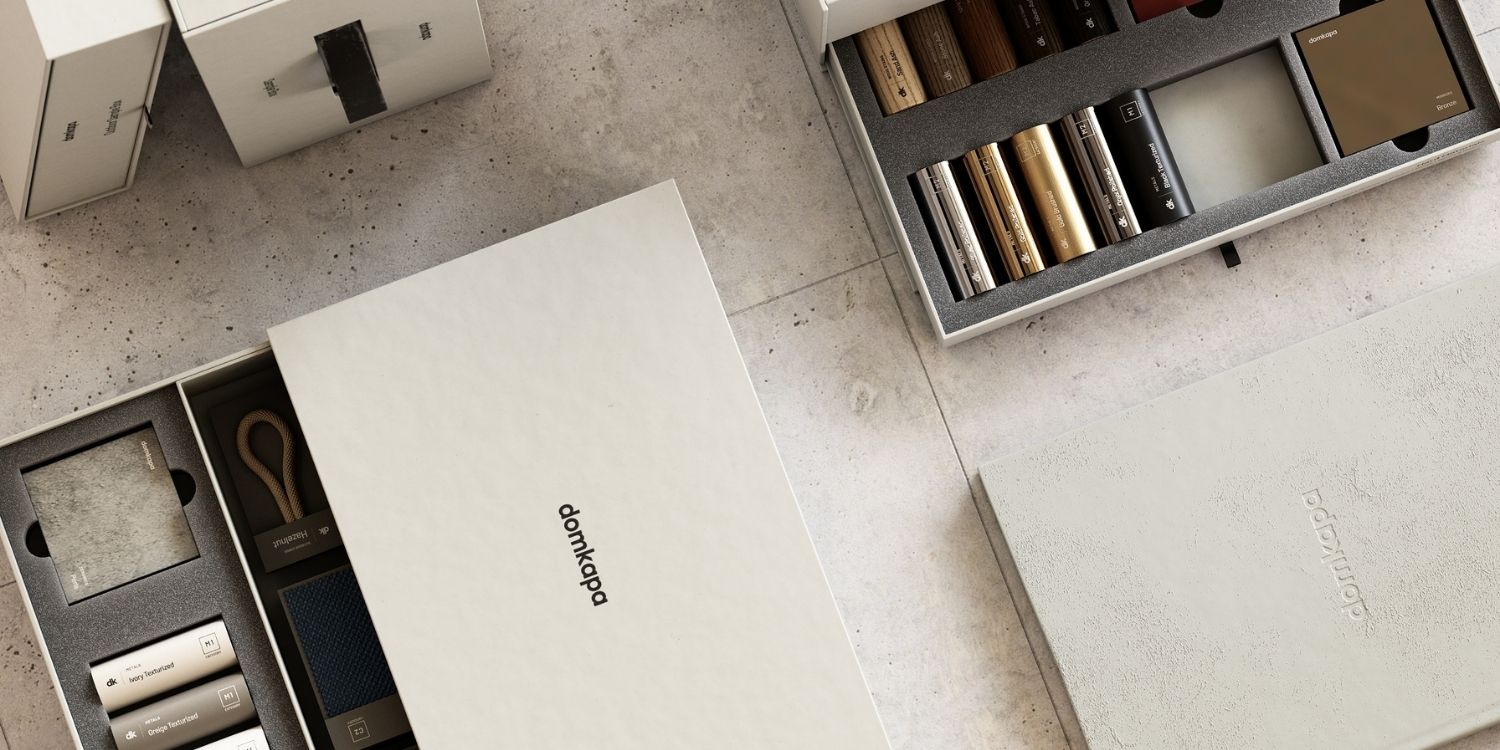
Natural woods, tactile fabrics, brushed metals and artisanal finishes gain prominence, not just for their aesthetic appeal, but also for their authenticity. Even performance materials must now justify themselves through durability and sustainability.
Designers are embracing:
- Visible craftsmanship;
- Natural imperfections;
- Finishes that age gracefully.
This creates spaces that feel human, grounded and enduring.
4. Flexible design for evolving lifestyles

Adaptability is one of the defining interior design trends of 2026. Homes and commercial spaces are expected to evolve without constant redesign.
This drives demand for:
- Modular seating systems;
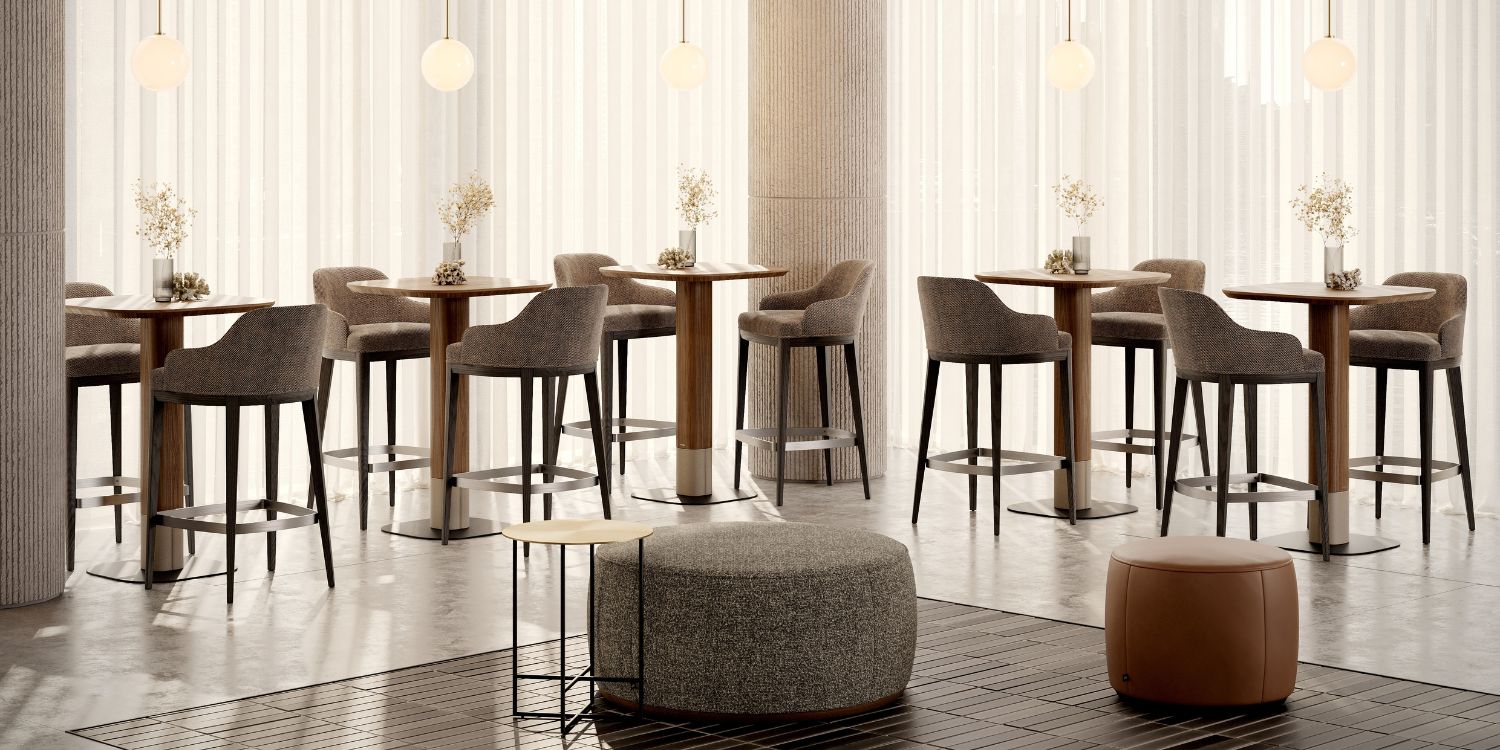
- Chairs that transition between dining, office and hospitality;
- Tables that can be grouped, separated or repurposed.
Designers are thinking in systems rather than individual pieces, creating cohesive interiors that can respond to changing needs over time.
5. A more intimate definition of luxury
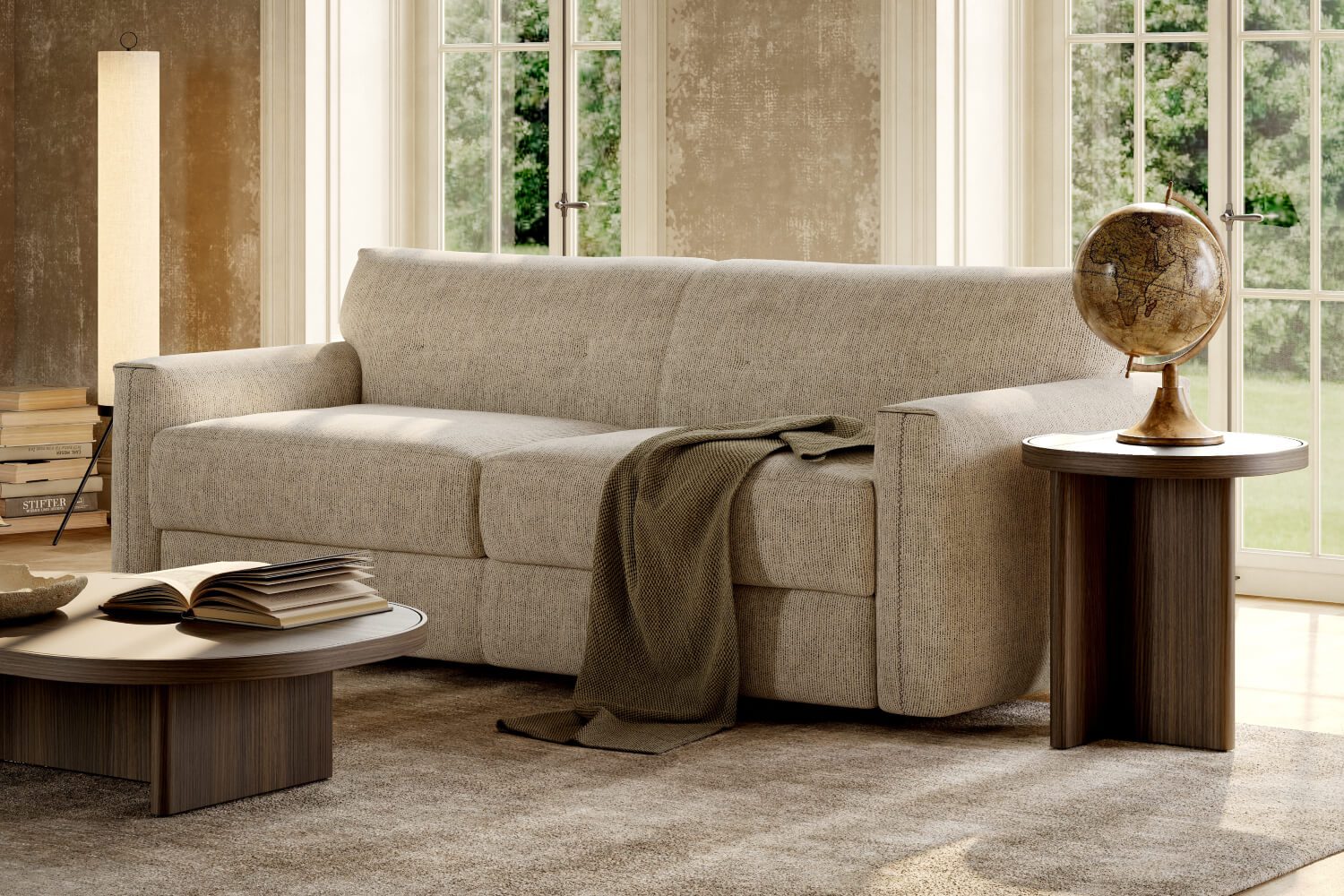
Luxury in 2026 is quieter and more personal. It’s no longer about visual excess – it’s about quality, comfort and detail.
This shift is expressed through:
- Comfort-first silhouettes;
- Premium upholstery and finishes;
- Subtle detailing, such as refined stitching or discreet metal accents.
This softer approach to luxury resonates strongly across residential and hospitality projects, where experience matters more than statement.
In practice
Start with emotion, not aesthetics
Define the emotional intention of the space first – calm, warmth, focus or sociability – and let this guide material, furniture and layout decisions.
Build neutral palettes through layers
Use neutrals like Cloud Dancer as a foundation, then introduce depth through textiles, wood tones and surface finishes rather than bold contrasts.
Select furniture with built-in versatility
Choose pieces that adapt across spaces and functions. This adds long-term value for clients and ensures design continuity across projects.
Use trends as a communication tool
Clients in 2026 respond well to explanations. Use trend narratives to justify design choices and reinforce your role as a strategic design partner.
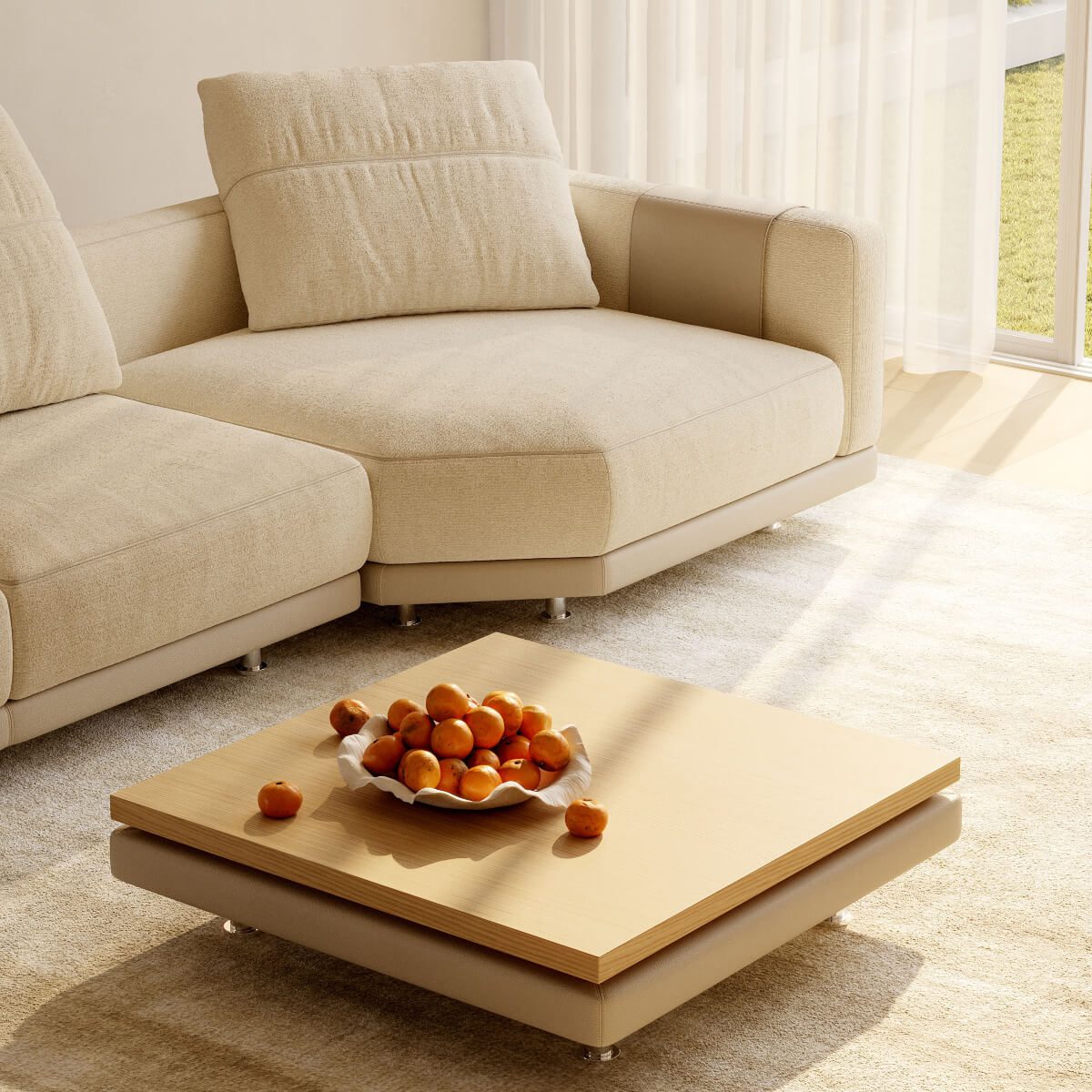
Understanding and applying 2026 interior design trends allows you to design spaces that feel relevant without feeling dated. This way, you gain more emotionally resonant interiors, stronger client trust and satisfaction and designs that age gracefully instead of expiring quickly.
Ultimately, these trends help future-proof both your projects and your creative practice!
YOU MAY ALSO LIKE: Pantone Colours Through The Years: How Each Shade Influenced Interior Design
We are working every day to bring you the most stylish ideas to fulfil your inspiration and to create the best interior design projects, so feel free to follow our Instagram Page and subscribe to our newsletter.