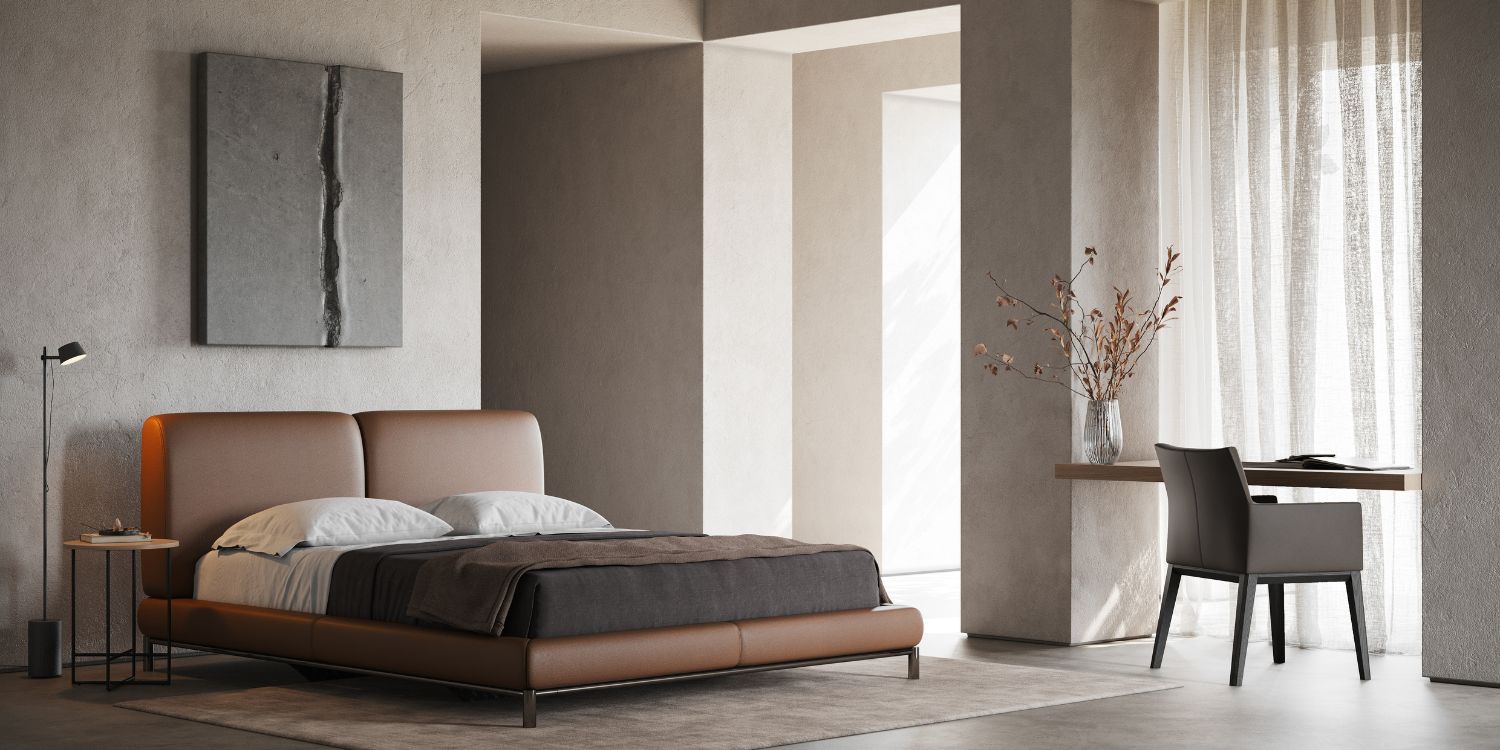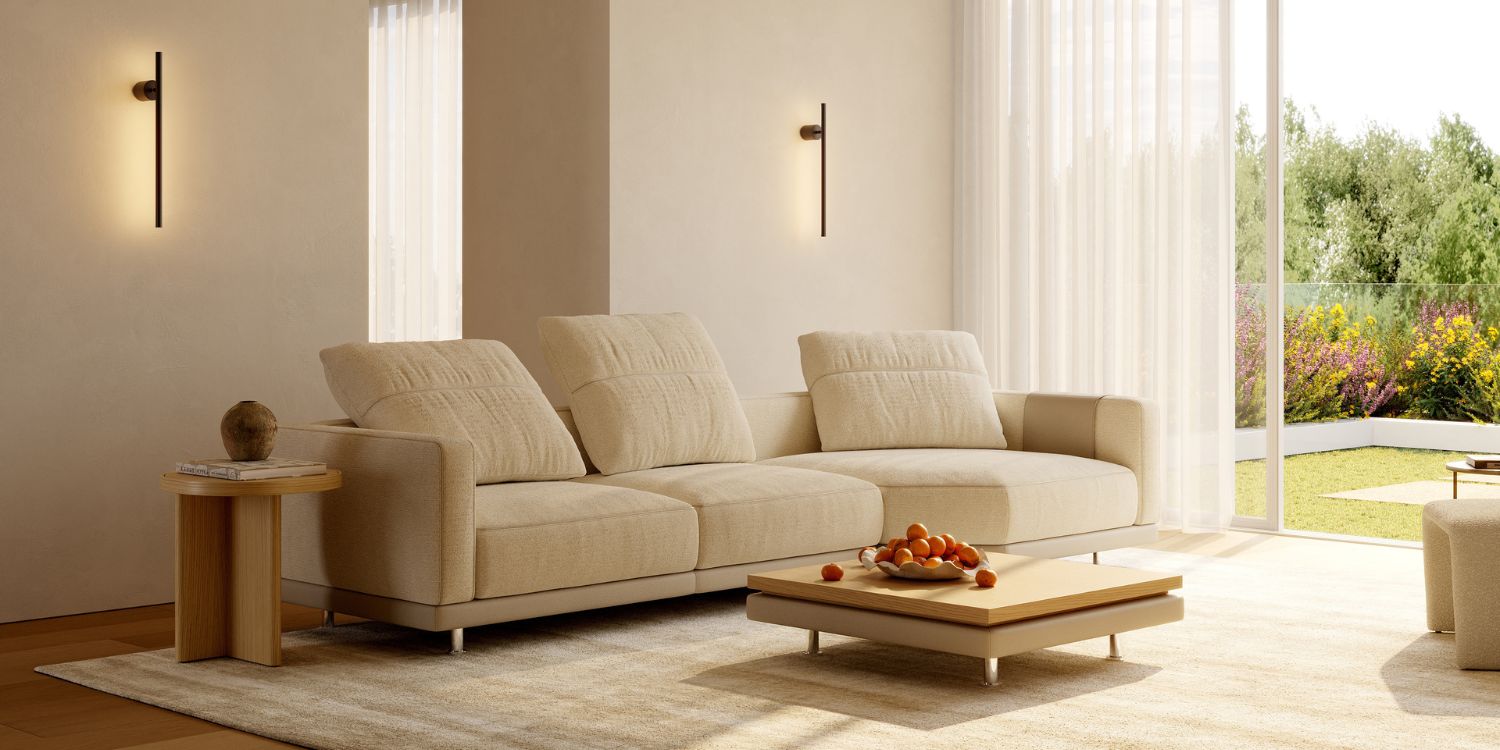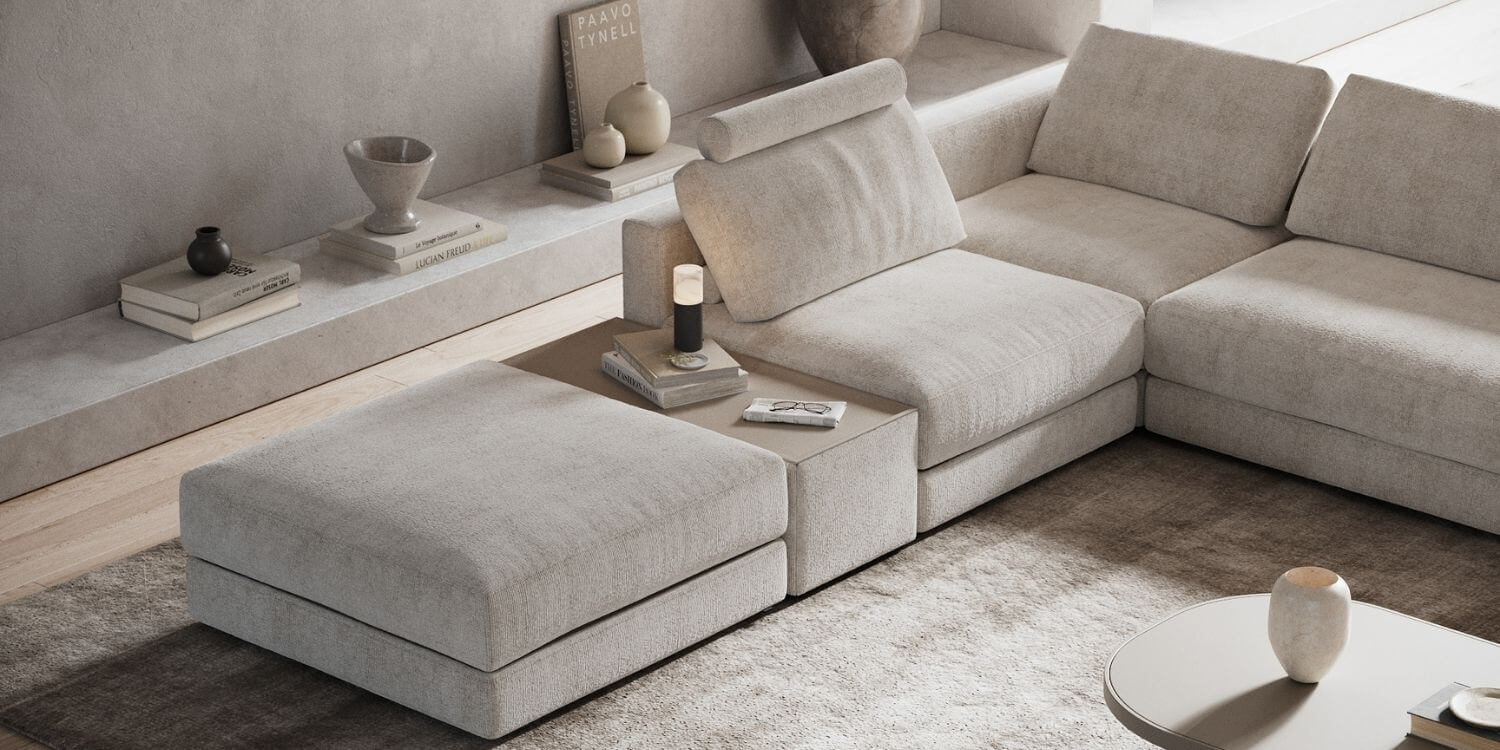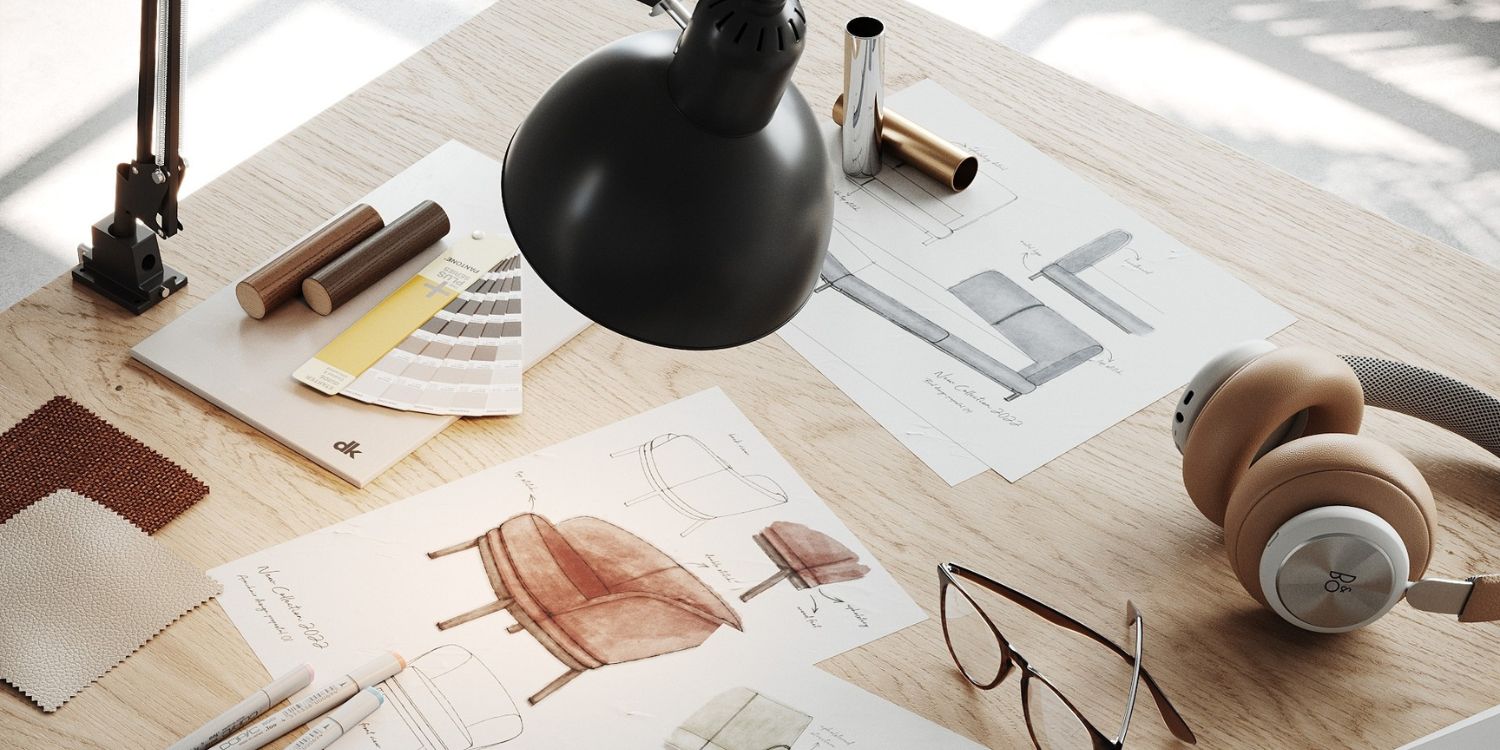


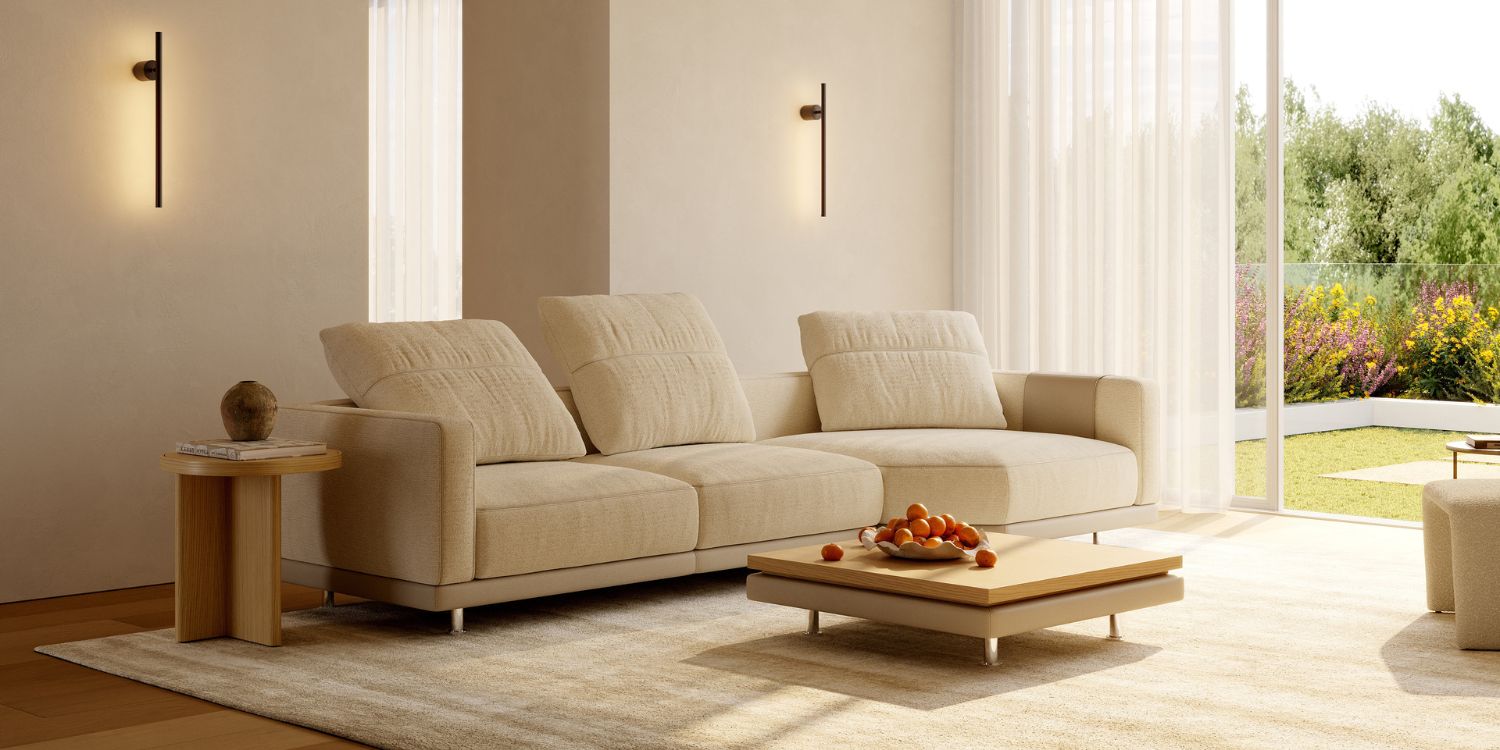
Few design styles have shaped modern interiors as profoundly as Danish interior design. Celebrated for its balance between beauty and practicality, this approach to design has become synonymous with calm, refined spaces that prioritise comfort, craftsmanship and everyday living.
While rooted in the Nordic region, Danish design transcends geography. Its restrained aesthetic, thoughtful material choices and human-centred philosophy continue to influence contemporary interiors worldwide – from minimalist urban apartments to serene hospitality spaces.
For interior designers and architects, Danish interior design provides a framework for creating environments that feel intuitive, welcoming and enduring.
Origins & Design Philosophy

Danish interior design emerged in the early to mid-20th century as part of the broader Scandinavian modernist movement. Designers sought to combine functionality, simplicity and craftsmanship while making well-designed furniture accessible to a wider audience.
At its core, the philosophy of Danish design is deeply humanistic. Furniture and interiors are conceived around the way people live, move and interact with their surroundings. Every line, curve and material choice serves a purpose.
Three principles define the foundation of Danish interior design:
Function Before Ornament
Rather than decorative excess, Danish interiors emphasise purposeful design. Objects must be useful, comfortable and durable.
Craftsmanship and Material Honesty
Natural materials are celebrated rather than concealed. Wood grain, leather textures and woven fabrics are allowed to express their intrinsic beauty.
Light and Well-Being
Given Denmark’s long winters and limited daylight, interiors are designed to maximise natural light and create warm, welcoming atmospheres.
Together, these principles produce spaces that feel calm, balanced, and deeply liveable.
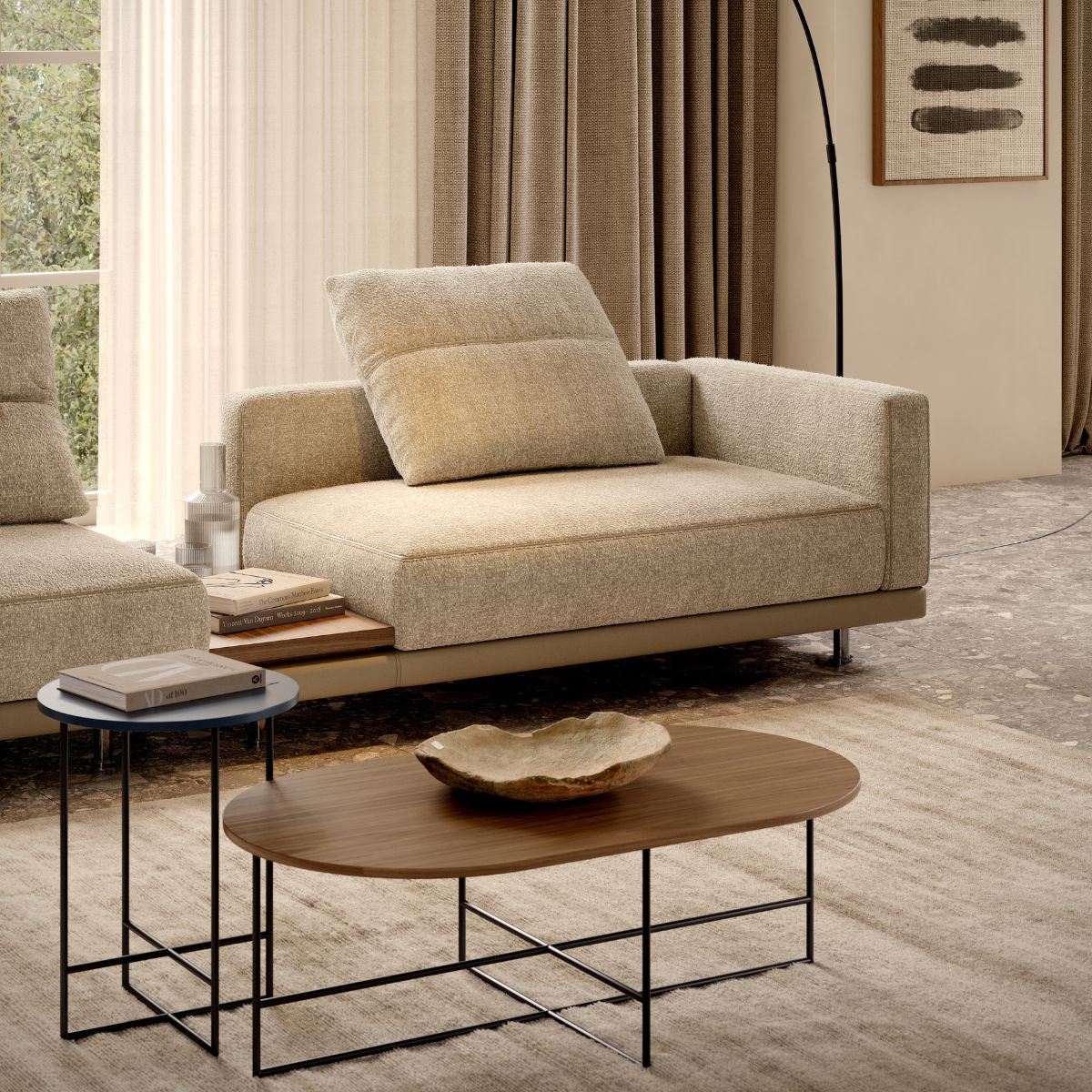
Key Characteristics of Danish Interior Design
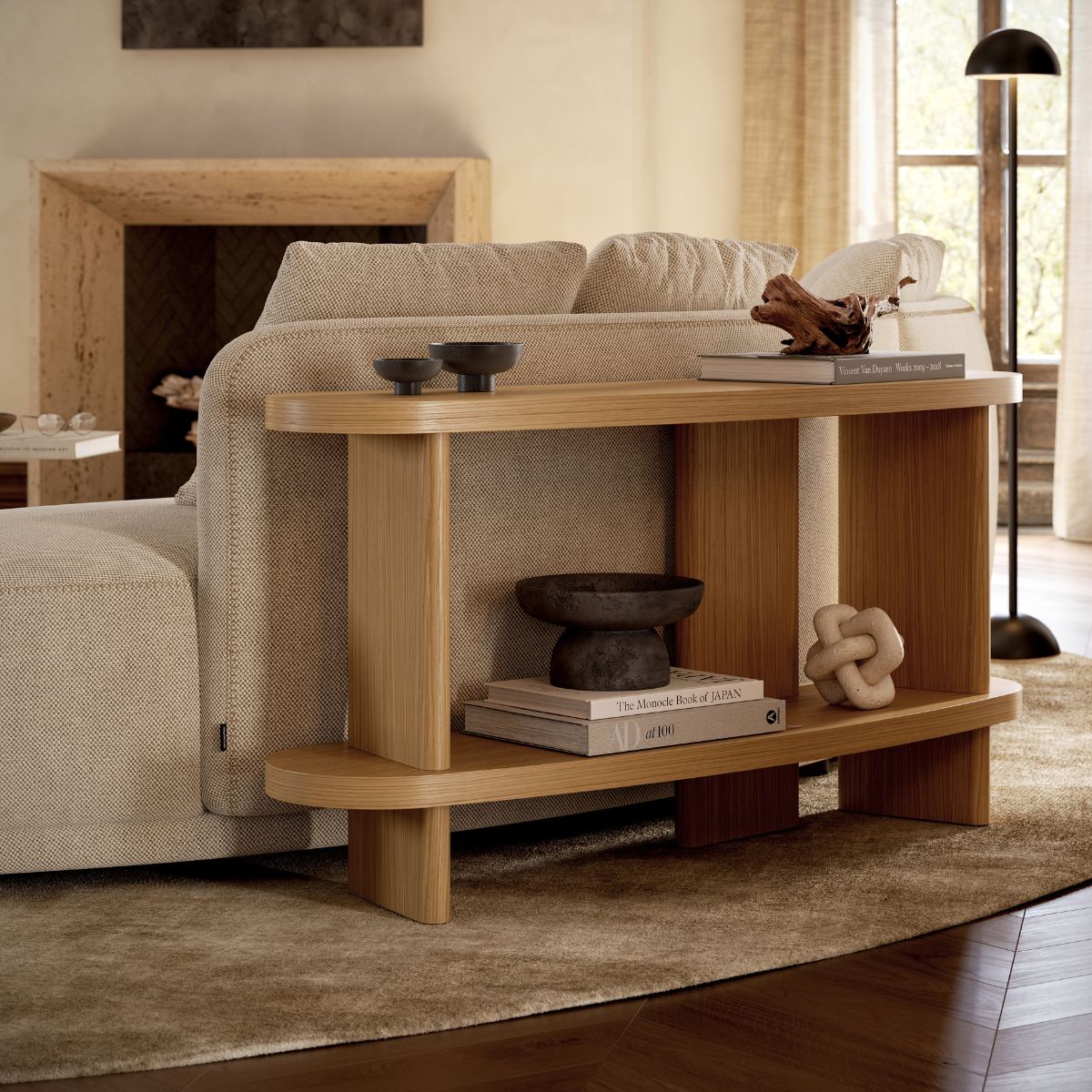
Light, Neutral Colour Palettes
Colour in Danish interiors tends to be restrained and natural. The palette supports a sense of openness and serenity while allowing materials and forms to stand out.
Common colour tones include:
- Soft whites and warm off-whites;
- Light greys and muted taupes;
- Sandy beige and stone tones;
- Pale blues and dusty greens;
- Occasional accents of charcoal or deep brown.
Rather than high contrast, Danish interiors favour subtle tonal layering, creating depth while maintaining a calm visual rhythm.
Natural Materials
Materiality plays a central role in defining Danish interiors. Surfaces are tactile, authentic and carefully selected to age gracefully.
Key materials include:
- Light woods such as oak, ash and beech;
- Wool and linen textiles;
- Leather upholstery;
- Ceramics and stone;
- Paper and natural fibre lighting.
Wood is particularly important. Often used for flooring, furniture frames and cabinetry, it brings warmth and softness to otherwise minimalist spaces.
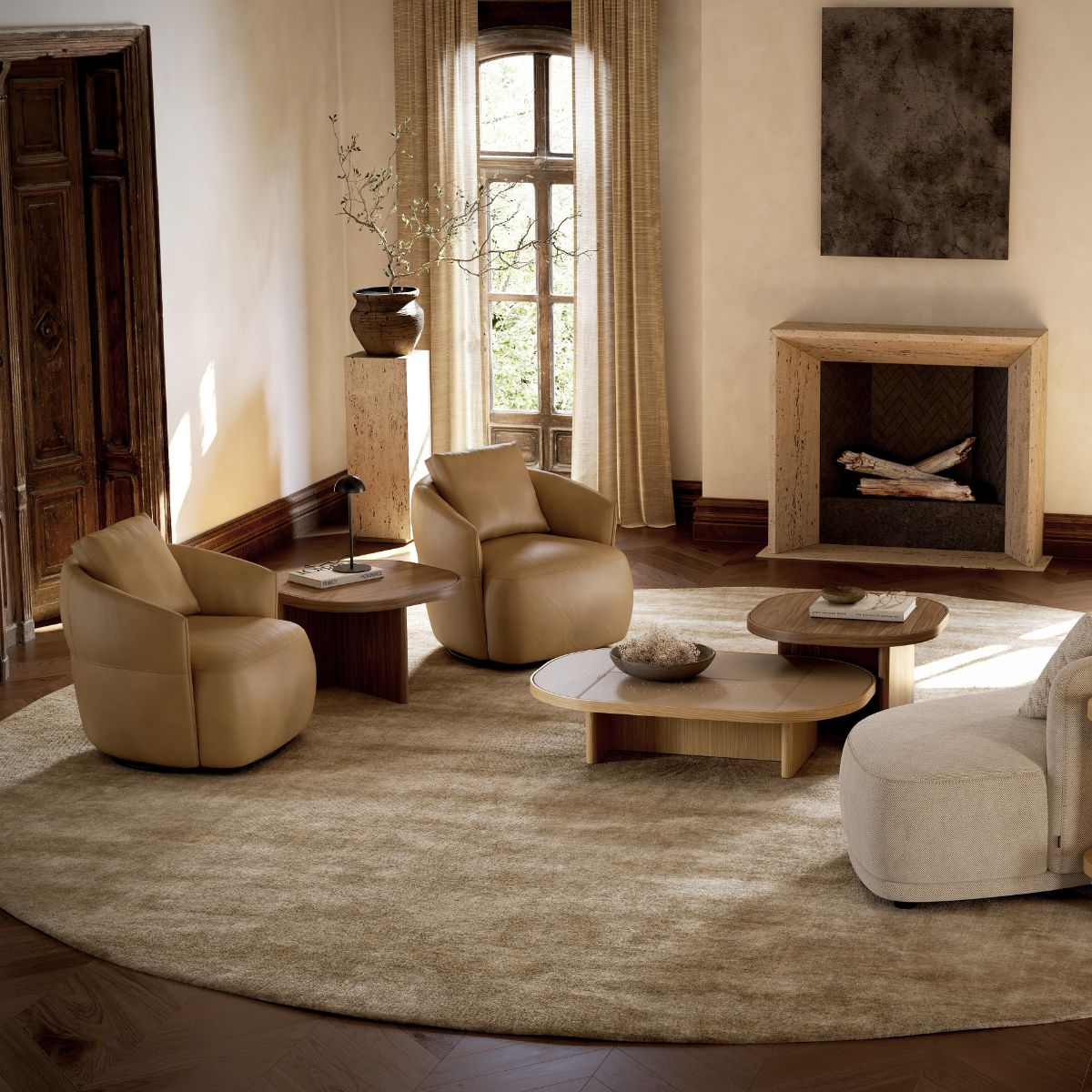
Soft, Organic Shapes
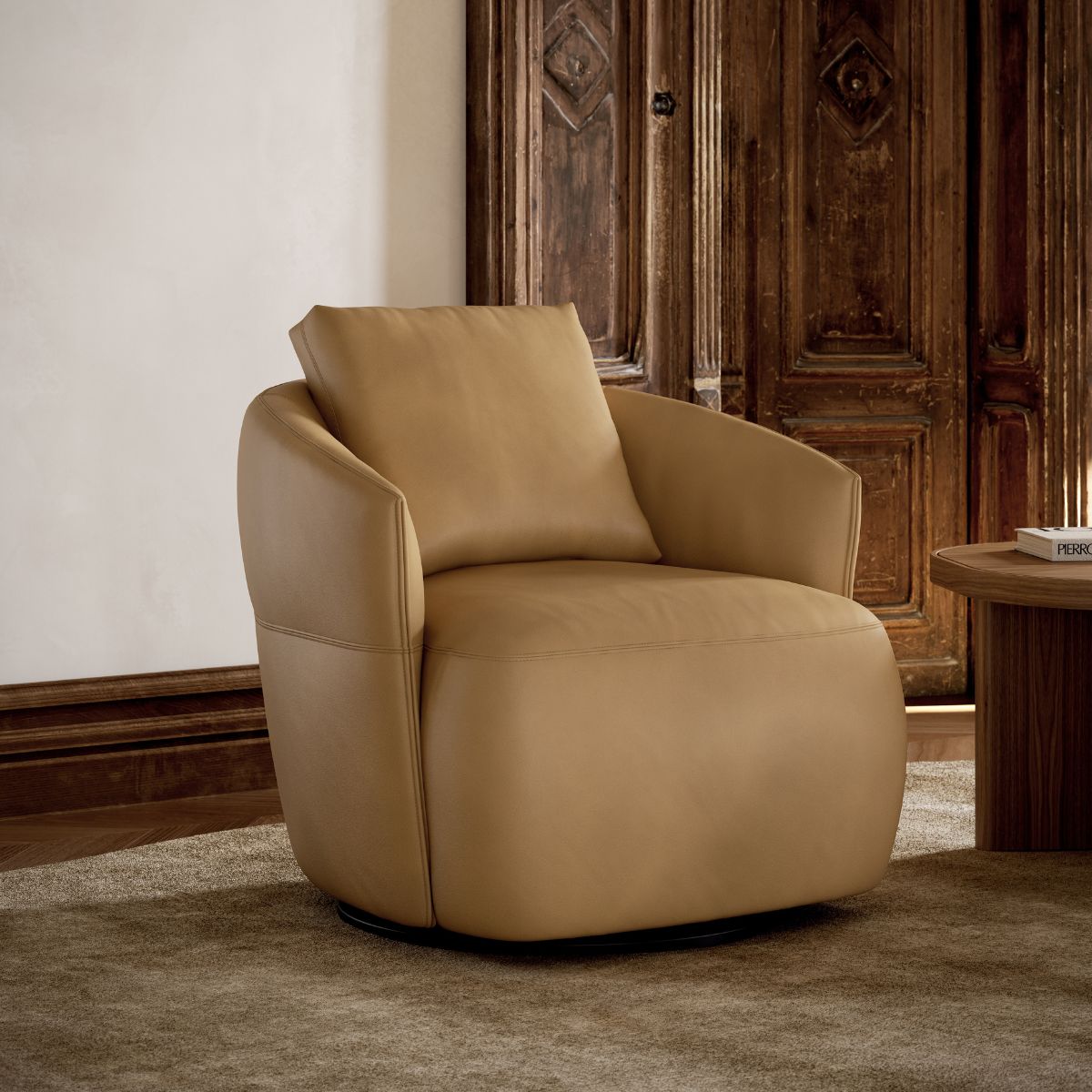
Furniture silhouettes in Danish interior design are recognisable for their gentle curves and balanced proportions.
Instead of rigid geometries, designers favour:
- Rounded chair backs;
- Tapered wooden legs;
- Smooth edges and softened corners;
- Sculptural yet understated forms.
These shapes create visual fluidity and enhance comfort, reinforcing the human-centred philosophy behind the style.
Airy, Functional Layouts
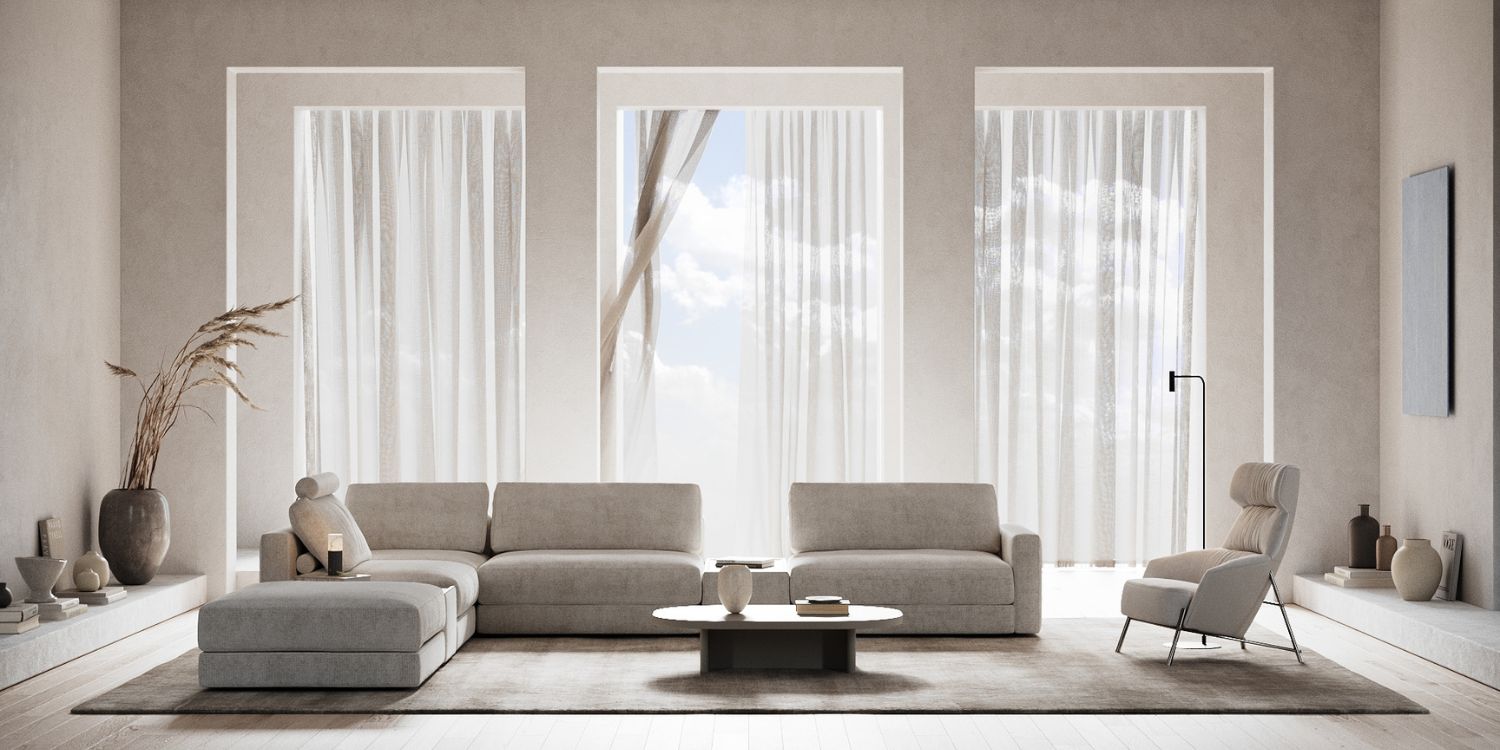
Danish interiors are typically uncluttered and spatially balanced. Furniture is arranged to allow movement, light flow and visual calm.
Key layout characteristics include:
- Open or semi-open living spaces;
- Furniture positioned to encourage conversation;
- Minimal decorative clutter;
- Carefully curated objects rather than large collections.
The result is an atmosphere that feels relaxed and intentional.
Texture as a Design Layer
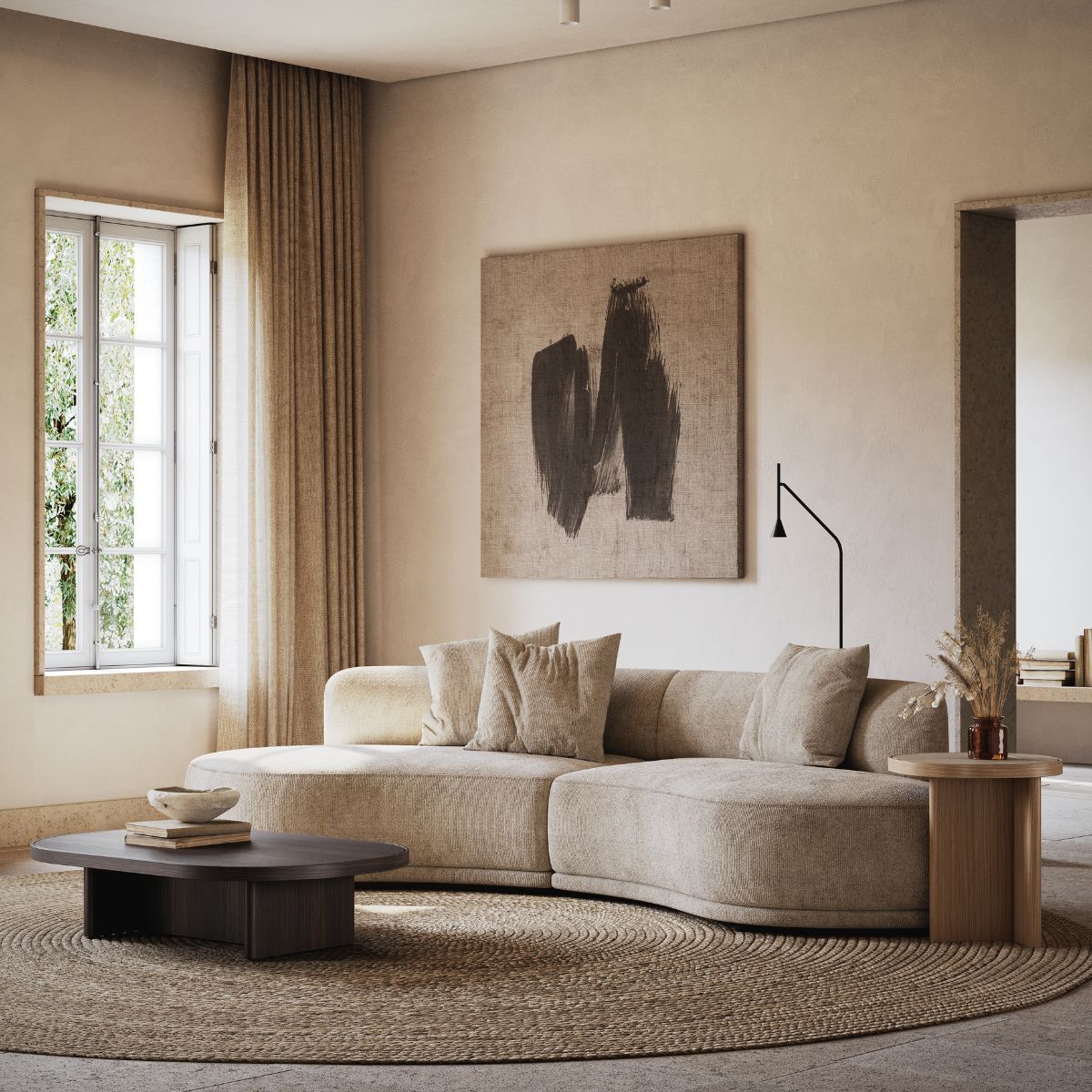
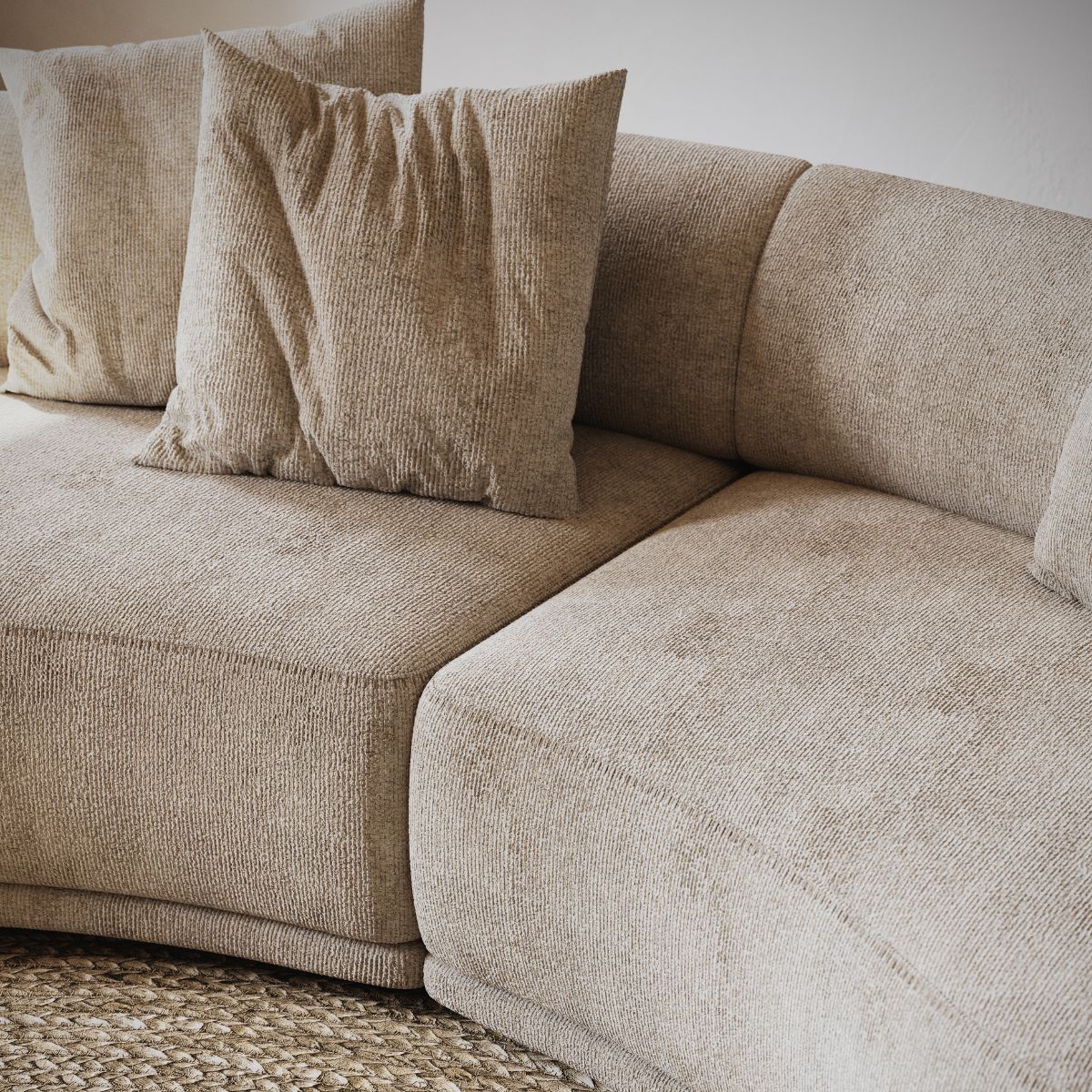
Because colour palettes are often restrained, texture becomes essential in Danish interiors.
Designers frequently layer:
- Bouclé or wool upholstery;
- Linen curtains;
- Hand-woven rugs;
- Natural wood surfaces;
- Soft throws and cushions.
This layering adds warmth and depth without disrupting the space’s overall simplicity.
Furniture & Danish Style
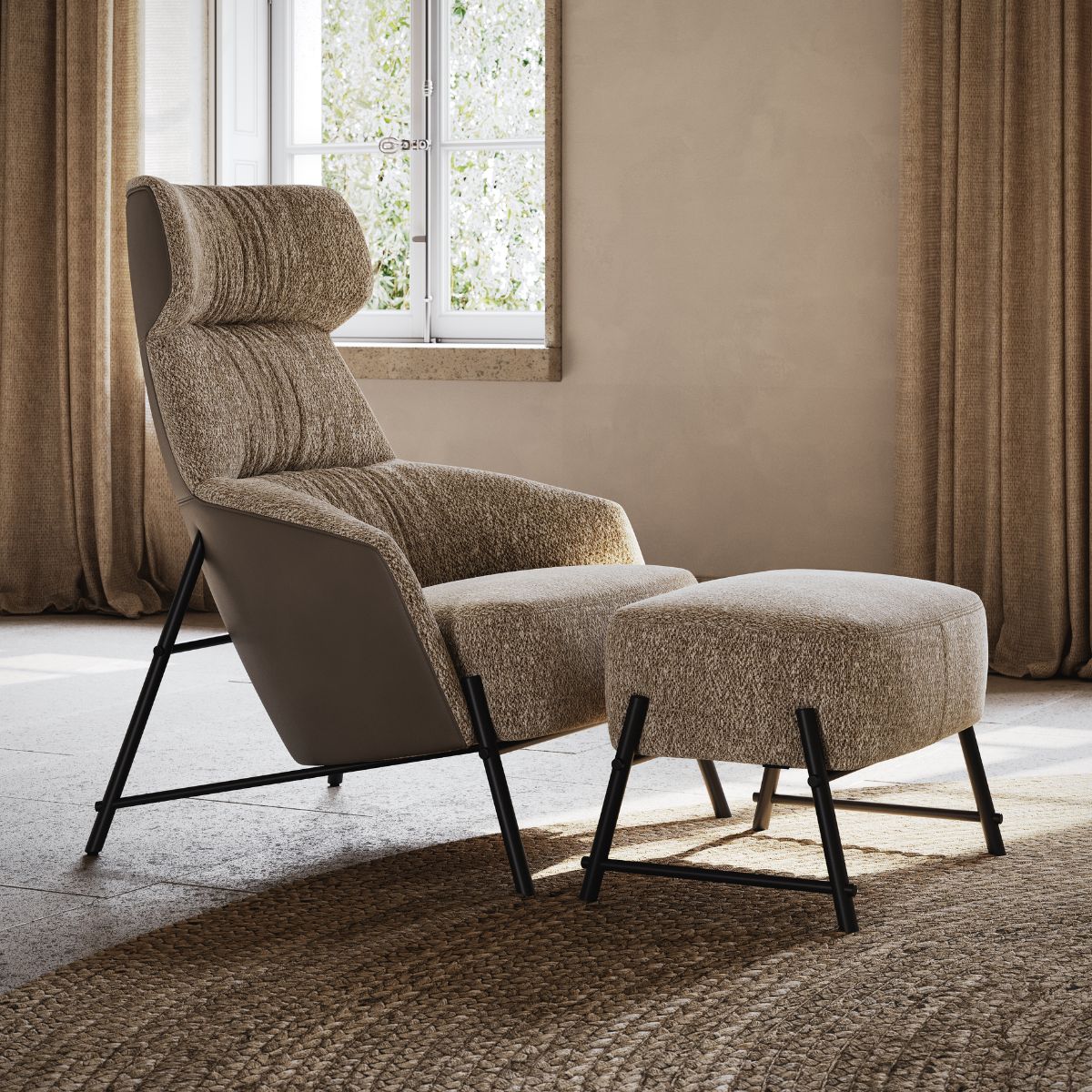
Furniture plays a defining role in Danish interior design. Pieces are often sculptural yet understated, combining comfort with refined craftsmanship.

Sofas and Lounge Seating
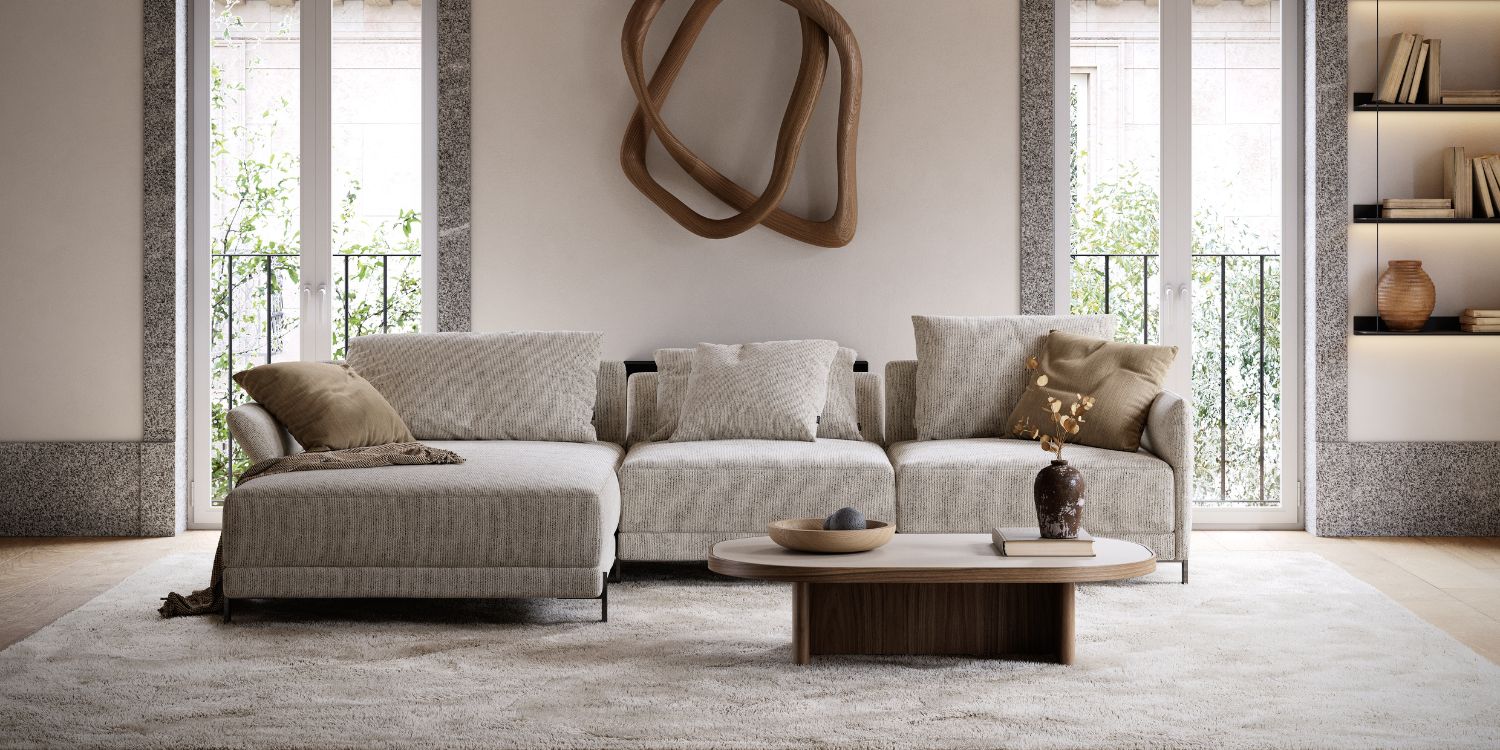
Sofas typically feature:
- Low, relaxed profiles;
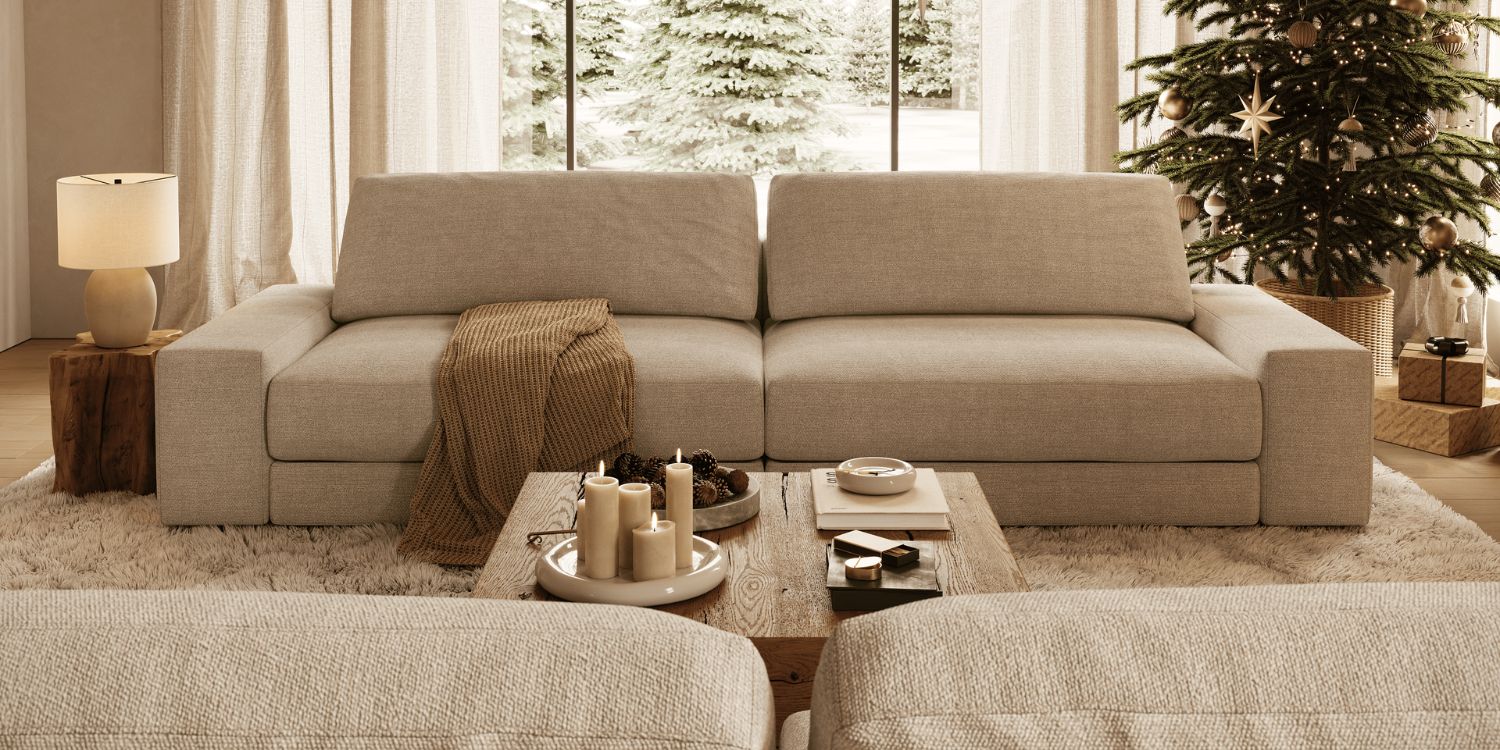
- Soft upholstery in wool or linen;
- Slim wooden or metal legs;
- Generous cushioning for everyday comfort.
The focus is on creating a welcoming lounge environment rather than a formal seating arrangement.
Dining Chairs
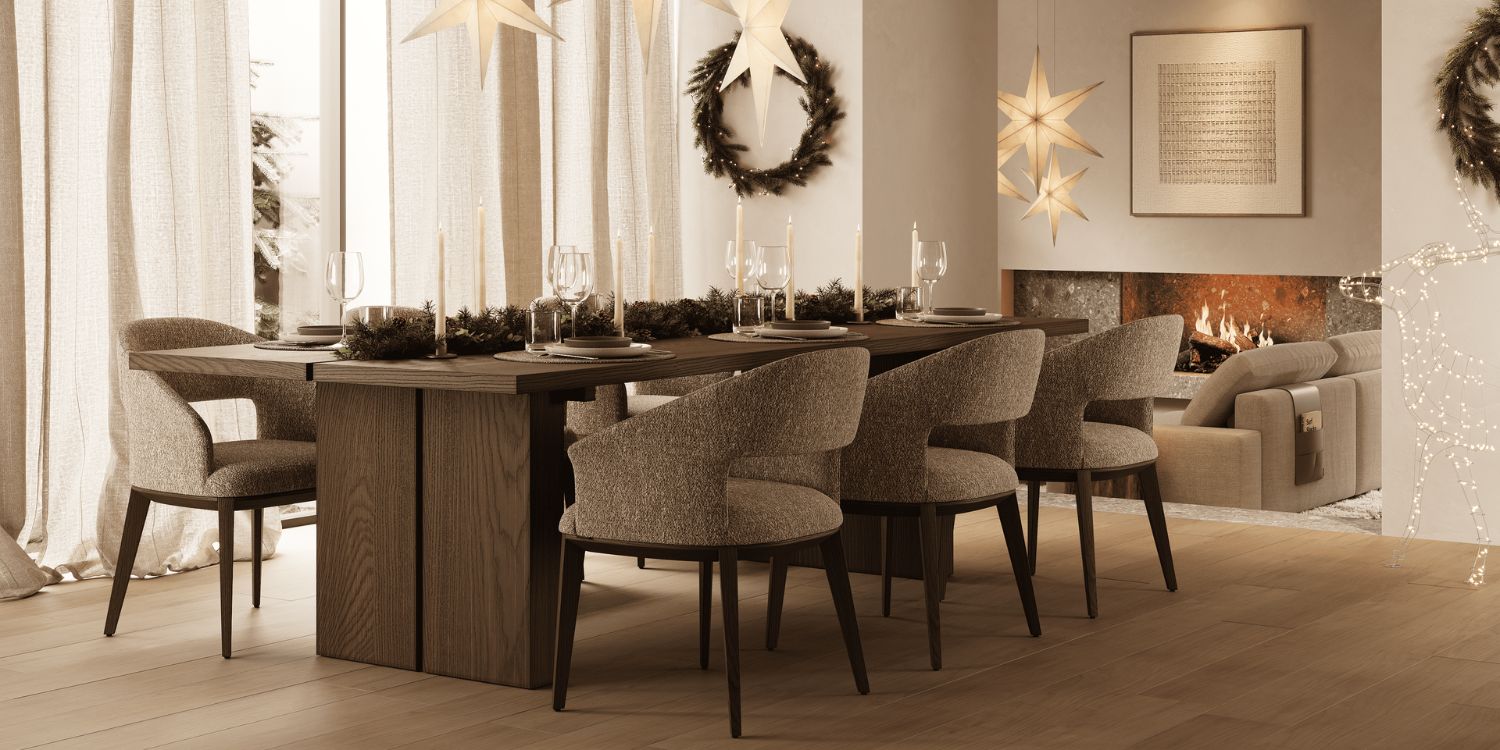
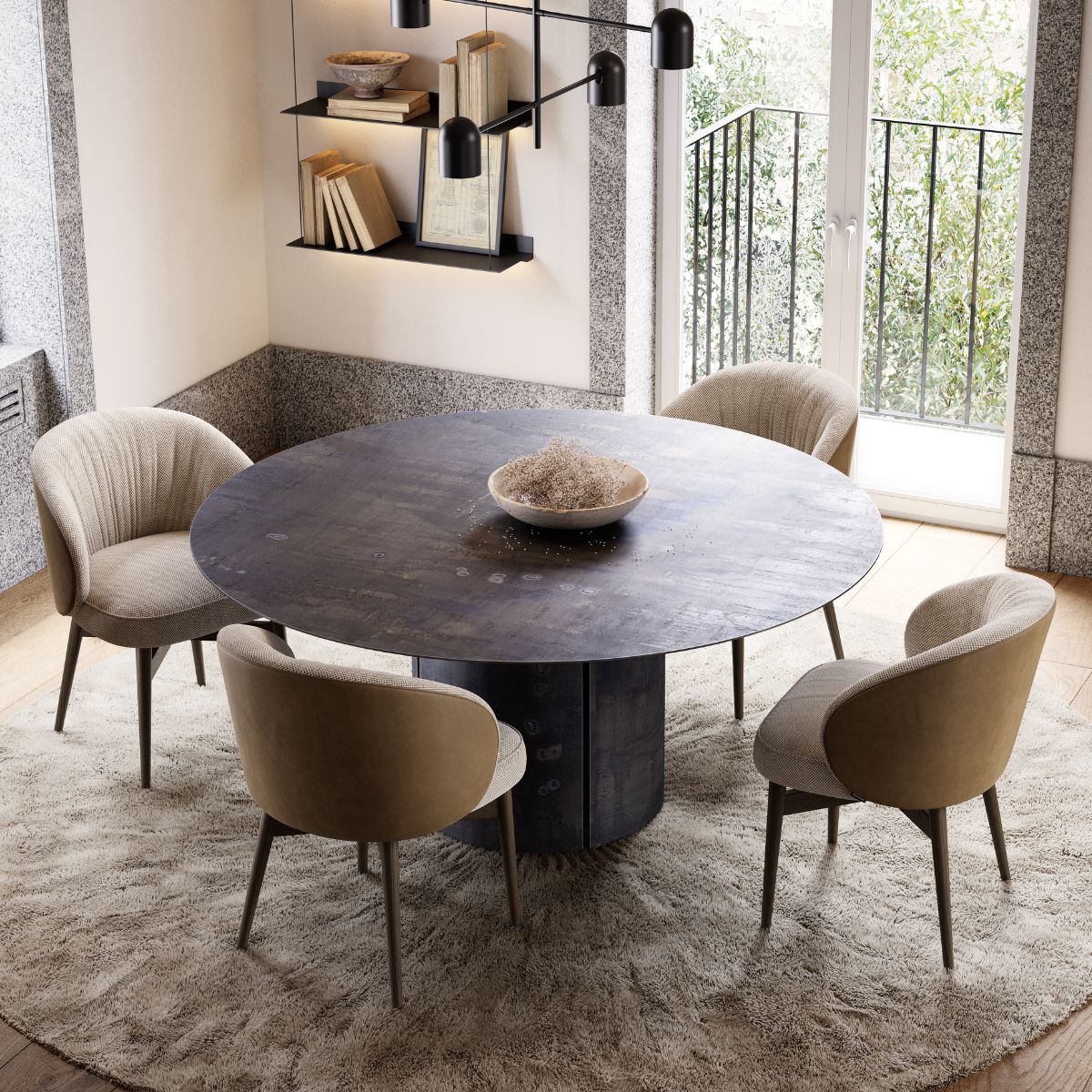
Dining chairs often showcase some of the most distinctive elements of Danish design.
Typical features include:
- Curved wooden backrests;
- Upholstered seats for comfort;
- Lightweight frames;
- Tapered legs.
These pieces are designed to feel elegant while remaining highly functional for daily use.
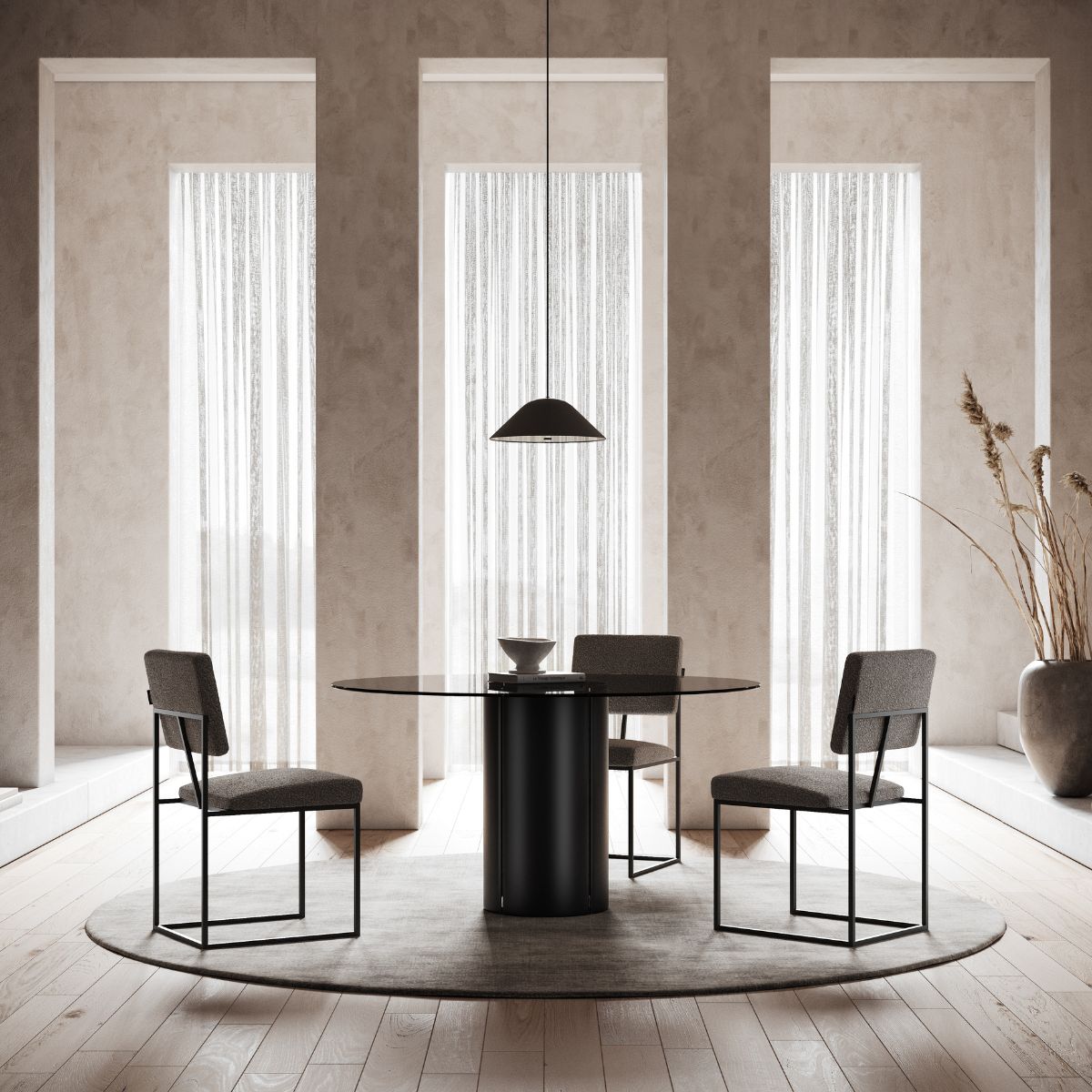
Lighting
Lighting is another crucial element, reflecting Denmark’s relationship with natural light.
Common lighting features include:
- Sculptural pendant lights above dining tables;
- Paper or fabric lampshades that diffuse light softly;
- Minimalist floor lamps with slender frames;
- Warm ambient lighting rather than harsh illumination.
Lighting is used not only for function but to create atmosphere and comfort.
Wooden Tables
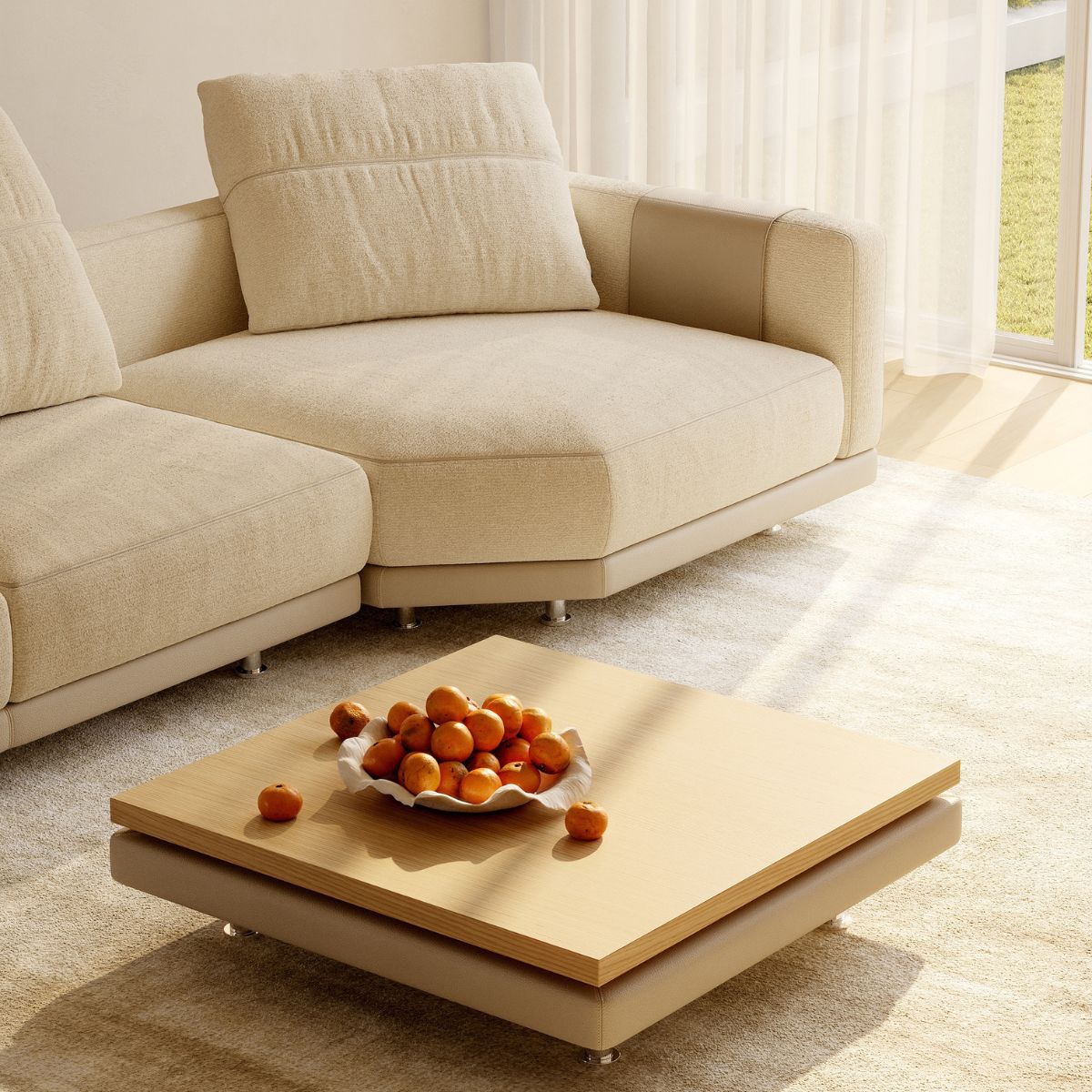
Dining and coffee tables often highlight the beauty of wood craftsmanship.
Design characteristics include:
- Solid wood or veneered tops;
- Rounded edges;
- Slim structural bases;
- Balanced proportions;
The table frequently becomes a quiet focal point in the room.
How Designers Can Apply Danish Interior Design Today
While Danish interior design is rooted in tradition, it remains highly adaptable for contemporary projects. Designers can reinterpret its principles rather than replicate historical interiors.
Focus on Quality Over Quantity
Instead of filling spaces with numerous pieces, prioritise fewer, well-crafted furniture items. This approach aligns with both Danish design philosophy and contemporary sustainable design practices.
Layer Natural Materials
Combining wood, textiles and natural fibres creates depth without overwhelming the space.
For example:
- Oak dining tables paired with upholstered chairs;
- Wool rugs beneath minimalist seating;
- Linen curtains softening architectural lines.
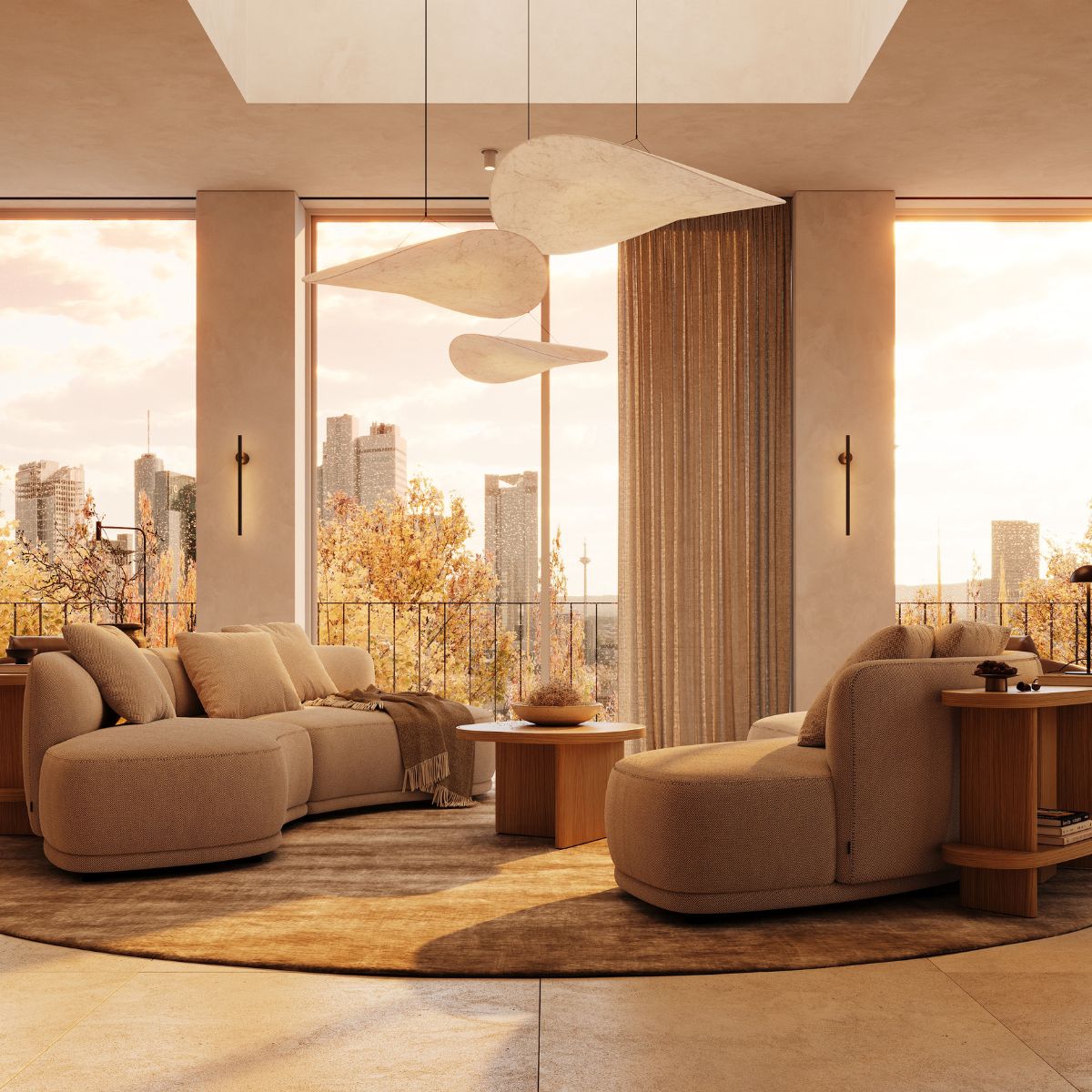
Introduce Curved Silhouettes
Soft curves can balance modern architectural spaces dominated by straight lines.
Consider incorporating the following:
- Rounded lounge chairs;
- Curved sofas;
- Circular coffee tables.
These elements subtly introduce the organic character typical of Danish design.
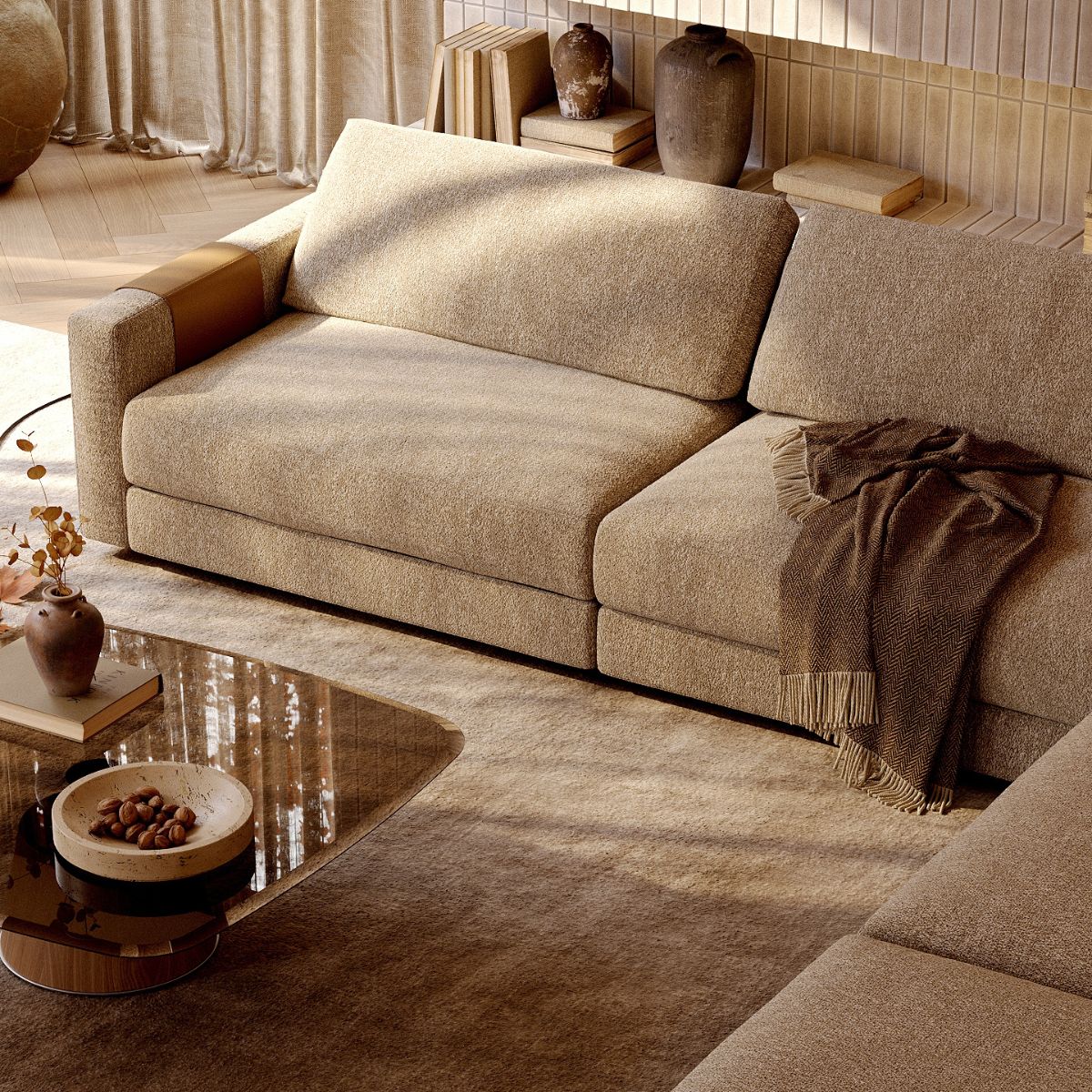
Prioritise Comfort
Danish interiors emphasise a concept often associated with Nordic living: creating spaces that feel inviting and comfortable for everyday life.
Designers can achieve this through:
- Deep, comfortable seating;
- Warm lighting layers;
- Soft textiles and cushions;
- Human-scaled furniture proportions.
Balance Minimalism with Warmth
A key challenge when interpreting Danish interior design today is avoiding overly stark spaces.
To maintain warmth:
- Use warm wood tones rather than cold finishes;
- Incorporate textured fabrics;
- Introduce subtle tonal contrasts;
- Add greenery or handcrafted objects.
This balance ensures the interior feels lived-in rather than austere.
Danish interior design continues to inspire designers around the world because it addresses something fundamental: the relationship between people, objects and space.
Its enduring appeal lies in the harmony it achieves between simplicity, craftsmanship and comfort. By prioritising natural materials, thoughtful furniture design and calm spatial compositions, Danish interiors create environments that feel elegant and deeply liveable.
In an era increasingly focused on well-being and sustainability, Danish interior design remains not only relevant but essential.
YOU MAY ALSO LIKE: Interior Design Styles: Find The One That Best Suits Your Projects
We are working every day to bring you the most stylish ideas to fulfil your inspiration and to create the best interior design projects, so feel free to follow our Instagram Page and subscribe to our newsletter.