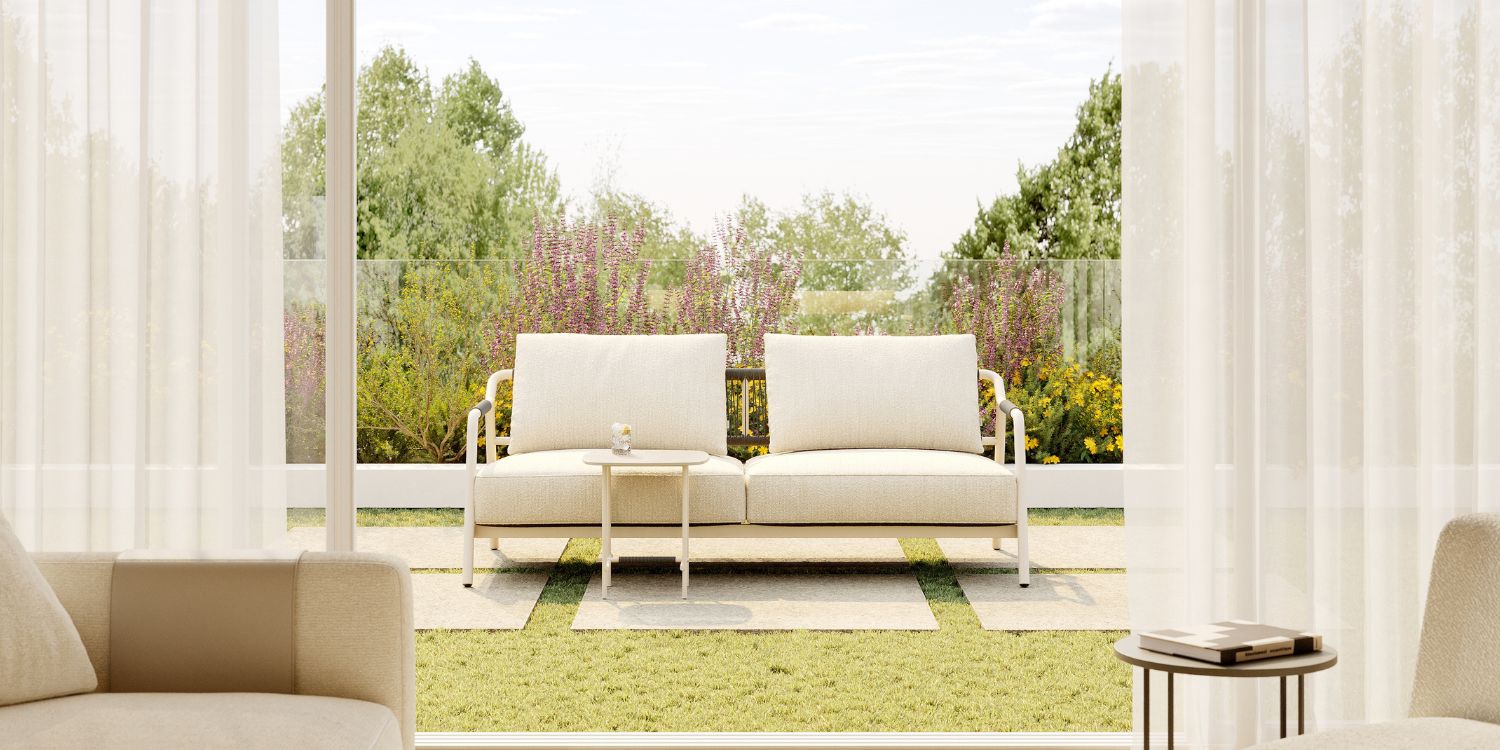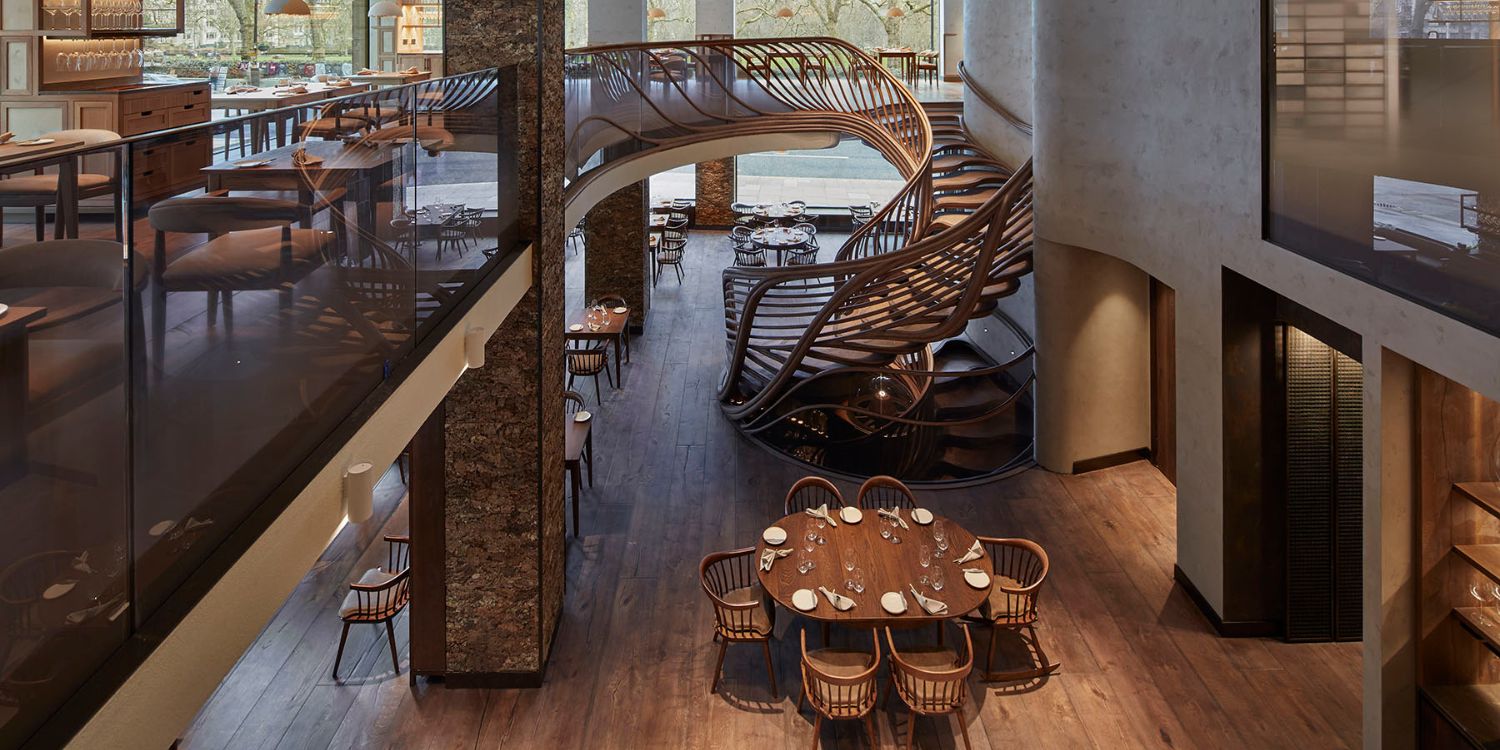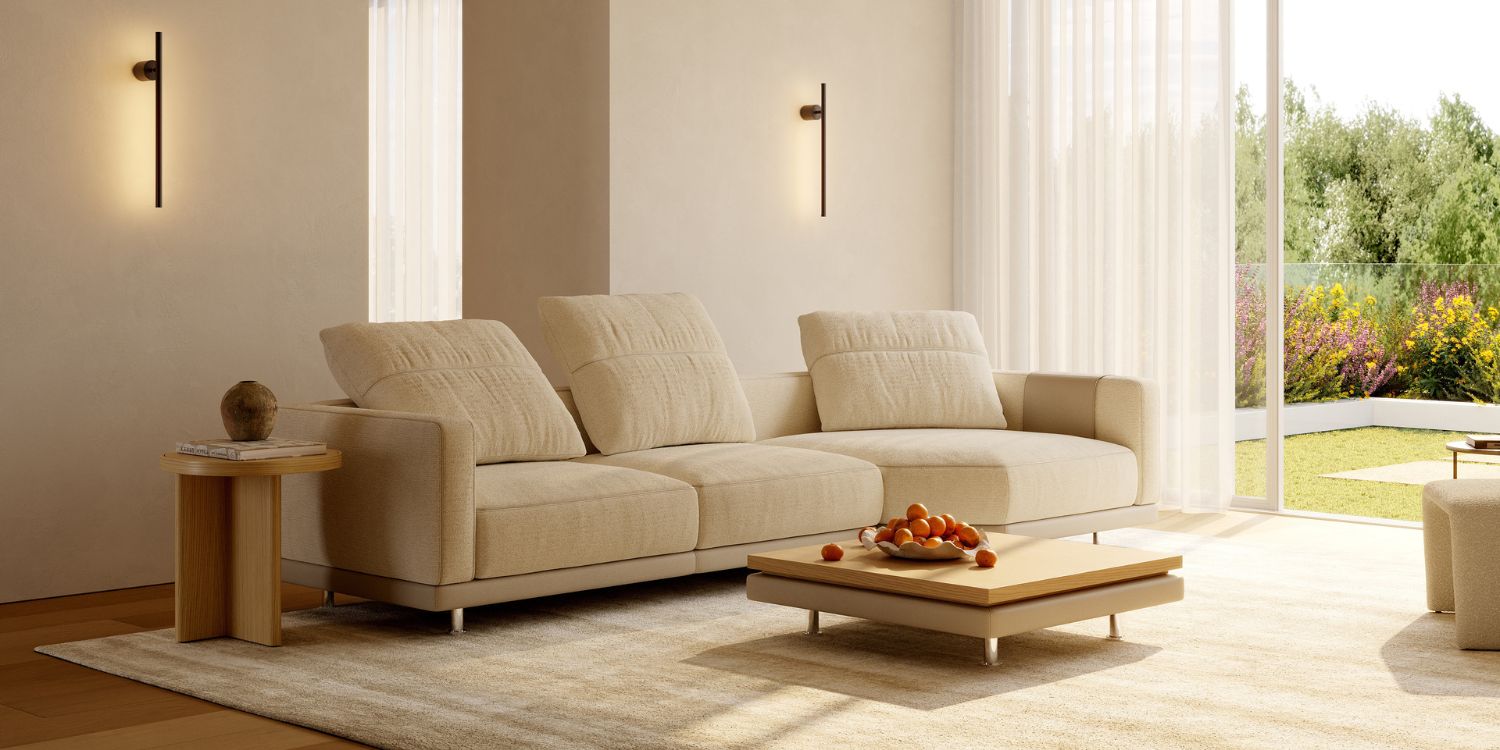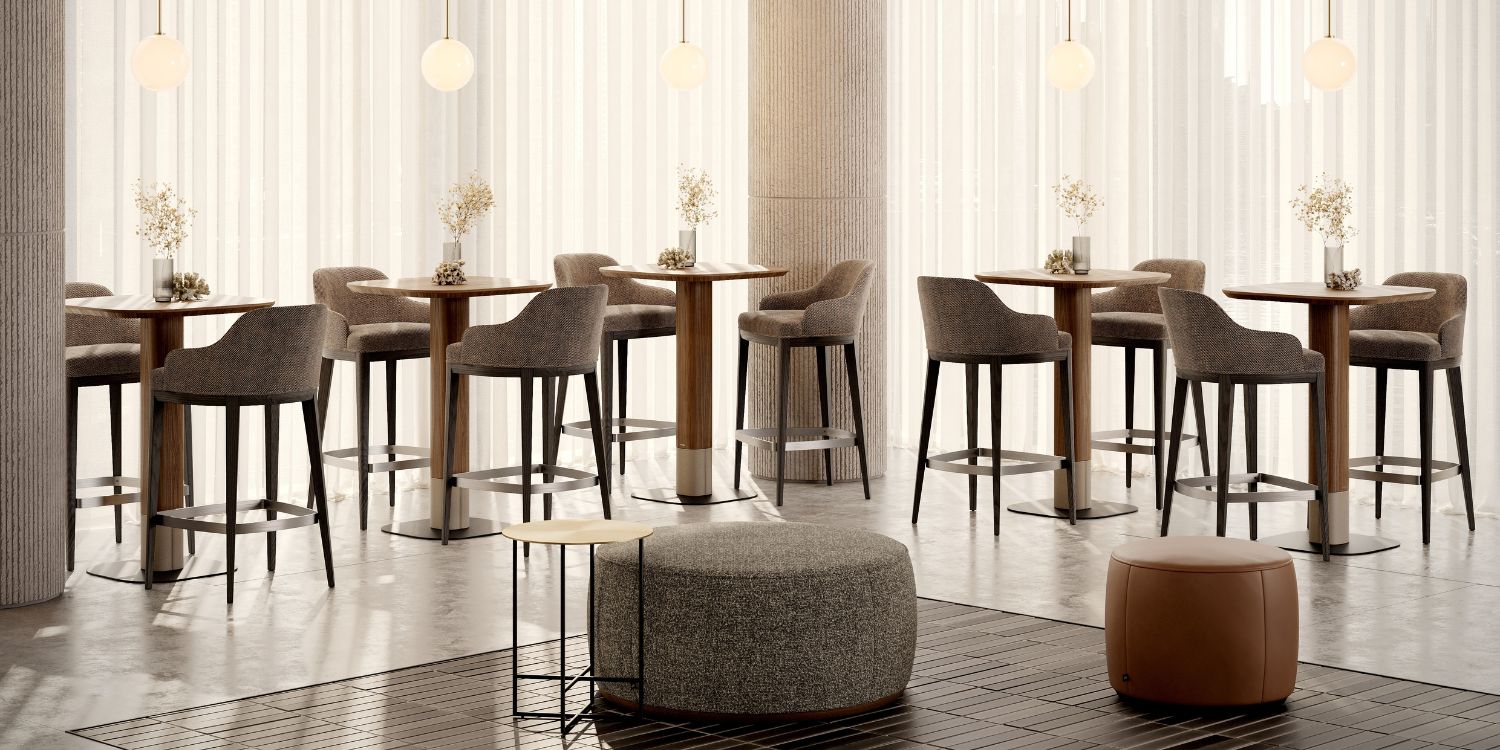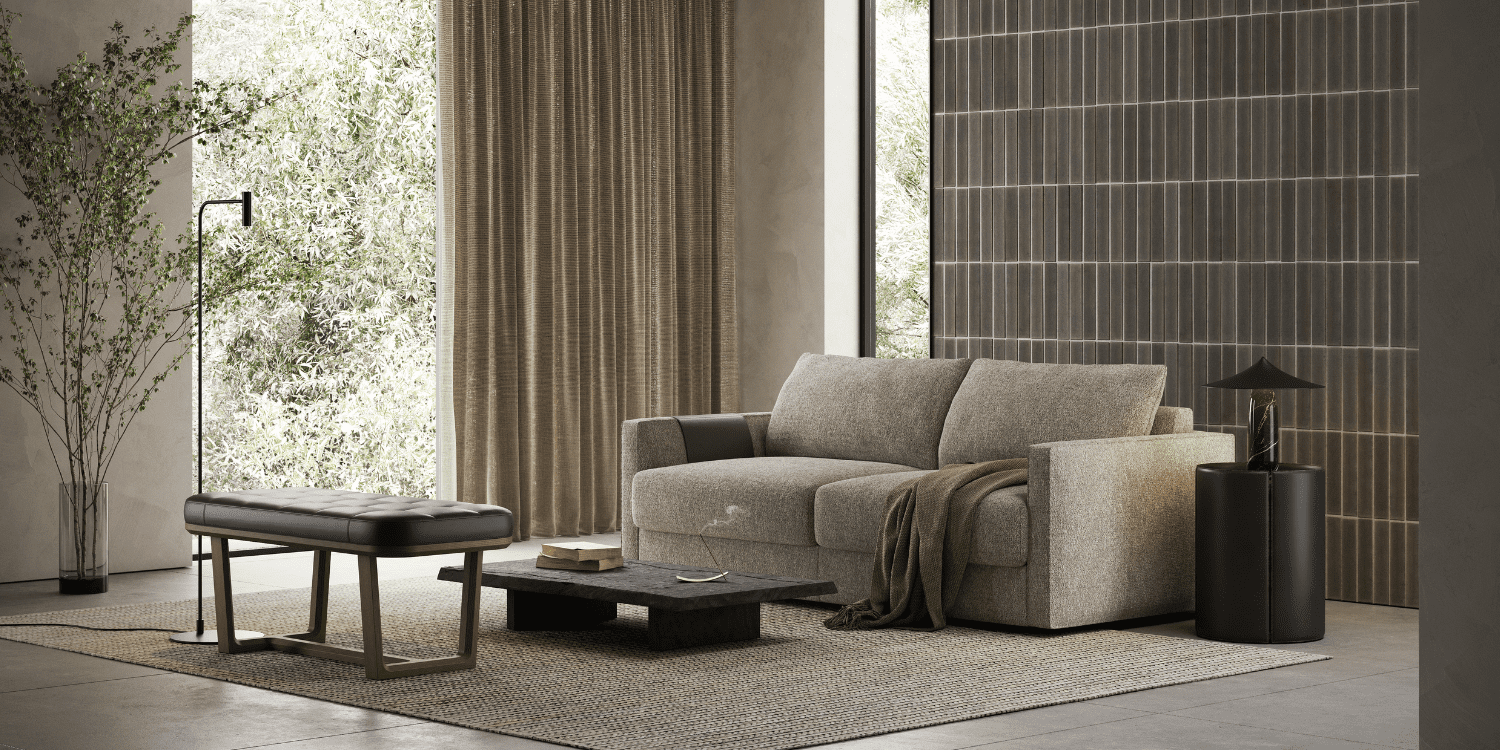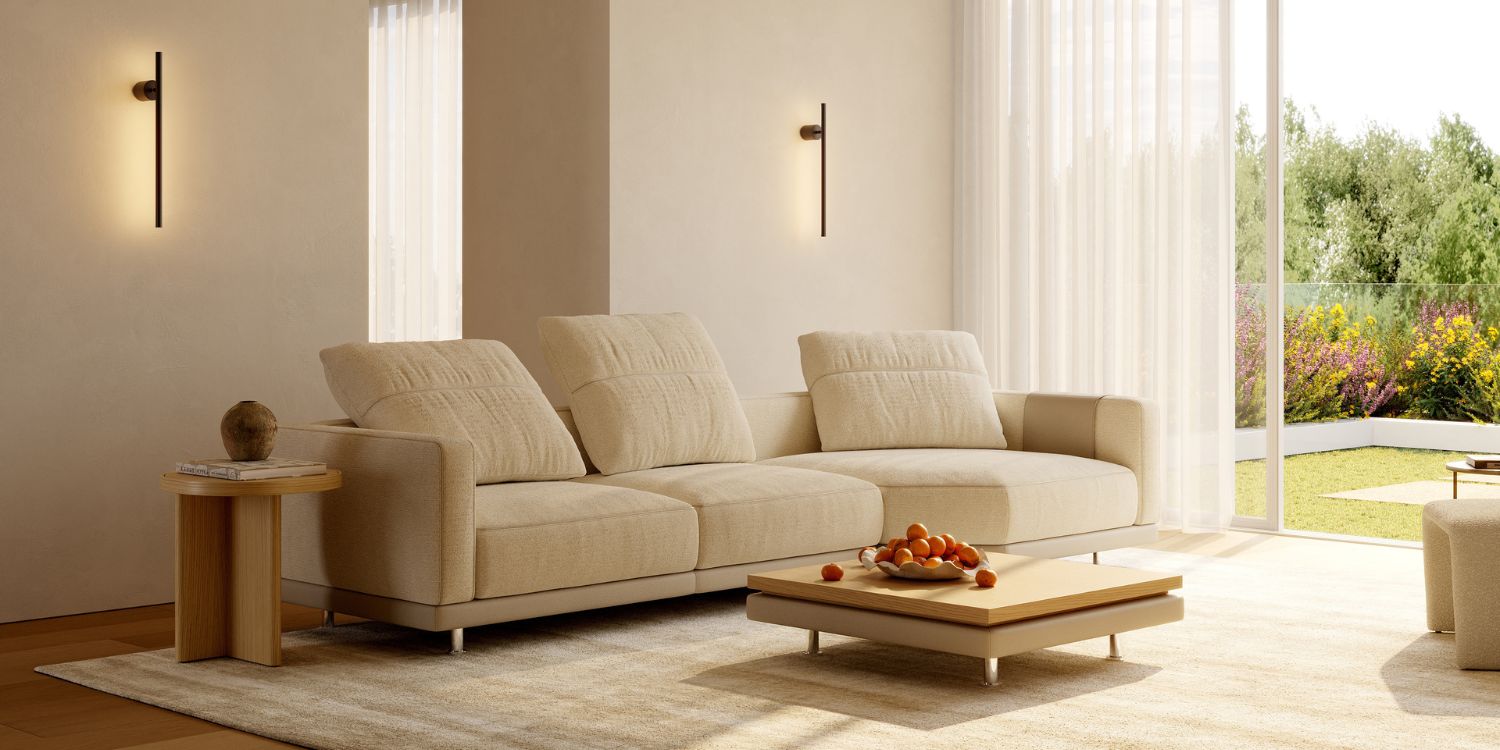


In any interior design project, the sofa is more than a functional seating element – it is the visual and spatial anchor of the room. Whether in a private residence, a hospitality setting or a high-end rental property, the sofa often dictates the layout, tone and overall experience of the space.
For interior designers and architects, choosing the perfect sofa is a strategic decision. It requires balancing aesthetics with performance, aligning with the project’s concept and anticipating how the piece will be used over time. This guide explores how professionals approach sofa specification, offering practical insights for creating cohesive, enduring interiors.
1. Understanding the Space: Layout, Proportions and Spatial Flow
Before considering style or materials, the first step is to fully understand the space. A sofa must respond to the architecture, not compete with it.
Start by analysing the room’s proportions. Ceiling height, window placement, circulation paths and focal points – such as fireplaces or panoramic views – all influence sofa placement. In open-plan layouts, the sofa often acts as a zoning tool, subtly defining living areas without interrupting flow.
For smaller spaces or urban apartments, designers tend to prioritise lighter visual volumes – raised legs, slimmer arms and lower backs – to maintain a sense of openness. In contrast, larger residential or hospitality projects allow for more generous, sculptural pieces that reinforce the scale of the room.
Equally important is circulation. A well-chosen sofa should support intuitive movement through the space, ensuring at least 70–90 cm of clearance in high-traffic areas. This is particularly critical in hospitality or rental environments, where functionality must be immediately apparent.
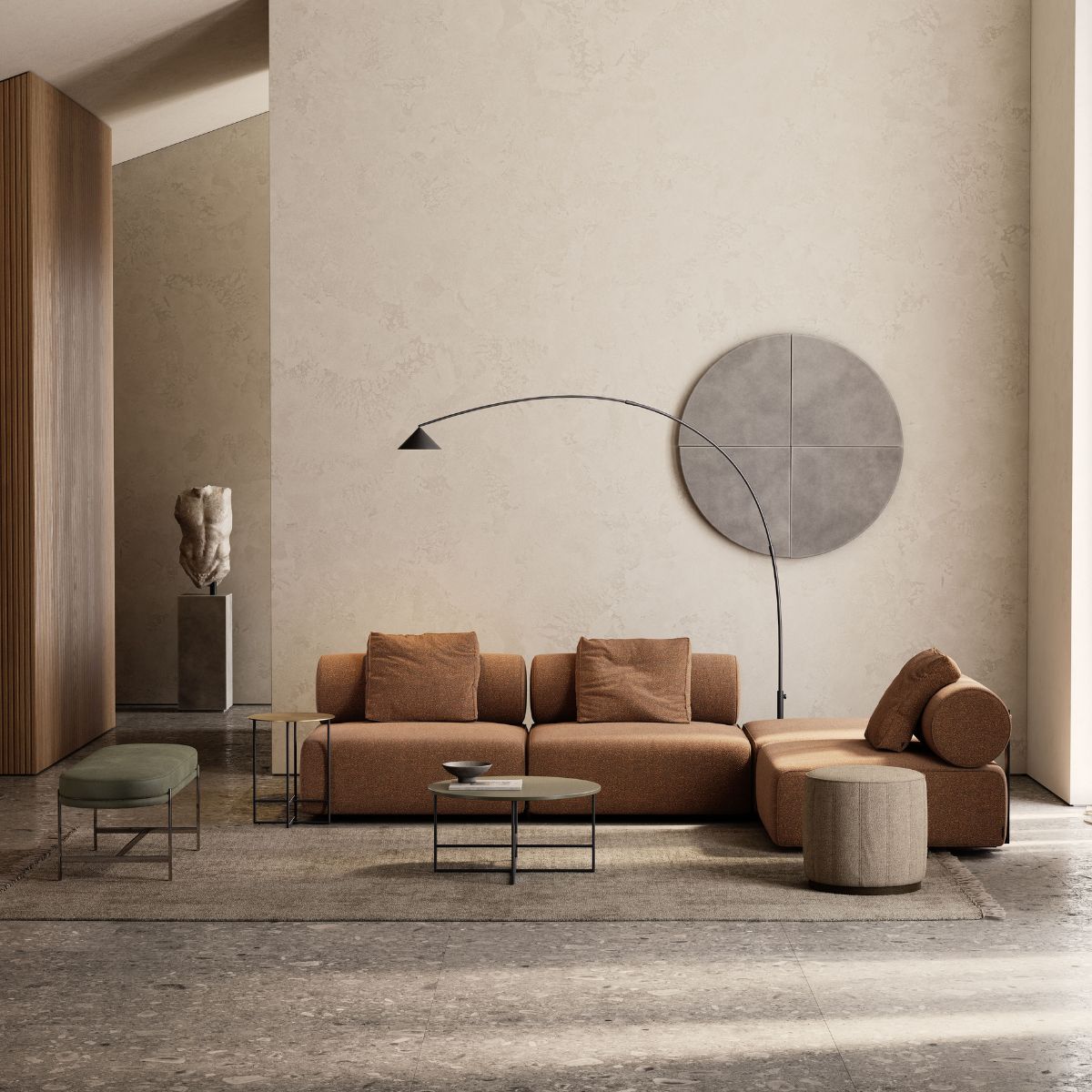
2. Choosing the Right Size & Configuration
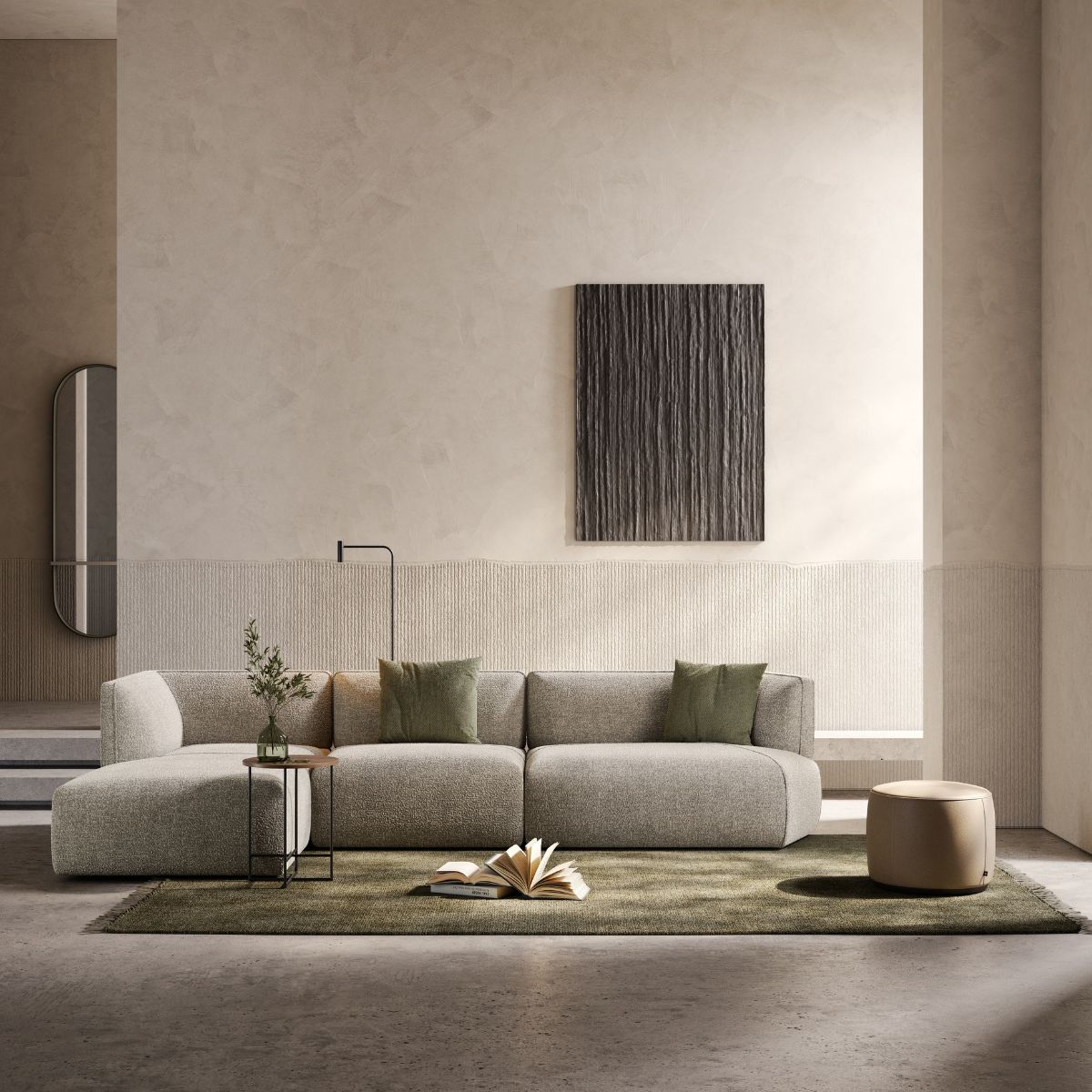
Proportion and Scale
Beyond configuration, scale must be carefully calibrated. A sofa that is too large overwhelms the room; too small and it loses presence.
Interior designers often use floor plans and 3D visualisations to test proportions before specification. Depth is another critical factor – deeper seats (around 100 cm) enhance comfort in relaxed settings, while shallower profiles (85–95 cm) suit more formal environments.
Modular, Sectional or Classic?
The configuration of a sofa is one of the most impactful decisions in any project.
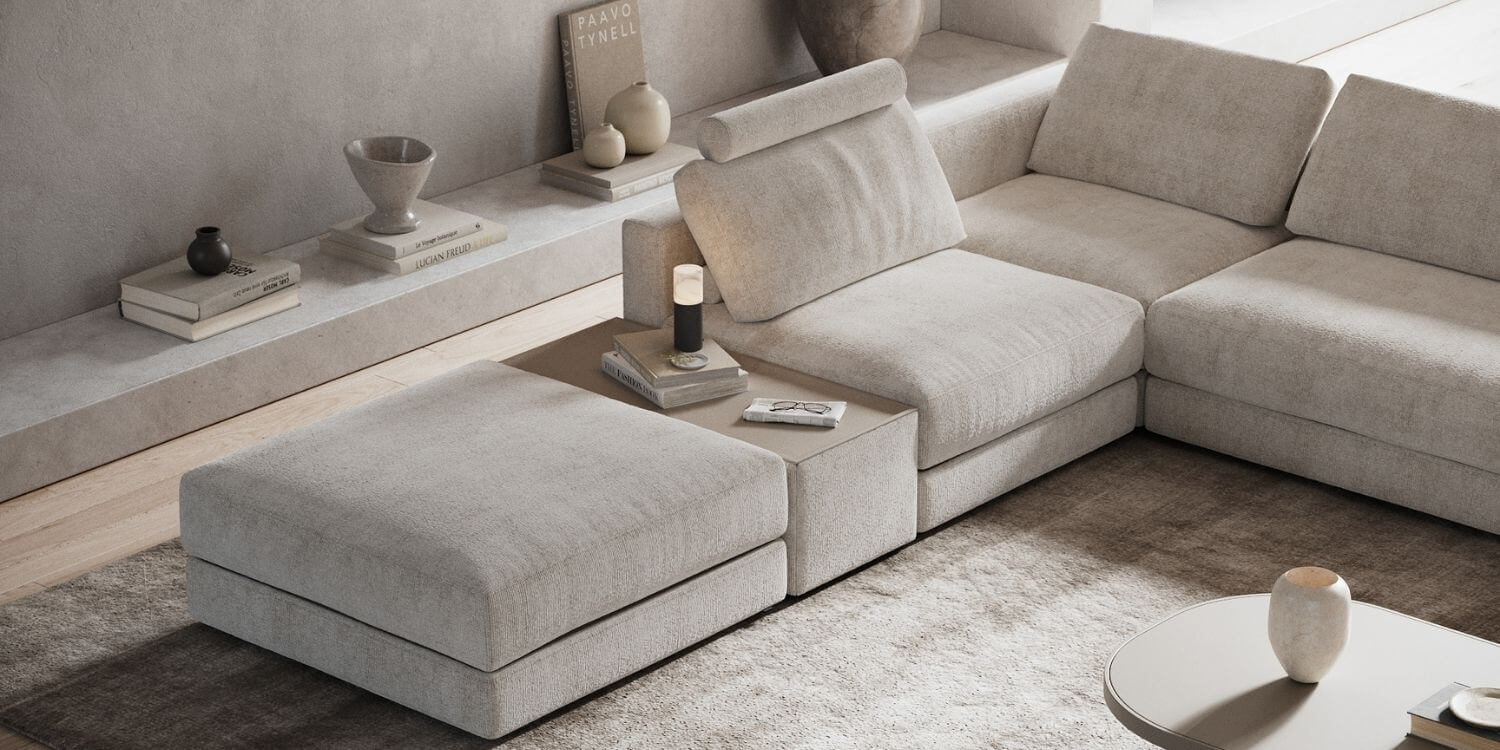
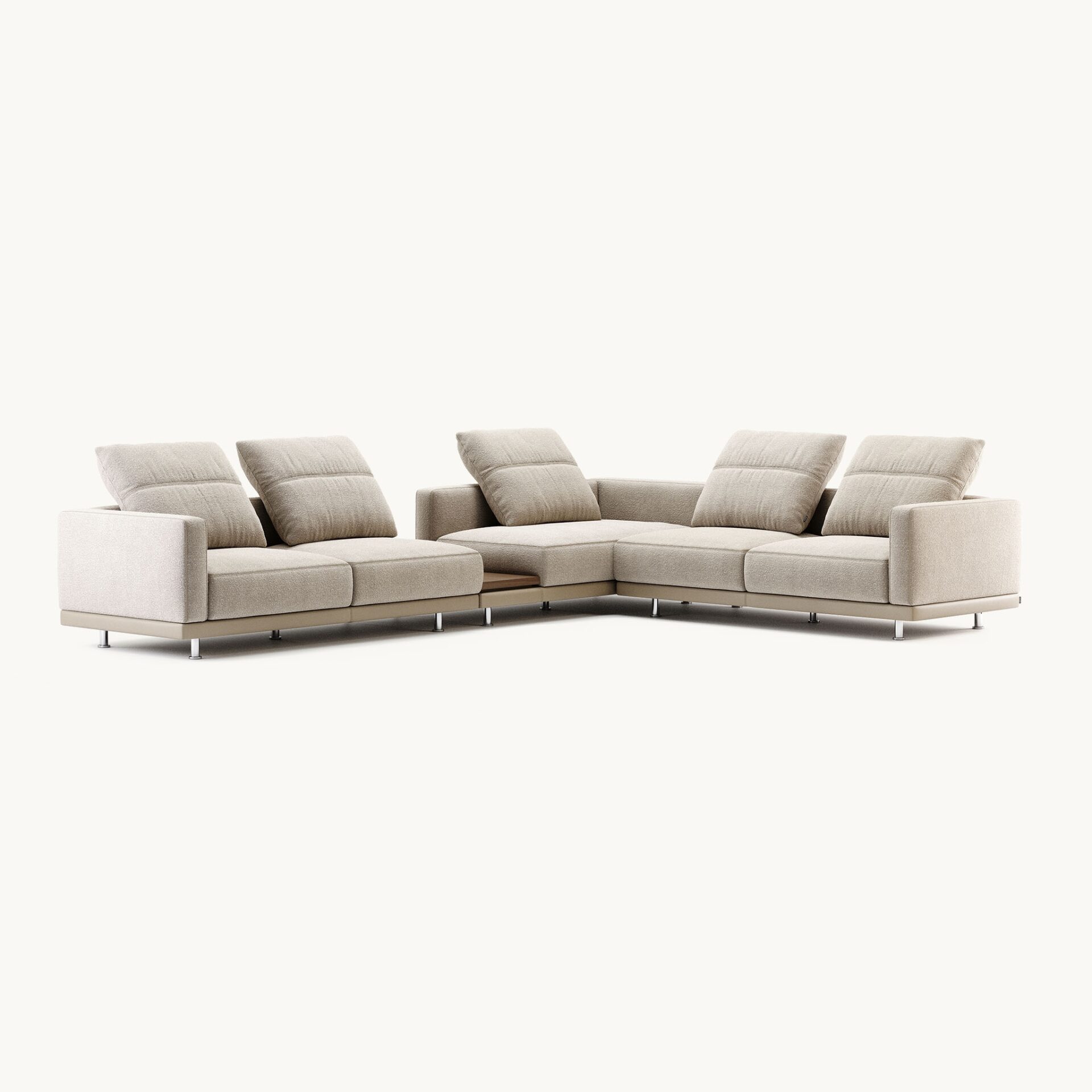
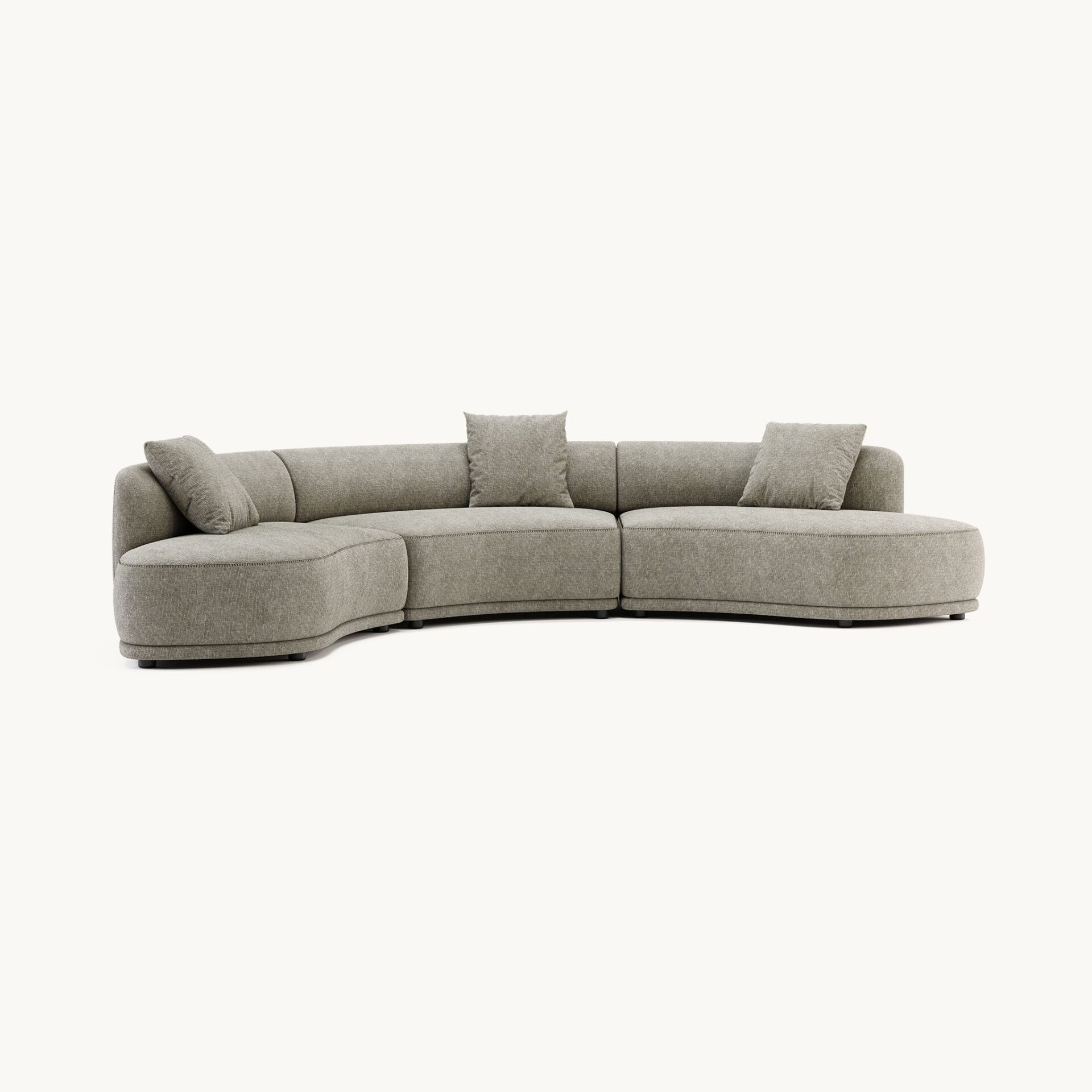
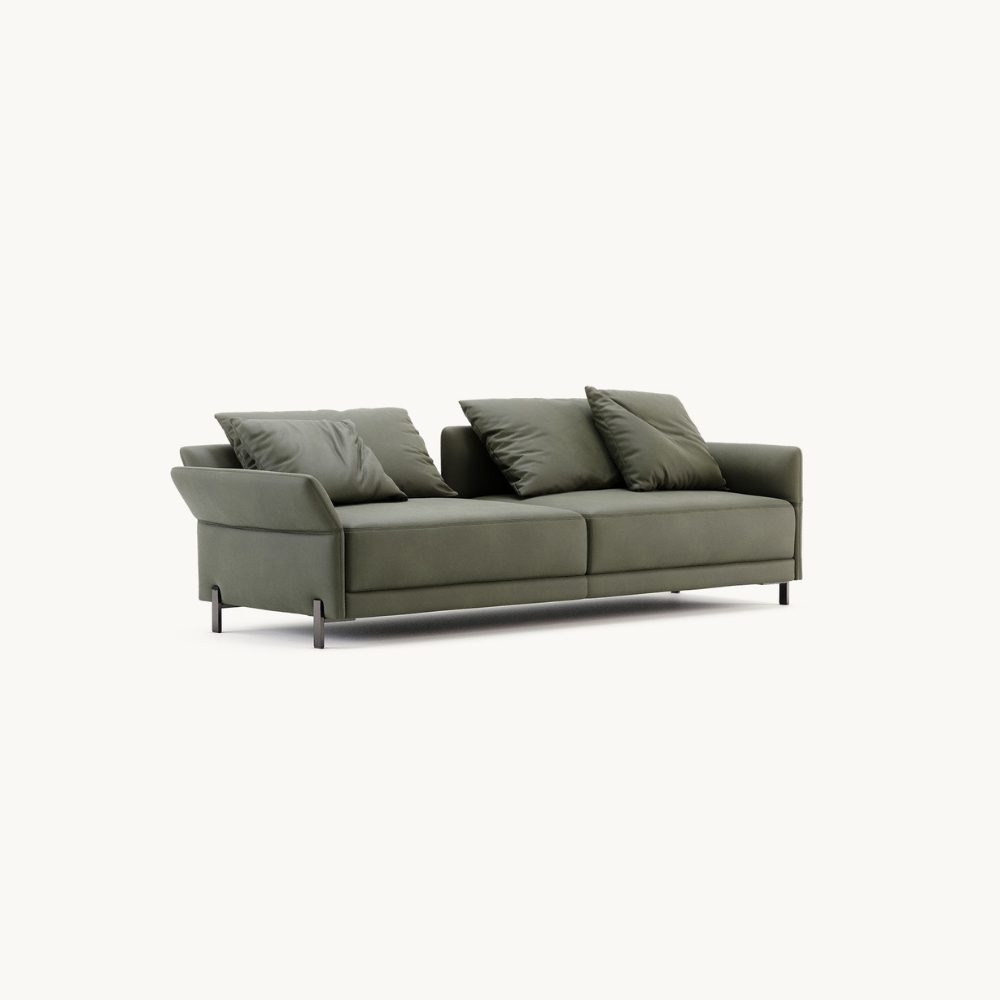
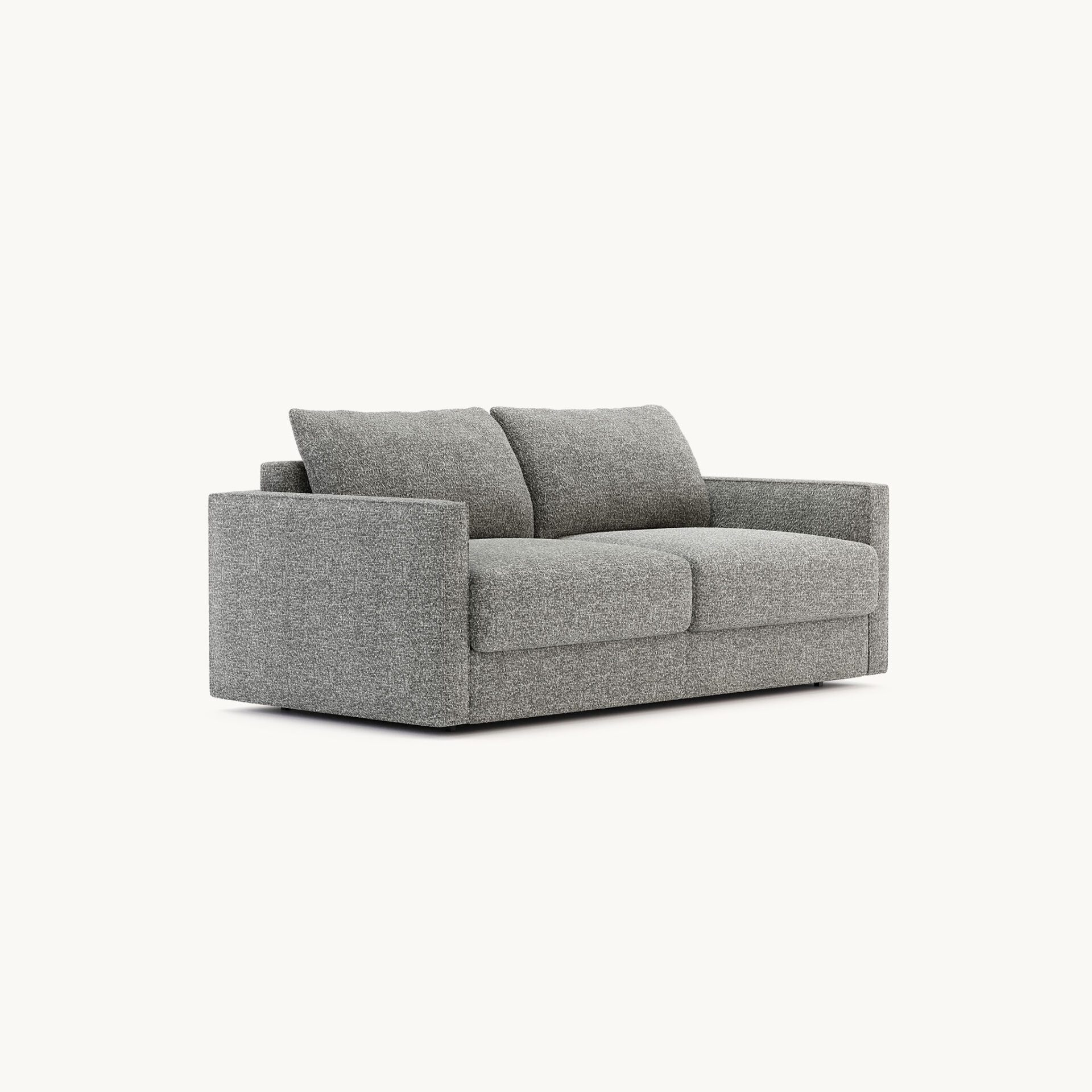
- Modular sofas offer maximum flexibility. Ideal for evolving spaces or projects where layouts may change over time, they allow designers to adapt compositions with ease. This is particularly valuable in high-end residential projects or serviced apartments.
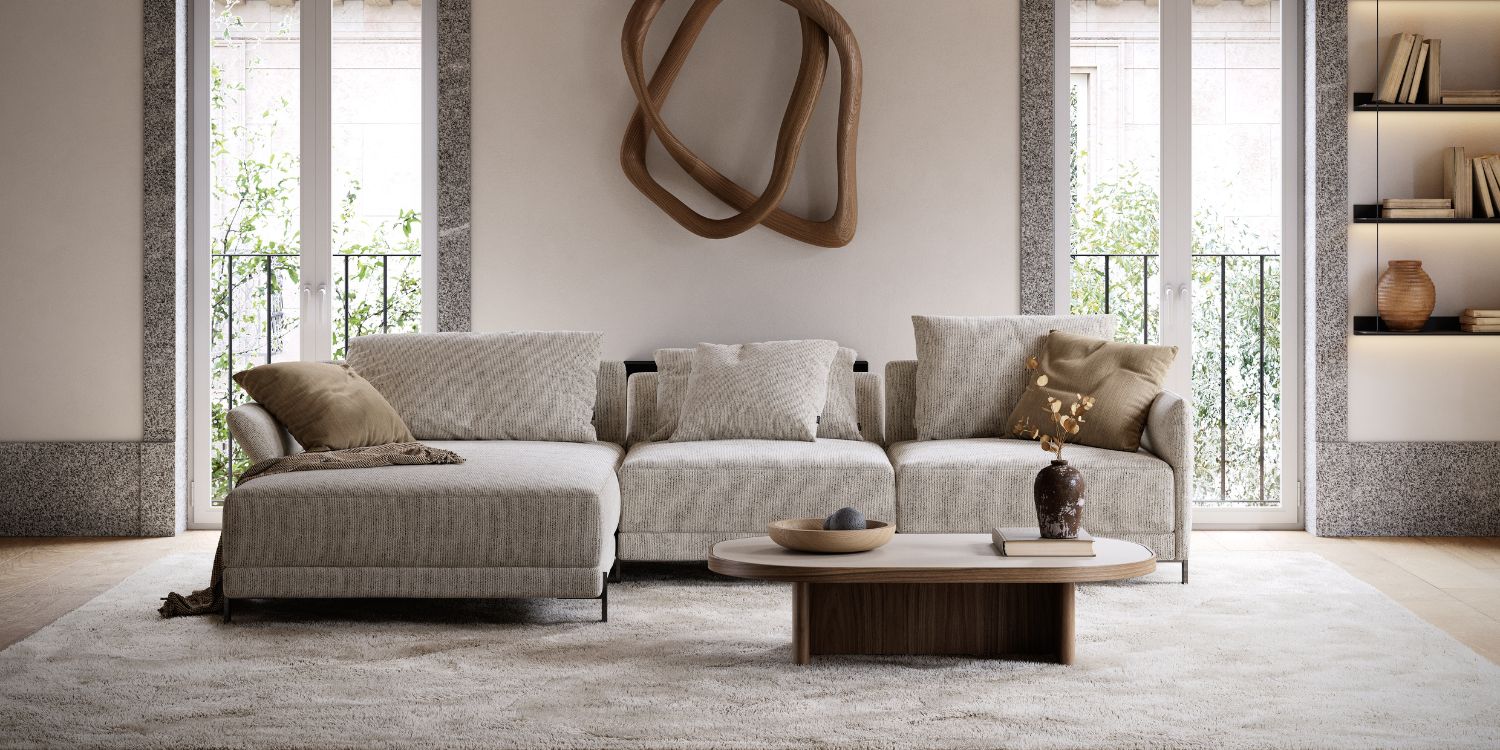
- Sectional sofas are well-suited for creating defined lounging areas, especially in open-plan living rooms. They encourage social interaction and provide generous seating, making them a strong choice for family homes or hospitality lounges.
- Classic linear sofas remain a timeless solution. Their versatility makes them ideal for more formal living rooms, boutique hotels or projects where symmetry and restraint are key.
EXPLORE OUR SOFAS
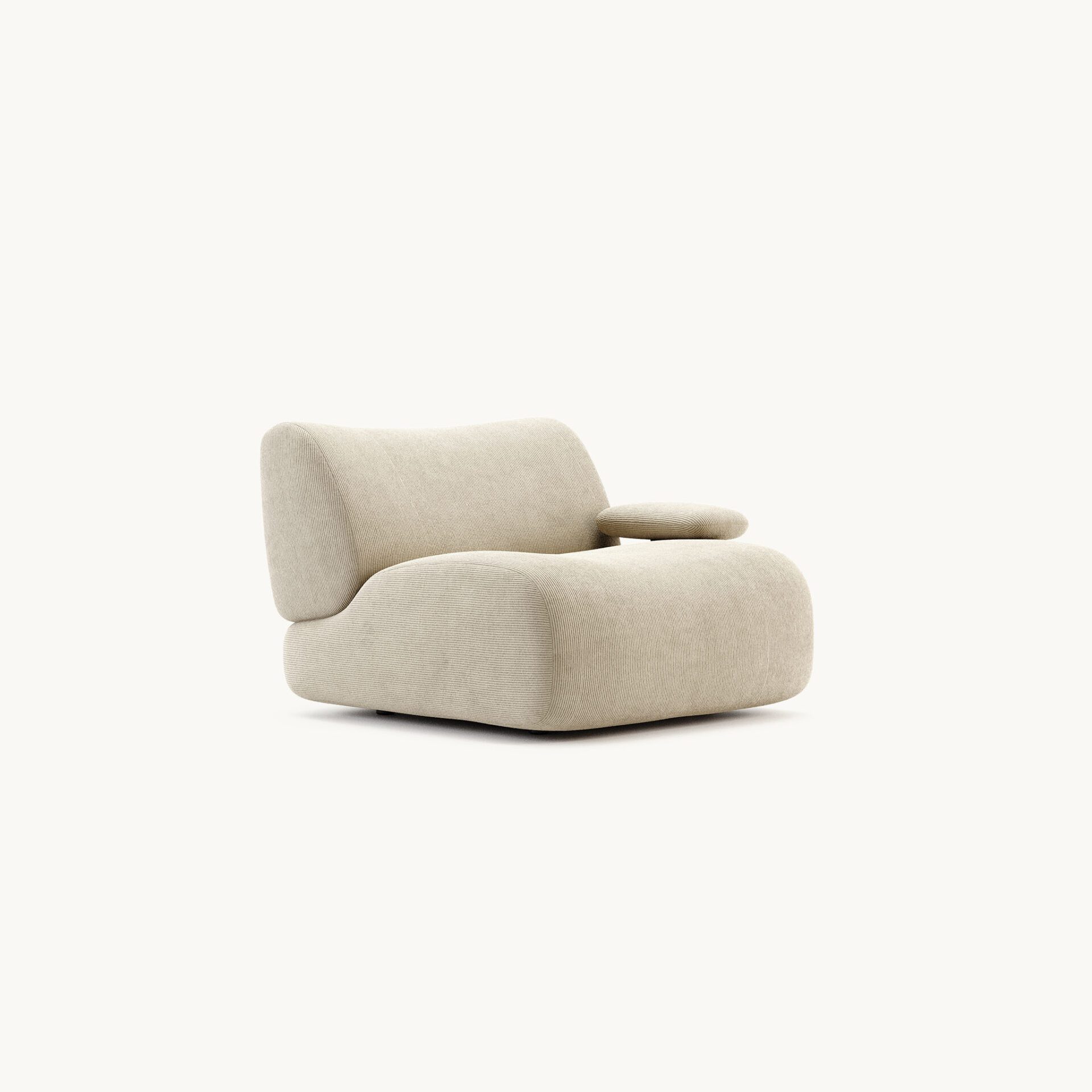
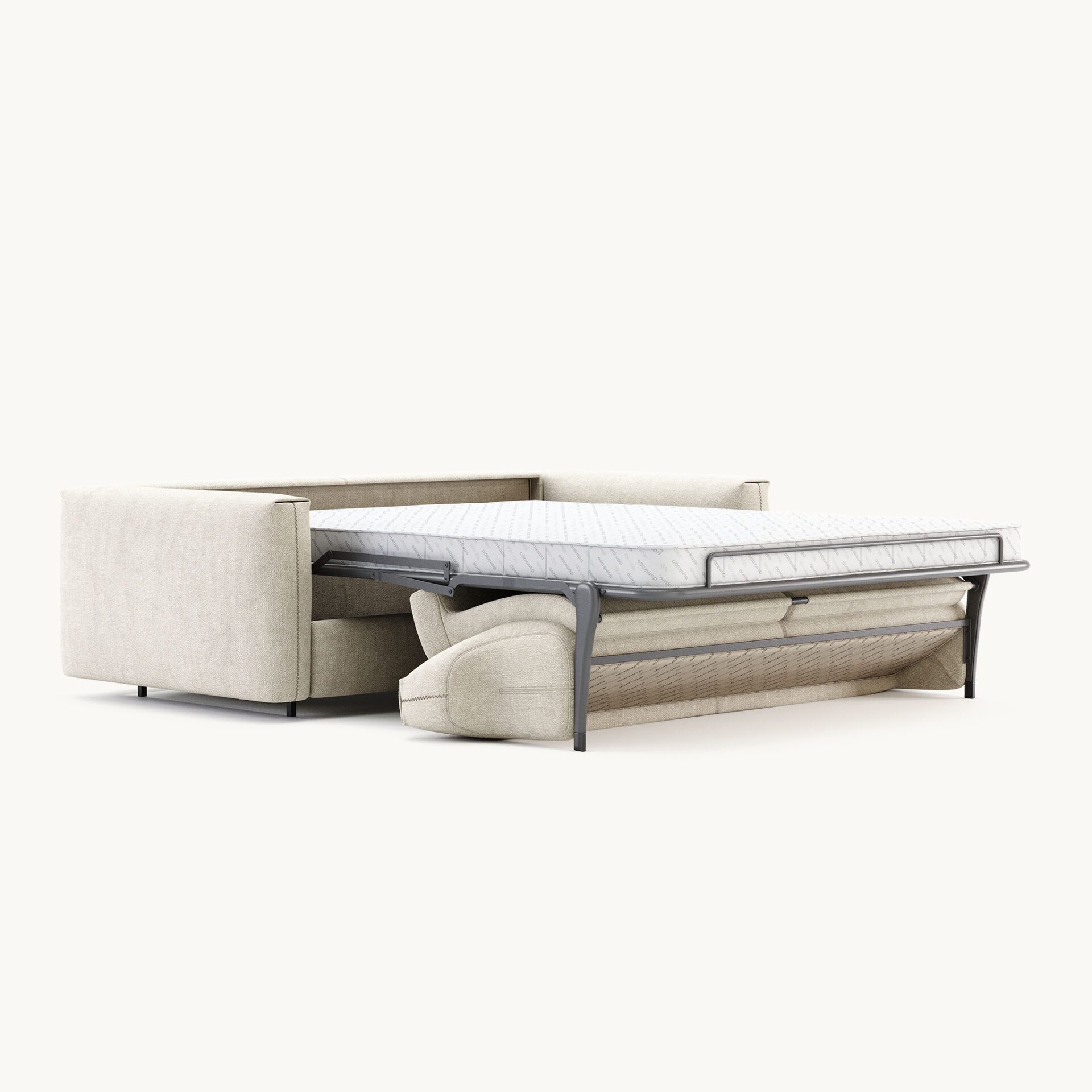
3. Comfort vs Aesthetics: Finding the Right Balance
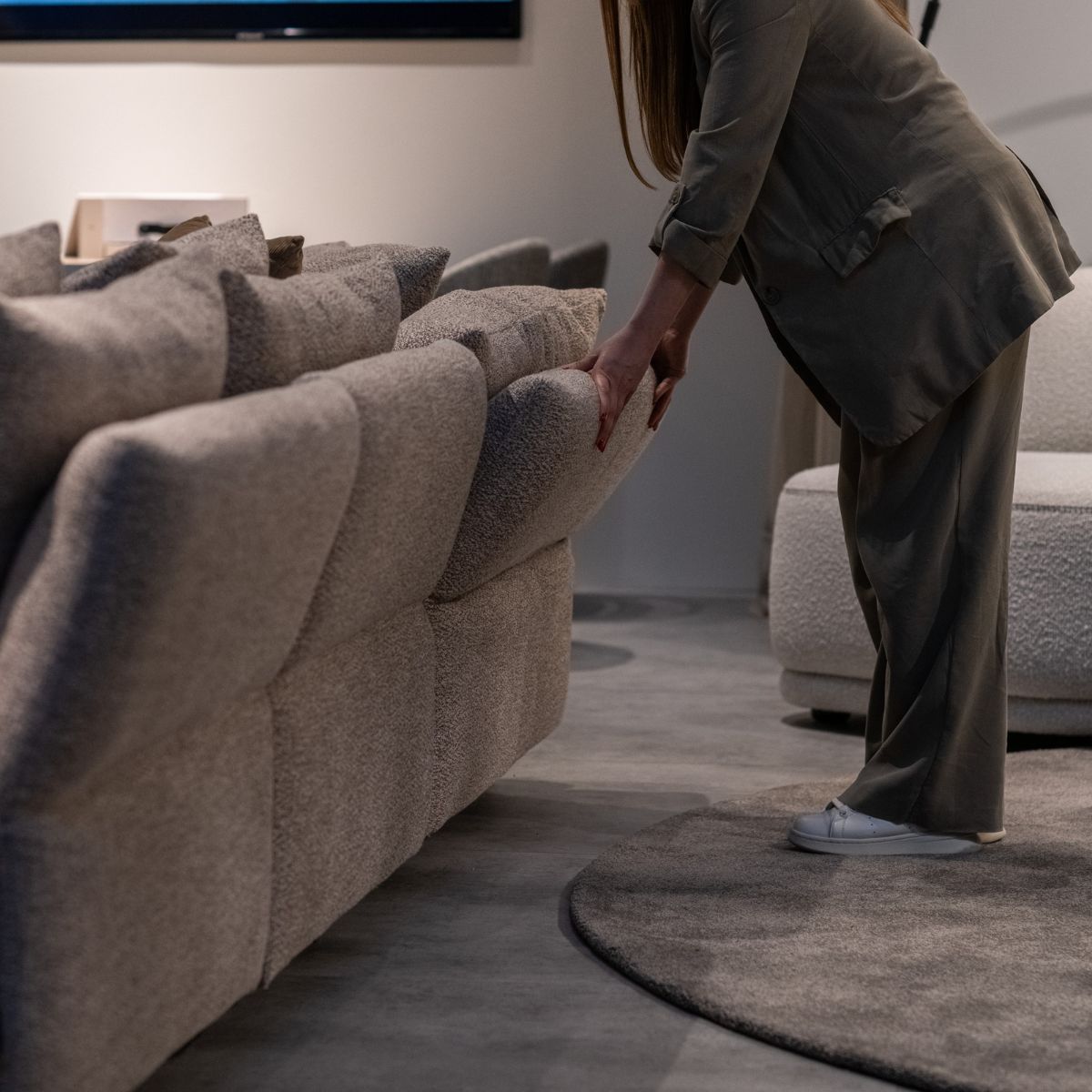
A visually striking sofa that lacks comfort will ultimately fail in real-world use. Conversely, an overly plush design may compromise the intended aesthetic.
Professional designers approach this balance with precision. Seat height, cushion density and back support all play a role in the user experience. For example:
- Residential projects often favour softer, more inviting seating;
- Hospitality environments require a balance – comfortable enough for extended use, but structured enough to maintain form over time;
- Rental properties benefit from medium-firm seating that accommodates a wide range of users.
Testing prototypes or sampling materials is a common practice in high-end projects. The goal is to ensure that comfort aligns with the design narrative rather than detracting from it.
4. Materials & Upholstery: Fabrics, Durability and Maintenance
Material selection is where aesthetics meet performance. For interior designers, this is one of the most critical aspects of the specification process.
Durability Considerations
In hospitality or rental projects, durability is non-negotiable. Abrasion resistance (measured in Martindale cycles), colour fastness and ease of cleaning should all be evaluated.
Leather is another popular choice, particularly in premium interiors. It ages beautifully and offers longevity but requires careful selection depending on the level of use.
Maintenance and Lifecycle
A well-specified sofa should maintain its appearance over time. Replaceable cushions and high-quality foam or feather fillings contribute to longevity.
Designers increasingly consider the full lifecycle of a piece – how it will age, how it can be maintained and whether it can adapt to future needs.
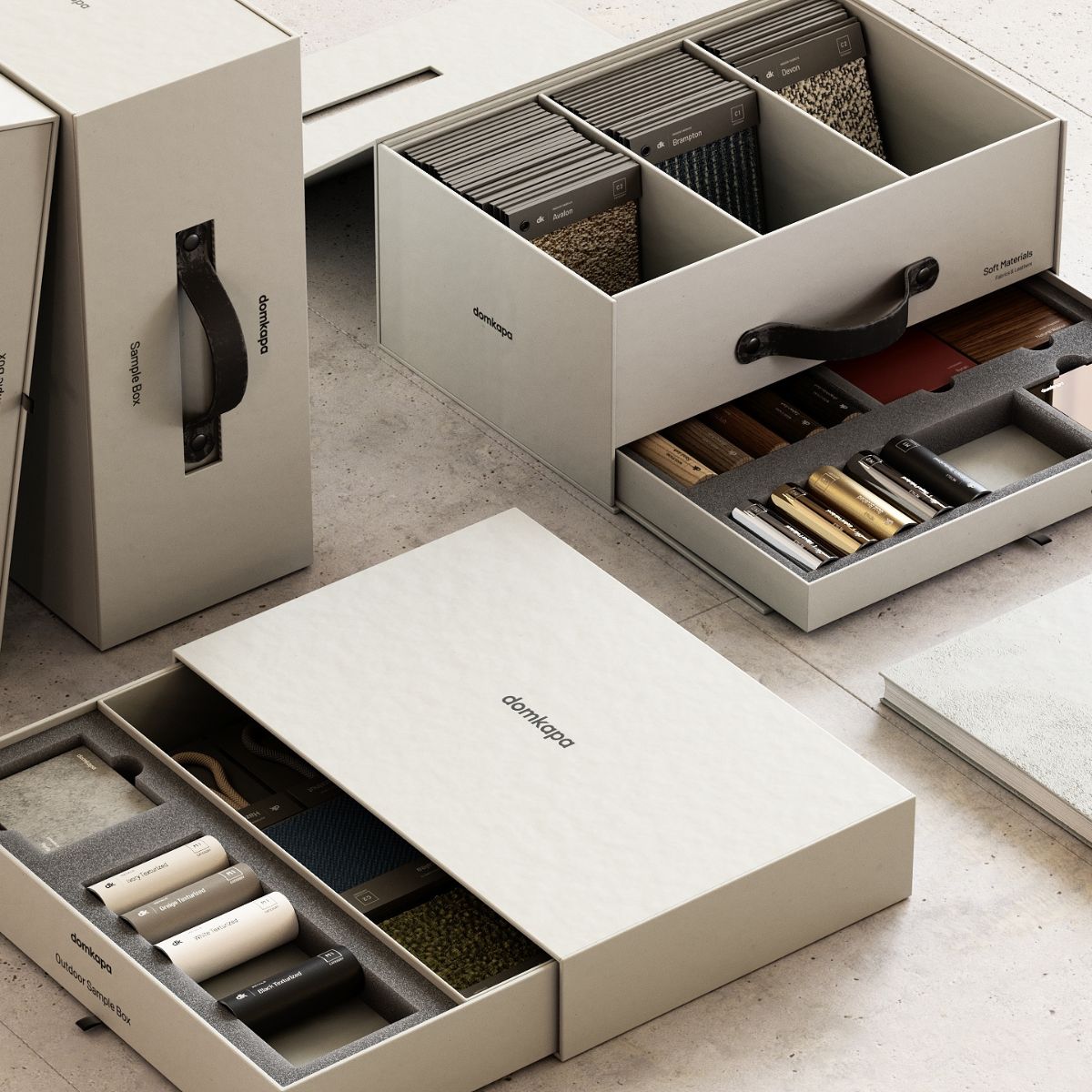
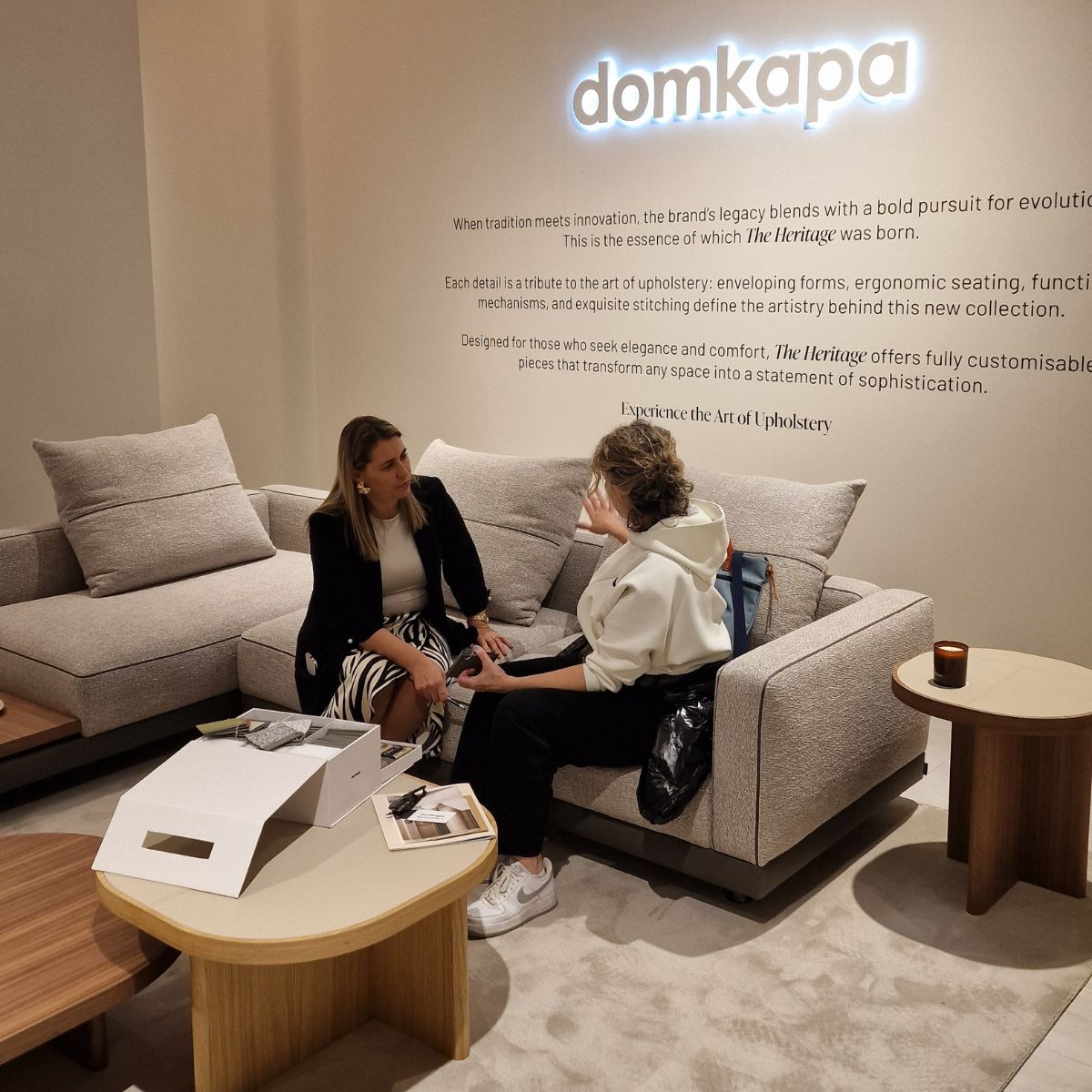
Fabric Selection
The choice of upholstery should reflect the concept and the context of the project:
- Natural fabrics like linen and cotton offer a relaxed, tactile quality but may require more maintenance;
- Velvets and textured weaves add depth and sophistication, often used in statement pieces or formal settings;
- Performance fabrics are essential for high-traffic areas, offering stain resistance and durability without compromising on design.
5. Style & Design Language: Defining the Interior
The sofa often sets the tone for the entire project. Its form, detailing and materiality communicate the design language at a glance.
In contemporary interiors, clean lines and refined proportions dominate, often enhanced by subtle details such as stitching, piping or metal accents. In more expressive spaces, curved silhouettes and bold upholstery choices create a stronger visual statement.
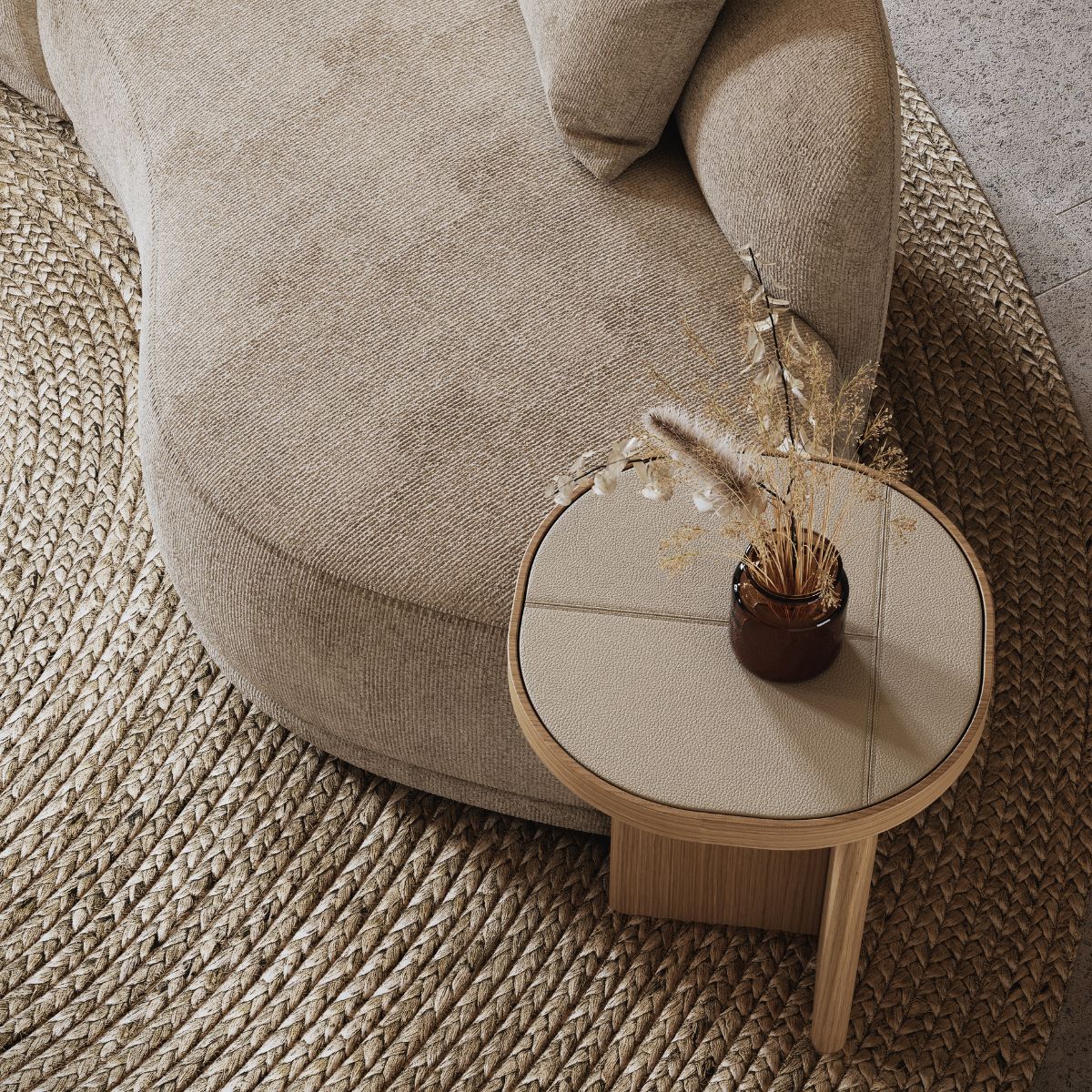
Importantly, the sofa should not exist in isolation. It must integrate seamlessly with other elements – coffee tables, lighting, textiles and architectural features – creating a cohesive narrative.
For interior designers, this means considering the sofa as part of a broader composition rather than a standalone object.
6. Customisation & Versatility: Adapting to Different Projects
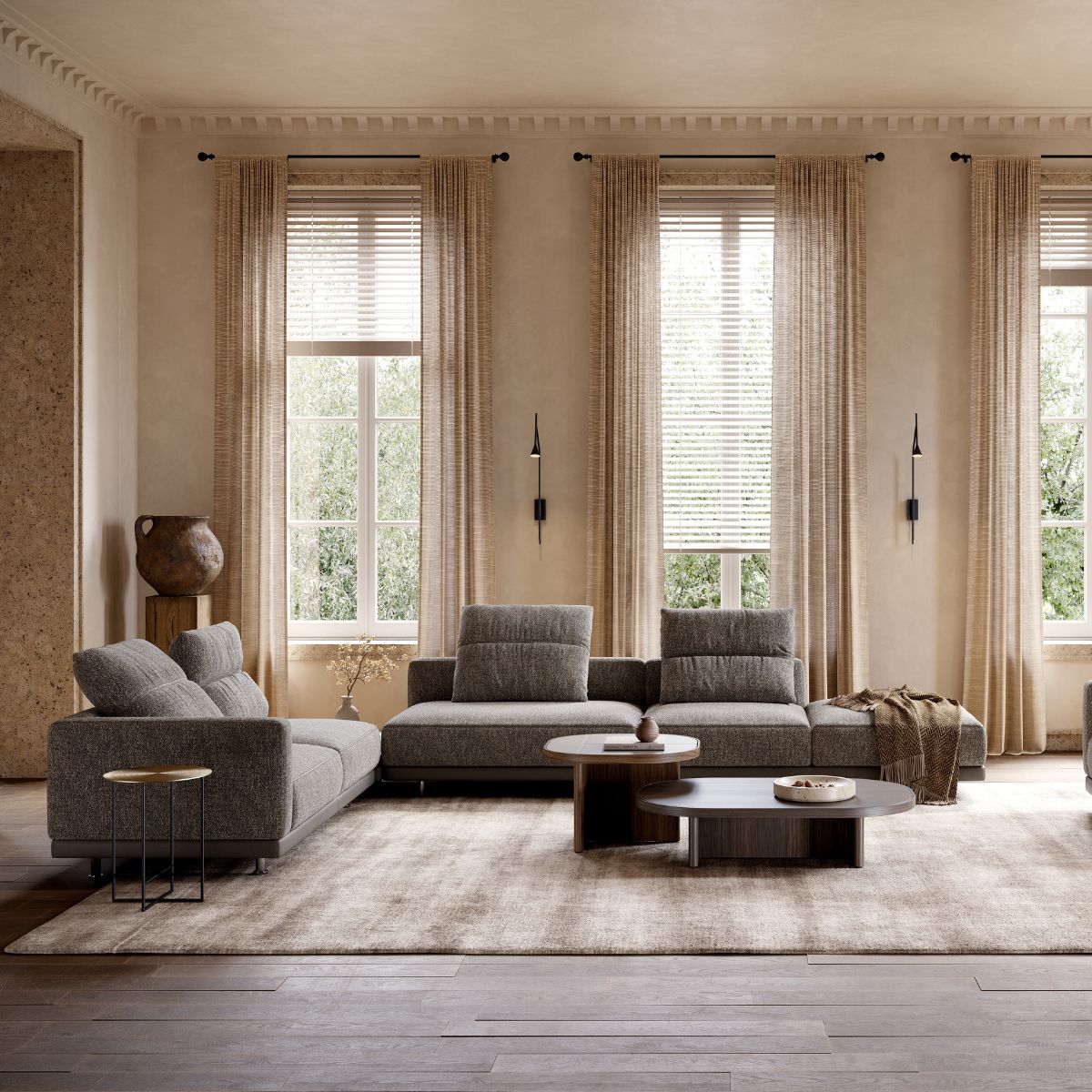
One of the defining characteristics of premium furniture is the ability to customise. For professionals, this is not a luxury; it is a necessity.
Customisation allows designers to tailor dimensions, materials, finishes and configurations to the specific needs of each project. This is particularly valuable when working with unique layouts or demanding clients.
Versatility is equally important. A well-designed sofa system can adapt across different contexts:
- A modular configuration that evolves with a residential project;
- A durable, elegant solution for a boutique hotel;
- A practical yet refined piece for a short-term rental.
This adaptability ensures that the sofa remains relevant, regardless of how the space is used over time.
Common Mistakes to Avoid

Even experienced designers can encounter challenges when specifying the perfect sofa. Some of the most common pitfalls include:
- Ignoring scale and proportion: A mismatch between sofa size and room dimensions can disrupt the entire layout;
- Overlooking comfort: Prioritising aesthetics at the expense of usability often leads to client dissatisfaction;
- Choosing unsuitable materials: Failing to consider durability and maintenance can result in premature wear;
- Neglecting circulation: Poor placement can hinder movement and reduce functionality;
- Underestimating customisation options: Standard solutions may not fully meet the needs of a bespoke project.
Avoiding these mistakes requires a holistic approach – one that considers design intent and practical performance.
A Thoughtful Approach to Sofa Selection
Choosing the perfect sofa is a nuanced process that goes far beyond aesthetics. It requires a deep understanding of space, user behaviour, material performance and design language.
For design professionals, the sofa is an opportunity to define the character of a project while ensuring long-term comfort and durability. By approaching the selection process with intention – balancing form, function and flexibility – it is possible to create spaces that feel refined and enduring.
In the end, the most successful projects are those where every element is considered. And when the sofa is thoughtfully specified, it becomes not just a piece of furniture but a cornerstone of the entire design narrative.
YOU MAY ALSO LIKE: A Selection Of Upholstered Poufs For The Most Demanding Interior Projects
We are working every day to bring you the most stylish ideas to fulfil your inspiration and to create the best interior design projects, so feel free to follow our Instagram Page and subscribe to our newsletter.