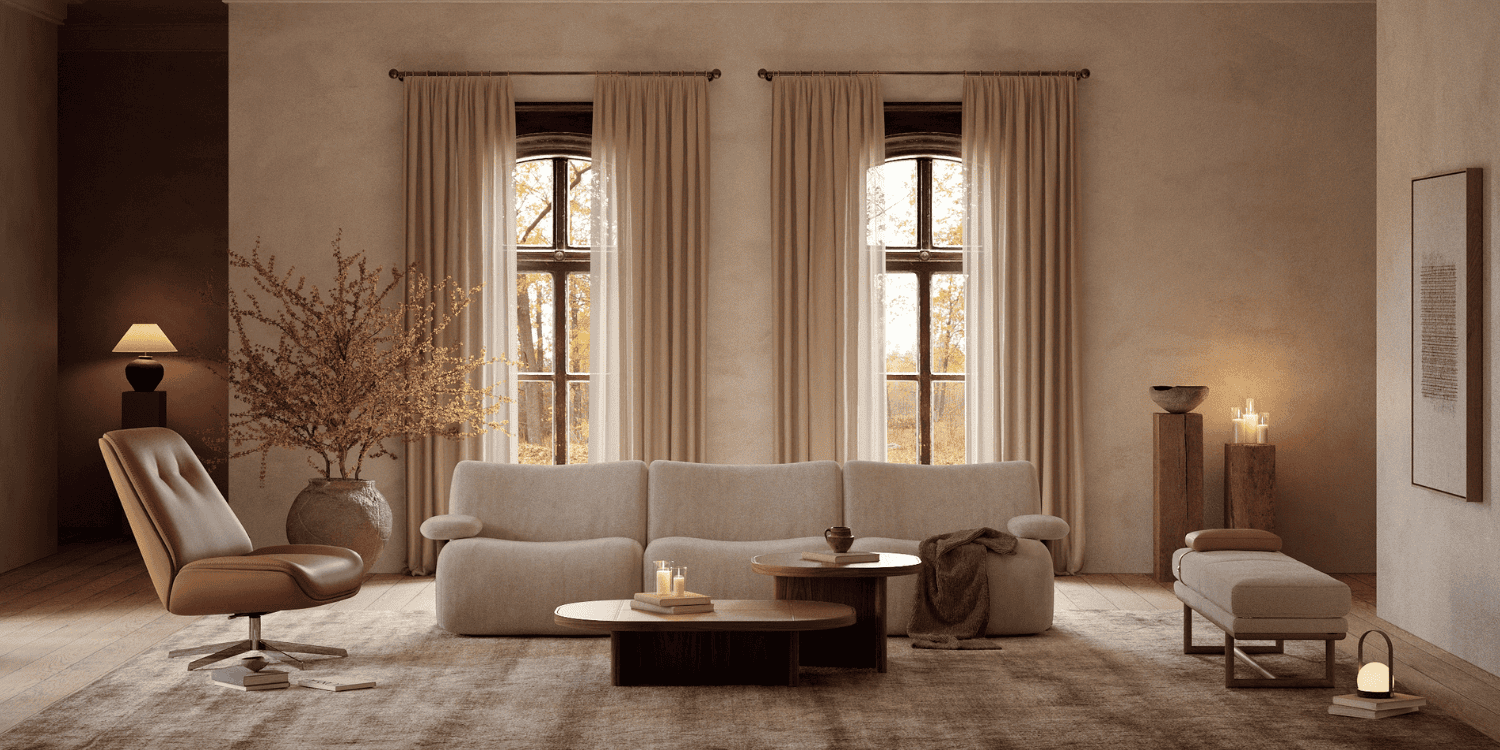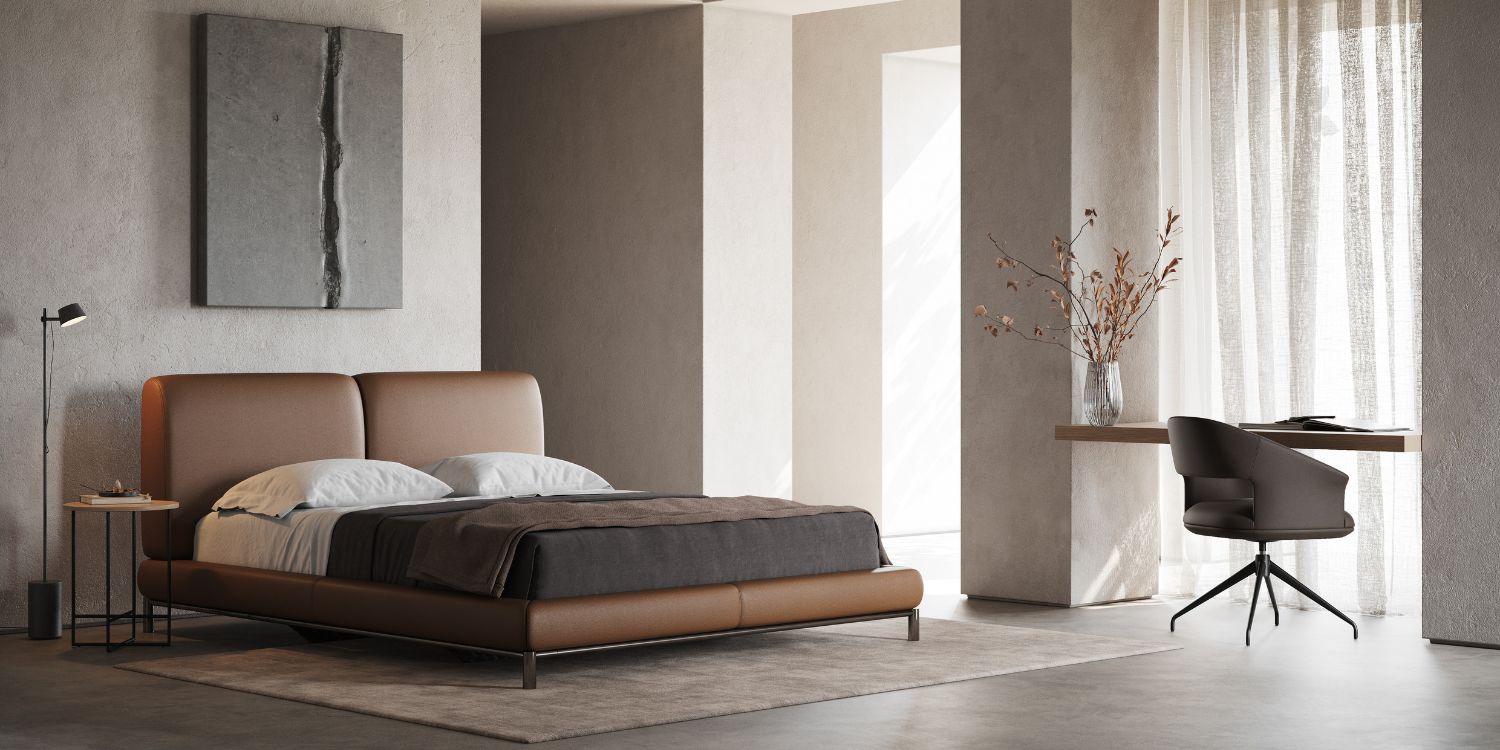


Furniture in 2026 is being shaped by a deeper shift in how people live, work, gather and rest. People no longer view the home as a single-purpose environment and hospitality spaces are increasingly expected to feel personal, restorative and emotionally intelligent. Across residential and contract projects, the most relevant furniture trends for 2026 reflect a simple but meaningful idea: design must do more than look refined. It must support wellbeing, adapt to changing routines and create a sense of ease.
This is why the direction of contemporary furniture design is moving away from short-lived visual statements and toward pieces with lasting value. Comfort is no longer treated as an afterthought. It is central to the brief. So too are sensory qualities, material honesty and forms that soften the atmosphere of a space. In this evolving landscape, luxury furniture trends are becoming less about excess and more about restraint, craftsmanship and emotional resonance.
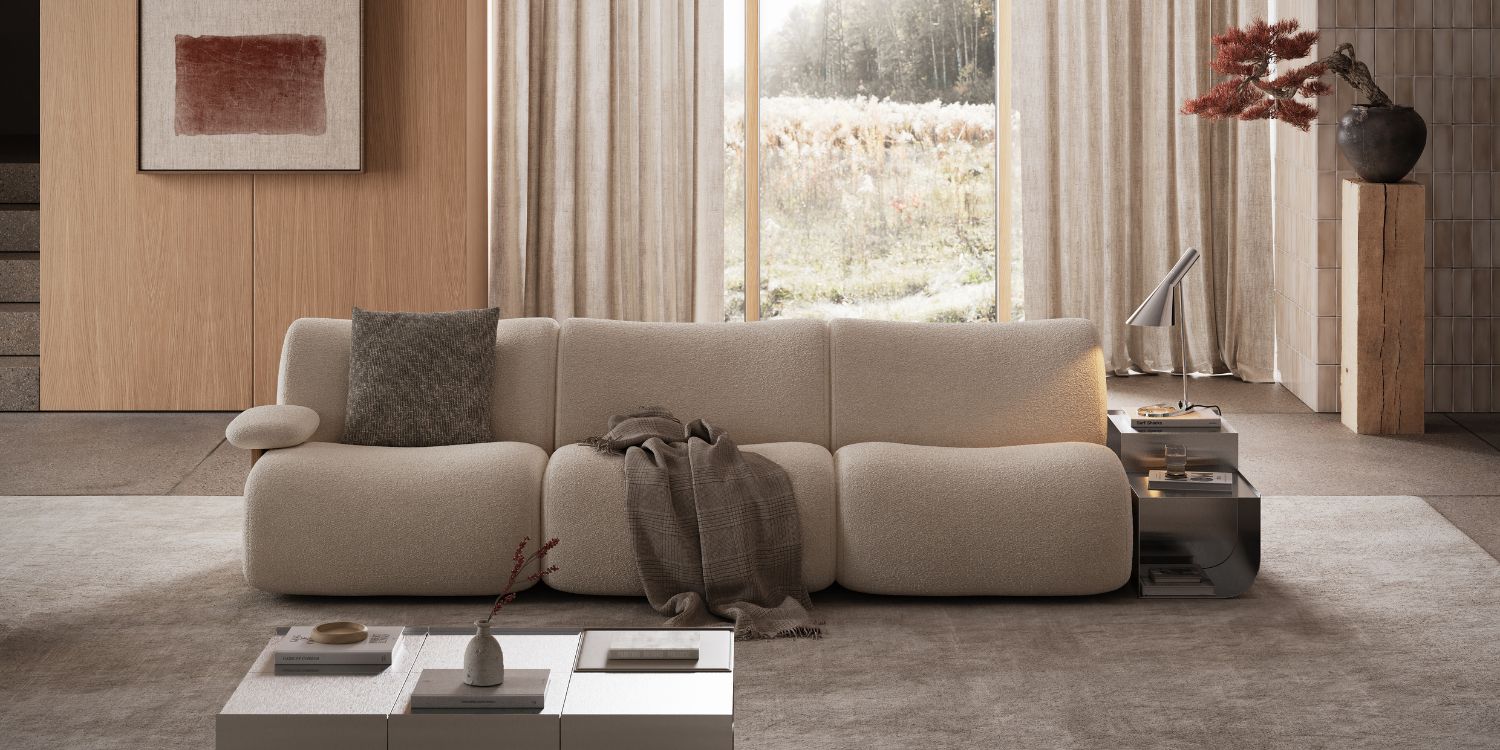
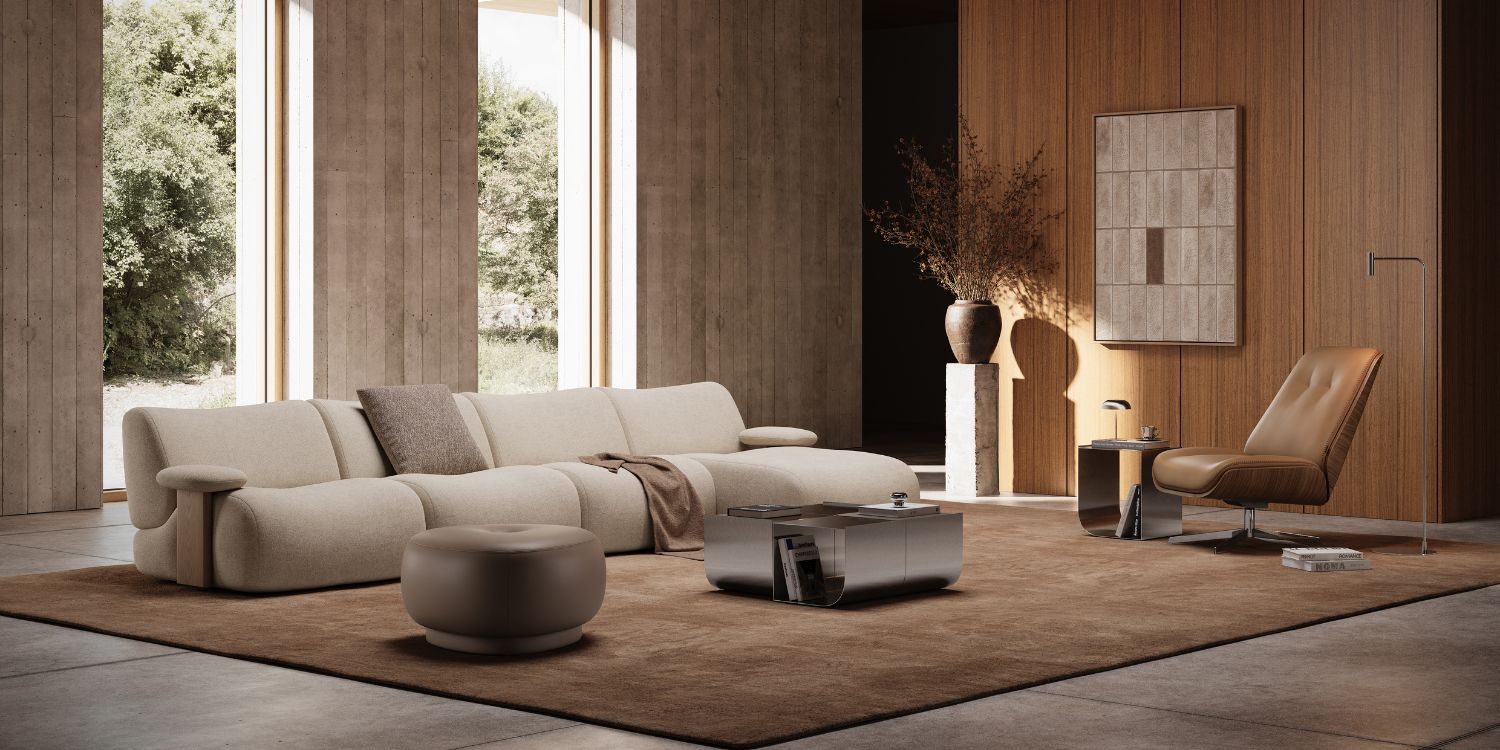
Our The Human Touch Collection captures this shift particularly well. Through pieces such as the Giorgio Sofa, Elodie Dining Table, Jules Pouf and Alton Armchair, the collection reflects a more human-centred approach to interiors that balances comfort, refinement and timeless relevance. It is a reminder that the future of furniture is not only about aesthetics but also about how a space makes people feel.
1. Human-Centred Comfort
Comfort as a design priority
Among the most defining interior design trends of 2026 is the growing demand for furniture that genuinely prioritises comfort. This is not just physical comfort, although ergonomics remain essential. It is also emotional comfort: the feeling that a room welcomes, supports and calms its occupants.
This trend is driven by broader behavioural shifts. As people spend more time at home, host in more intimate ways and seek refuge from overstimulated daily lives, furniture is expected to offer a stronger sense of well-being. Designers are creating deeper, more enveloping sofas. Dining chairs are being designed for longer, more relaxed moments around the table. Armchairs and poufs are being shaped to encourage pause, conversation and rest.
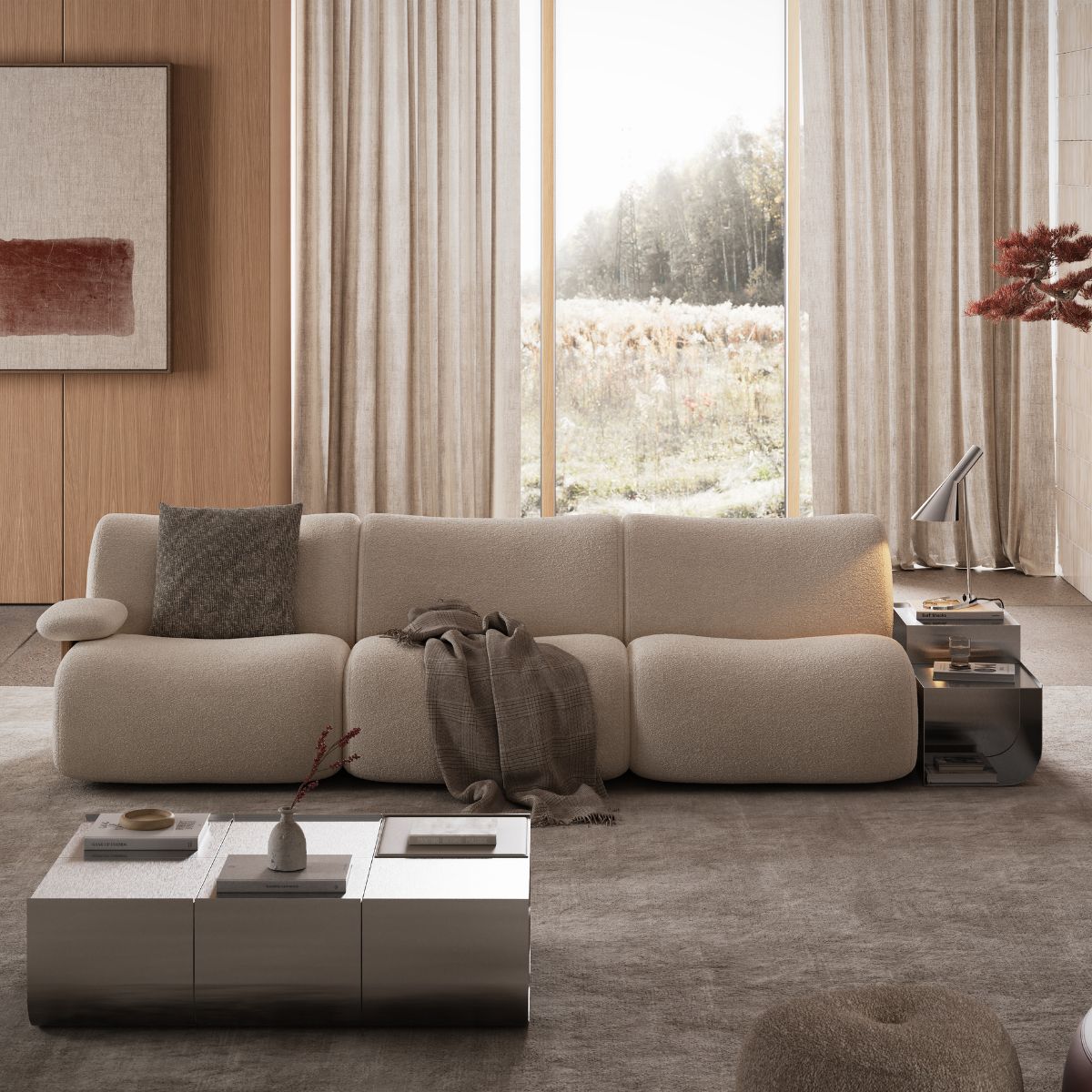
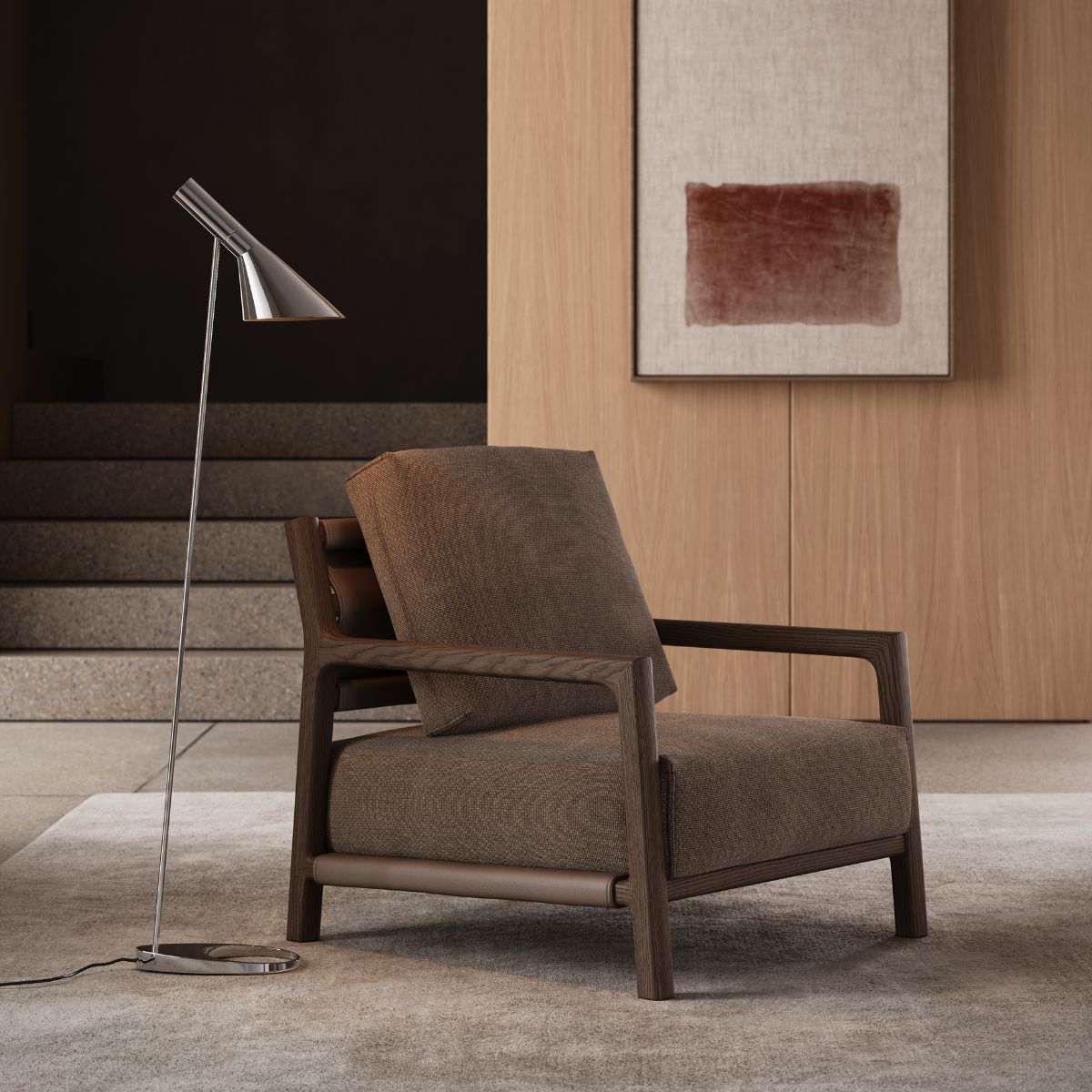
The Human Touch Collection speaks directly to this movement. The Giorgio Sofa, for instance, reflects the desire for upholstered pieces that feel generous without losing elegance. Likewise, the Alton Armchair embodies the balance between support and softness that contemporary interiors increasingly require.
For designers, the message is clear: comfort is no longer a finishing feature. It is a defining design principle.
2. Soft Sculptural Forms

Curves, continuity and visual calm
Soft sculptural forms continue to gain relevance in the furniture trends for 2026, but their appeal goes beyond a passing preference for curves. In a world defined by hard edges, digital saturation and constant motion, rounded silhouettes and organic volumes bring a welcome sense of calm. They create visual softness and help interiors feel more humane.
This trend is especially visible in seating, tables and accessory pieces that use continuous lines to create a more fluid spatial language. Curved furniture can make a room feel more open and approachable while also adding architectural interest. In hospitality settings, these forms often enhance the sense of privacy and intimacy. In residential projects, they create a more relaxed domestic atmosphere.
The appeal of soft sculptural furniture lies in its dual nature: it feels contemporary, yet timeless. It can be bold without becoming aggressive, refined without becoming cold. Domkapa’s design approach reflects this beautifully, particularly through pieces that combine graceful proportions with tactile upholstery and elegant contours.
3. Quiet Luxury & Timeless Design
Investment pieces with lasting relevance
If there is one unmistakable direction in luxury furniture trends, it is the move toward quiet luxury. This is a design language built on understatement, quality and longevity rather than visible excess. In 2026, many clients are seeking furniture that feels considered, enduring and intrinsically valuable.
This shift is closely connected to changing attitudes toward consumption. There is growing interest in buying fewer pieces, but choosing better ones. Furniture is increasingly expected to justify its place in a project not only through beauty but also through durability, versatility and long-term relevance. The result is a stronger appreciation for timeless design, elevated detailing and materials that age well.
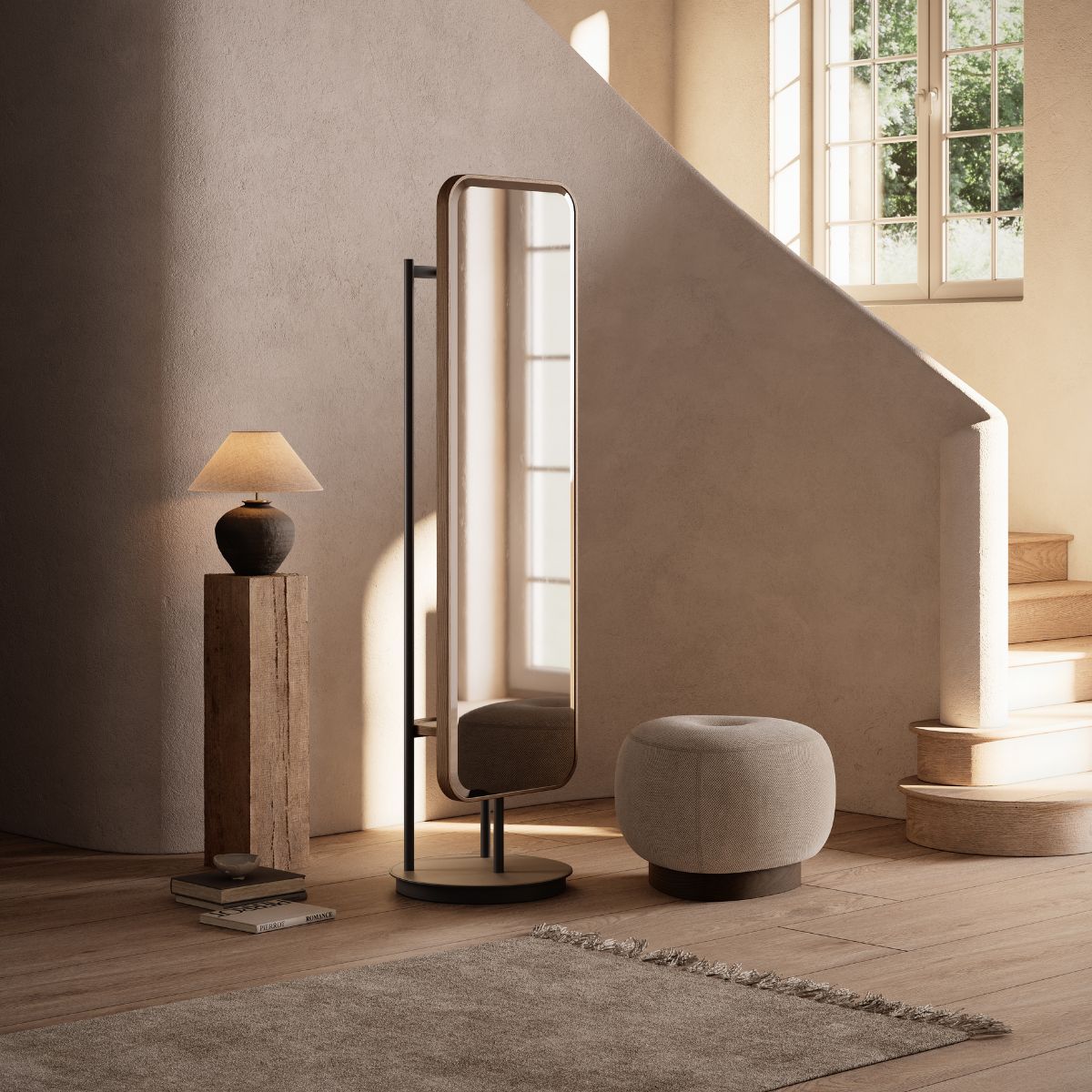
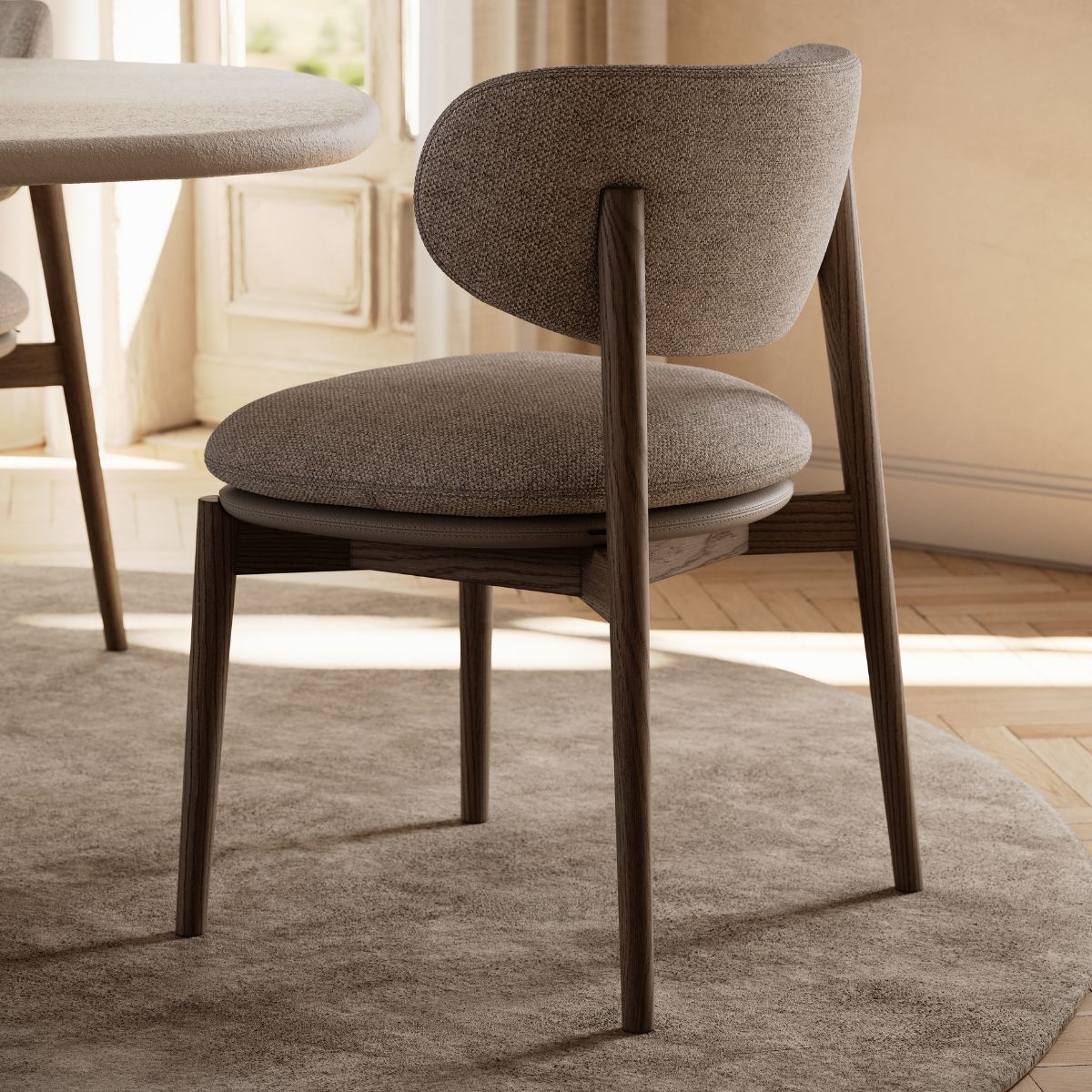
This is where contemporary furniture design becomes especially compelling. It must remain current without being tied to a single moment. It must offer enough character to define a room but enough restraint to remain relevant over time. Domkapa’s focus on refined craftsmanship and balanced aesthetics fits naturally into this context. The Human Touch Collection does not chase trends for trend’s sake; instead, it offers furniture that can move across styles and settings with ease.
For design professionals, the value of quiet luxury is strategic as well as aesthetic. It supports more future-proof interiors, reduces visual fatigue and creates spaces that feel composed rather than overdesigned.
4. Modular & Adaptable Furniture

Flexibility for changing lifestyles
Modular furniture design will remain central in 2026 because contemporary life rarely fits into fixed patterns. Homes are working as offices, lounges, guest spaces and social hubs. Hospitality environments are also becoming more fluid, with layouts that need to adapt to changing occupancy, activities and expectations.
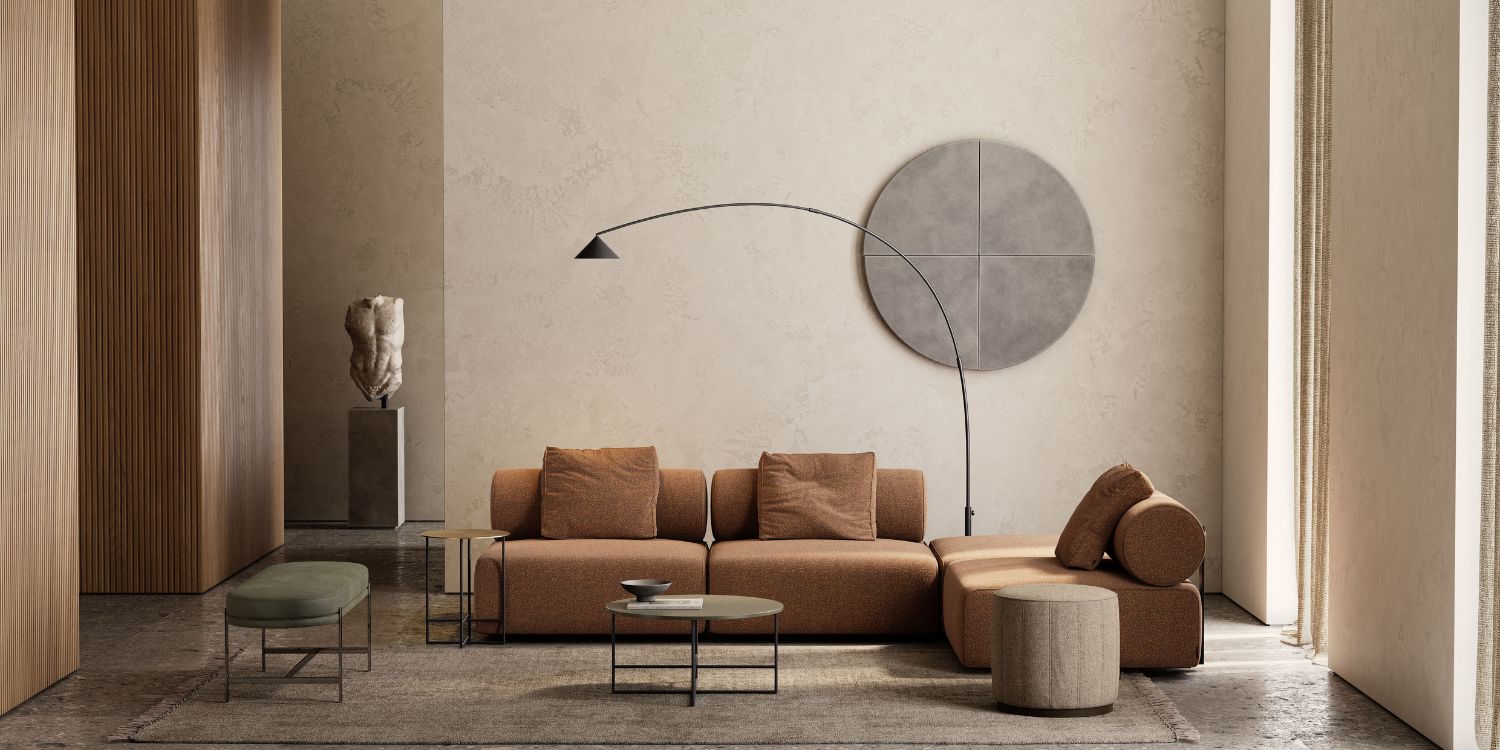
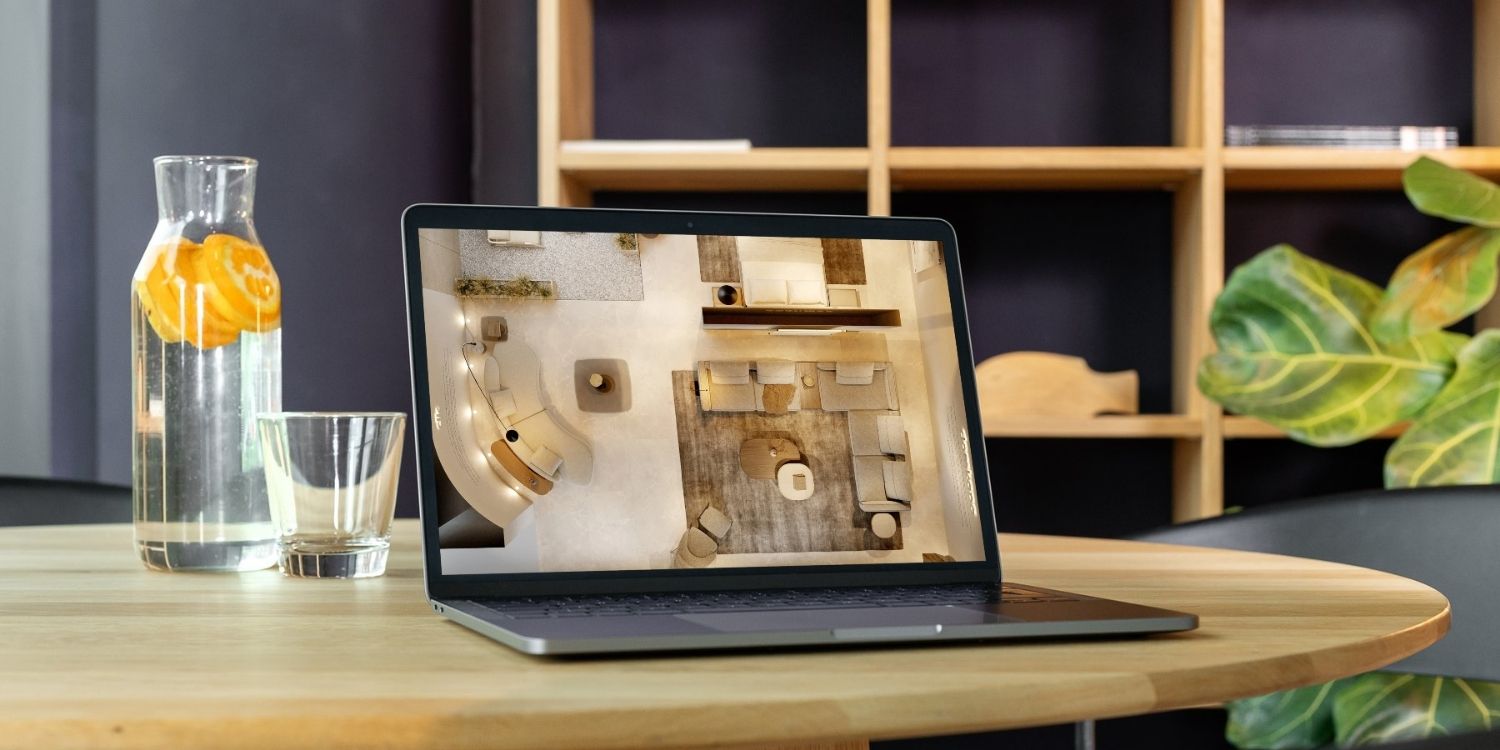
This is why adaptable furniture is becoming a critical part of the design conversation. Modular sofas, reconfigurable seating, multifunctional tables and versatile poufs all answer a growing need for flexibility. They allow interiors to evolve without requiring a complete redesign.
The appeal of modular furniture is not simply practical. It also reflects a more responsive and intelligent approach to space. Designers are now expected to create environments that feel considered in use, not just in image. Pieces such as the Jules Pouf show how small-scale furniture can contribute meaningfully to spatial adaptability, acting as seating, a soft accent or a transitional element within a larger composition.
In hospitality projects, modularity offers operational advantages as well. Furniture that can be rearranged or repurposed helps spaces remain efficient while preserving atmosphere. In residential projects, it gives clients the freedom to adjust a room as their needs change.
Adaptability is no longer a niche request. It is one of the clearest indicators of future-facing design.
5. Warm Minimalism
Minimalism is not disappearing, but it is evolving. In 2026, warm minimalism is becoming one of the most important interior design trends for 2026 because it offers a softer, more liveable interpretation of restraint. Rather than stark surfaces and visual emptiness, warm minimalism emphasises natural materials, tactile finishes and tonal subtlety.
This direction speaks to a broader desire for interiors that feel calm without feeling sterile. Wood, fabric, leather and stone-like finishes are being used to introduce depth and warmth. Forms remain clean, but not severe. The result is a more generous and approachable version of minimalism, one that accommodates everyday living.
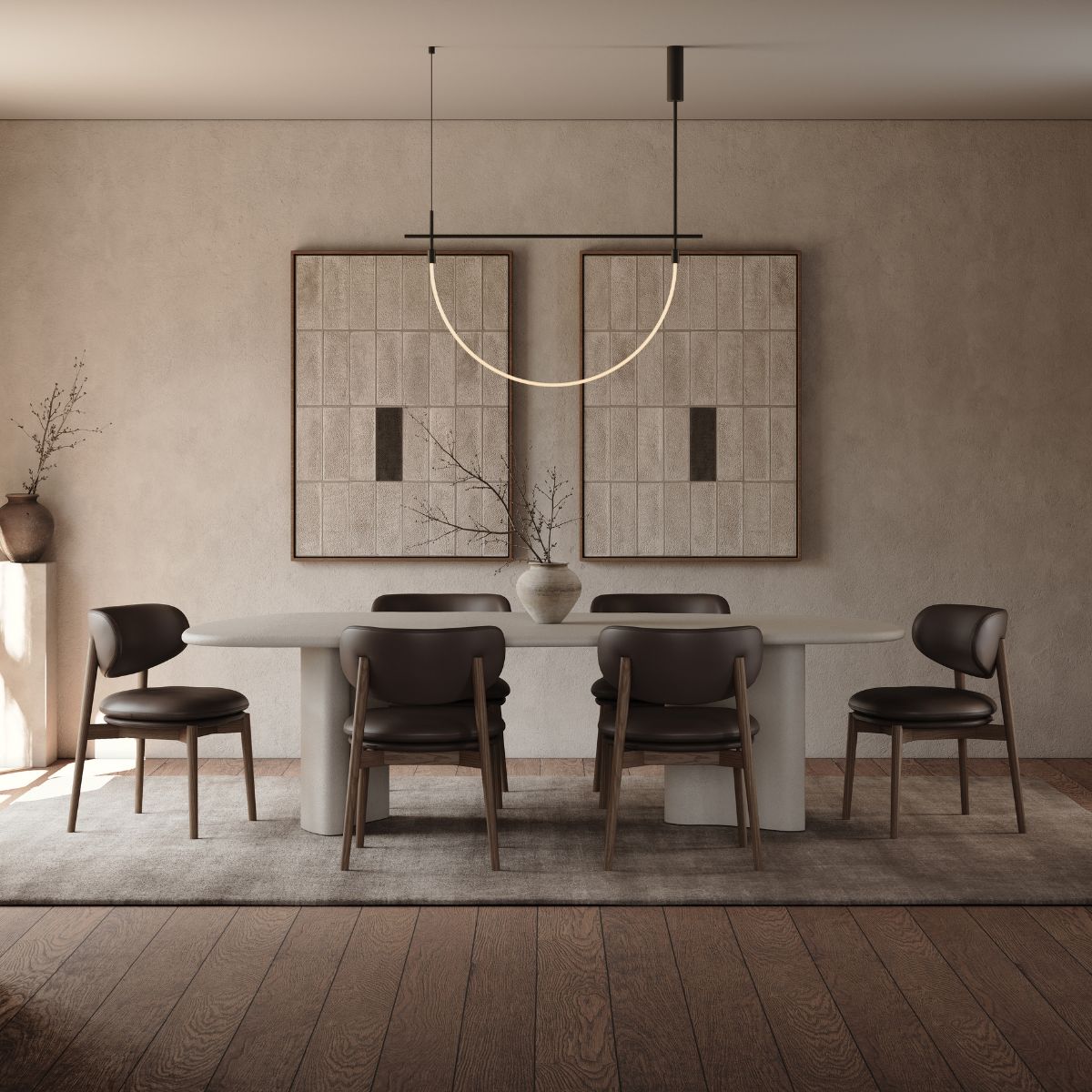
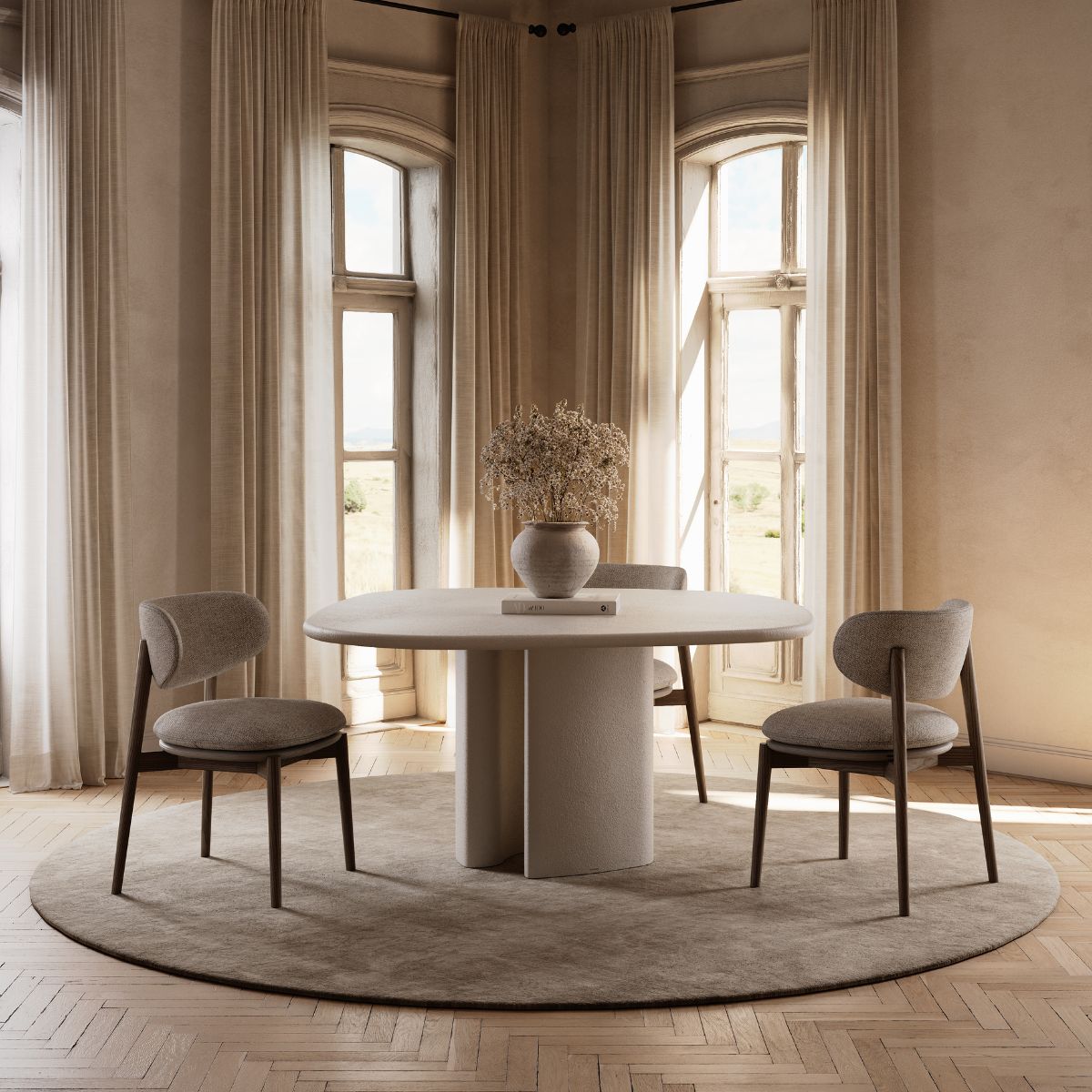
Warm minimalism is especially relevant in residential furniture design, where clients increasingly want spaces that feel peaceful and emotionally grounded. It is equally effective in hospitality interiors, where a sense of calm and sophistication can be created through reduced visual noise and thoughtful material combinations.
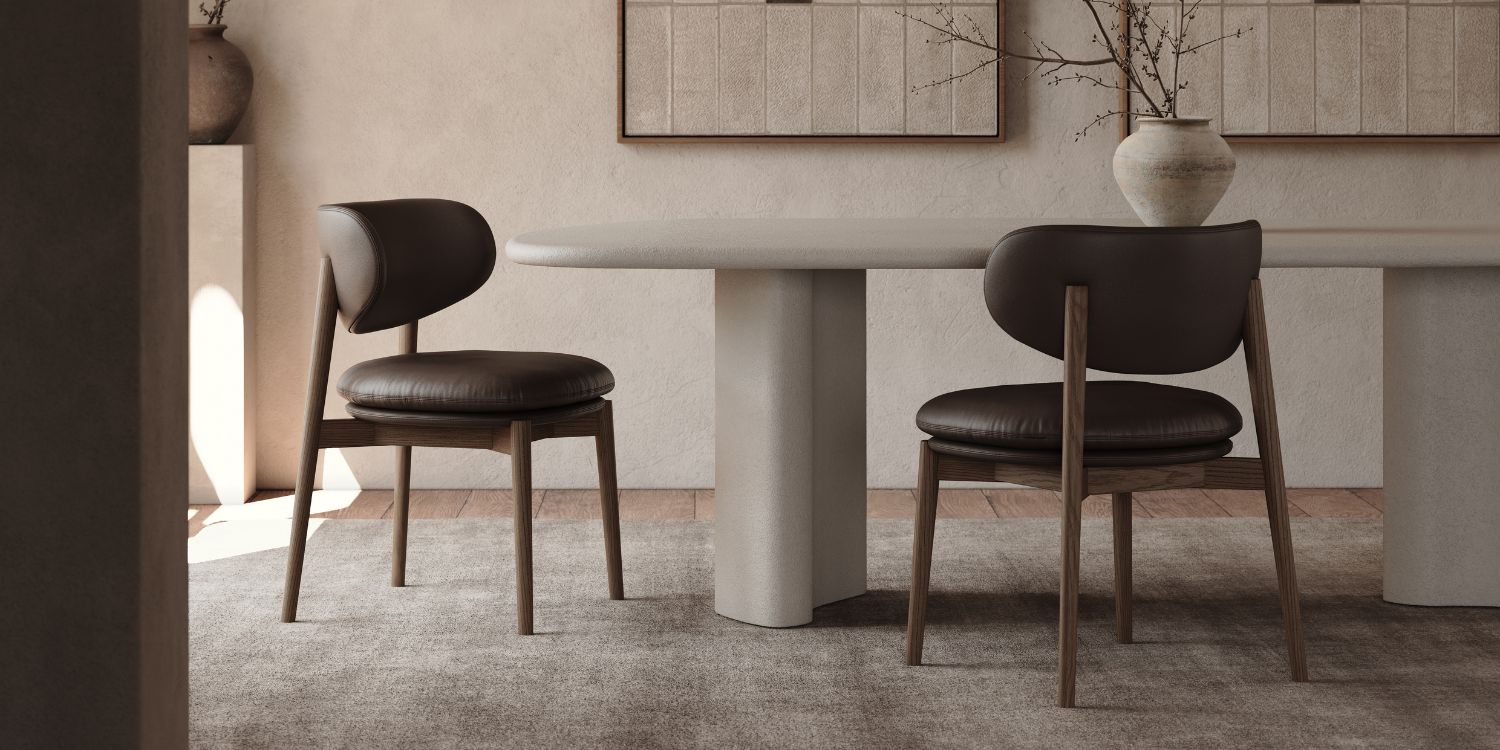
Domkapa’s emphasis on refined detailing and comfort aligns naturally with this evolution. Pieces like the Elodie Dining Table, with its elegant presence and understated refinement, illustrate how simplicity can still feel rich and distinctive.
6. Material Authenticity
The return of craftsmanship and tactile honesty
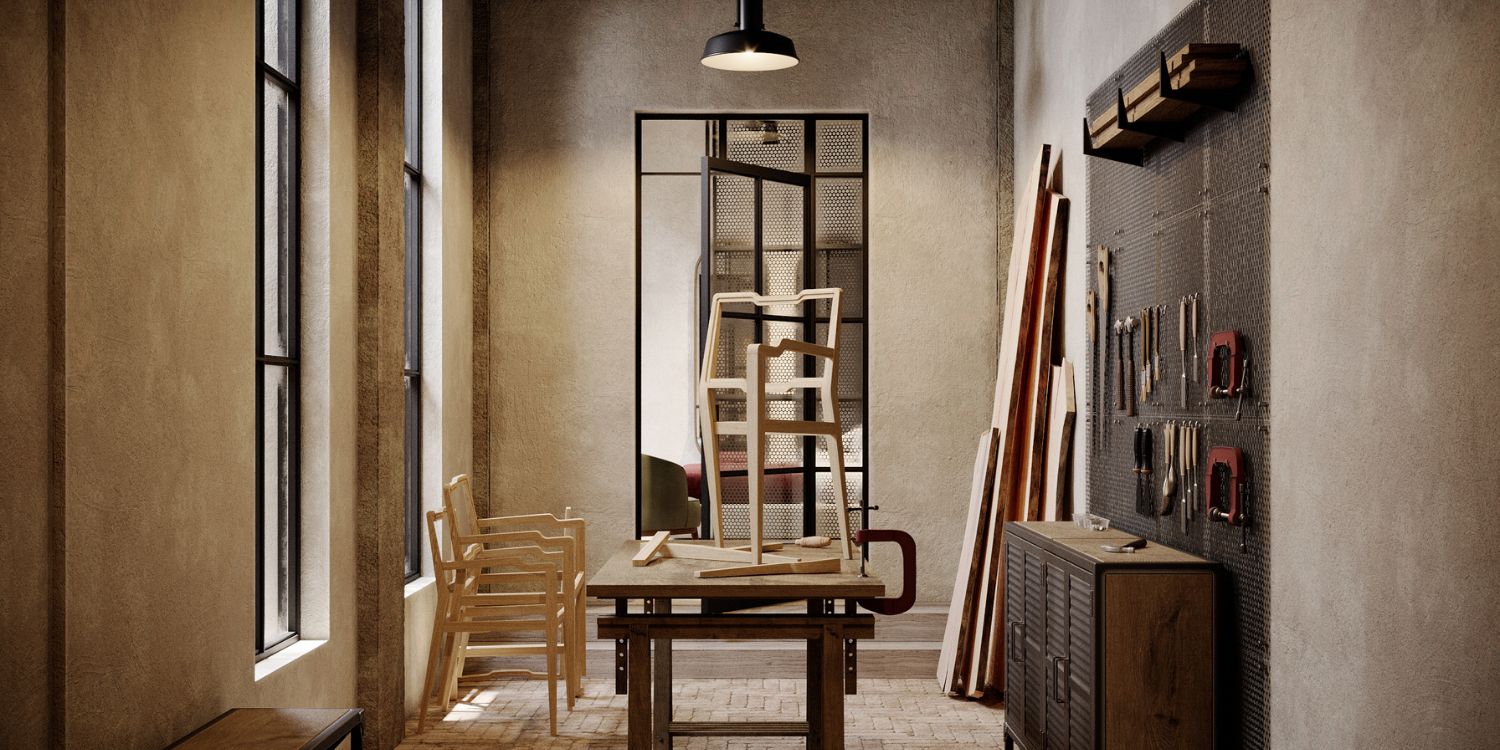
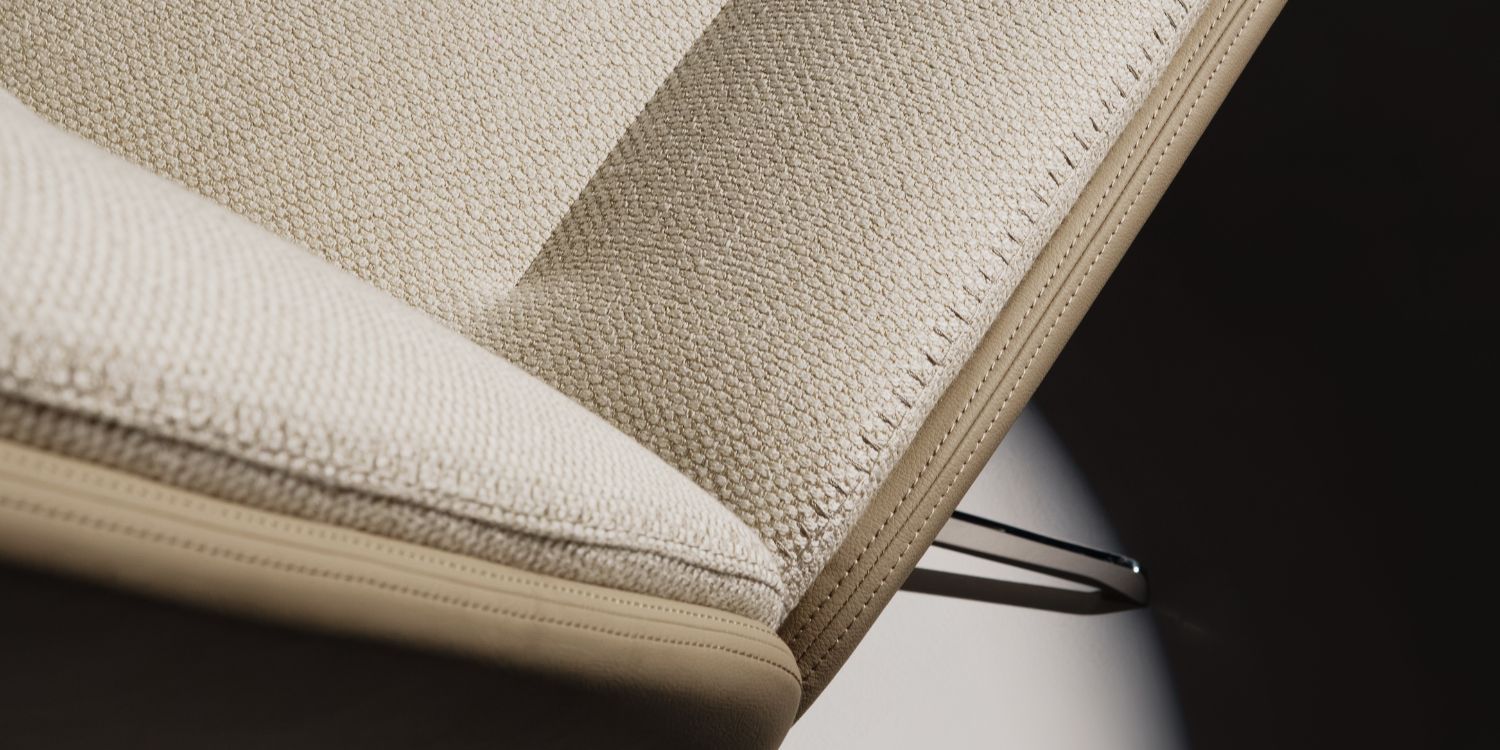
As interiors become more emotionally driven, material authenticity has emerged as a defining priority. Clients and designers alike are showing a renewed appreciation for wood grain, natural textiles, visible joinery and handcrafted details. These qualities bring warmth, personality and credibility to a space.
This trend is part of a broader cultural response to digital life and mass-produced uniformity. Furniture that reveals how it is made feels more grounded and enduring. It communicates care. It also supports a stronger connection between user and object, which is increasingly important in residential and hospitality settings.
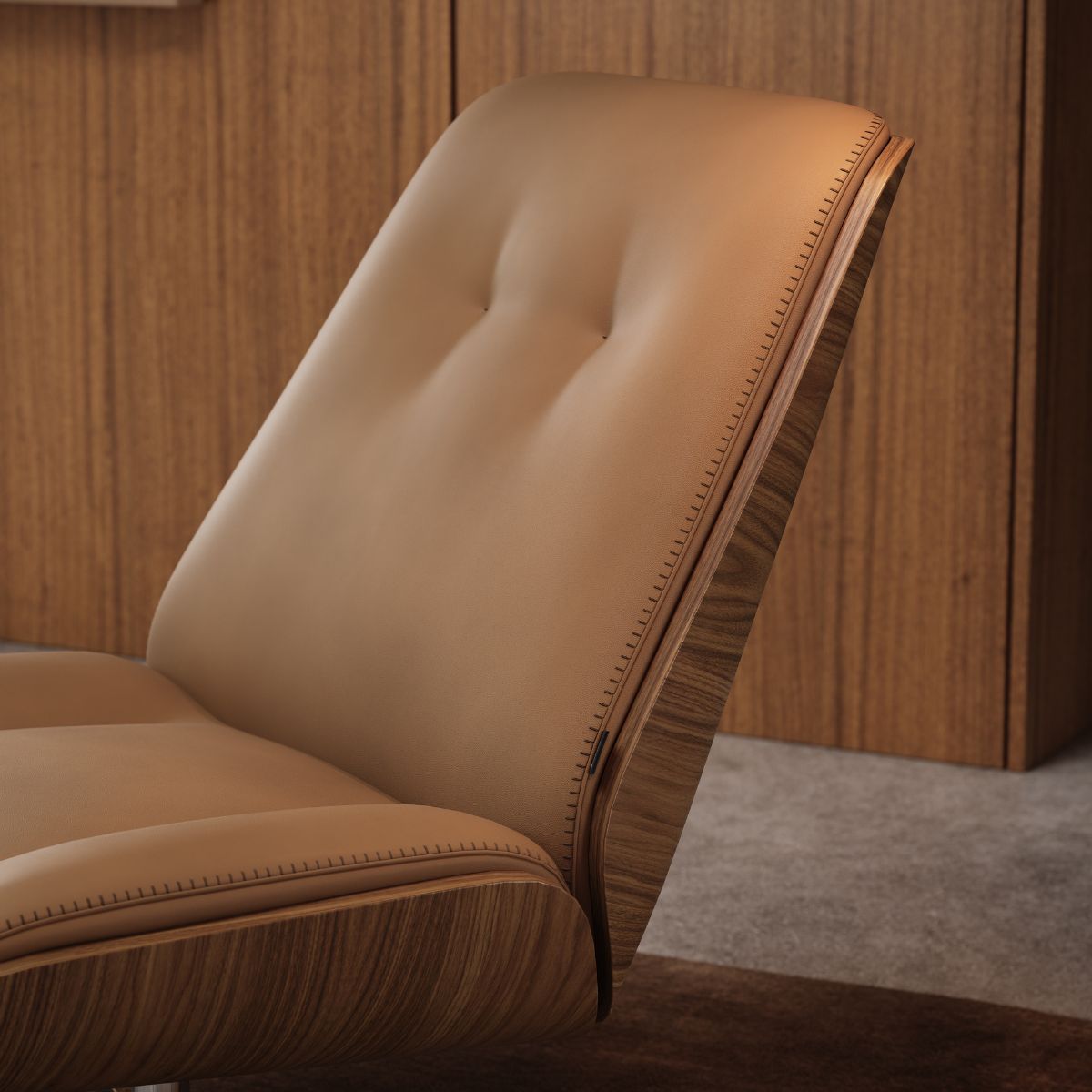
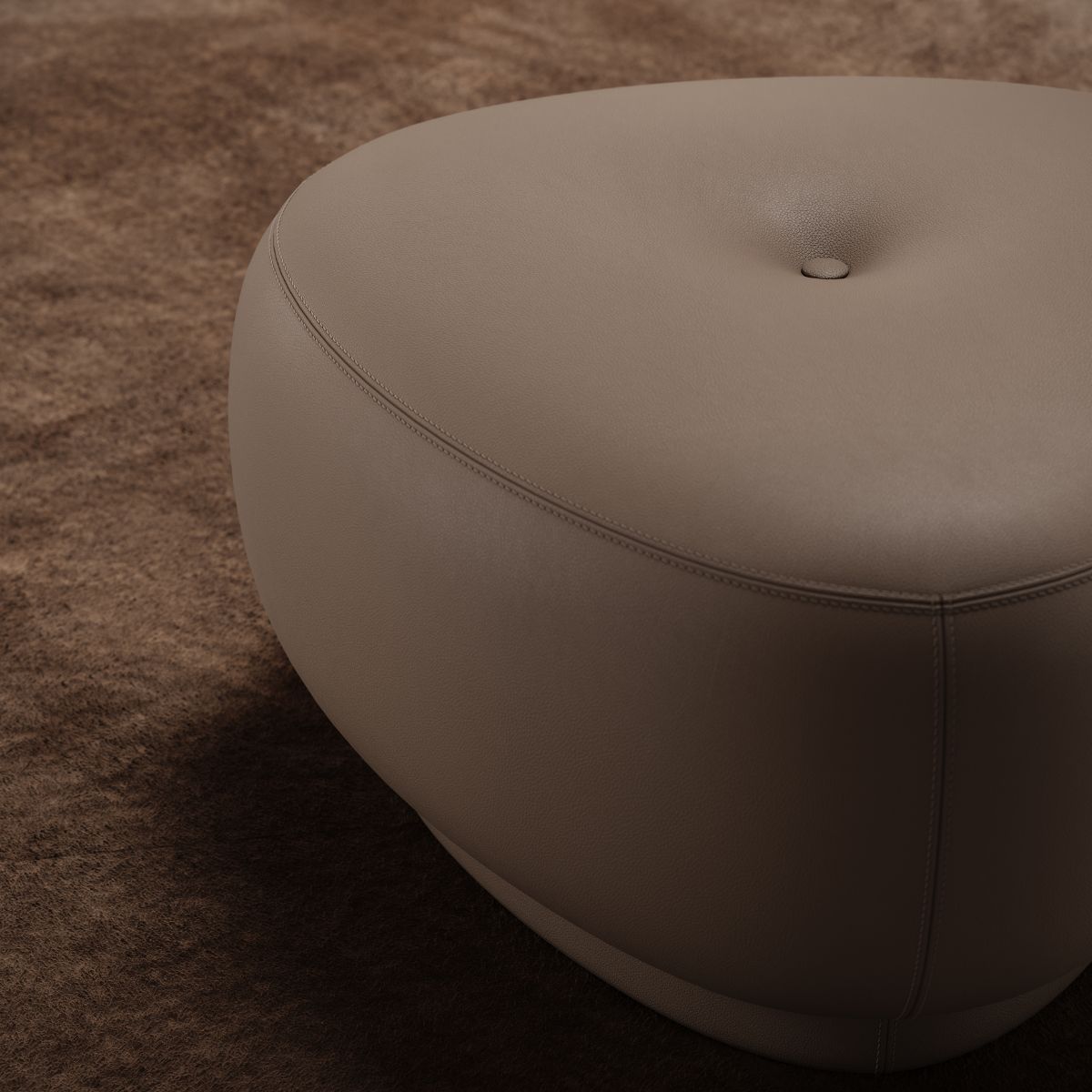
Natural materials are especially compelling when they are used with restraint. Rather than becoming rustic or nostalgic, they can feel highly contemporary when paired with refined forms and precise proportions. This balance is central to many of today’s most successful contemporary furniture design narratives.
Domkapa’s approach to craftsmanship reflects this sensibility. The Human Touch Collection emphasises tactile experience and elegant construction, making the furniture feel designed and deeply considered. In this context, craftsmanship is not decorative; it is integral to the identity of the piece.
7. Hospitality-Inspired Living

The home as a place of experience
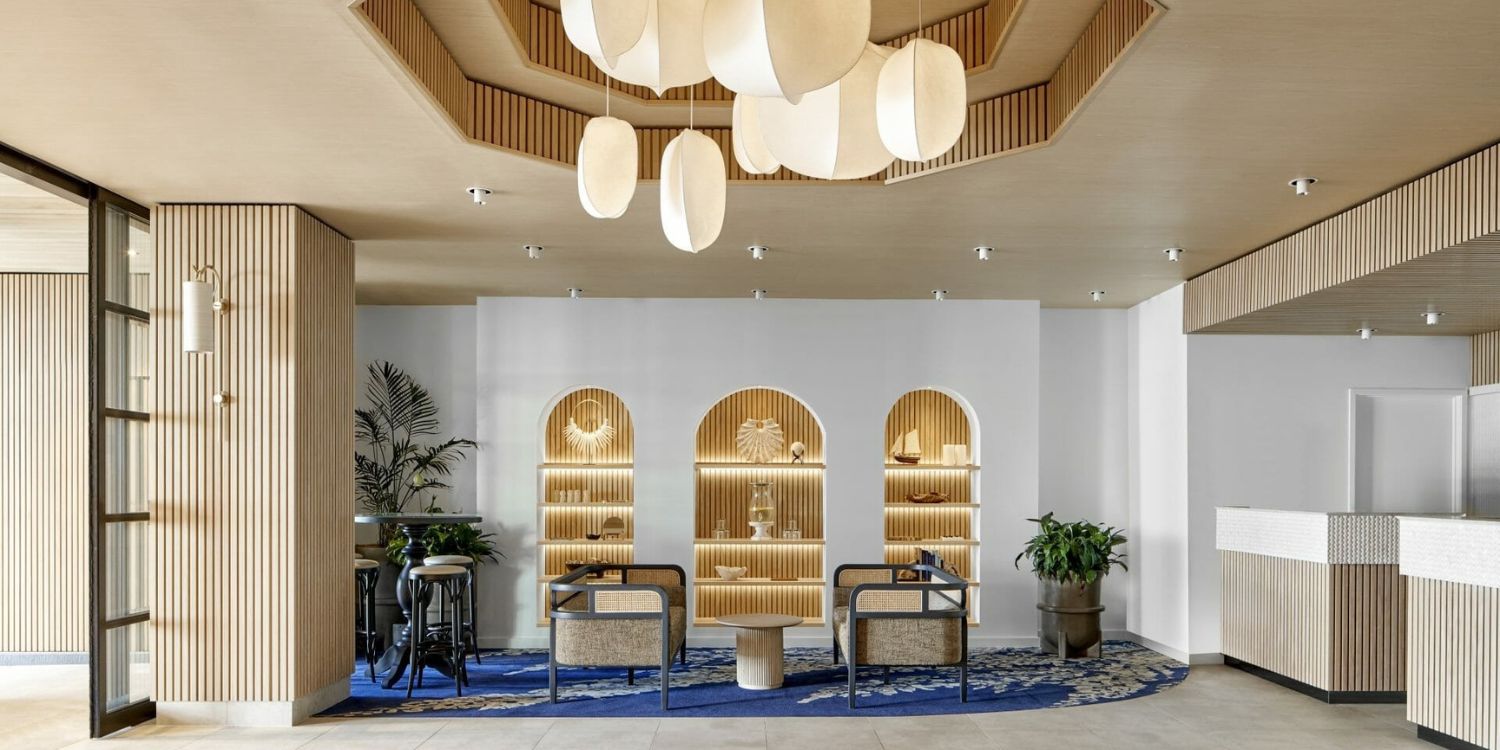
One of the most influential luxury furniture trends for 2026 is the continued crossover between hospitality and residential design. Hotels, wellness spaces and boutique retreats have become reference points for how contemporary homes should feel: calm, layered and experience-driven.
This is not simply about borrowing a visual style. It is about translating the emotional intelligence of hospitality into everyday living. Thoughtful lighting, generous seating, comfortable circulation and highly tactile furniture all contribute to an atmosphere of welcome. The best hospitality-inspired interiors are memorable because they create ease.
In residential projects, this trend is especially relevant for living rooms, private lounges, dressing areas and dining spaces that are intended for personal use and entertaining. In hospitality projects, it reinforces the idea that furniture should support atmosphere as much as function.
The Alton Armchair and Giorgio Sofa fit this direction well, offering the kind of comfort and presence that can anchor a room. Their relevance lies not only in form but also in the sense of occasion they help create.
8. Indoor-Outdoor Continuity
Seamless transitions between settings
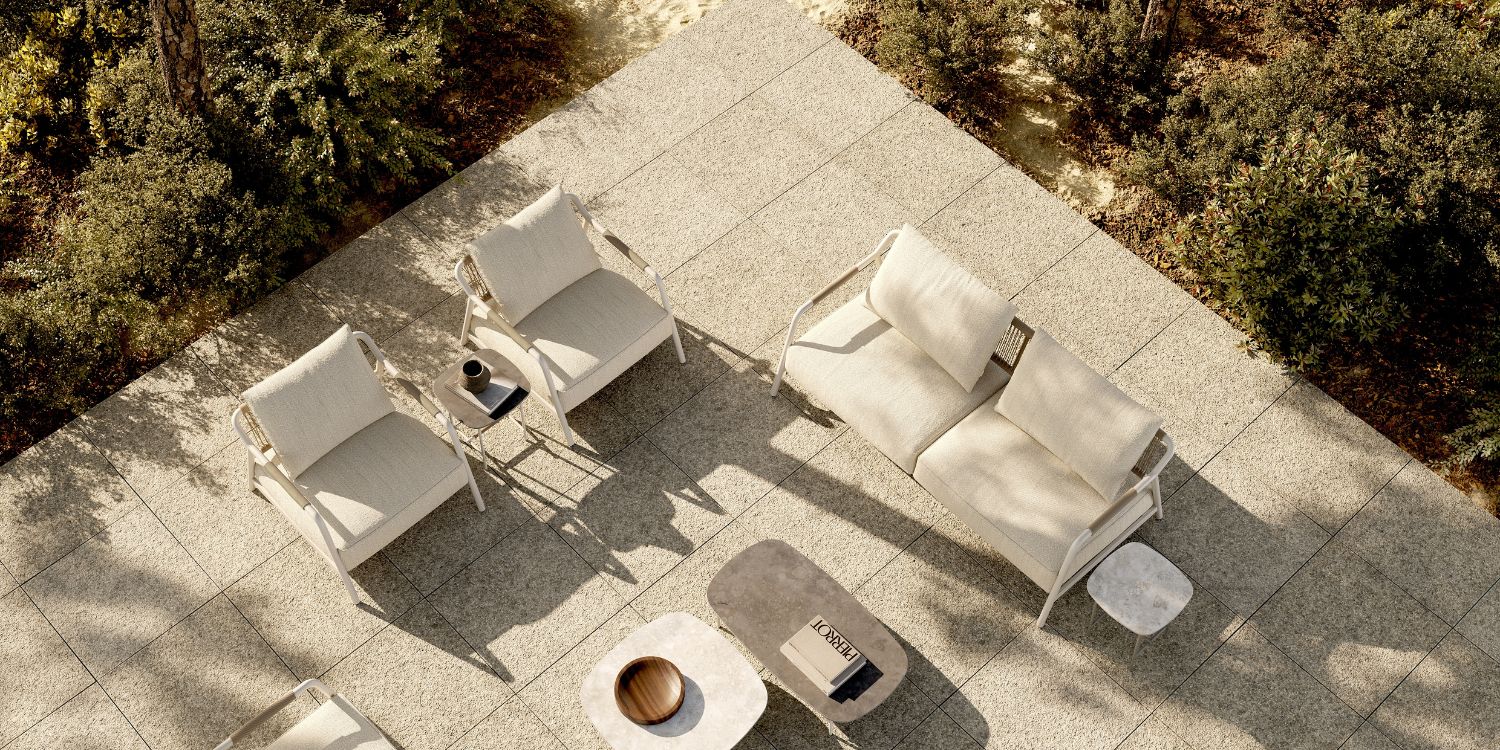
The relationship between indoor and outdoor space continues to influence furniture trends for 2026, especially in projects where boundaries between the two are increasingly fluid. Whether through terraces, verandas, winter gardens or open-plan homes with strong visual connections to the exterior, clients are looking for continuity.
Furniture plays a major role in achieving this. Collections that feel visually light, materially coherent and adaptable across settings help blur the transition between inside and outside. The goal is not necessarily stylistic uniformity, but a sense of continuity in tone, comfort and material expression.
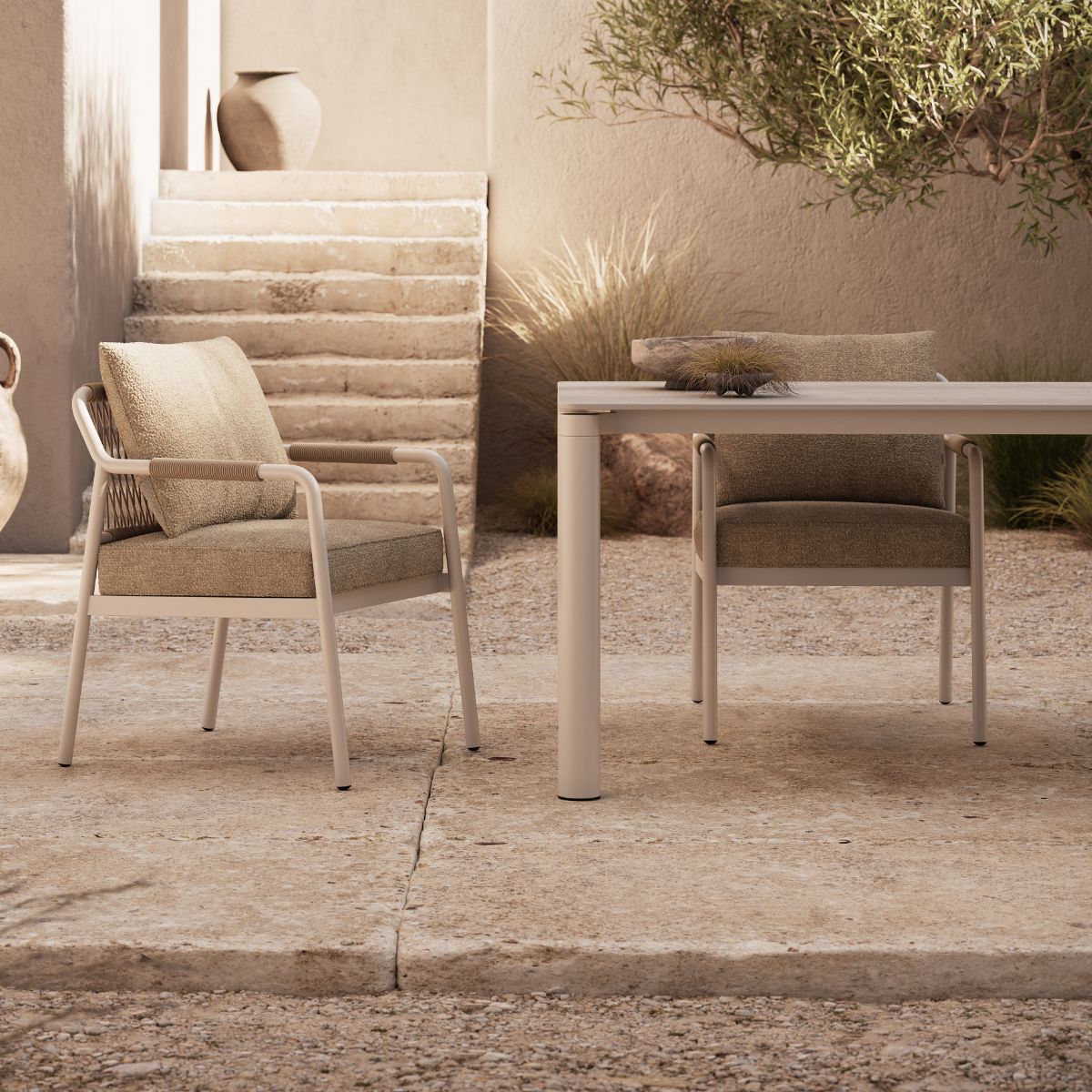
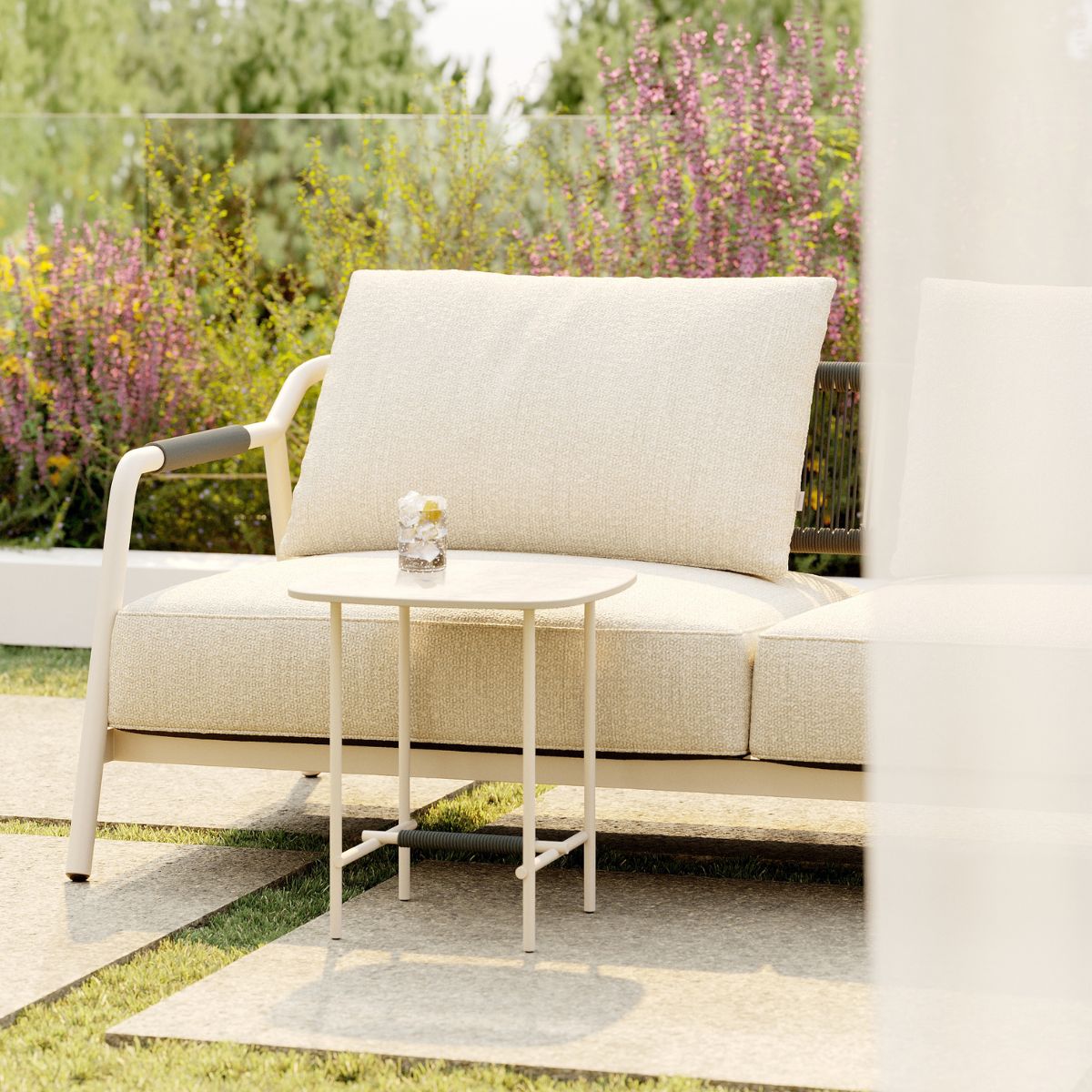
This trend is particularly relevant for hospitality projects, where outdoor areas are now seen as essential extensions of the guest experience. In residential design, it supports a more relaxed and holistic way of living that values connection to nature and seasonal change.
Pieces that combine refined construction with warm materials are especially effective here. They help create visual flow while preserving the comfort expected indoors. The broader design implication is significant: furniture must increasingly work across thresholds, not just within fixed rooms.
The Future of Interior Living Starts with Furniture
The future of furniture is not defined by spectacle but by sensitivity. The most compelling furniture trends for 2026 reflect a broader understanding of design as something human, tactile and emotionally intelligent. Comfort matters more than ever. Softness is becoming a form of strength. Flexibility is a response to modern life, not a compromise. And timeless design is increasingly valued as a sustainable and sophisticated choice.
YOU MAY ALSO LIKE: Bedroom Trends 2026: Designing For Rest, Feeling And Atmosphere
We are working every day to bring you the most stylish ideas to fulfil your inspiration and to create the best interior design projects, so feel free to follow our Instagram Page and subscribe to our newsletter.