

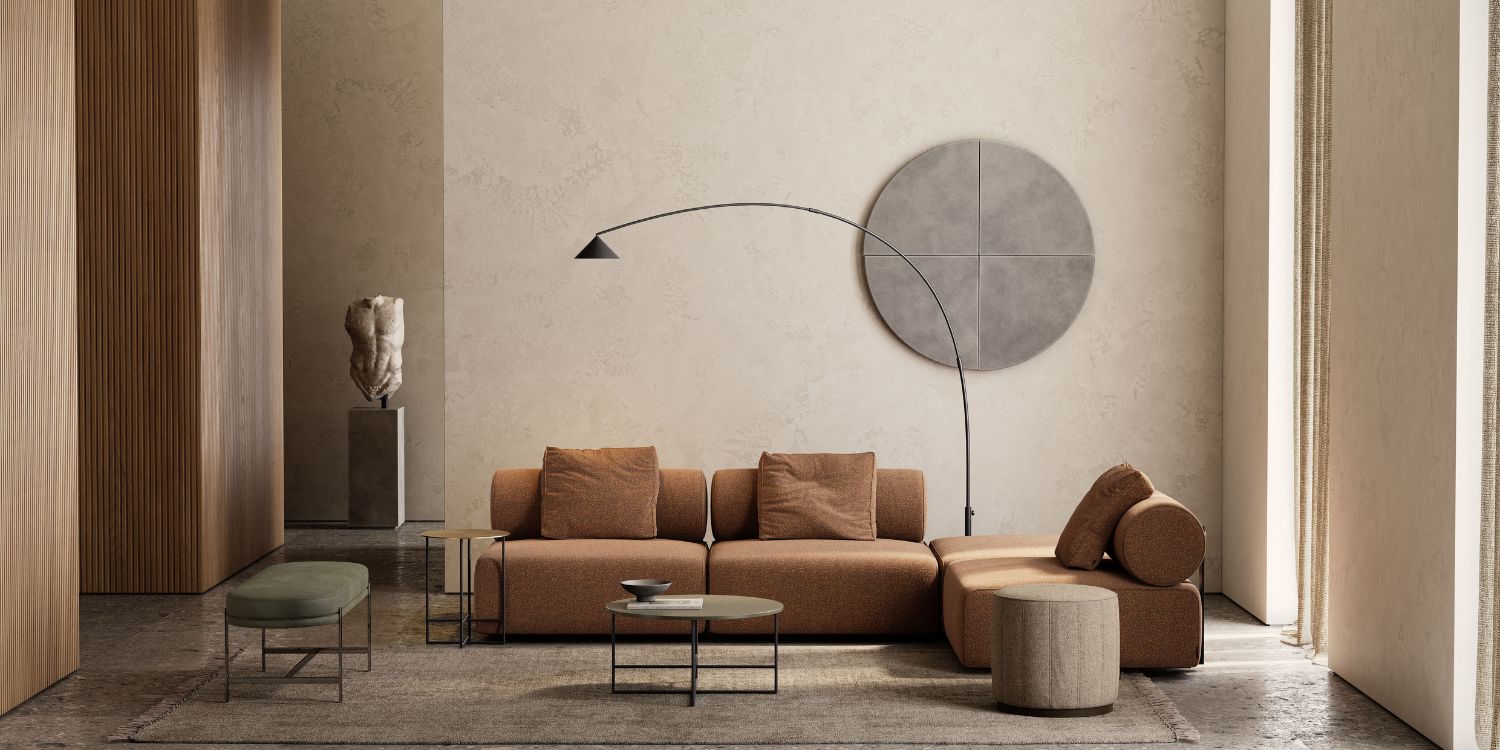
As summer draws to a close, the way we want our interiors to feel often changes with it. Rooms that felt perfectly suited to long, bright days can suddenly seem a little too bare, too light or simply ready for a new rhythm.
The transition towards autumn brings a natural shift in how we use our homes. Outdoor living gives way to indoor comfort. Open, minimal styling begins to make room for more layers. Large social gatherings become smaller, more intimate occasions. And with changing light outside the window, the atmosphere inside the room matters more than ever.
But an end-of-summer interior refresh does not require a complete redesign.
For designers managing real project budgets – and homeowners working around furniture they already love – the most successful updates focus on changing the feeling of a room rather than replacing everything inside it.
This is where editing, layering and recalibrating become powerful design tools. A new upholstery texture, a better lighting scheme or a carefully chosen occasional piece can create a meaningful visual and sensory shift without disturbing the foundations of an existing interior.
The goal is simple: identify what has the greatest impact, change it with intention and leave everything else alone.
Start With What Doesn’t Need to Change
Before introducing anything new, begin by assessing what is already working.
An effective seasonal interior refresh should not automatically start with a shopping list. Instead, start with an inventory of the room’s strongest assets.
Look for:
- Major furniture pieces that remain comfortable, functional and visually relevant;
- Timeless materials and finishes;
- Existing colour anchors that can support a richer palette;
- Architectural details worth highlighting;
- Furniture that can be repositioned or restyled rather than replaced.
A well-made sofa, dining table or built-in element should not lose its value simply because the season has changed. In fact, preserving these investments often results in a more cohesive interior.
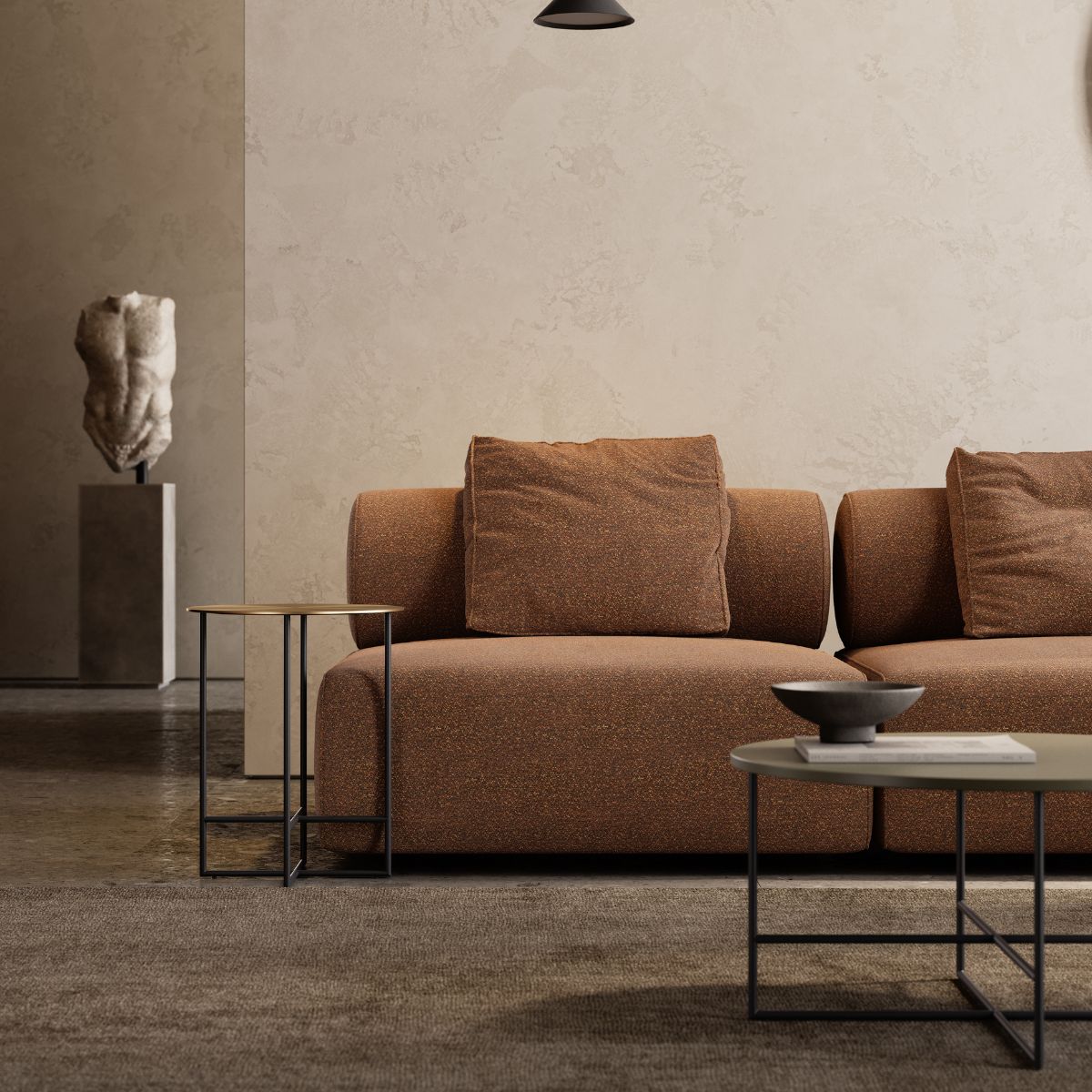
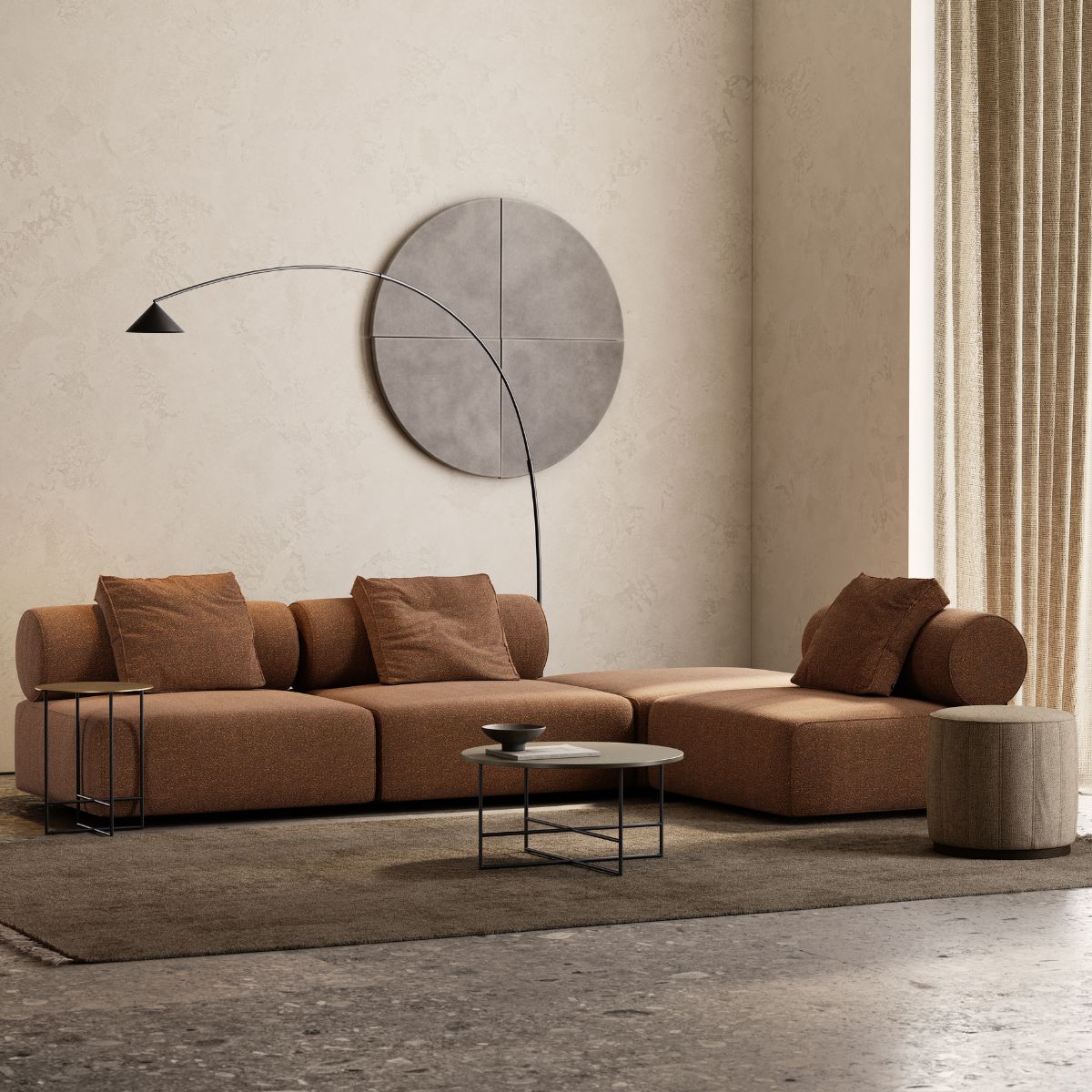
The question is not, “What can we replace?”
It is, “What is preventing this room from feeling the way we want it to feel now?”
Perhaps the furniture is still right, but the textiles feel too lightweight. Perhaps the colour palette works, but the lighting is too flat in the evening. Or perhaps the room simply needs editing: fewer accessories, better composition and more visual breathing room.
By identifying the elements that do not need to change, designers can focus the budget where it will have the greatest effect.
The Fastest Swaps With the Biggest Impact
The most effective interior design refresh ideas follow one useful principle: high visual impact, low intervention.
Certain elements influence the atmosphere of a room far more quickly than others. These are the pieces worth prioritising when budgets, timelines or lead times are limited.
Upholstery Updates
Upholstery is one of the most powerful tools available during a seasonal refresh.
Unlike a new wall colour or major furniture replacement, updating upholstery can change several aspects of a room simultaneously:
- Colour perception;
- Texture;
- Warmth;
- Comfort;
- Visual weight;
- The overall sense of luxury.
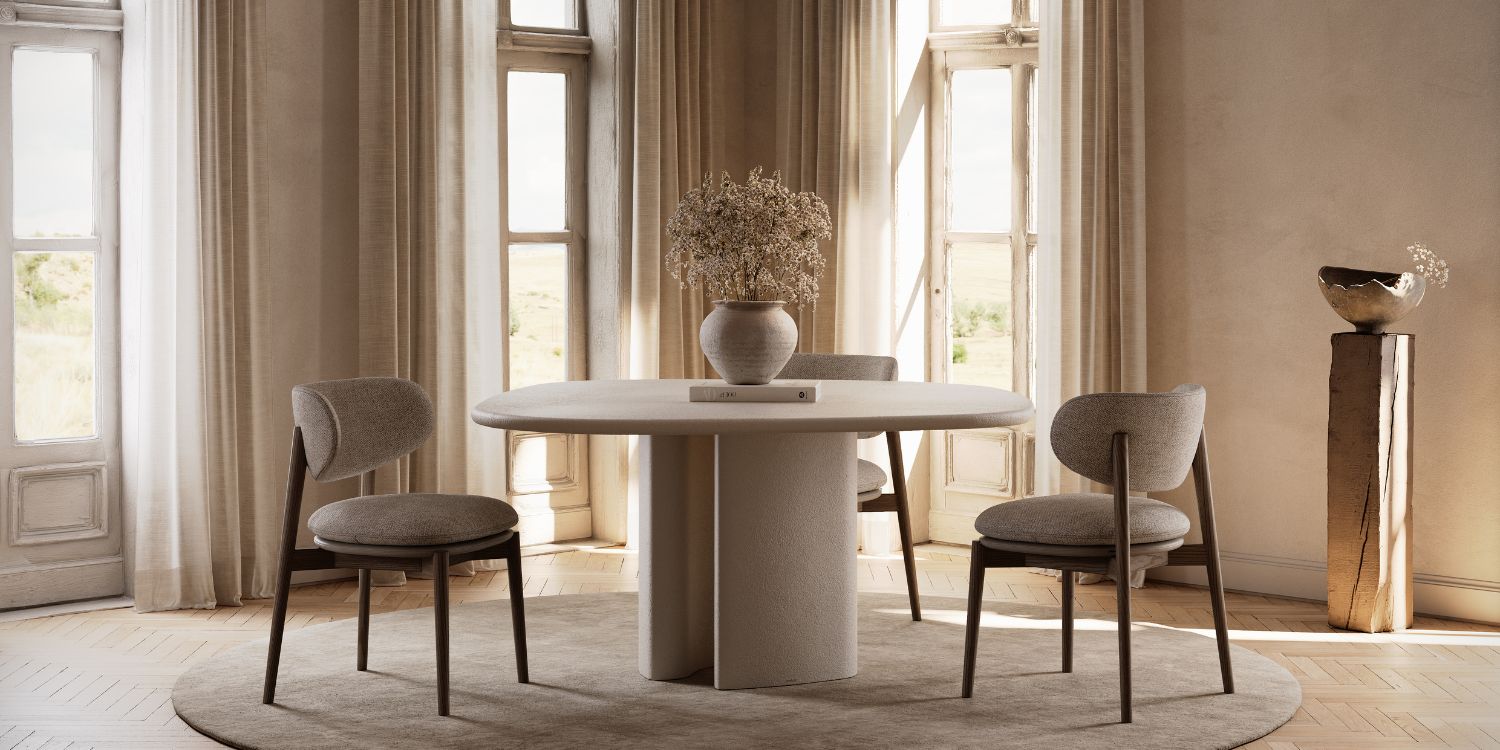
Reupholstering an armchair, for example, can introduce an entirely new material language into a living room without changing the existing sofa. Updating dining chair fabrics can make a dining area feel more considered and appropriate for the months ahead.
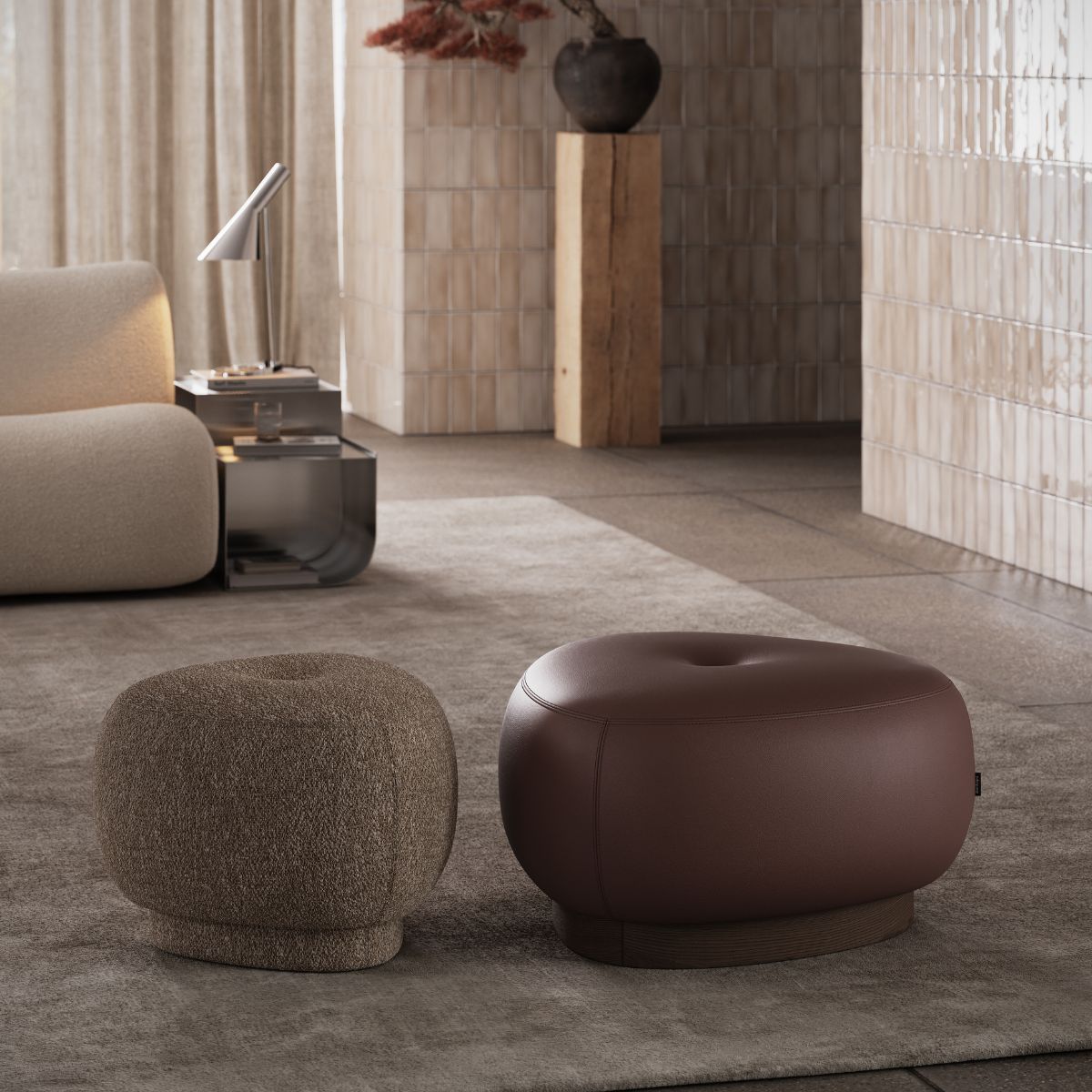
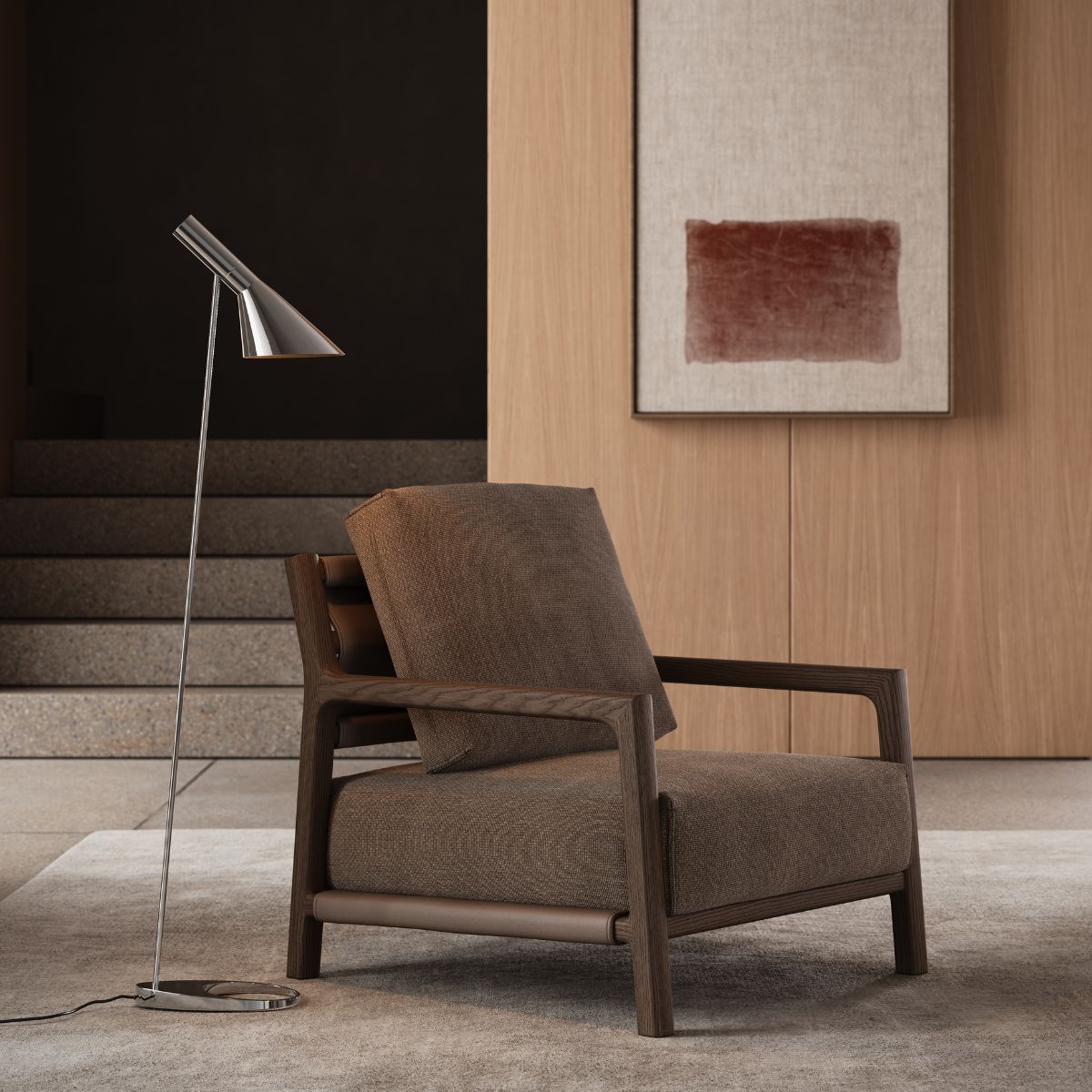
Smaller upholstered pieces are particularly useful for this type of transformation.
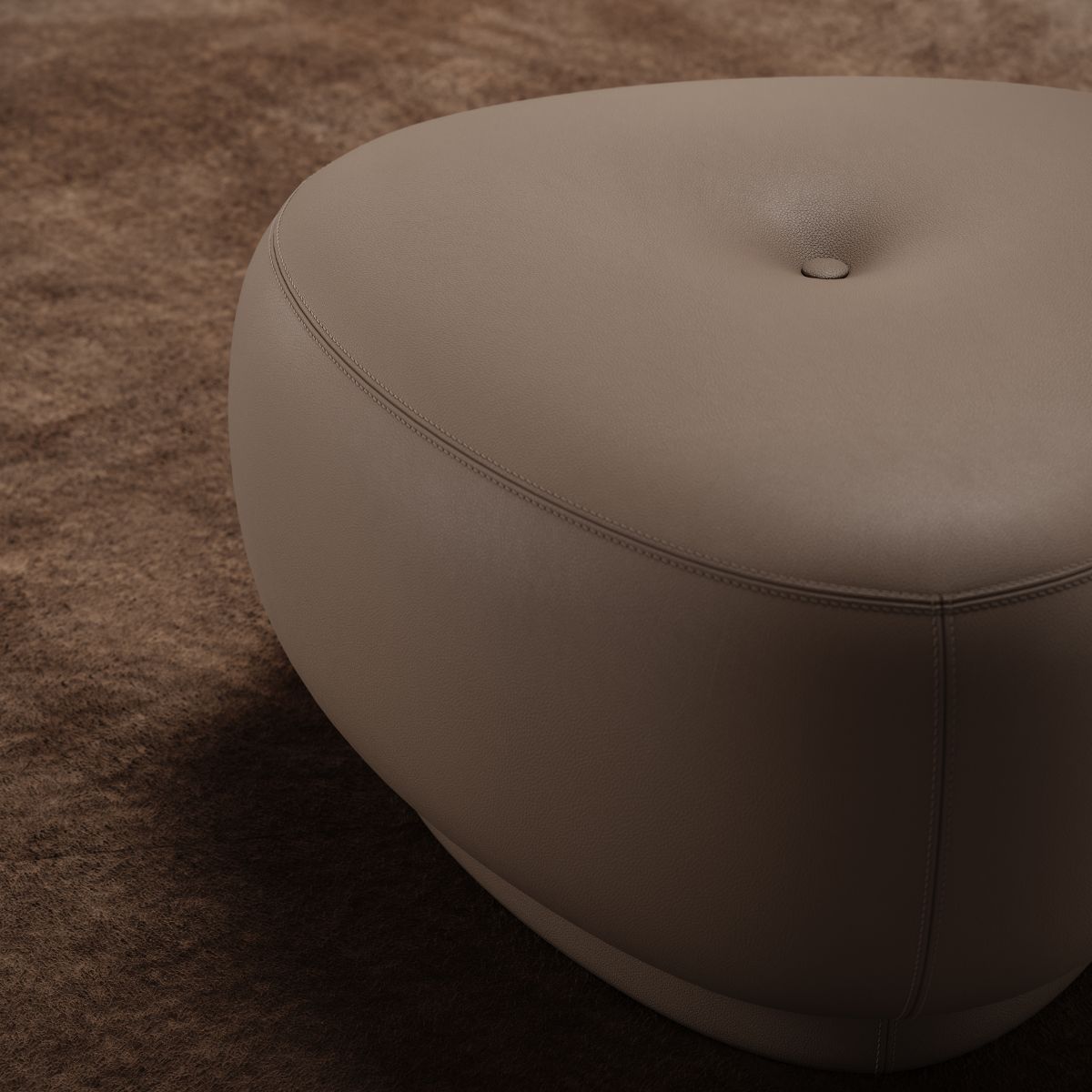
A new pouf can introduce softness and additional seating. An occasional chair in a textured fabric can create a fresh focal point. New cushions can shift the colour balance of a room without committing to a major investment.
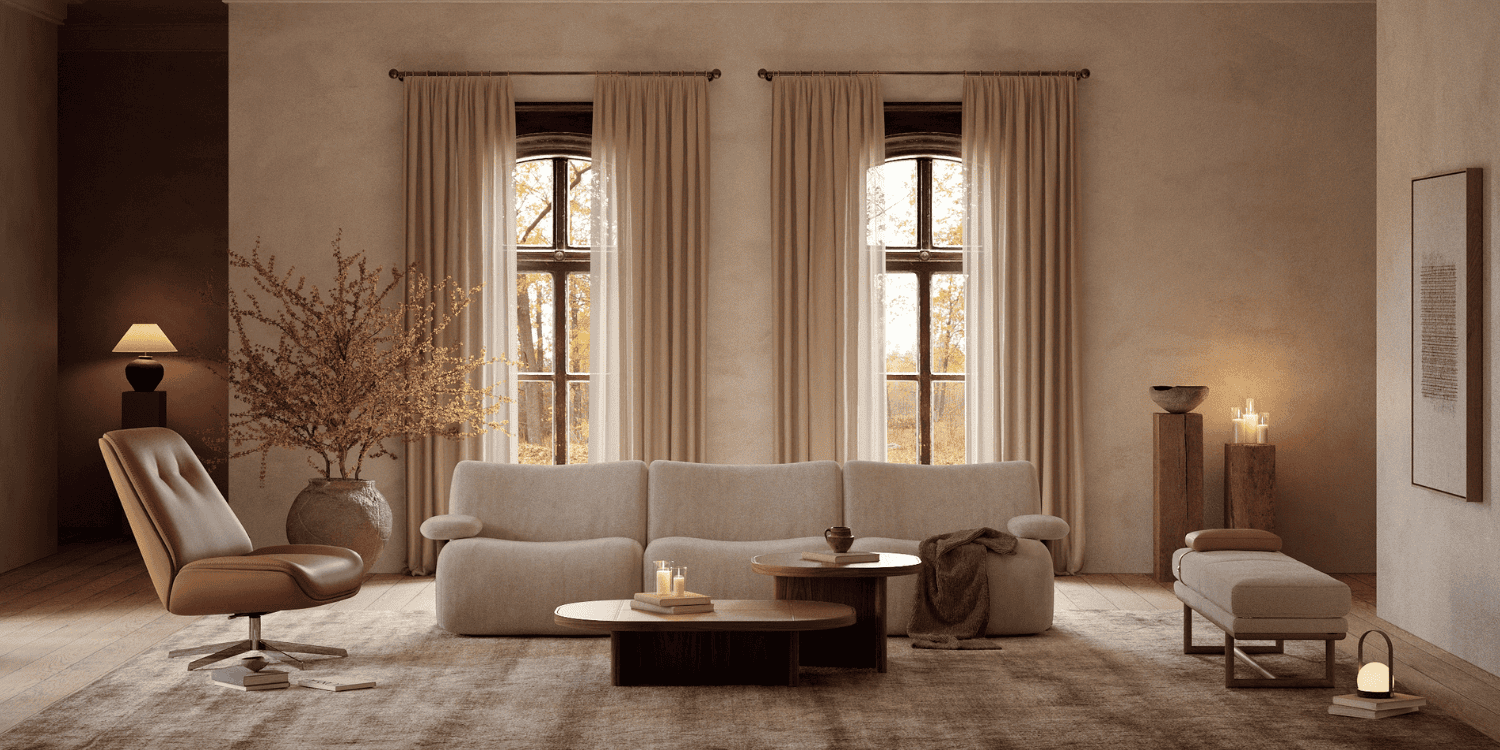
For example, a piece such as the Jules Pouf can work as a flexible refresh element, adding texture and function while remaining easy to reposition as the room evolves. Similarly, an accent chair can introduce a new material or silhouette without requiring designers to reconsider the entire seating arrangement.
The lesson is that a seasonal update does not always require changing the largest upholstered piece in the room. Sometimes, changing the supporting cast is enough.
Cushions and Textiles
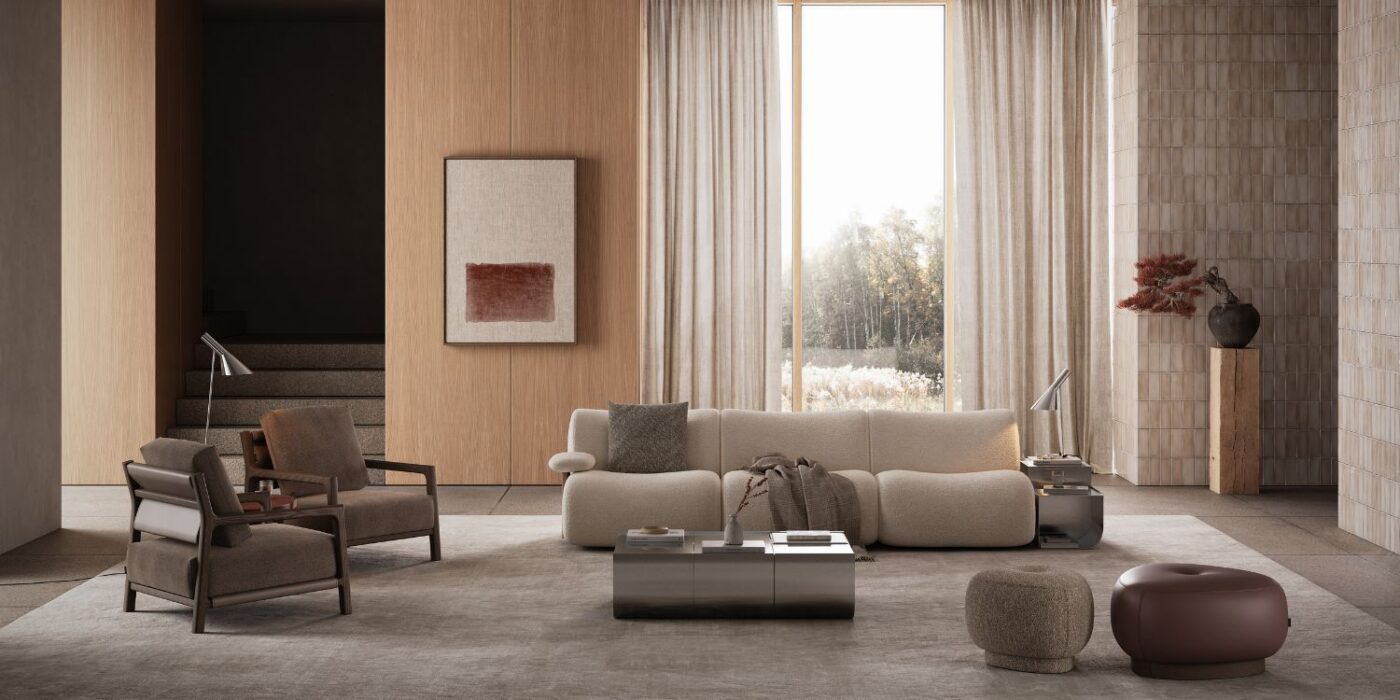
Textiles are often the fastest route from summer lightness to autumn warmth.
The key is to avoid treating autumn as a decorative theme. There is no need to introduce obvious seasonal motifs or cover every surface in dark colours. Instead, focus on materiality.
Consider moving from:
- Crisp linen to wool blends;
- Lightweight fabrics to richer weaves;
- Flat surfaces to tactile textures;
- Minimal contrast to tonal layering.
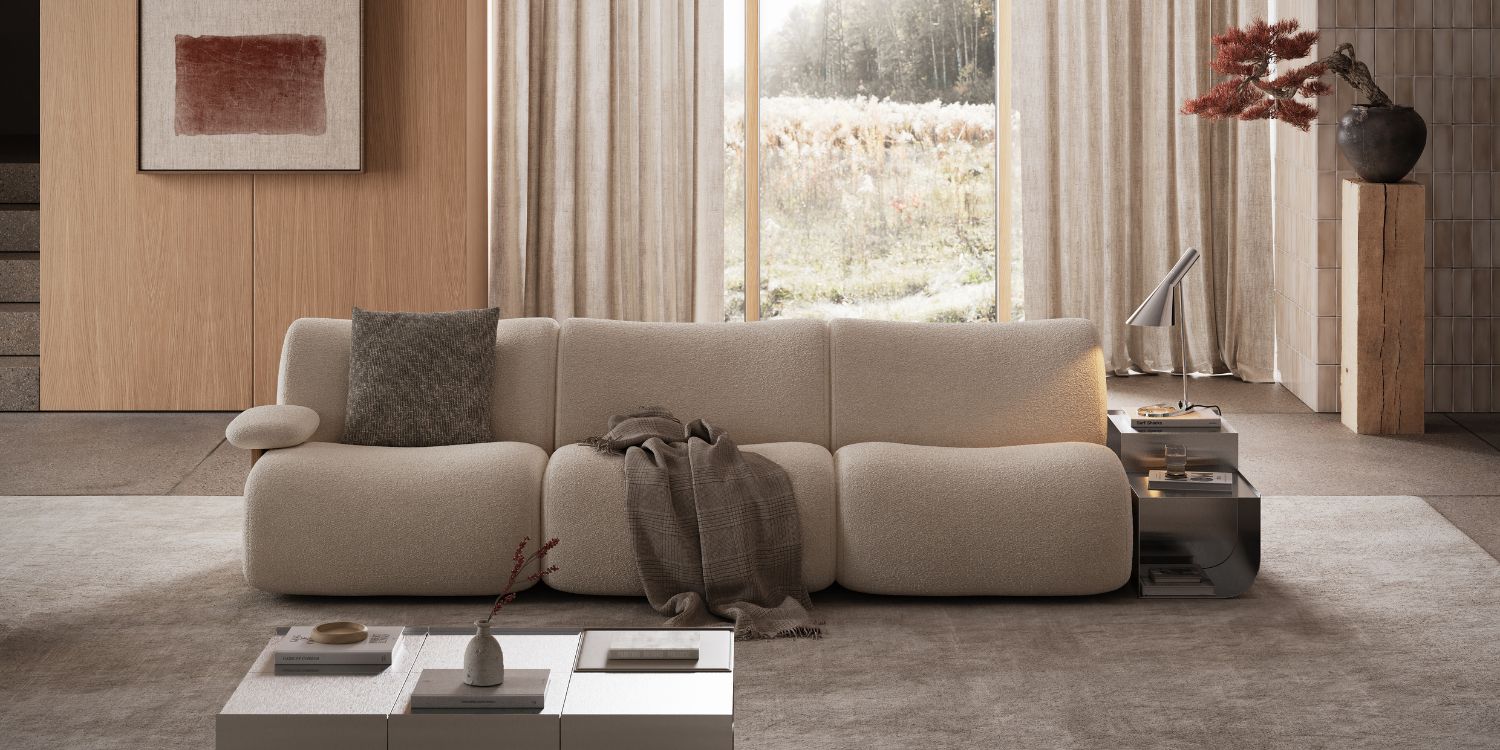
A cream sofa, for instance, can feel completely different when styled with cushions in warm taupe, caramel and soft olive. Add a textured wool throw and the room gains depth without becoming overtly seasonal.
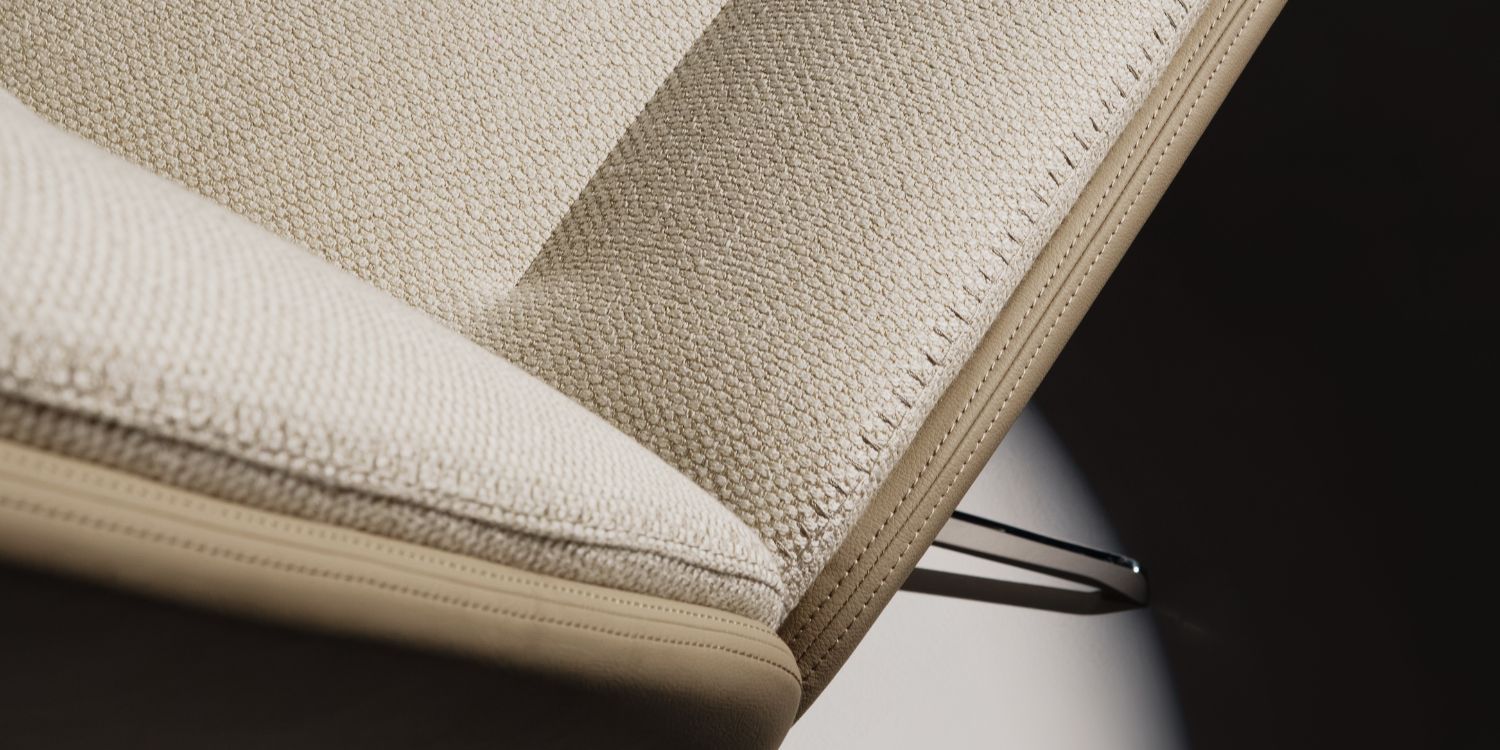
Texture can also provide contrast where colour is already well balanced. A monochromatic room may benefit more from bouclé, velvet or a woven textile than from introducing another strong colour.
This approach creates a more sophisticated transition and keeps the interior relevant well beyond autumn.
Occasional Furniture
Smaller furniture pieces are often underestimated when planning affordable interior updates.
Poufs, benches, side tables and armchairs can refresh a room without forcing a complete redesign. They also offer something larger furniture pieces cannot always provide: flexibility.
A new side table can create a more functional reading corner. A bench can redefine an entrance or bedroom. An armchair can shift attention towards a previously overlooked area of the room.
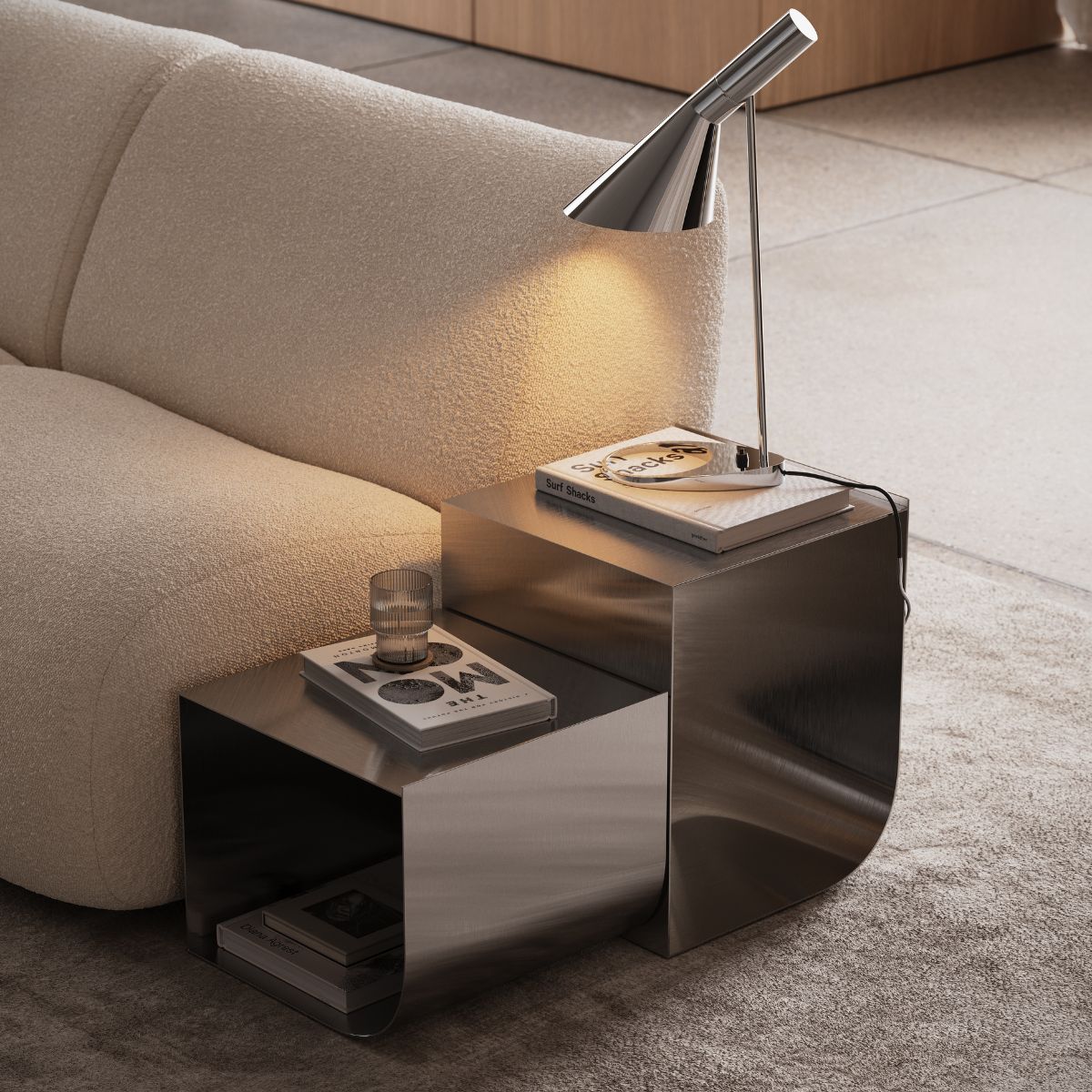
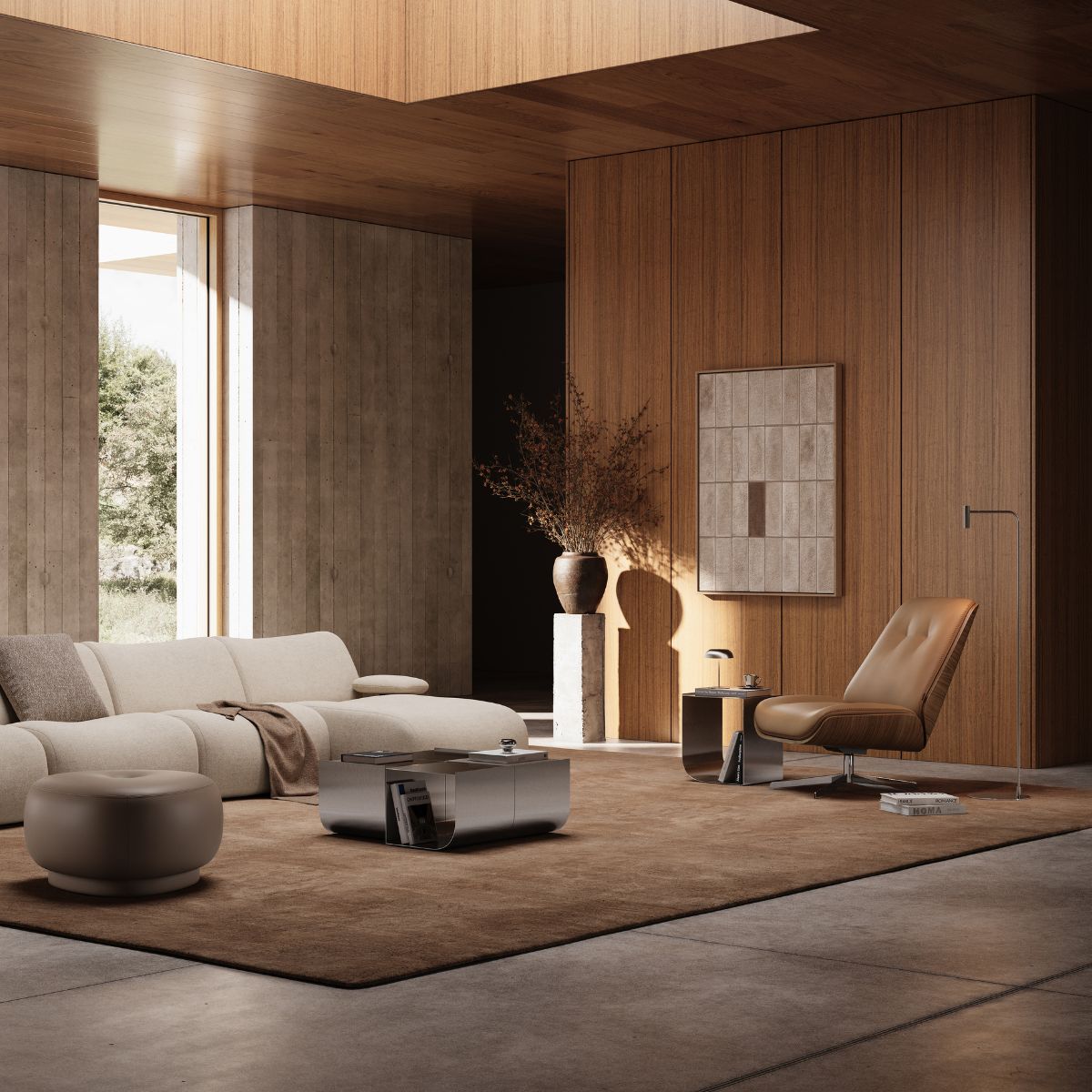
Occasional tables are particularly effective because they can change a composition without demanding structural changes to the layout. A versatile set such as the Ren Table Set, for example, can introduce new levels, surfaces and proportions into a living room arrangement while allowing the composition to remain flexible.
From Summer Lightness to Autumn Warmth – Without Going Too Dark
One of the biggest misconceptions surrounding autumn interior design ideas is that autumn automatically means dark interiors.
It does not.
A seasonal transition can be achieved through warmer undertones rather than dramatically reducing brightness.
Colours worth exploring include:
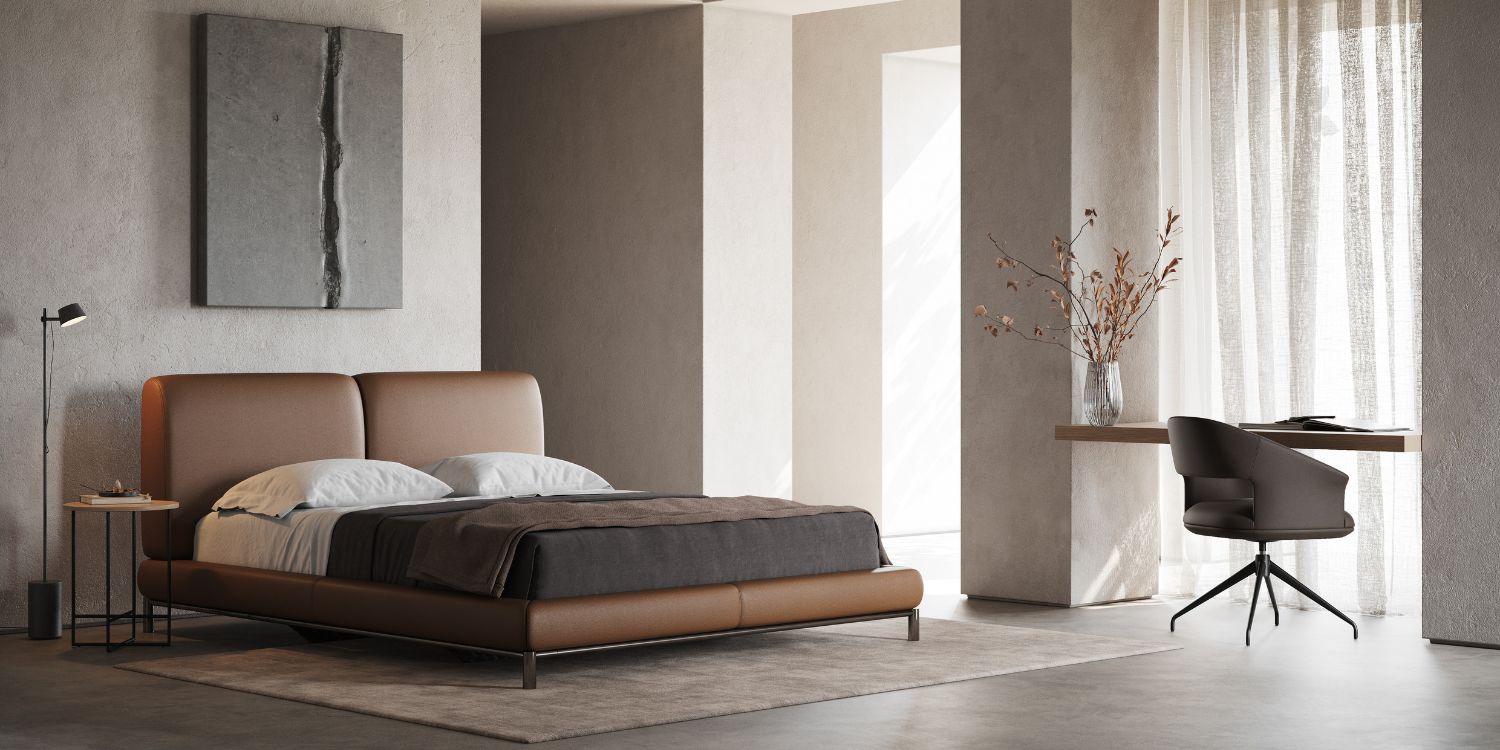
- Chocolate brown;
- Caramel;
- Terracotta;
- Olive;
- Warm taupe;
- Deep burgundy;
- Soft cream.
The most successful approach is usually gradual.
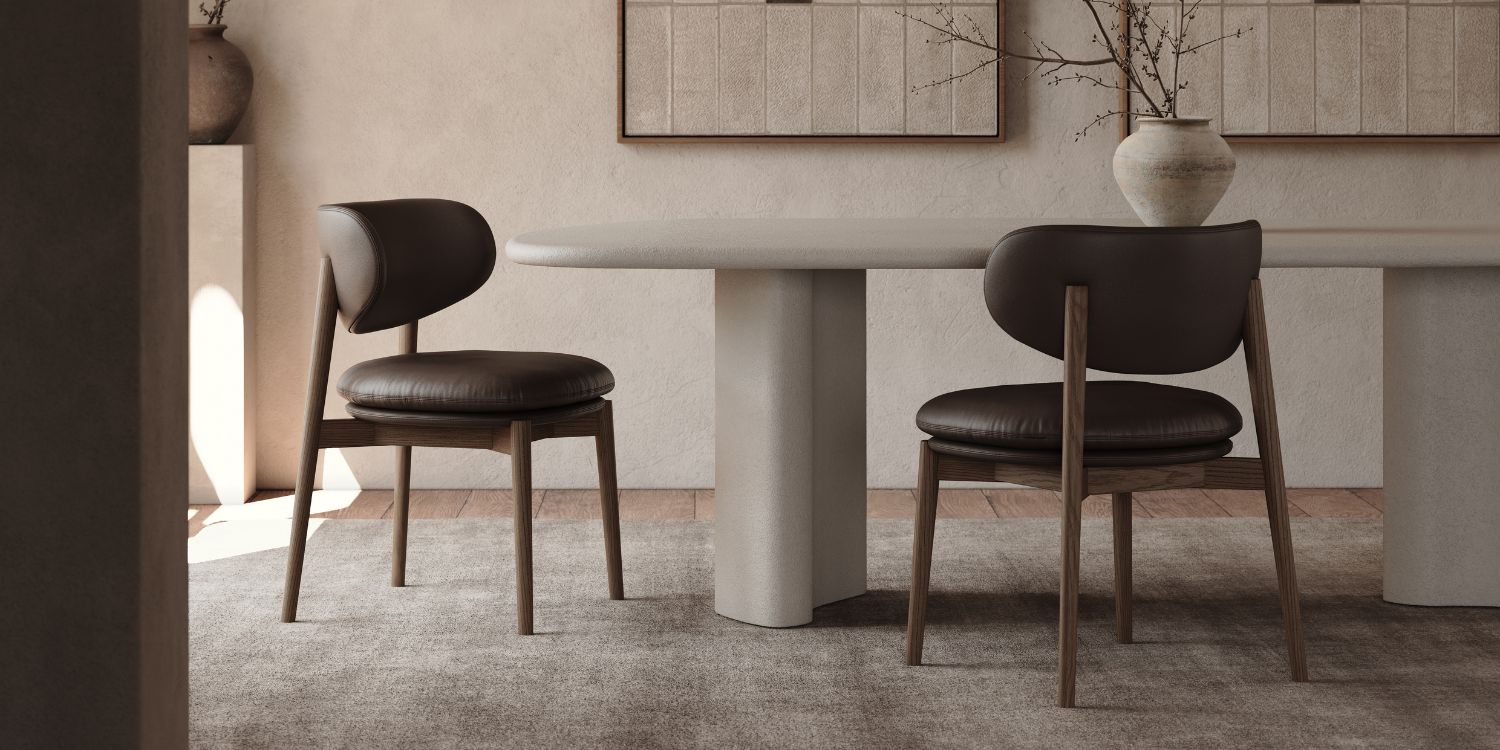
Rather than repainting an entire room in a dark shade, introduce richer tones through upholstery, textiles, artwork or accessories. A soft cream foundation can remain untouched while warmer layers build around it.
Before making colour changes, consider:
- The amount of natural light in the room;
- Room orientation;
- Existing flooring and architectural finishes;
- The undertones of wood and stone;
- How the room is used during the evening.
A north-facing room may require warmth without excessive darkness, while a sun-filled south-facing room may comfortably support deeper tones.
Balance is everything. A chocolate brown cushion can sit beside cream upholstery. Olive can be introduced through one occasional chair or textile rather than an entire wall. Burgundy can appear as an accent rather than becoming the dominant palette.
Autumn warmth should feel layered, not heavy.
Five Fast Refresh Strategies for Different Budgets
Every project has different financial limits. The advantage of a strategic refresh is that meaningful change can happen at several levels of investment.
1. The Styling Refresh
Best for: Limited budgets and short timelines.
Focus on: cushions, throws, accessories, lighting adjustments and editing existing styling.
This approach works particularly well when the architecture and furniture are already strong. The goal is simply to recalibrate the atmosphere.
2. The Accent Upgrade
Best for: Spaces that need one new focal point.
Introduce: One armchair, a pouf, a side table, a bench, another flexible occasional piece.
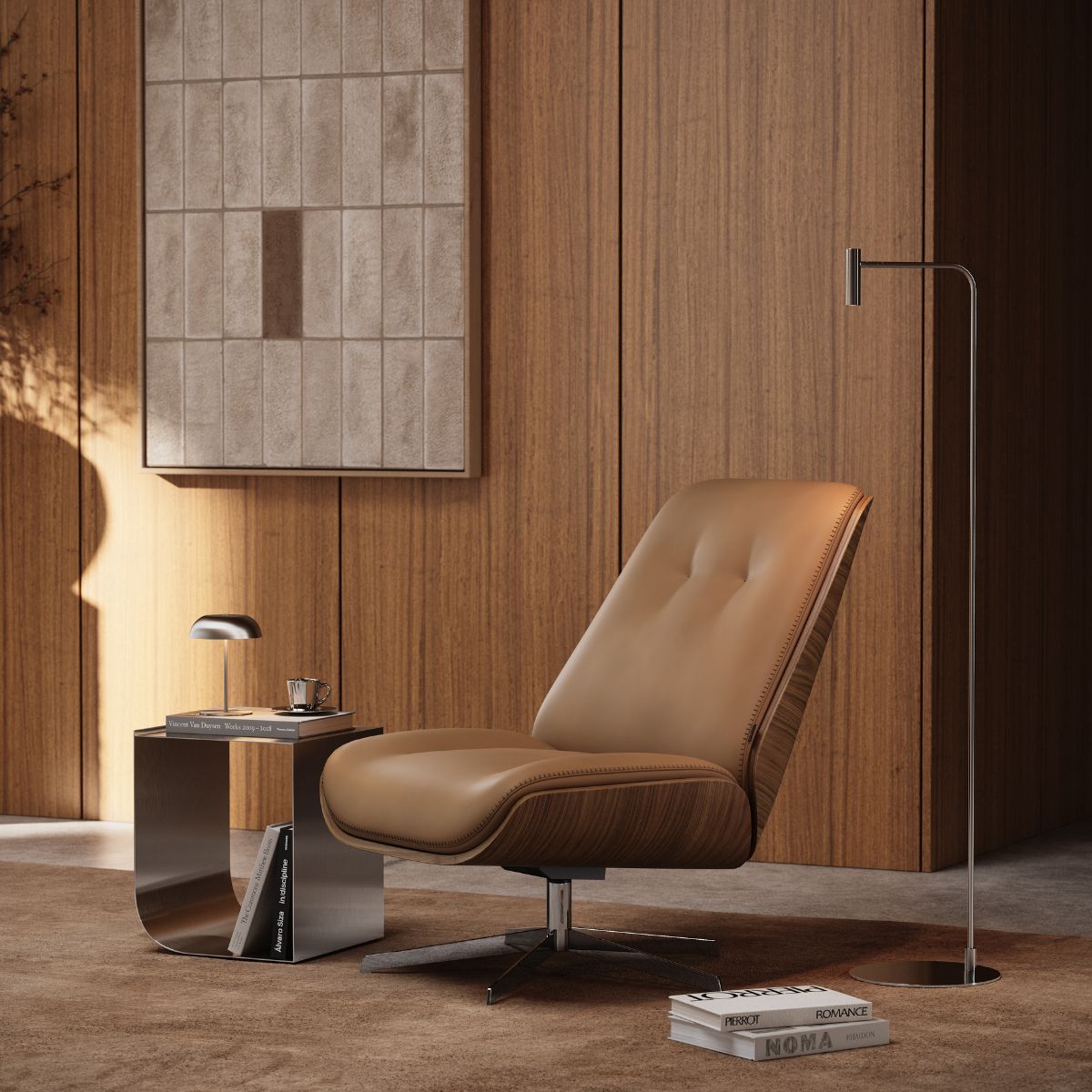
A sculptural armchair, such as the Elliot Armchair, can give a room a new centre of attention while preserving the existing layout and major furniture investments.
3. The Upholstery Refresh
Best for: Interiors where the furniture is structurally sound but visually tired.
Consider:
- Reupholstering selected pieces;
- Updating dining chair fabrics;
- Refreshing accent seating;
- Introducing new textures through smaller upholstered furniture.
This strategy can be particularly effective when a client loves the proportions and quality of an existing piece but wants the room to feel less familiar.
4. The Layout Reset
Best for: Projects with almost no purchasing budget.
Rearranging furniture can transform: circulation, conversation areas, focal points and room functionality.
Move seating closer together to create intimacy. Reposition an accent chair towards a window. Create a reading corner that did not previously exist.
Before buying anything, test whether the room is simply using its existing furniture inefficiently.
5. The Investment Refresh
Best for: Projects where one meaningful change is possible.
Rather than purchasing several smaller items, consider replacing the one piece with the greatest visual influence.
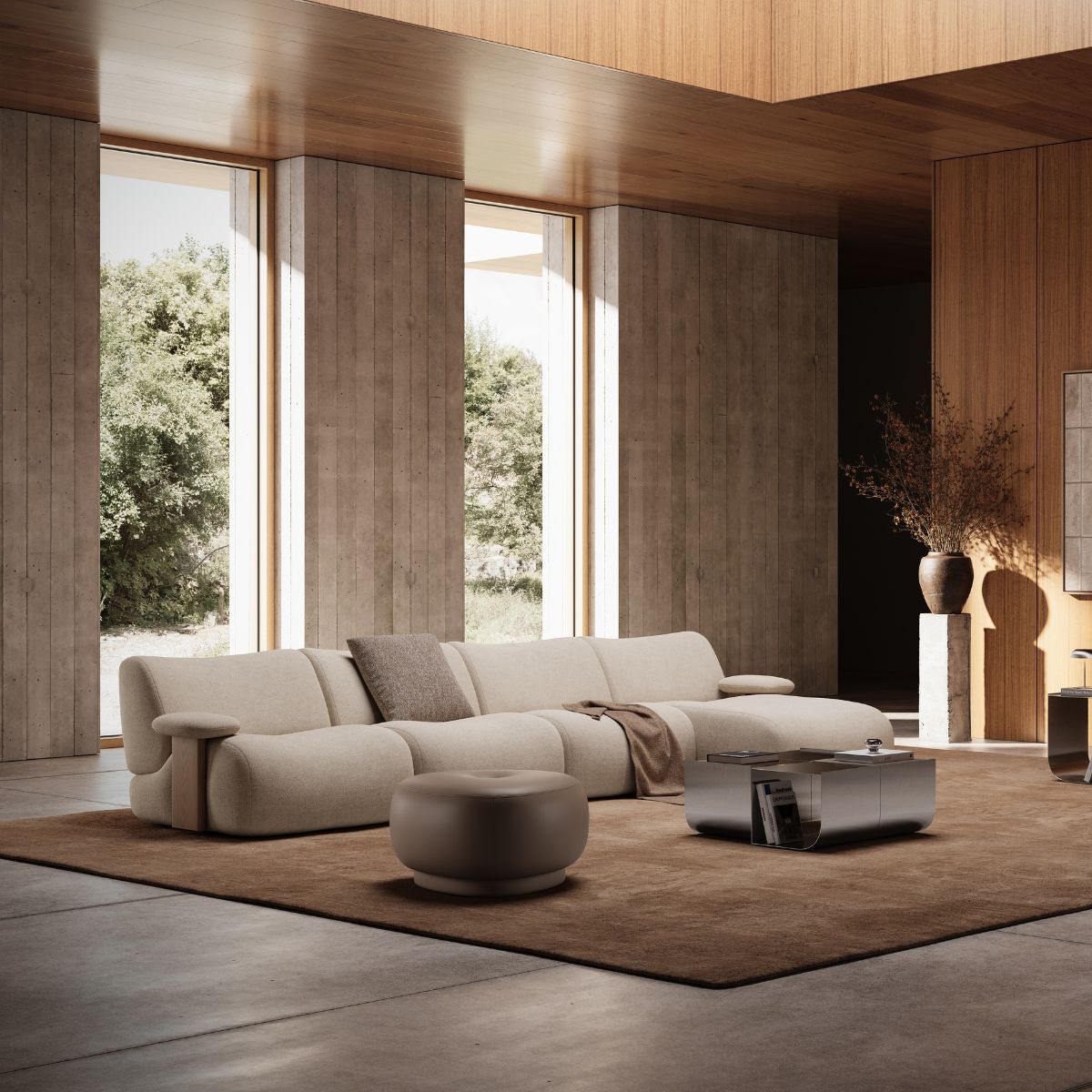
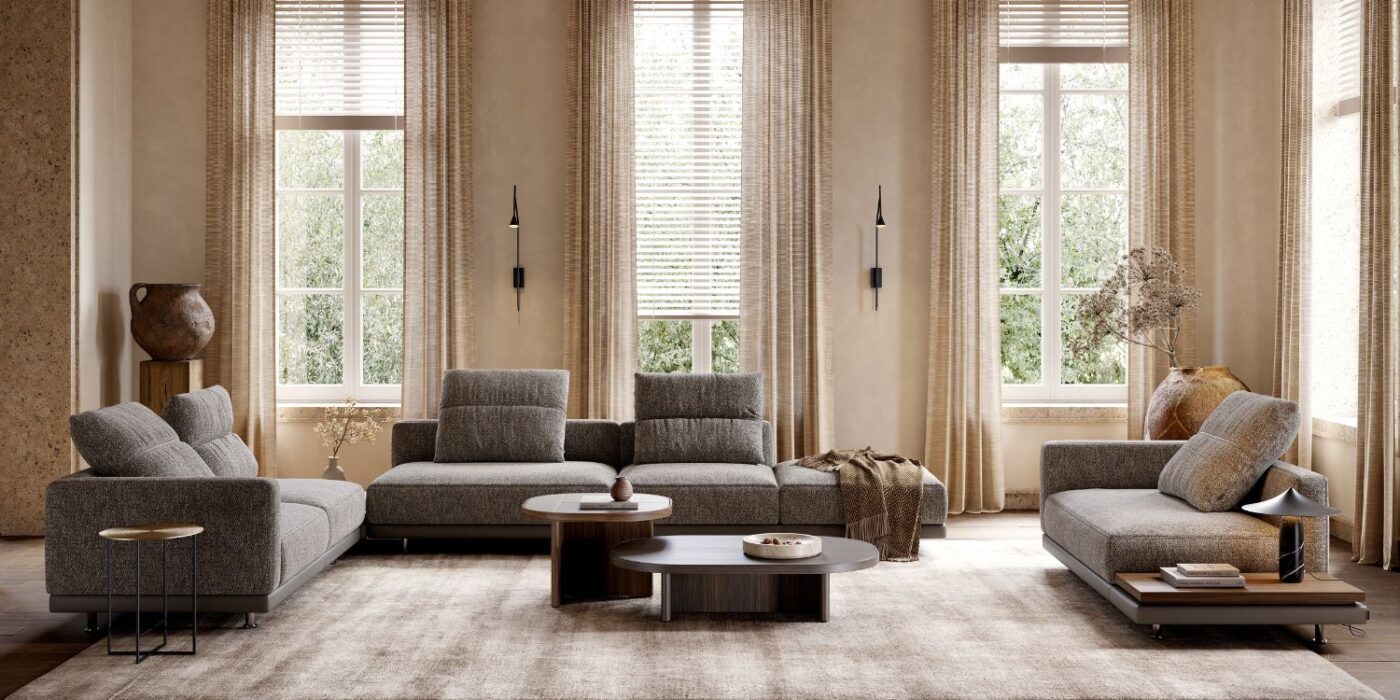
In a larger-scale living room refresh, a statement sofa such as the Giorgio Sofa could become the element around which the rest of the interior is recalibrated. Its impact comes not from adding more, but from changing the room’s primary silhouette and visual language.
One considered investment can sometimes achieve more than five minor purchases.
How to Choose What to Change First
When clients ask for a refresh, designers can avoid unnecessary decisions by assessing each potential change against six questions:
- Visual impact: Will this noticeably improve the room?
- Condition: Is the existing piece genuinely worn or simply familiar?
- Cost: Is the investment proportionate to the result?
- Lead time: Can it realistically arrive within the required timeline?
- Flexibility: Can the piece adapt as the room evolves?
- Long-term relevance: Will this still feel appropriate next season?
A useful principle is:
If changing it doesn’t noticeably improve the room, don’t change it yet.
This keeps the refresh focused and protects the budget from being spent on low-impact additions.
A Better Approach to the End-of-Summer Interior Refresh
The end of summer does not require a new interior. It simply offers a useful moment to reassess one.
As lifestyles move indoors and the quality of light changes, it is natural for clients and homeowners to want spaces that feel warmer, more tactile and more comfortable. But achieving that shift does not mean replacing quality furniture, abandoning existing investments or starting a project from scratch.
The most successful end-of-summer interior refresh strategies are based on understanding which elements have the greatest influence on atmosphere and changing those with intention.
Sometimes that means a new textile. Sometimes it means warmer lighting. Sometimes it means introducing one carefully selected accent piece. And sometimes it means buying nothing at all and simply editing what already exists.
A meaningful refresh is knowing what deserves to change.
YOU MAY ALSO LIKE: Chocolate Brown Upholstery: A Lasting Classic Or A Passing Trend?
We are working every day to bring you the most stylish ideas to fulfil your inspiration and to create the best interior design projects, so feel free to follow our Instagram Page and subscribe to our newsletter.