

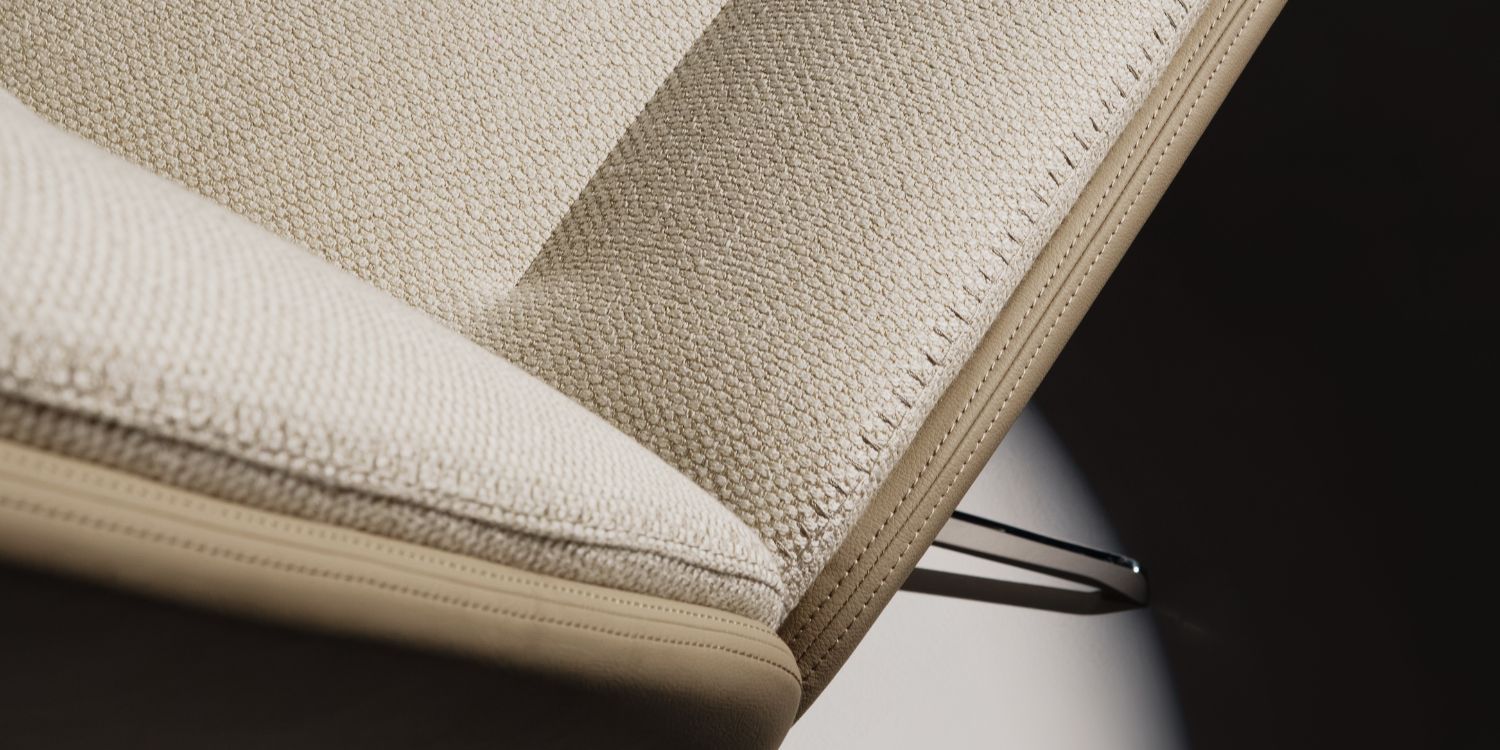
When specifying upholstered furniture, designers often devote considerable attention to fabric selection, proportions, comfort and dimensions. Yet some of the most influential design decisions happen at a much smaller scale.
A line of piping. A row of nailheads. A carefully executed stitch. A subtly defined seam.
These finishing details may appear minor, but they fundamentally shape how furniture is perceived. They can sharpen a silhouette, celebrate craftsmanship, improve durability and reinforce a project’s architectural language – or they can clutter an otherwise elegant design.
Perhaps more than any other specification choice, upholstery finishes reveal a designer’s confidence. Knowing when to add detail is just as important as knowing when not to.
This guide explores decorative upholstery details not as embellishments but as purposeful design tools that balance craftsmanship, proportion, longevity and timelessness.
Why Upholstery Finishes Matter
Traditional upholstery has always celebrated the meeting point between craftsmanship and function. Long before furniture became mass-produced, visible stitching, hand-applied trims and carefully finished seams weren’t decorative afterthoughts – they were evidence of skilled hands.
While modern manufacturing has evolved dramatically, thoughtful detailing continues to communicate quality in ways that clients instinctively recognise.
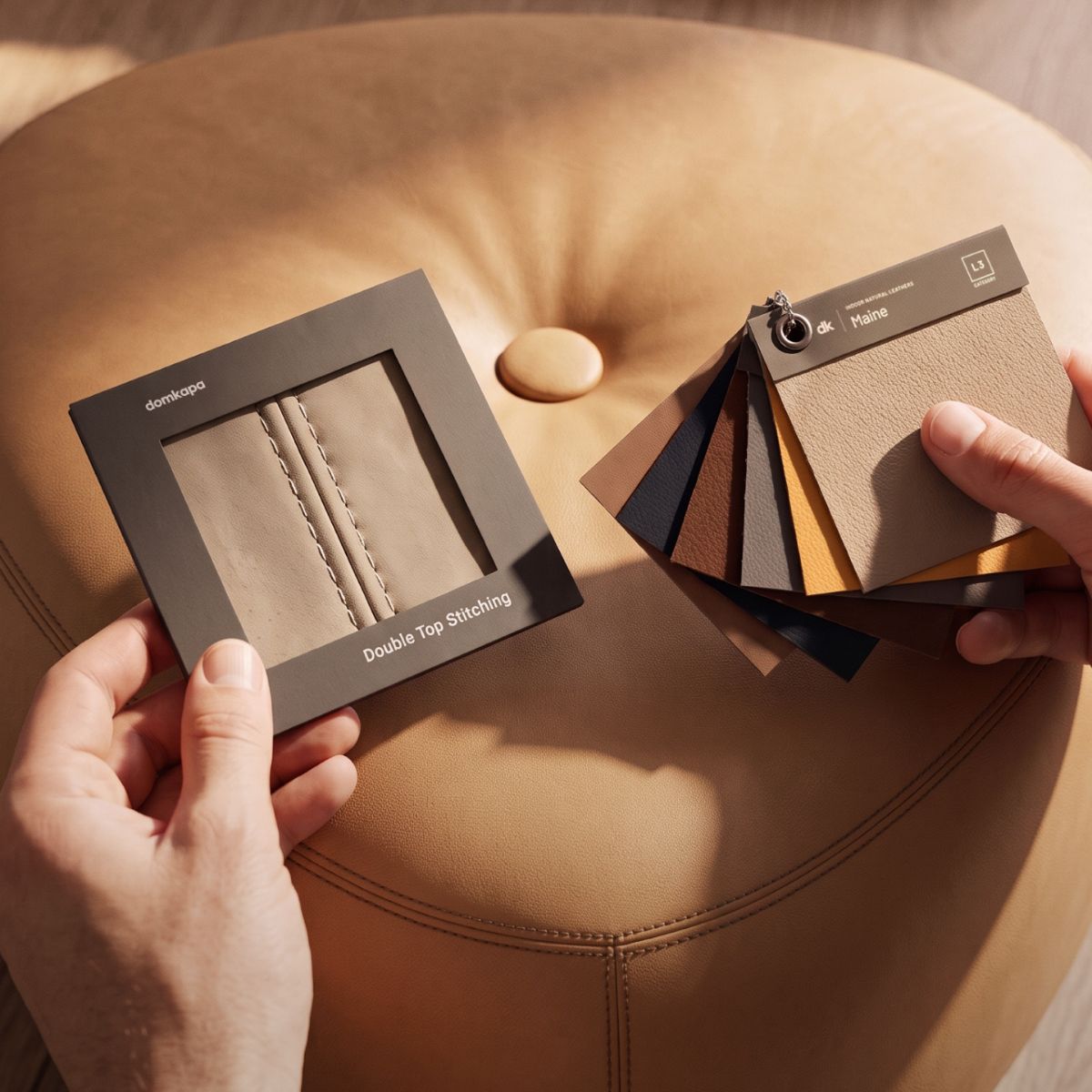
Well-considered upholstery finishing details influence several aspects of furniture design:
- Perceived craftsmanship, showcasing precision and attention to detail.
- Visual refinement, creating cleaner transitions and more defined forms.
- Furniture character, reinforcing whether a piece feels contemporary, classic, relaxed or architectural.
- Longevity, particularly where detailing protects vulnerable seams or edges.
- Style identity, helping furniture belong naturally within its architectural context.
Rather than asking, “Which detail looks nicest?”, experienced designers ask a different question:
“What purpose does this detail serve?”
That shift in thinking leads to better specifications and, ultimately, better interiors.
Understanding the Most Common Upholstery Details
Piping
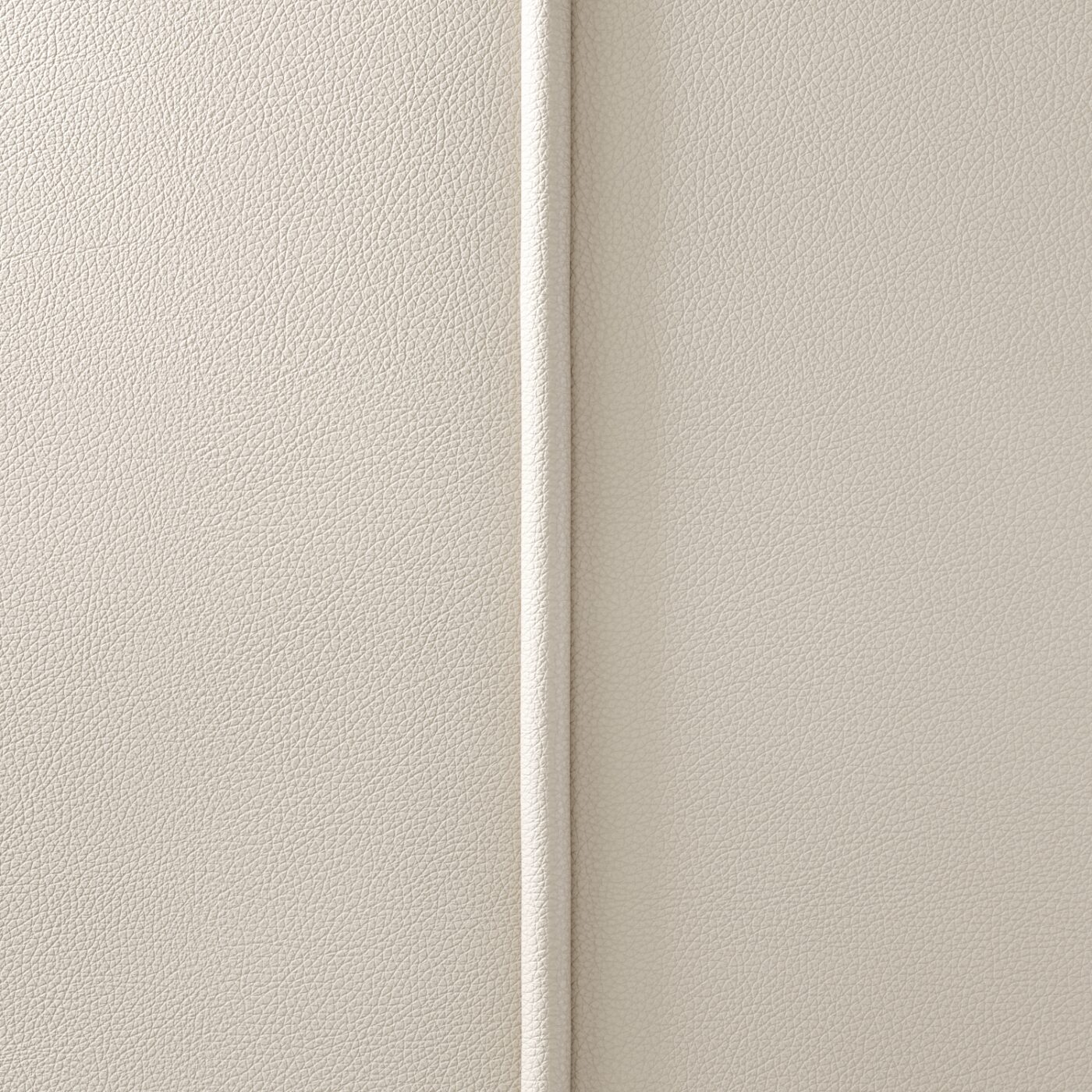
Among all upholstery finishing details, piping – also known as ‘welt’ – is perhaps the most versatile.
Piping consists of a narrow cord wrapped in fabric and sewn into the seams of upholstered furniture. Although subtle, it dramatically influences how a silhouette is read.
Visual Effect
Piping creates crisp visual boundaries by outlining cushions, arms, backs and seat edges. Instead of allowing forms to blend softly together, it introduces definition and rhythm.
It can:
- Emphasise geometric forms;
- Highlight graceful curves;
- Create cleaner visual transitions;
- Add structure to softer upholstery.
This is why discussions around piping vs welt are often less about terminology and more about design intent. Whether using matching fabric for subtle sophistication or contrast fabric for emphasis, the objective remains the same: defining form.
Best Applications
Piping works particularly well on:
- Sofas with sculptural silhouettes;
- Lounge chairs with curved profiles;
- Cushions requiring visual definition;
- Transitional furniture balancing classic and contemporary influences.
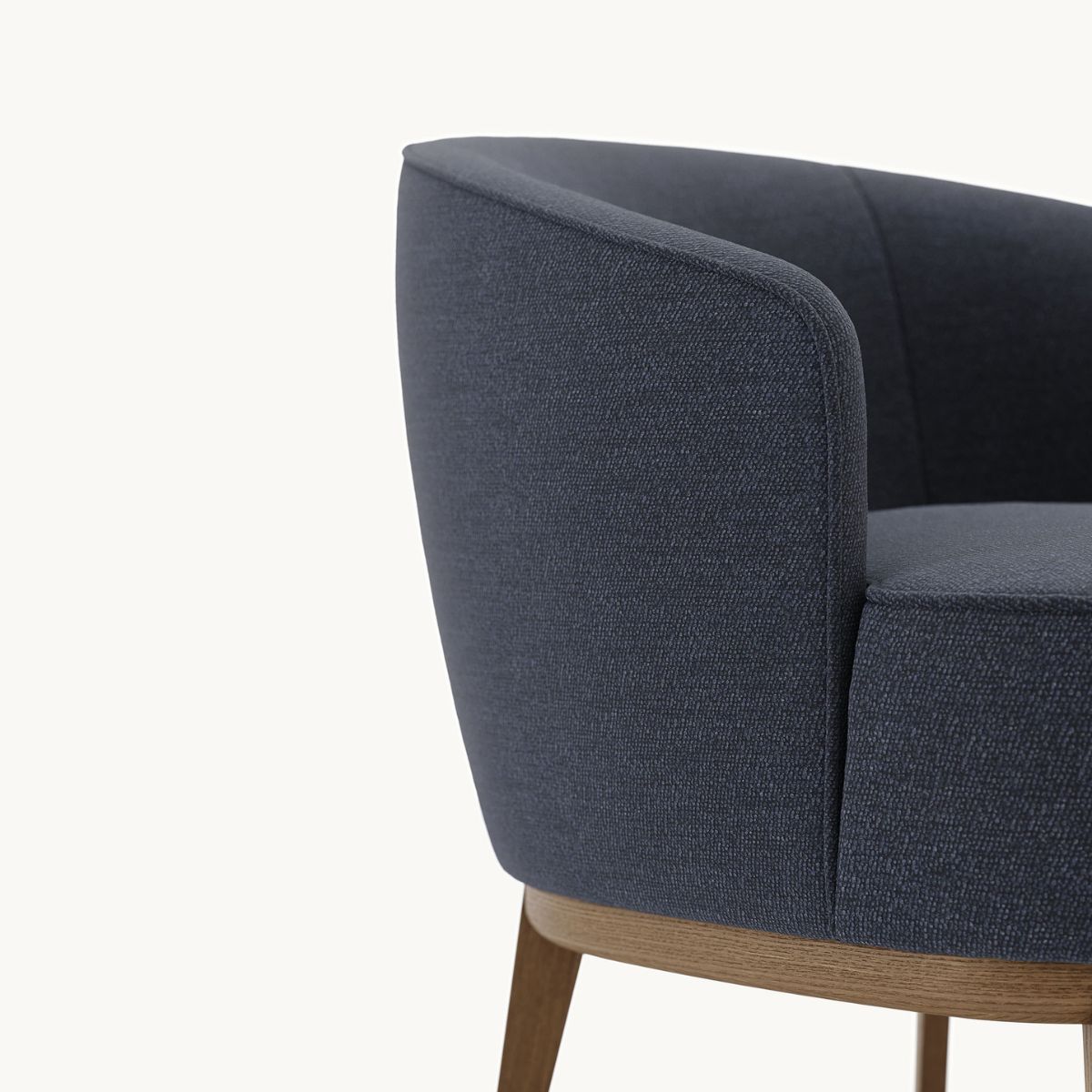
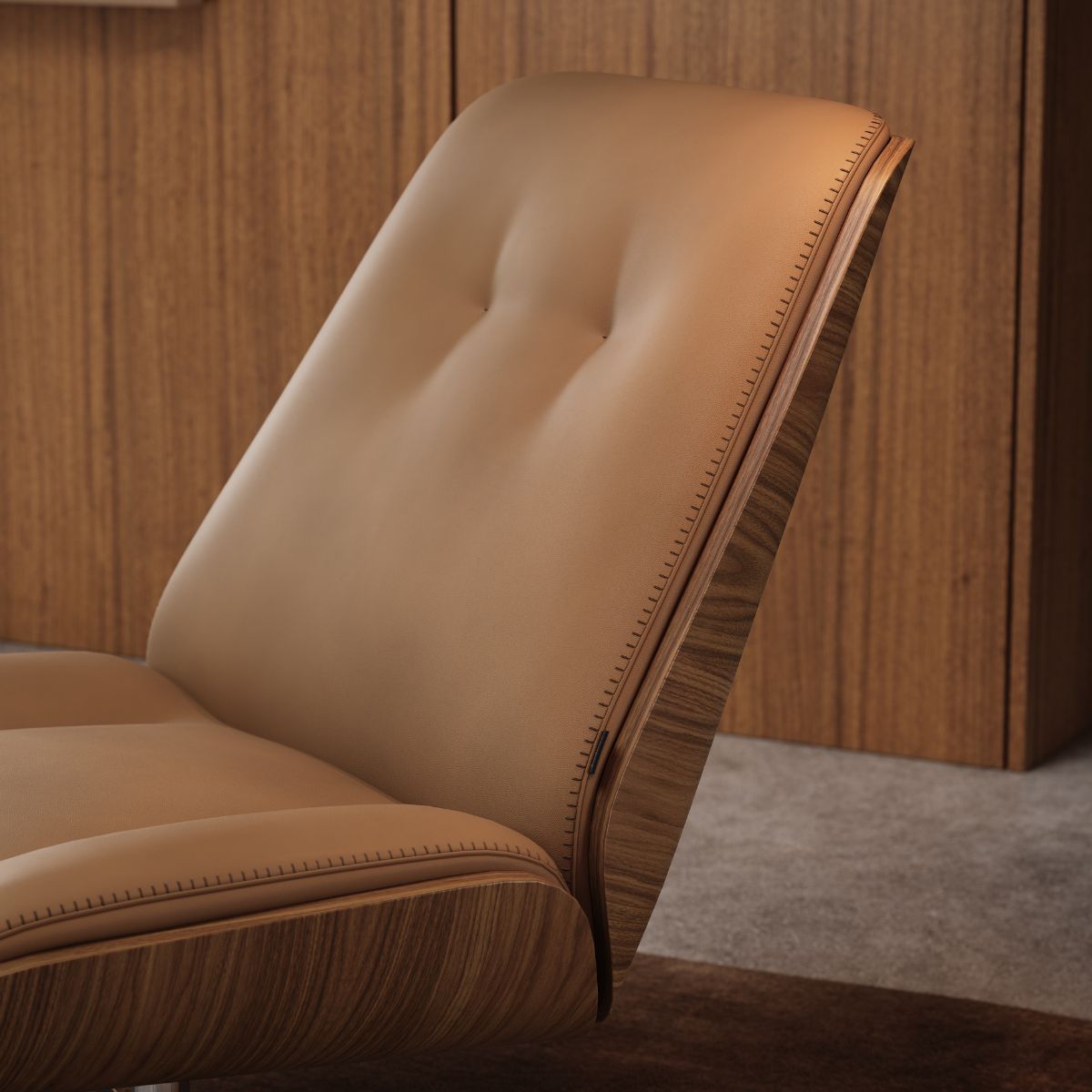
A refined example is the Megan Armchair, where single top stitching gently follows the chair’s flowing curves. Rather than competing with the design, the detailing quietly reinforces its sculptural softness.
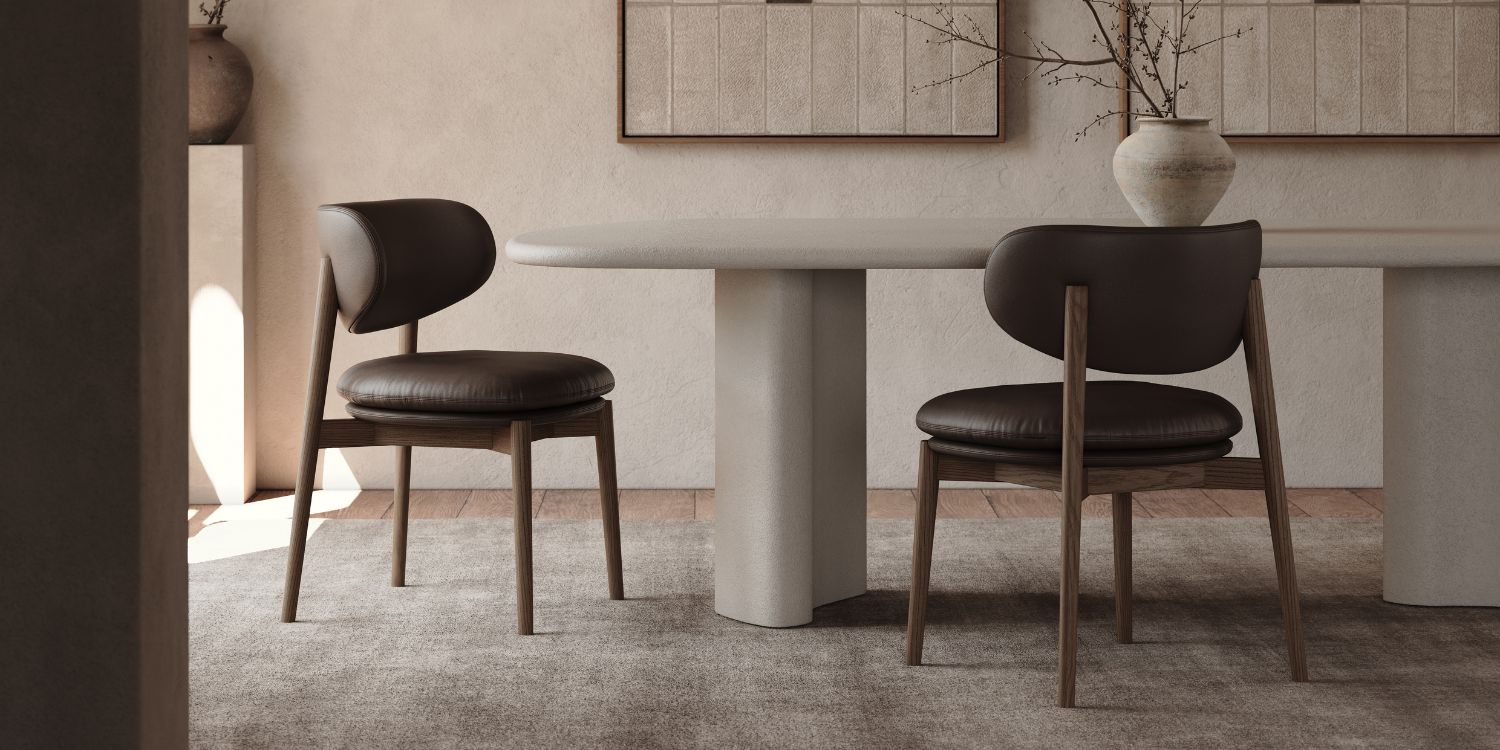
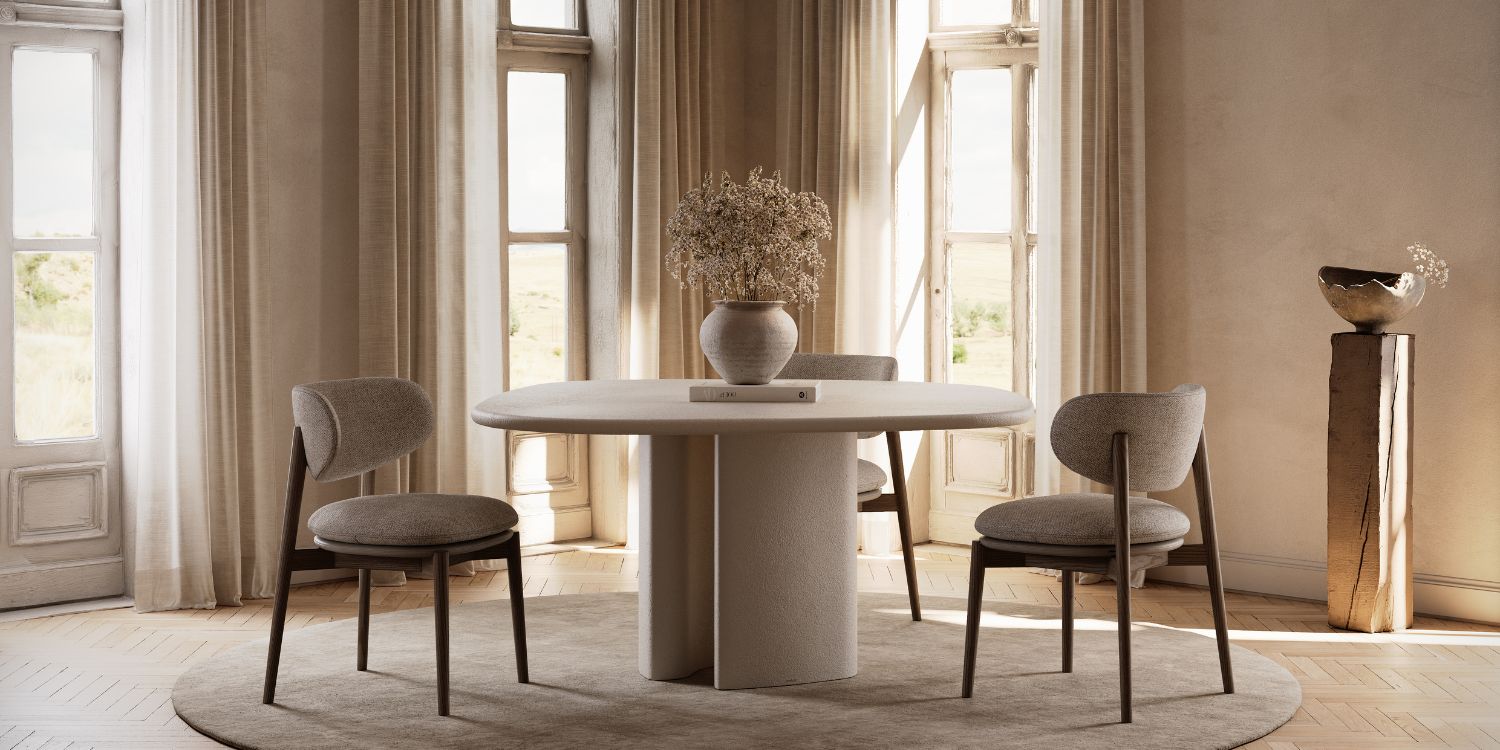
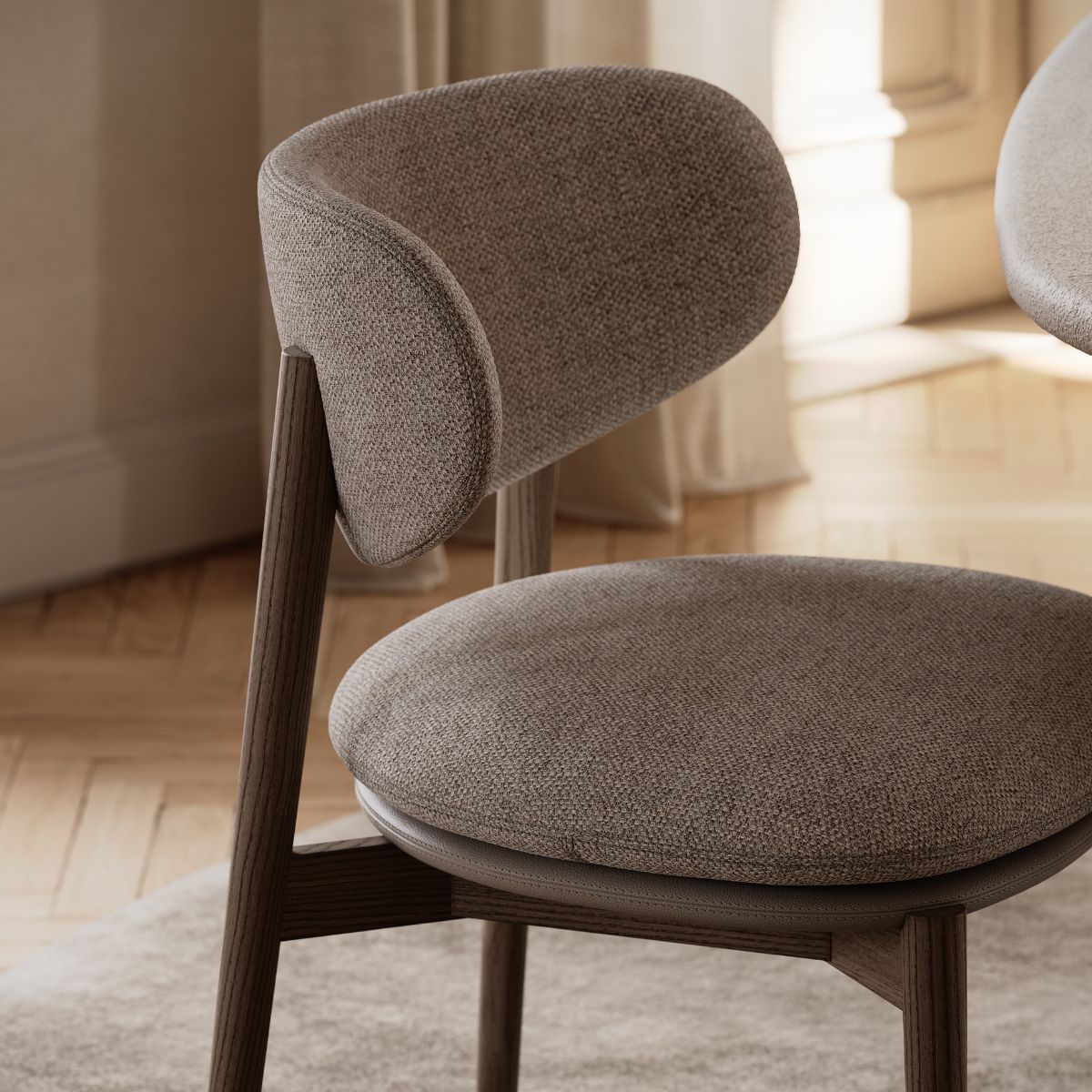
Similarly, the Harvey Dining Chair demonstrates restraint through subtle upholstery finishing and its carefully integrated wooden connection, allowing craftsmanship to enhance rather than dominate the overall composition.
Decorative Stitching
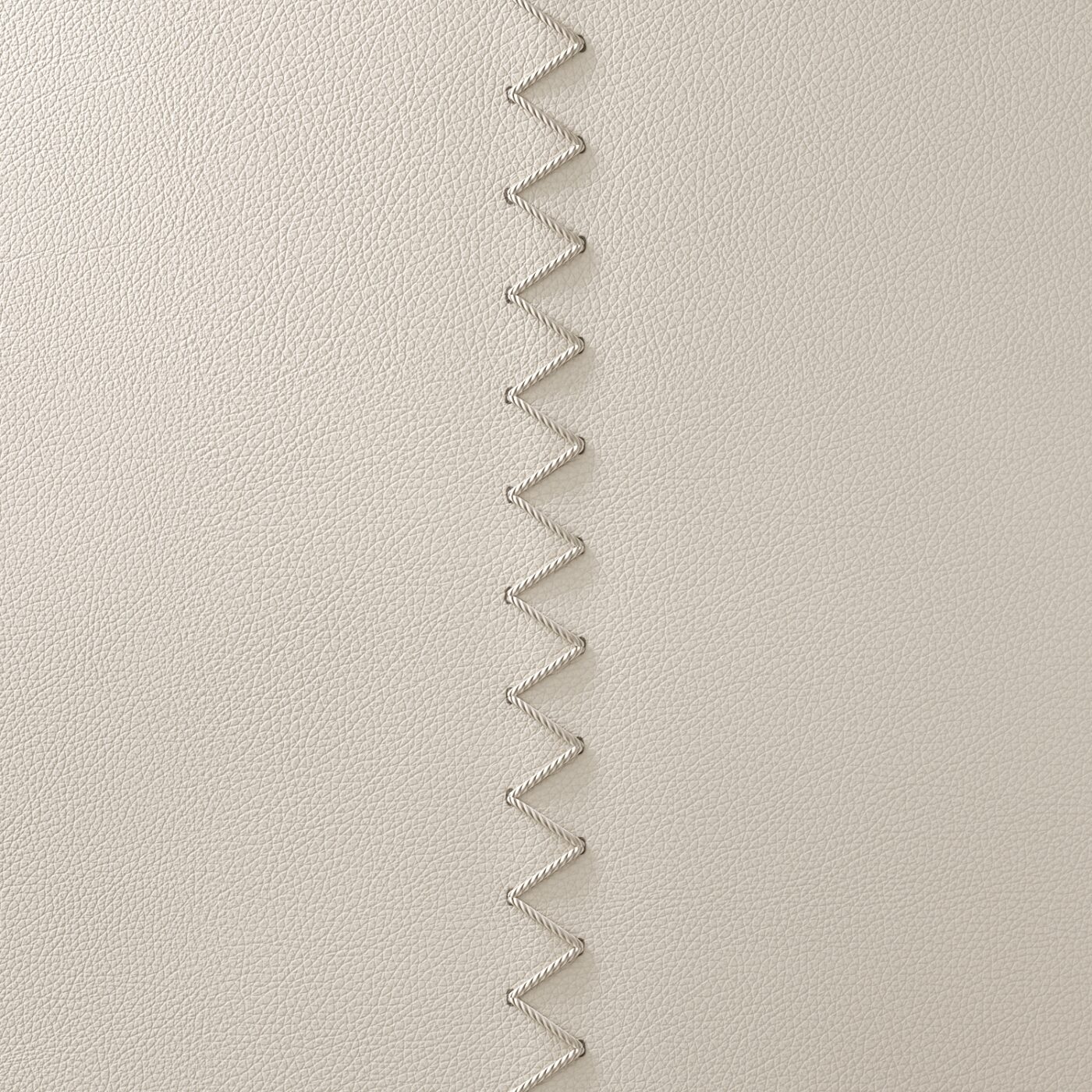
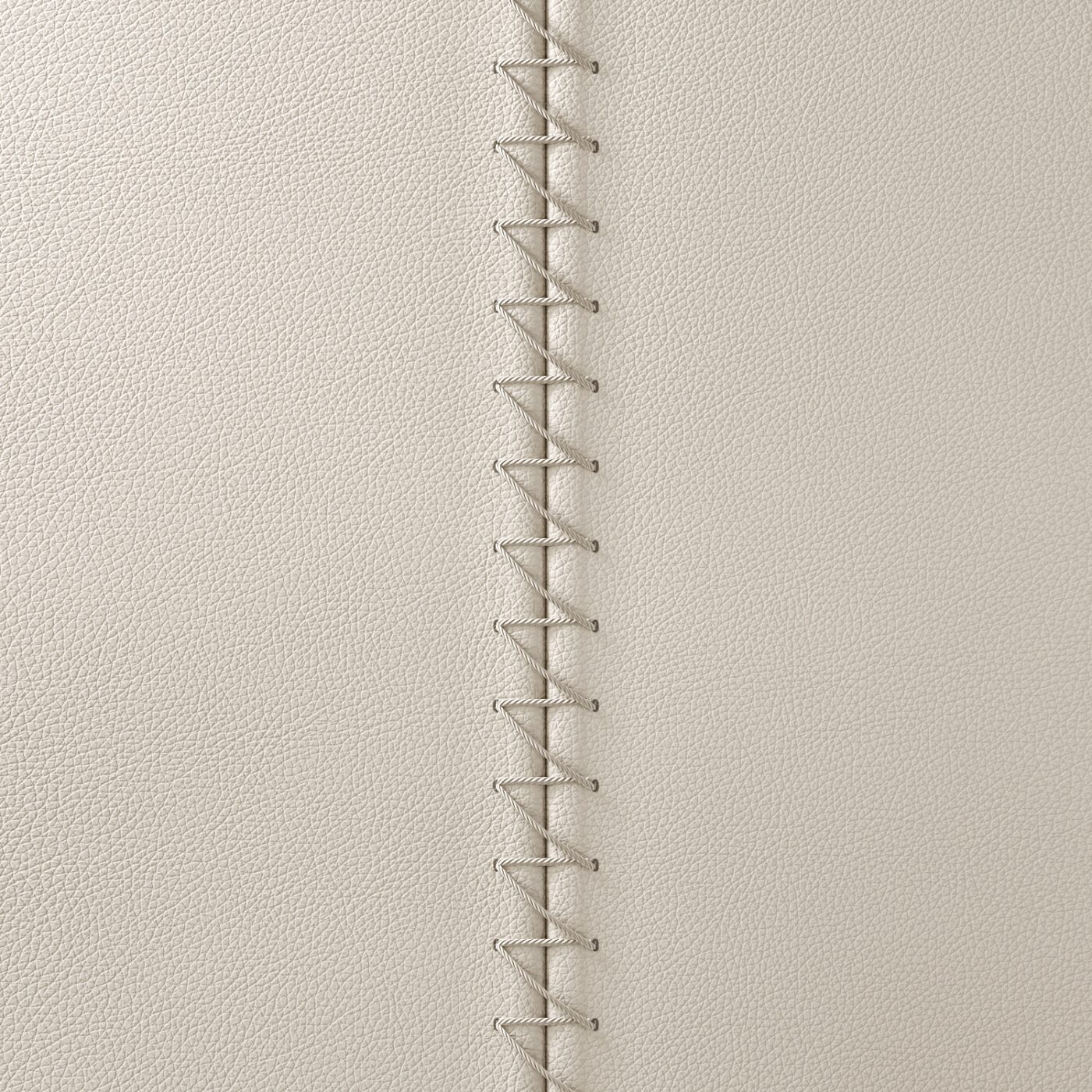
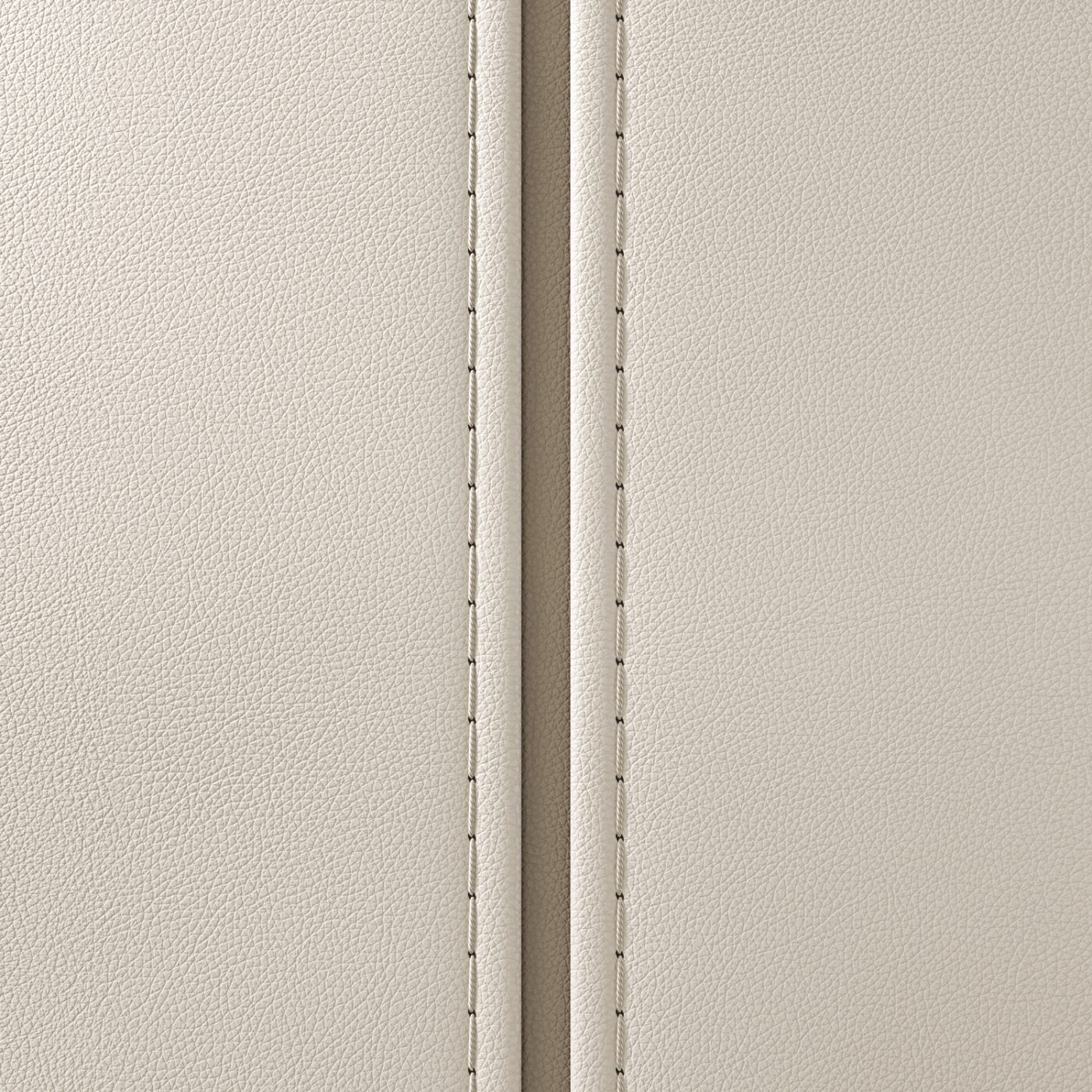
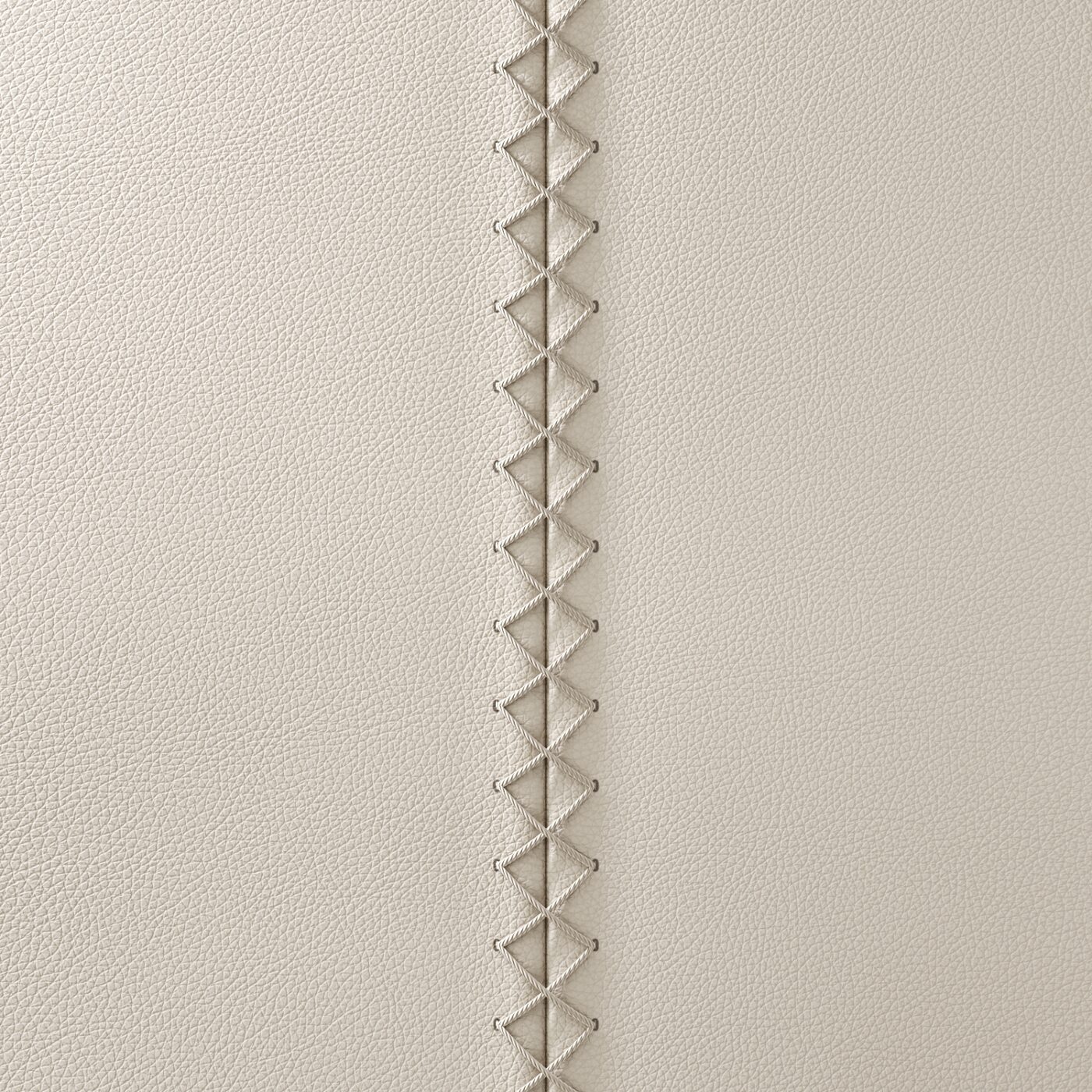
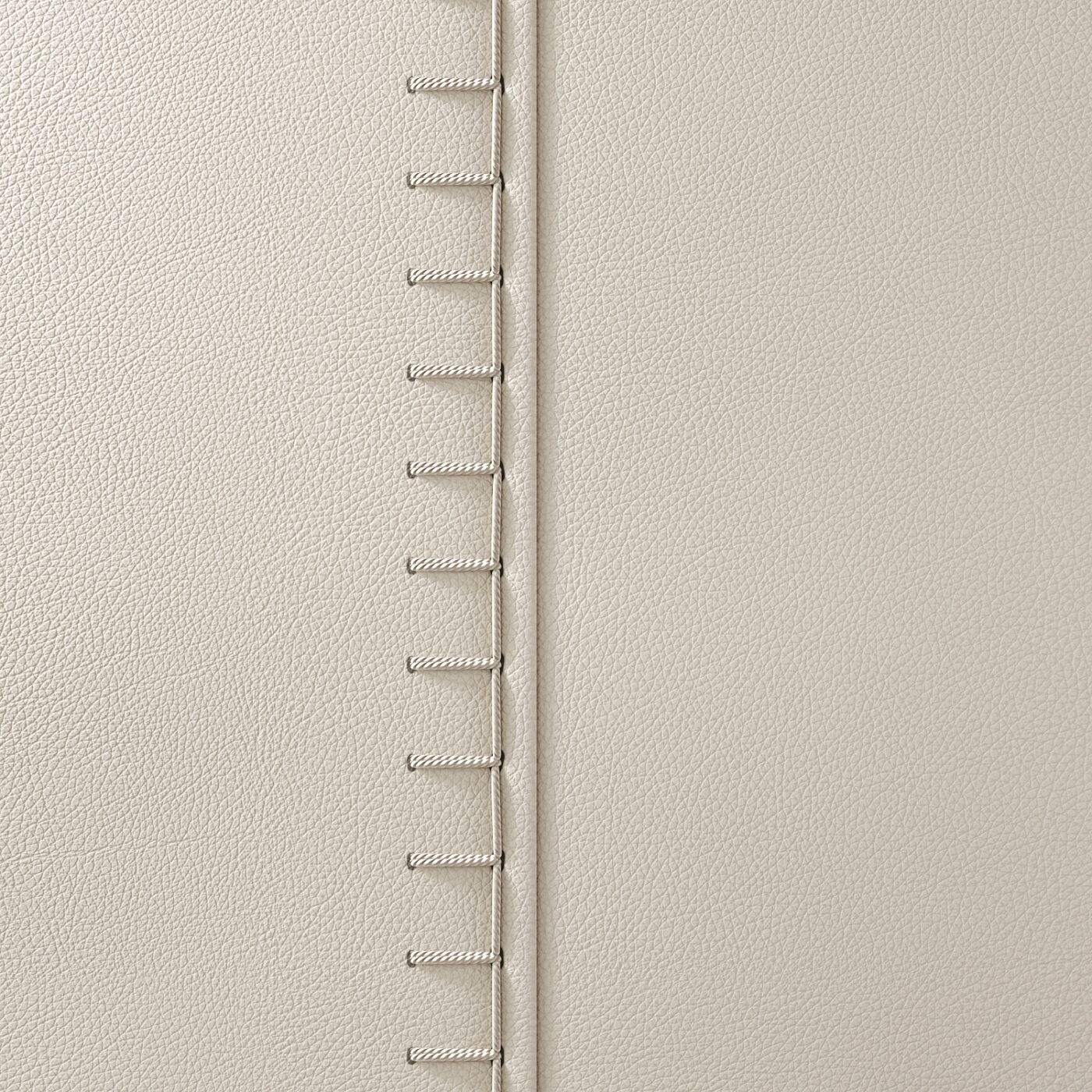
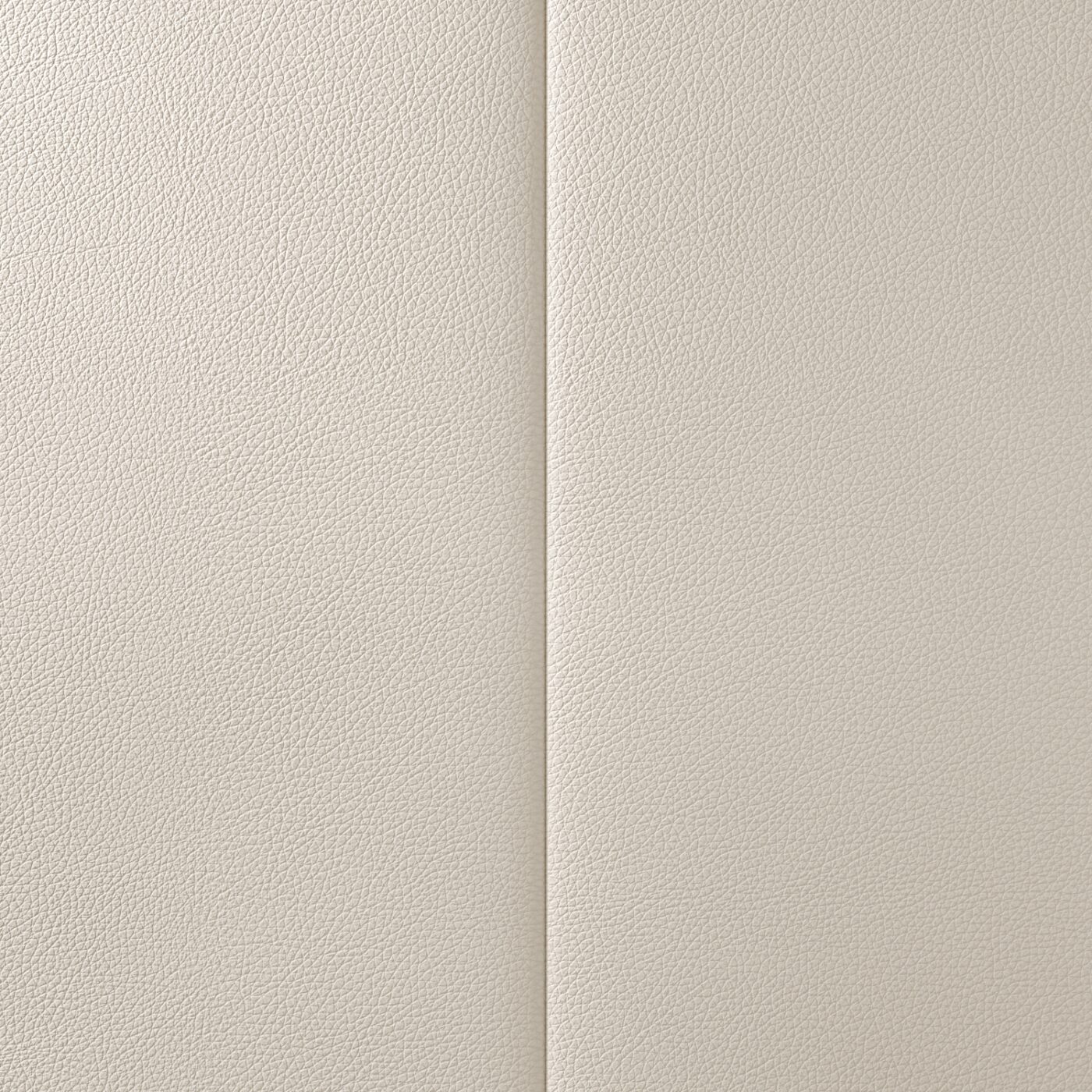
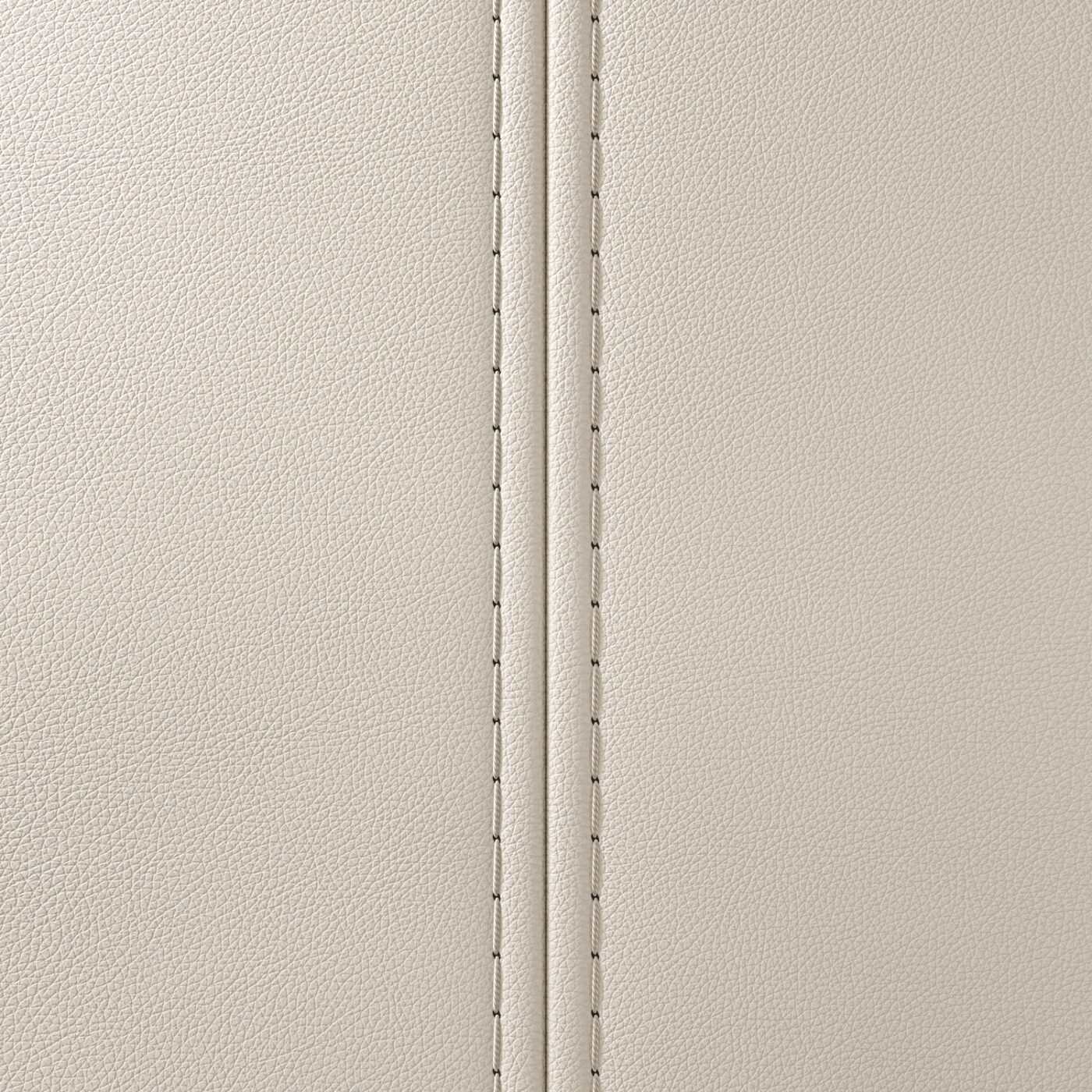
Stitching has become one of contemporary upholstery’s most expressive detailing techniques.
Unlike applied trims, stitching often feels inherent to the construction itself.
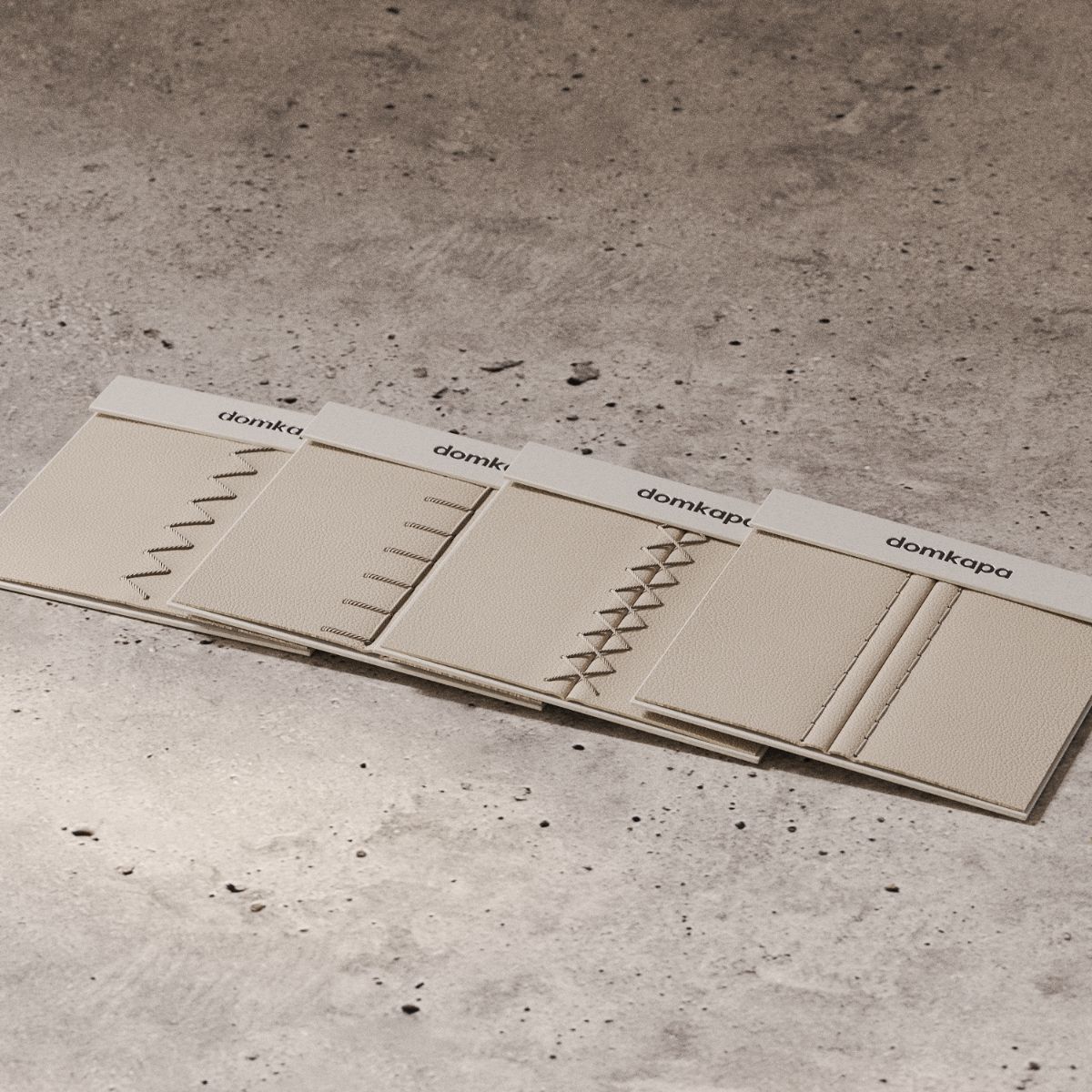
Common examples include:
- Zig-zag stitching;
- Half zig-zag stitching;
- Top stitching;
- Double top stitching;
- Double top stitching (spaced);
- Double top stitching with piping;
- Cross stitching;
- Blanket stitching;
- Invisible stitching.
Each creates a different visual rhythm.
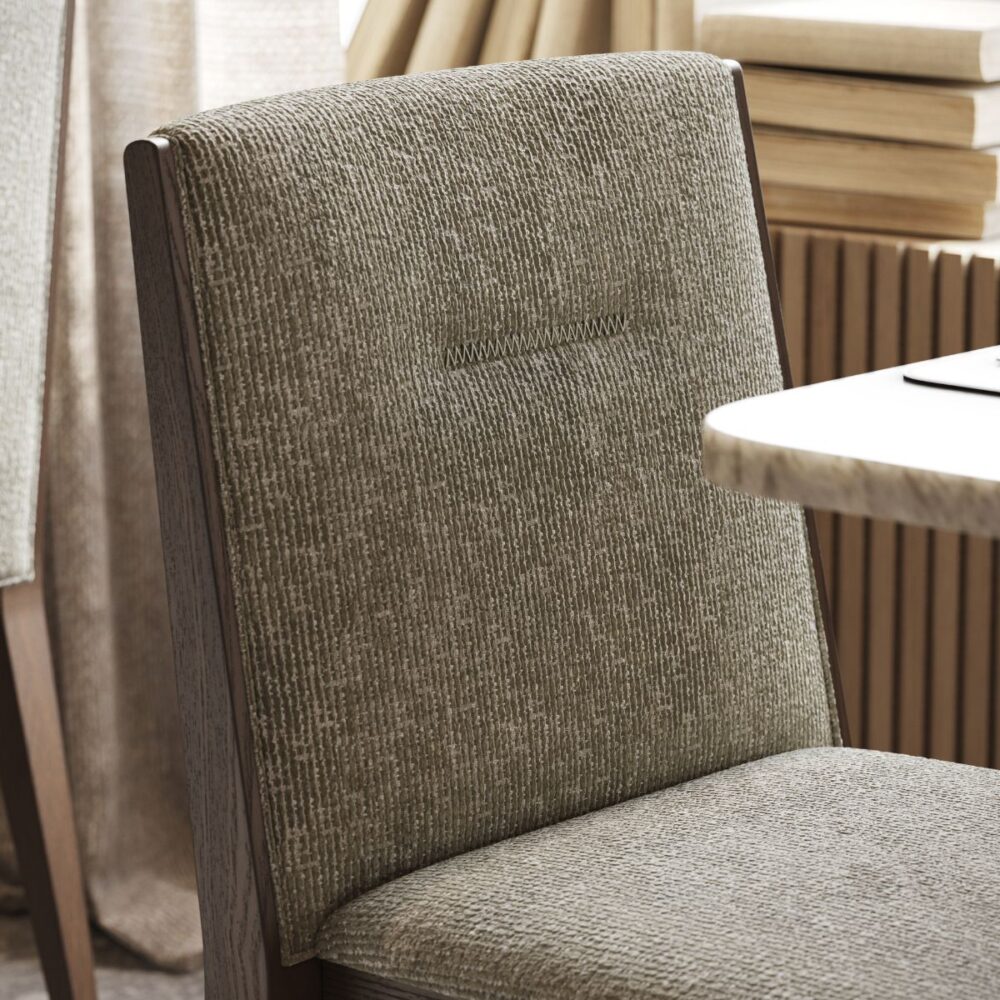
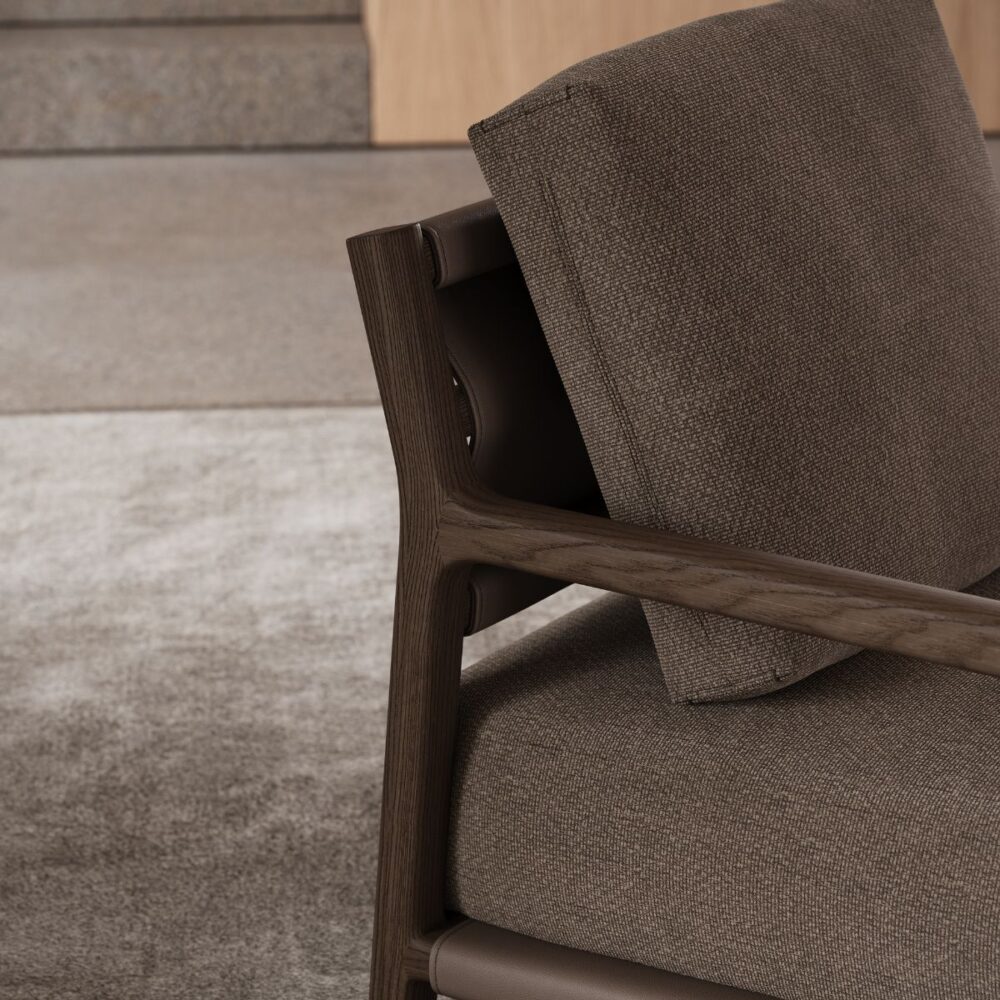
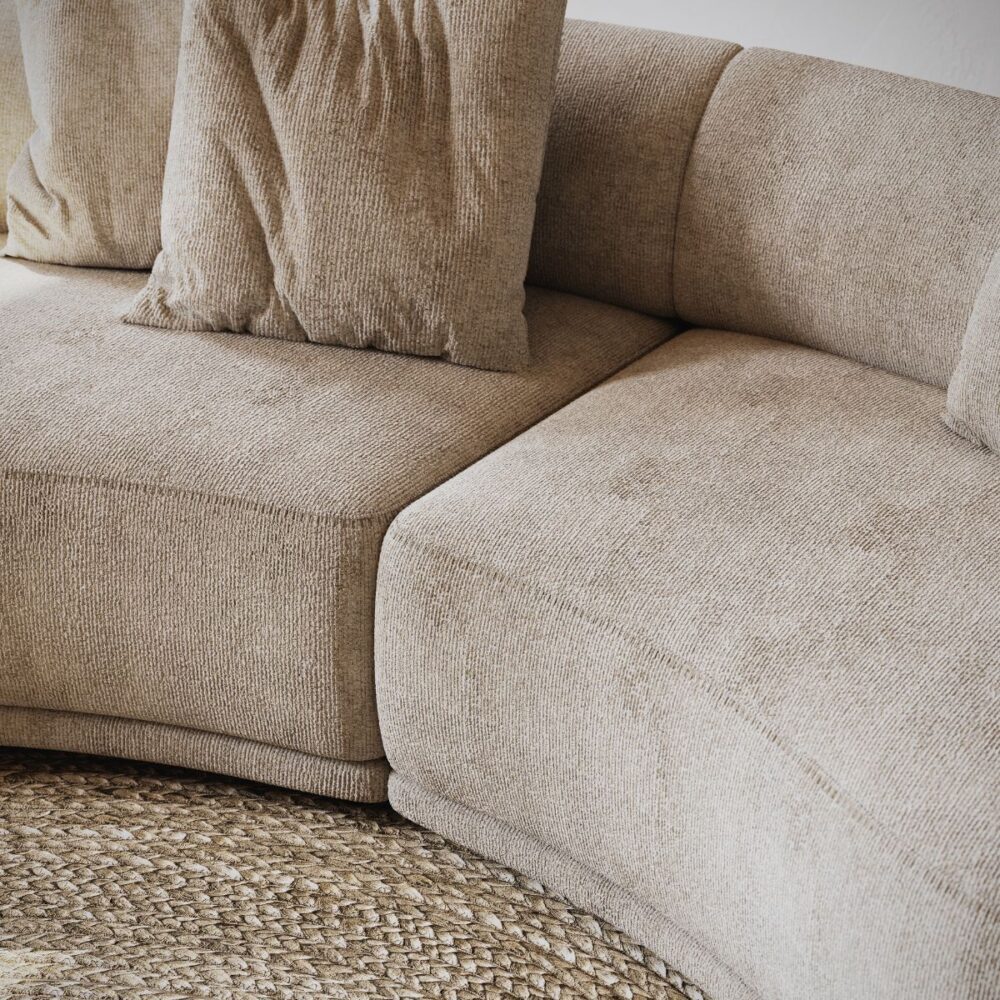
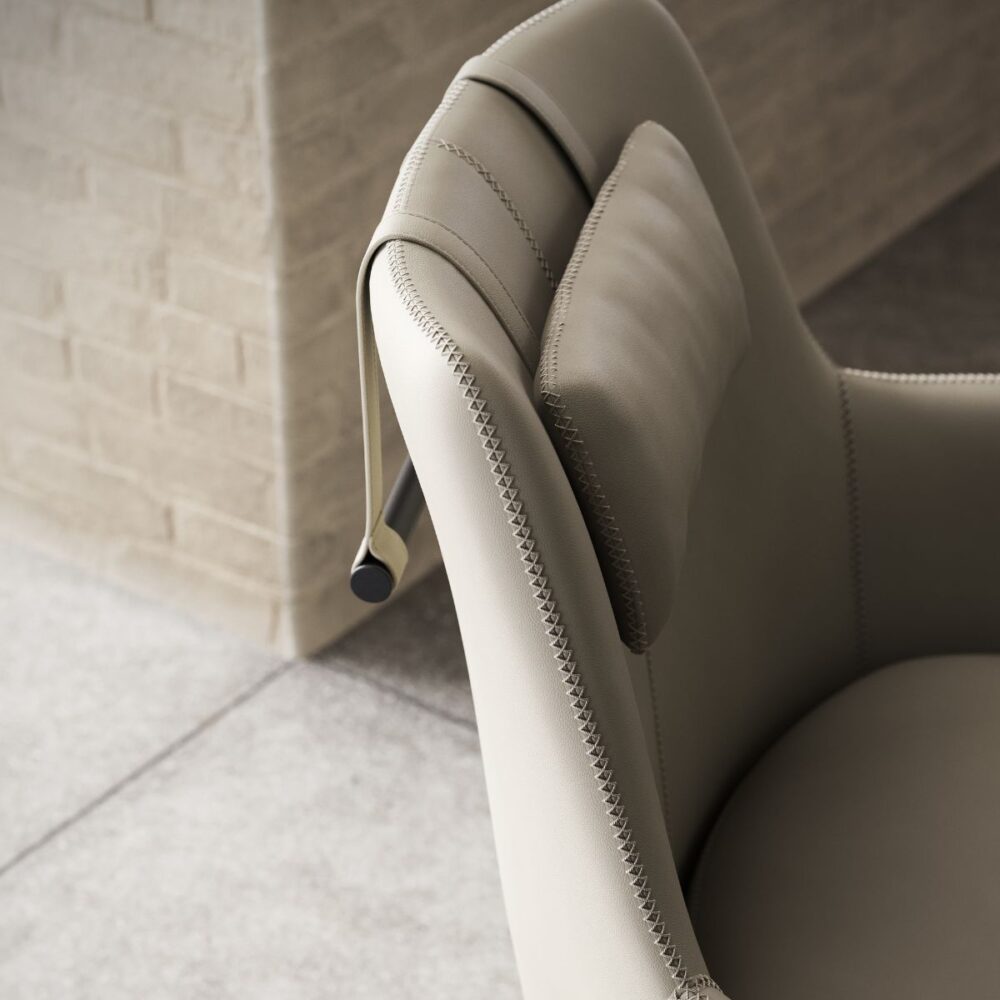
The Frank Dining Chair illustrates how zig-zag stitching introduces subtle sophistication without overwhelming its clean, architectural profile.
The Alton Armchair showcases hand-stitched corner detailing that openly celebrates artisanal craftsmanship, drawing attention to the precision of its construction.
Meanwhile, the Olivia Sofa uses blanket stitching as a defining design feature, creating warmth, tactility and an unmistakably handcrafted character.
The Alexander Armchair employs cross-stitching as a refined accent, demonstrating how decorative stitching can become part of a piece’s identity while remaining restrained.
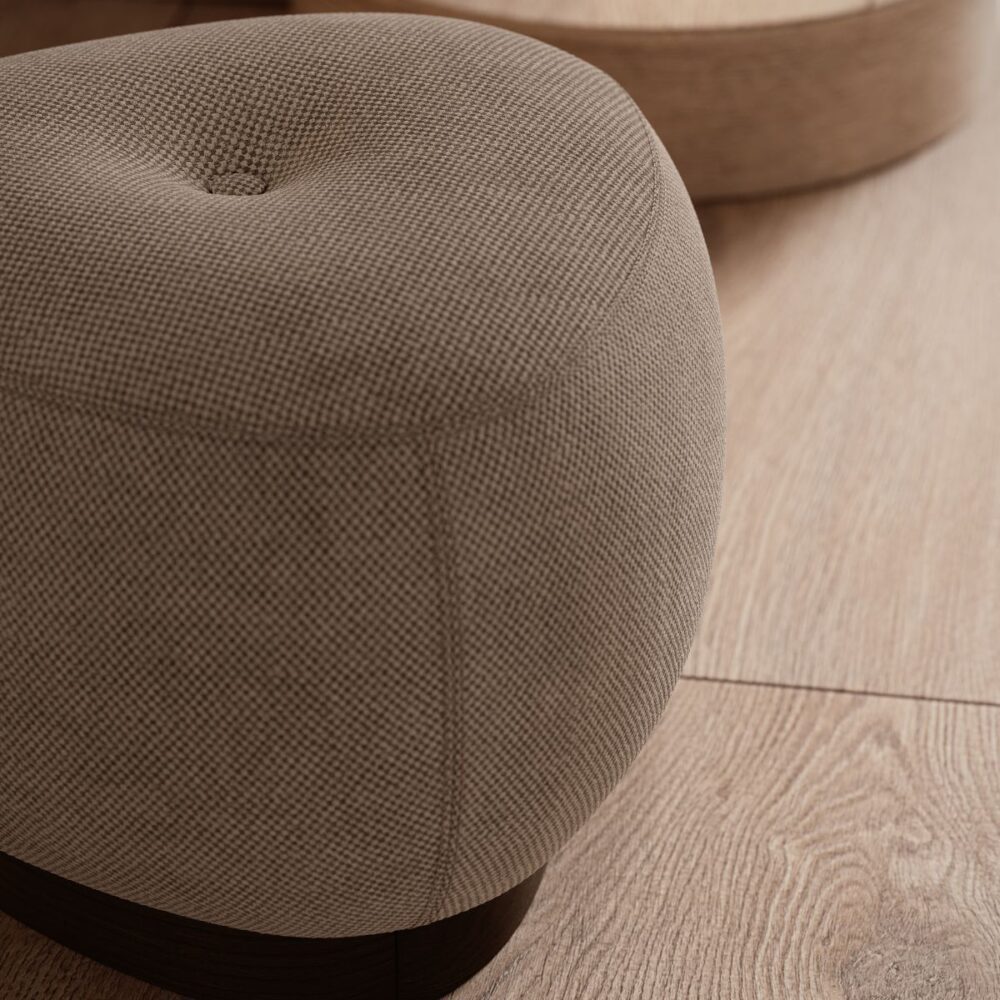
Finally, the Jules Pouf revisits one of upholstery’s oldest techniques – pulled-button detailing – reinterpreting traditional tufting within a clean geometric form that feels distinctly contemporary.
Decorative or Functional?
The strongest upholstery finishes rarely exist solely for decoration.
Instead, they often perform multiple roles simultaneously.
They may:
- Reinforce high-stress seams;
- Protect vulnerable upholstery edges;
- Improve structural longevity;
- Define proportions;
- Highlight craftsmanship;
- Create visual rhythm across large surfaces.
This duality explains why the finest furniture never feels over-designed. Every visible detail has earned its place.
When Detailing Adds Value
Decorative detailing is particularly effective when it supports the broader architectural language of a project.
It often elevates:
Classic and Transitional Interiors: Piping, tailored stitching and restrained nailhead trim naturally reinforce timeless furniture proportions.
Boutique Hospitality: Hotels, lounges and private clubs benefit from tactile detailing that guests subconsciously associate with craftsmanship and luxury.
Statement Lounge Seating: Large sculptural armchairs frequently benefit from detailing that helps articulate their geometry without overpowering their scale.
Heritage-Inspired Furniture: Traditional upholstery details preserve historical authenticity while introducing warmth and familiarity.
Architectural Silhouettes: Furniture with strong forms often benefits from carefully positioned detailing that guides the eye along key structural lines rather than distracting from them.
When Simplicity Is the Better Choice
Restraint is one of the most difficult design skills to master.
Many contemporary furniture collections rely on proportion, material quality and silhouette rather than ornament. Adding unnecessary detailing can undermine those strengths.
Excessive embellishment may:
- Date the design more quickly;
- Compete with beautiful upholstery fabrics;
- Interrupt clean architectural lines;
- Reduce visual clarity;
- Make furniture appear unnecessarily busy.
Minimalism is not the absence of craftsmanship. Often, it demands even greater precision because every seam becomes more visible.
Invisible stitching, subtle top stitching or carefully concealed construction frequently demonstrate higher confidence than decorative additions.
A Practical Decision Framework
Should This Piece Have Decorative Detailing?
Before specifying upholstery finishing details, ask yourself:
☐ Does the detail support the furniture’s overall design language?
☐ Is it reinforcing the silhouette or competing with it?
☐ Would the piece still feel appropriate ten years from now?
☐ Does the detail improve craftsmanship, durability or construction?
☐ Does it align with the architecture of the space?
☐ Will it complement the chosen upholstery material?
☐ Does it enhance the client’s experience rather than simply attracting attention?
If several answers are “no”, restraint is probably the stronger design decision.
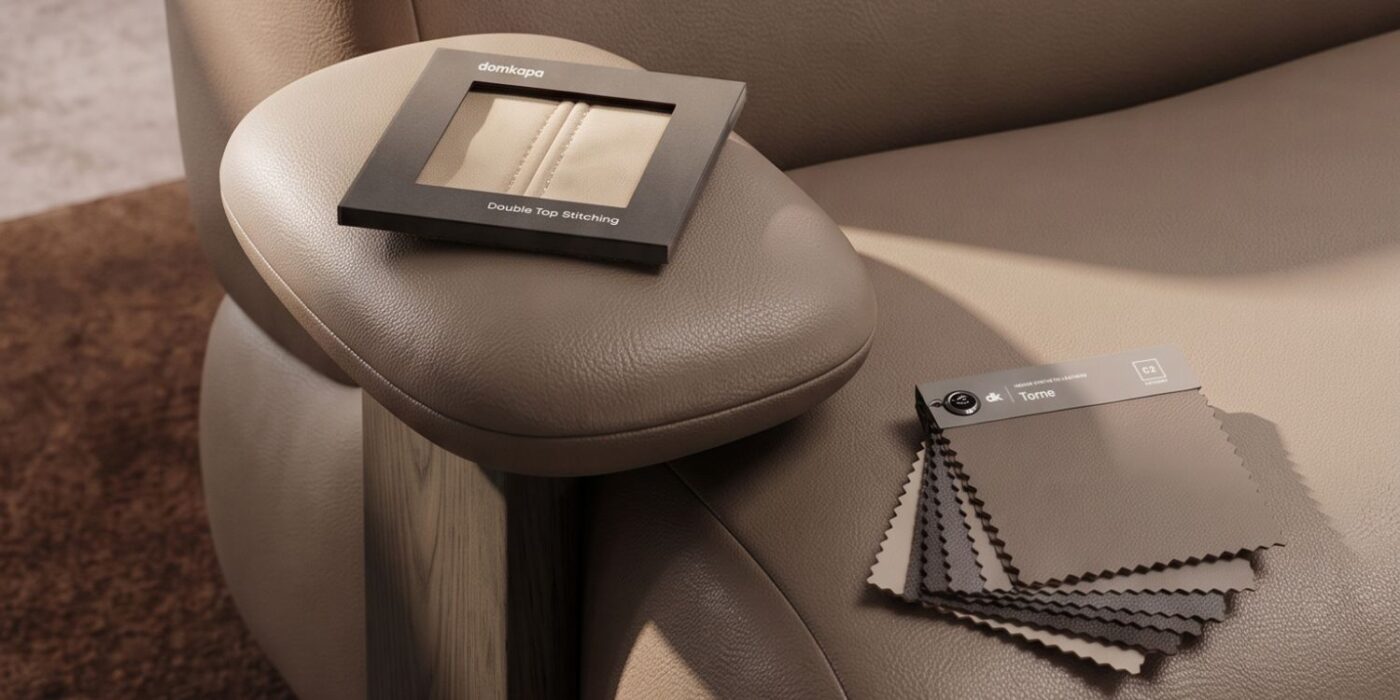
The finest upholstery finishes rarely demand attention. Instead, it quietly strengthens proportion, celebrates craftsmanship, improves durability and reinforces the identity of a piece.
Whether it’s a line of piping defining a sculptural sofa or hand-finished stitching highlighting artisanal construction, successful detailing always serves a purpose beyond decoration.
For designers, the challenge is not deciding how much detail to add – it is recognising which detail genuinely belongs. Because in upholstery, as in architecture, thoughtful restraint often communicates sophistication more powerfully than embellishment ever could.
We are working every day to bring you the most stylish ideas to fulfil your inspiration and to create the best interior design projects, so feel free to follow our Instagram Page and subscribe to our newsletter.