

International design projects have never been more accessible. Interior designers in London specify furniture for hotels in Dubai, architects in New York collaborate with manufacturers in Portugal and procurement teams furnish residential developments across multiple continents – all without ever stepping into the same room.
This shift has transformed how the industry works. Remote collaboration has become faster, more efficient and increasingly expected by clients. But while communication has evolved, ordering furniture online – particularly made-to-order upholstered furniture – still requires a level of precision that goes far beyond adding products to a shopping cart.
Unlike off-the-shelf purchases, professional furniture specification involves countless decisions about dimensions, materials, finishes, logistics and approvals. Small misunderstandings can become expensive once production begins, especially when projects span different countries and time zones.
The good news is that these risks are entirely manageable. Experienced designers don’t rely on luck – they rely on systems.
This furniture specification guide explores the seven most common challenges of ordering furniture online and offers practical strategies to help interior designers deliver successful projects with confidence.
Why Ordering Furniture Online Is Different from Buying Furniture Online
For consumers, buying furniture online is often a straightforward retail experience. The product is standardised, returns may be possible and purchasing decisions are largely based on photographs, reviews and price.
Professional specification works very differently.
When specifying furniture for residential, hospitality or commercial projects, designers aren’t simply purchasing products – they’re defining hundreds of technical and aesthetic decisions that directly influence the finished interior.
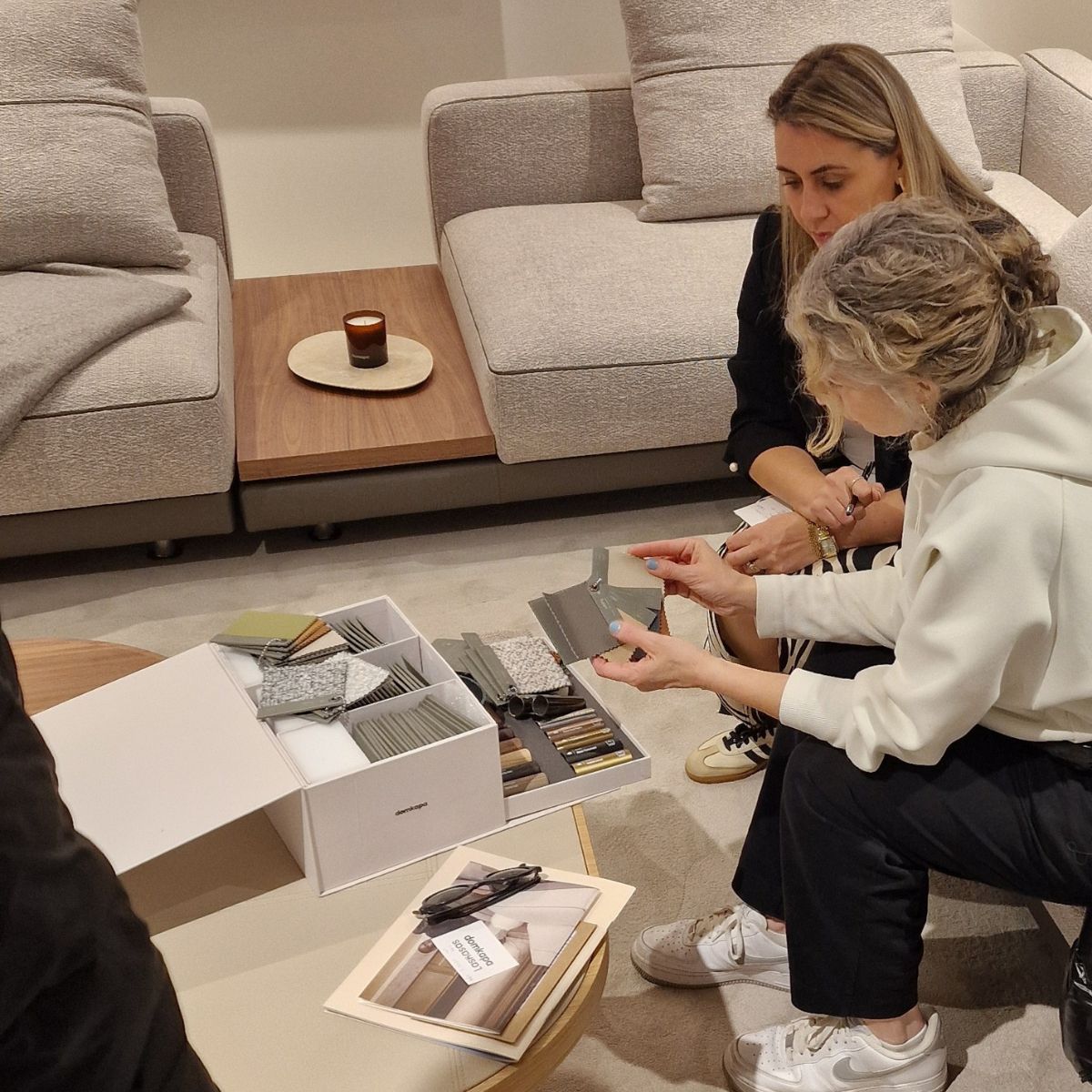
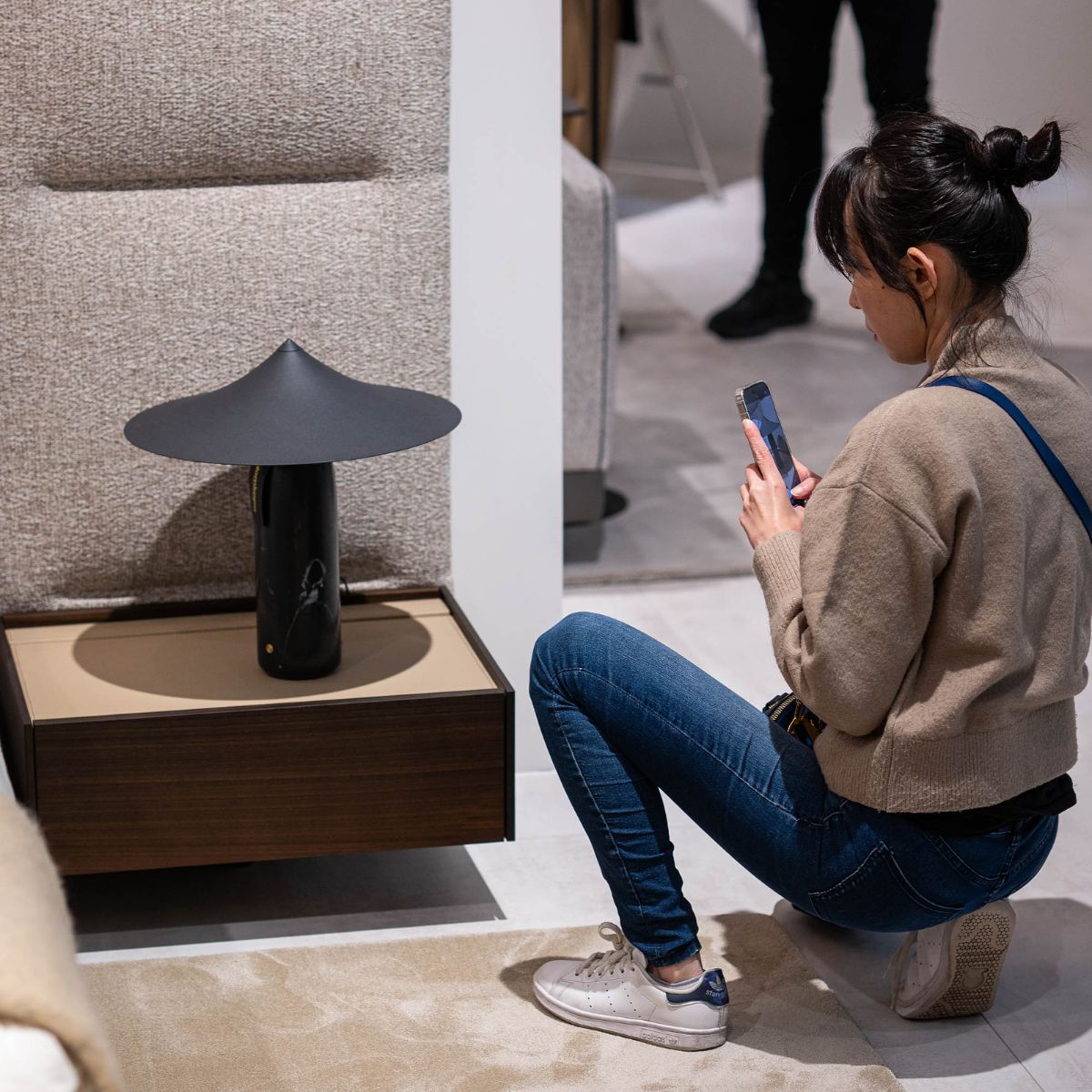
Made-to-order upholstered furniture often includes customised dimensions, upholstery selections, stitching details, leg finishes, accessories and even Customer’s Own Material (COM). Every decision becomes part of the manufacturing process.
A boutique hotel, for example, may require a lounge chair upholstered in a bespoke velvet that complements the property’s branding while meeting commercial durability standards. A private residence may need a modular sofa adapted to fit an irregular floor plan. These are specification exercises, not retail purchases.
The more customised the furniture, the more important documentation, communication and validation become.
The Seven Biggest Risks of Remote Furniture Specification
1. Colour Isn’t the Same on Every Screen
Perhaps the most common misconception in ordering custom furniture online is believing that digital images accurately represent material colours.
In reality, colour perception changes depending on:
- Screen calibration;
- Photography settings;
- Ambient lighting;
- Display brightness;
- Device type.
A warm beige fabric viewed on one monitor may appear significantly cooler on another. Natural leather develops unique tonal variations, while textured weaves interact differently with daylight and artificial lighting.
Imagine specifying seating for a luxury residential project based solely on website images, only to discover during installation that the chosen fabric clashes with the client’s timber flooring.
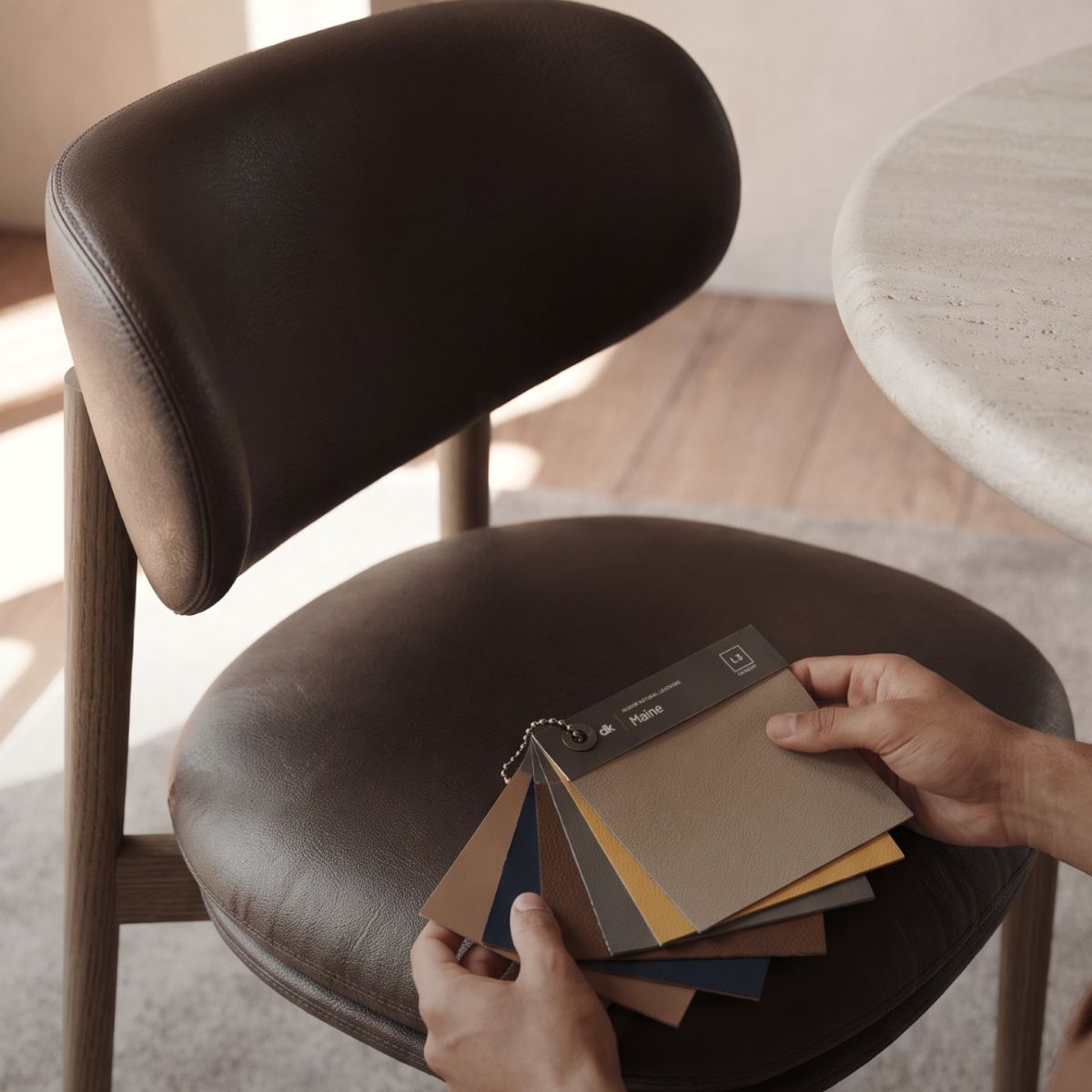
The solution is simple: whenever possible, request physical material samples before approving finishes.
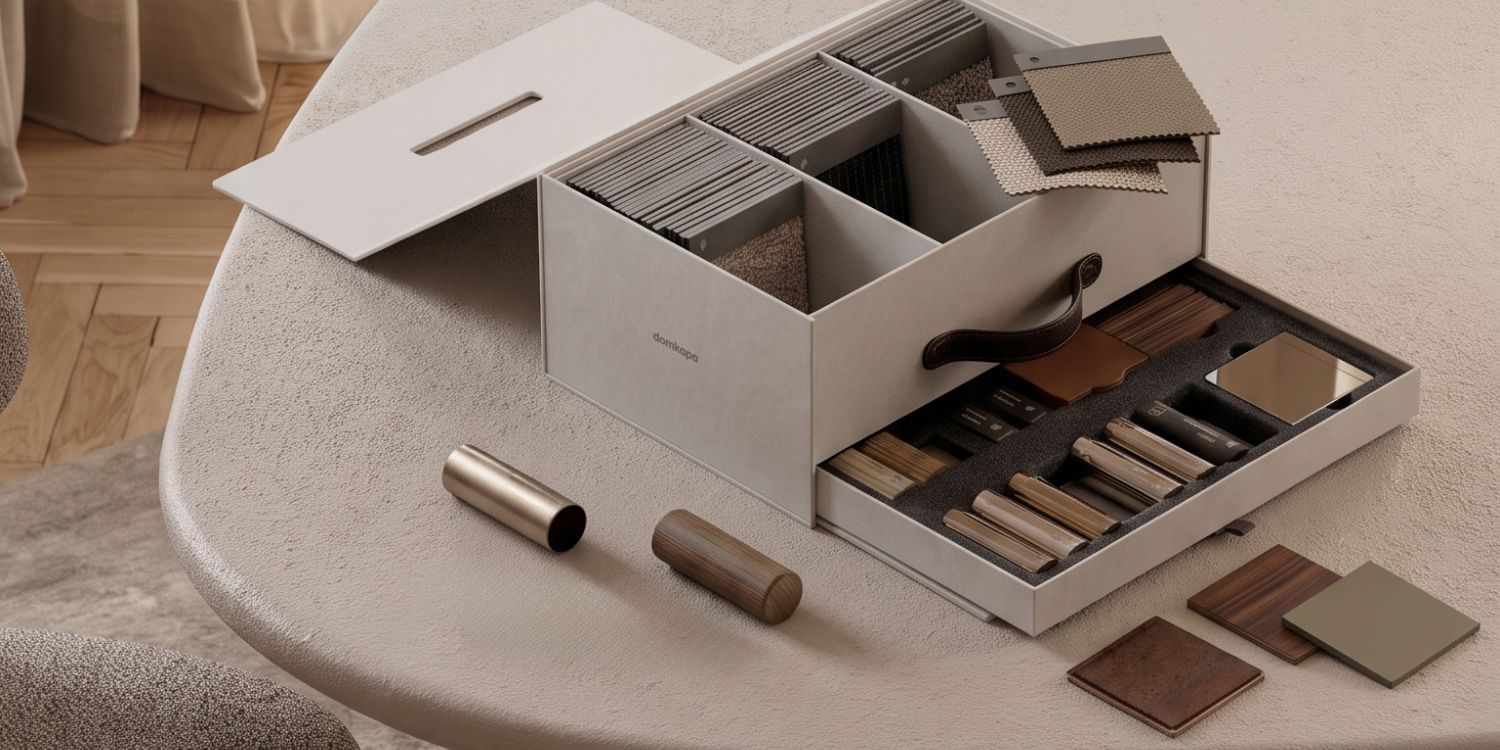
Material sample boxes and swatches remain the most reliable way to evaluate colour under the actual lighting conditions of the project.
2. Texture Is Impossible to Feel Digitally
Luxury furniture is experienced through more than appearance.
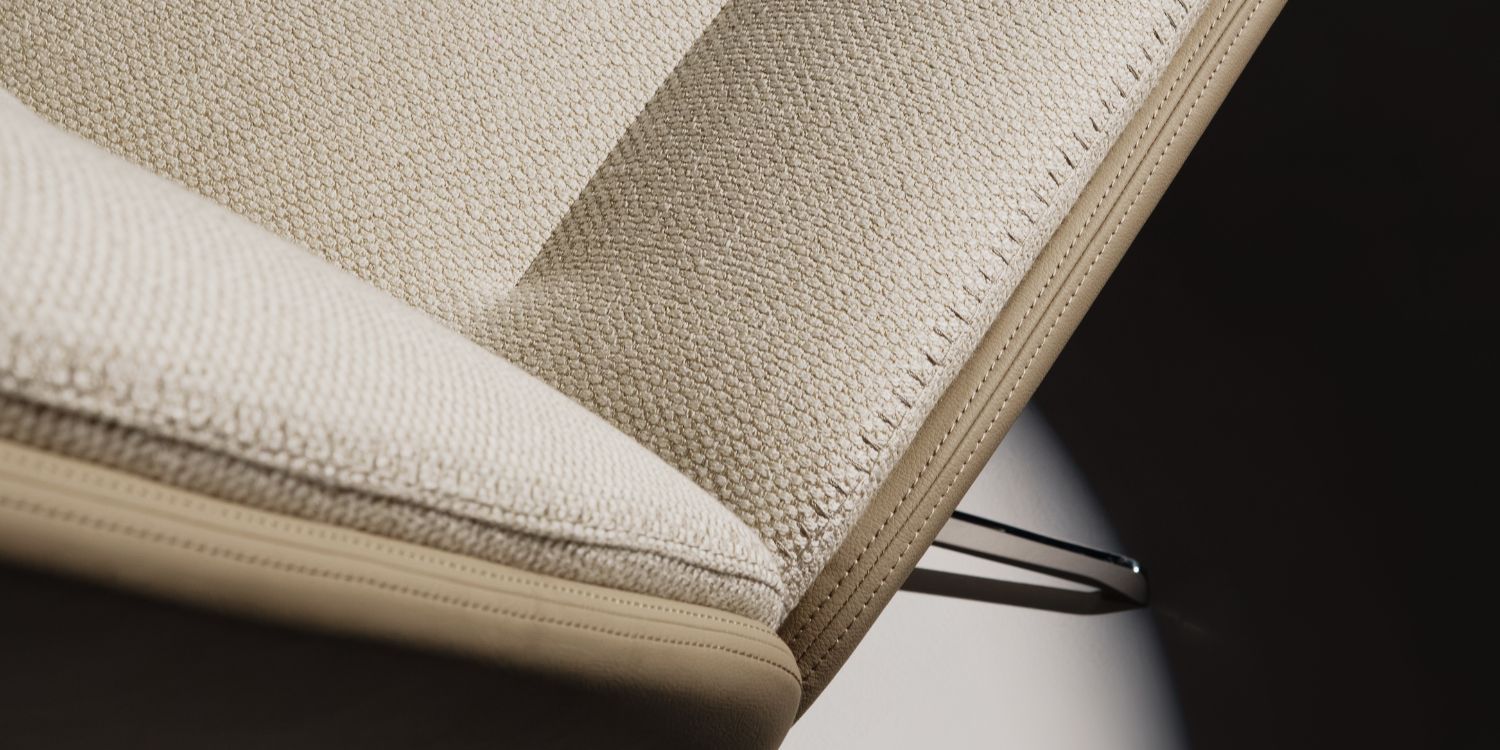
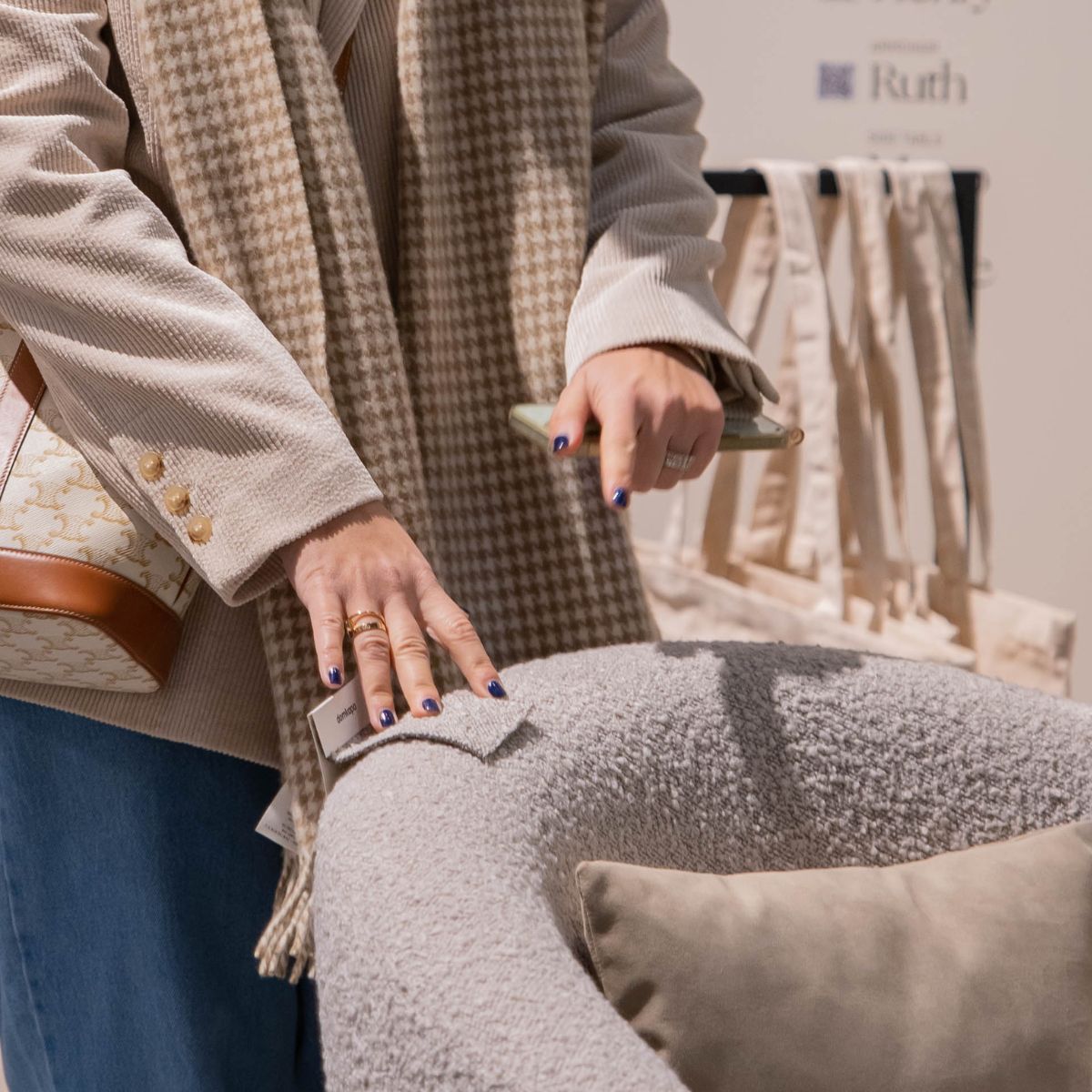
The softness of a bouclé, the smoothness of natural leather, the structure of woven textiles or the richness of a velvet all influence how clients perceive quality and comfort. These tactile qualities simply cannot be communicated through photographs.
This becomes particularly important in hospitality environments where guests interact directly with furniture every day or in residential spaces where comfort is just as important as aesthetics.
Receiving physical samples allows designers to assess:
- Surface texture;
- Weight;
- Softness;
- Durability;
- Material quality;
- How different finishes work together.
For international furniture projects, investing time in sample approvals often prevents far more expensive adjustments later.
3. Scale Is Easy to Misjudge
One of the greatest challenges of remote specification isn’t choosing finishes – it’s understanding proportion. Without physically experiencing a piece, dimensions that look perfect on paper can feel completely different in reality.
Several factors deserve careful consideration:
Ceiling Height
A sofa with a high backrest may feel imposing in a low-ceiling apartment but perfectly balanced within a hotel lobby featuring double-height spaces.
Circulation
Generous seating should never compromise movement through the room. Walkways, access routes and door clearances all need verification before production begins.
Seat Depth
A deep lounge sofa may create exceptional comfort for residential projects but prove impractical for reception areas or hospitality lounges where more upright seating is preferred.
Arm Height
Arm proportions influence not only comfort but also how furniture aligns with side tables, lighting and surrounding architectural elements.
Visual Weight
Two sofas with identical dimensions can appear dramatically different depending on their base design, leg height, upholstery and silhouette.
Practical validation methods include:
- Reviewing scaled floor plans;
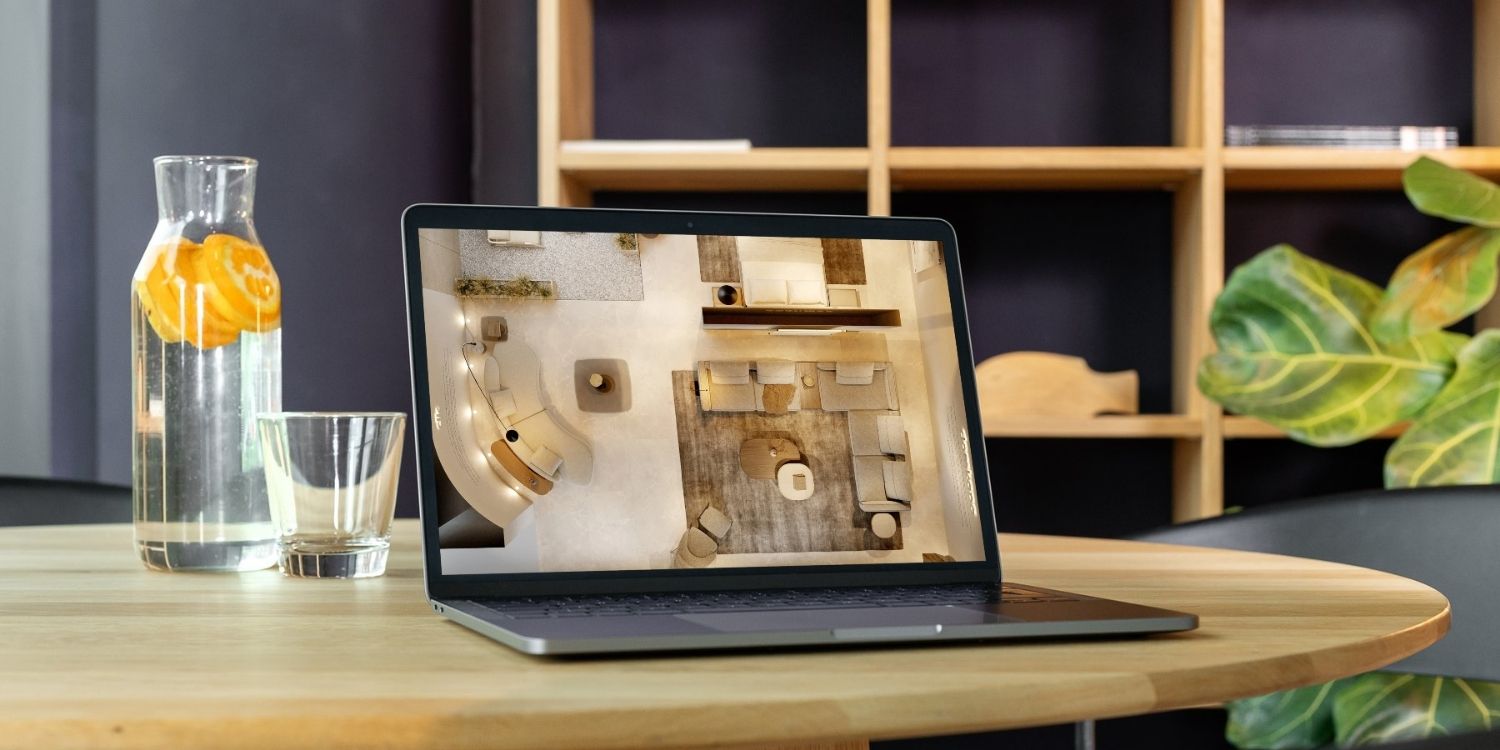
- Using 3D visualisations;
- Creating taped outlines on-site;
- Building cardboard mock-ups for key pieces;
- Comparing dimensions with existing furniture clients already use.
These simple exercises often reveal potential issues before they become costly.
4. Customisation Requires Clear Documentation
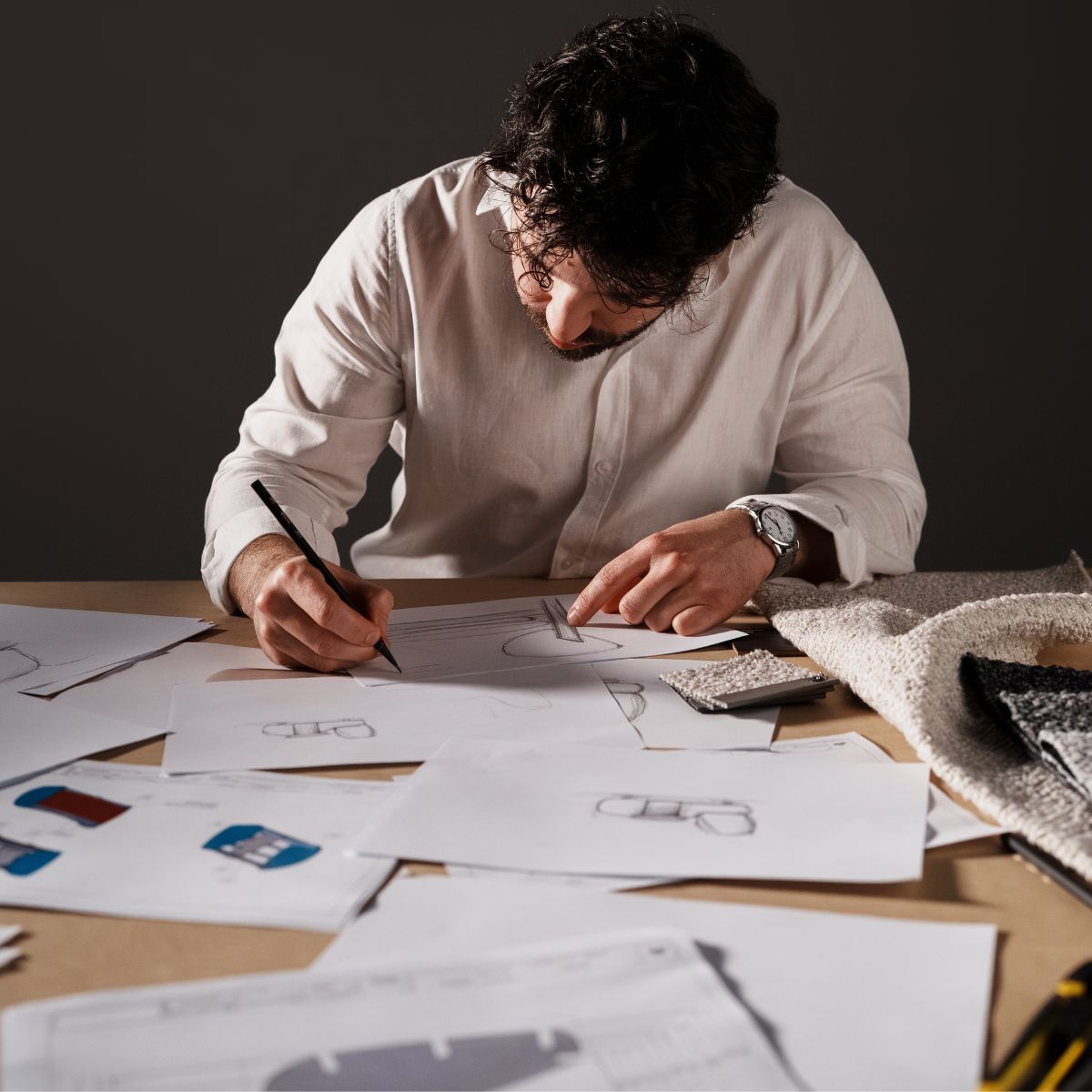
Customisation is one of the greatest strengths of premium upholstery manufacturing but it also introduces complexity.
Every project should include written confirmation for:
- Upholstery selection;
- Fabric references;
- Leather grades;
- Timber finishes;
- Metal finishes;
- Stitching details;
- Decorative elements;
- Dimensions;
- COM specifications;
- Optional accessories.
Consider a hospitality project where the designer requests contrast stitching verbally during a video call, but the production order references standard stitching.
Without written approval, misunderstandings become difficult to resolve.
A comprehensive specification document protects everyone involved – from the designer and manufacturer to the client and procurement team.
5. International Logistics Add Complexity
Furniture manufacturing doesn’t end when production finishes.
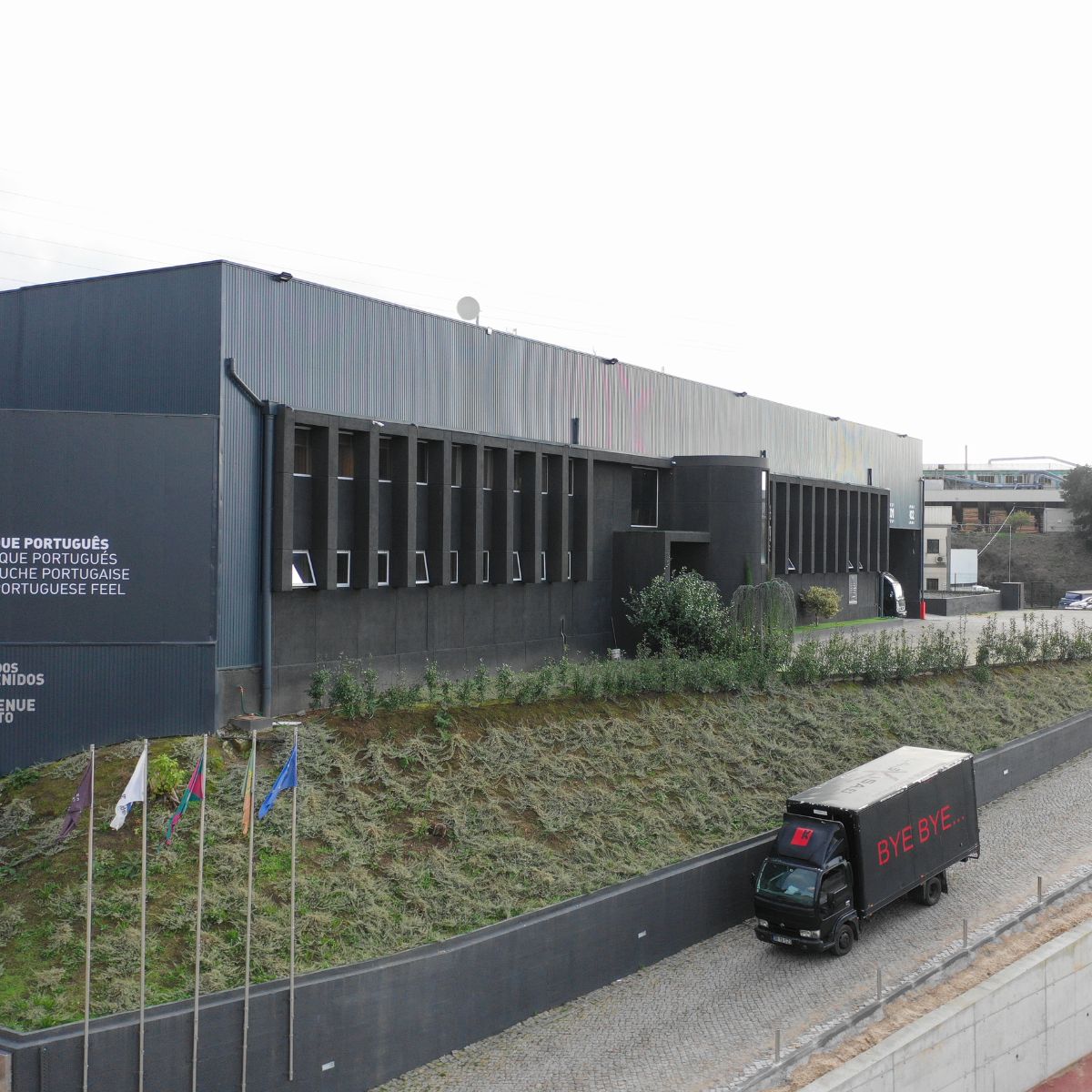
For international furniture projects, logistics require careful planning from the earliest stages.
Factors to consider include:
- Manufacturing lead times;
- Consolidated shipments;
- Freight schedules;
- Customs procedures;
- Local delivery restrictions;
- Installation sequencing;
- Storage requirements;
- Final project deadlines.
For example, a hotel opening cannot simply be delayed because furniture is waiting for customs clearance.
Similarly, residential renovations may have limited installation windows that require furniture to arrive at precisely the right moment.
Successful procurement teams build contingency into their schedules rather than assuming everything will progress exactly as planned.
Early logistics conversations are often just as important as design decisions.

6. Communication Gaps Can Become Costly
Most specification problems don’t result from poor manufacturing – they result from incomplete communication.
The more customised a project becomes, the more valuable structured communication becomes.
Professional workflows typically include:
- Detailed quotations;
- Technical drawings;
- Finish schedules;
- Material references;
- Revision tracking;
- Approval checkpoints;
- Dedicated project managers;
- A single point of contact.
Imagine specifying multiple seating collections for an international hospitality project involving architects, procurement specialists, designers and contractors. Without clear documentation, different stakeholders may reference different versions of the specification.
Centralising approvals dramatically reduces the likelihood of errors.
7. Small Decisions Have Long-Term Consequences
Many specification mistakes begin with seemingly insignificant details.
A slightly incorrect leg finish. An overlooked seat height. An outdated fabric code. A delivery address missing important access information.
Individually, these decisions appear minor. Collectively, they influence manufacturing accuracy, installation efficiency, client satisfaction and ultimately the designer’s reputation.
Unlike many retail purchases, bespoke upholstered furniture cannot simply be exchanged once production begins.
This is why experienced designers spend significant time reviewing documentation before issuing final approval.
The objective isn’t perfection – it’s reducing uncertainty before manufacturing starts.
How Trusted Manufacturers Reduce Risk
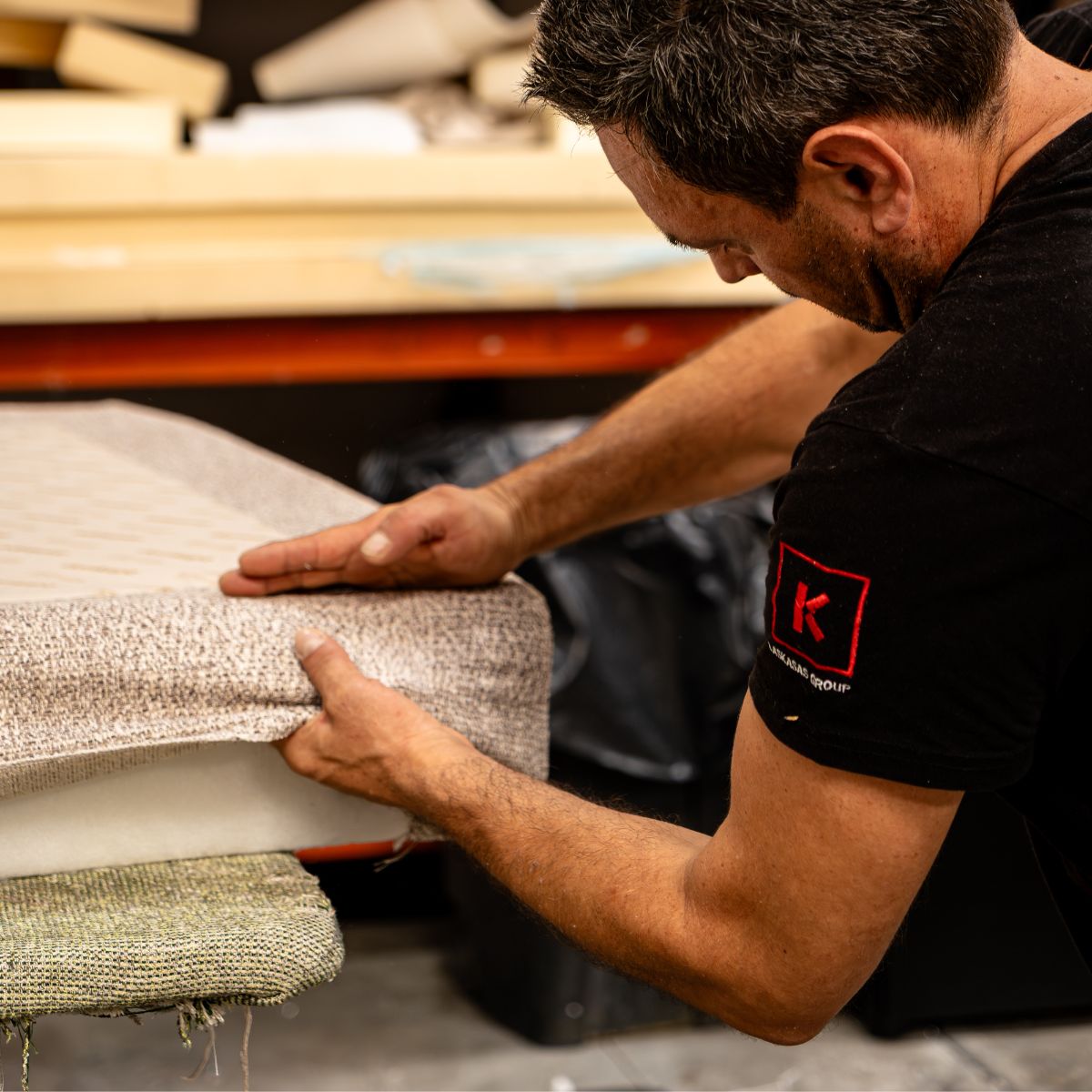
Experienced manufacturers understand that successful furniture procurement for interior designers extends beyond producing beautiful furniture.
They help reduce uncertainty by providing the tools and support professionals need throughout the specification process.
This often includes:
- Comprehensive material sample boxes;
- Physical fabric and finish swatches;
- Detailed technical drawings;
- Clear customisation options;
- Dedicated project assistance;
- Transparent production timelines;
- Consistent quality control;
- Ongoing communication throughout manufacturing.
For designers managing projects remotely, these resources become an extension of their own workflow.
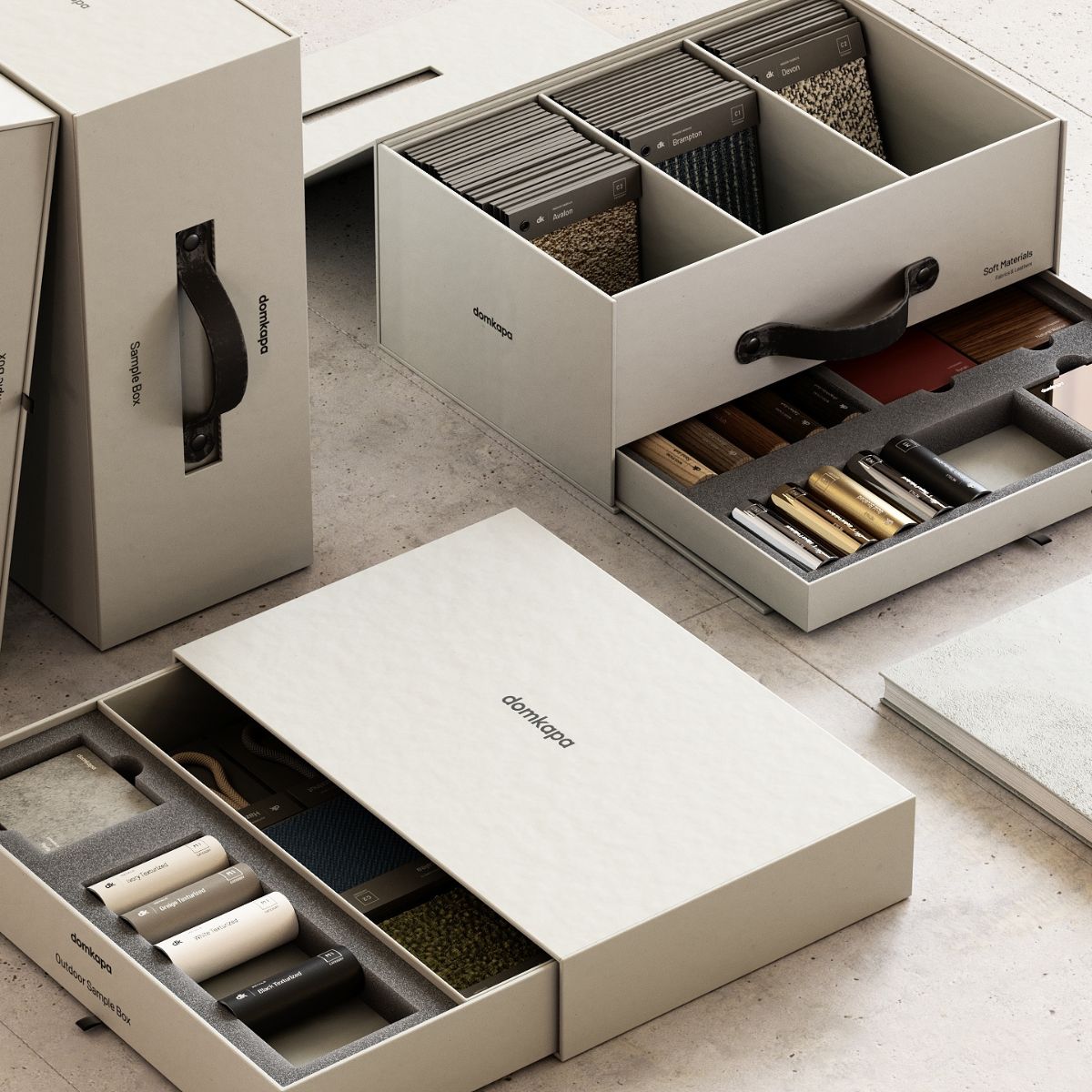
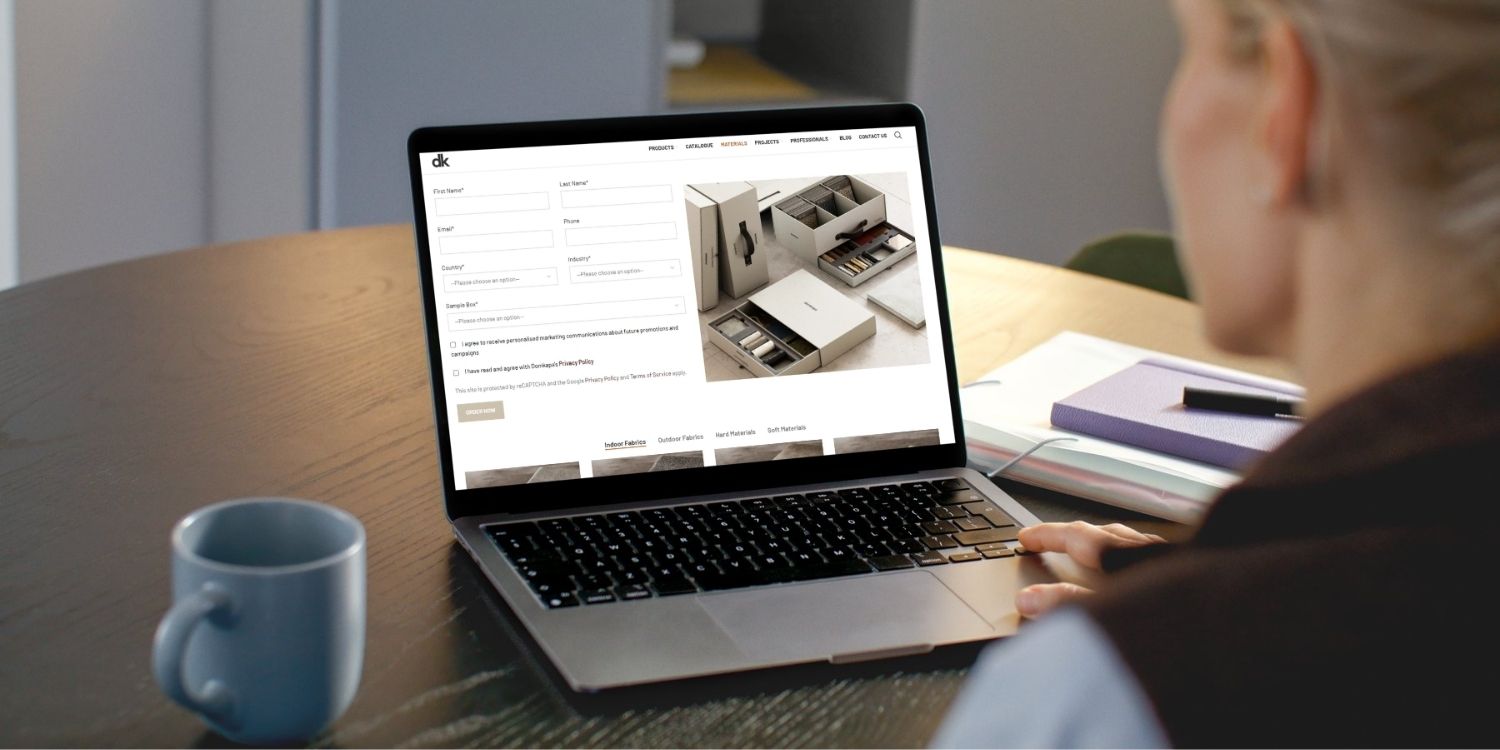
At Domkapa, for example, international collaborations are supported through extensive material sample boxes, technical specification documentation, transparent production processes and dedicated project assistance. These resources help architects and interior designers evaluate materials confidently, manage customisation accurately and coordinate projects across different markets without compromising design intent.
Rather than replacing showroom visits, these systems ensure that remote collaboration remains both efficient and dependable.



As global collaboration becomes the standard rather than the exception, ordering furniture online is no longer simply about convenience – it’s about managing complexity with confidence.
Successful upholstery specification depends less on intuition than on preparation. Physical samples, technical documentation, clear approvals and experienced manufacturing partners all contribute to better outcomes, whether you’re furnishing a private residence, a hospitality project or a commercial space.
Ultimately, the difference between a stressful international project and a seamless one is rarely luck. It’s a commitment to process, collaboration and making informed decisions long before production begins.
YOU MAY ALSO LIKE: COM vs. House Fabric: Which Upholstery Option Is Right For Your Project?
We are working every day to bring you the most stylish ideas to fulfil your inspiration and to create the best interior design projects, so feel free to follow our Instagram Page and subscribe to our newsletter.