

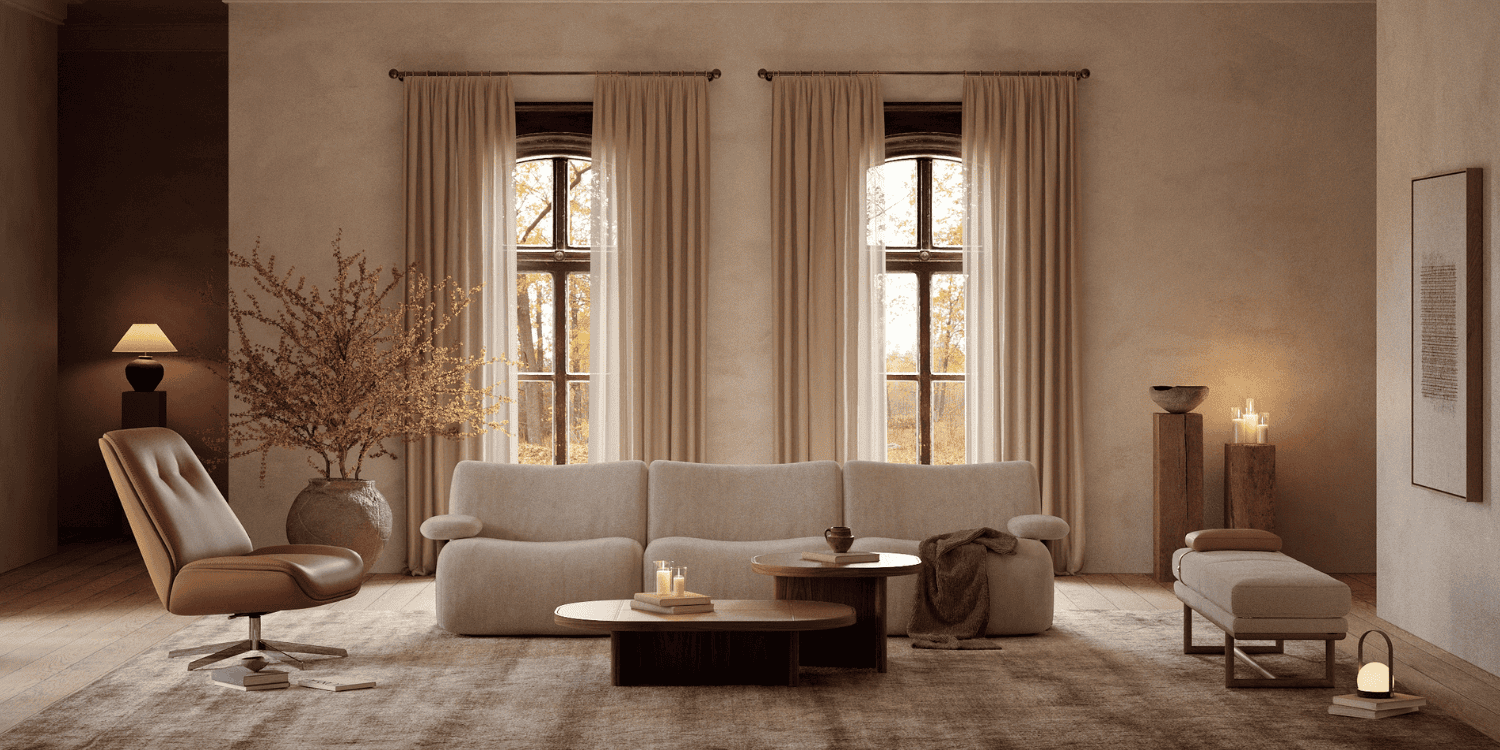
Hygge has become shorthand for cosiness, but in a considered interior scheme, “cosy” can’t come at the expense of polish, quality or a client’s own sense of style. For design professionals, the challenge isn’t adding candles and throws as an afterthought; it’s engineering warmth into a room through material choice, layering and light, in a way that still feels intentional and elevated.
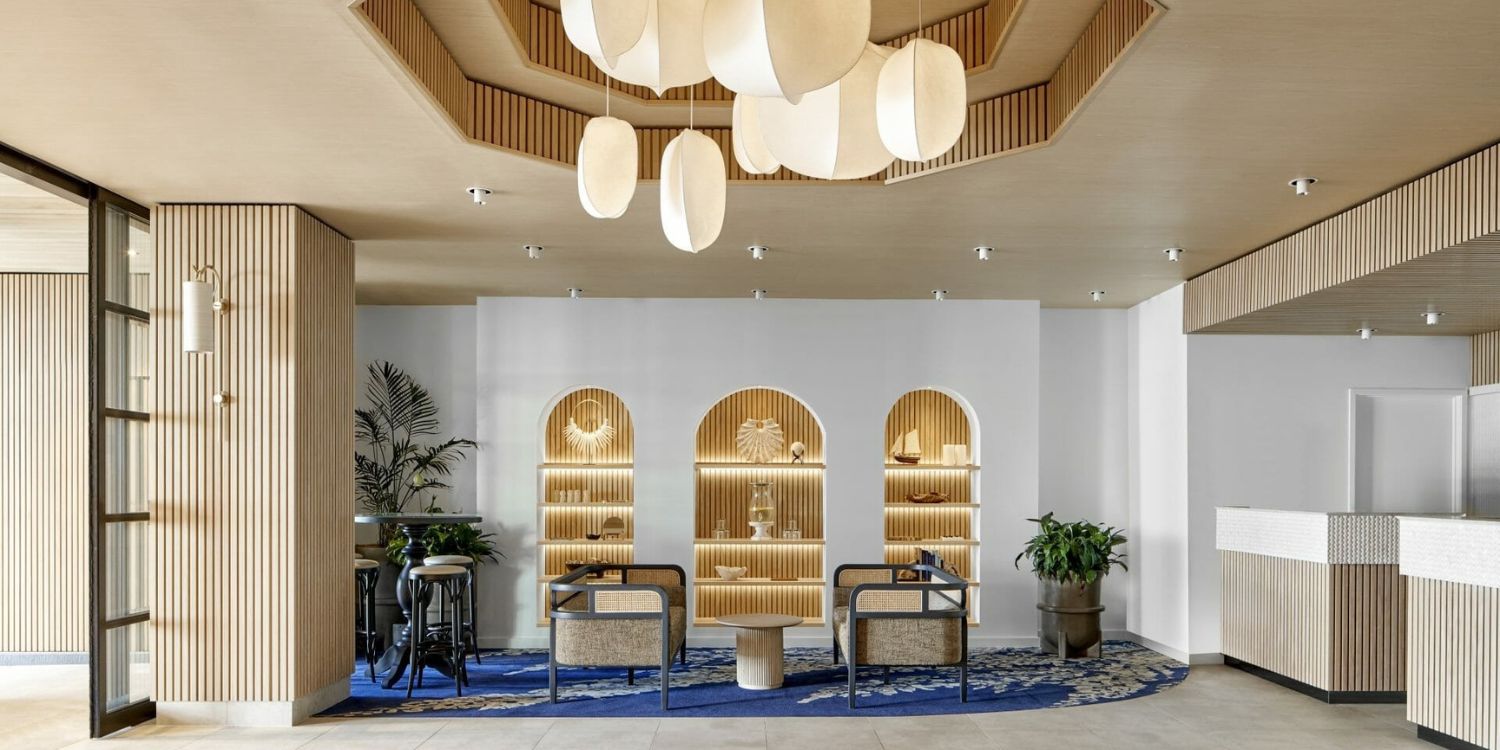
This is what Domkapa-style hygge looks like: comfort with rigour, softness with structure. It’s a version of hygge home decor built for the way designers actually work, whether that’s a private living room, a client’s primary bedroom, or the odd hospitality project that calls for the same sensibility. Here’s how to bring that feeling into your autumn projects.
Think Beyond Today’s Layout
Before reaching for new pieces, it’s worth stepping back from the current floor plan altogether. Many rooms that feel cold once the weather turns aren’t lacking furniture; they’re lacking zoning, layered lighting or a material palette that shifts with the season. A cosier scheme often starts not with what to add, but with rethinking how the existing layout distributes warmth, intimacy and flow.
Questions to Ask Before You Spec Anything New
- Which areas of the room currently feel underused, exposed or too open?
- Where does natural light drop off first as the days shorten, and how is that being compensated for?
- Is lighting layered enough to create smaller, more intimate zones after dark, or is it one flat wash across the room?
- Does the material palette shift with the season, or stay static year-round regardless of context?
- Where could tactile layering, such as upholstery, rugs, cushions or a considered vase or two, be introduced without overcrowding the scheme?
- Are there hard surfaces (glass, stone, render) dominating sightlines that could be softened with minimal intervention?
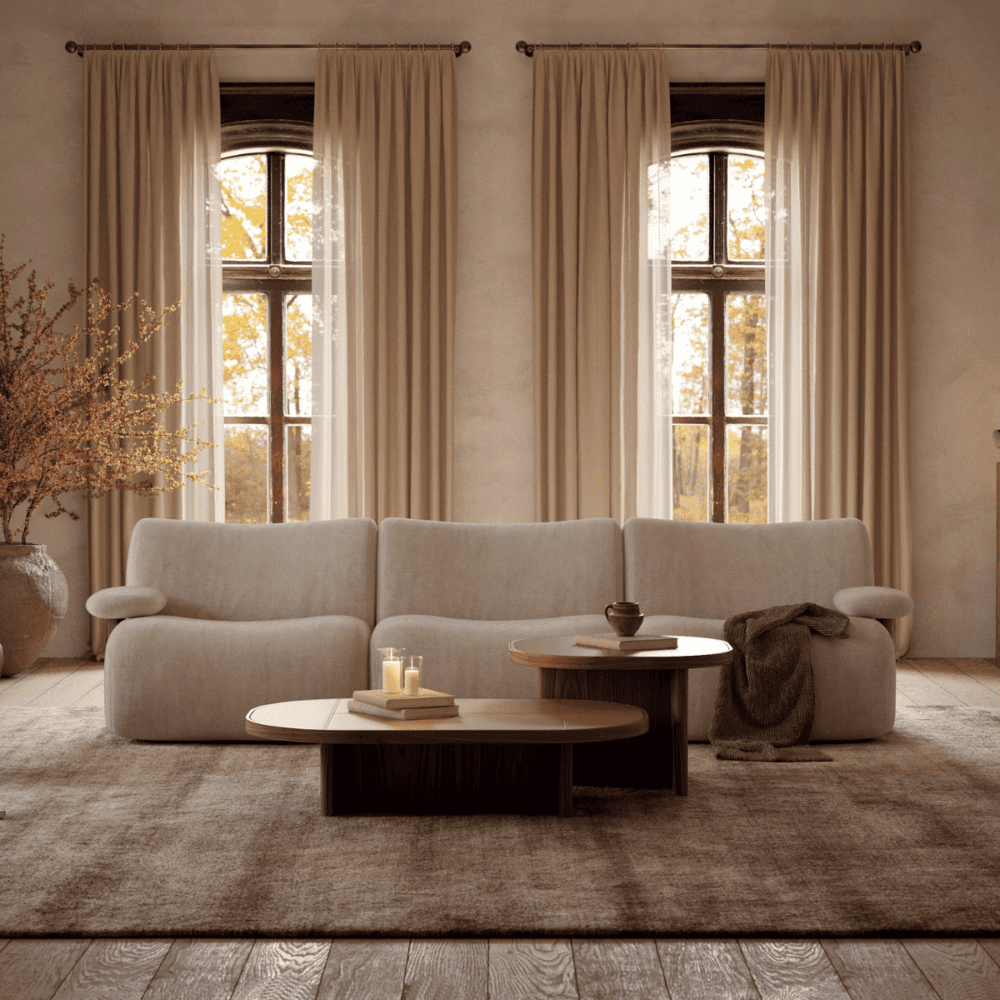
The takeaway: A cosier autumn scheme rarely needs a bigger budget. It needs a more deliberate read of how the room already handles, or fails to handle, light, zoning and texture.
Define the Key Characteristics of Domkapa-Style Hygge
Left undefined, “cosy” tends to get interpreted as generic autumn decor: plaid, pumpkin tones, clutter, none of which belongs in a well-considered interior scheme. These six characteristics give a brief something concrete to design against.
Tactility Over Trend
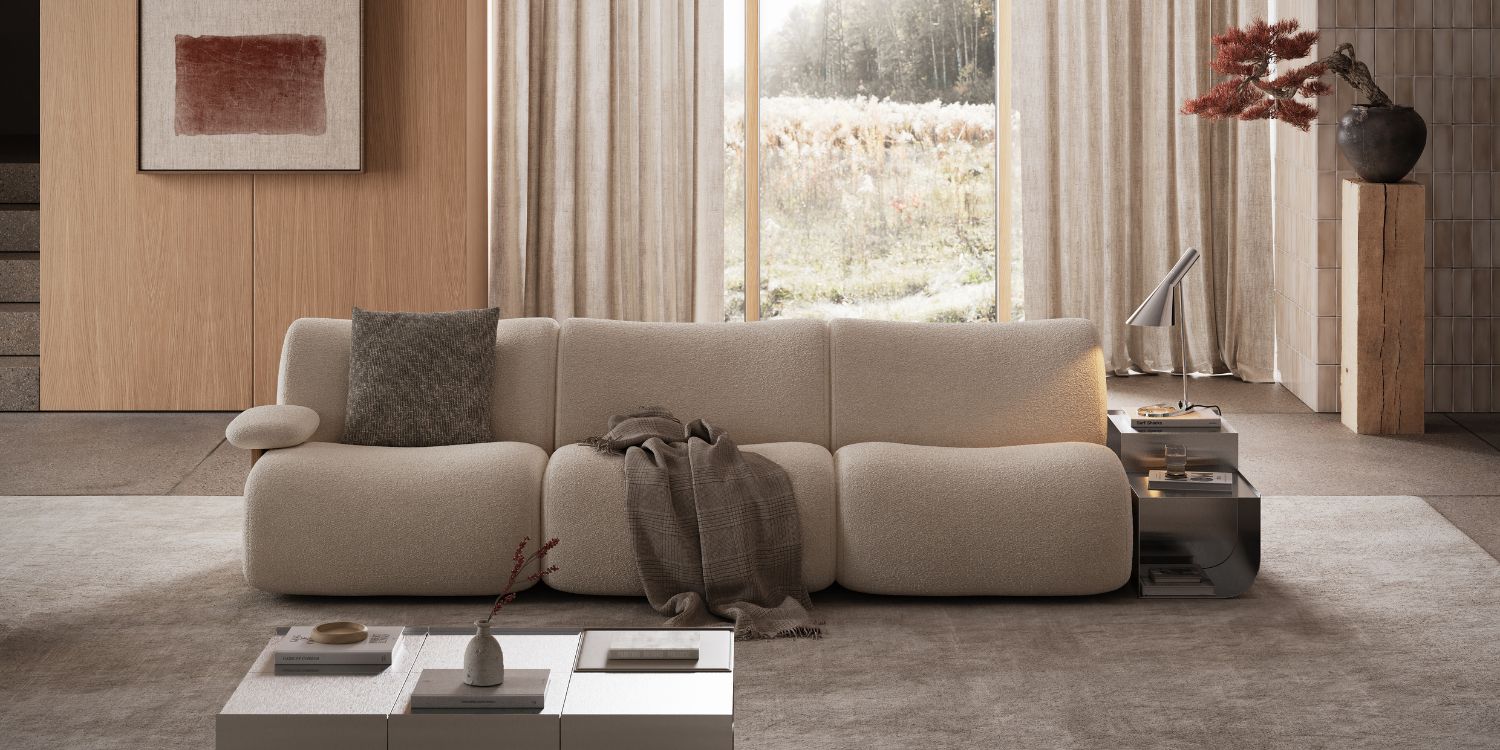
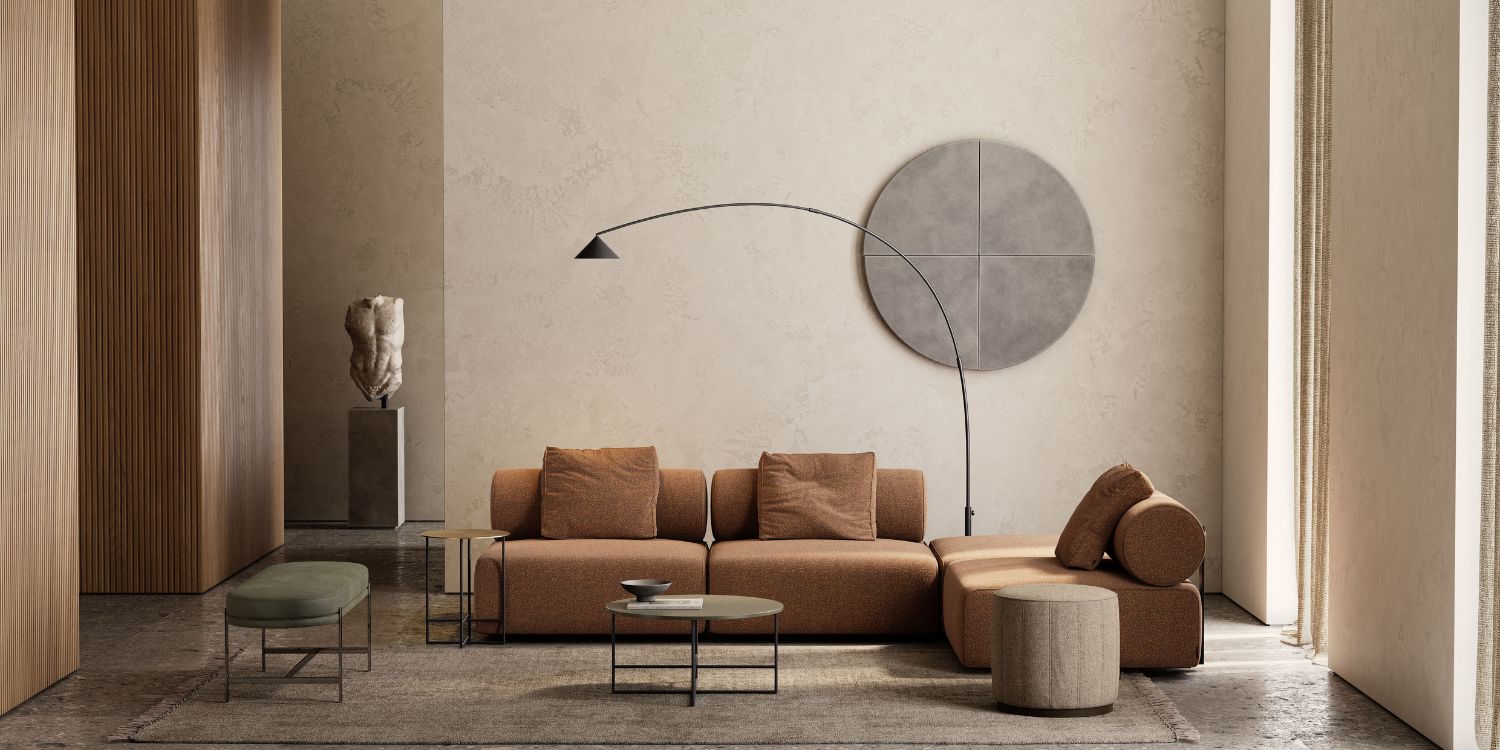
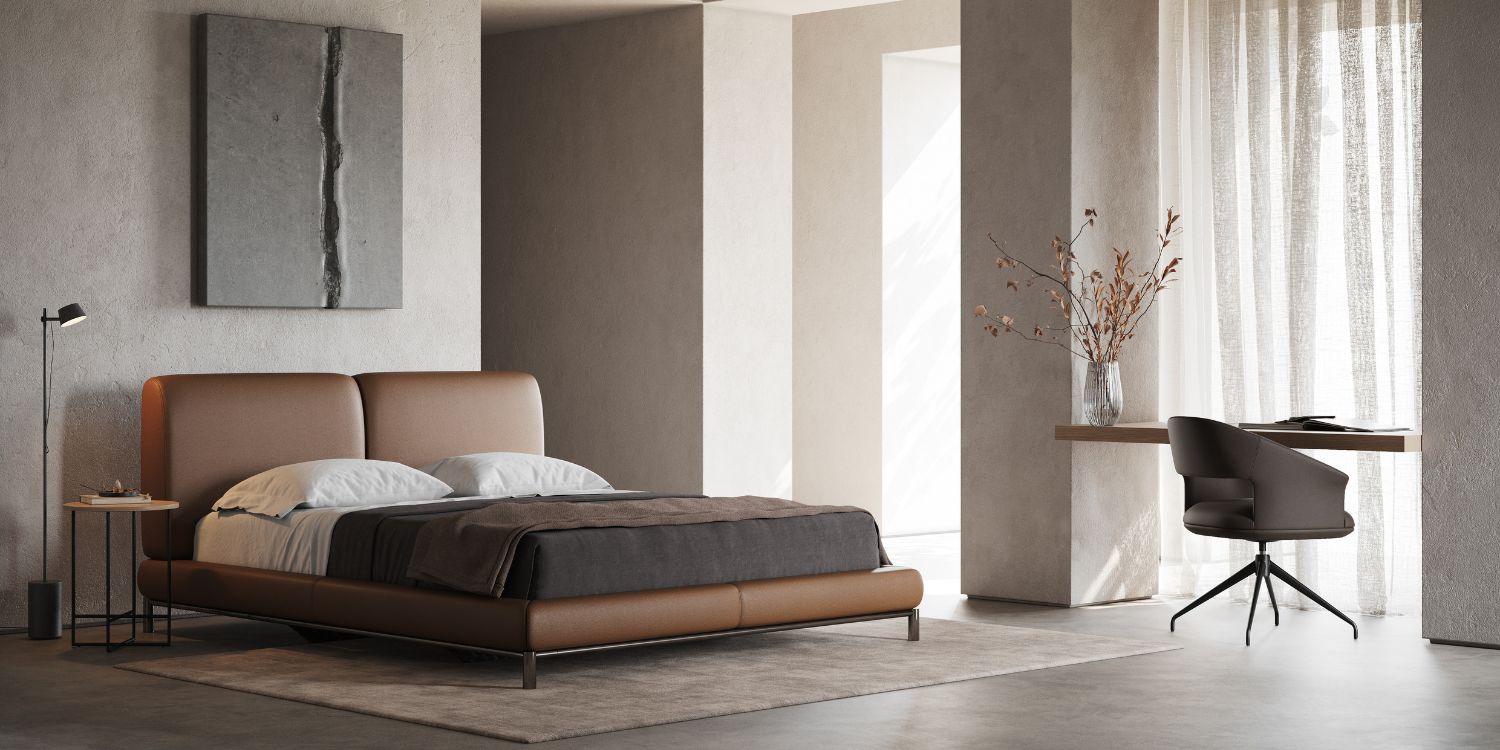
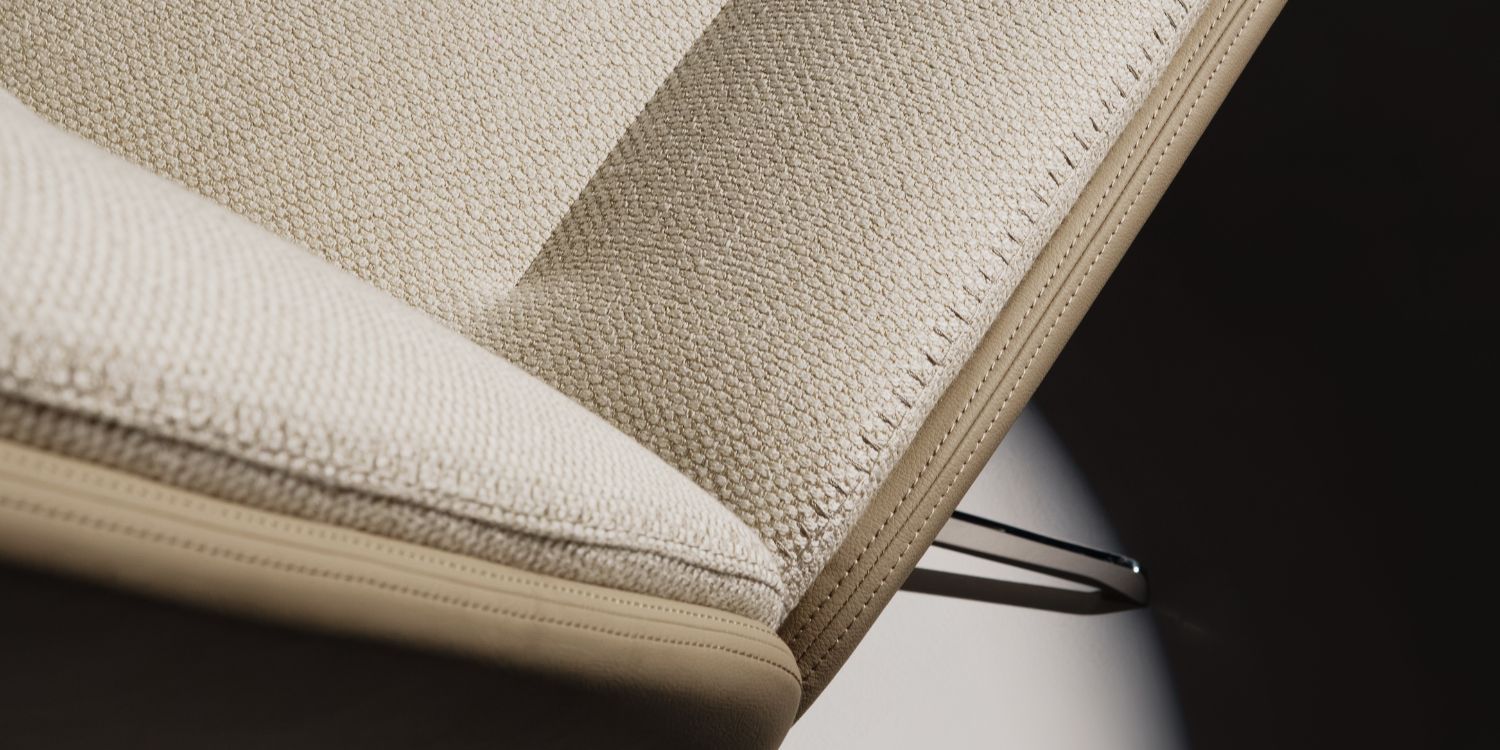
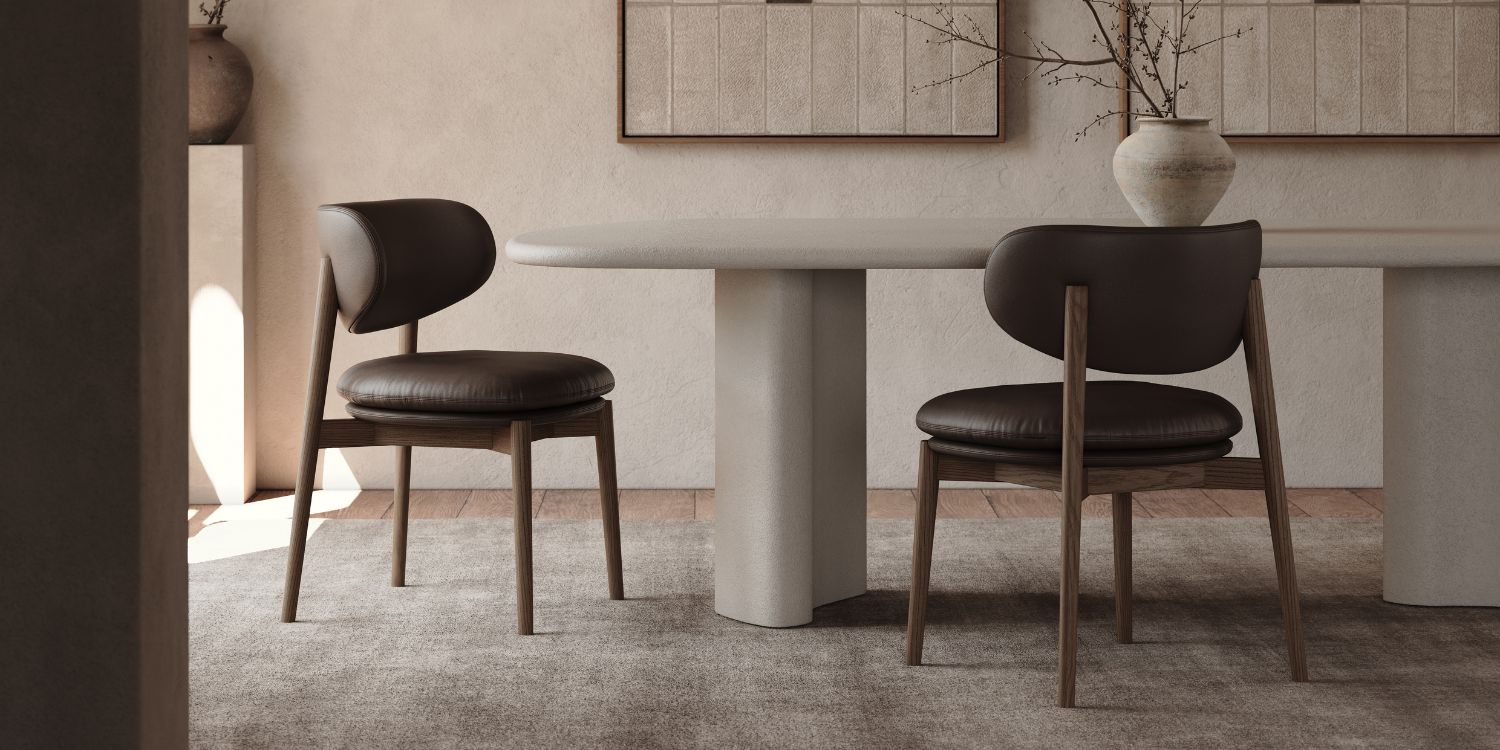
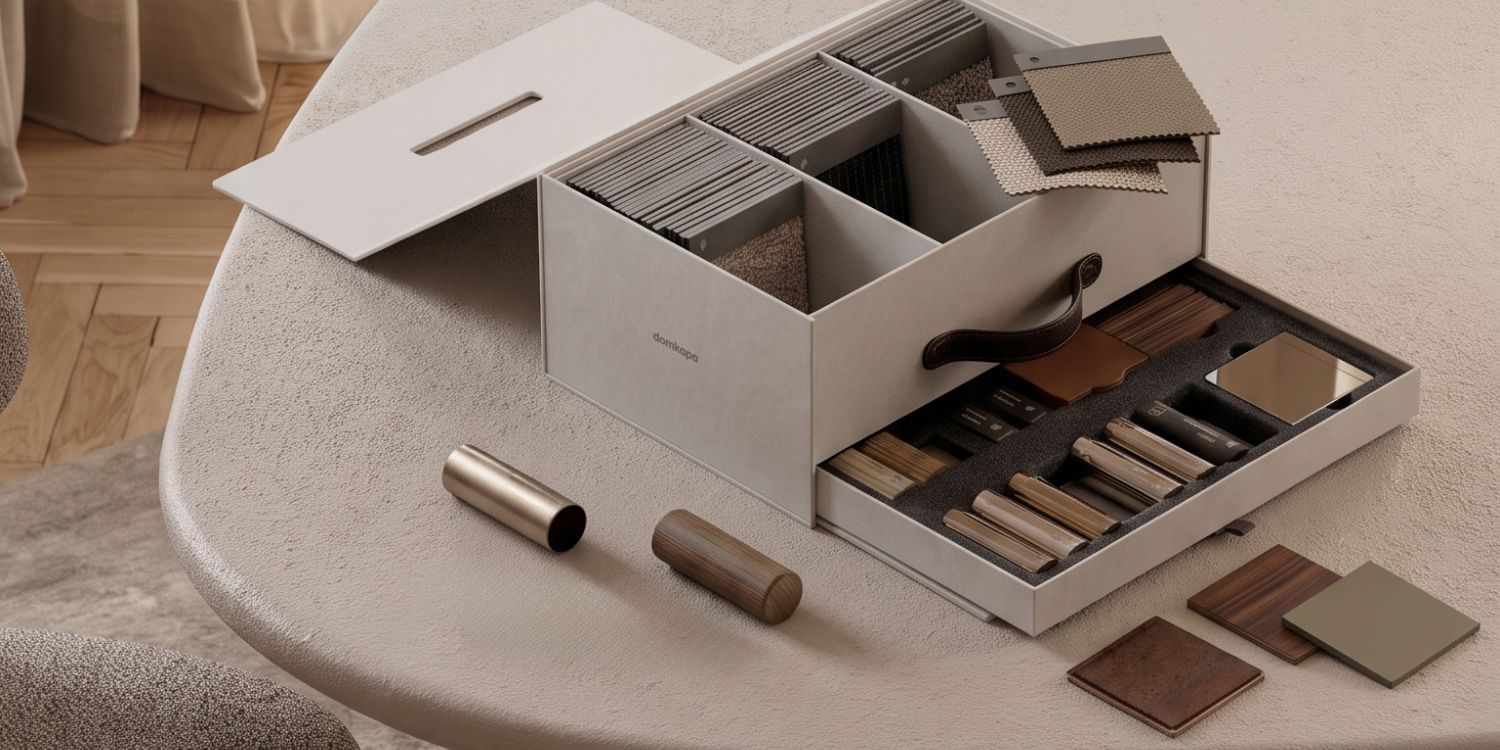
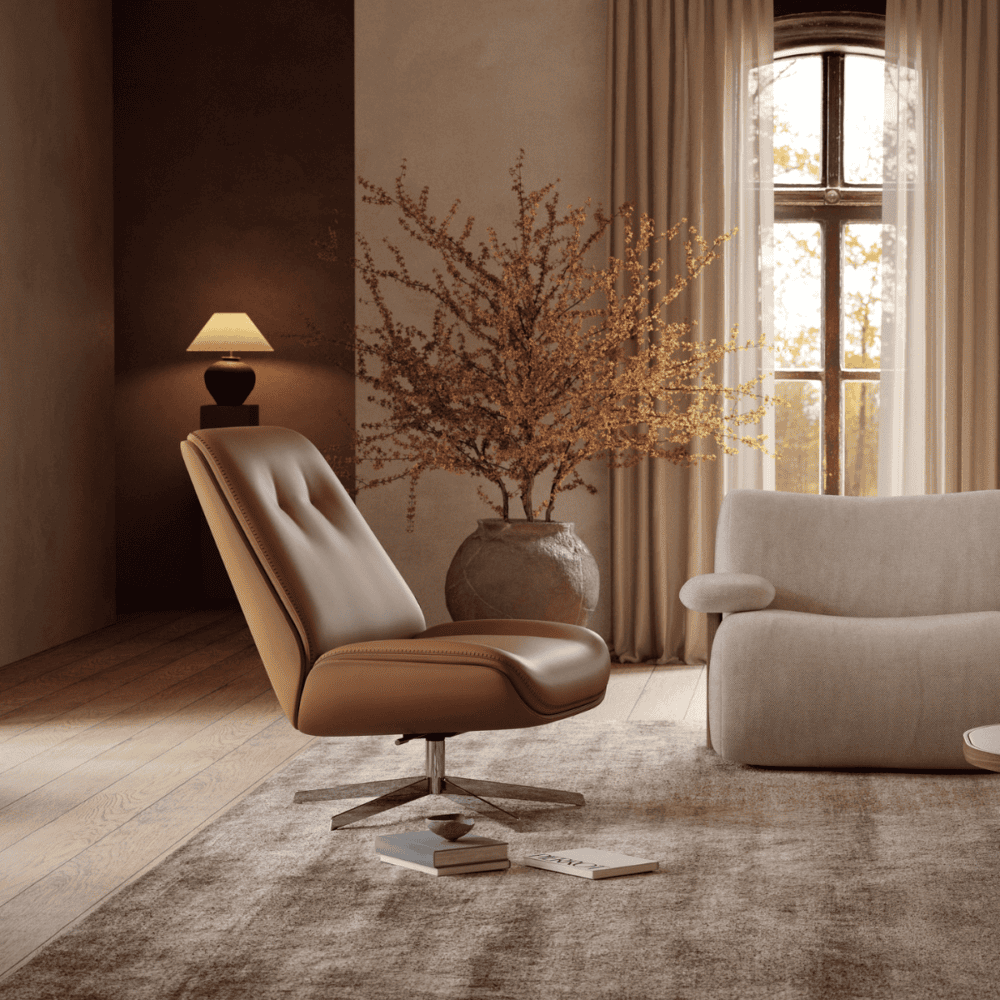
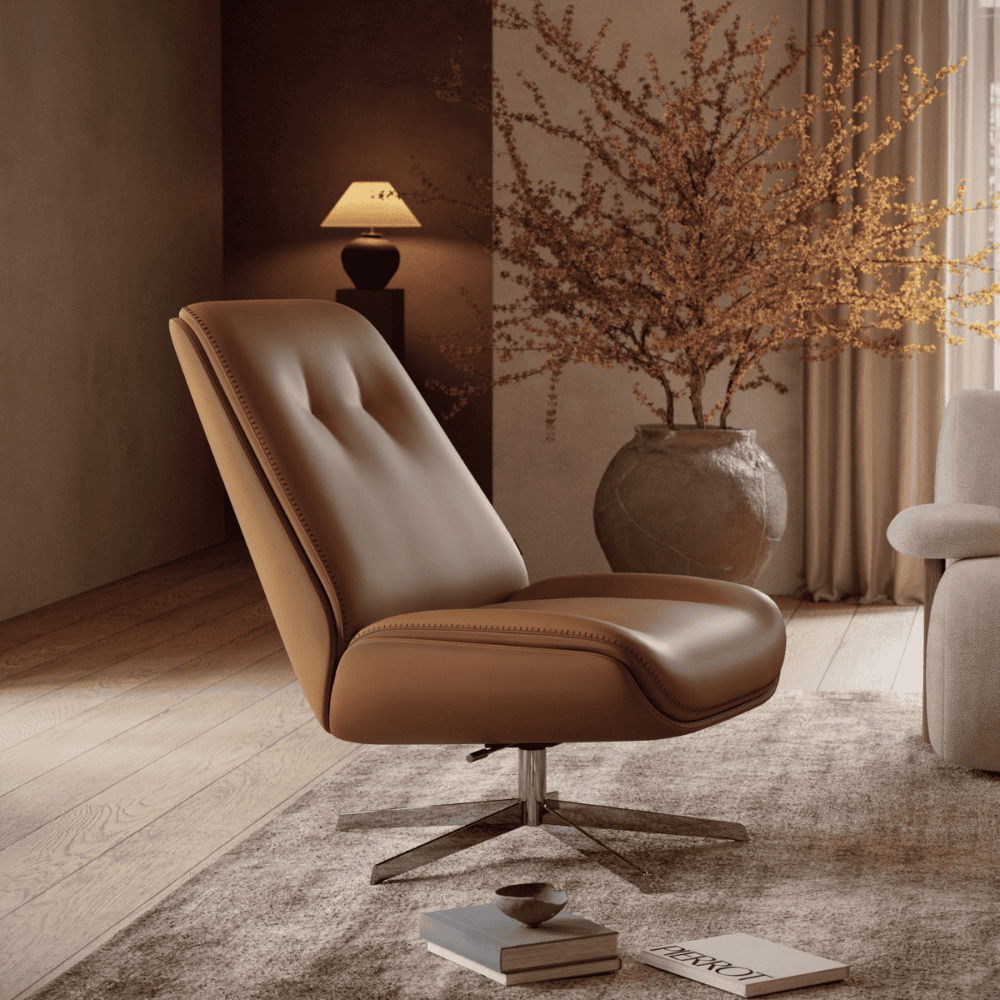
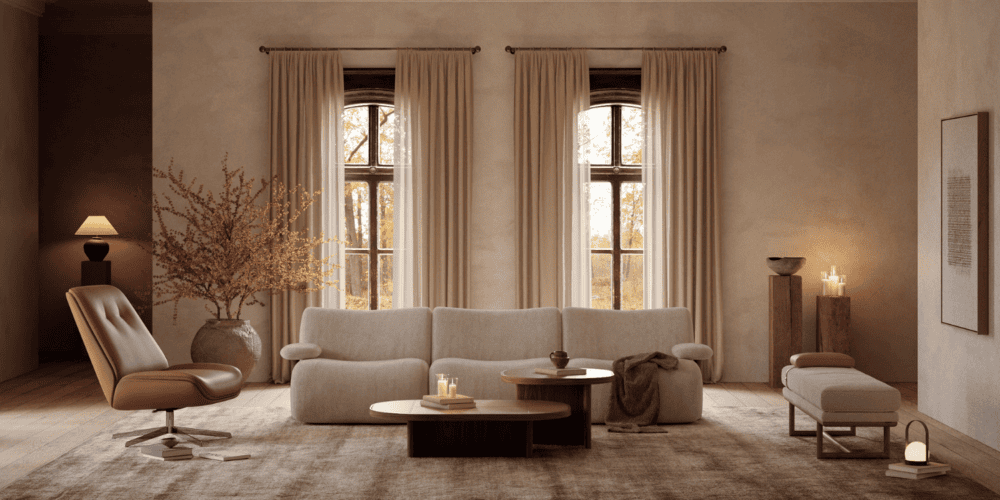
Warmth comes from how a surface feels, not from seasonal props or colour alone. Bouclé, leather, brushed wood and soft-touch metal are the tactile materials that do the most work with the least styling. They’re also inherently biophilic, with natural fibres and grains that register as “cosy” before anyone’s even sat down. Picture a deep-set bouclé sofa, like the Giorgio Sofa, alongside a cognac leather swivel chair such as the Elliot Armchair: two very different textures, doing the same emotional job.
A Warm, Muted Palette: Not Literal Autumn Colours
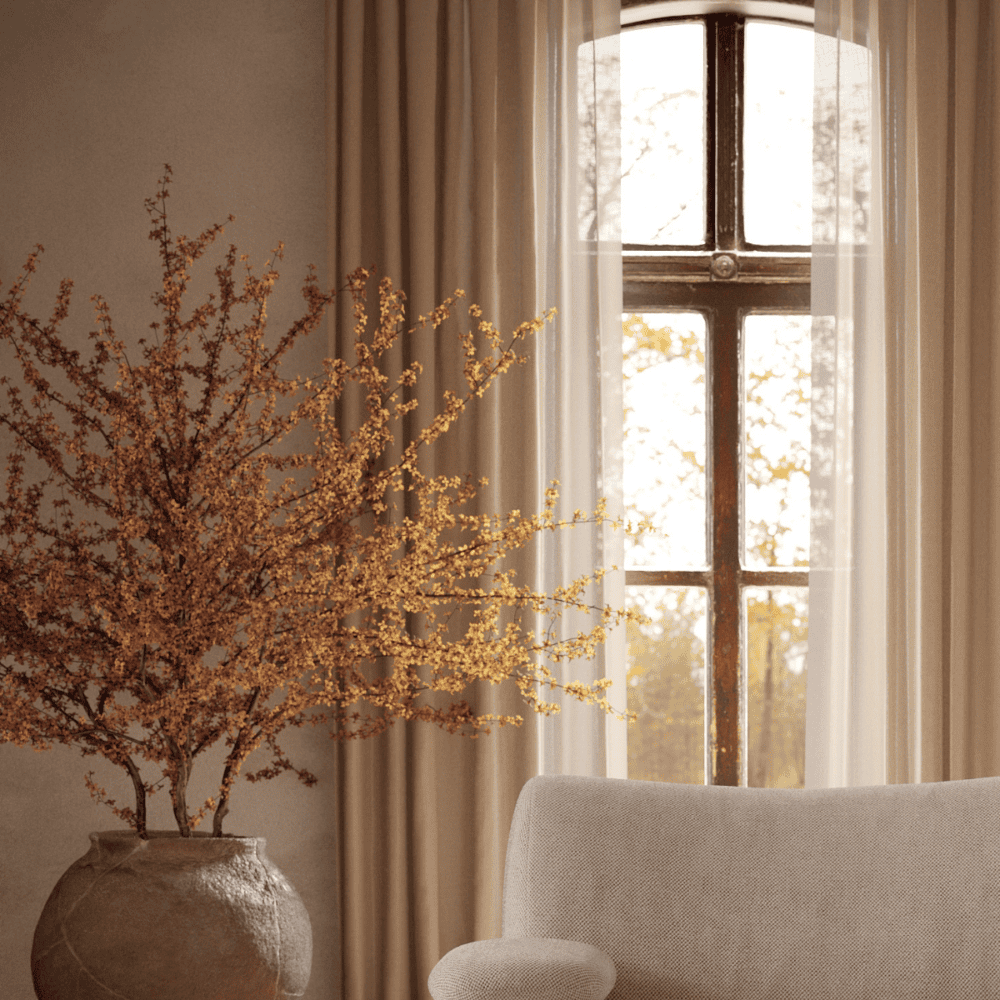
An effective autumn colour palette for interior designers leans on beige, walnut, cognac and terracotta rather than pumpkin orange or rustic plaid. The distinction matters: this palette should read as timeless and on-brand year-round, with autumn as an inflection rather than a costume. A single branch of dried autumn foliage in a heavy stoneware vase does more for a room’s seasonal mood than an entire shelf of decor. The warmth is already built into the walls, the wood and the upholstery around it.
Layered, Low-Glare Lighting
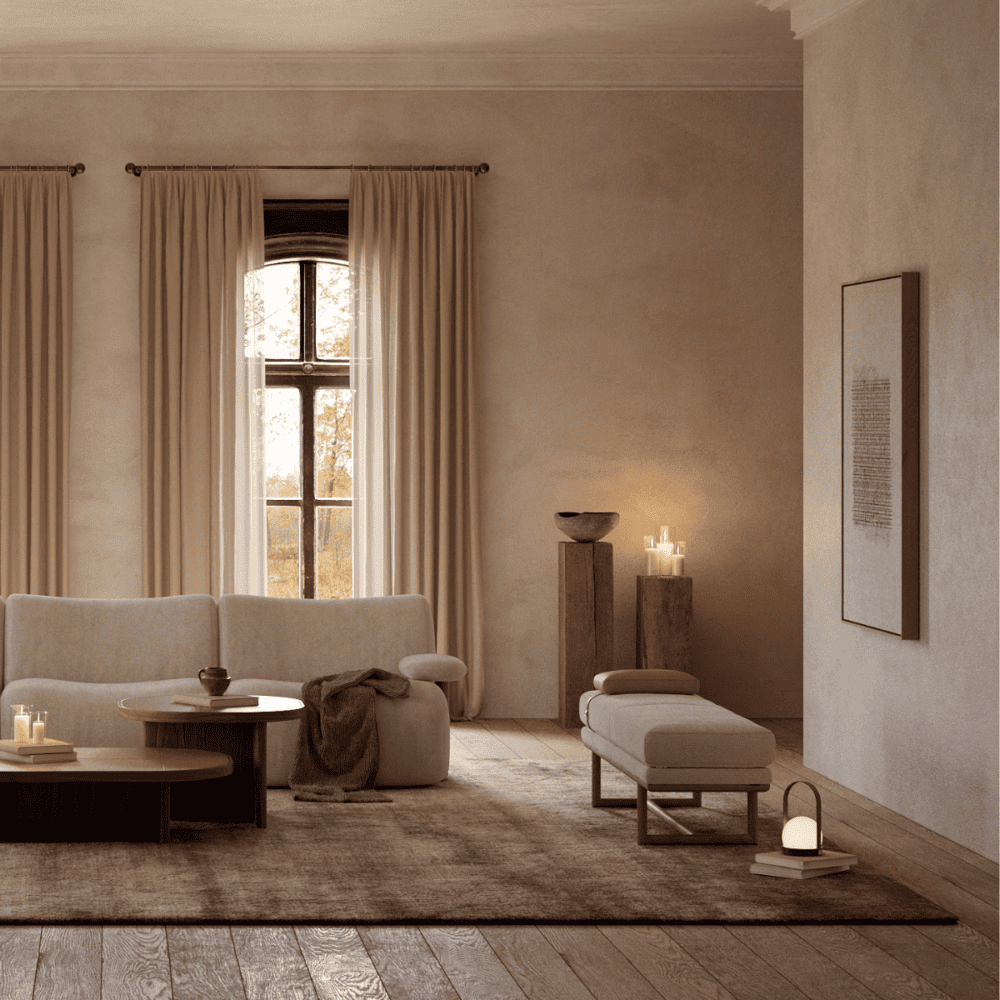
Layered lighting design for warmth depends as much on light temperature and layering as it does on the materials in the room. A single overhead source undermines any cosiness the furniture is trying to create. Aim for a mix of ambient, task and accent lighting, kept to a warmer colour temperature so the room can shift mood between a bright afternoon and a dim, quiet evening: a floor lamp in the corner, a cluster of candles on the coffee table, daylight filtered through unlined linen curtains.
Softened Geometry
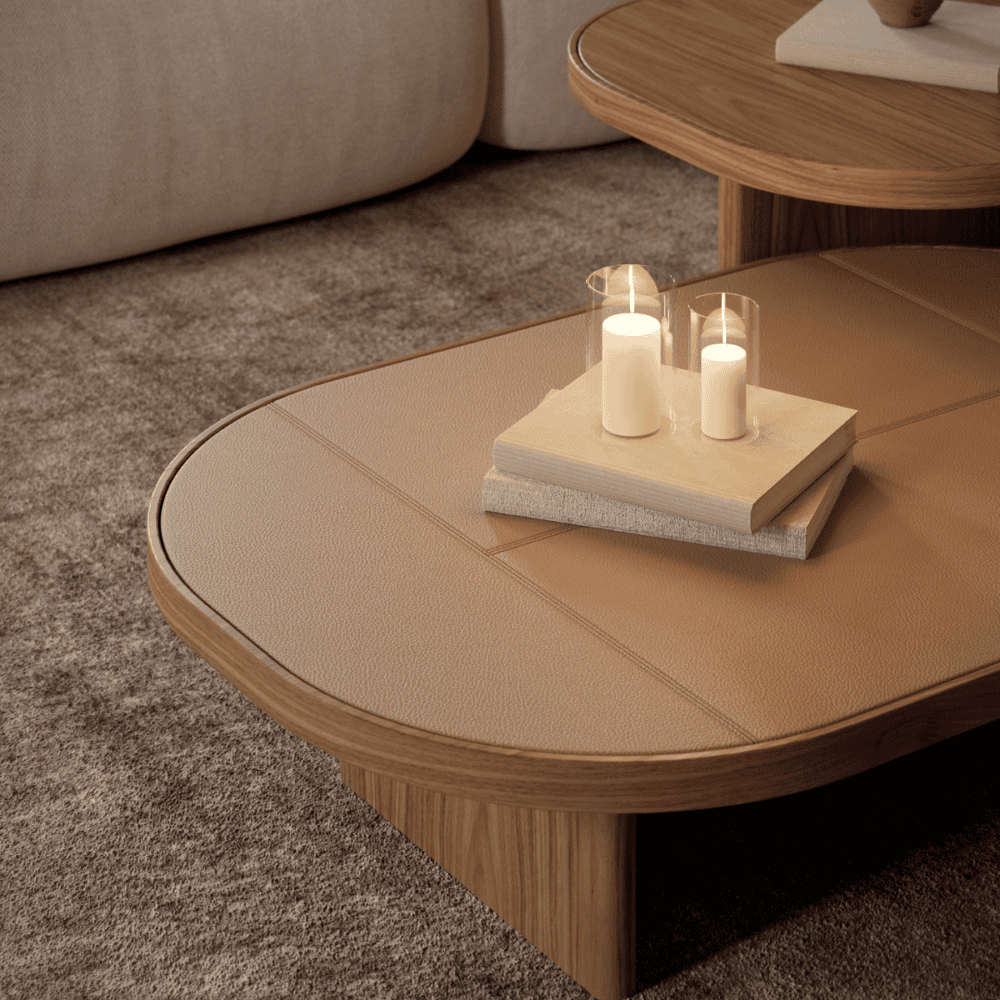
Curved silhouettes, such as a rounded swivel armchair, an oval coffee table like the Gilbert table set, or softened sofa arms, read as more inviting than sharp, angular forms, without sacrificing a contemporary look. Pairing a round coffee table with an oval one, at two different heights, does more for a room’s sense of ease than either would alone.
Density and Enclosure, Used Deliberately
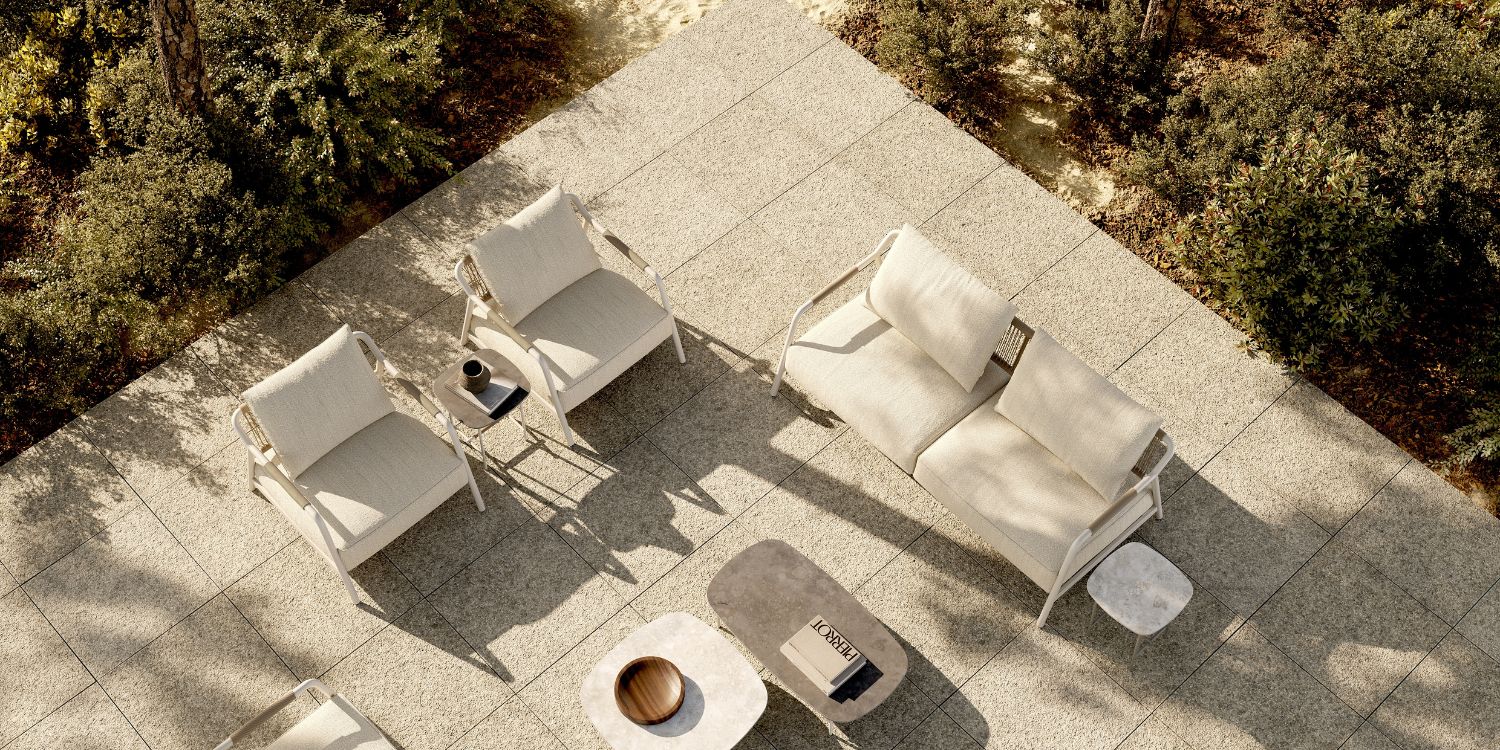
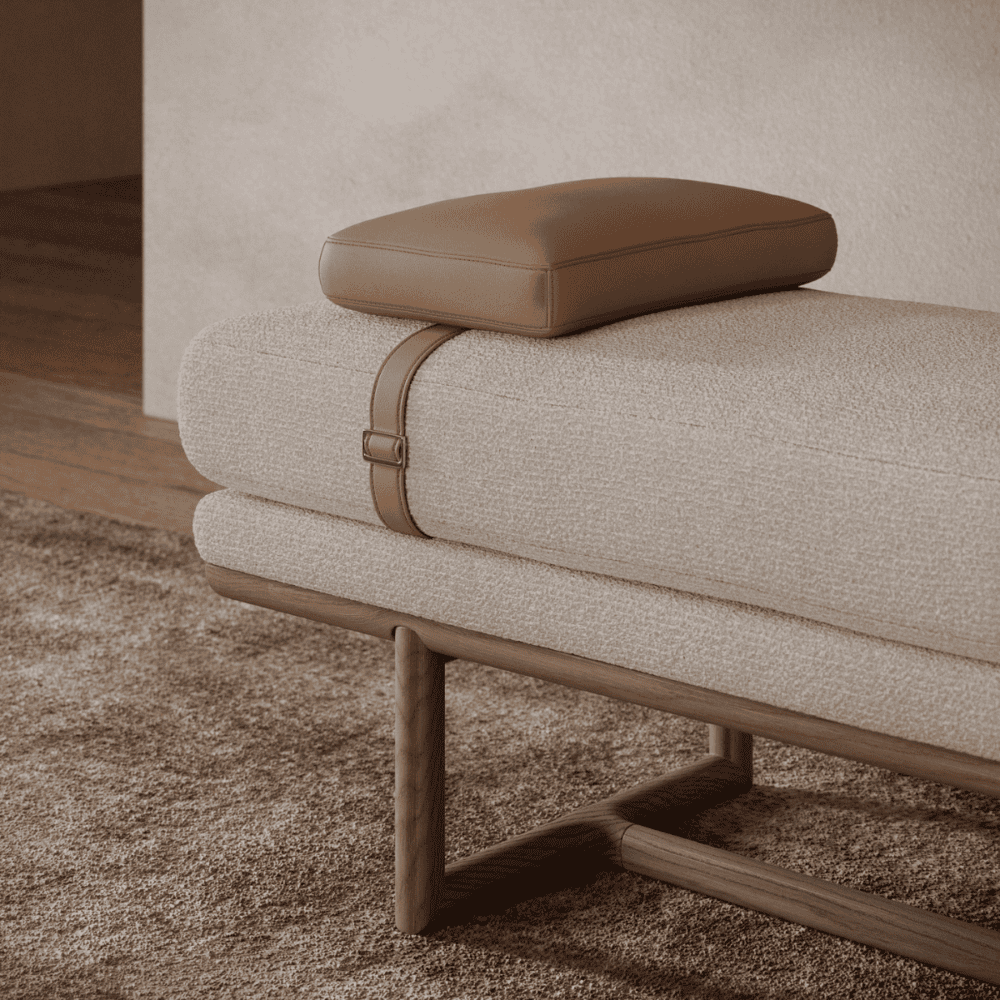
Smaller, semi-enclosed groupings create intimacy in ways that open, symmetrical layouts don’t. An armchair angled in from the wall, a low bench, such as the Henry Bench, positioned off to the side, a side table doing double duty as a plinth for a single bowl or a cluster of candles. All of it breaks an open room into a cluster that feels held rather than exposed, without requiring any structural change.
Considered Craftsmanship, Built to Last
Every cosy element, from the upholstery to the timber to the finish, deserves the same rigour as the layout and the palette. This is where hygge-as-mood-board and hygge-as-specification part ways: a scheme built on genuine materials and craftsmanship ages well, which matters just as much for a private client’s home as it does for a project with more formal performance requirements.
The takeaway: Treat cosiness as a design decision, not a finishing touch. Each characteristic above should map to a material, a finish or a lighting choice you can defend to a client, not just a styling choice that photographs well.
Domkapa-Style Hygge in Practice
Abstract principles are easier to apply with a scene attached.
Scenario: A Private Living Room, Dressed for Autumn
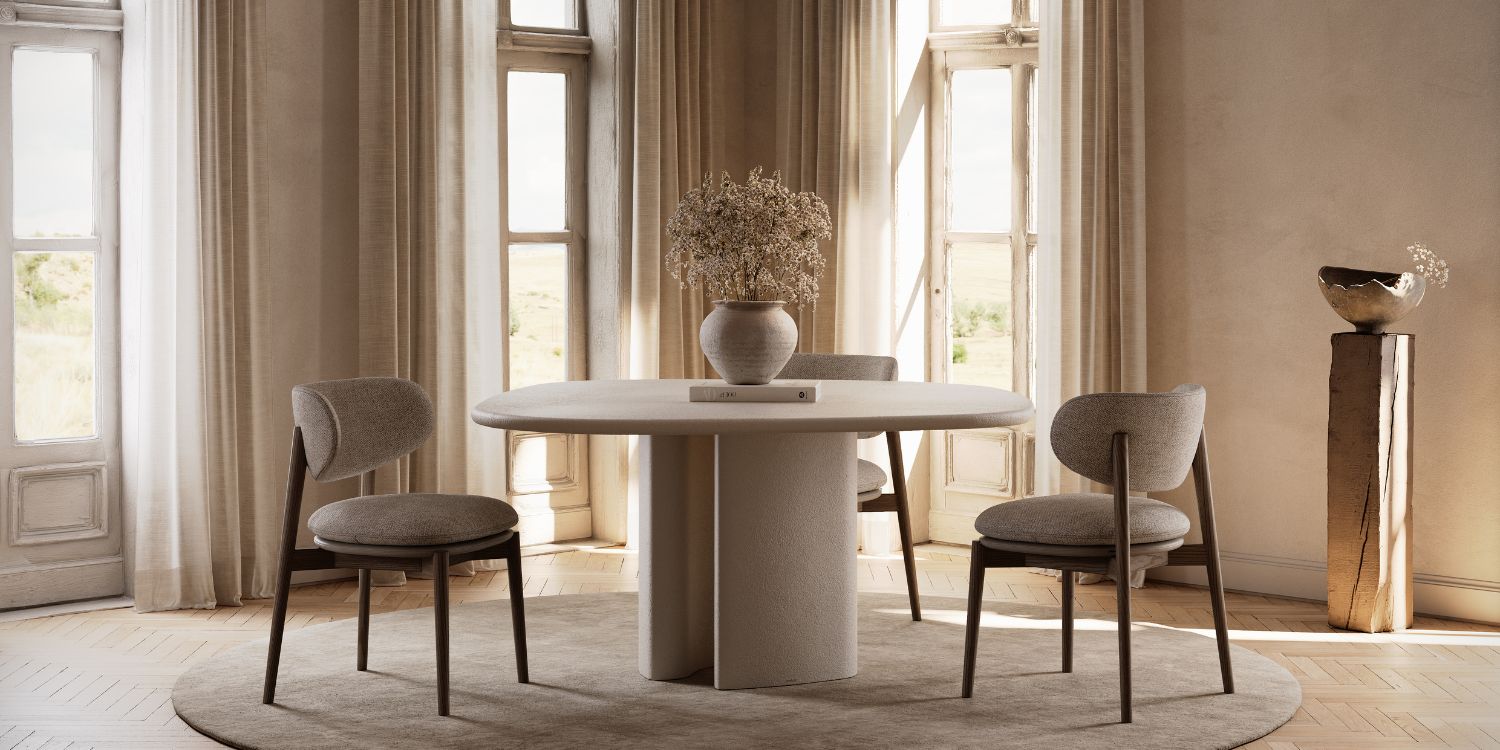
Two tall, arched windows dressed in soft linen curtains let in low, golden afternoon light. Rather than a full renovation, the brief here is a seasonal repositioning of what’s already a well-proportioned room.
The Giorgio Sofa, in a bouclé texture, sits low and deep, angled slightly to open the room rather than square off against it. The Elliot Armchair, in cognac leather, is positioned just off to one side, adding contrast in both material and tone. Leather against bouclé, warm brown against soft beige. Between them, the Gilbert table set, a round and an oval piece in walnut at two different heights, holds a scattering of books, a stoneware jug and a cluster of candles rather than a single centred tray. Behind the seating, a tall stoneware vase holds one dramatic branch of dried autumn foliage, doing more for the room’s mood than any amount of smaller decor could. The Henry Bench runs along the far wall, a floor lamp fills the opposite corner, and a scattering of warm, low-level lighting completes the layering, so the room reads as considered rather than staged.
Nothing here required a structural change, just a genuinely practical model for how to create a warm, cosy living room within weeks, not months. The same logic extends easily into a boutique hospitality setting or a considered workplace lounge, but it’s built first and foremost for how people actually want their own homes to feel this time of year.
So what does this mean for your spec? You don’t need to rebrief the whole room to make it feel like an autumn scheme. A considered material palette, two or three well-placed pieces and re-layered lighting can shift the entire mood of a space.
Why This Matters Beyond the Season
Cosiness is increasingly not a seasonal styling exercise but a baseline expectation from clients. People are asking more of their own homes, wanting a living room to feel as considered and restorative as anywhere else they spend their time, and that expectation doesn’t disappear when the clocks change back.
There’s a longevity argument here too. Furniture and materials chosen for genuine tactile quality, not just seasonal appeal, tend to outlast the trend that inspired them, which matters for a client’s satisfaction with a scheme long after the project photographs are taken. Getting the specification right once, with pieces built for both feel and longevity, tends to translate into a client who’s happy to come back for the next room, and happy to recommend the designer who got it right the first time.
Domkapa-style hygge isn’t about softening a room until it feels like a stage set; it’s about designing warmth in with the same rigour applied to every other decision in the scheme. Tactile materials, layered lighting, softened geometry and a considered, warm palette can transform how a project feels this autumn, without compromising the quality or craftsmanship a client is paying for. Get the material decisions right, and the cosiness follows; it isn’t the other way around.
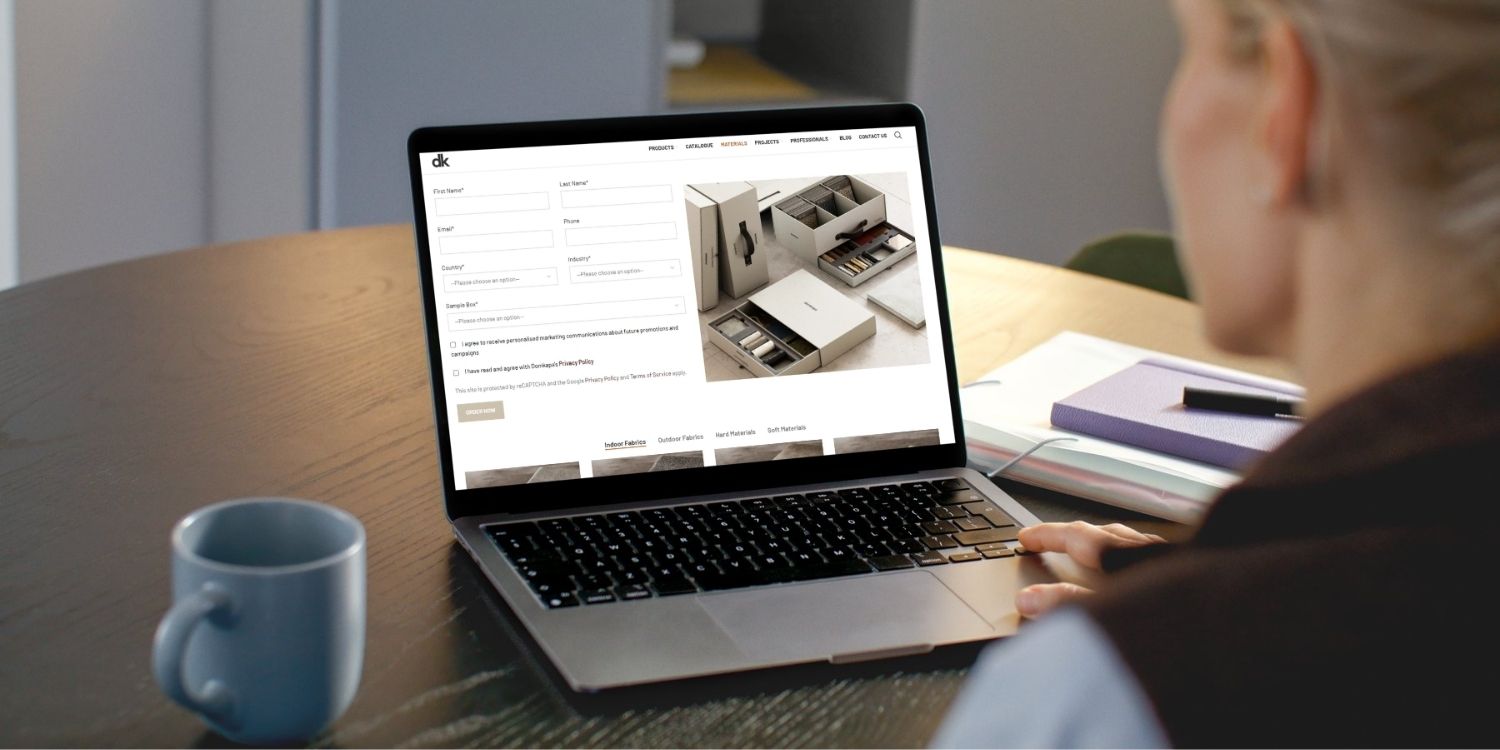
As a furniture house rooted in Portuguese craftsmanship, Domkapa’s autumn collection and wider upholstery collection, including pieces like the Giorgio Sofa, Elliot Armchair, Henry Bench and Gilbert table set, are built for exactly this brief: comfort that feels as good as it looks. If you’re specifying for an autumn project, our team is on hand to talk through samples, materials and your next brief.
YOU MAY ALSO LIKE: Meaning Of Hygge: Simple Steps To Achieve Nordic Comfort
We are working every day to bring you the most stylish ideas to fulfil your inspiration and to create the best interior design projects, so feel free to follow our Instagram Page and subscribe to our newsletter.