

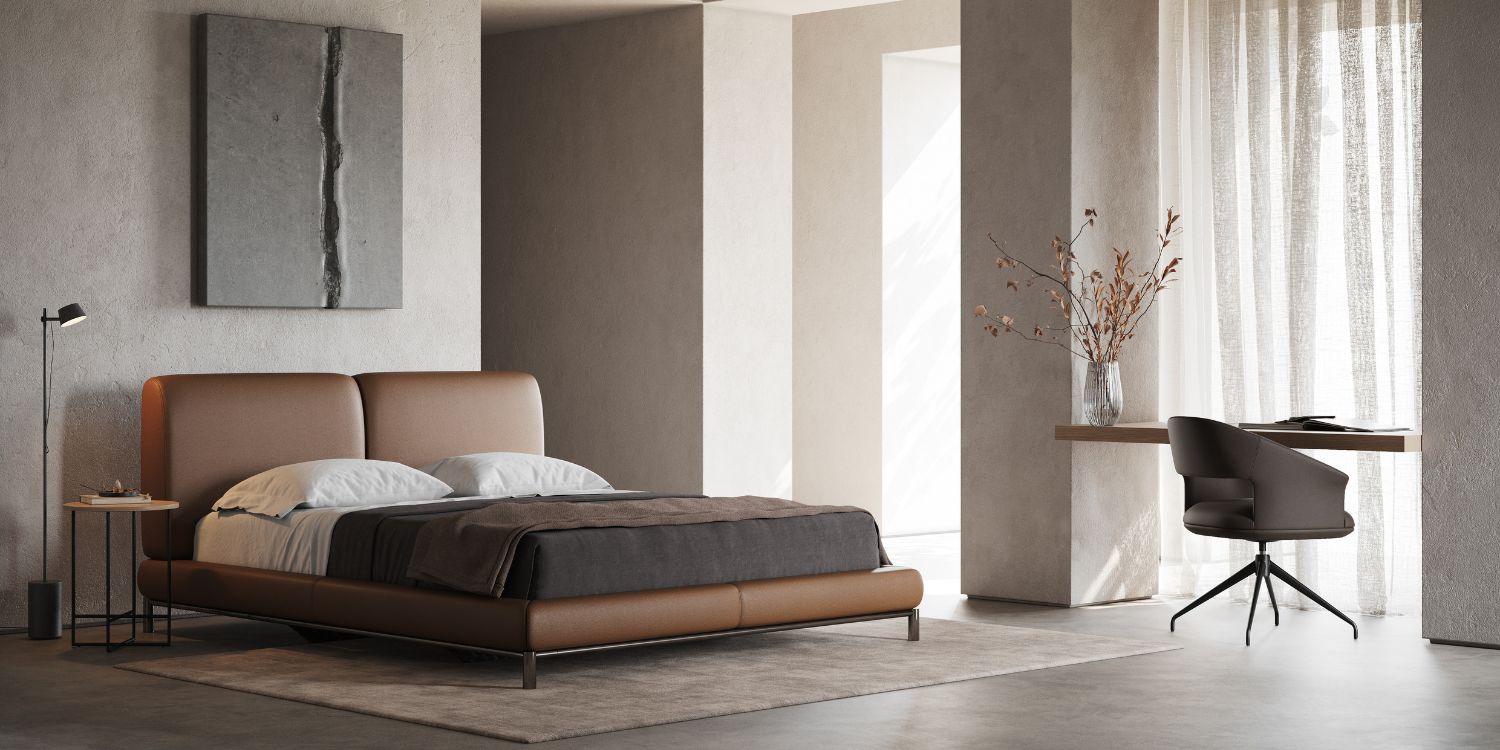
The line between “home” and “workplace” hasn’t just blurred – for most clients, it’s gone. A dining table is a breakfast table at eight, a meeting table at nine and a homework table by four. A living room hosts a video call before lunch and a dinner party after dark. This is hybrid living and it has quietly rewritten the brief for every residential project that crosses a designer’s desk.
The instinct, for a while, was to respond by adding a desk. A corner here, a nook there, a piece of furniture whose entire identity is “for work.” But that’s a blunt answer to a subtler problem. Clients don’t want a home with an office bolted on – they want a home that flexes through the day without announcing the fact. That means designers need to think less about rooms and more about modes: the different ways a space gets used, often within the same four walls, sometimes within the same hour.
Furniture for hybrid living isn’t a category. It’s a way of specifying.
What Is Hybrid Living?
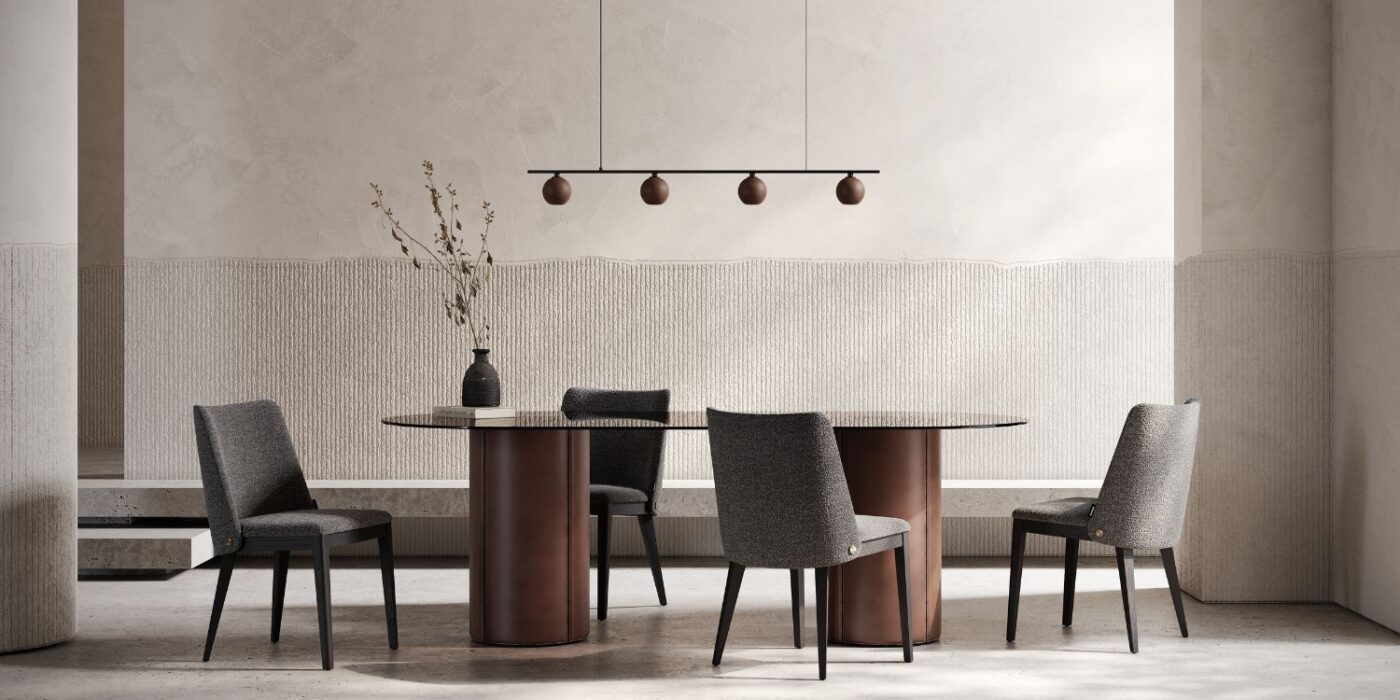
In residential design terms, “hybrid living” describes a home that must support several distinct activities: focused work, video calls, informal meetings, dining, relaxation, entertainment, family life and hosting – without a dedicated room for each. It’s less about remote work specifically and more about the compression of daily life into fewer, harder-working spaces.
Crucially, hybrid living doesn’t mean every room needs a desk. That’s the assumption worth challenging early because it’s the one that leads to overspecified interiors: a home office in the guest room, a laptop stand bolted to the kitchen island, a “Zoom corner” in the bedroom. The better response is spatial and material, not just functional – choosing furniture that can carry the weight of a working day without ever looking like it was bought for one.
Design for Modes, Not Just Rooms
Instead of assigning a single, permanent function to a room, think about how that room’s use shifts across a day. A living room might support quiet, focused work in the morning; a small, informal meeting or the kids doing homework in the afternoon; and dining, entertaining or simple relaxation by evening. Same room, same furniture – different mode.
This is where layout does more work than any single piece. An armchair angled toward a window for morning light also works angled toward a sofa for conversation later. A dining table pushed slightly closer to a plug point in the morning can be pulled back to the centre for dinner. Designers who plan for these transitions – rather than freezing a room into one configuration – give clients rooms that keep pace with how they actually live, not how a floor plan assumes they will.
The Furniture Specification Rules for Hybrid Spaces
1. Prioritise Flexible Furniture Over Multifunctional Furniture
This is the distinction worth holding onto throughout the whole brief: multifunctional furniture tries to do everything itself – a coffee table that lifts into a desk, a sofa bed with a hidden drawer for files, an ottoman with a fold-out laptop tray. It often solves the problem too literally and the mechanism shows. Flexible furniture does something quieter: it’s simply well-suited to more than one use, by virtue of scale, comfort and mobility, without needing a lever or a hinge to prove it.
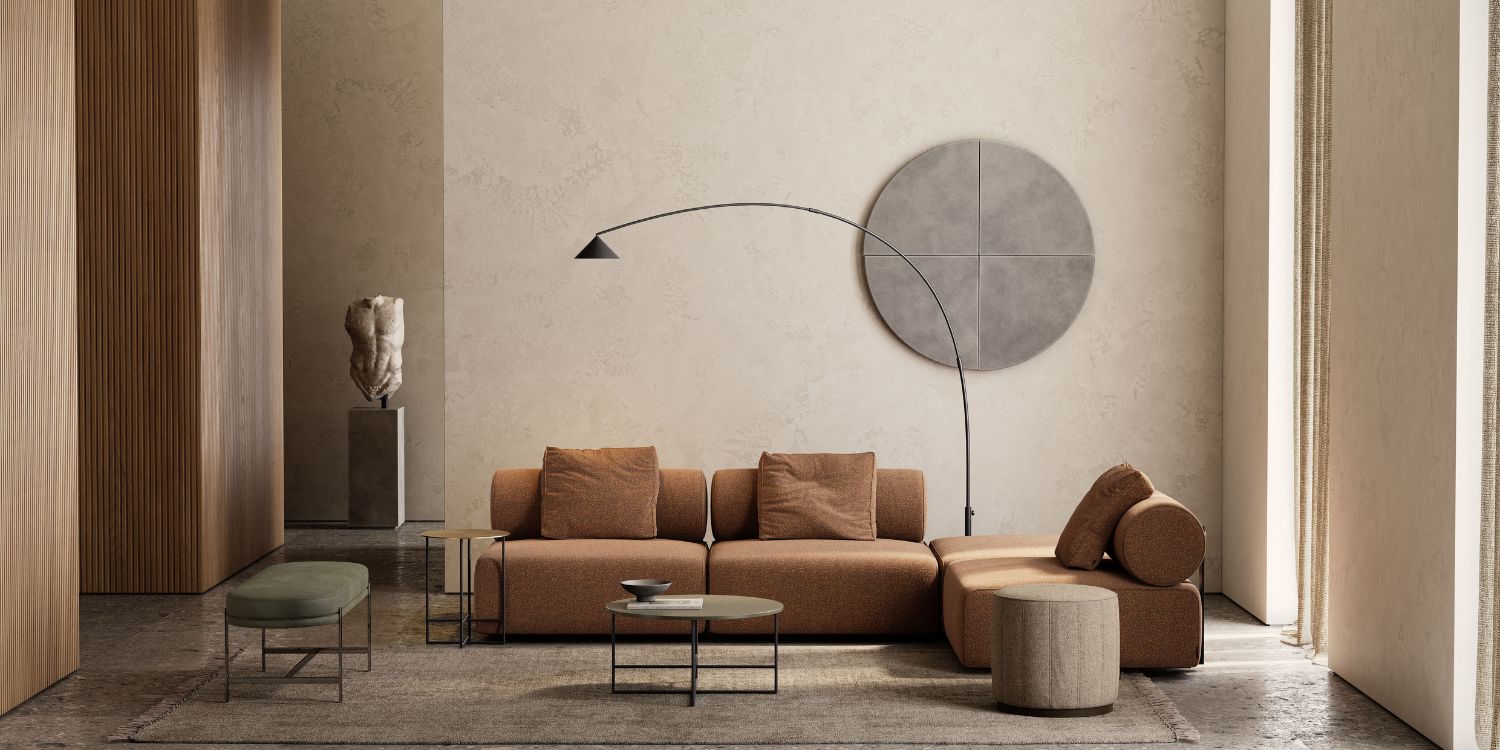
A modular sofa gains flexibility from its composition, not its gadgetry – reconfigure the sections and the room’s centre of gravity shifts with it. Moveable armchairs, occasional side tables, lightweight dining chairs, a well-placed pouf, a set of nesting tables: none of these were designed for “hybrid living”, and that’s precisely why they work. They move easily, they don’t visually specialise and they let a room change function without a redesign.
3. Consider Scale and Circulation
Flexibility lives as much in the plan as in the piece. Clearances matter more in hybrid rooms than in single-purpose ones, because furniture needs room to be used differently at different times – a dining chair pulled back and turned toward a laptop needs the same walkway space it needs pulled in for dinner. Oversized or fixed furniture is the quiet enemy here: a sofa too large for its room forecloses the reconfigurations that make hybrid living work in the first place.
2. Choose Comfort That Works Beyond the Desk
Furniture that supports occasional work doesn’t need to be ergonomic in the office-chair sense – it needs to be genuinely comfortable for longer stretches of sitting. That means attention to seat depth, backrest height and arm support that holds a forearm at a reasonable typing height, not just a reclining one.
An armchair with the right proportions can absorb two hours of laptop work in the morning and two hours of reading in the evening and look identical doing both. The goal isn’t to smuggle office ergonomics into the living room; it’s to specify residential seating considered enough that it never needs a second, dedicated chair beside it.
4. Think About Technology Without Designing Around It
Power access, cable management, lighting and reliable connectivity all need to be resolved – but resolved discreetly, as infrastructure rather than as a design statement. A side table with an integrated outlet, a floor lamp positioned to double as call lighting, cables routed along a skirting rather than trailing across a rug. Technology should support work happening in the room, not visually claim the room as a workspace.
The Best Furniture for Every-Room Work
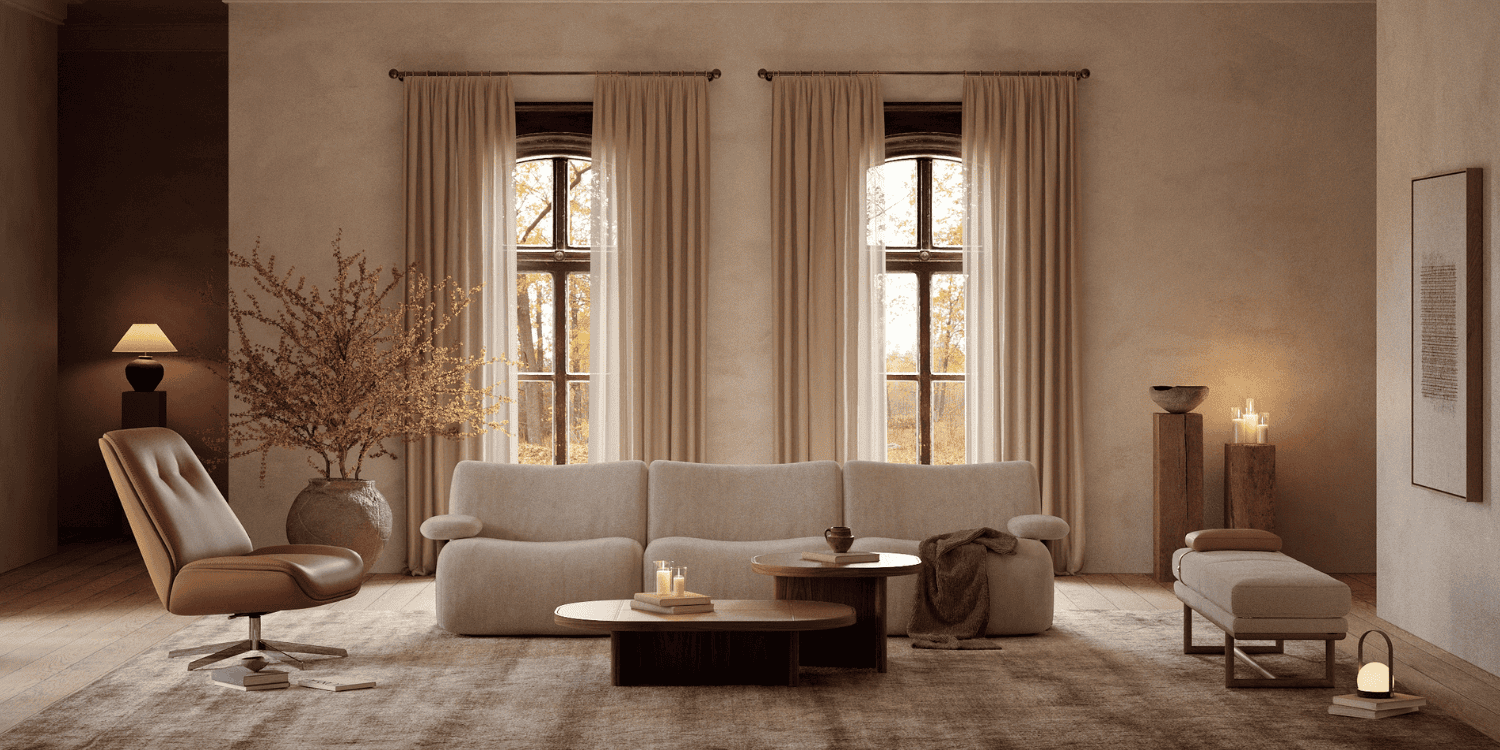
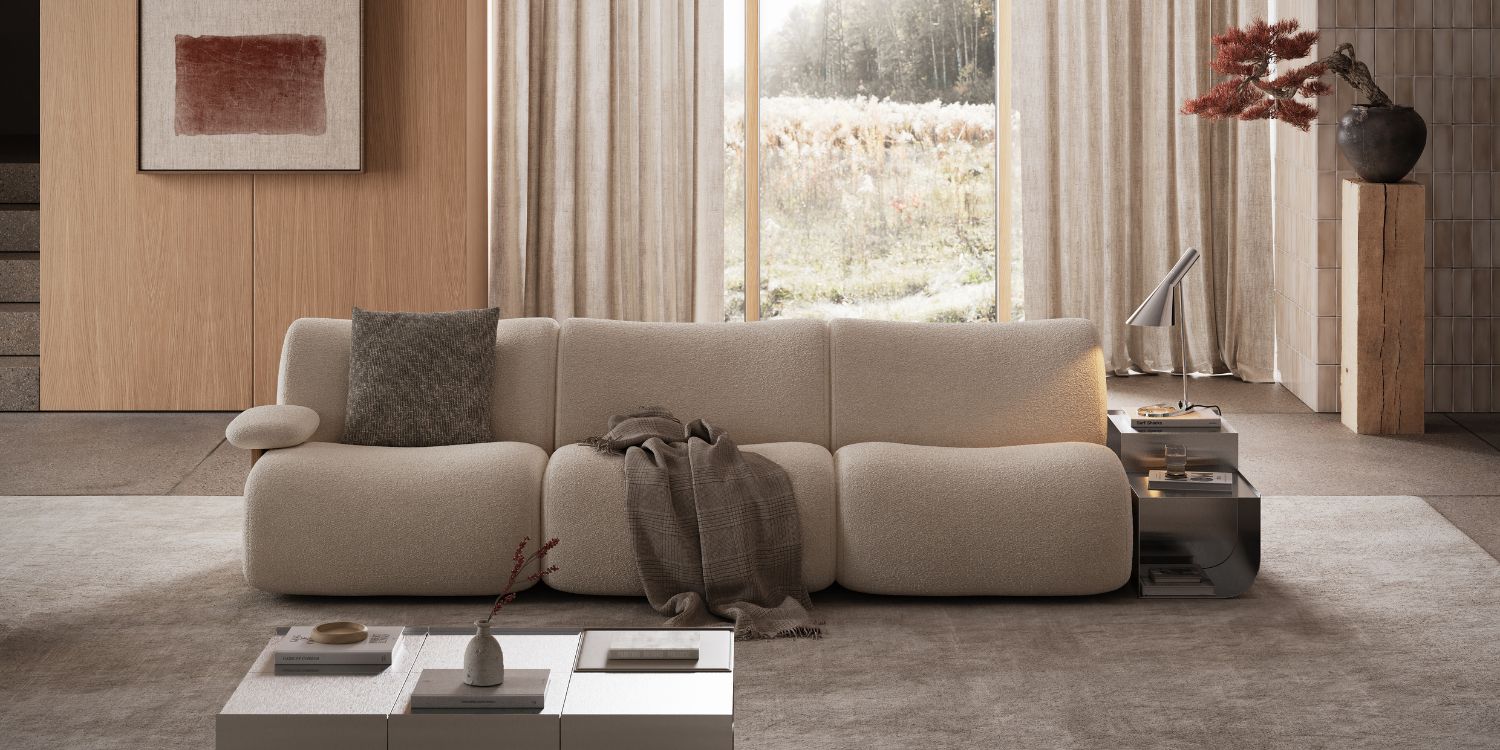
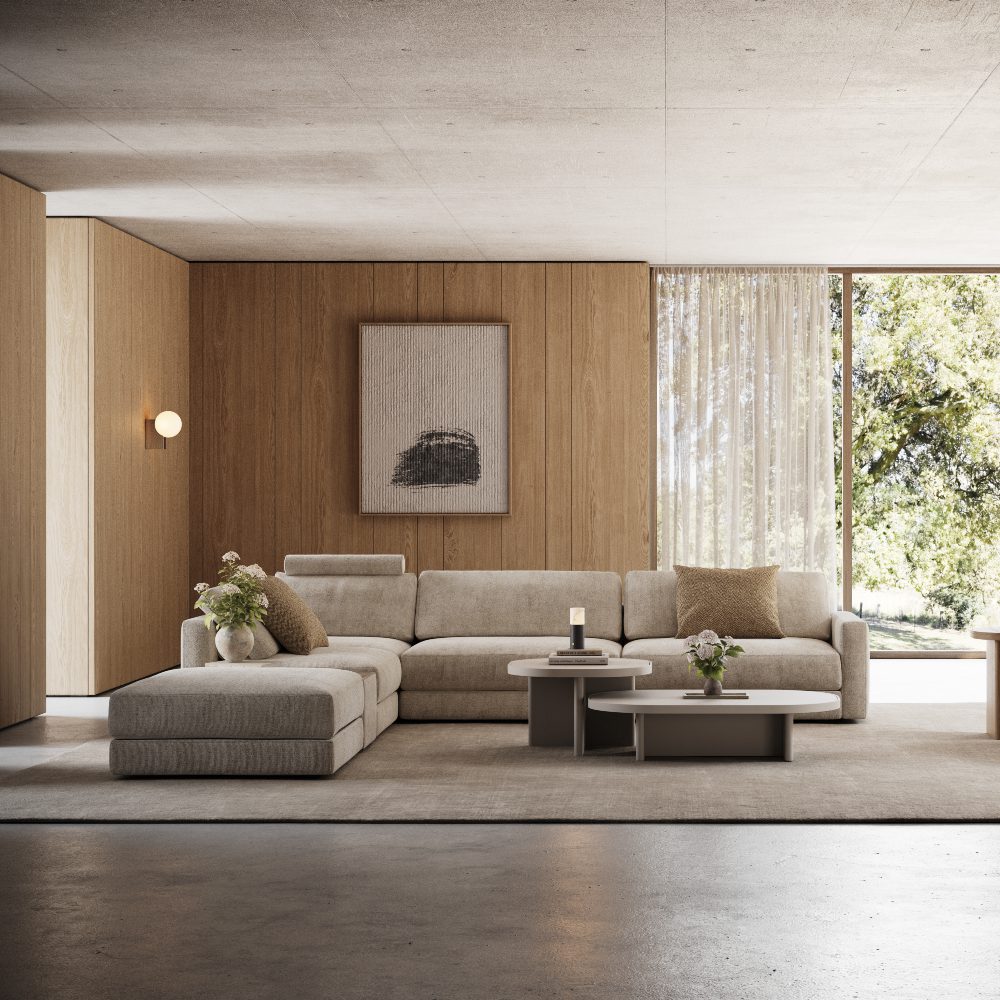
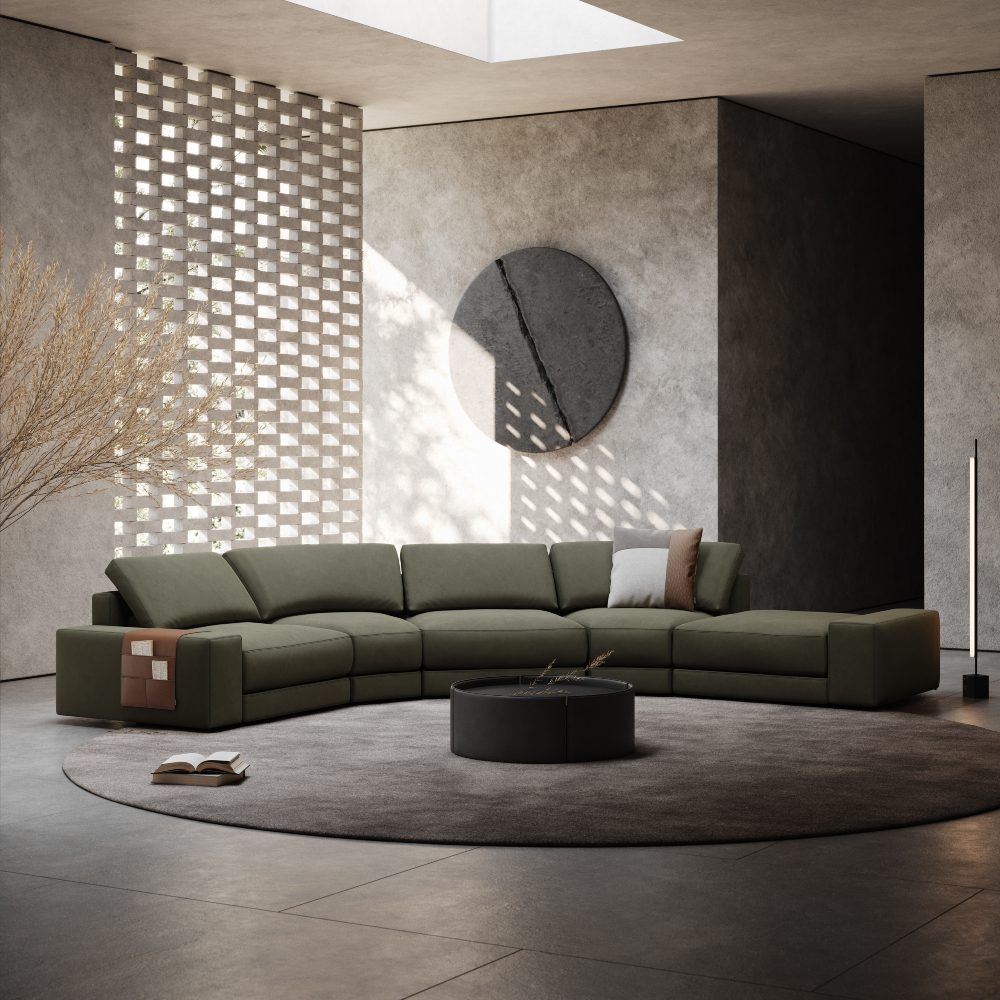
Sofas. A modular composition, like Domkapa’s Edward Sofa, earns its place in hybrid interiors through configuration rather than gimmick – chaise and corner sections create a spot for solo laptop work, while the main run stays social for meetings or evening relaxation. A piece like the Olivia Sofa, with its adaptable seating arrangements and residential comfort, does similar work in smaller footprints, offering distinct seating positions without ever reading as “zoned”.
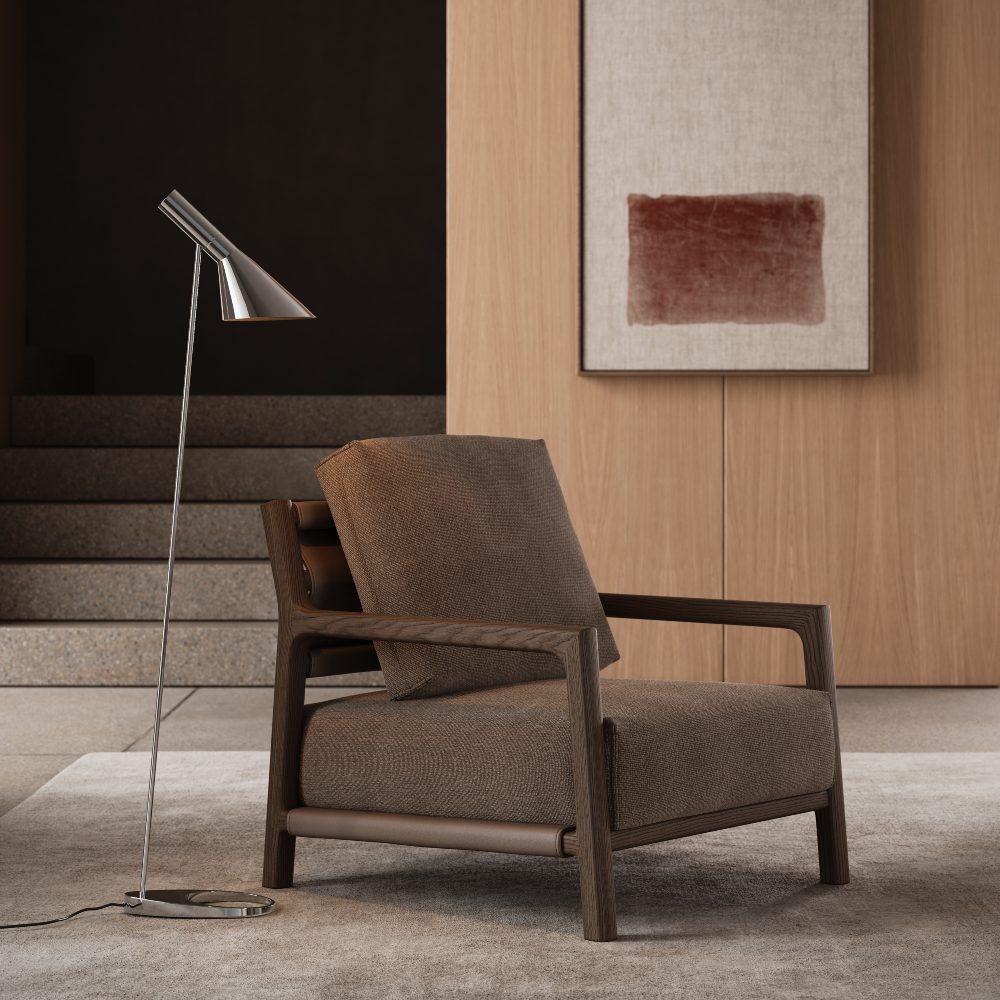
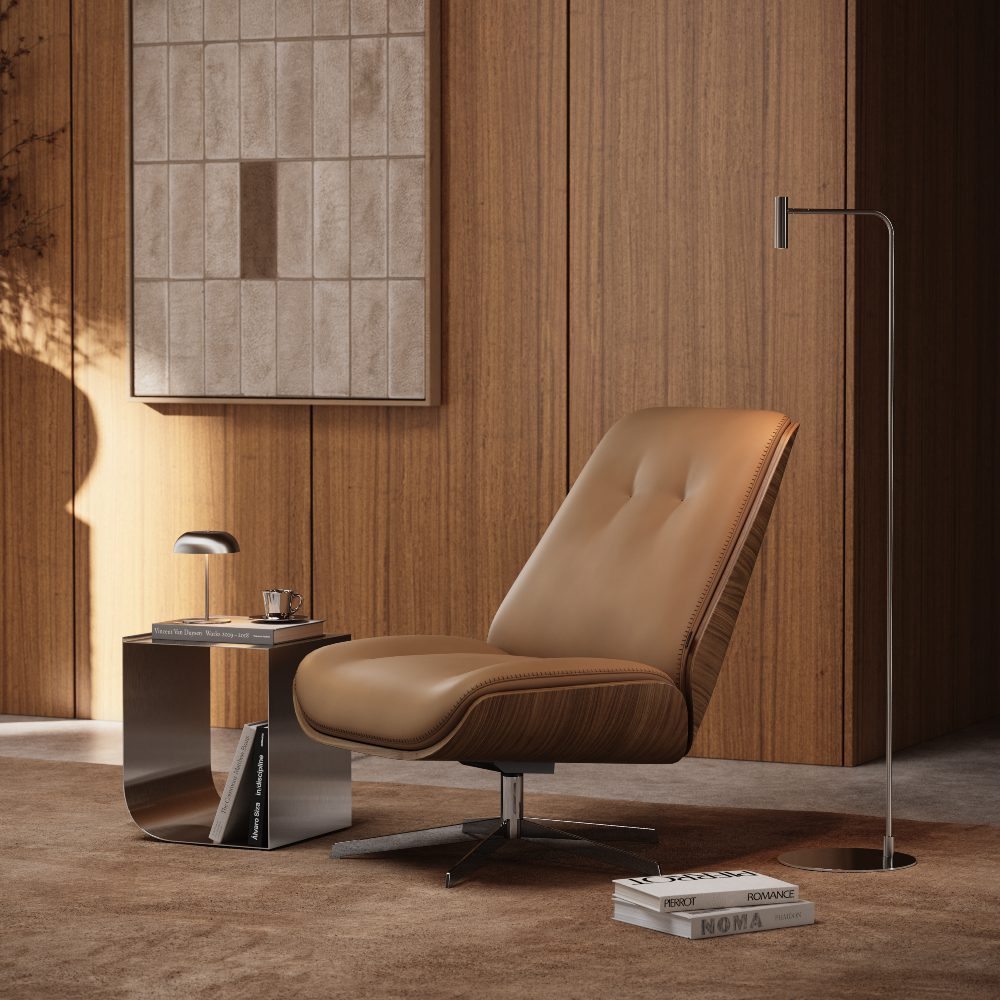
Armchairs. A chair with real ergonomic consideration – seat depth, arm height, backrest support – becomes a discreet secondary workstation with nothing more than a side table beside it. Domkapa’s Elliot Armchair, with its 360° swivel, is a useful example of how a functional detail (turning toward a window, a screen or a conversation) can serve hybrid use without a single visual cue that says “work chair”.
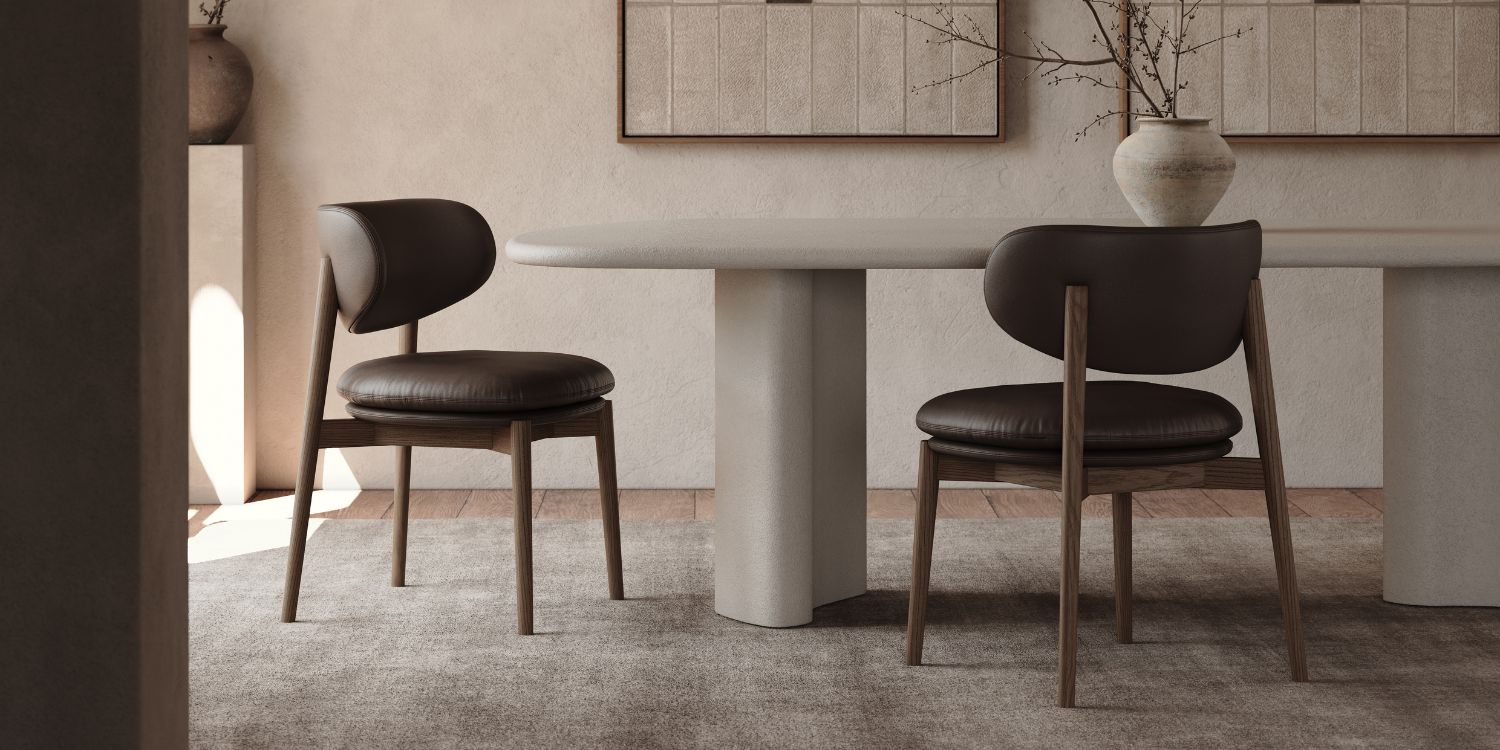
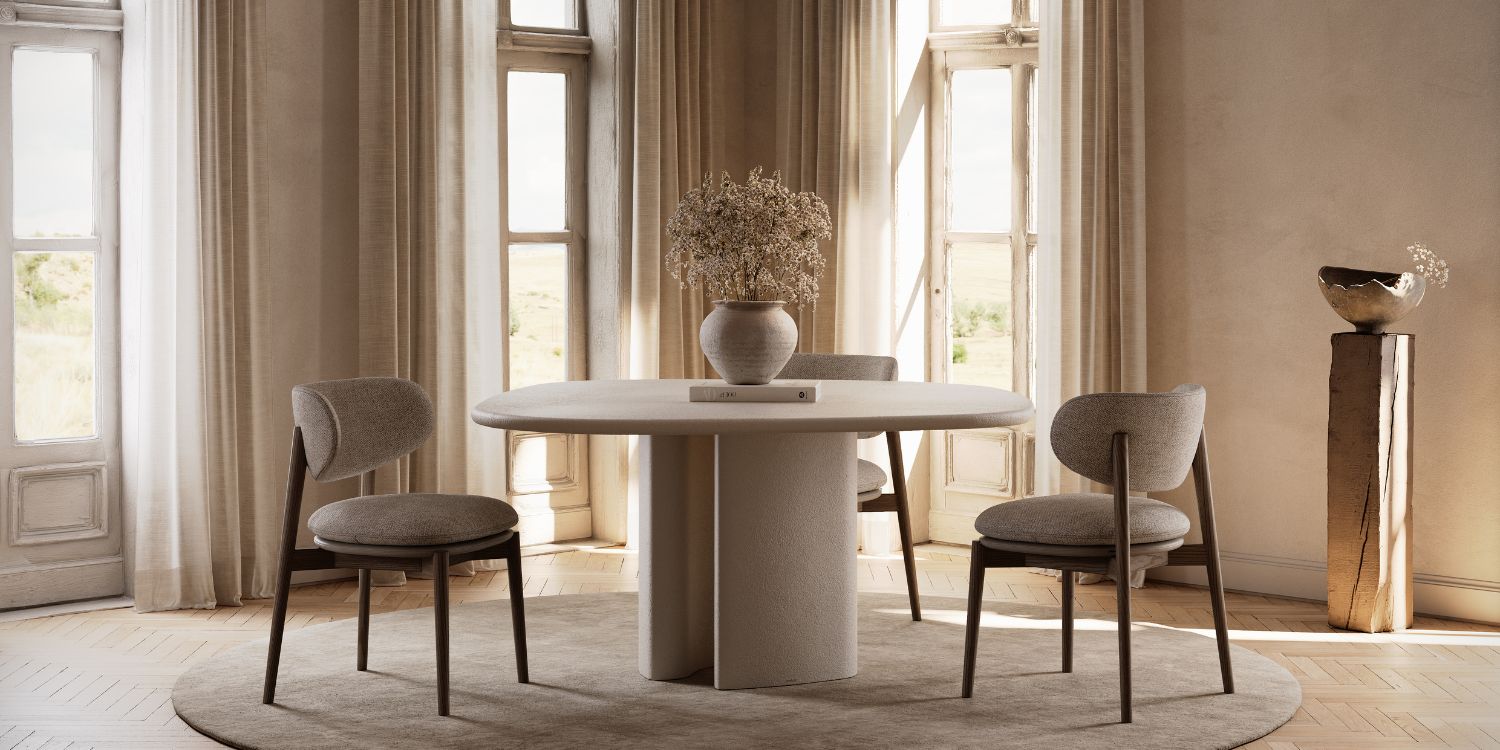
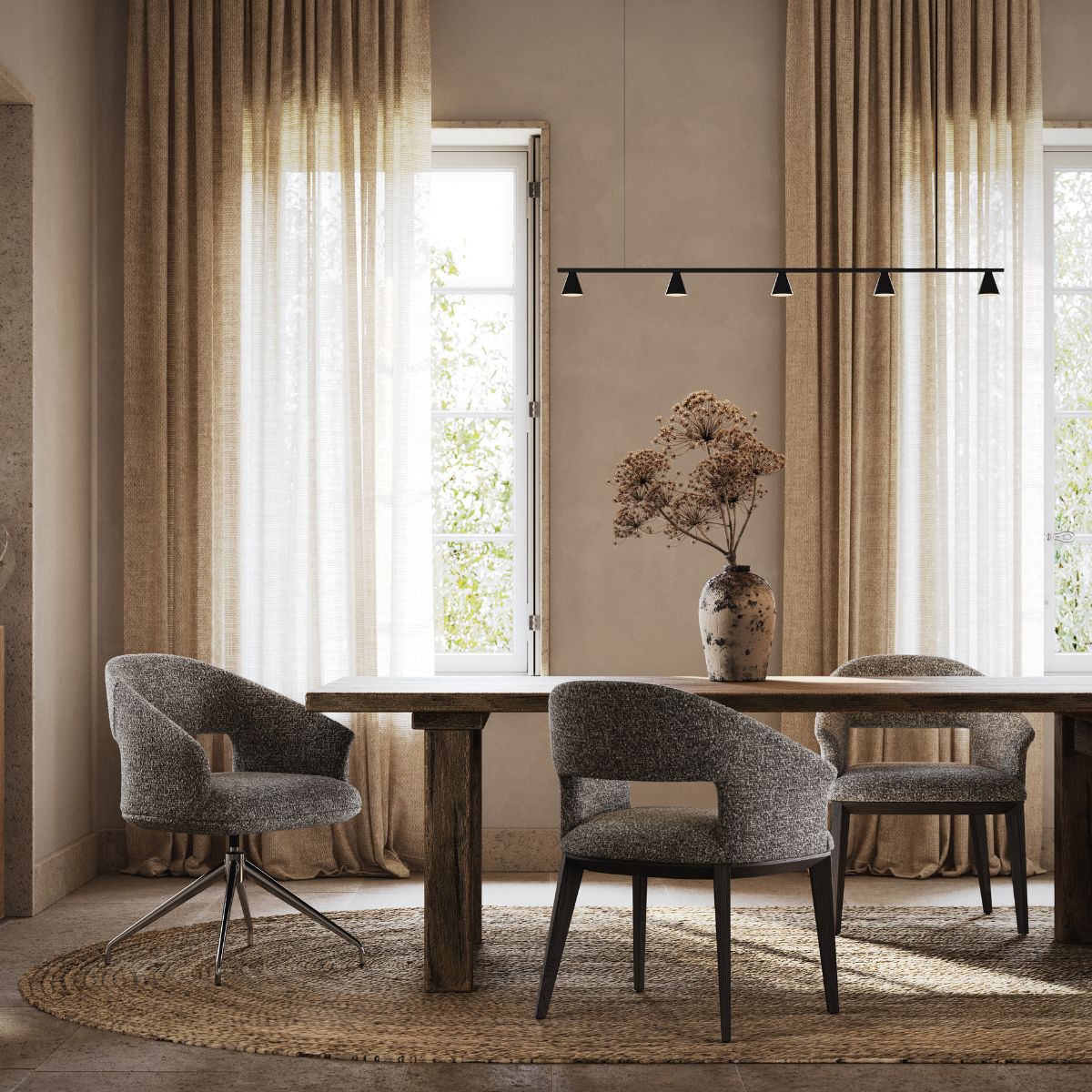
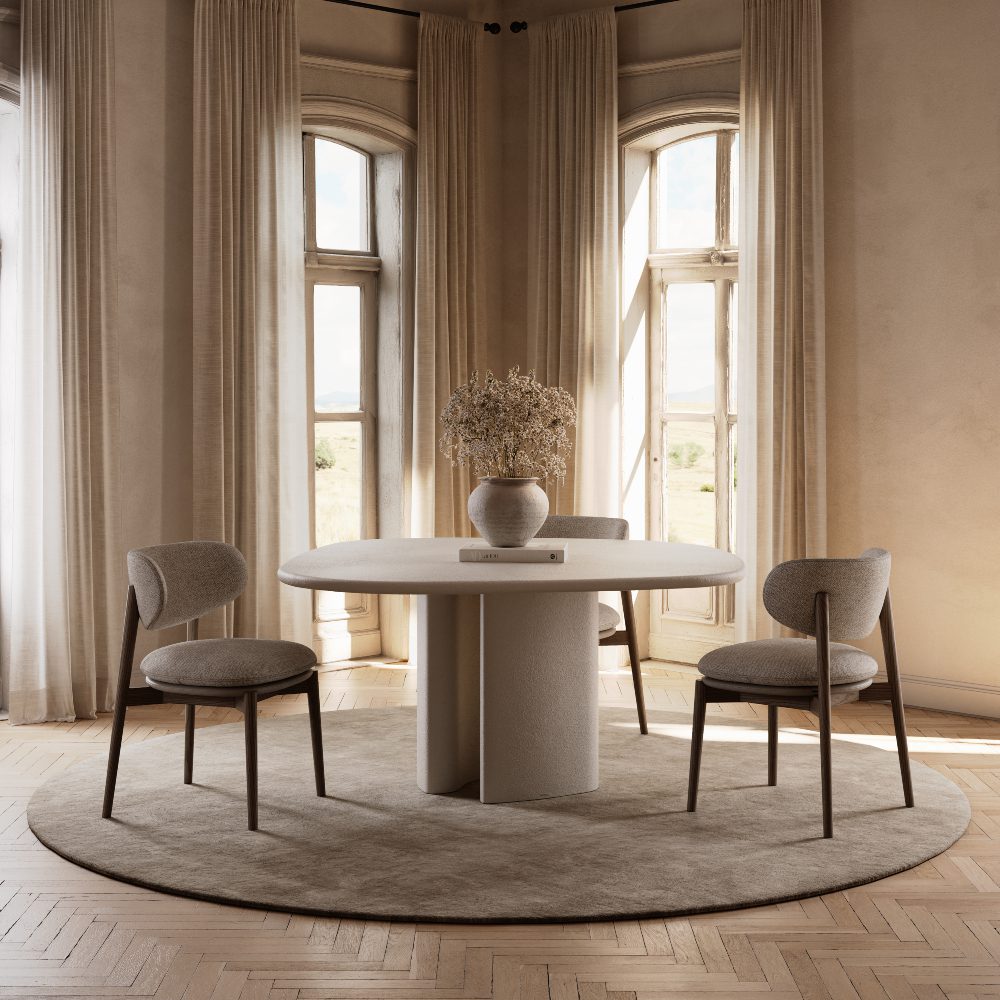
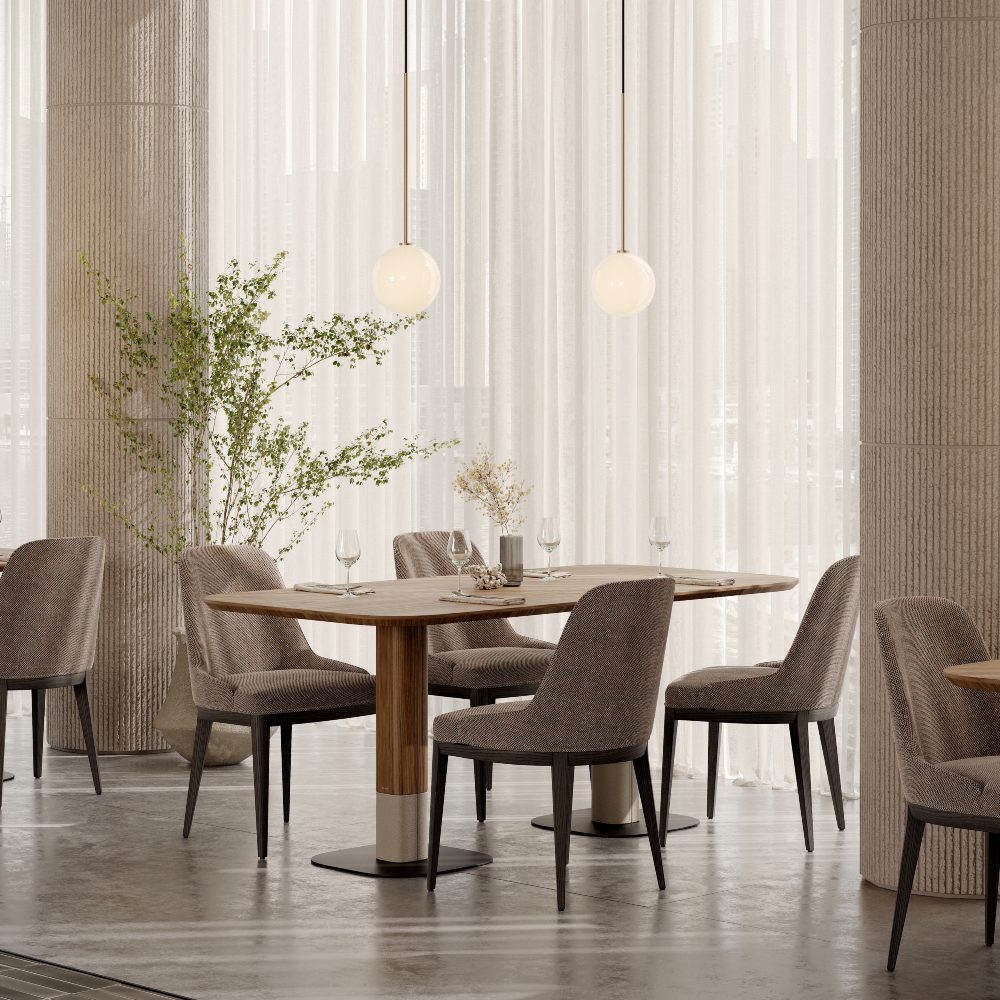
Dining tables. Few pieces in a hybrid home work harder. Proportions matter enormously here: a table with a comfortable working height, leg positioning that doesn’t collide with knees or laptop cables and enough length to let one end host a meeting while the other stays clear for dinner prep. A set like the Adam Tables, offered across different heights, gives designers real latitude to specify a dining or bar-height composition that suits both a working lunch and a longer evening around it.
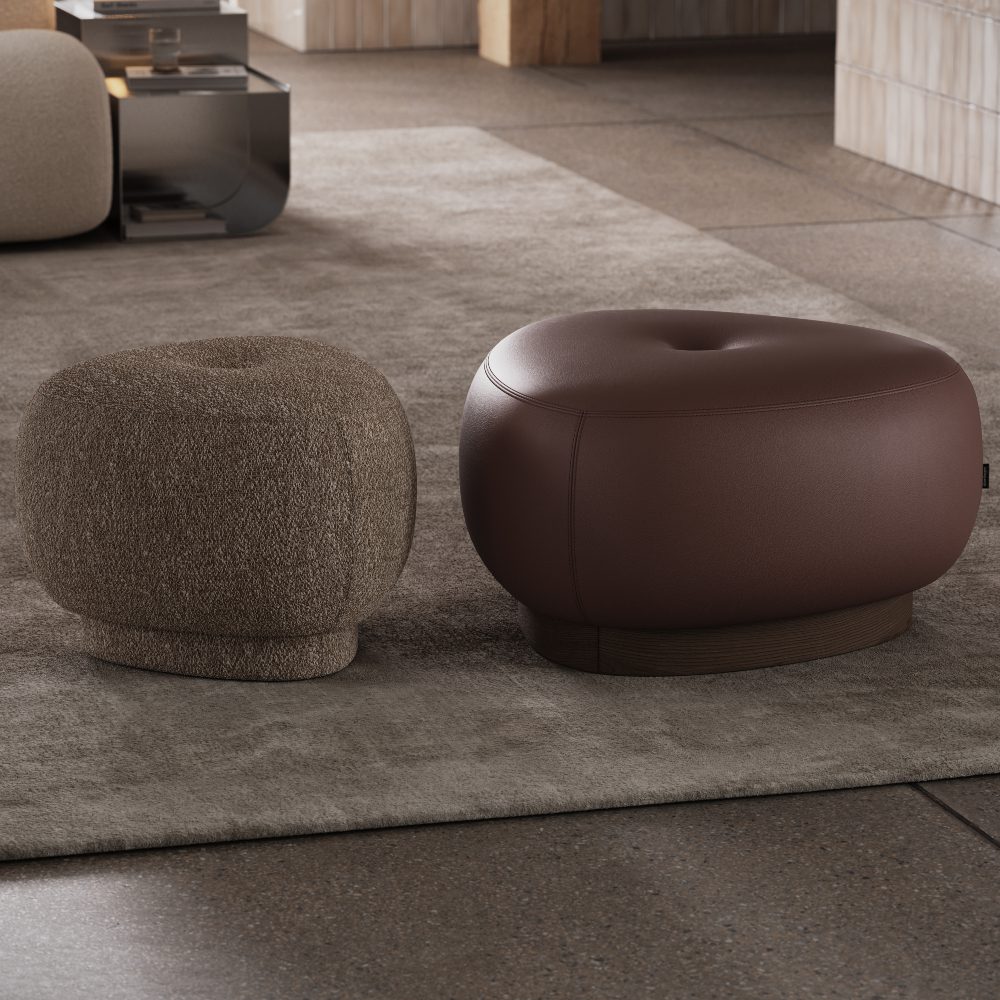
Poufs and ottomans. Genuinely underrated in hybrid specifications. A piece like Domkapa’s Jules Pouf adds informal seating, an occasional surface for a laptop or notebook and a footrest – all without occupying the visual or spatial weight of a “proper” chair. It’s flexible precisely because it asks for so little commitment.
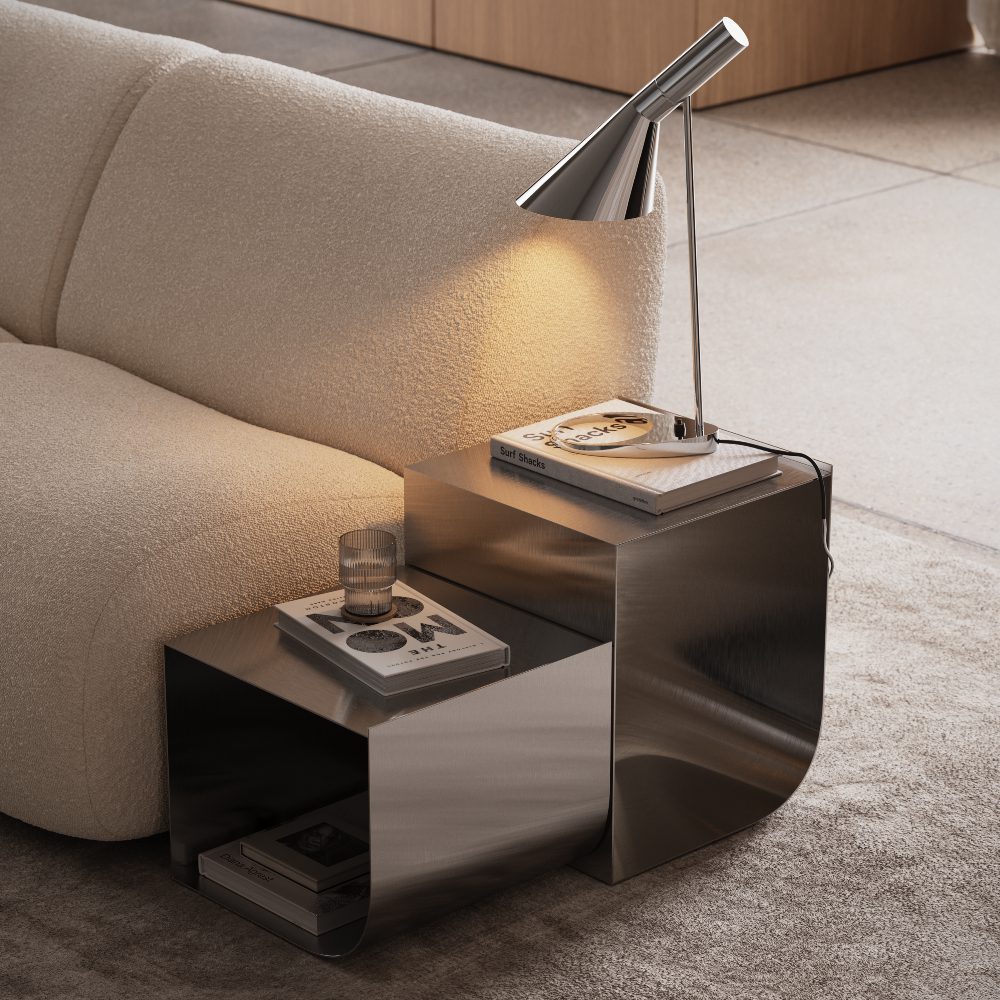
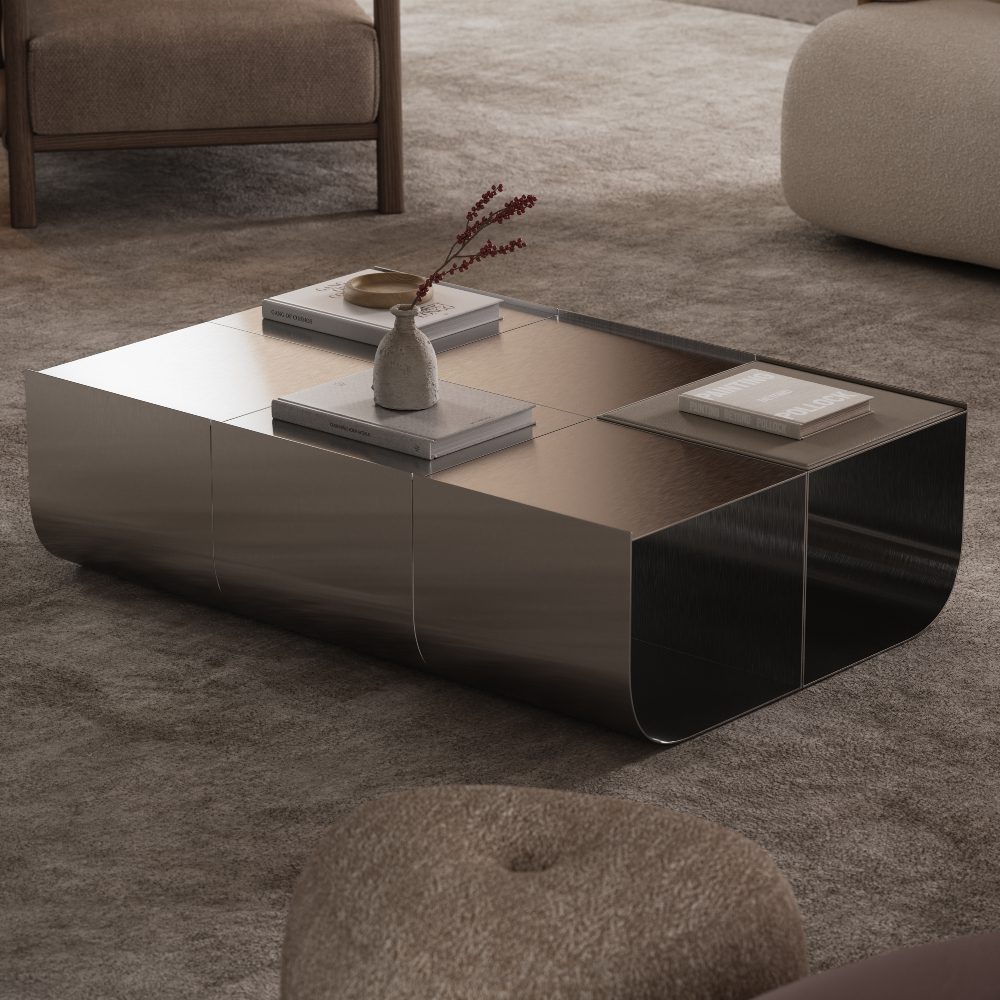
Side tables. Small, but disproportionately useful – raising a coffee to a working height, holding a lamp for evening light or supporting a laptop beside an armchair. In hybrid rooms, a good side table is often the piece that makes an existing chair or sofa usable for work at all.
Materials Matter More in Hybrid Spaces
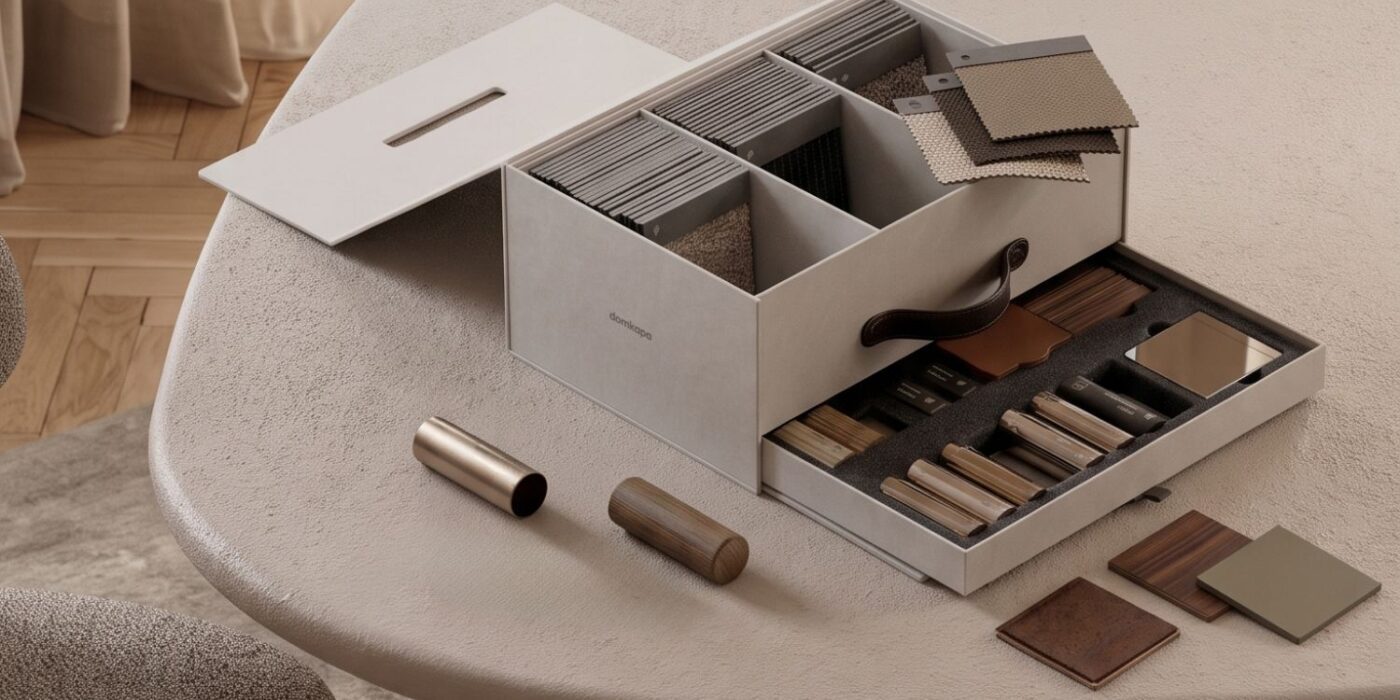
When a piece of furniture is serving more functions, it’s also absorbing more wear: more hours of contact, more varied use, more chance of a coffee ring or a dropped charger cable. Performance upholstery, easy-clean fabrics and finishes with real scratch resistance stop being a “nice to have” and become part of the specification logic itself.
This doesn’t mean defaulting to anything that reads as durable-but-dull. Natural materials and tactile textures – wood grain, bouclé, leather that ages well – do the opposite job of hiding a home’s working hours: they keep a room feeling residential, warm and considered, rather than utilitarian. The best hybrid interiors use material choice to reassure the eye that this is still, unmistakably, a home.
Room-by-Room Guide to Hybrid Living
Room |
Recommended Furniture |
Layout Considerations |
Material Considerations |
Common Mistake |
|---|---|---|---|---|
| Living Room | Modular sofa (e.g. Edward Sofa), swivel armchair, nesting side tables | Angle seating toward natural light for daytime work; keep a clear path to the sofa for evening use | Durable, easy-clean upholstery on high-contact seating | Adding a standalone desk that dominates the room |
| Dining Room | Extendable or well-proportioned table (e.g. Adam Tables), lightweight chairs | Ensure comfortable working height and knee clearance; keep chairs easy to pull back | Wipeable, scratch-resistant tabletop finishes | Choosing a table too low or too deep for laptop use |
| Bedroom | Compact armchair, small writing surface, side table | Position work seating away from the bed’s sightline for psychological separation | Soft, calming textures to preserve restfulness | Letting the laptop live permanently on the bed |
| Kitchen | Bar or counter chairs, small mobile side table | Keep informal work seating out of the cooking triangle | Heat- and stain-resistant surfaces | Overcrowding the island with cables and screens |
| Guest Room | Comfortable armchair, foldable or slim console | Furniture should reconfigure easily between guest use and occasional work | Neutral, residential finishes that don’t read as “office” | Permanent desk setups that compromise guest comfort |
The Future of Residential Furniture Is Flexible
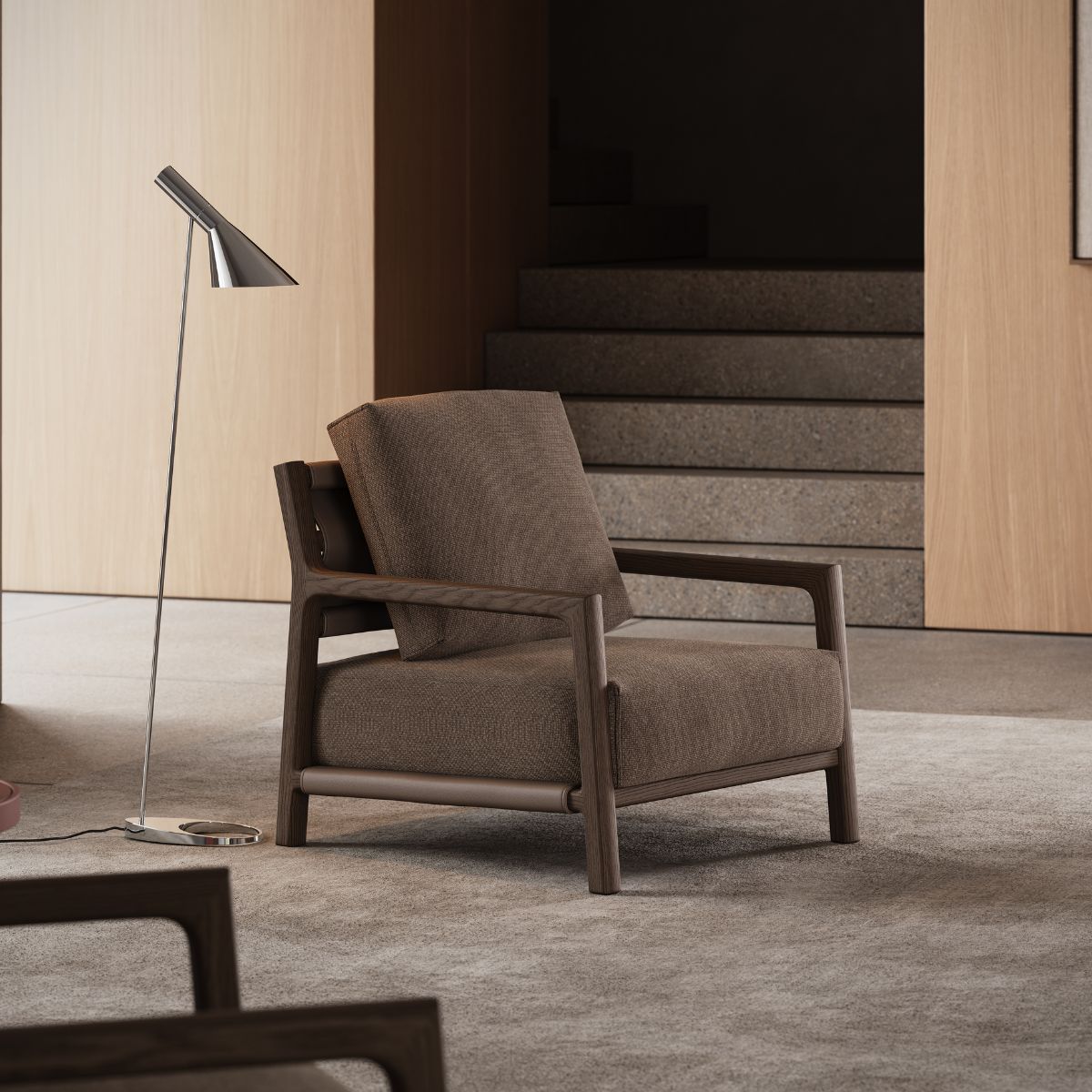
Residential furniture trends for 2026 and beyond point firmly toward adaptability: modularity that responds to a household’s changing rhythms, comfort that holds up across a full day rather than a single use and longevity that lets a piece stay relevant as a client’s needs shift. Pieces like the Alton Armchair – refined, architecturally considered and comfortable enough for a full afternoon of use – show what this looks like in practice: furniture that was never designed exclusively “for work” but is well-made enough to support it anyway.
The furniture that will define hybrid living isn’t furniture invented for the purpose. It’s furniture good enough and flexible enough to be asked to do more than one thing and confident enough not to need to say so.
The most successful hybrid interiors aren’t the ones that solve the most functions at once – they’re the ones where those functions coexist so naturally that nobody notices the engineering behind them. That’s the real measure of good specification for hybrid living spaces: furniture chosen for scale, comfort, mobility and material honesty, arranged so a home can adapt to a client’s day without ever starting to look like a workplace.
Multifunctional furniture tries to solve the problem. Flexible furniture just gives people more ways to use the room they already have.
YOU MAY ALSO LIKE: AI Tools For Interior Designers: Worth It Or Hype?
We are working every day to bring you the most stylish ideas to fulfil your inspiration and to create the best interior design projects, so feel free to follow our Instagram Page and subscribe to our newsletter.