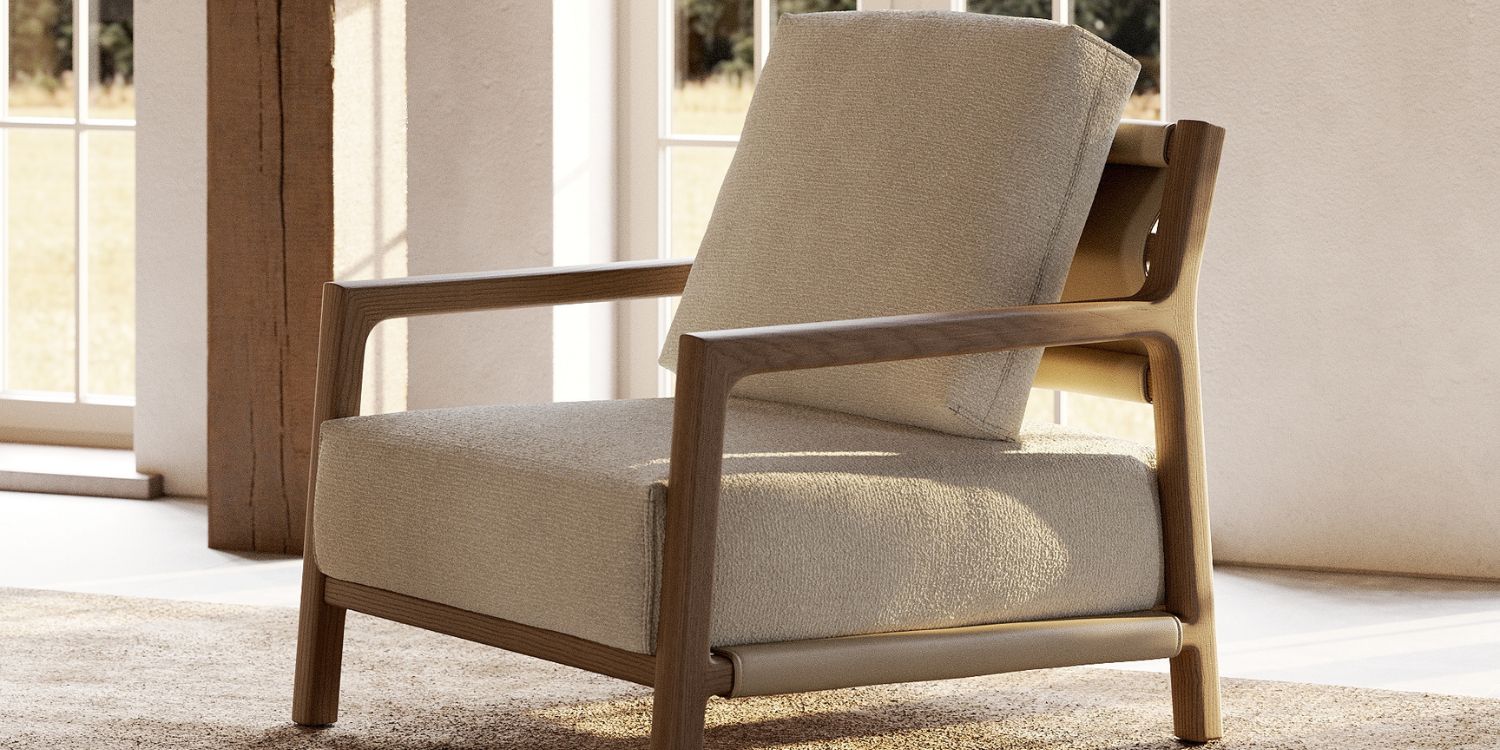


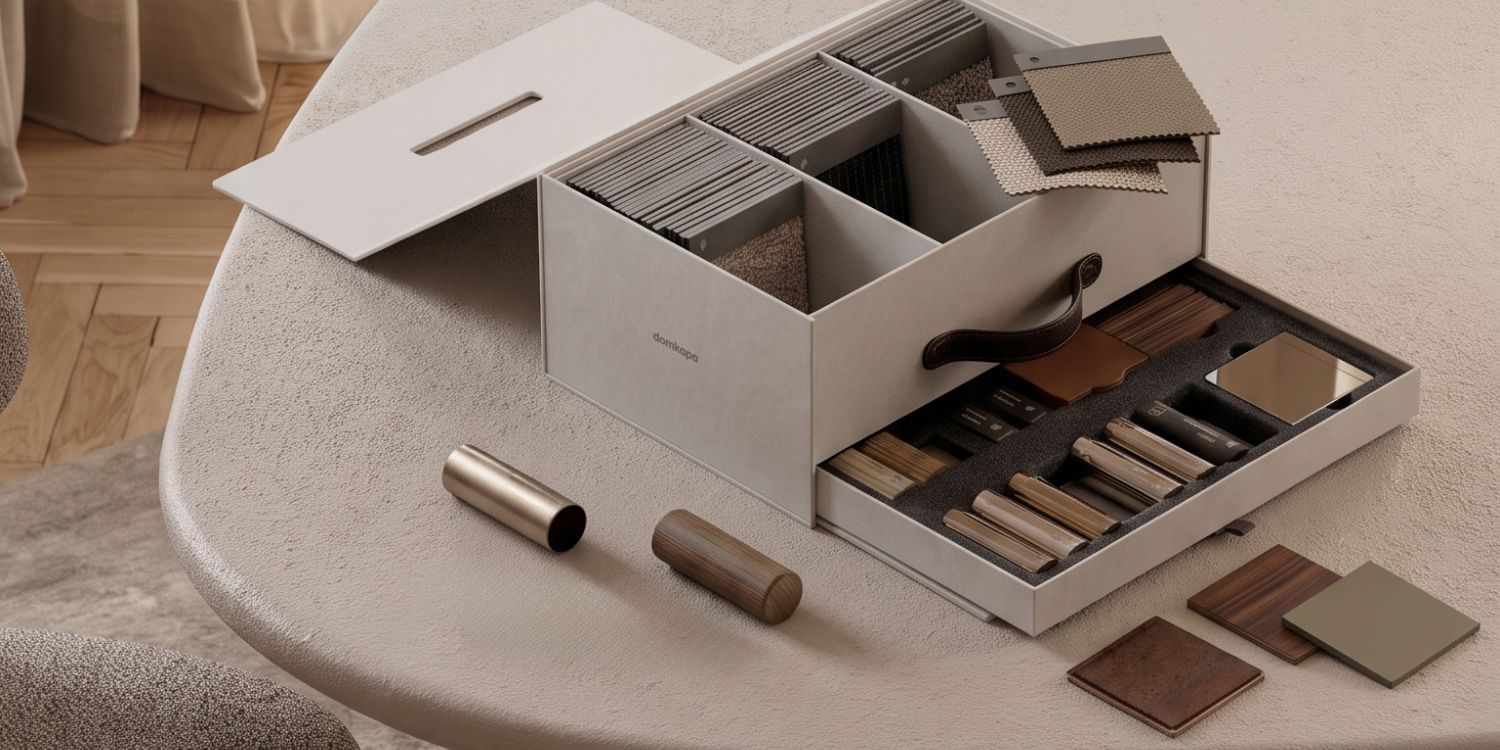
Fabric specification looks like a design decision. In practice, it’s also a budget decision, a scheduling decision and – if something goes wrong – a liability decision. Two routes get a project from a bare frame to a finished piece: Customer’s Own Material (COM), where the designer sources and supplies the textile, and house fabric, a manufacturer’s curated, pre-tested collection. Both can produce a beautiful result. What separates a smooth specification from a stressful one is knowing, early, which route the project actually needs.
This is an upholstery specification guide built around a simple goal: match the right fabric selection method to the right project and be able to explain that choice to a client without either option sounding like a compromise.
What is COM?
The short definition. COM stands for Customer’s Own Material: fabric or leather selected outside the manufacturer’s standard range and shipped to them to upholster a specific piece. The designer, client or procurement team sources it; the manufacturer builds around it.
Why designers reach for it. COM opens the door to any mill, any pattern house, any archive of textiles – not just what’s in a supplier’s current book. That matters when a project has a fabric story that can’t be substituted: a heritage pattern being reproduced, a brand’s signature textile or a one-off commission for a client who wants something no one else has.

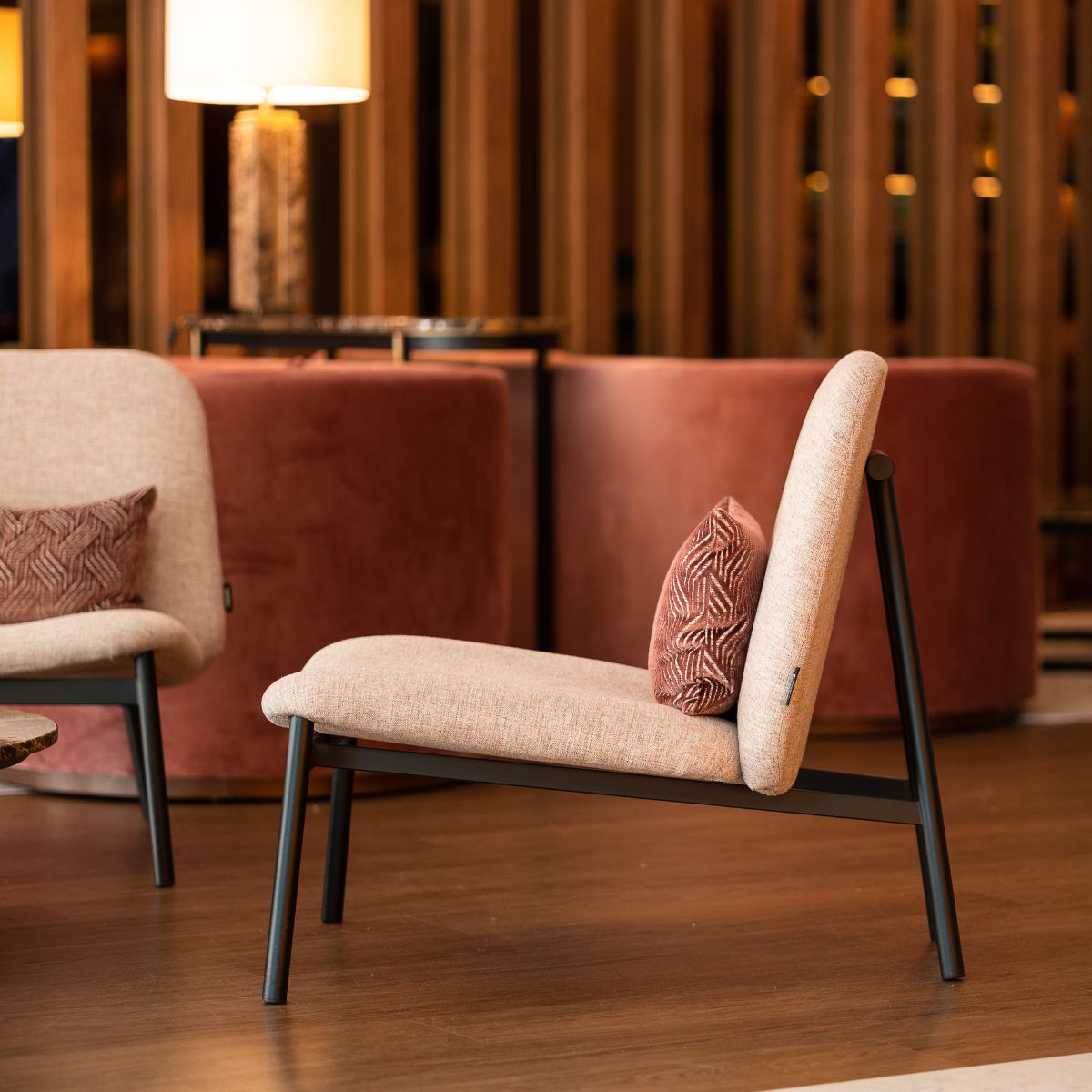
Where it shows up. Boutique hospitality, heritage restorations, bespoke luxury residential work and branded commercial interiors are where COM earns its keep most often – projects built around a specific material identity rather than a general aesthetic.
The misconception worth correcting. COM gets pitched, informally, as unlimited freedom. It isn’t quite that. The fabric still has to meet the manufacturer’s compatibility requirements – weight, backing, railroading direction, pattern repeat – and pass whatever performance testing the application demands, such as contract-grade abrasion and flammability standards. “Any fabric you like” really means “any fabric you like, provided it survives technical review and shows up in the right yardage, on time.” That caveat is where most COM problems start.
What are House Fabrics?
House fabrics are the manufacturer’s own curated collection: pre-selected, already tested for abrasion, flammability and lightfastness, and stocked or produced against known lead times. Because the manufacturer controls the whole chain, compatibility isn’t a question: the fabric was chosen with that frame, that cushion profile and that grade of use in mind.
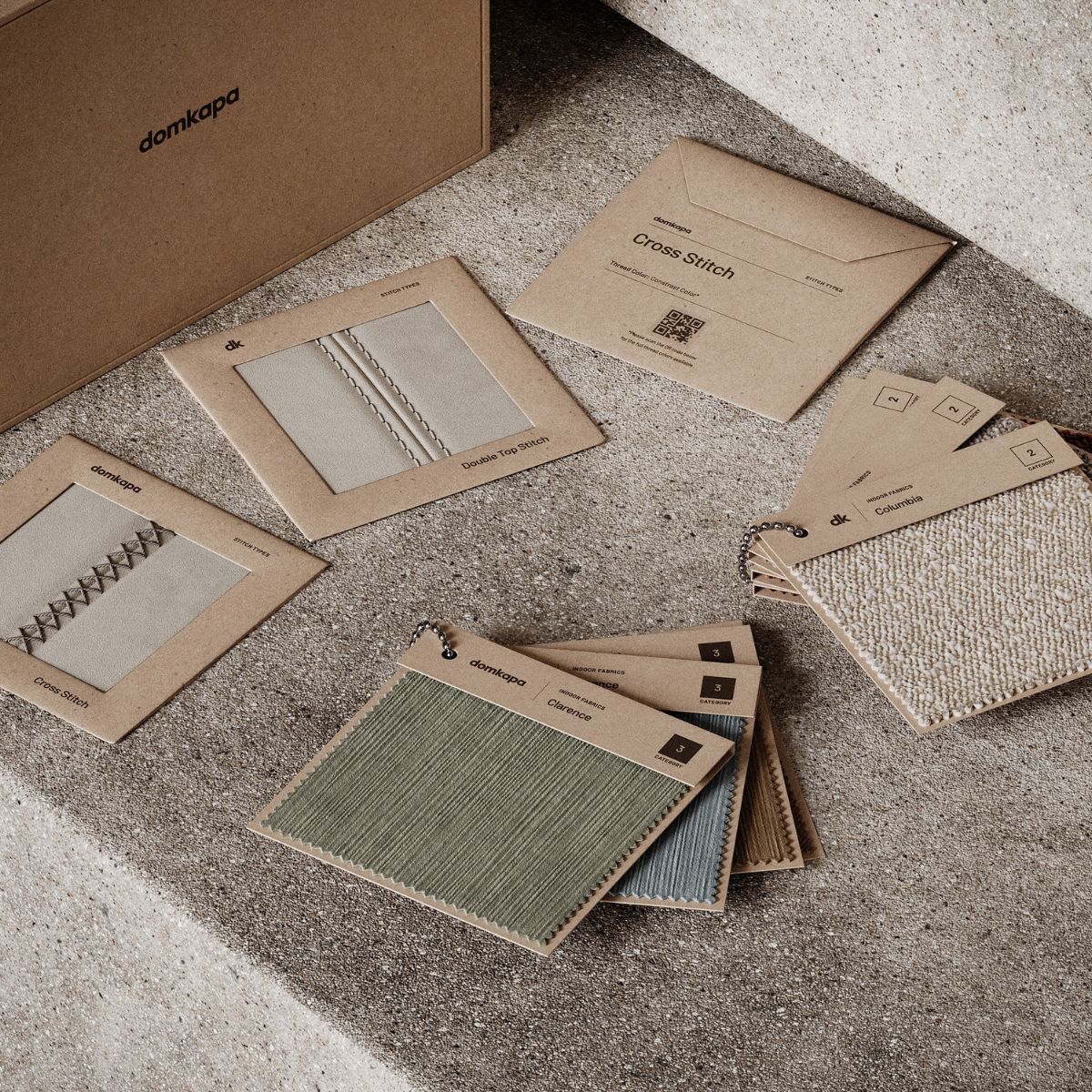
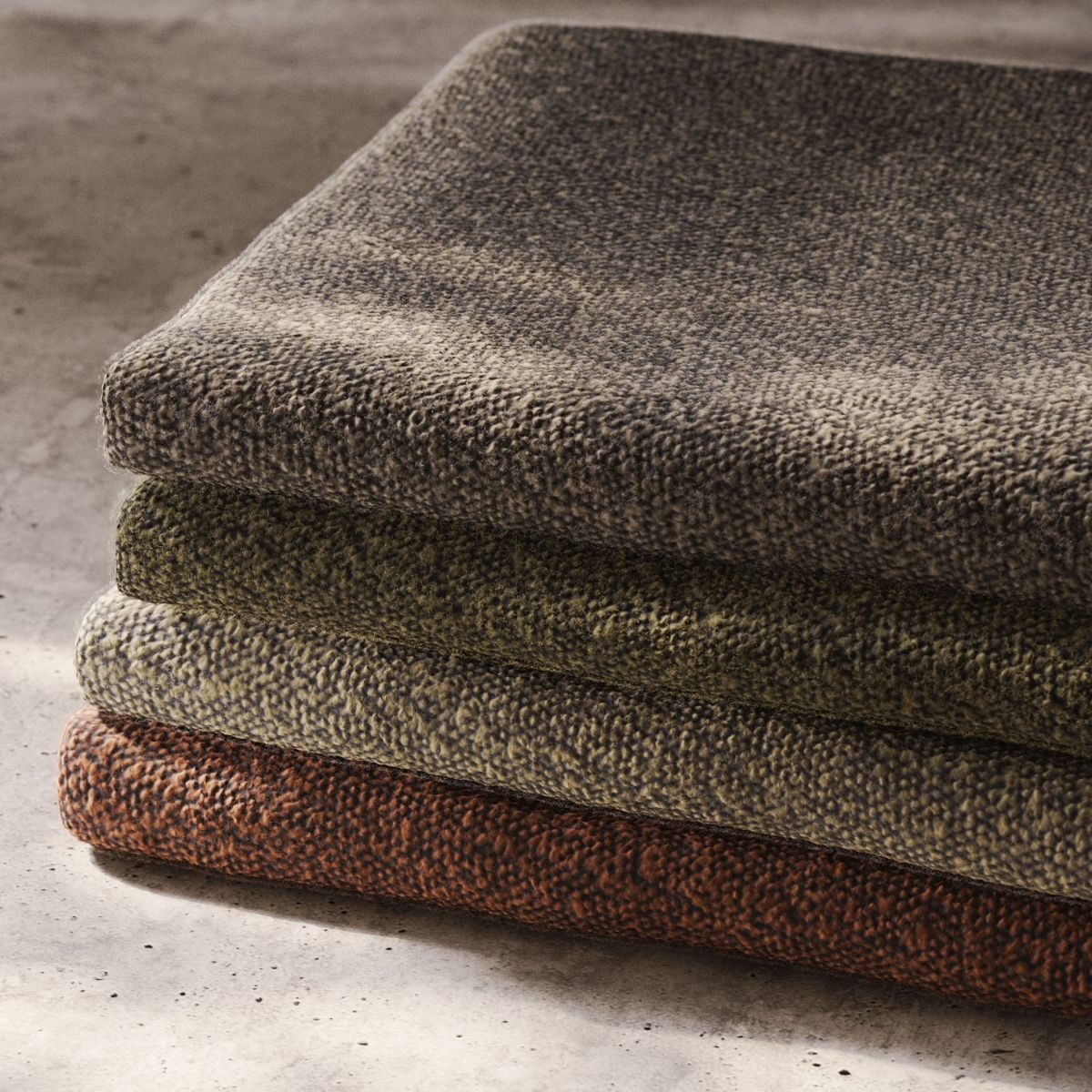
This is where the “less flexible” reputation is a bit unfair. A well-built house programme spans dozens of colourways, weaves and performance grades, plus leather options – enough range to cover most briefs without a single compatibility check, freight shipment or extra testing cycle.
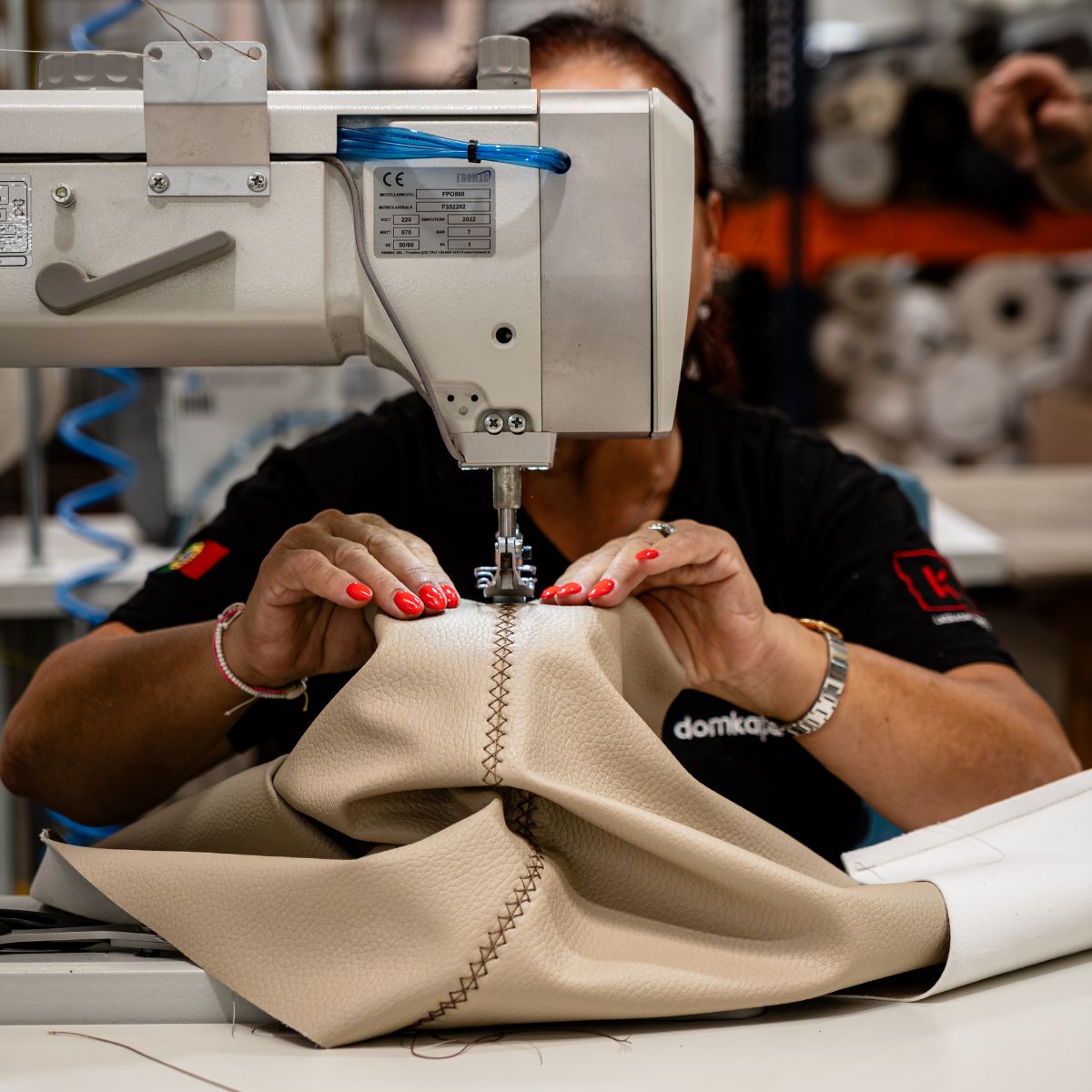
Domkapa’s upholstery programme is a useful example of this in practice: a wide fabric and leather range across multiple upholstery grades, with COM support available for bespoke commissions when a project genuinely needs it and the commercial team involved early to guide grade and yardage decisions before they become schedule risks.
COM vs. House Fabric: A Side-by-Side Comparison
Factor |
COM |
House Fabric |
|---|---|---|
| Initial cost | Variable, often higher for niche mills | Typically included or clearly tiered by grade |
| Total project cost | Add freight, testing, yardage overage | More predictable, fewer line items |
| Lead time | Longer: sourcing, approval, shipping, testing | Shorter: stocked or standard production runs |
| Design flexibility | Very high, near-unlimited sourcing | High within the curated range, not unlimited |
| Fabric selection | Designer’s choice, any supplier | Pre-vetted, manufacturer’s collection |
| Durability & performance | Depends on designer’s due diligence | Pre-tested to known standards |
| Sampling process | Separate from manufacturer, can lag | Integrated, samples typically on hand |
| Testing requirements | Often required before order confirmation | Already completed by manufacturer |
| Warranty considerations | Frequently limited or excluded for the fabric itself | Usually covered under standard warranty |
| Risk level | Higher: timeline, compatibility, liability | Lower: known quantities throughout |
| Ideal project types | Bespoke, heritage, brand-specific, one-off | Multi-unit, fast-track, budget-sensitive |
No row in this table makes one option universally “better”. It shows what each is built for – COM for material specificity, house fabric for predictability – and the right call depends entirely on which of those the project needs more.
When COM Makes the Most Sense
- Boutique hospitality projects where the fabric is part of the property’s identity and needs to be unrepeatable.
- Heritage renovations reproducing a historic pattern or matching archival material.
- Matching existing textiles – extending a scheme where the original fabric is already installed elsewhere in the space.
- Bespoke luxury residences where the client has commissioned or sourced something specific.
- Brand-specific commercial interiors tied to a corporate palette or licensed textile.
In each case, the fabric isn’t interchangeable – it’s the point. That’s when the extra lead time, testing and coordination are worth carrying.

When House Fabrics Are the Smarter Choice
- Tight deadlines, where sourcing and testing lead time simply isn’t available.
- Large residential developments, where consistency across dozens or hundreds of units matters more than any single fabric’s story.
- Hospitality projects requiring consistency across rooms, floors or properties, with easy reordering for replacements.
- Budget-sensitive specifications, where predictable pricing protects the project margin.
- First-time clients who value simplicity and a shorter list of decisions between concept and delivery.
House fabric isn’t the fallback option here – it’s the correct tool for projects where reliability outperforms exclusivity.
The Hidden Costs Designers Often Forget
COM’s sourcing freedom carries costs that don’t always make it into the first budget conversation:
- Fabric freight – shipping raw yardage to the manufacturer, sometimes internationally, adds cost and time most clients don’t anticipate.
- Additional testing – contract and hospitality projects often require independent lab testing for COM fabric before it can be used, which the fabric supplier rarely covers.
- Approval delays – every extra party in the chain (mill, tester, manufacturer) is another point where a project can stall waiting on paperwork.
- Reupholstery risk – if the fabric is later discontinued, matching it again for repairs or replacements can be difficult or impossible.
- Replacement challenges – a single damaged panel can mean re-ordering a full bolt from a supplier with minimum order quantities.
- Liability when supplying COM – if a COM fabric fails, pills, fades or doesn’t meet code, responsibility often lands with whoever specified it, not the furniture manufacturer.
None of this rules COM out. It just means the true cost comparison isn’t fabric price per yard – it’s fabric price per yard plus every item above.
A Practical Decision Framework
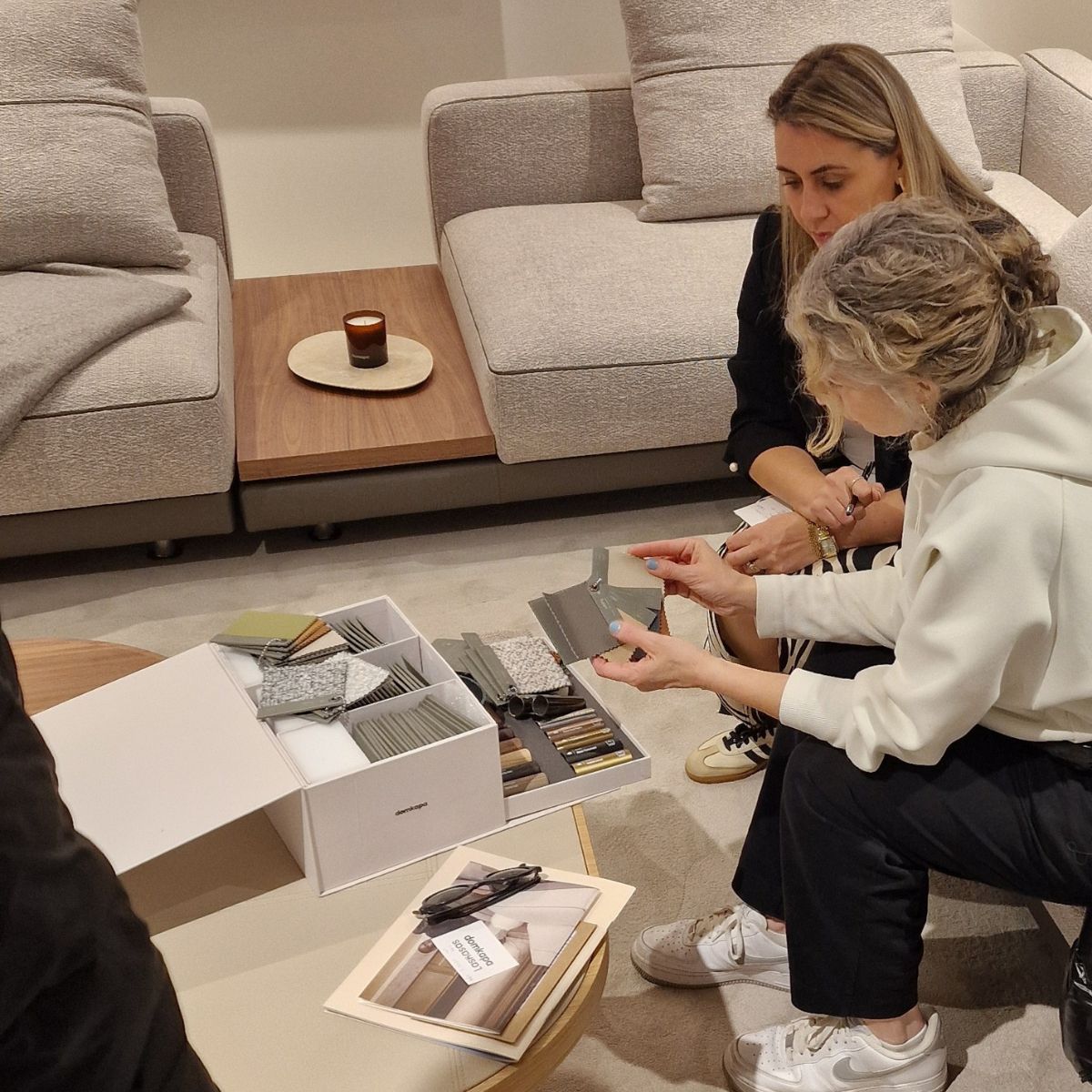
Before recommending COM or house fabric, run the project through these questions:
- Is the fabric already tested and approved for the application (flammability, abrasion, use grade)? If not, is there time to get it tested?
- Does the timeline allow for sourcing, approval and shipping, on top of the standard production lead time?
- Who assumes responsibility if the material underperforms or fails – the designer, the client or the manufacturer?
- Is exclusivity actually essential to the brief or would a comparable house option meet the same intent?
- Does the client value flexibility over efficiency and do they understand what that trade-off costs in time and risk?
- Is there a realistic plan for reupholstery or replacement years from now, if the fabric is ever discontinued?
- Does the project scale – multiple units, rooms or properties – in a way that makes consistency more valuable than a bespoke material?
A project that answers “yes” to exclusivity and “yes” to available lead time is a strong COM candidate. A project answering “yes” to a tight timeline or “yes” to scale usually points to house fabric.
Final Thoughts
COM and house fabric aren’t rivals; they’re two tools built for different jobs. COM protects material specificity when a project’s identity depends on it. House fabric protects budget, timeline and predictability when a project’s success depends on those instead. The strongest fabric selection decisions rarely pick one approach for an entire project; they know which pieces need the freedom of COM and which ones are better served by the reliability of a well-built house programme – and they make that call before it becomes a scheduling problem.
YOU MAY ALSO LIKE: Upholstery Grades Explained: Helping Clients Understand Fabric Costs
We are working every day to bring you the most stylish ideas to fulfil your inspiration and to create the best interior design projects, so feel free to follow our Instagram Page and subscribe to our newsletter.