

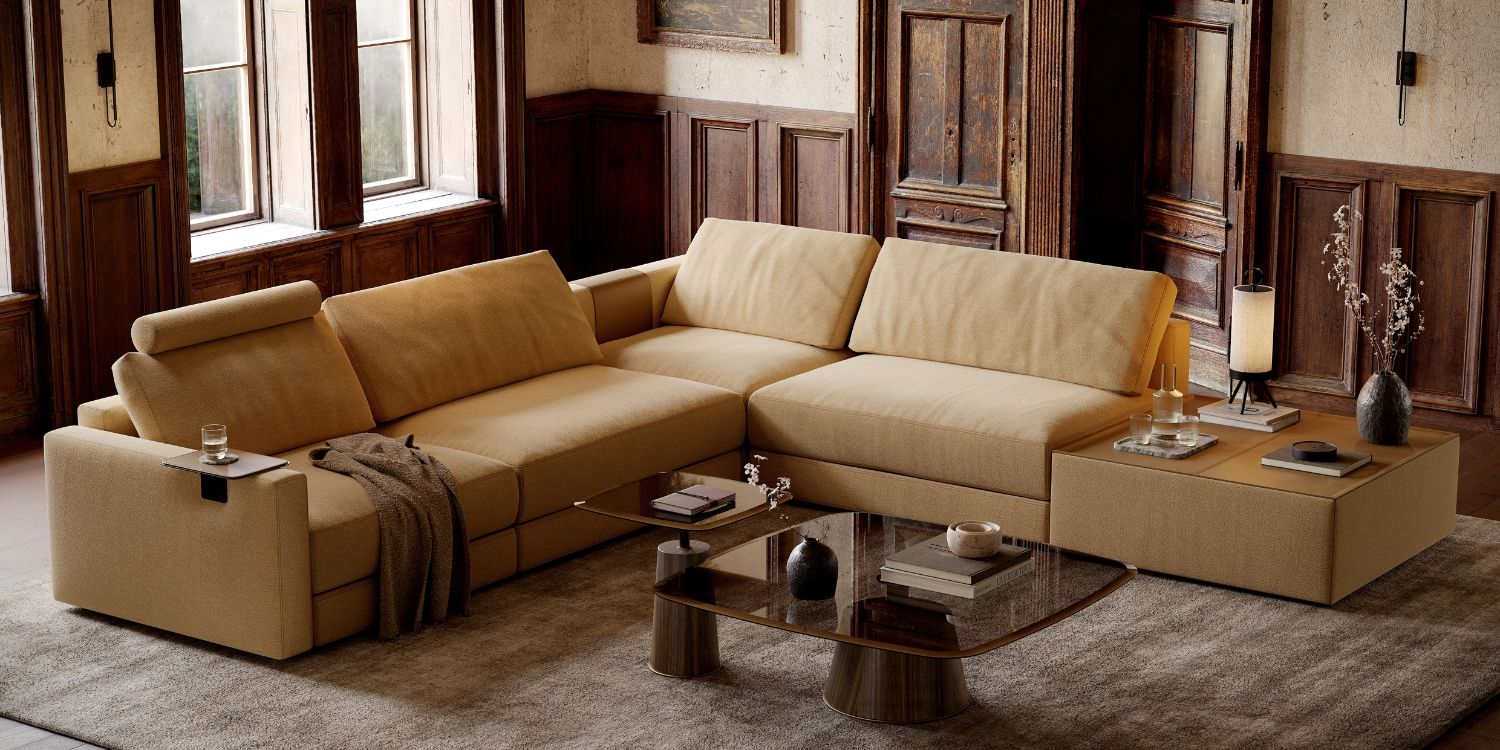
The role of the interior designer has evolved beyond creating beautiful spaces. Today, designers are increasingly expected to create environments that can adapt to changing lifestyles, shifting household needs and evolving architectural conditions.
This reality presents a particular challenge when specifying upholstered furniture. A sofa that perfectly fits a client’s current floor plan may become problematic if they move house, renovate their home, welcome new family members or simply choose to use the room differently in the future.
As residential spaces become more flexible and multifunctional, adaptability is emerging as one of the most valuable criteria in furniture specification – alongside comfort, aesthetics, craftsmanship and material quality.
For designers, the question is no longer simply “What works today?” but rather “What will continue to work five years from now?”
This is where modular sofa design offers a compelling solution.
The Hidden Risk of Over-Specifying a Sofa
Many sofa specifications begin with a floor plan.
A designer carefully measures the available space, analyses circulation routes, selects the ideal configuration and creates a composition that appears perfectly tailored to the room.
The problem is that rooms rarely remain unchanged forever.
A young couple may purchase a larger home. A guest room may become a nursery. An open-plan living area may be divided into smaller functional zones. A hospitality lounge may undergo repositioning to accommodate new operational needs. In each scenario, the original sofa specification may become restrictive.
Consider a large L-shaped sectional designed specifically for a corner in a city apartment. If the client relocates to a home with a different layout, the composition may no longer fit naturally within the new space. What was once a perfect solution becomes a limitation.
Designing exclusively around today’s floor plan can unintentionally shorten the functional lifespan of furniture.
The most successful specifications anticipate change rather than resist it.
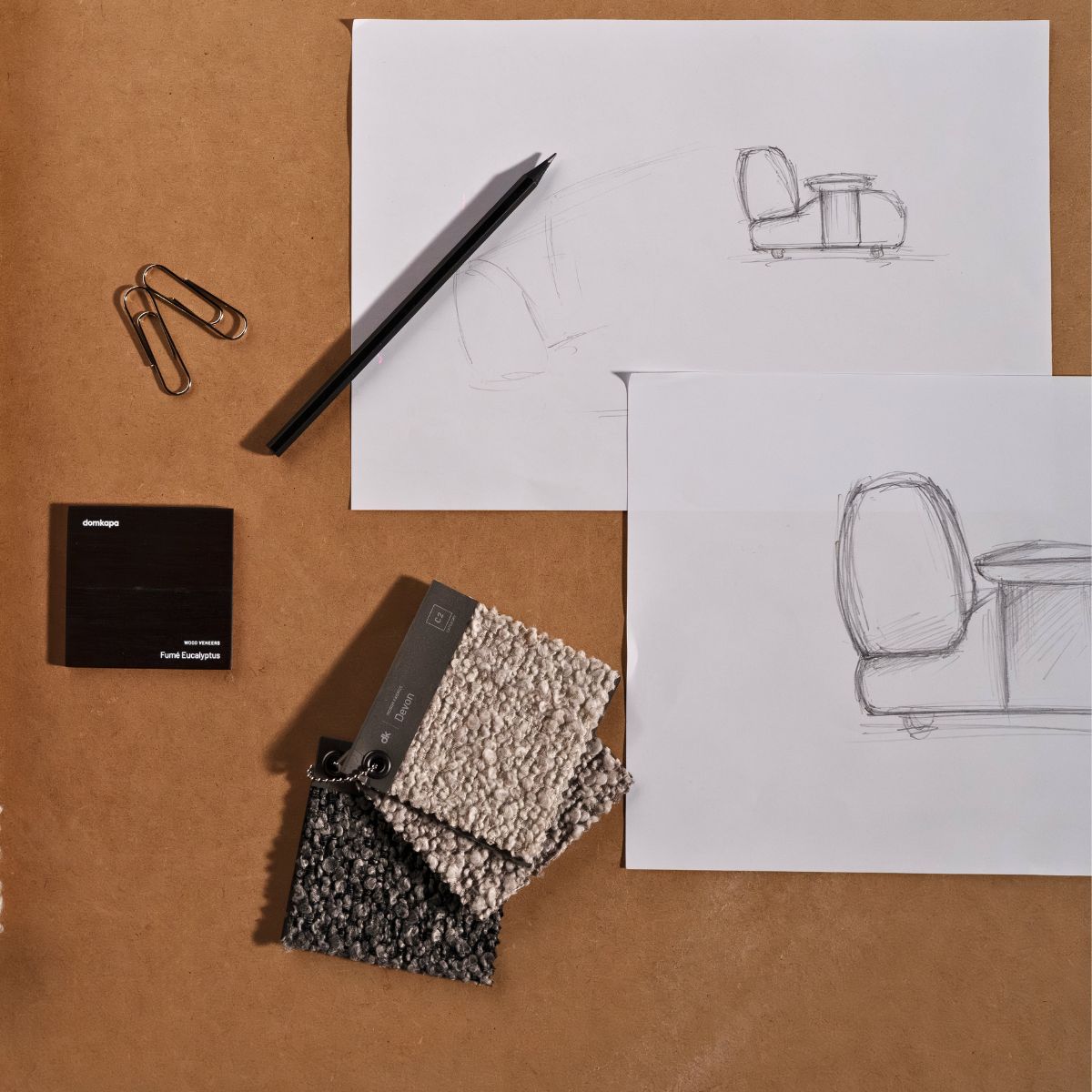
Think Beyond Today’s Layout
Before selecting modules, dimensions or upholstery, designers should evaluate the likelihood of future spatial changes.
While predicting the future is impossible, asking the right questions can reveal valuable insights.
Questions Worth Asking
- Could the client move within the next five years?
- Is the property likely to undergo renovation?
- Is the family expected to grow?
- Could the room serve multiple functions in the future?
- Might the client downsize or relocate?
- Is the project intended as a long-term residence or an investment property?
- Could the space eventually support remote work, entertaining or multigenerational living?
The answers often influence specification decisions more than room dimensions alone.
For hospitality projects, similar considerations apply.
Hotel lounges, serviced apartments, co-living environments and boutique hospitality spaces increasingly require furniture that can adapt to evolving guest expectations and operational changes.
A future-proof specification acknowledges that flexibility itself has become a performance requirement.
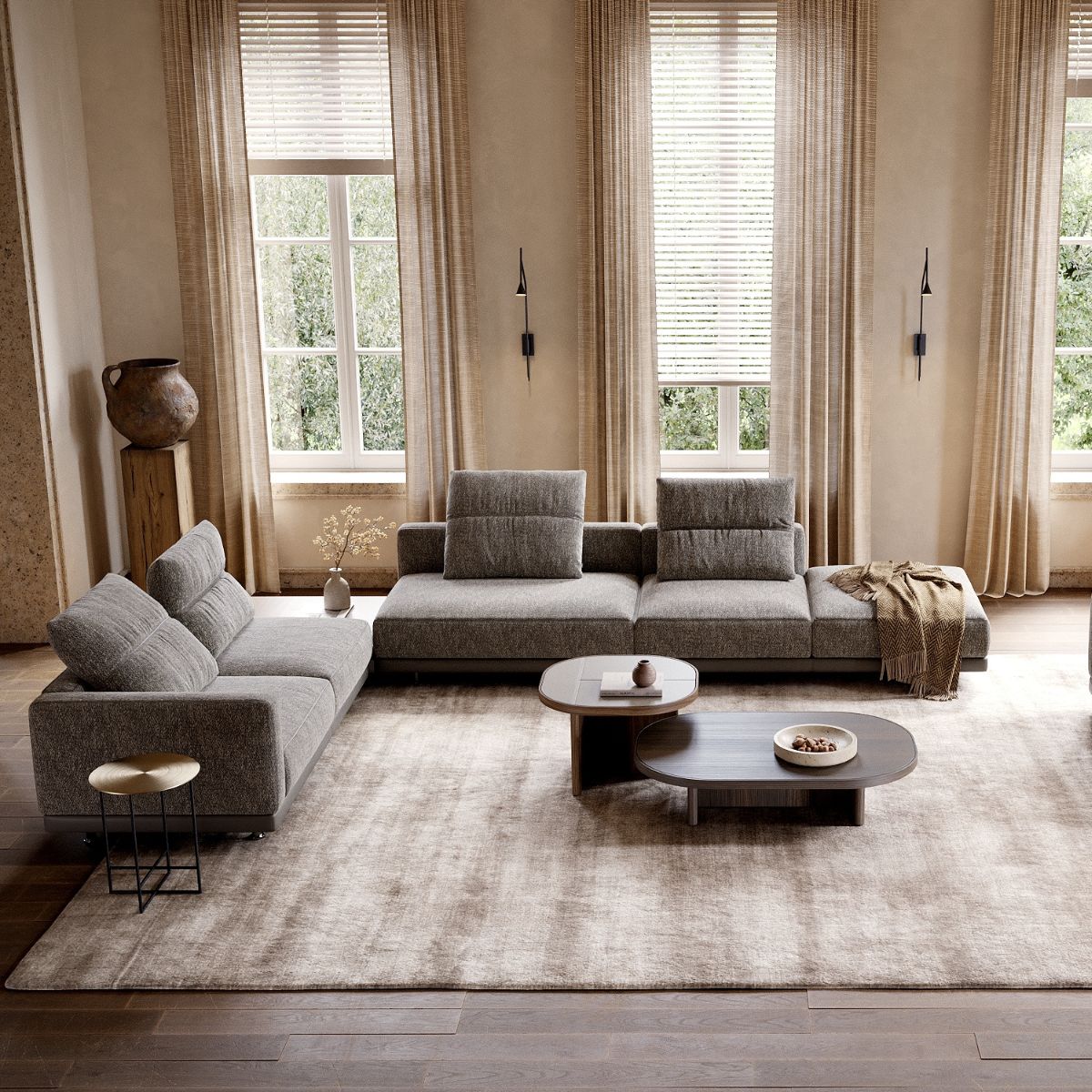
A Five-Step Framework for Future-Proof Sofa Specification
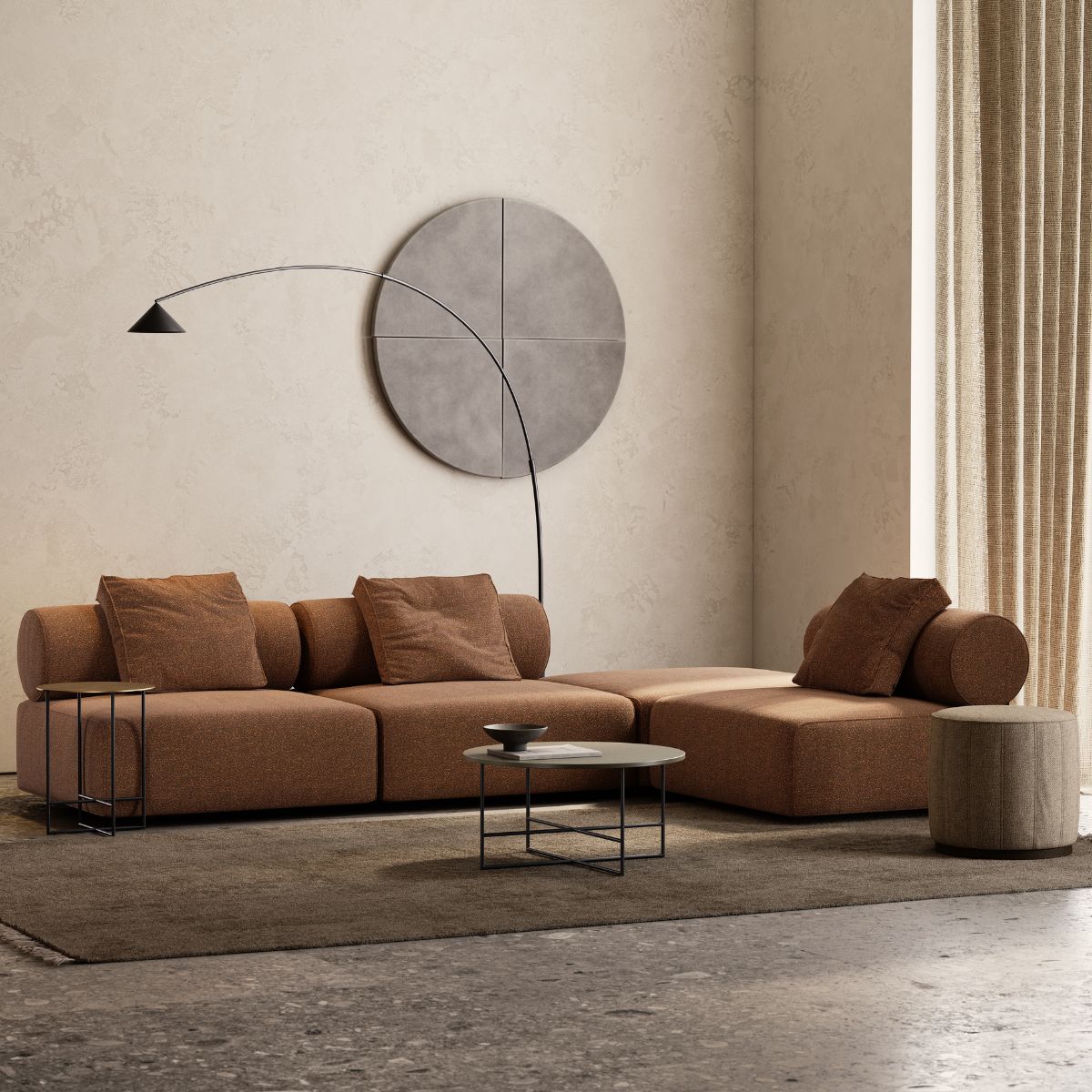
1. Prioritise Modular Logic Over Fixed Composition
One of the most common mistakes designers make is treating modular sofas like traditional sectionals.
A modular system should not simply mimic a fixed sofa shape. Instead, it should function as a collection of independent components that can be rearranged, expanded or reduced as needs change.
When evaluating a modular sofa specification, focus on the logic of the individual modules rather than the appearance of the initial composition.
Ask:
- Can modules be separated easily?
- Can additional elements be added later?
- Can the configuration grow or shrink without compromising aesthetics?
A well-designed modular system provides flexibility long after installation.
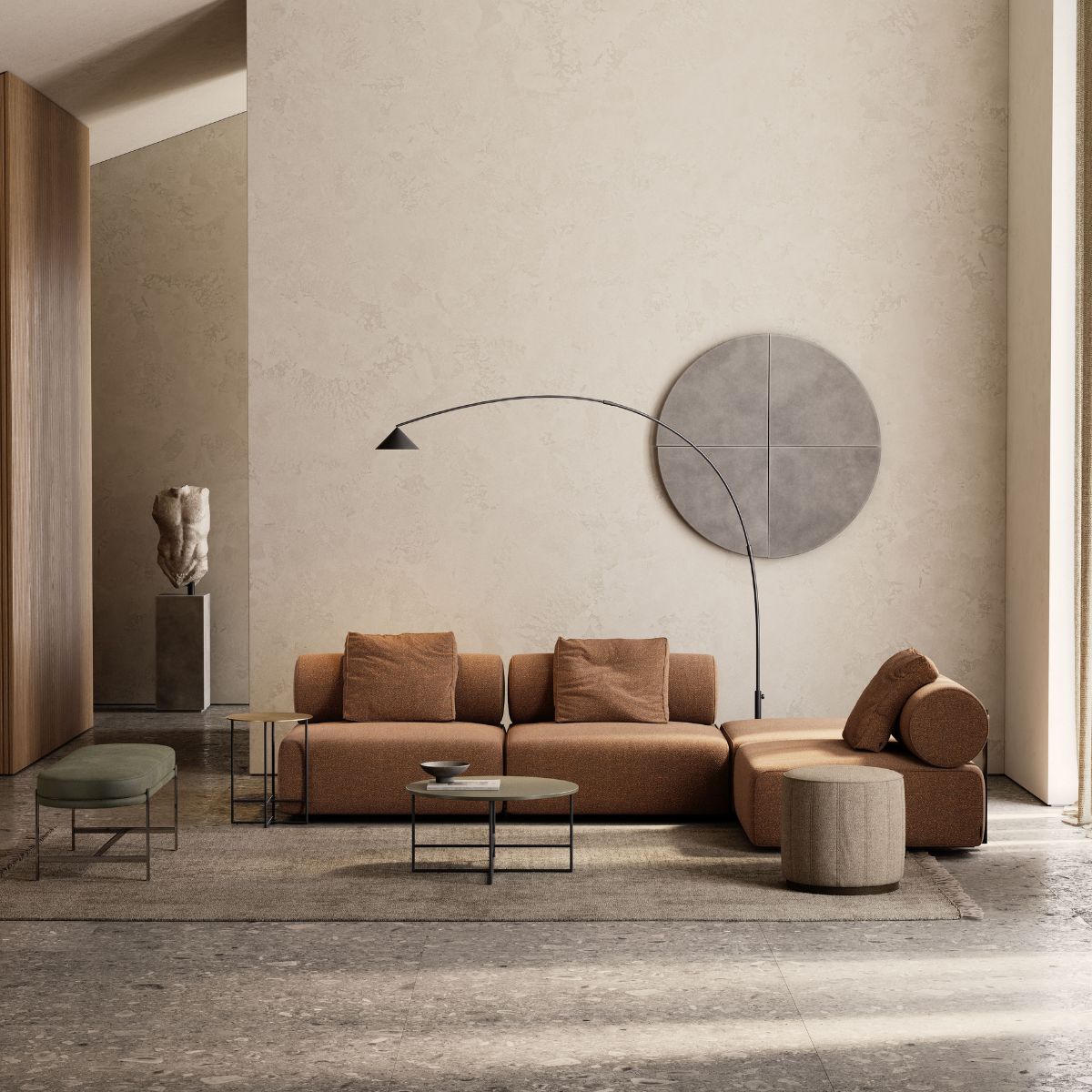
2. Design Around Zones, Not Dimensions
Many specifications begin with measurements.
While dimensions remain important, future-proof design starts with understanding how people use a space.
Instead of asking, “How large can the sofa be?”, consider the following:
- Where do conversations occur?
- How do occupants relax?
- How do people move through the room?
- Which activities should the seating support?
When designers focus on behavioural zones rather than furniture footprints, they create compositions that remain relevant even if the room changes.
A modular sofa designed around social interaction can often be reconfigured into multiple layouts without losing its functional purpose.
The result is greater resilience over time.
3. Choose Modules That Can Stand Alone
Not all modules contribute equally to flexibility. Some components become highly dependent on a specific arrangement, while others can function independently.
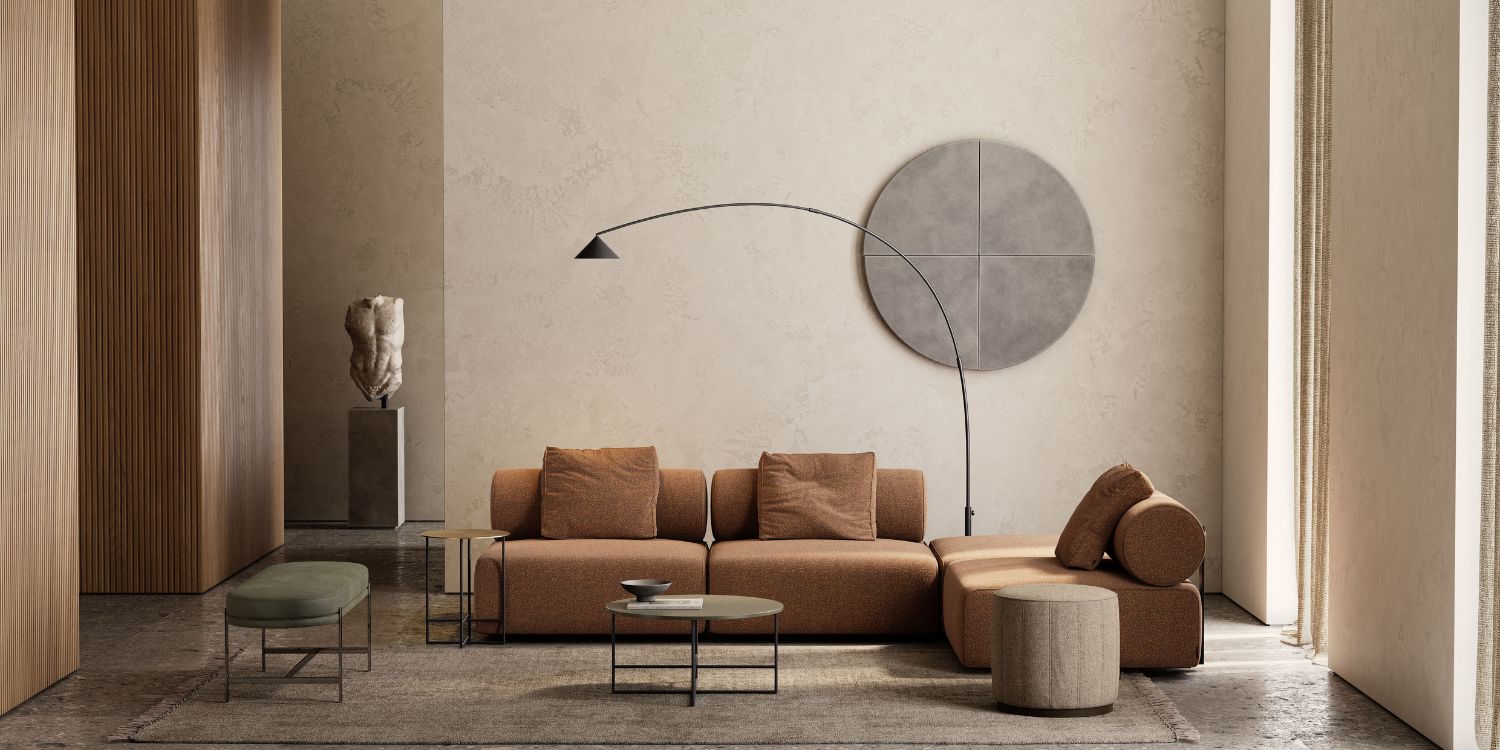
The most versatile modular specifications typically include a combination of:
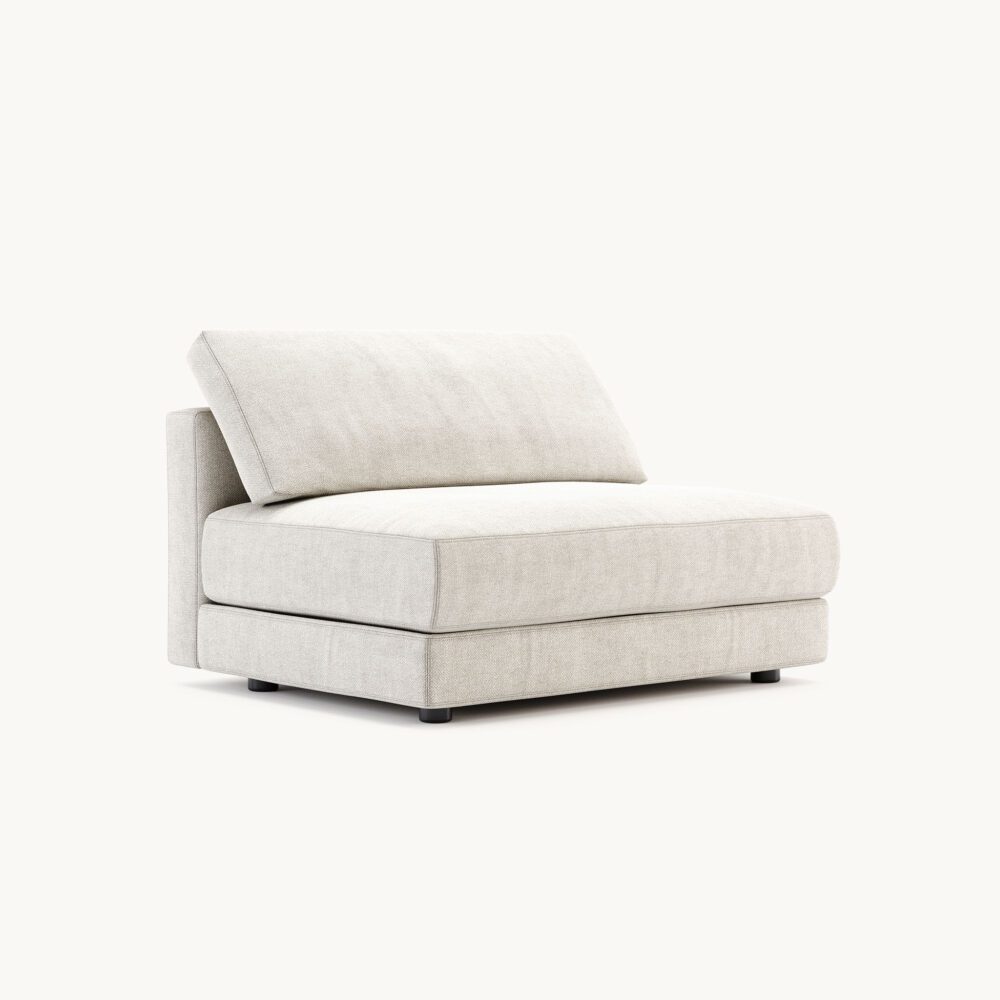
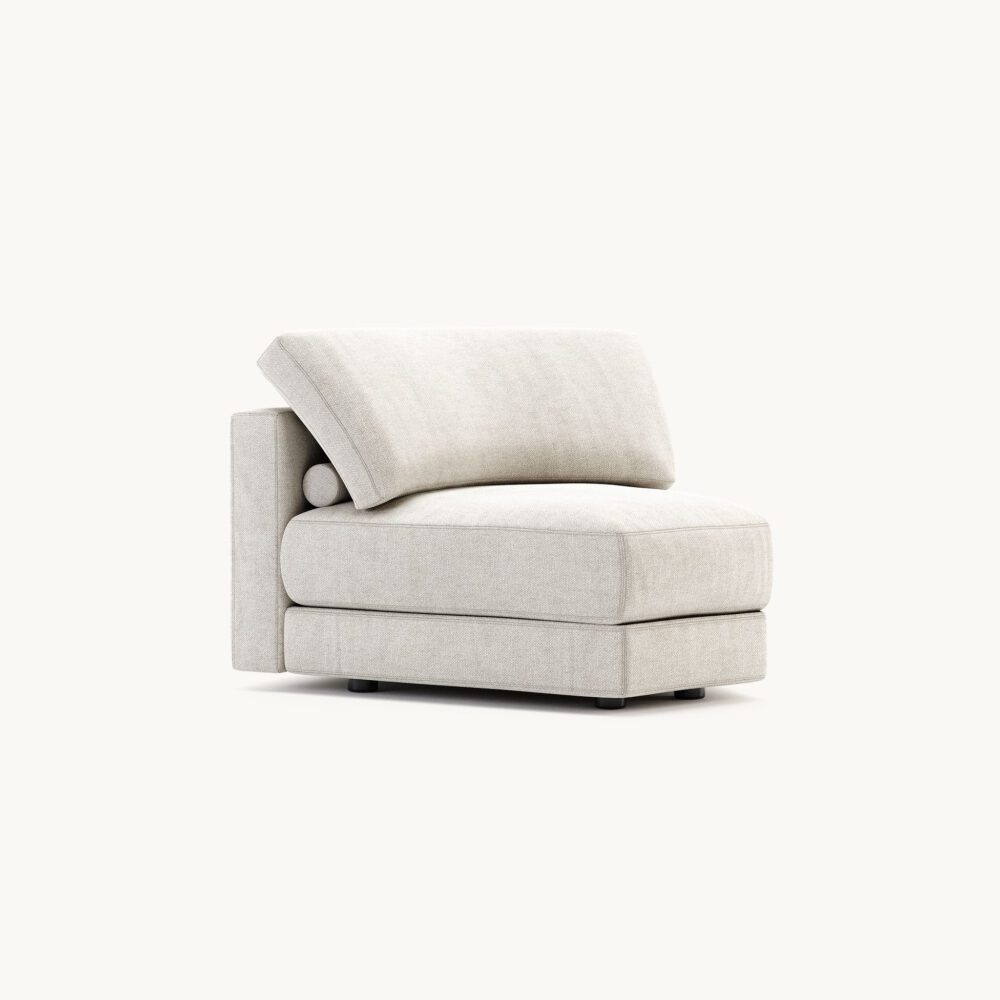
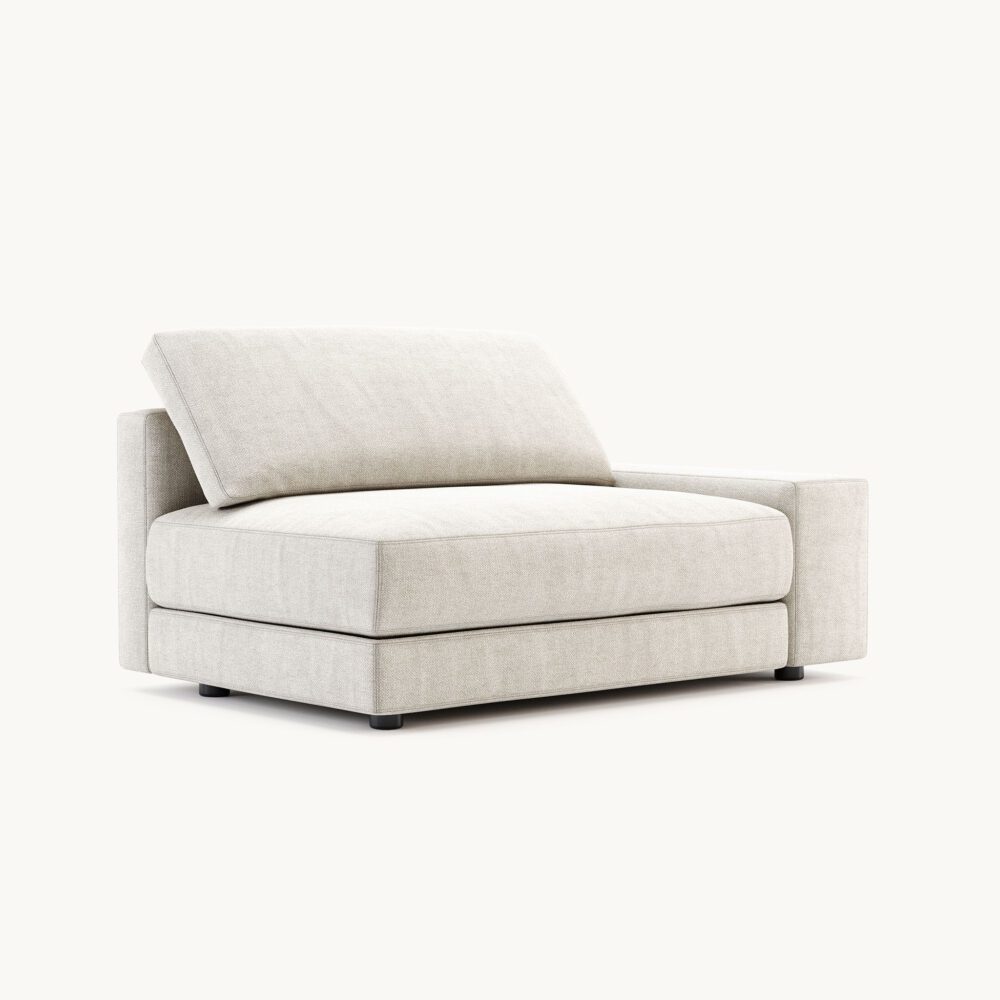
- Armless seating modules;
- Corner elements;
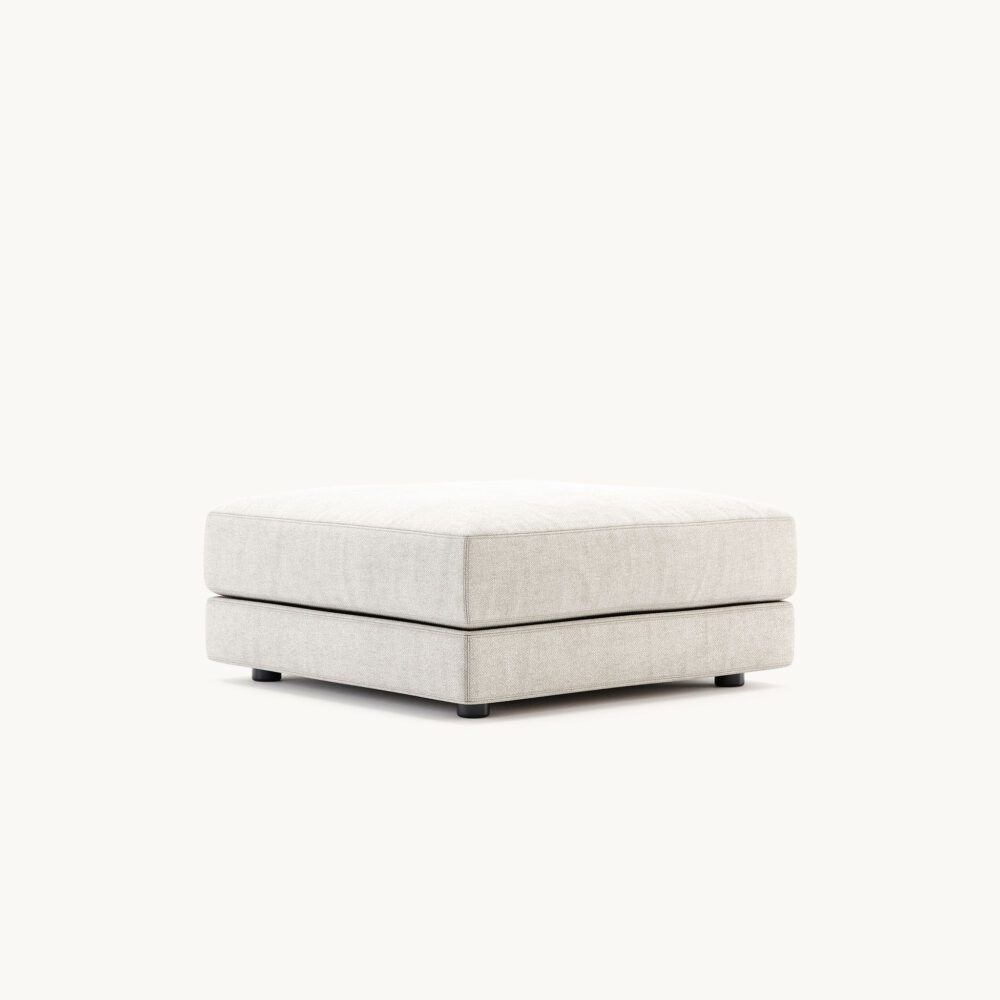
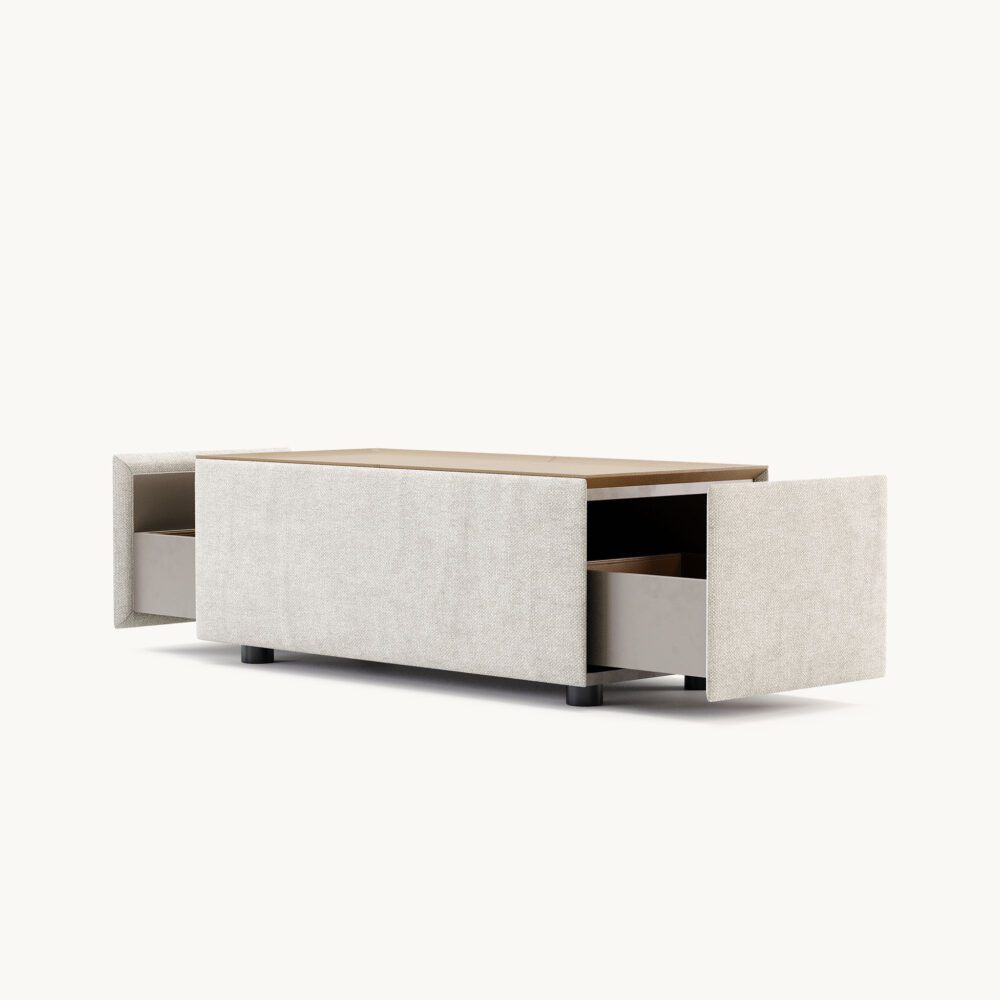
- Ottoman units;
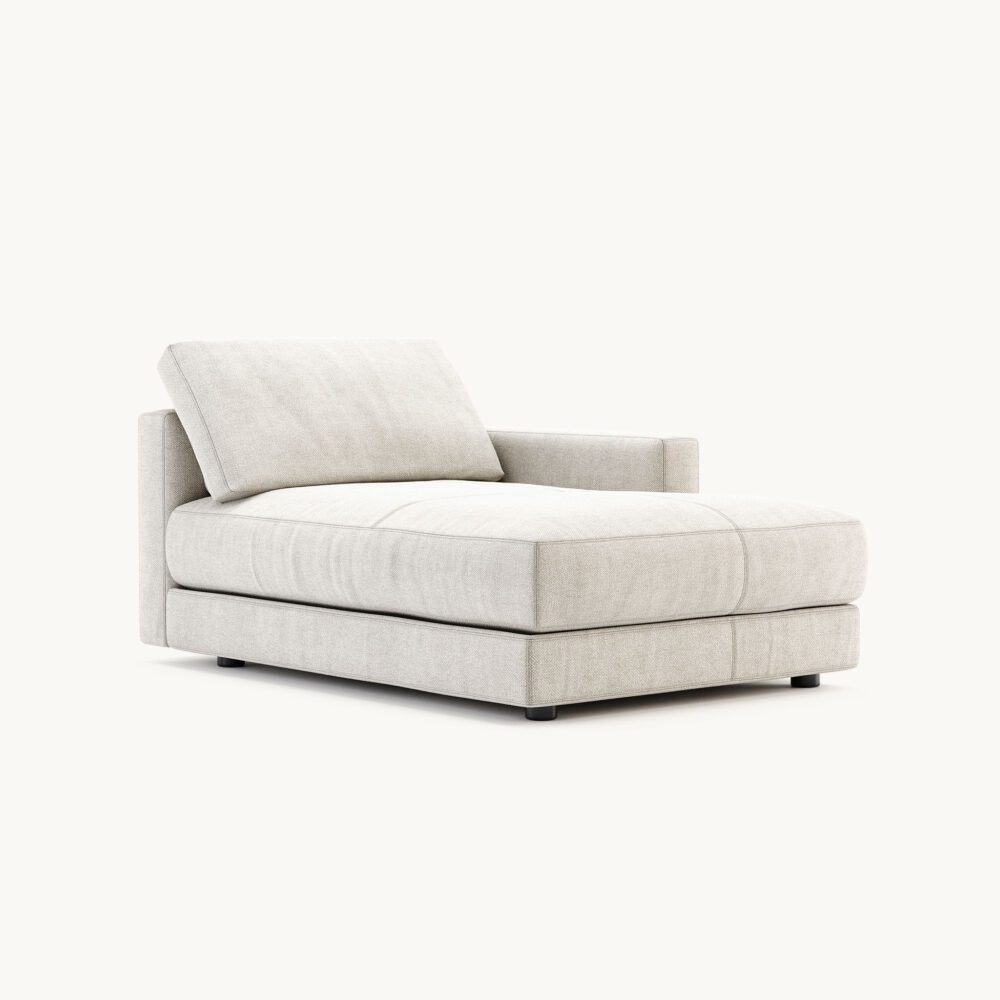
- Chaise components;
- Terminal modules;
- Flexible side tables.
These pieces can often be separated and repositioned to create entirely new configurations.
For example, an ottoman may serve as a footrest today, additional seating tomorrow and a coffee-table alternative in a future home.
Similarly, an armless module can become part of a larger composition or function independently in a reading corner, guest suite or secondary living area.
The more autonomous each component becomes, the greater the long-term value of the specification.
4. Plan for Reconfiguration
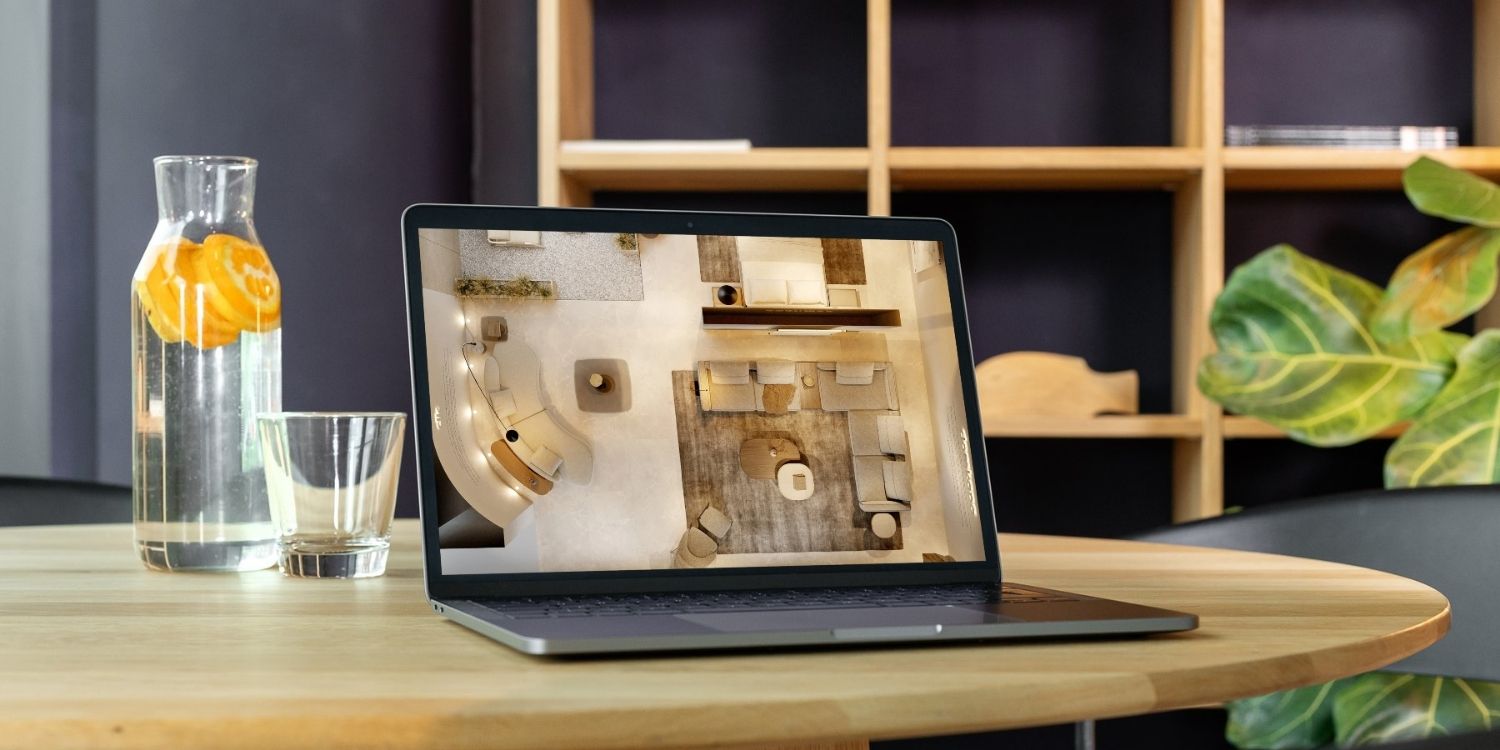
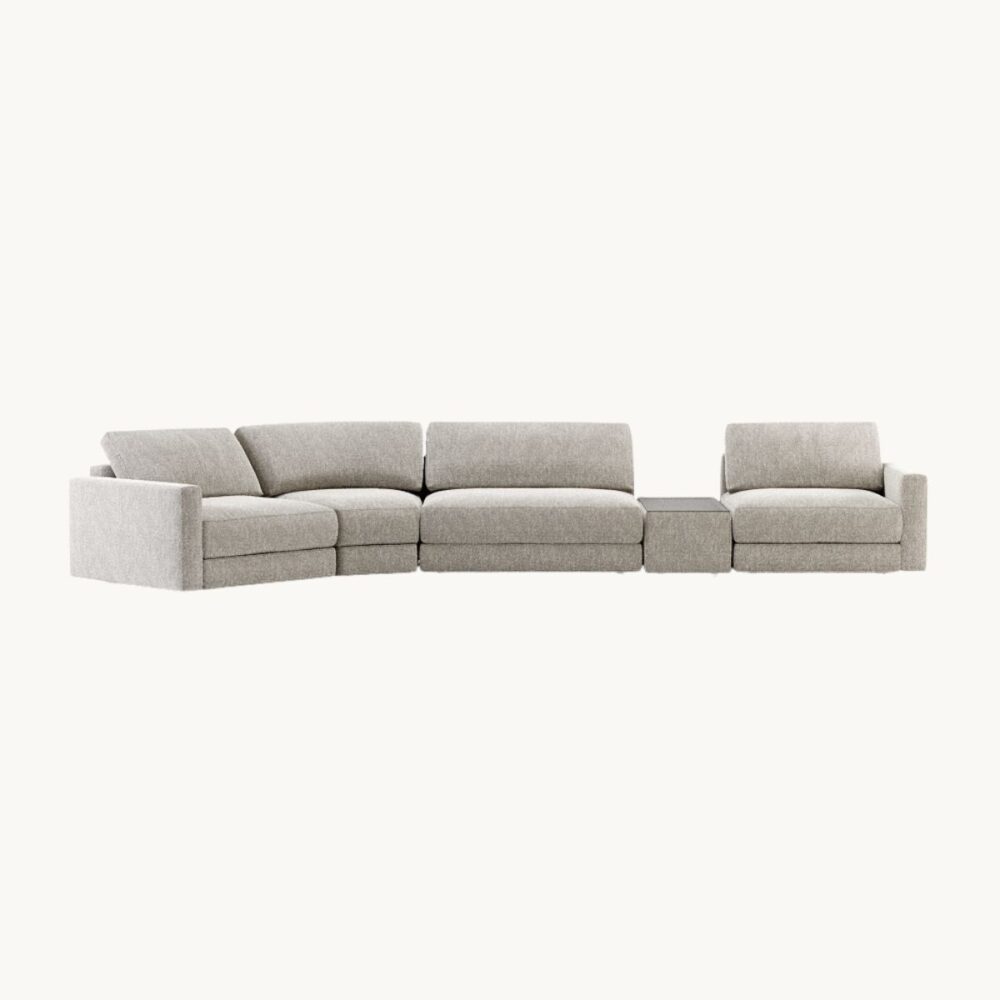
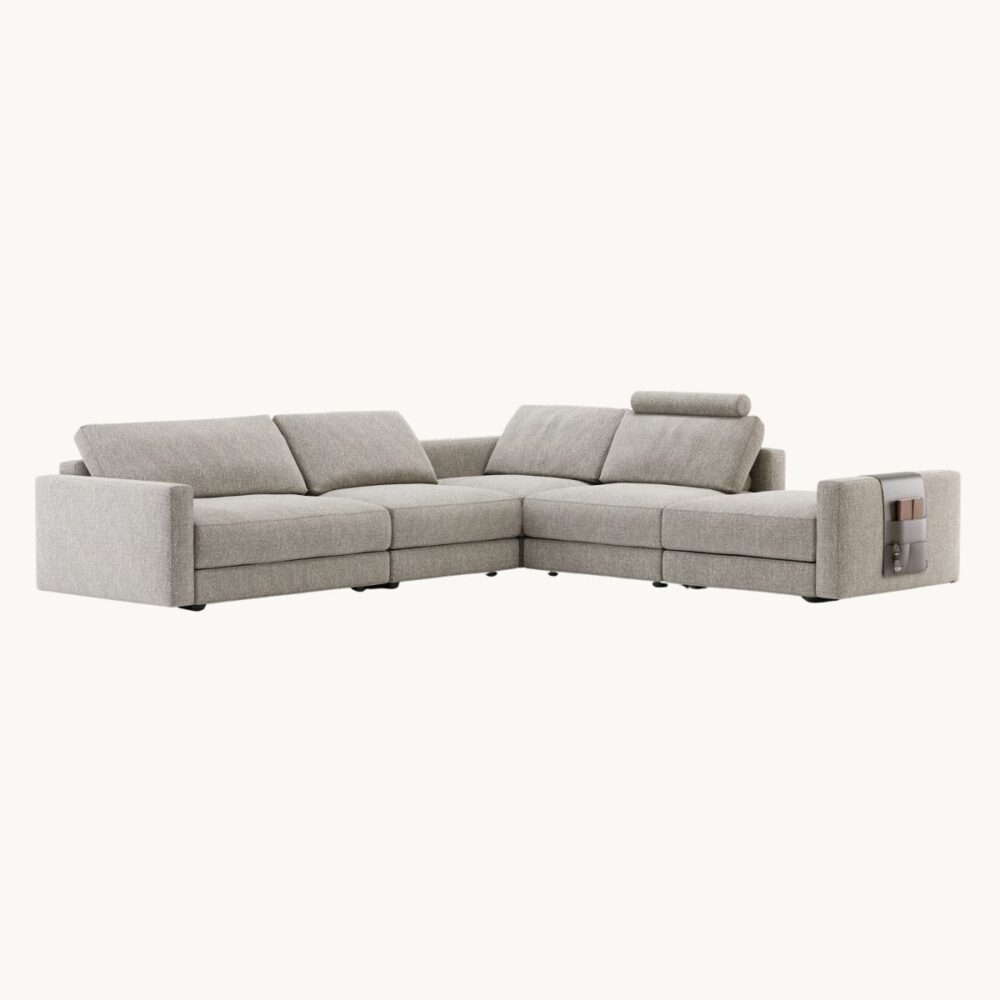
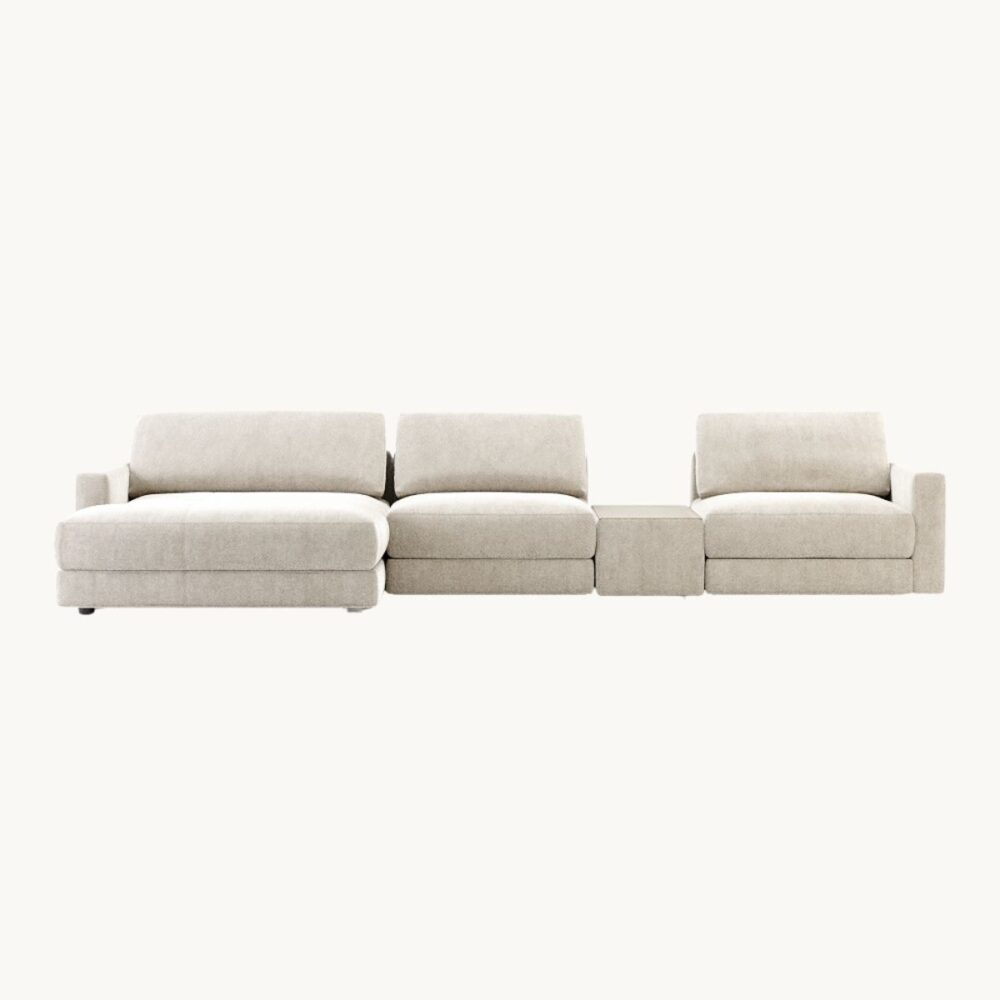
A future-proof specification should never result in a single layout. Instead, designers should actively test alternative scenarios during the specification phase.
Consider creating three potential arrangements:
Configuration A: Current project layout.
Configuration B: Smaller room scenario.
Configuration C: Larger open-plan environment.
If the modules perform well across all three situations, the specification is likely robust. For example, a composition that works as a large family sofa today may later divide into two independent seating zones.
Similarly, hospitality spaces may benefit from layouts that can be adjusted seasonally or adapted for different guest experiences.
The ability to reconfigure extends the lifespan of furniture and increases return on investment.
5. Evaluate Adaptability as a Design Criterion
Traditionally, furniture specification focuses on the following:
- Comfort;
- Aesthetics;
- Budget;
- Material quality;
- Brand alignment.
Today, adaptability deserves equal consideration.
A useful question for designers is:
“If the room changed completely tomorrow, how much of this specification would still work?”
The answer often reveals the true value of a furniture investment.
The most successful modular sofa specifications achieve a balance between beauty, functionality and flexibility.
Case Study: Adaptability Through Modular Design
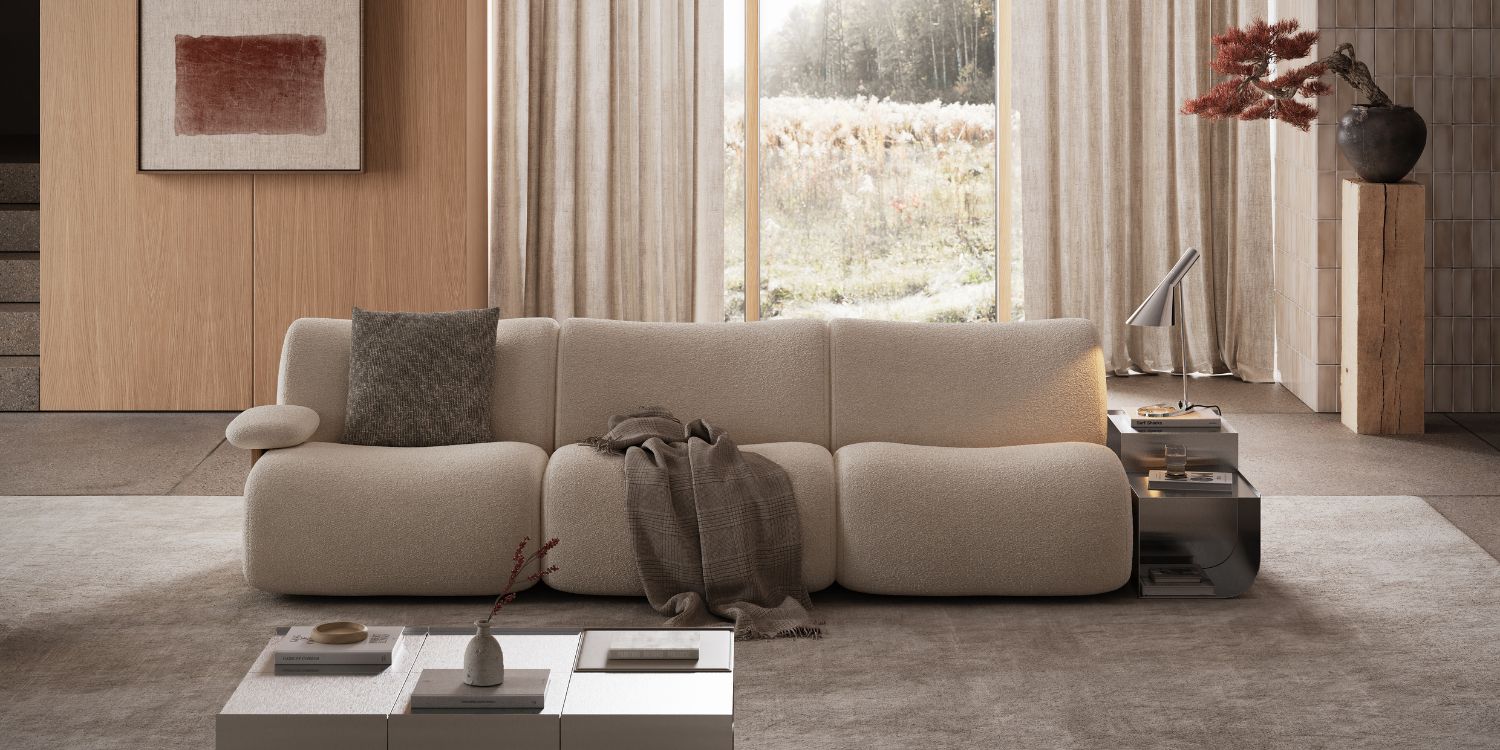
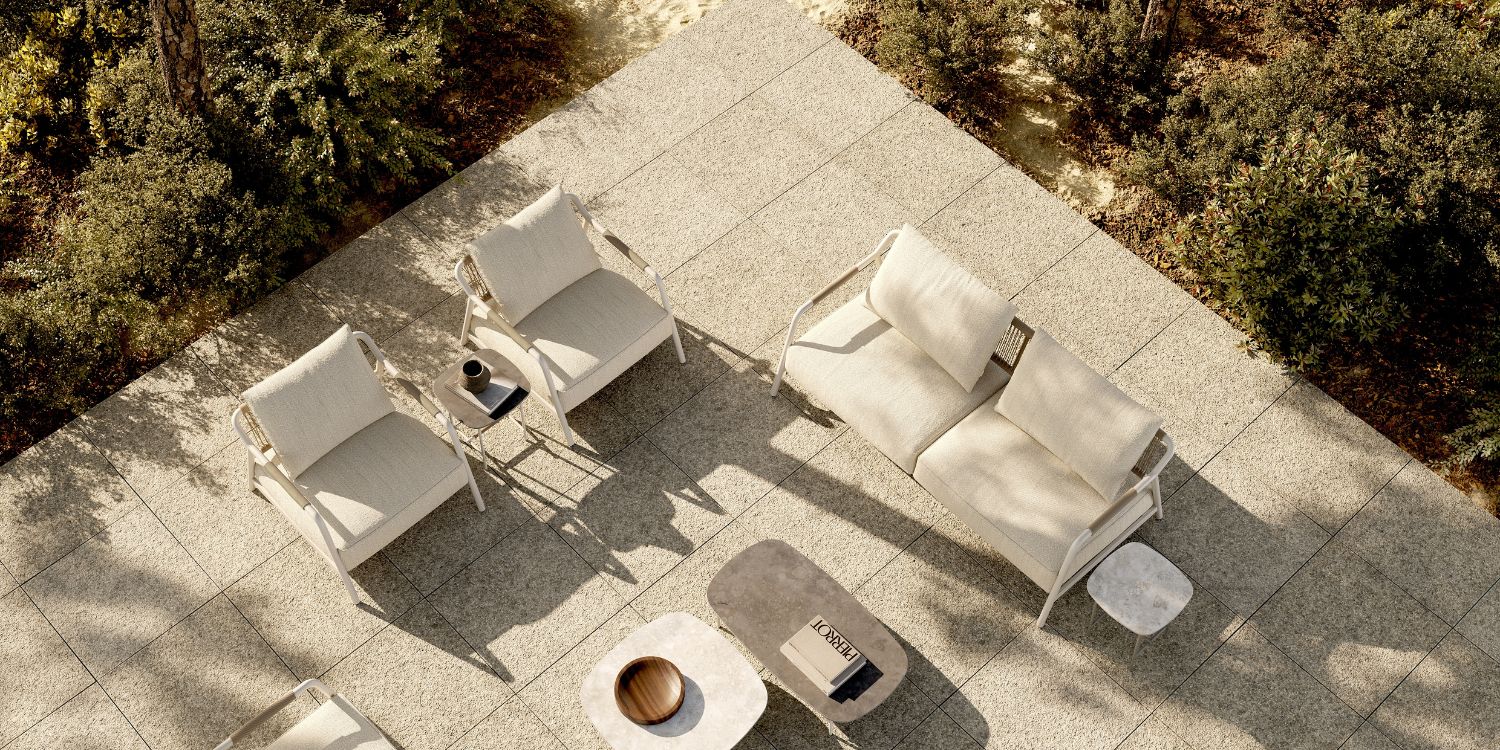
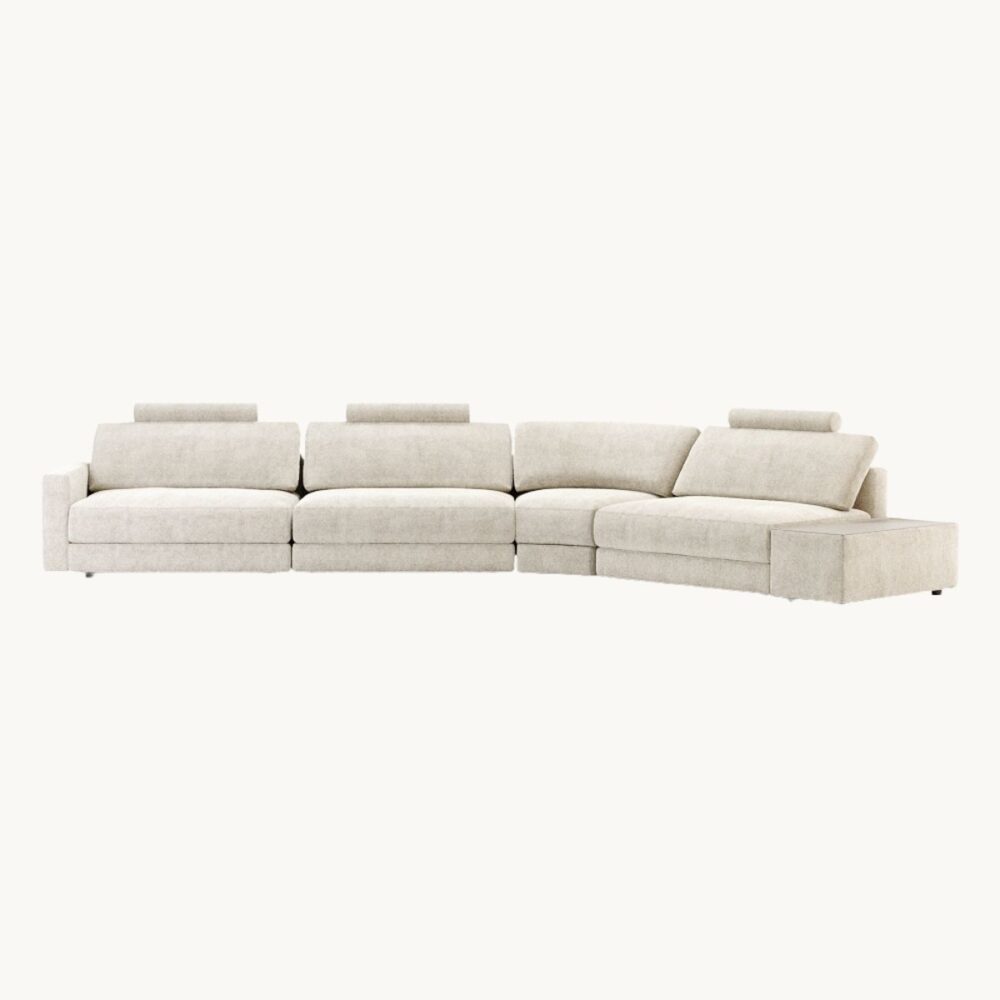
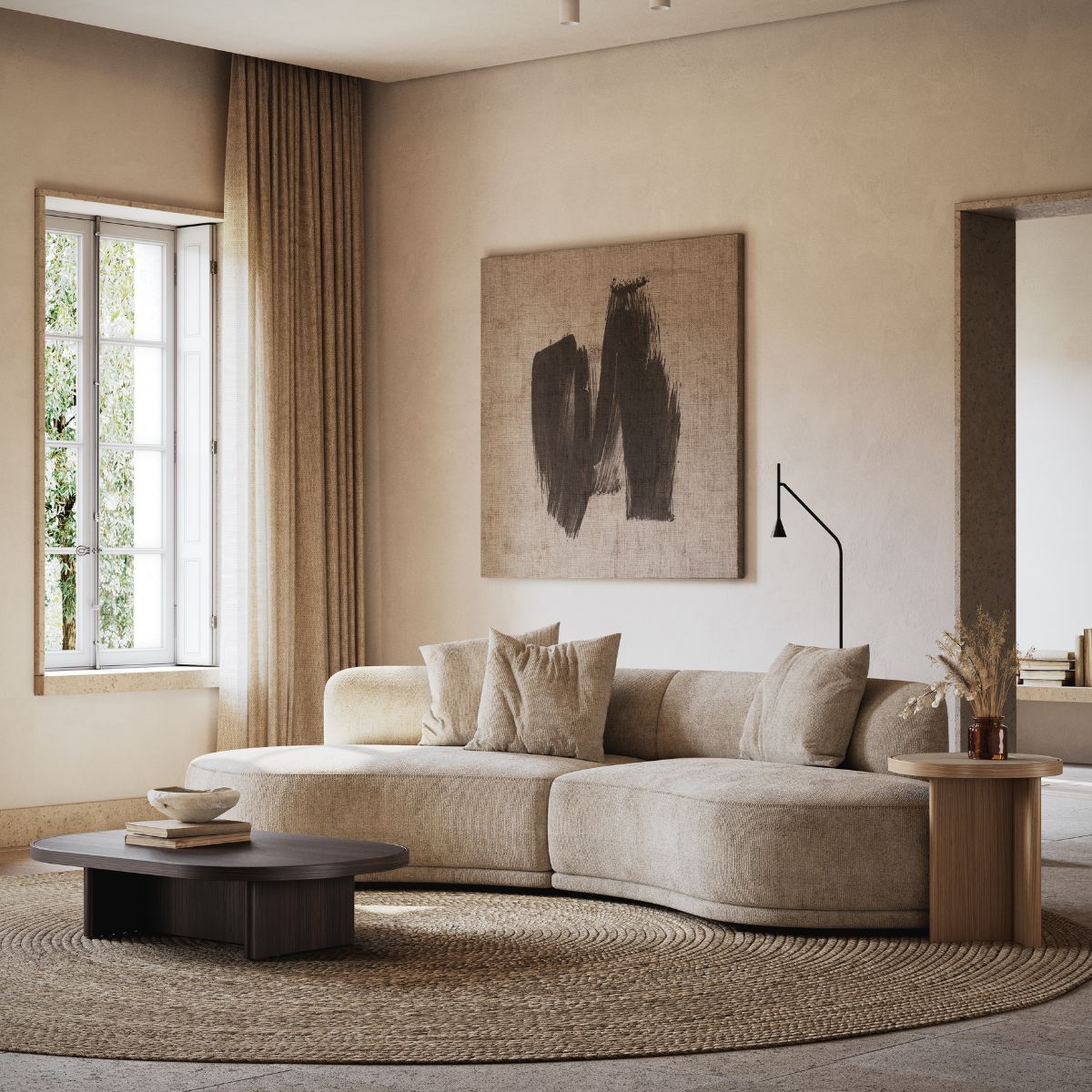
A useful example of future-orientated modular thinking can be found in systems such as our Edward Sofa.
Rather than relying on a fixed composition, the design is built around a modular logic that allows multiple configurations to emerge from the same collection of components.
Its range of seating modules, corner elements, chaise units and accessories enables designers to create layouts suited to different room sizes and lifestyles.
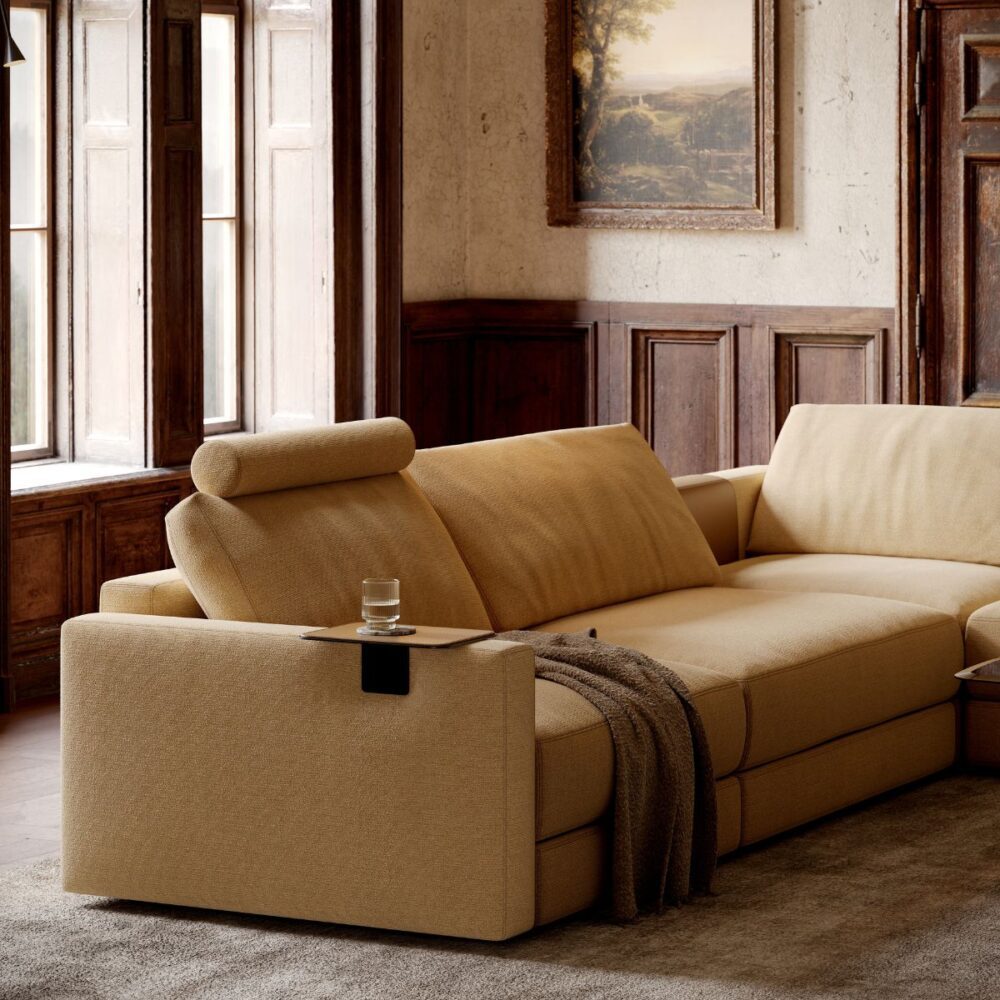
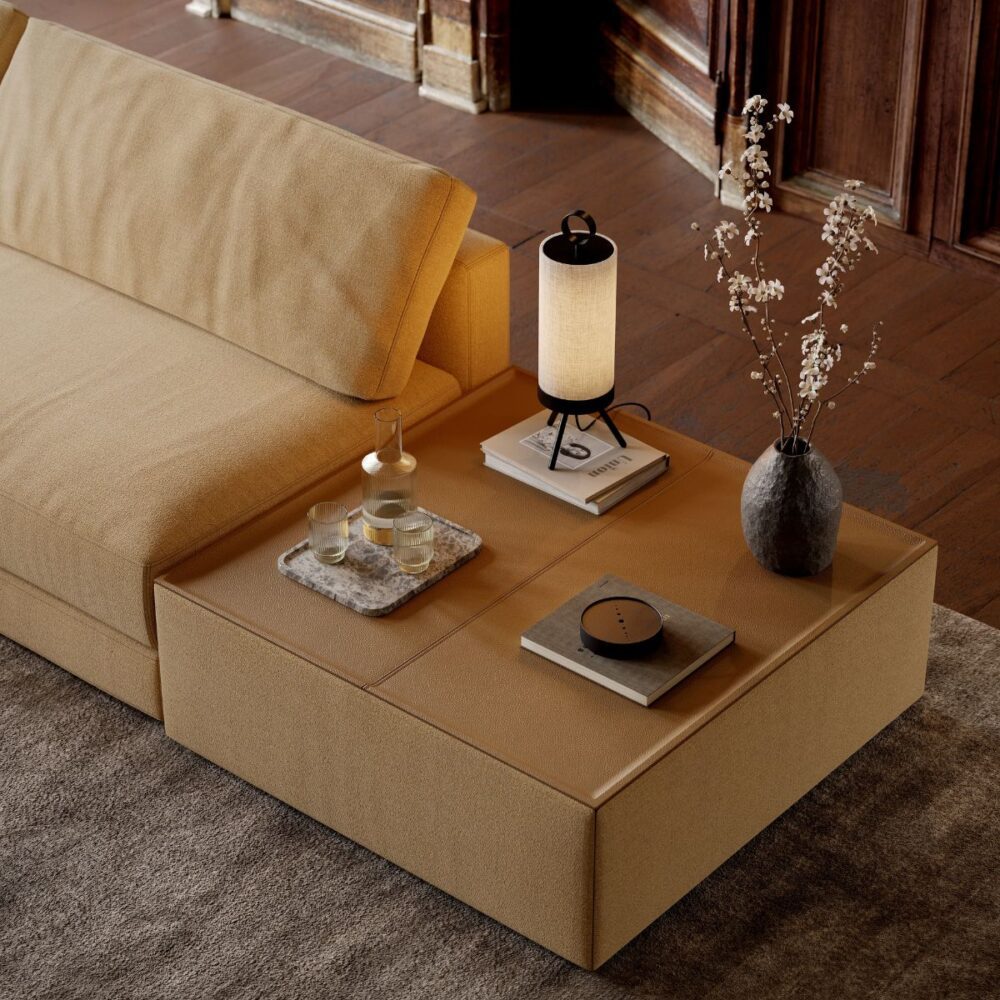
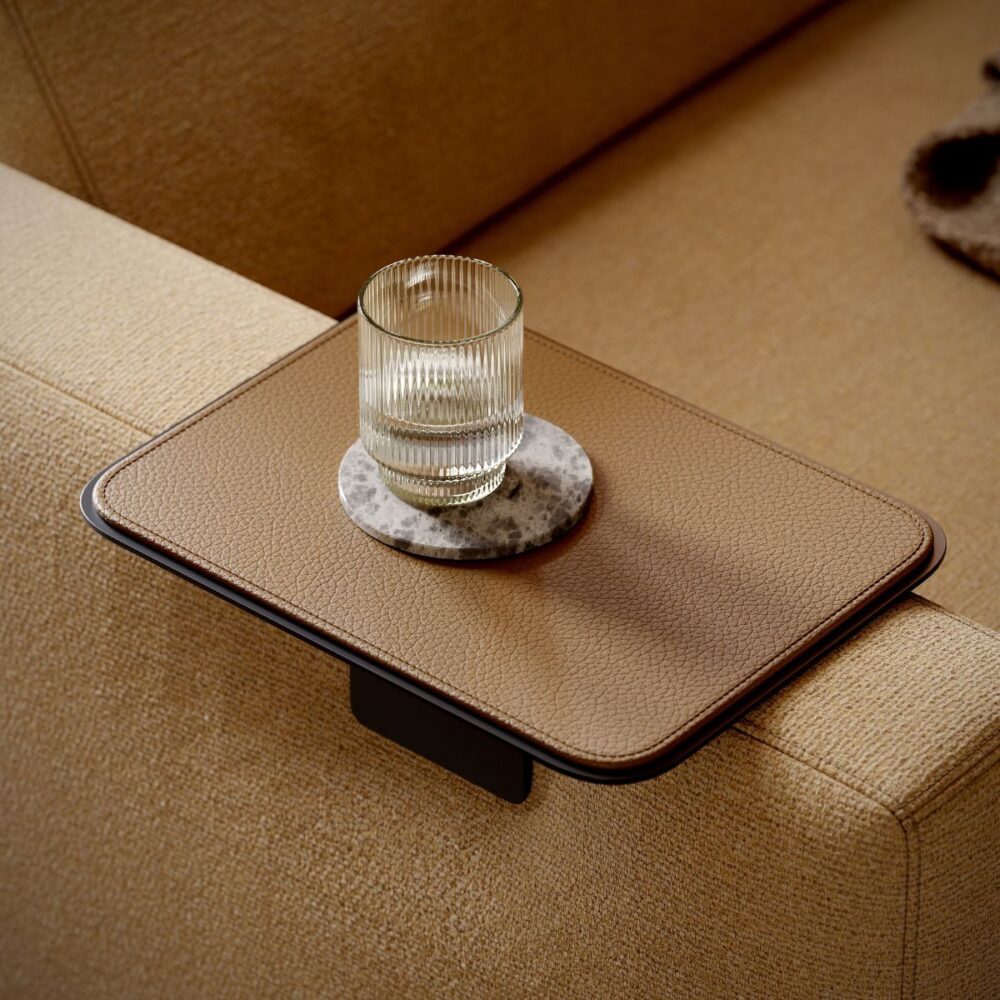
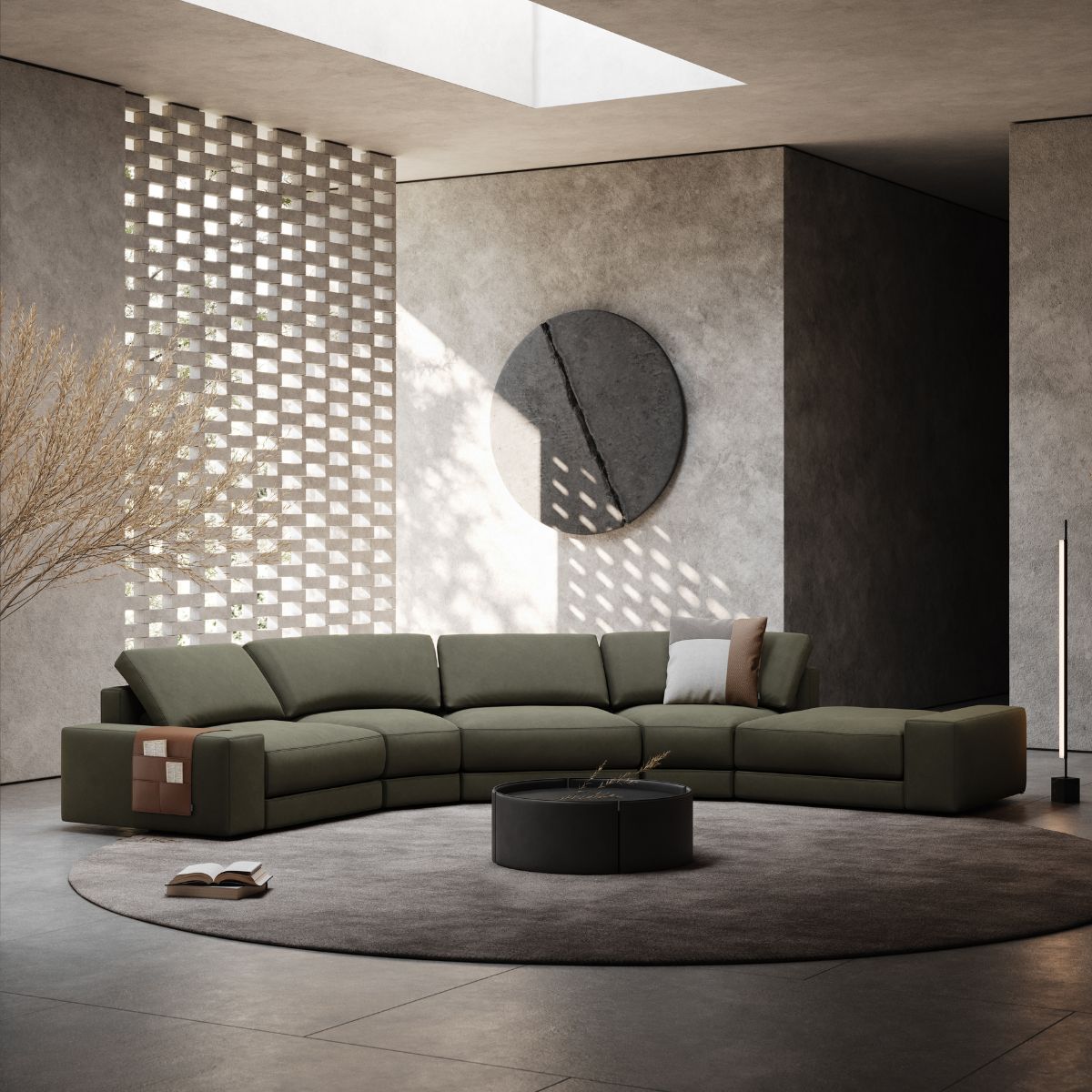
As project requirements evolve, the composition can adapt without requiring an entirely new furniture investment.
Complementary accessories, such as side tables and headrests, further enhance functionality while preserving visual consistency.
The result demonstrates an increasingly important principle in contemporary furniture design: flexibility should enhance aesthetics rather than compromise them.
Our Modular Sofas
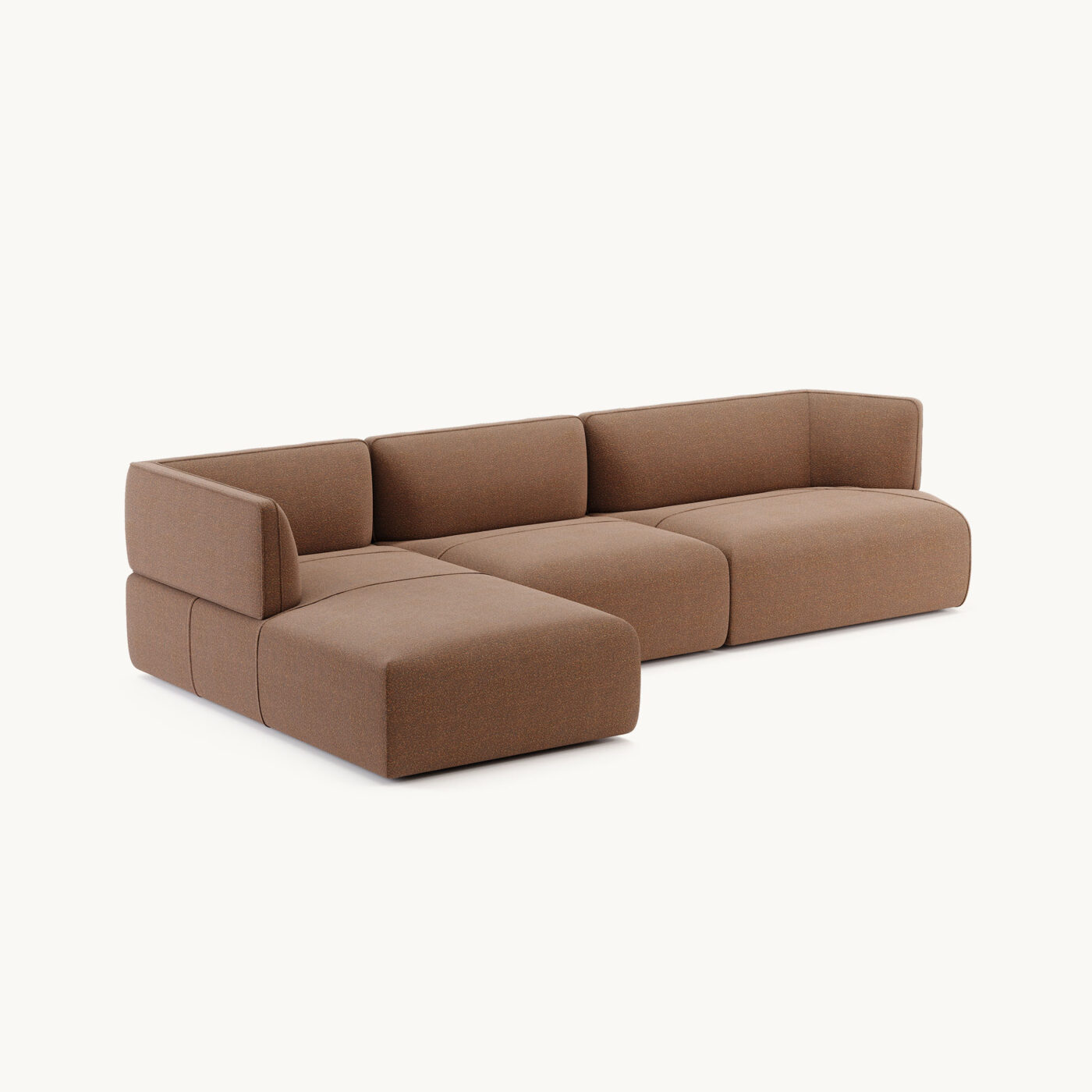
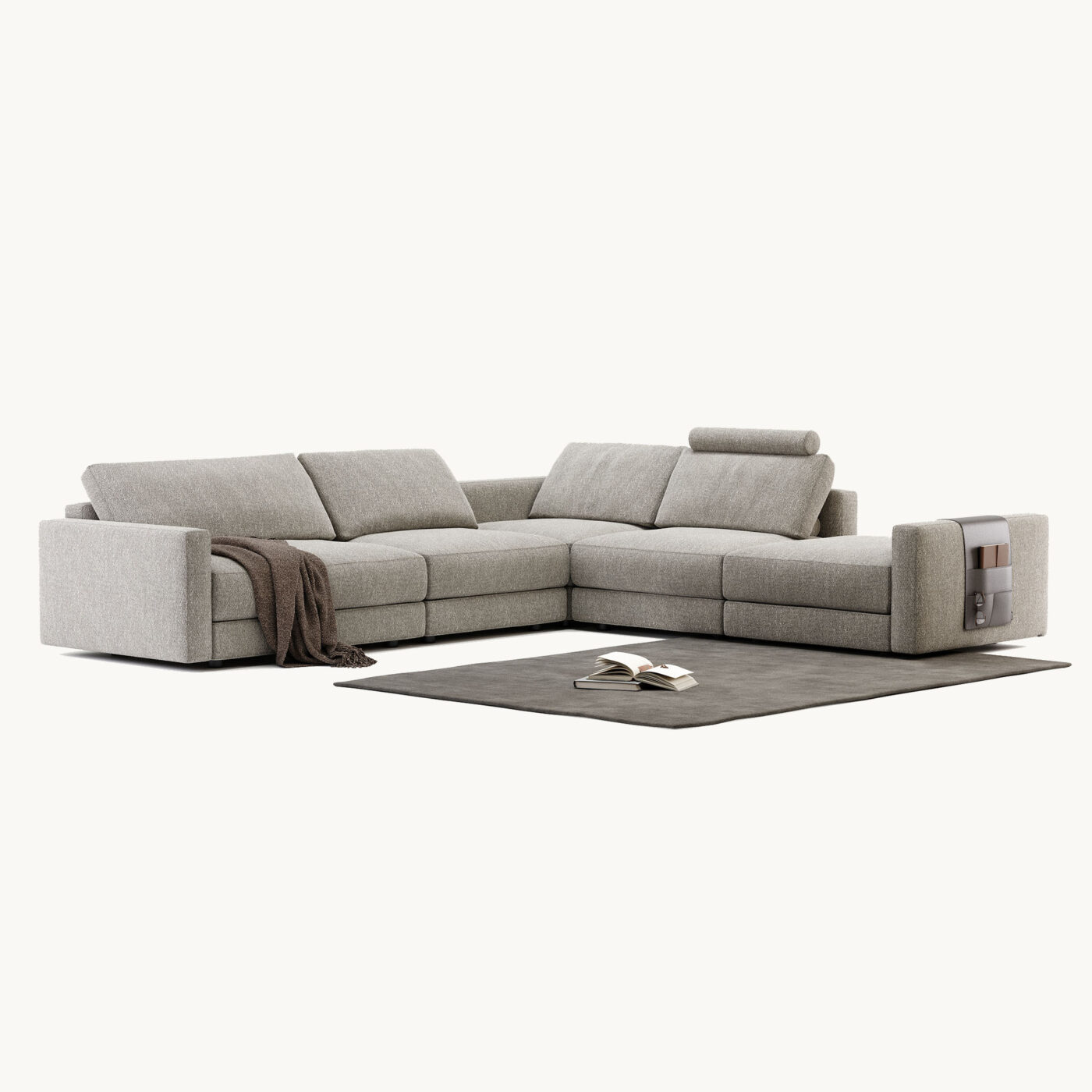
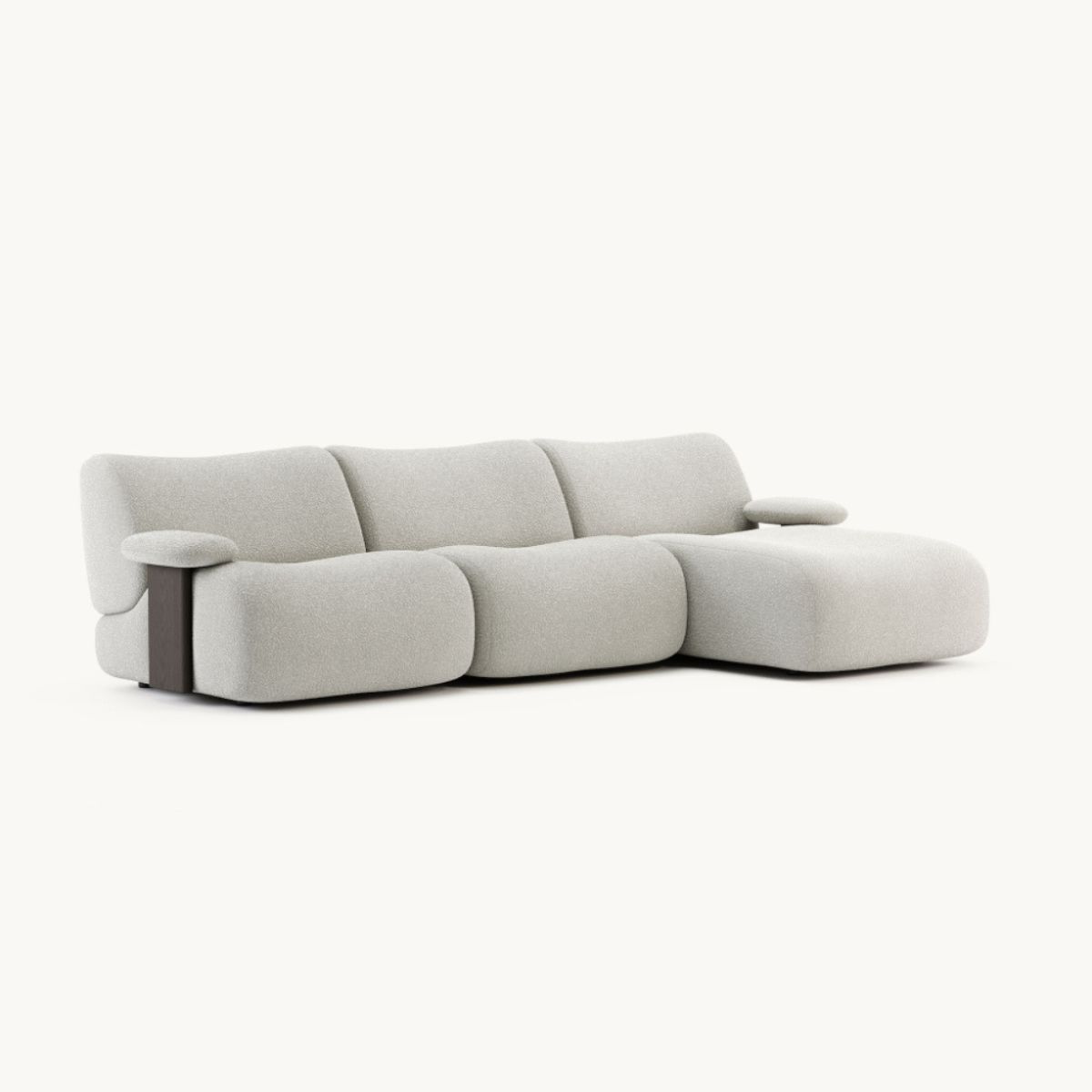
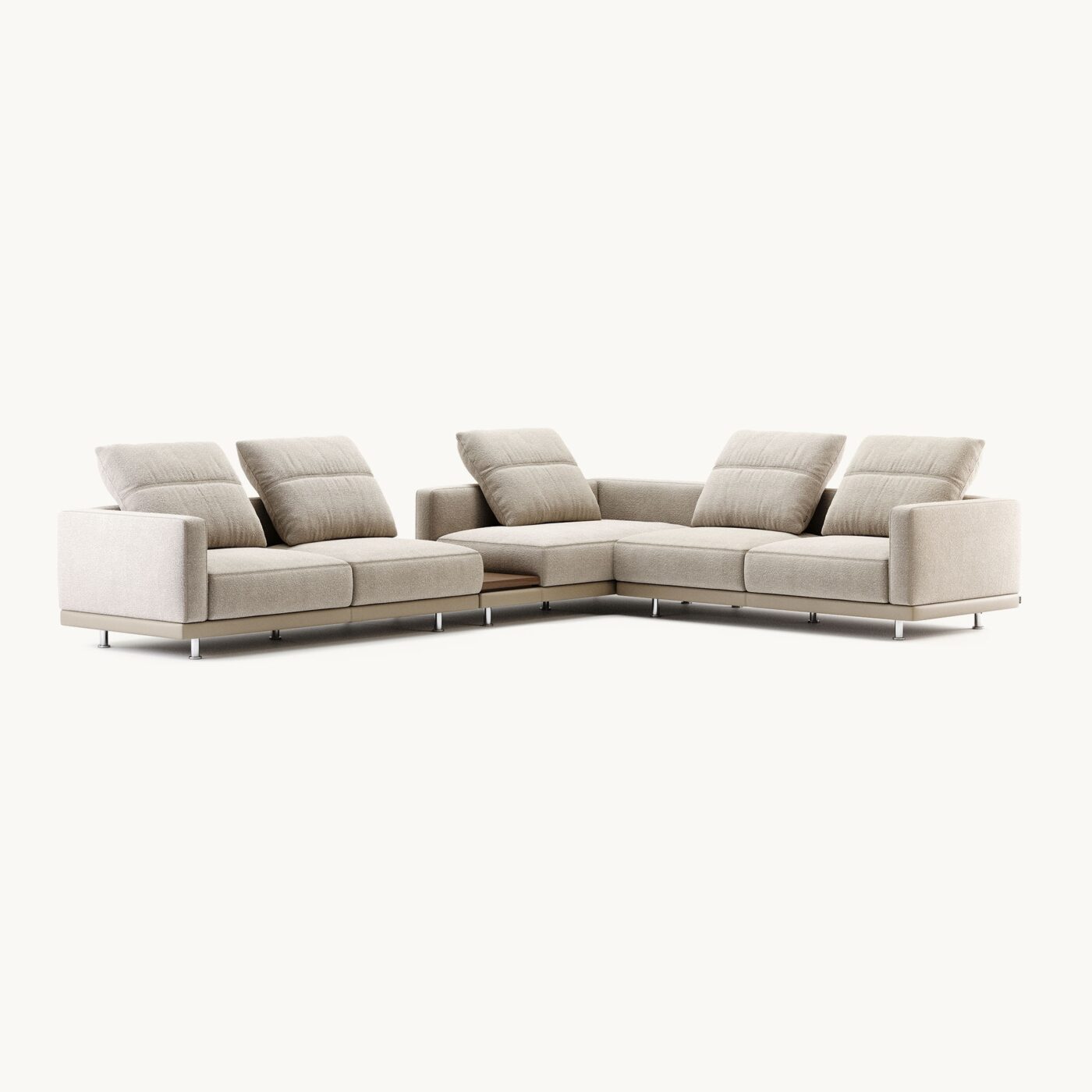
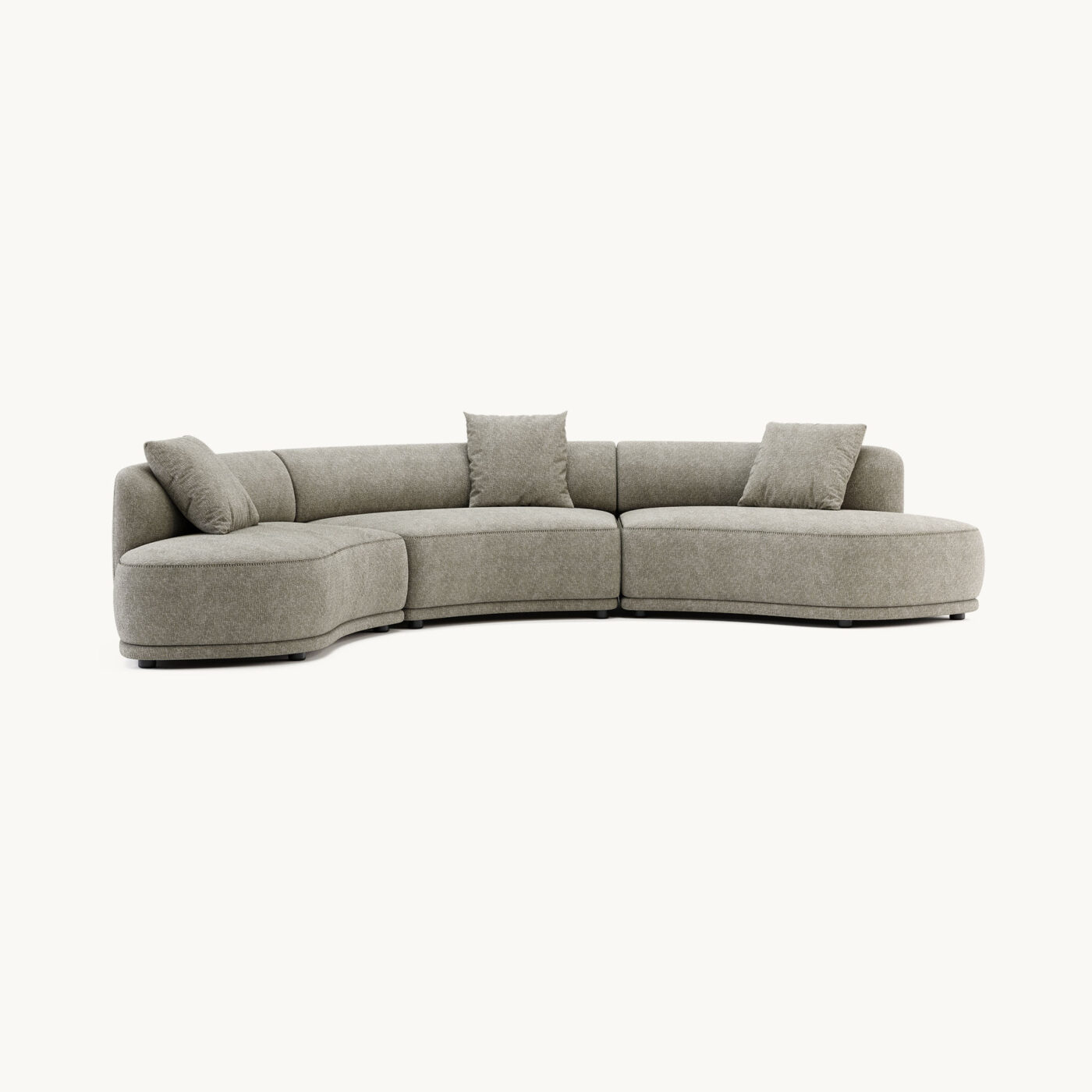
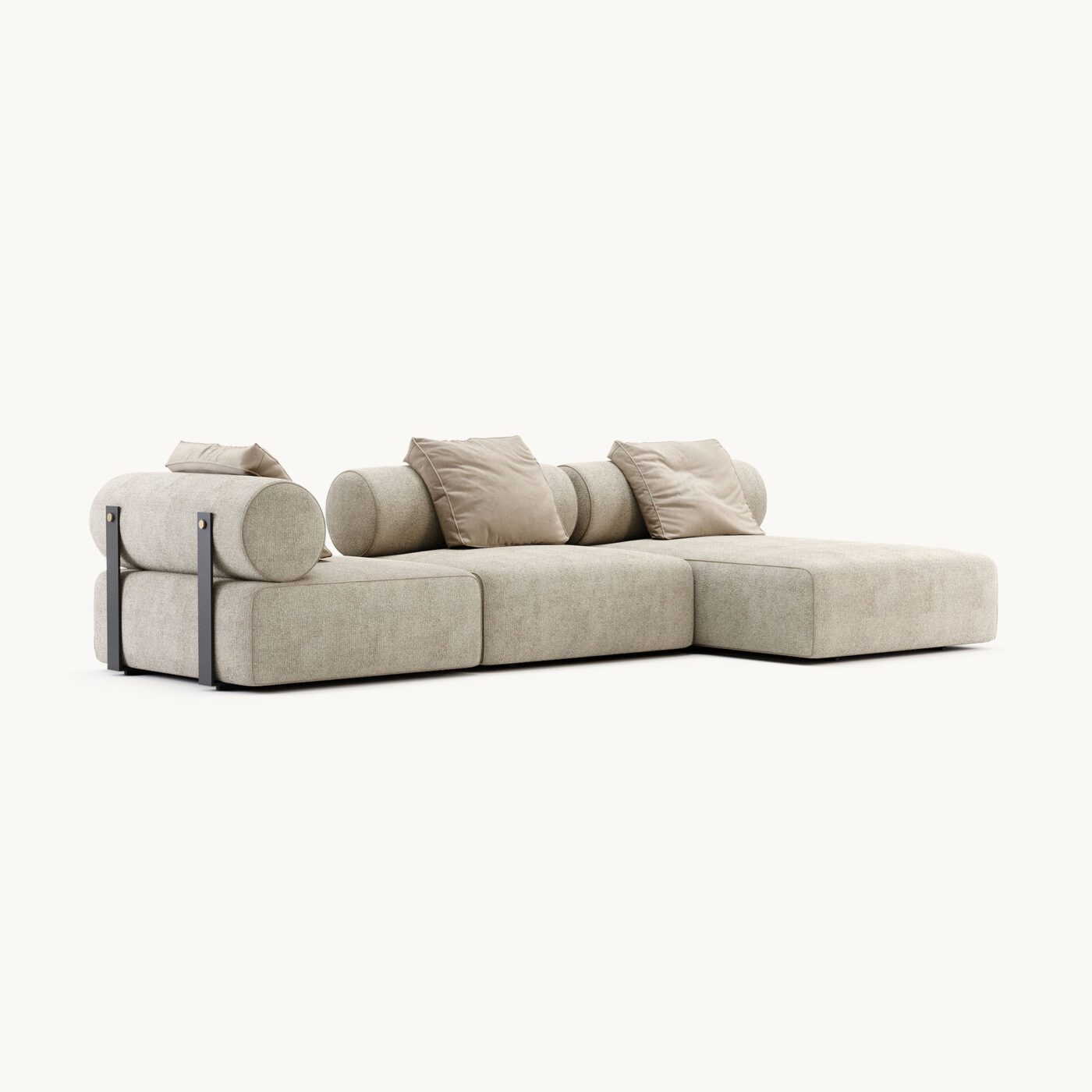
The best modular sofa specifications are not necessarily the largest, most complex or most visually dramatic. They are the ones that continue to perform as lifestyles evolve.
As residential and hospitality spaces become increasingly fluid, future-proof furniture is no longer a niche consideration m- it is a core component of successful interior design.
For 2026 and beyond, adaptability deserves a place alongside comfort, aesthetics, craftsmanship and material quality as one of the most important criteria in furniture selection. Because the most successful spaces are not those that resist change; they are the ones designed to embrace it!
YOU MAY ALSO LIKE: Furniture Trends For 2026: A New Era Of Comfort, Craftsmanship And Living
We are working every day to bring you the most stylish ideas to fulfil your inspiration and to create the best interior design projects, so feel free to follow our Instagram Page and subscribe to our newsletter.