

Most clients understand that a larger sofa costs more than a smaller one. They can usually see why a bespoke dining table carries a different price than a standard option. Upholstery, however, is where budgeting conversations often become more complex.
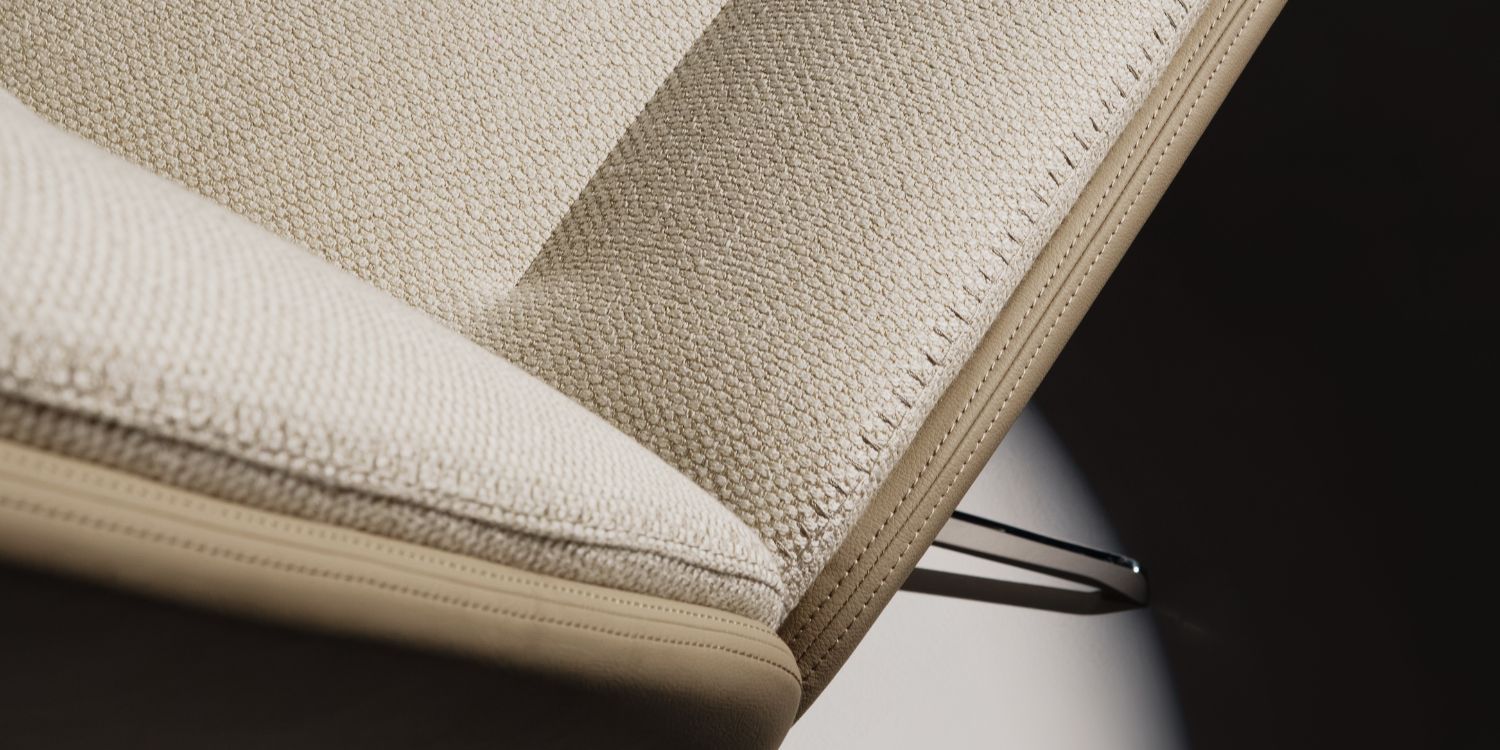
A client may fall in love with a luxurious bouclé, richly textured velvet or artisan-woven textile long before they understand its impact on the overall project budget. When the quotation arrives, the difference between fabric options can feel surprising – even when the furniture itself remains exactly the same.
For interior designers, this creates a familiar challenge. How do you explain why two fabrics that appear visually similar can vary dramatically in price? How do you guide clients toward informed decisions without sounding overly technical or sales-focused? The answer lies in simplifying the conversation. Understanding upholstery grades and communicating them clearly can transform what is often a difficult budget discussion into an opportunity to demonstrate expertise and build trust.
Why Upholstery Costs Create Budget Tension
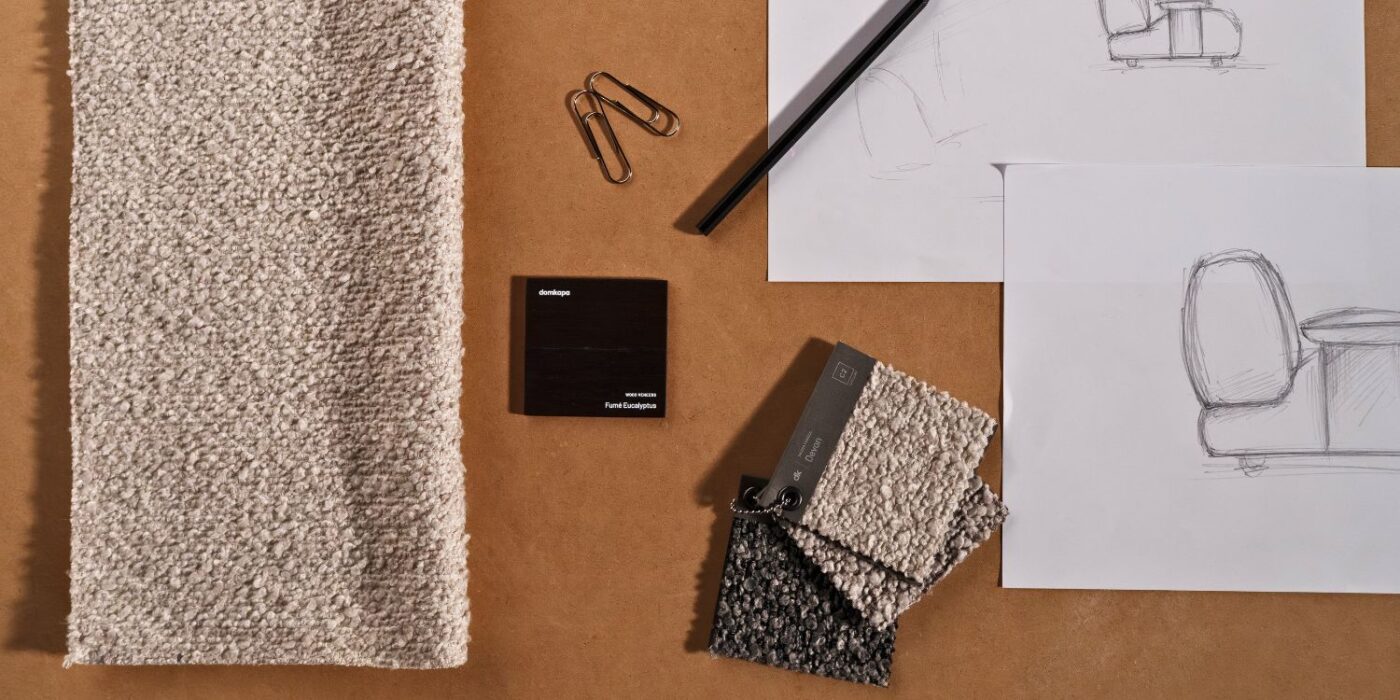
One of the biggest misconceptions in interior design budgeting is the assumption that upholstery represents only a small percentage of furniture costs.
In reality, fabric selection can significantly influence the final price of upholstered pieces, particularly in larger residential projects or hospitality environments where multiple items are being specified.
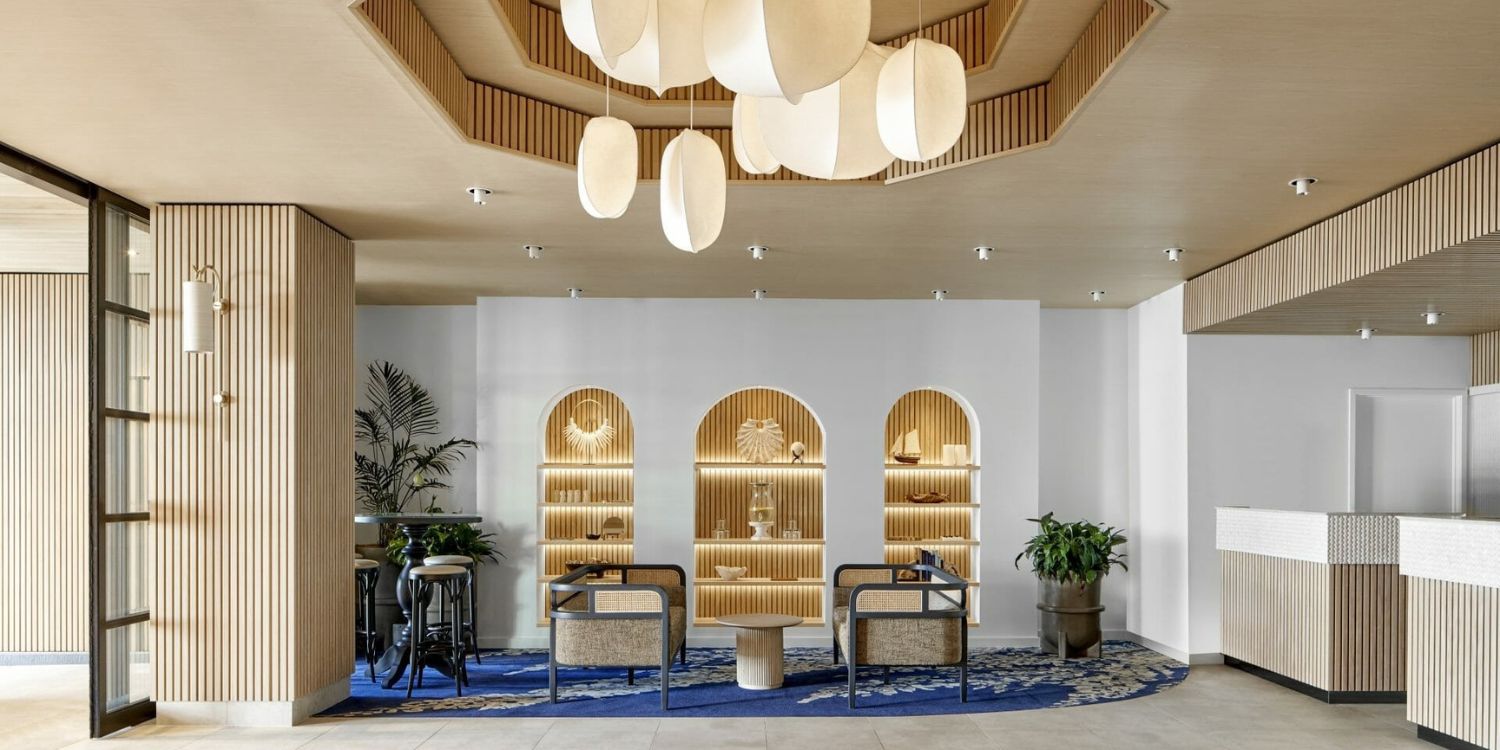
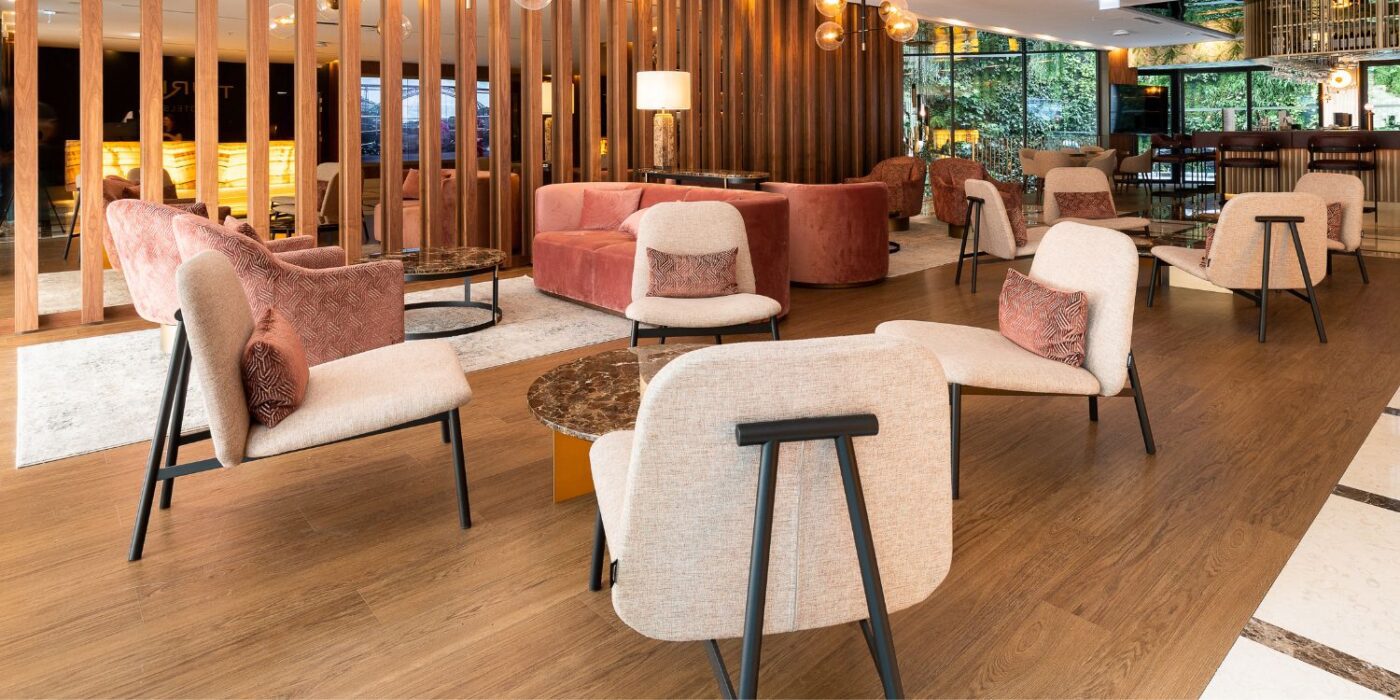
Consider a hotel lounge that requires twenty armchairs. A modest increase in fabric grade may seem insignificant on a single chair, but multiplied across the entire specification, the budget impact can become substantial.
Similarly, in a residential project, upgrading the upholstery on a statement sofa may shift funds away from other design elements such as lighting, rugs or decorative finishes.
Clients often misunderstand upholstery pricing because they assume the following:
- Higher grades automatically indicate better quality;
- Fabric pricing is based solely on appearance;
- Similar-looking textiles should have similar costs;
- Upholstery upgrades are primarily aesthetic rather than functional.
Helping clients understand the factors behind fabric pricing is often the first step toward managing expectations successfully.
Understanding Upholstery Grades in Plain English
When discussing upholstery grades, it is important to start with one key clarification:
Fabric grades are primarily pricing categories, not quality rankings.
This distinction alone can prevent many misunderstandings.
A Grade F fabric is not necessarily “better” than a Grade B fabric. Instead, it is typically more expensive due to factors such as:
- Fibre composition;
- Weaving complexity;
- Manufacturing methods;
- Durability testing;
- Supplier positioning;
- Design exclusivity;
- Limited production runs;
- Artisan craftsmanship.
For example, a highly durable commercial-grade polyester designed for hospitality use may sit within a lower or mid-range grade while outperforming a luxury linen in certain environments.
Likewise, a handcrafted textile featuring intricate weaving techniques may command a premium price despite requiring more careful maintenance.
A useful way to explain upholstery grades to clients is:
“Think of fabric grades as pricing bands rather than quality levels. Every fabric has strengths; the grade simply reflects its cost category.”
This simple explanation often makes the concept immediately easier to understand.
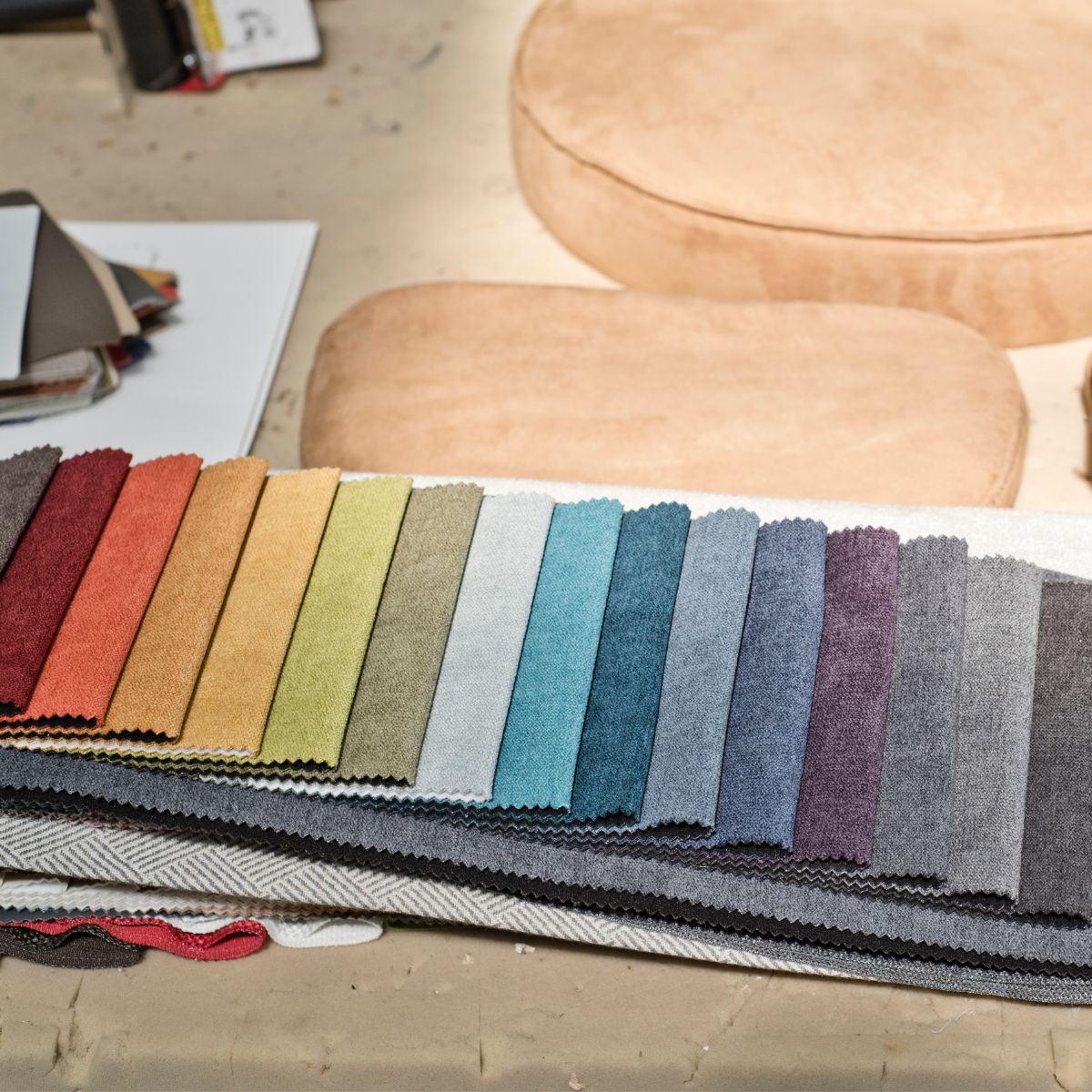
What Do Grade A–F Fabrics Actually Mean?
Although grading systems vary between manufacturers, the following framework can help clients understand the general differences.
Grade A
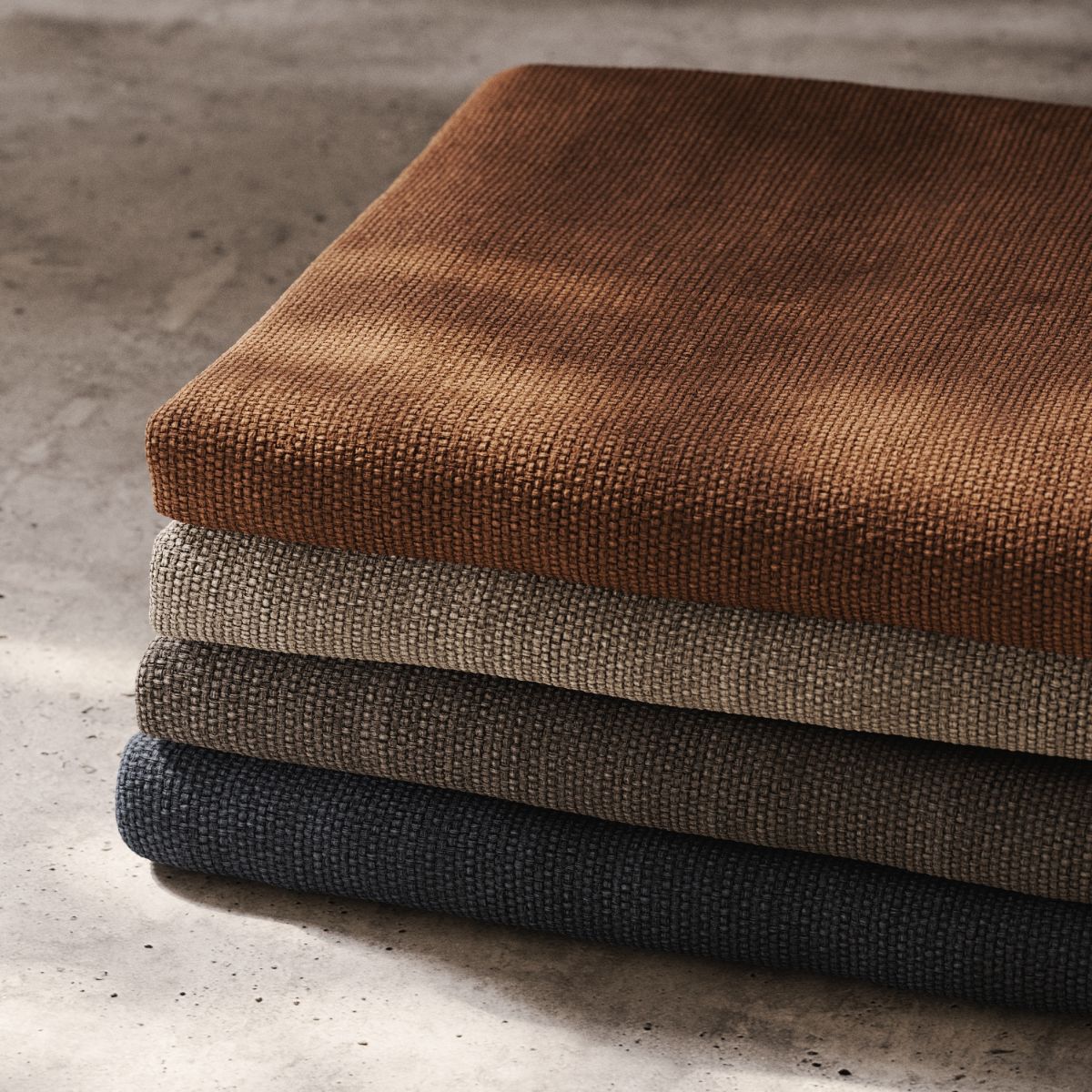
Grade A fabrics typically represent entry-level upholstery options.
These fabrics often offer:
- Excellent durability;
- Reliable performance;
- Easy maintenance;
- Strong value for money.
For budget-conscious residential projects or large hospitality installations, Grade A fabrics can be highly effective solutions.
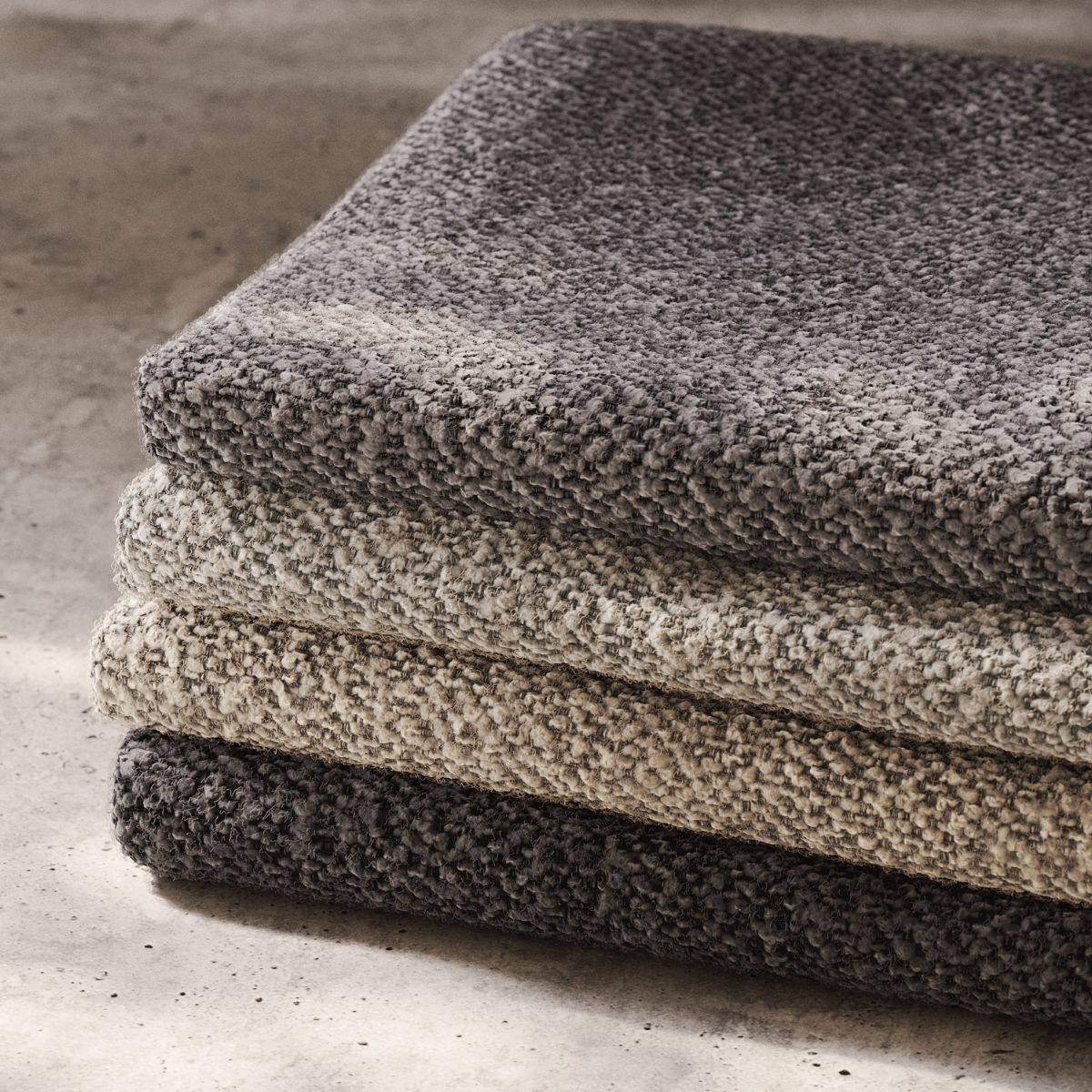
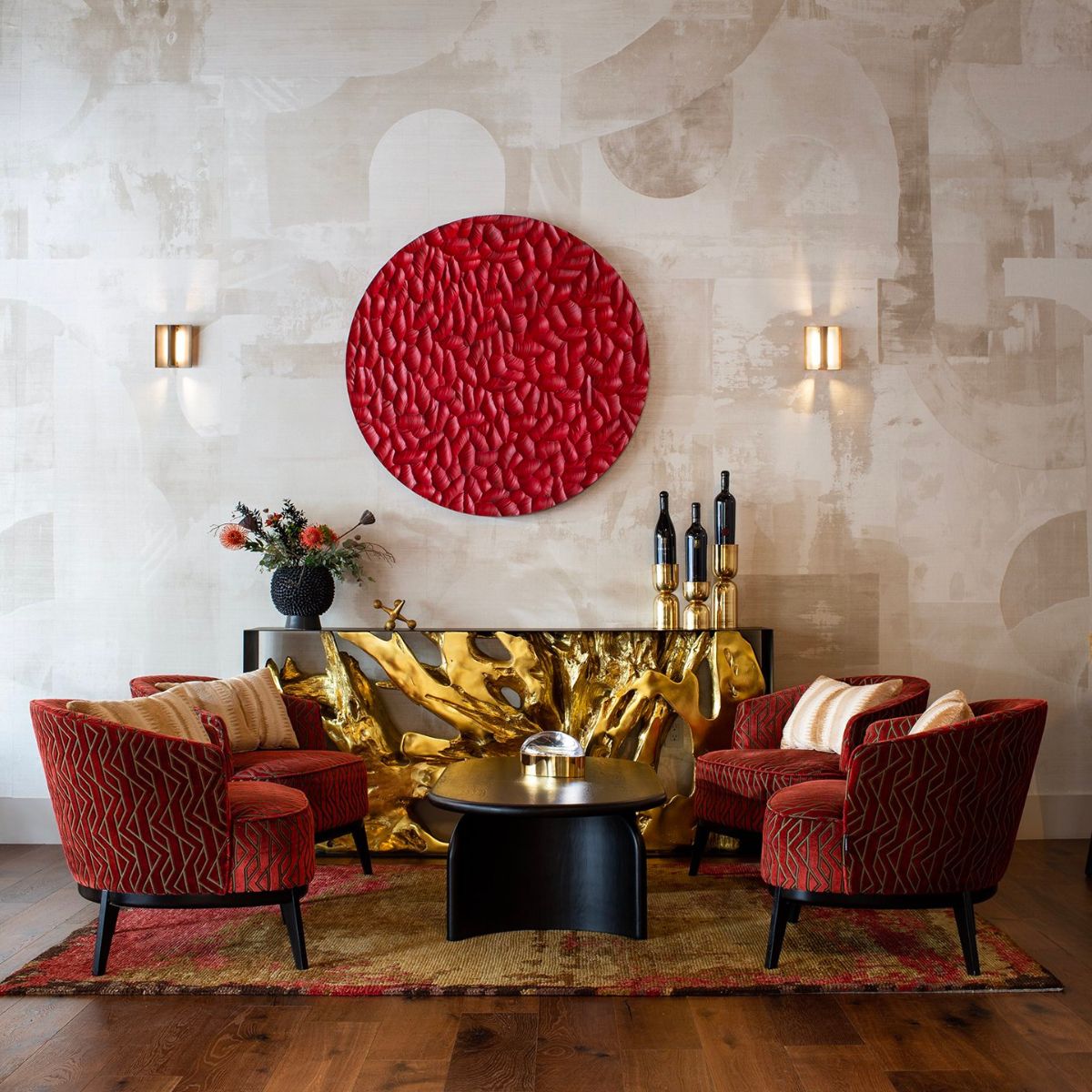
Many contemporary woven textiles and performance fabrics fall into this category, making them practical choices without compromising overall design quality.
Grade B–C
Grade B and C fabrics introduce greater design flexibility.
Clients will often find:
- Additional colour options;
- More sophisticated textures;
- Enhanced tactile qualities;
- Decorative weaves and finishes.
These upholstery grades frequently represent the “sweet spot” for many projects, balancing aesthetics, performance and budget.
For designers, they often provide enough variety to create distinctive interiors while maintaining financial control.
Grade D–E
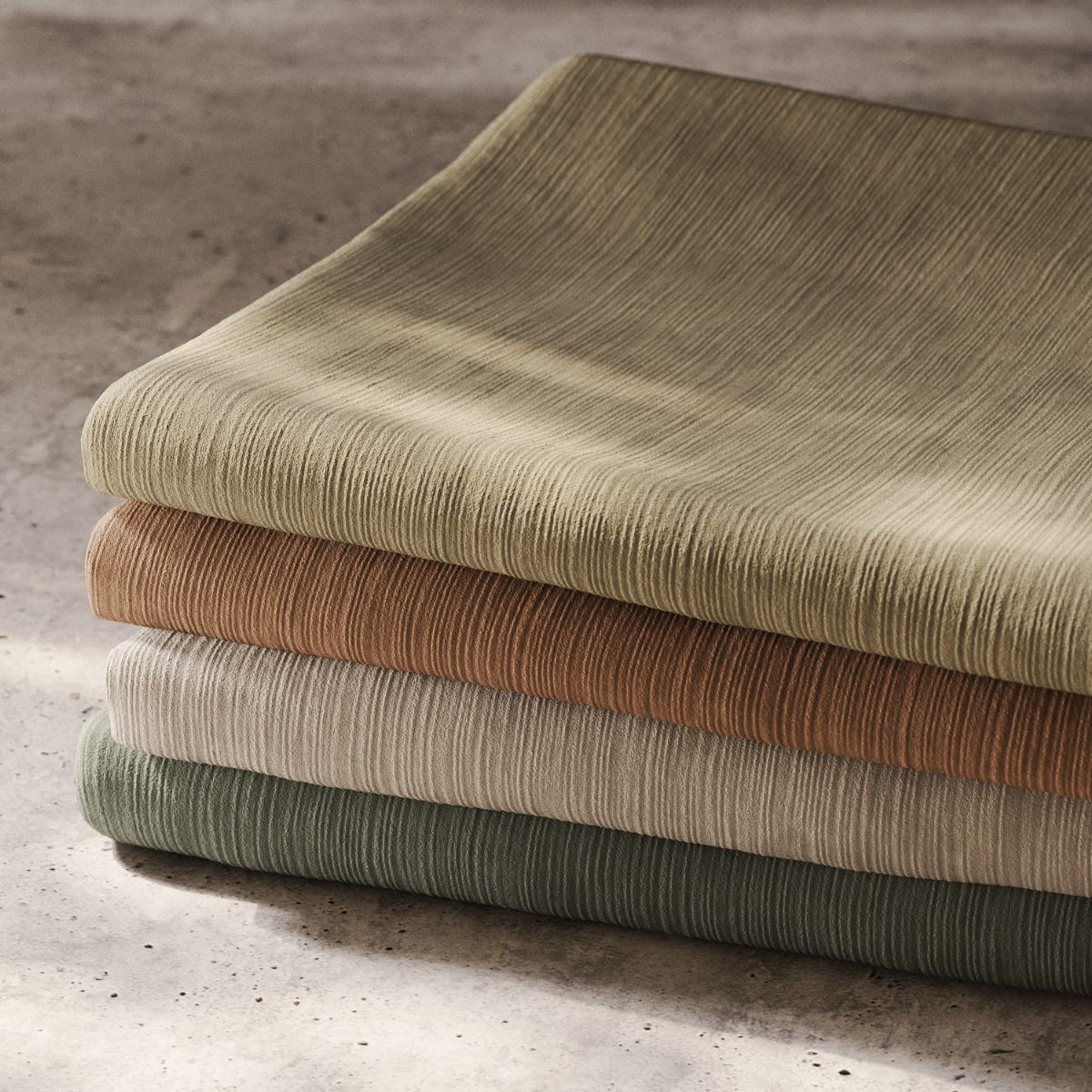
As fabric grades increase, so does the availability of premium materials and specialised constructions.
These grades may include:
- Rich velvets;
- Sophisticated bouclés;
- Natural fibre blends;
- Designer textile collections;
- Advanced weaving techniques.
These fabrics often deliver a stronger sensory and visual impact, making them popular choices for feature furniture pieces.
Grade F and Above
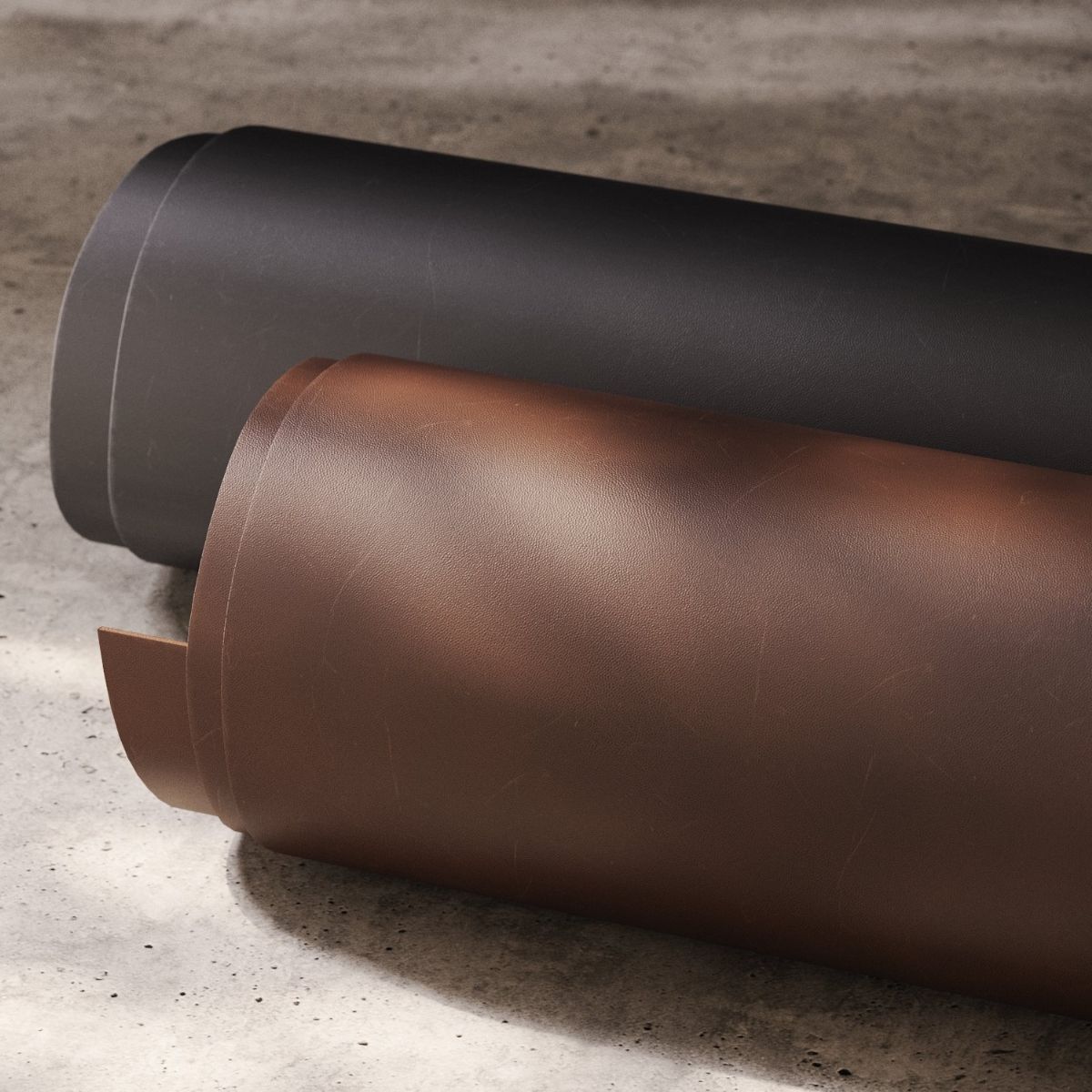
At the upper end of upholstery collections, clients enter the world of luxury textiles.
These fabrics may feature:
- Artisan craftsmanship;
- Exclusive patterns;
- Limited-production materials;
- Premium natural fibres;
- Designer collaborations;
- Highly specialised manufacturing techniques.
These selections are often chosen for statement pieces where uniqueness and emotional impact are priorities.
However, designers should remember that higher grades are not always the right choice. The most appropriate fabric is the one that aligns with the project’s goals, usage requirements and budget.
What Is COM (Customer’s Own Material)?
Another term designers frequently encounter is ‘COM’ or ‘Customer’s Own Material’.
Simply put, COM refers to upholstery fabric supplied by the client or specified independently by the designer rather than purchased directly through the furniture manufacturer.
Common COM Scenarios
COM is frequently used when:
- A project requires a highly specific fabric;
- A hospitality brand has established textile standards;
- Designers want consistency across multiple suppliers;
- Heritage or bespoke projects require unique materials.
For example, a boutique hotel may specify a signature textile throughout guest rooms, lounges and reception areas to reinforce brand identity.
Advantages of COM
COM offers several benefits:
- Greater design flexibility;
- Access to unique textiles;
- Enhanced project customisation;
- Stronger alignment with brand or concept narratives;
Potential Risks.
However, COM also introduces additional considerations.
Designers should verify:
- Fabric suitability;
- Durability requirements;
- Fire regulations;
- Pattern repeat implications;
- Fabric yield calculations.
Mistakes in any of these areas can lead to delays and unexpected costs.
Lead-Time Considerations
Because fabrics must be sourced, approved, shipped and tested, COM projects often require additional lead time.
Setting expectations early can prevent scheduling issues later in the project.
How to Present Upholstery Options Without Overwhelming Clients
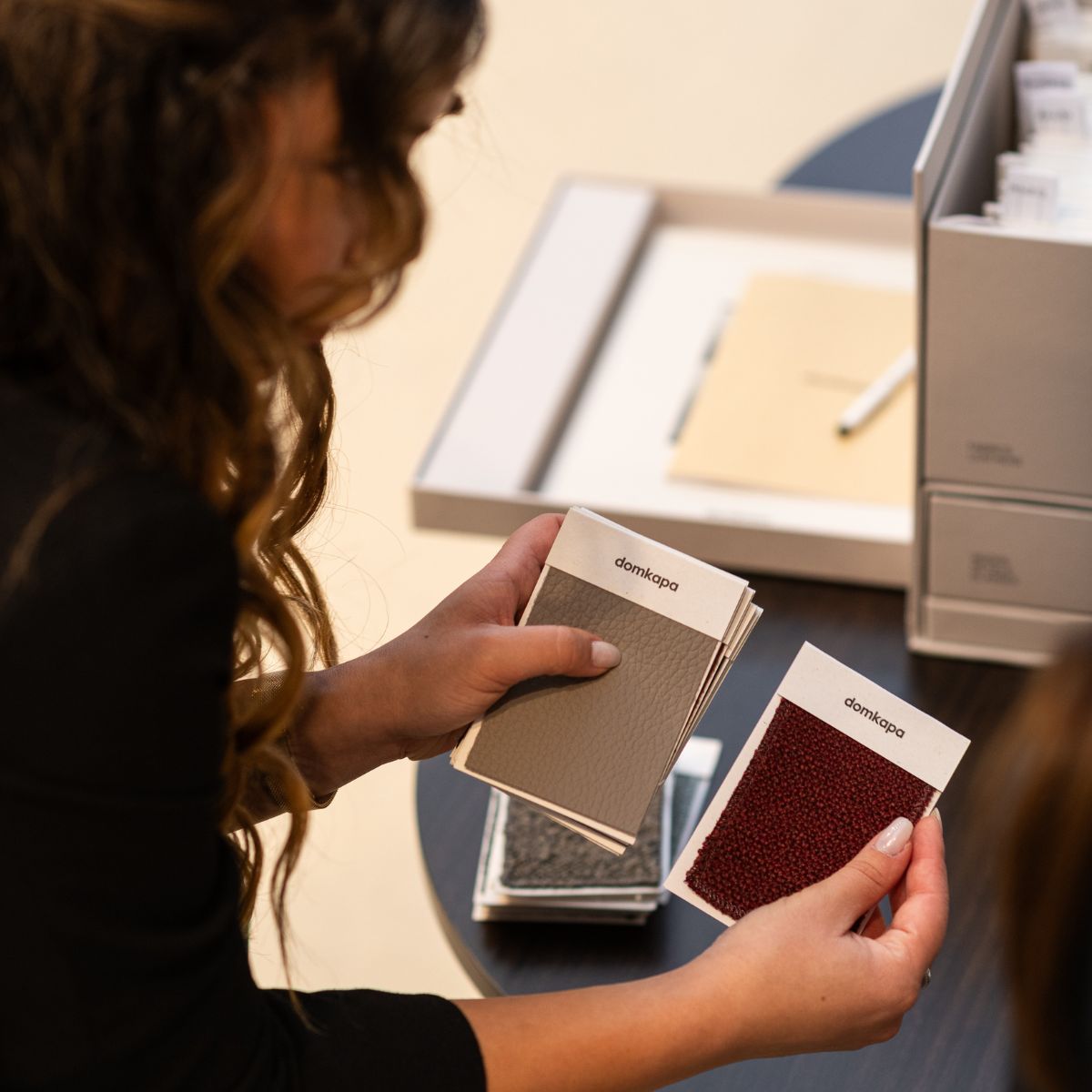
One of the most effective strategies for upholstery selection is to reduce complexity.
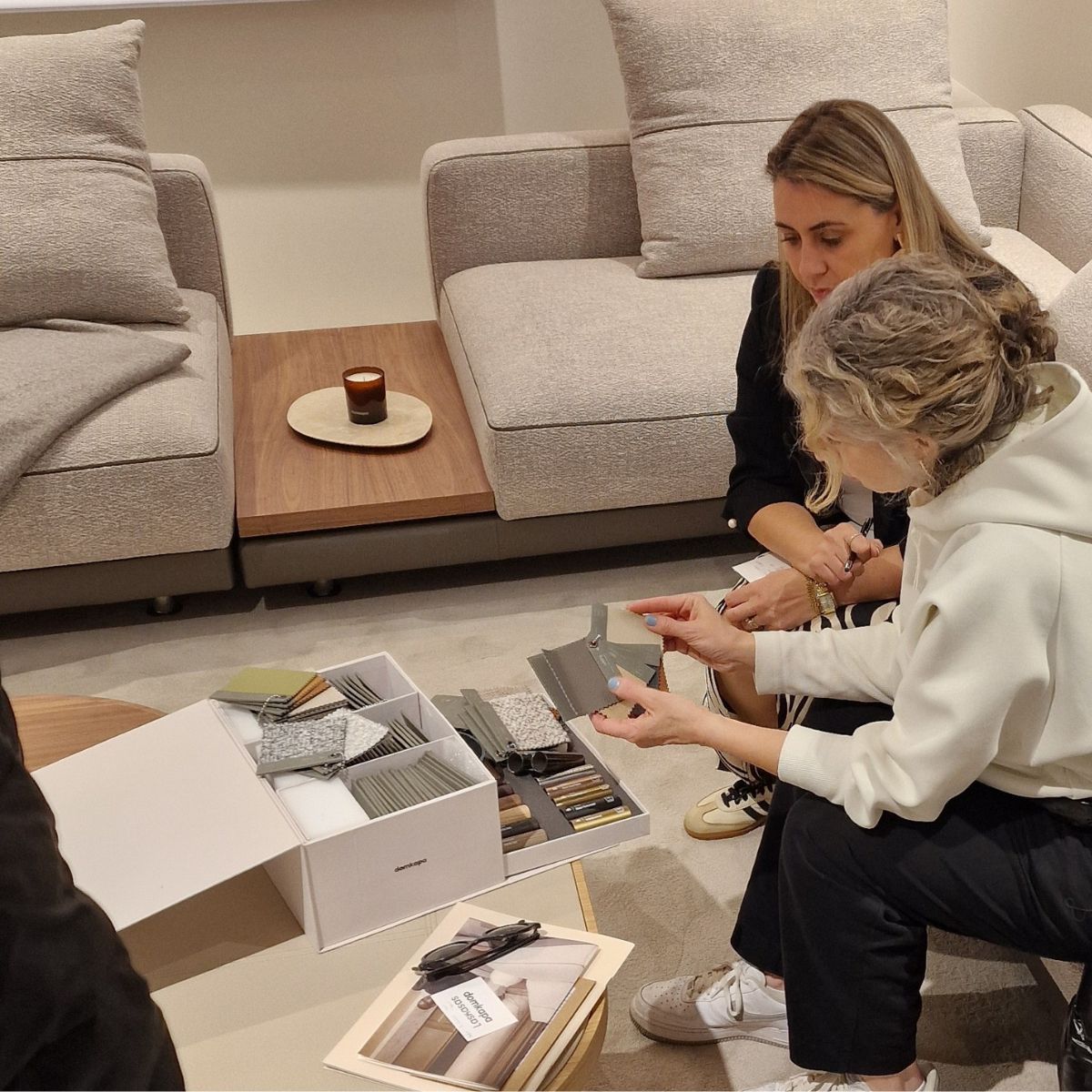
Many designers unintentionally create confusion by presenting dozens of fabric samples simultaneously. More options rarely lead to better decisions. Instead, consider a curated three-tier framework.
Option 1: The Best Value Choice
Present a fabric that prioritises:
- Durability;
- Practicality;
- Easy maintenance;
- Budget efficiency.
This option reassures clients that a sensible solution exists within their budget.
Option 2: The Balanced Choice
This becomes the benchmark option.
Focus on:
- Strong aesthetics;
- Reliable performance;
- Reasonable cost;
- Versatility.
In many projects, this is ultimately where clients feel most comfortable.
Option 3: The Investment Choice
Introduce a premium option that prioritises:
- Luxury;
- Texture;
- Exclusivity;
- Design impact.
This provides context for higher-end possibilities without making clients feel pressured.
Rather than reviewing thirty fabrics, clients compare three carefully considered solutions aligned with different priorities. Decision-making becomes significantly easier.
Helping Clients Understand Trade-Offs
Every upholstery decision involves trade-offs. The designer’s role is not to eliminate these compromises but to help clients understand them.
Texture Versus Budget
A heavily textured bouclé may create exceptional visual interest but comes at a higher price point than a simpler woven fabric.
A useful explanation might be:
“The additional cost comes from the complexity of the construction and the unique tactile quality it brings to the room.”
Natural Fibres Versus Maintenance
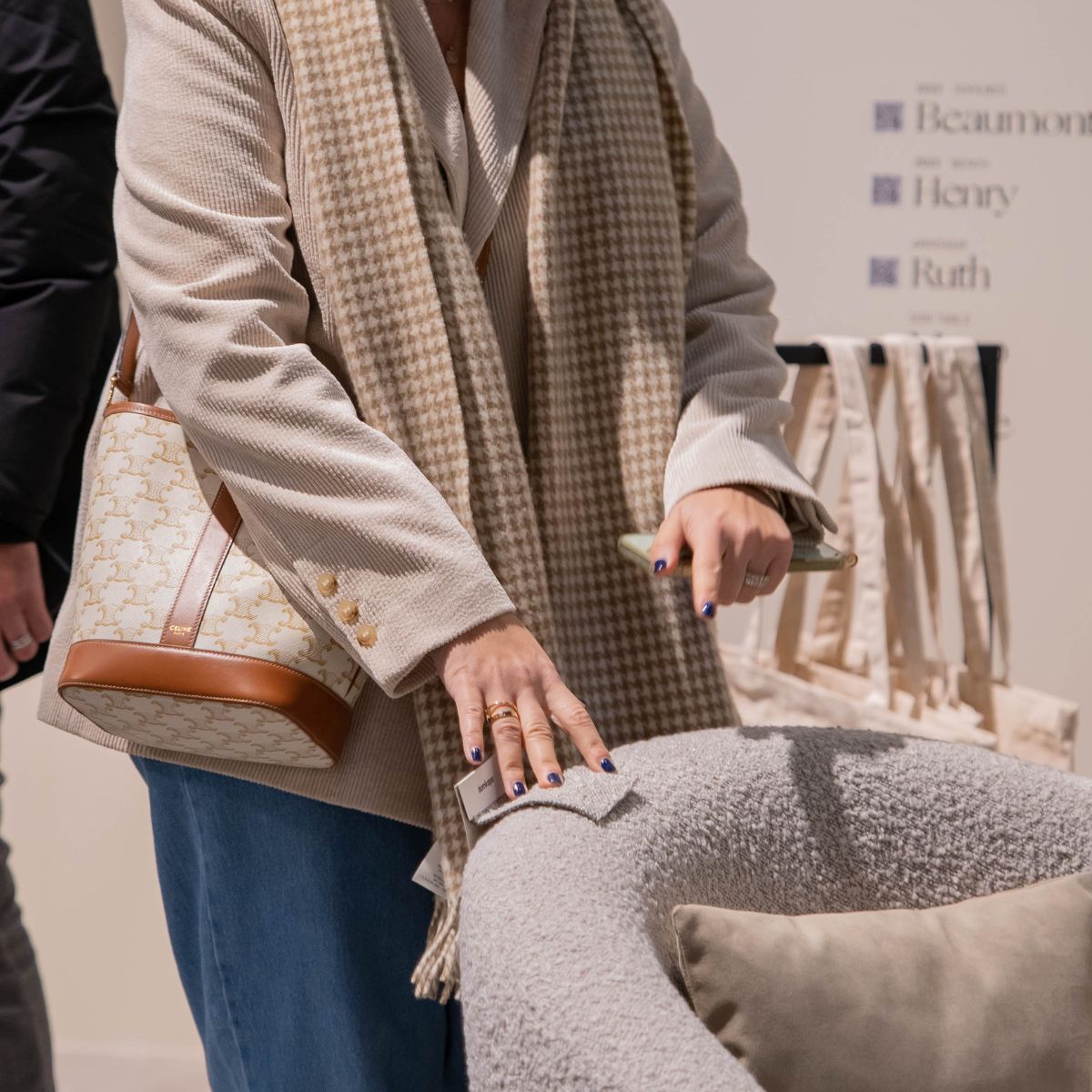
Many clients love linen and wool for their authenticity and character. However, these materials may require greater care than performance-focused alternatives.
You might explain:
“This option offers a beautiful natural appearance, but it will require more maintenance than the performance fabric.”
Statement Fabrics Versus Flexibility
Bold patterns and distinctive textiles create memorable interiors but can be more limiting over time.
A designer could say:
“This fabric creates a stronger visual statement today, while the alternative offers more flexibility if your style evolves in the future.”
Exclusivity Versus Practicality
Luxury textiles often deliver uniqueness and prestige. However, replacement or future matching may be more difficult.
Helping clients weigh these considerations creates confidence and reduces regret later.
A Better Way to Discuss Fabric Costs
The most successful upholstery conversations move beyond numbers. Rather than positioning upholstery as a budget line item, position it as one of the most influential design decisions within the room.
Fabric affects:
- Comfort;
- Visual character;
- Longevity;
- Maintenance requirements;
- User experience;
- Perceived luxury.
A sofa’s silhouette may attract attention initially, but upholstery largely determines how people experience it every day.
This perspective is particularly relevant in hospitality environments, where furniture must perform under constant use while reinforcing the overall guest experience.
For residential projects, upholstery often becomes the element clients physically interact with most, making it a long-term investment rather than a short-term expense.
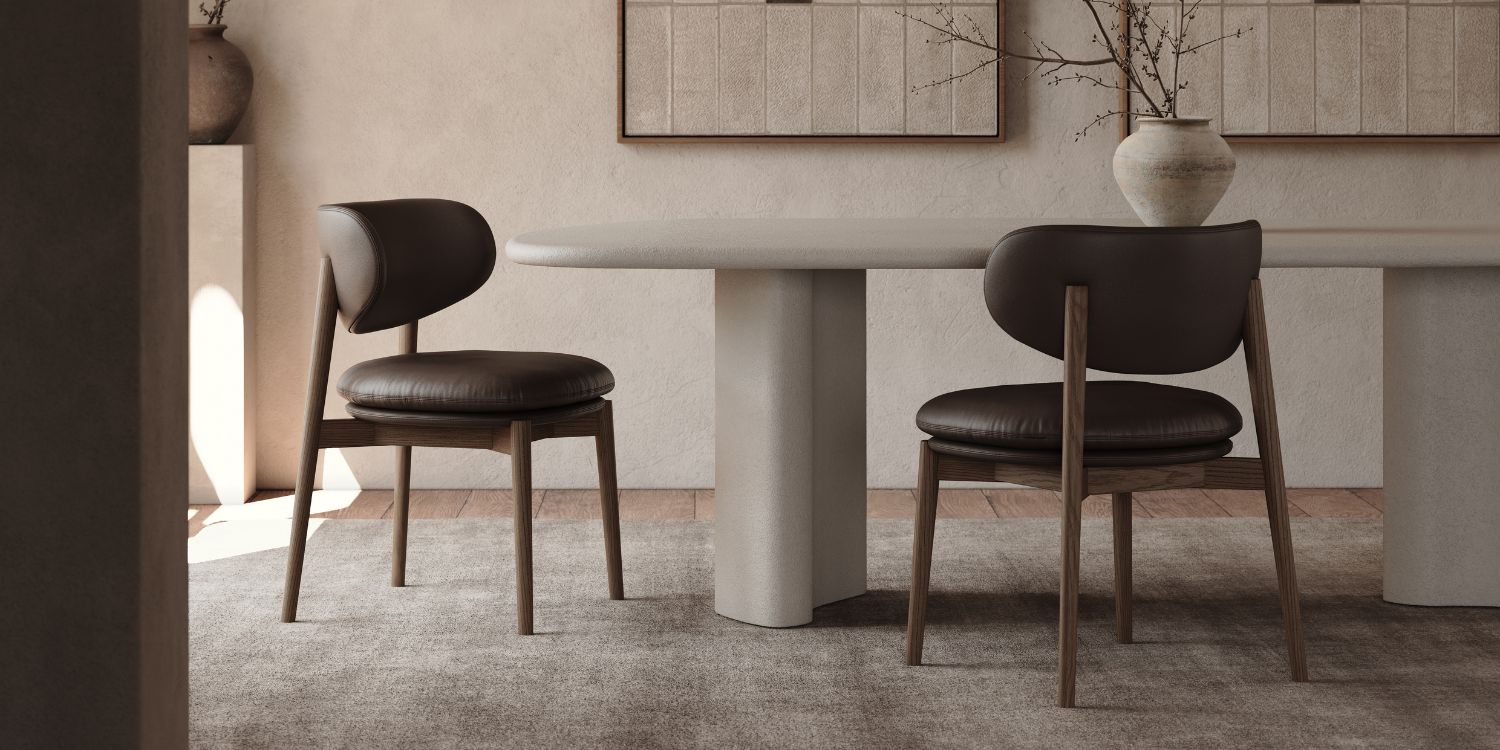
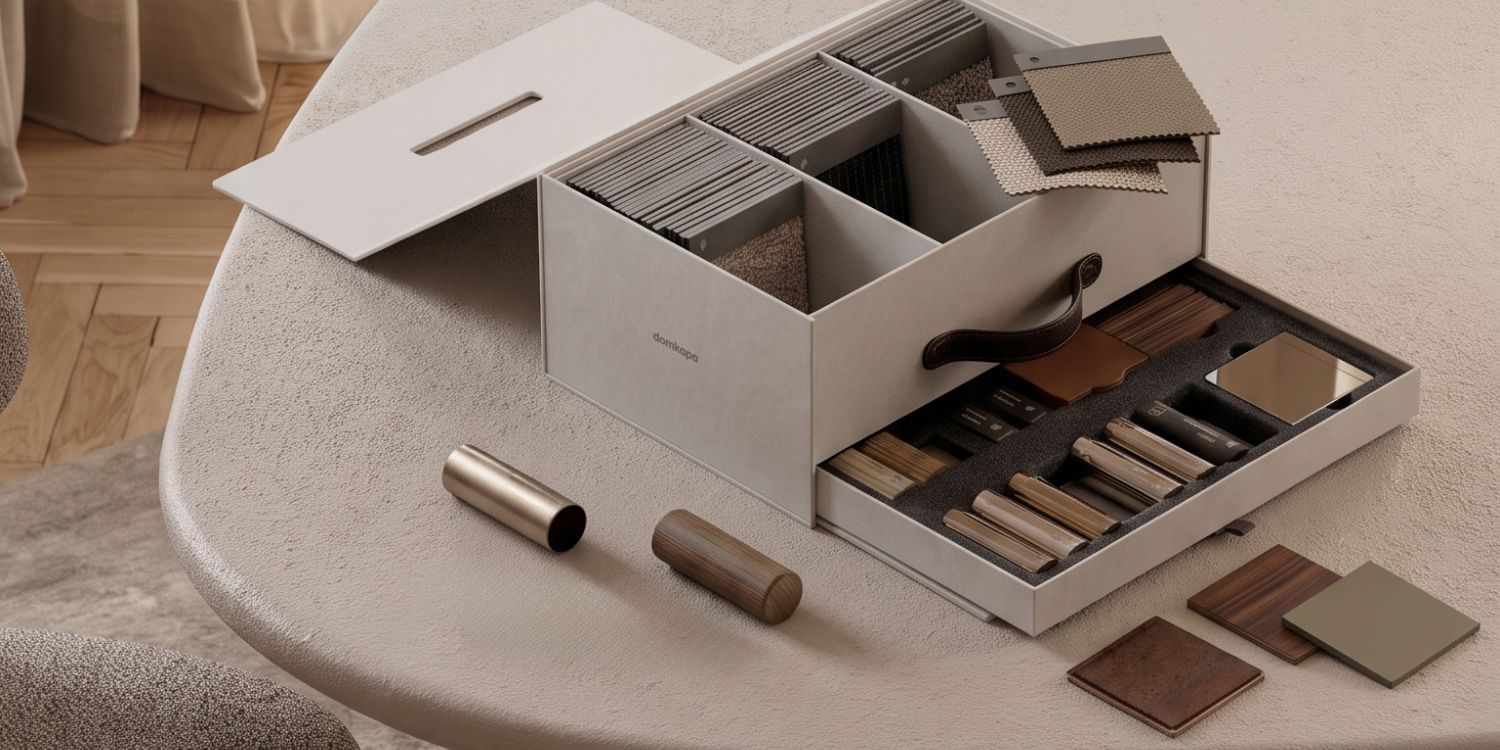
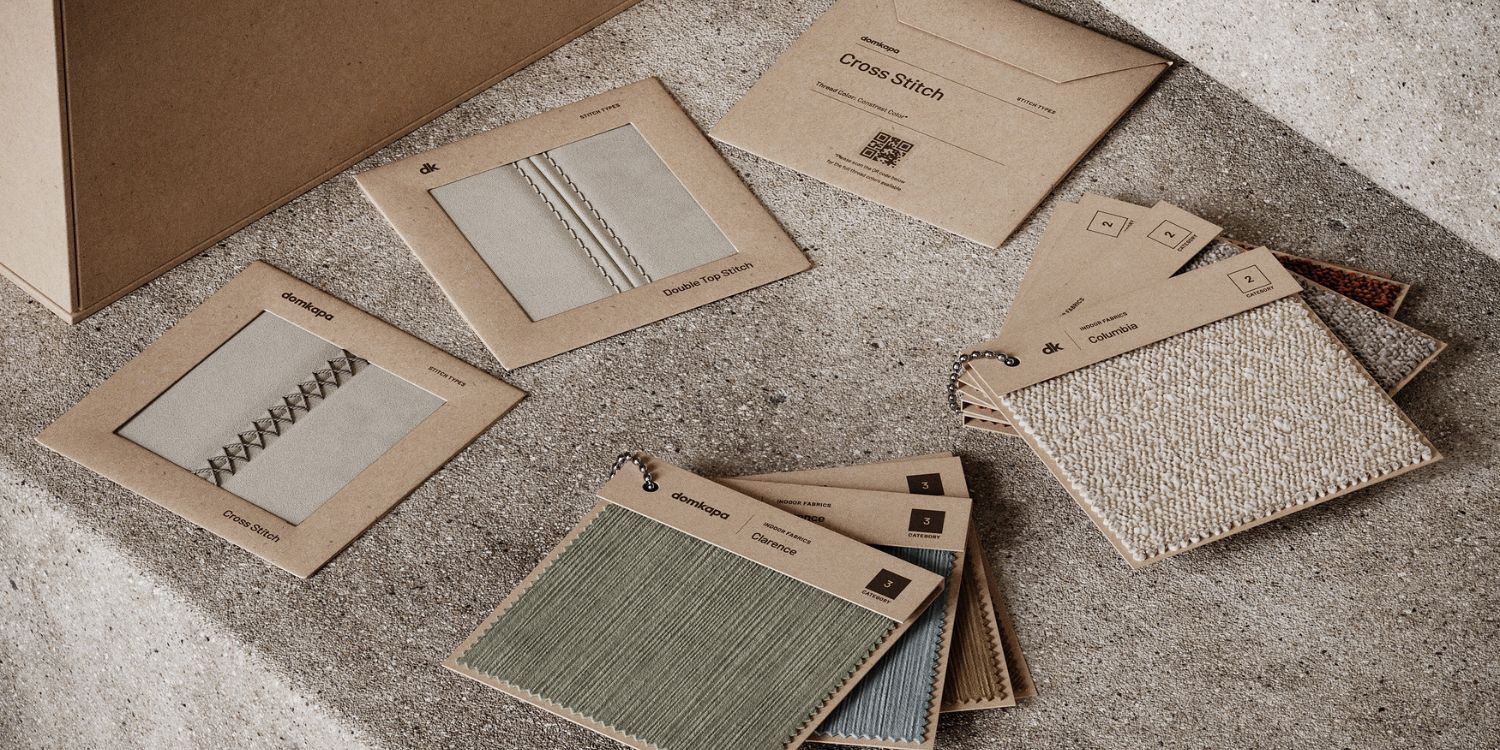
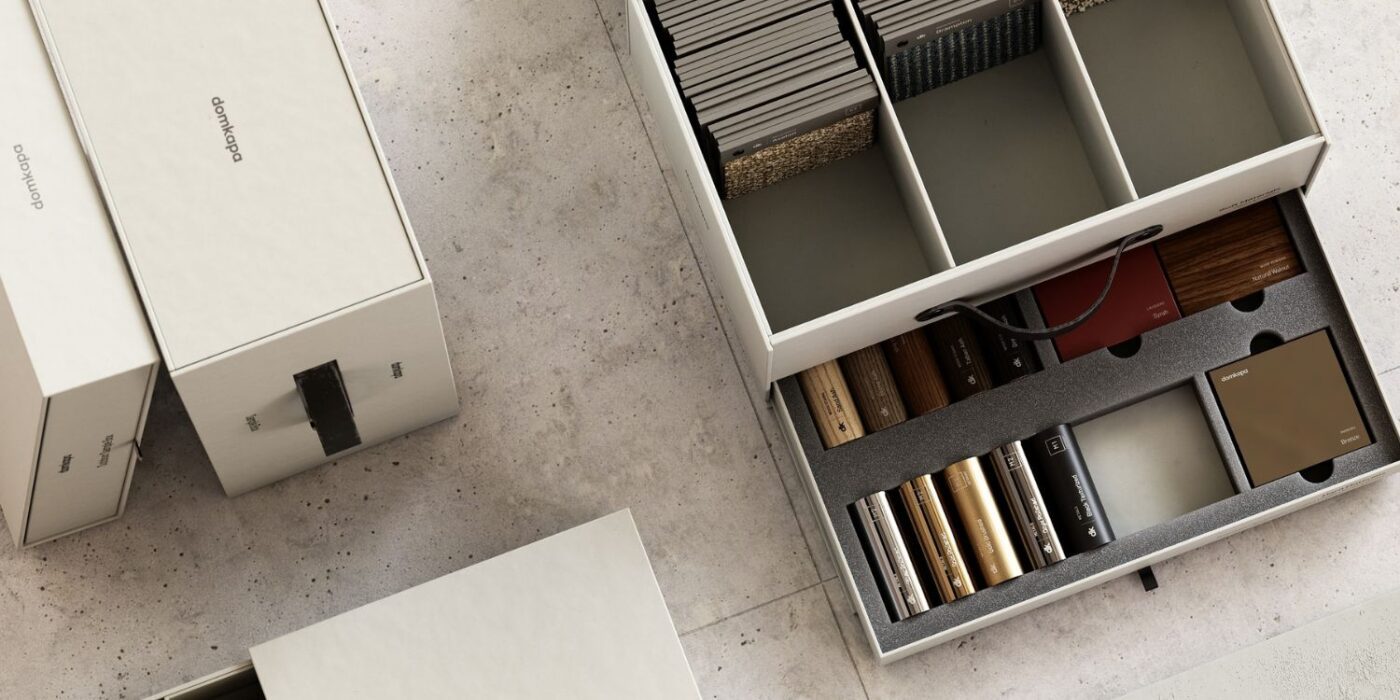
Manufacturers offering extensive upholstery customisation, multiple fabric grades and COM possibilities provide designers with greater flexibility to align specifications with both aesthetic goals and budget realities. Brands such as Domkapa, for example, allow designers to adapt the same furniture design across different project requirements through fabric selection, making customisation a valuable budgeting tool rather than simply a decorative choice.
Understanding upholstery grades is not about memorising pricing categories. It is about helping clients make informed decisions with confidence.
When designers explain that fabric grades are pricing bands rather than quality rankings, conversations become clearer. When options are curated thoughtfully, decision-making becomes easier. And when trade-offs are presented transparently, trust grows.
Whether specifying furniture for a private residence, a boutique hotel or a large-scale hospitality project, successful upholstery conversations ultimately come down to communication.
By simplifying fabric grades, clarifying COM possibilities and focusing on value rather than price alone, designers can guide clients toward choices that support both the project’s vision and its budget – while reinforcing their own role as trusted advisors throughout the process!
YOU MAY ALSO LIKE: How To Choose A Modular Sofa Clients Won’t Outgrow
We are working every day to bring you the most stylish ideas to fulfil your inspiration and to create the best interior design projects, so feel free to follow our Instagram Page and subscribe to our newsletter.