

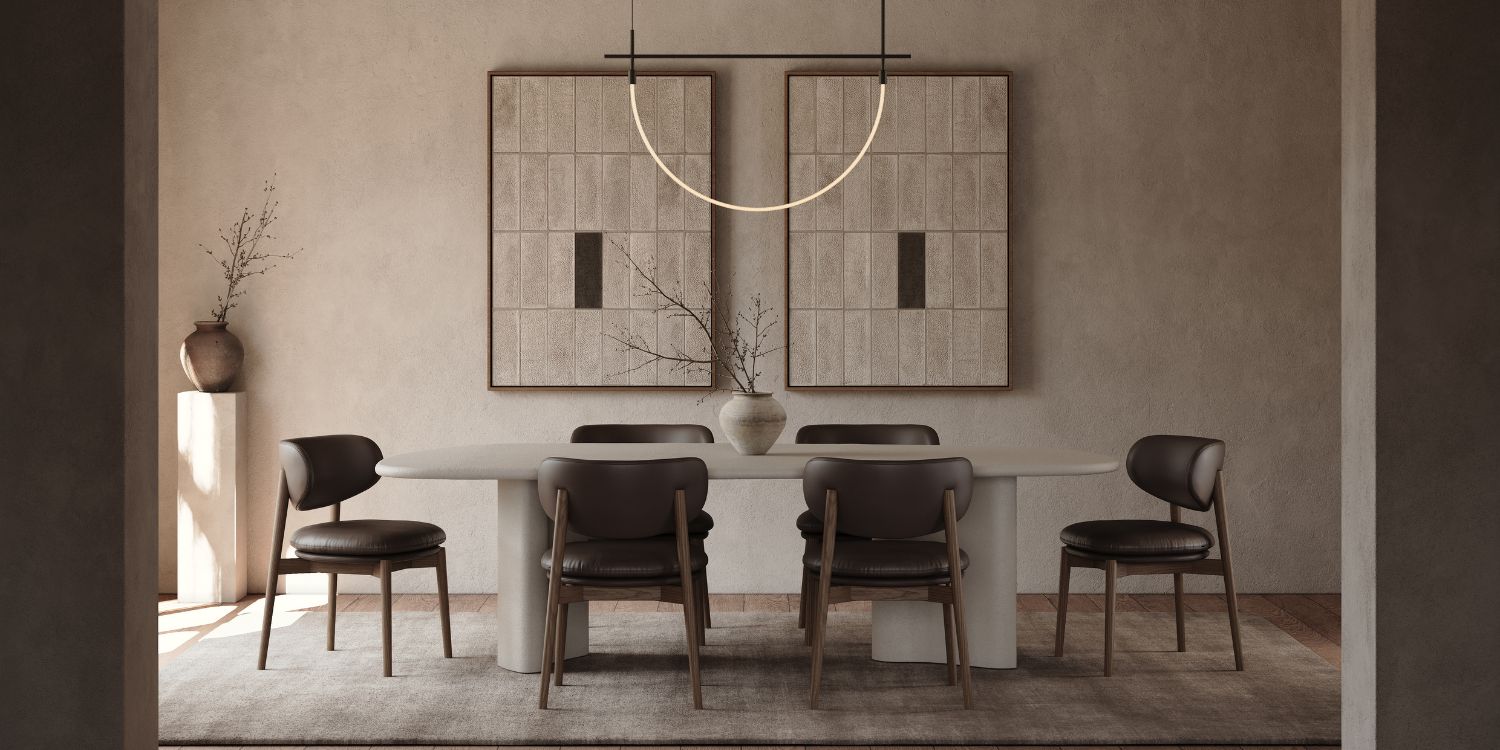
Contemporary interior design is one of the most misunderstood terms in the industry. Often conflated with minimalism or modernism, it is in fact something more fluid – a living aesthetic that reflects the moment it inhabits. Rooted in the latter decades of the 20th century, it draws from the movements surrounding it, absorbing what works and discarding what doesn’t. The result is a style defined not by rigid rules but by an ongoing dialogue between form, space and the people who live within them.
For specifiers, that fluidity is both its appeal and its challenge. Here is how to harness it with intention.
Space Before Objects
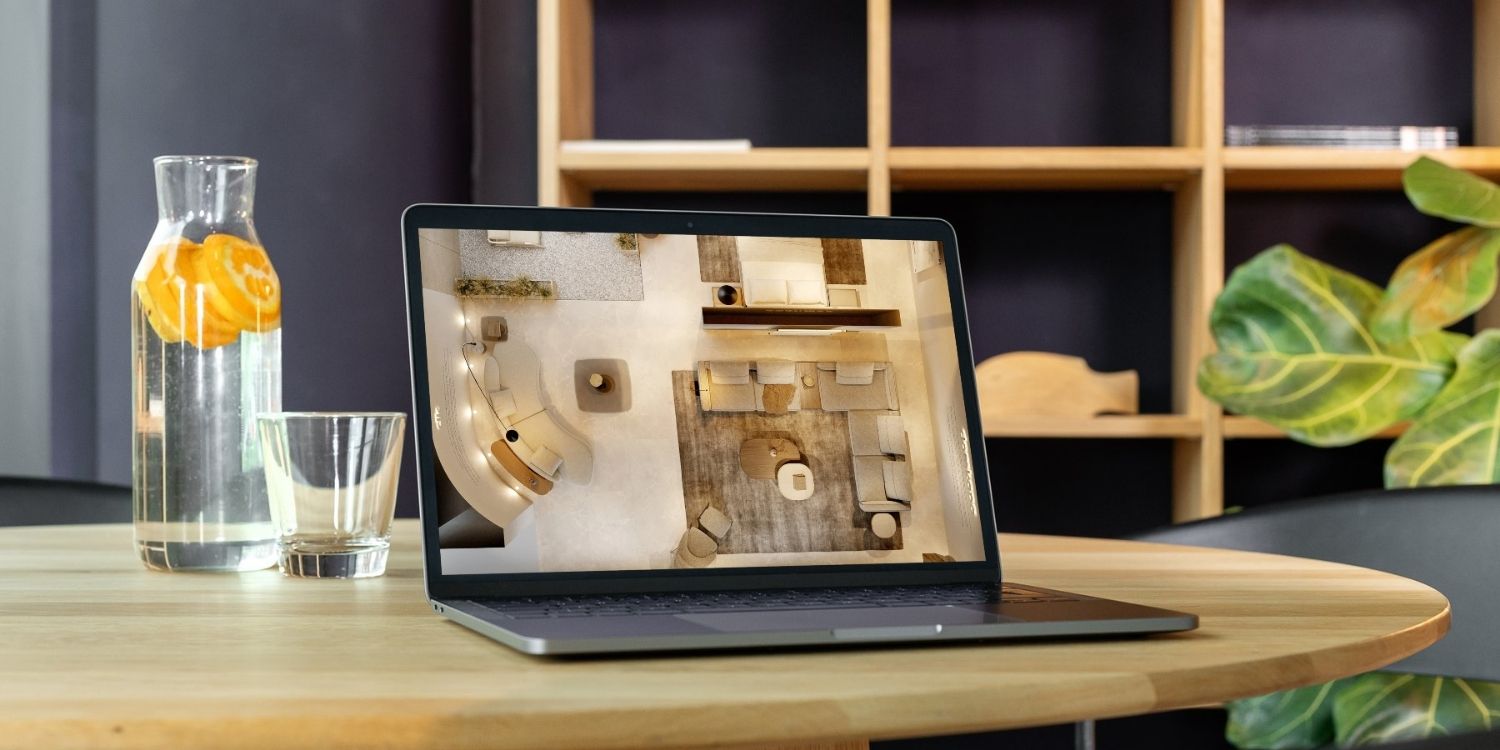
The foundation of any successful contemporary interior is spatial clarity. Before a single piece of furniture is selected, the room itself must be considered – its proportions, its flow, its purpose. Contemporary design favours open, uncluttered plans where each object earns its place.
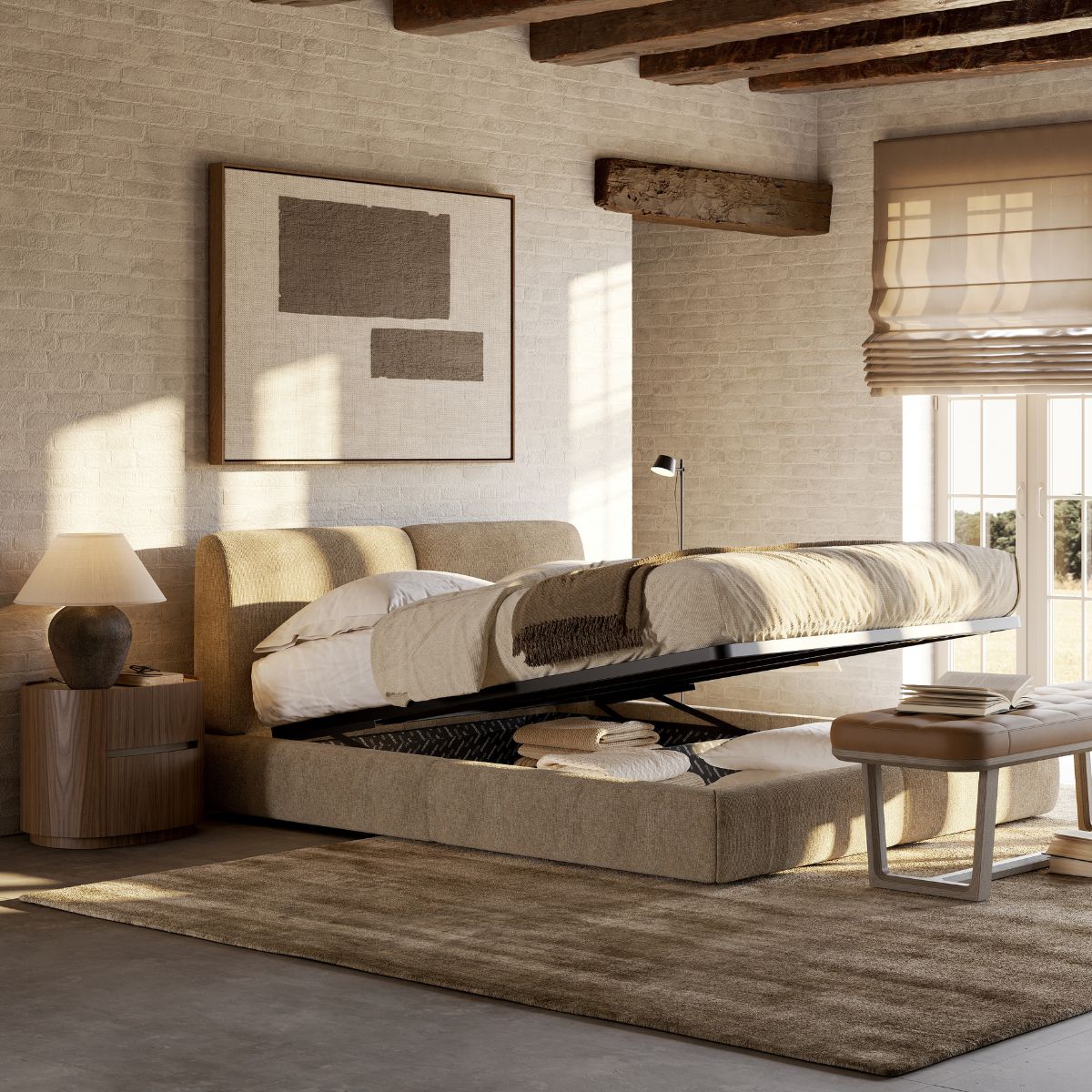
This begins with storage. Concealed, integrated and architecturally resolved – good storage is what allows the rest of the room to breathe. When clients feel the pull to hold onto everything, the answer is rarely editing their belongings; it is designing smarter homes for them.
Furniture with Purpose and Form
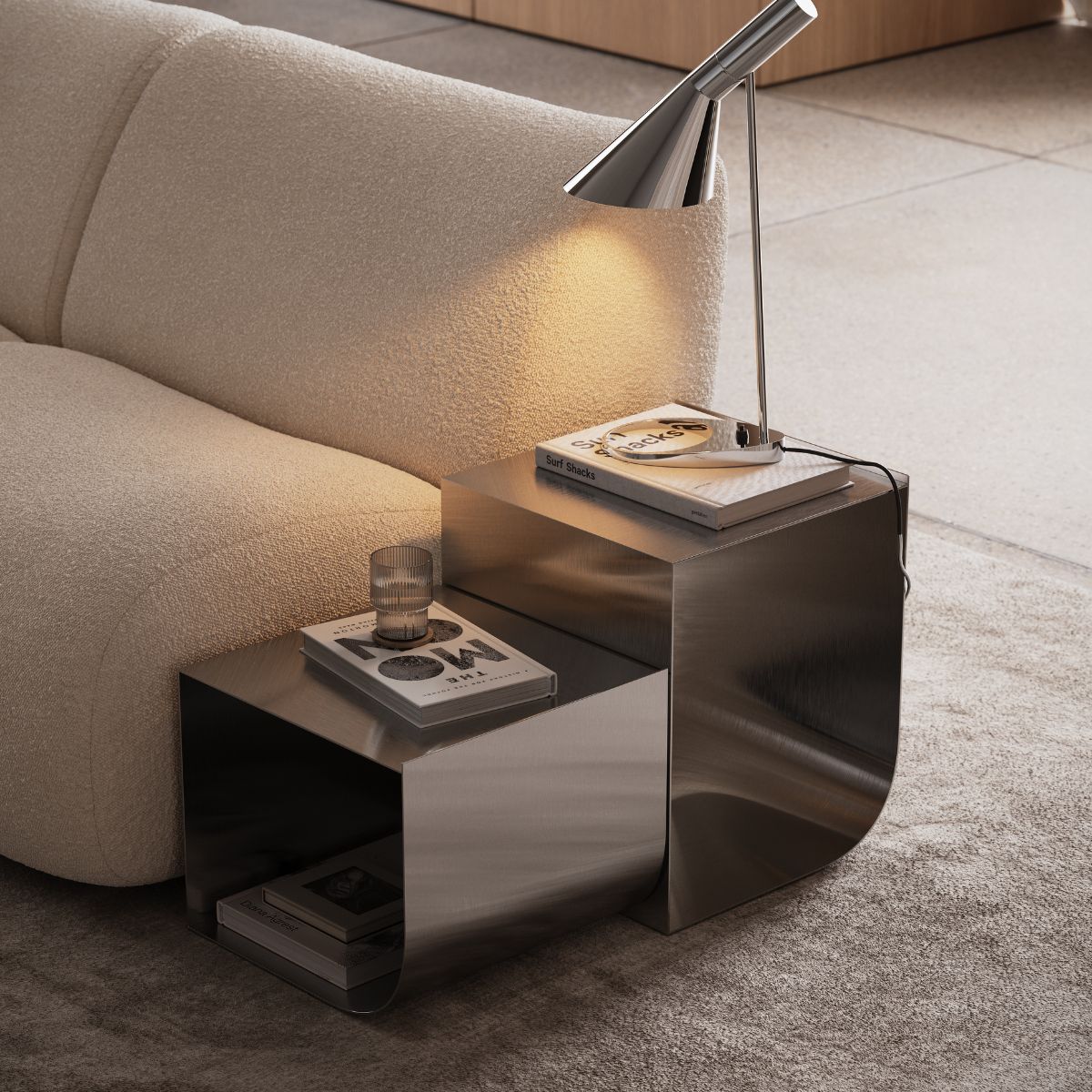
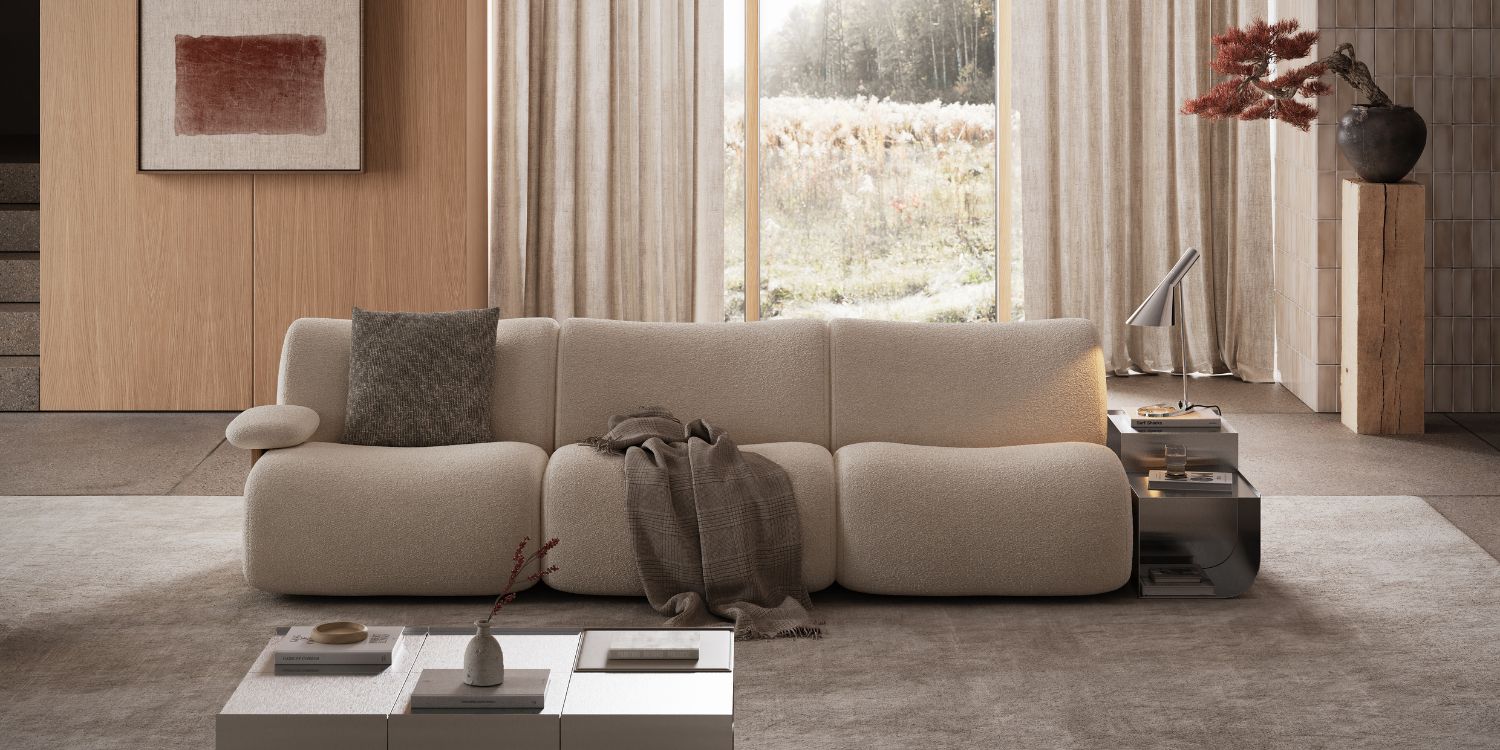
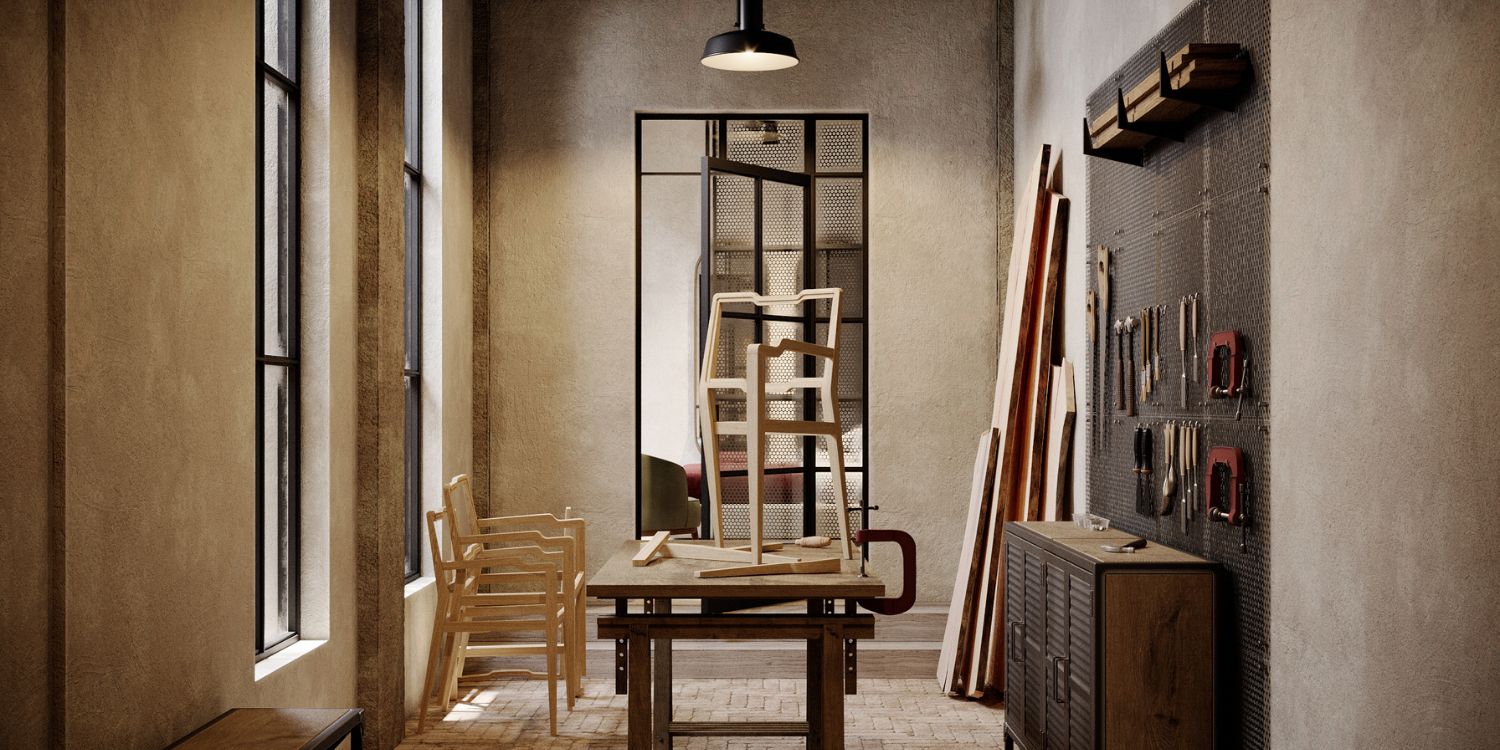
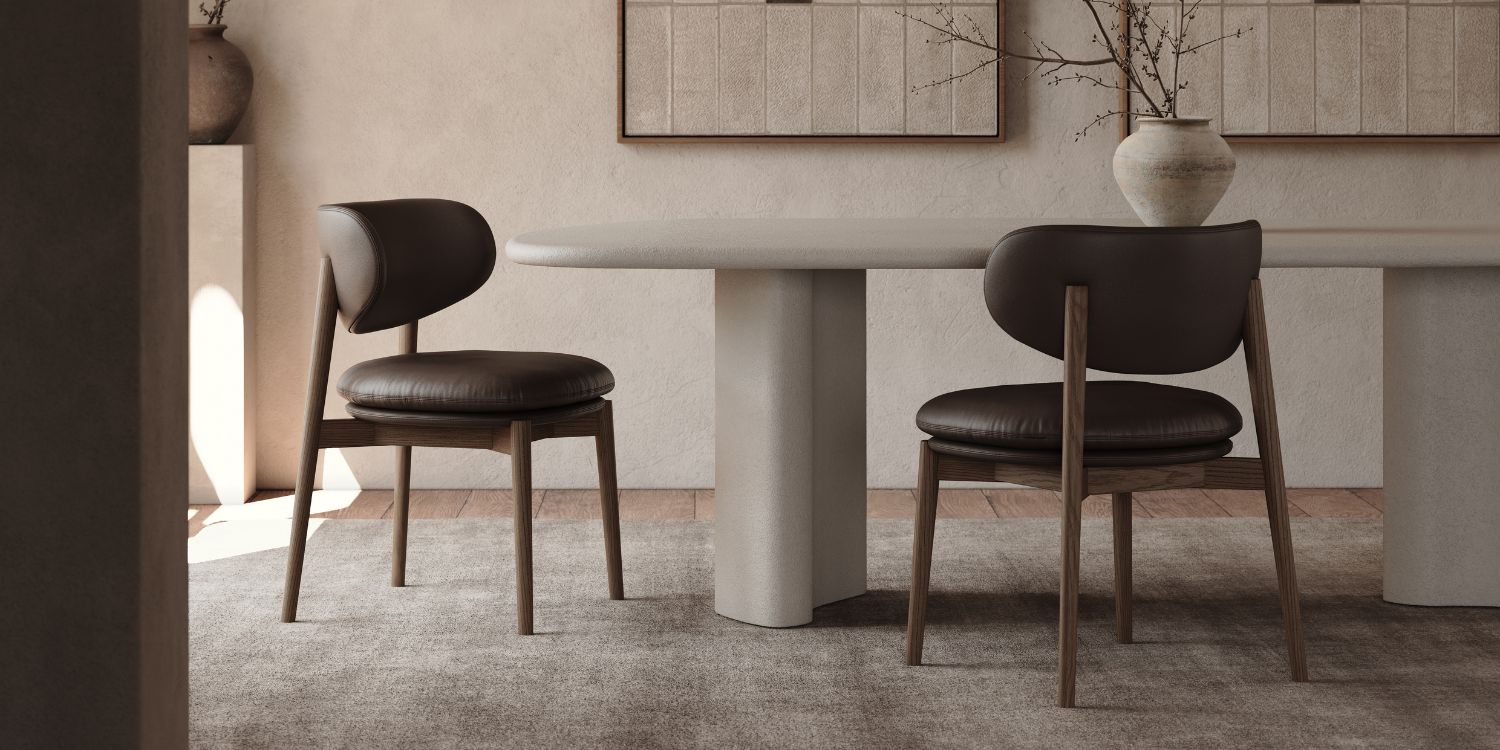
Contemporary furniture is characterised by clean geometry and honest construction. Lines are considered. Profiles are precise. There is no ornamentation for its own sake – only form that follows function and, occasionally, transcends it.
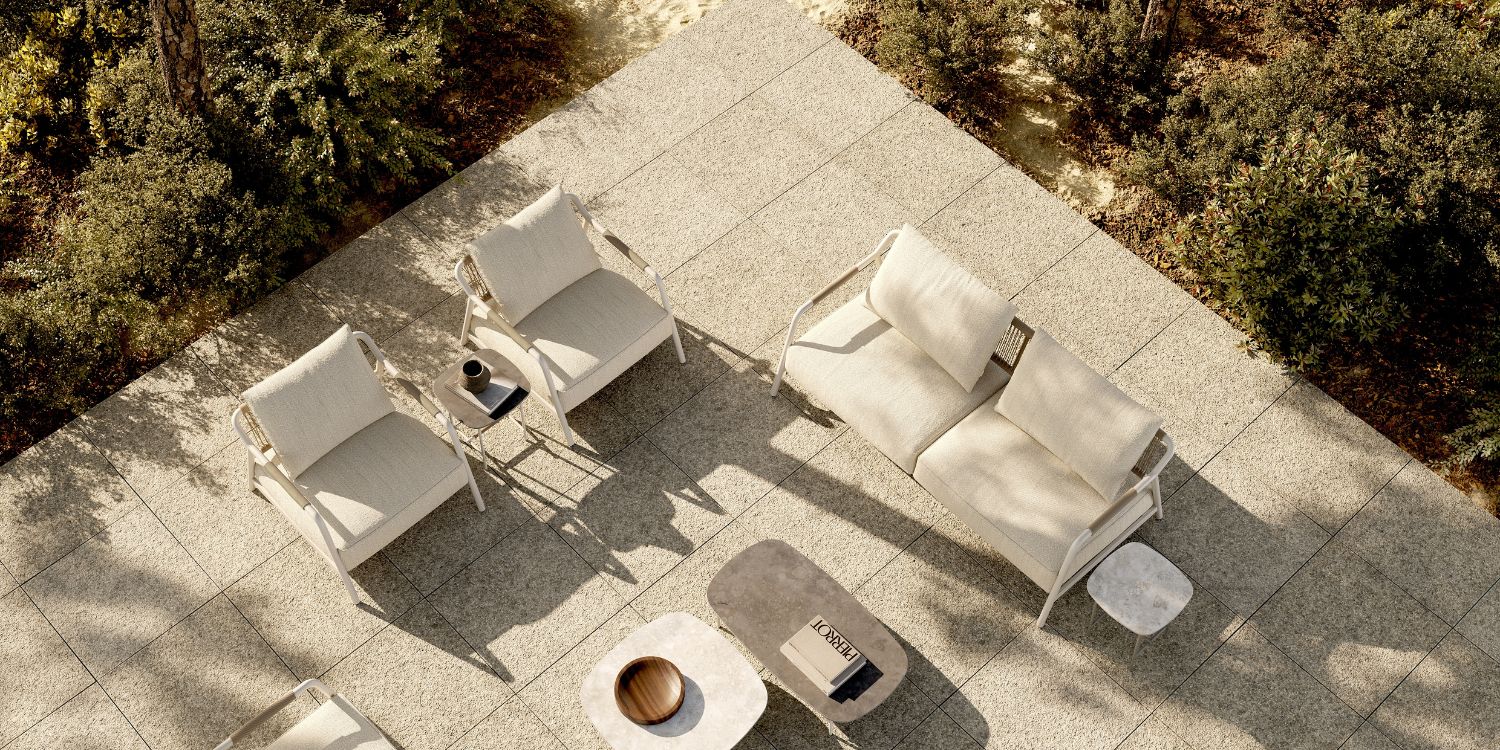
When specifying for contemporary interiors, look for pieces that carry visual weight without bulk and that offer versatility without compromise. The best contemporary furniture is the kind that disappears into a scheme when needed and commands attention when it should.
Material Intelligence
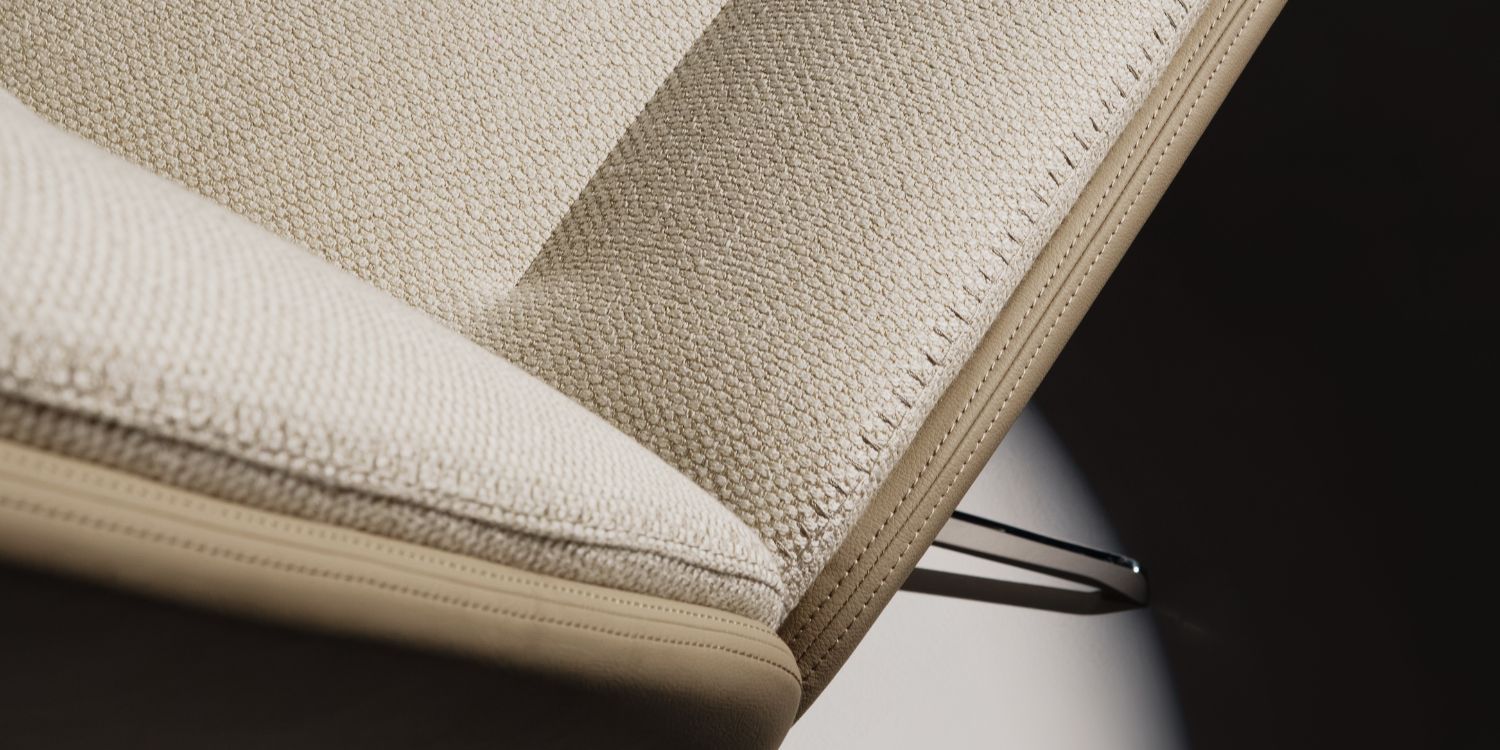
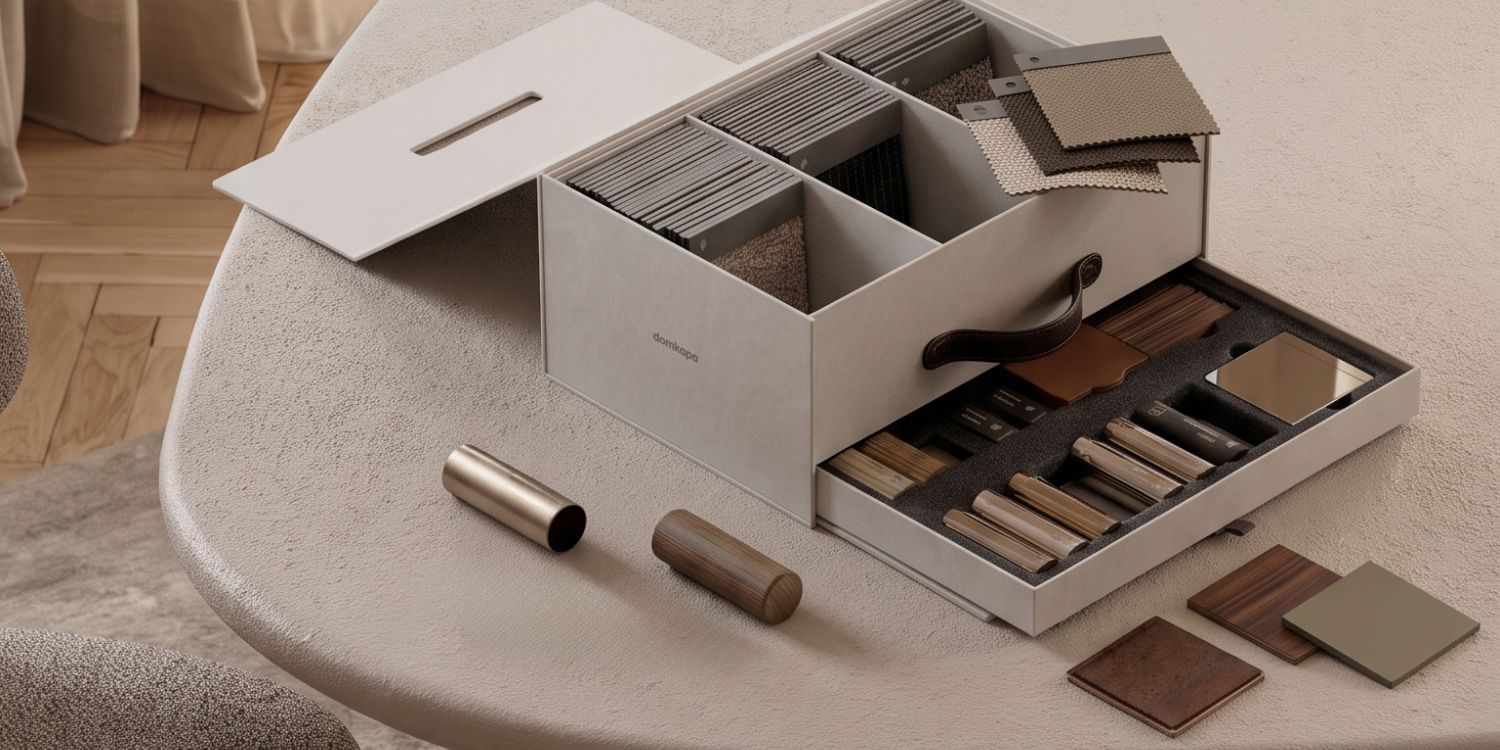
Natural materials – stone, solid timber, textured metals, clear glass – are the backbone of the contemporary palette. They age with character, developing patina rather than dating. More importantly, they give clients spaces they will still love in ten years.
Trend-led materials have their place in accessories and soft furnishings, where they can be refreshed affordably. The primary specification, however, should always be built around longevity. A well-chosen stone surface or a piece of furniture in a considered natural finish will outlast every mood board that inspired it.
Colour: The Art of Restraint and Contrast
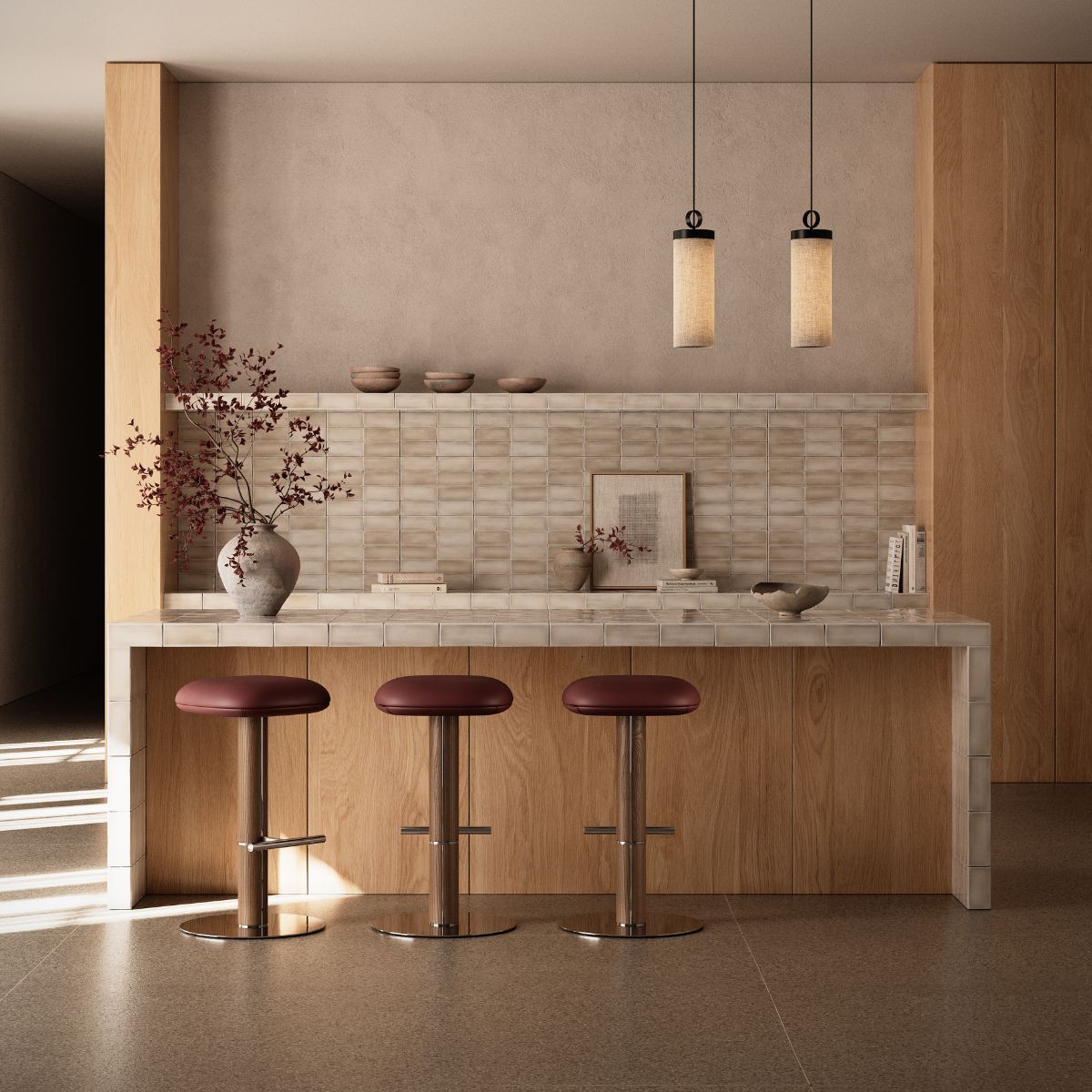
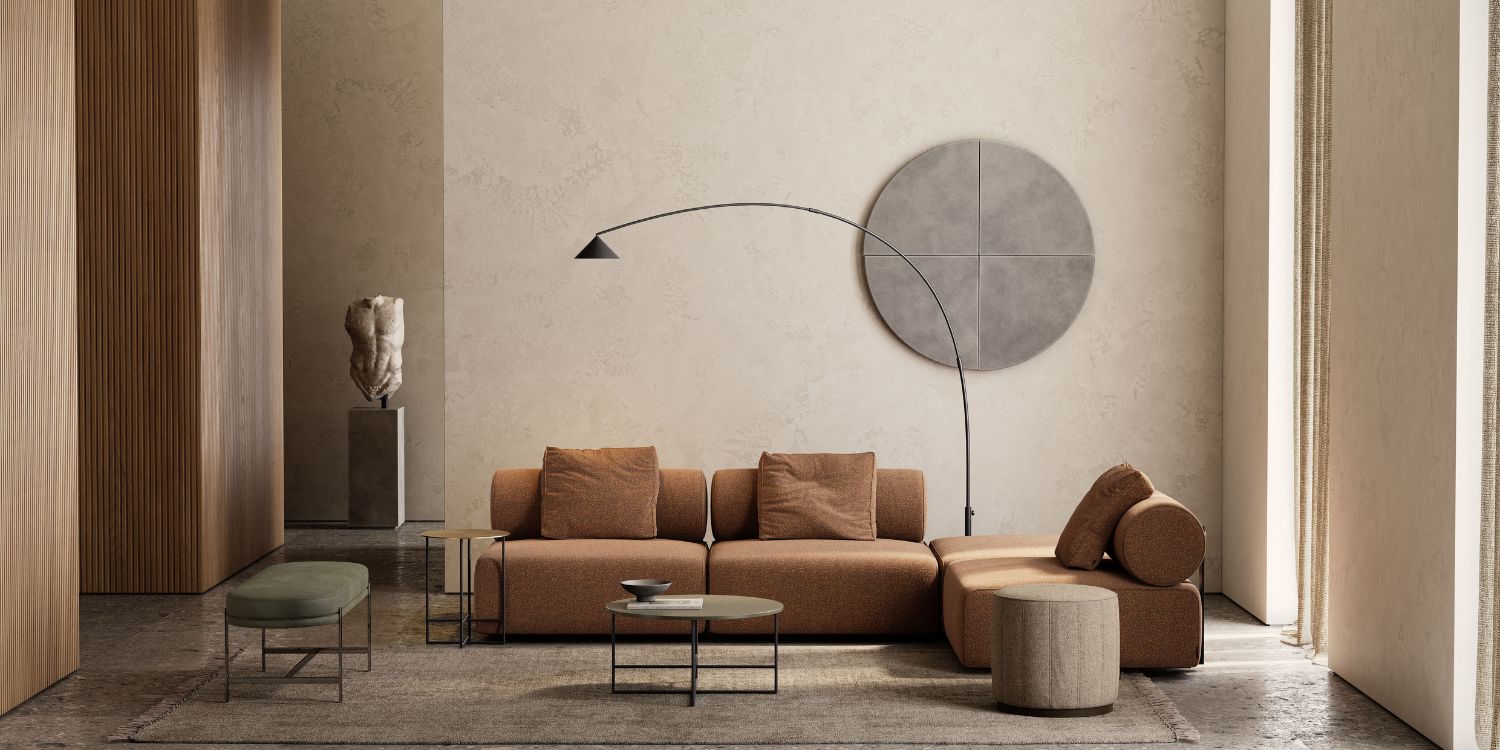
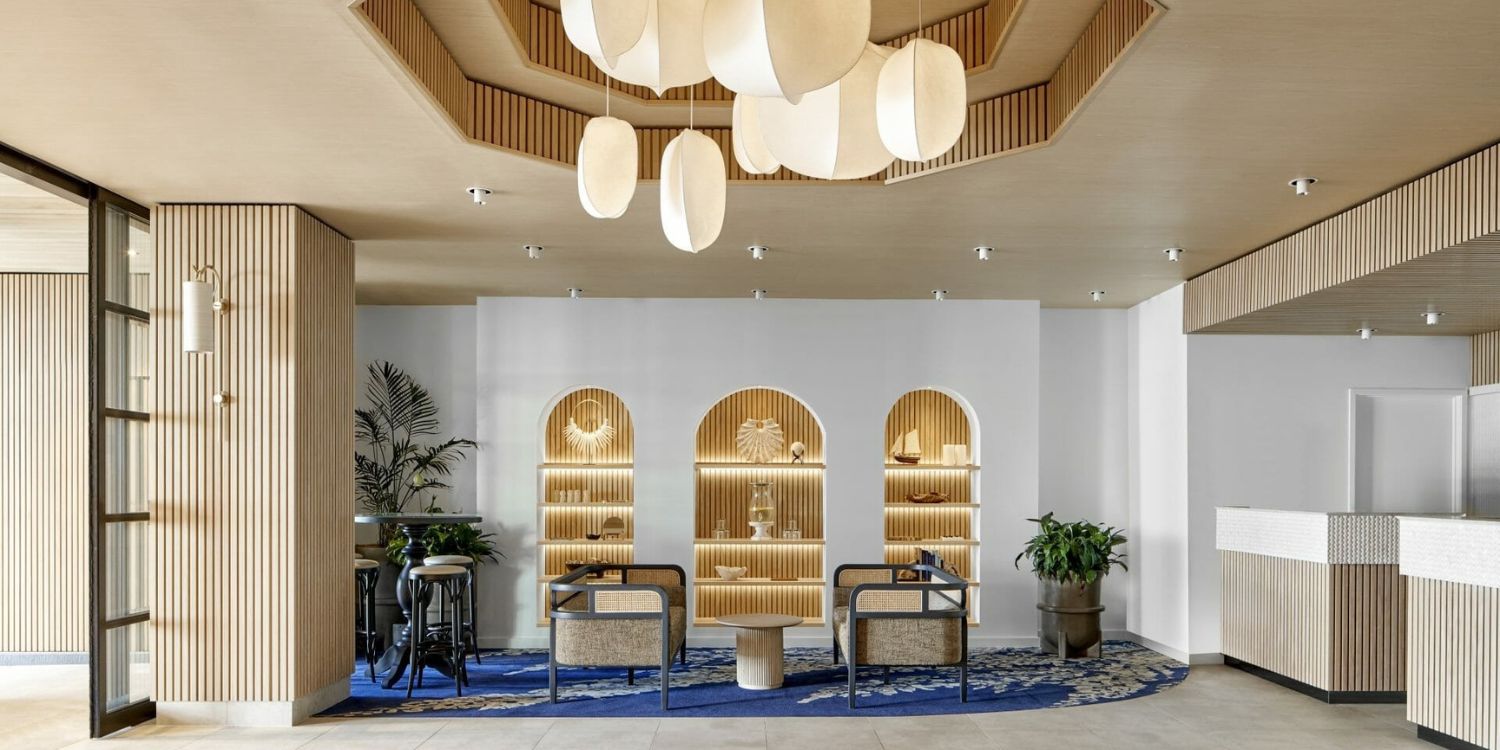
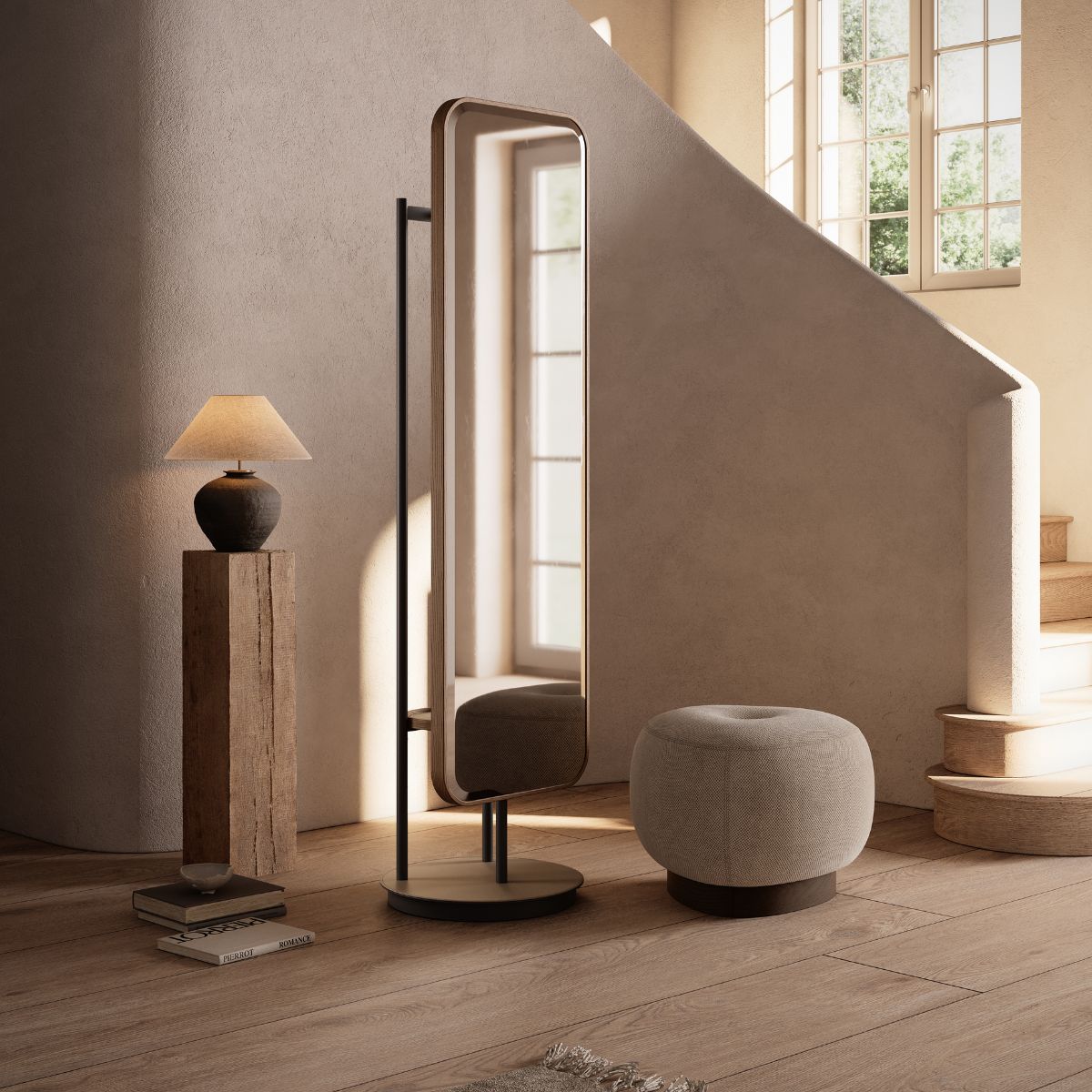
Contemporary interiors are rarely monochromatic, but they are always deliberate. The signature move is bold colour played against a neutral ground – a single saturated tone introduced through upholstery, joinery or a statement piece, anchored by the calm of linen, plaster or raw concrete.
Avoid layering competing prints. Let a pattern, where it appears, do its work quietly – in the weave of a rug, the grain of a timber or the texture of a wall finish.
Flooring and Texture as Architecture
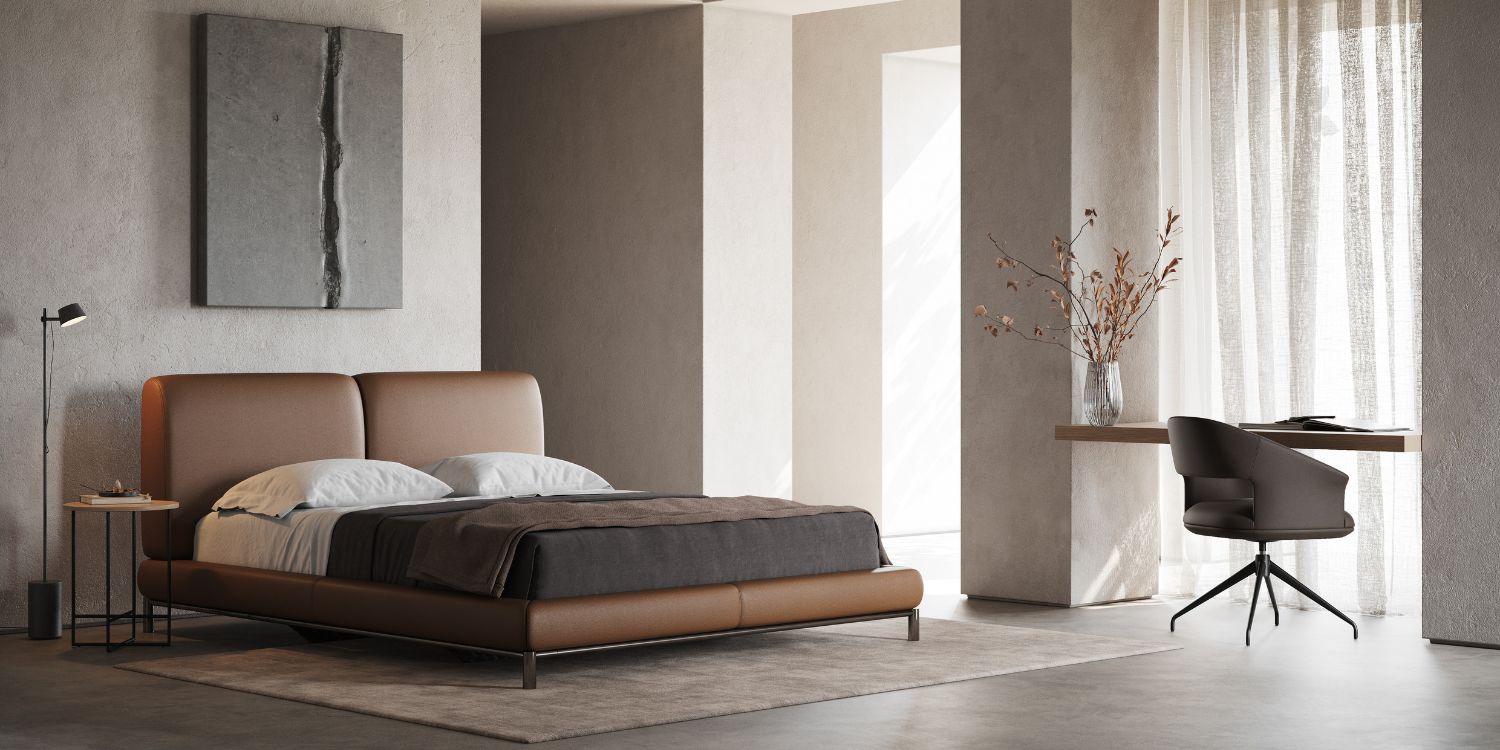
Smooth, continuous flooring – polished concrete, large-format stone, wide-plank timber – creates the horizontal plane that grounds a contemporary scheme. It is not a passive choice. The material and finish of the floor sets the entire tonal register of the room.
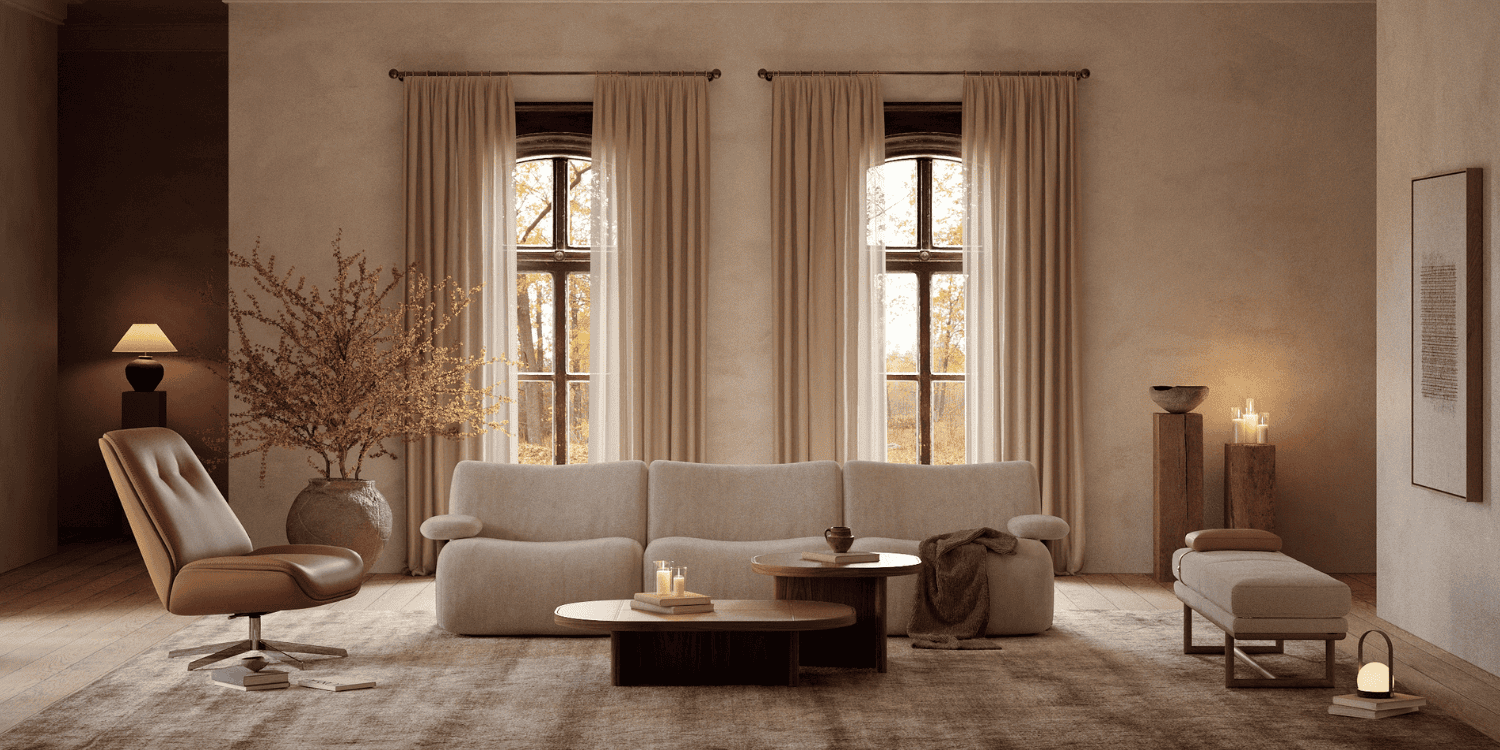
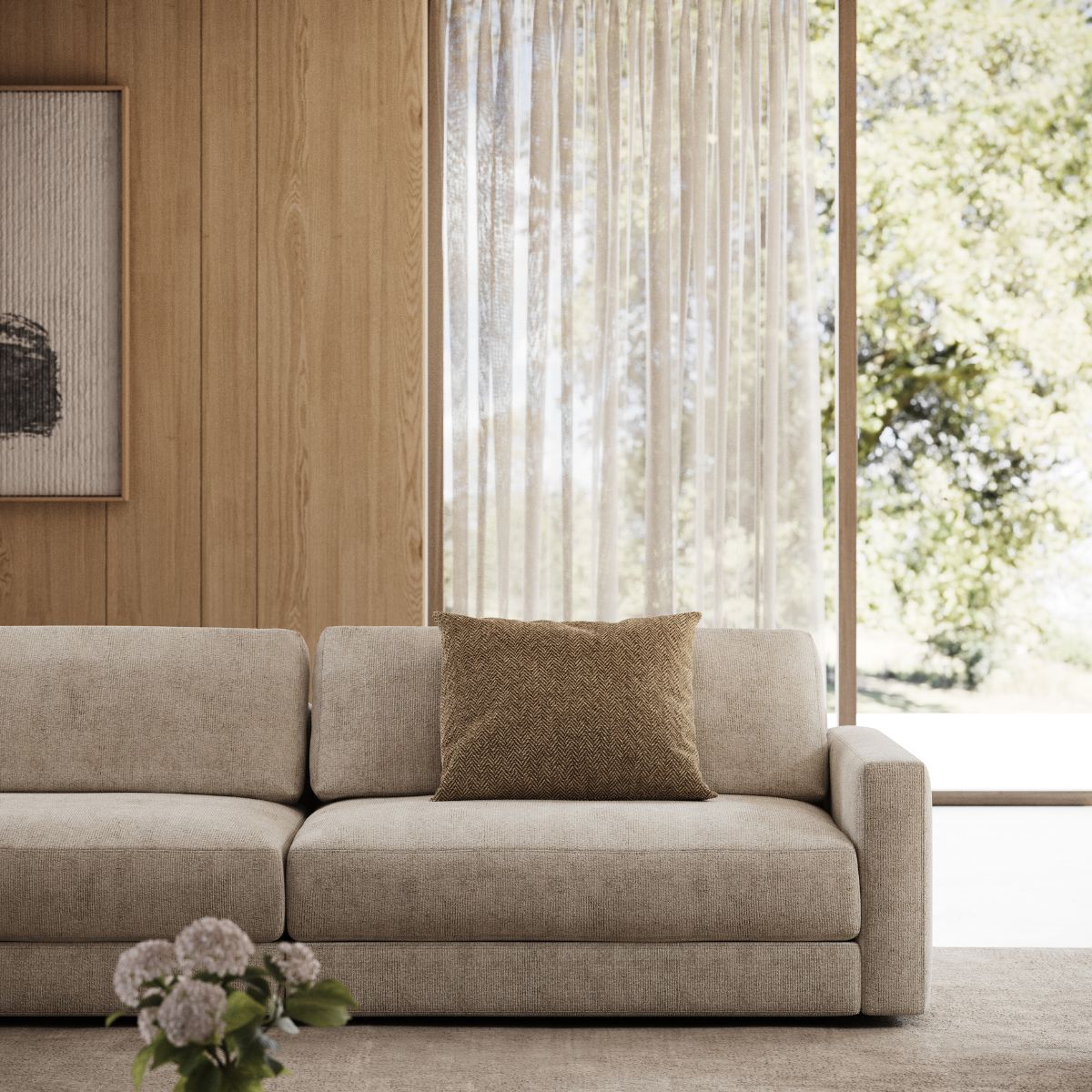
Texture enters through layering: rugs that introduce warmth underfoot, curtains that soften window reveals, tactile cushions and throws that invite touch. These elements shift the room’s mood without disrupting its structure. Used with restraint, they are what separates a well-designed contemporary interior from one that simply feels bare.
Detail as Signature
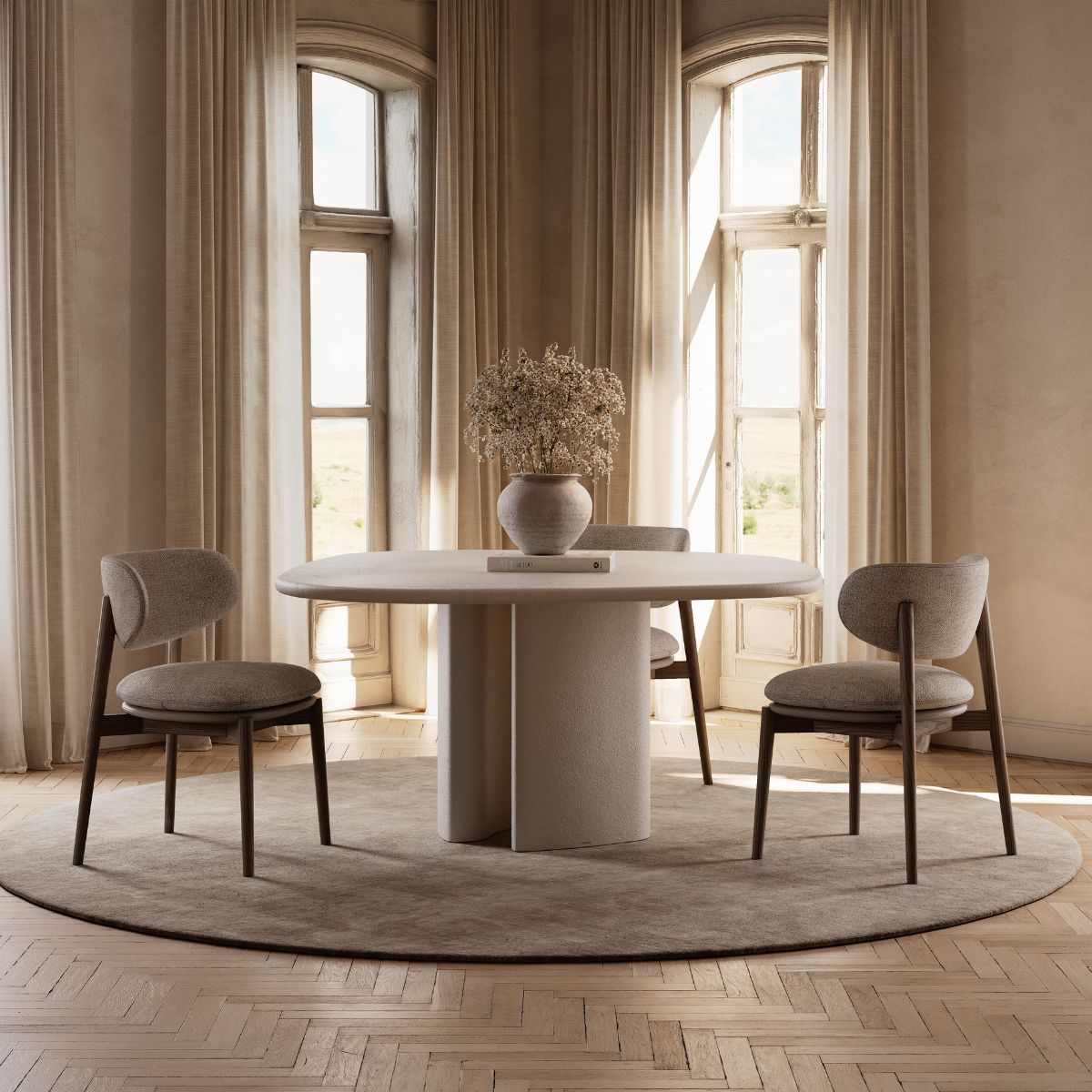
The difference between a competent contemporary interior and a memorable one often comes down to a single decision made with conviction. A light fitting with an unexpected silhouette. A handmade ceramic piece placed with precision. A plant – large-scaled, dramatic – that brings organic tension to an otherwise geometric space.
These details are not afterthoughts. They are the moments that give a scheme its character and, ultimately, its staying power.
Contemporary design rewards designers who understand its principles well enough to bend them. It is a style that resists completion – always in conversation with what comes next. For specifiers who work within it, that is not a limitation. It is the invitation.
Explore the Domkapa collection and find the pieces that bring your contemporary projects to life.
YOU MAY ALSO LIKE: The Essential Principles of Feng Shui
We are working every day to bring you the most stylish ideas to fulfil your inspiration and to create the best interior design projects, so feel free to follow our Instagram Page and subscribe to our newsletter.