

For years, interior design has seemed to oscillate between two familiar positions: less is more and more is more.
On one side, minimalist interior design has offered calm, clarity and visual simplicity. On the other, maximalism has celebrated colour, pattern, collecting and personal expression. Both approaches can create compelling spaces. Yet for many contemporary clients, neither extreme quite reflects the way they want to live.
They want cleaner spaces, but not rooms that feel empty. They want personality, but not visual clutter. They want comfort without sacrificing sophistication and statement pieces without every object competing for attention.
Enter Midiminimalism.
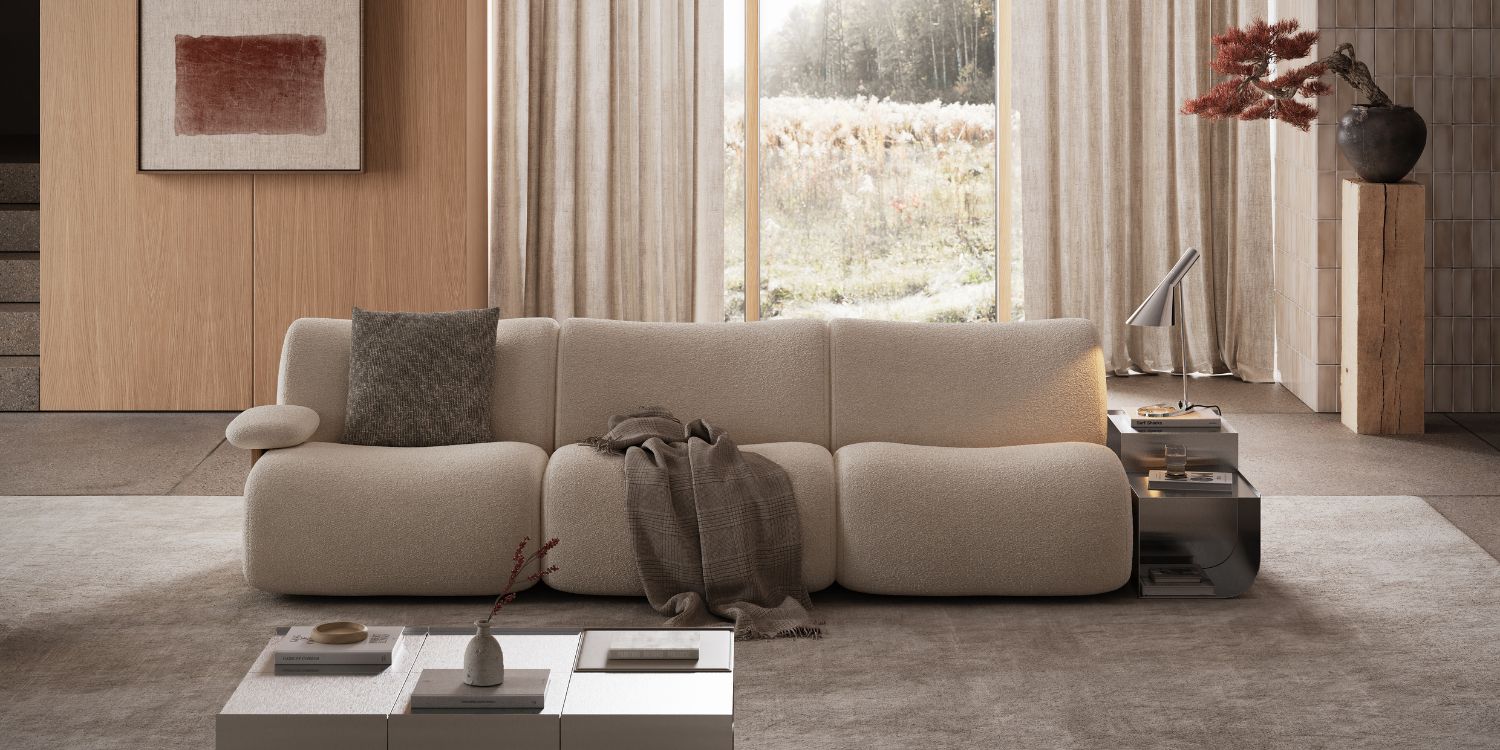
More than minimalism with a few extra cushions or maximalism edited back, Midiminimalism is an approach to interior design built around intentional restraint with room for personality. The architecture and overall composition remain calm, while carefully chosen furniture, materials, textures and personal objects introduce warmth and character.
For designers, it provides useful vocabulary for an increasingly familiar client brief: “I want it simple, but not too minimal.” The challenge, and opportunity, is understanding how to translate that feeling into a coherent specification strategy.
What Is Midiminimalism?

Midiminimalism is considered a middle ground between minimalist and expressive interiors. It starts with the visual clarity associated with minimalism but makes space for tactility, individuality and carefully controlled moments of interest.
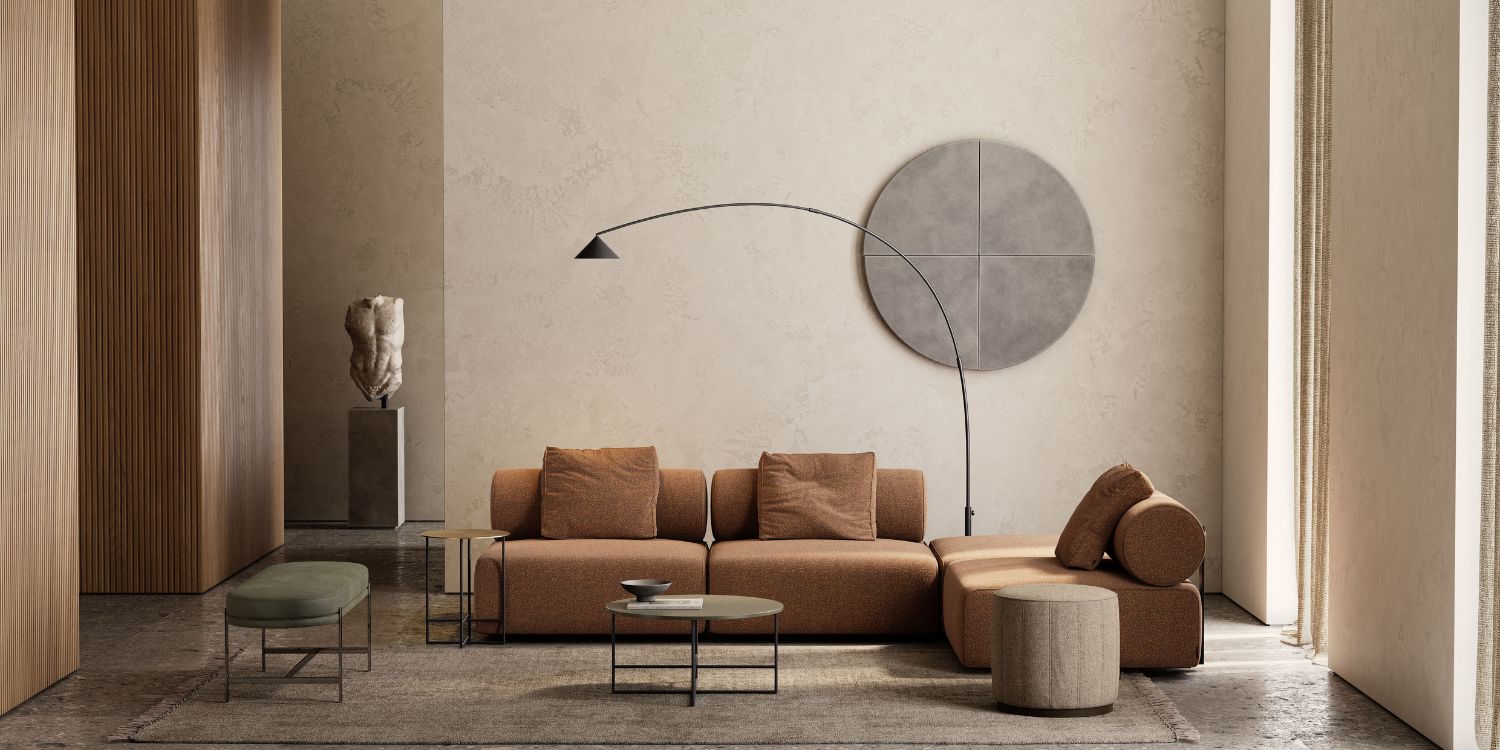
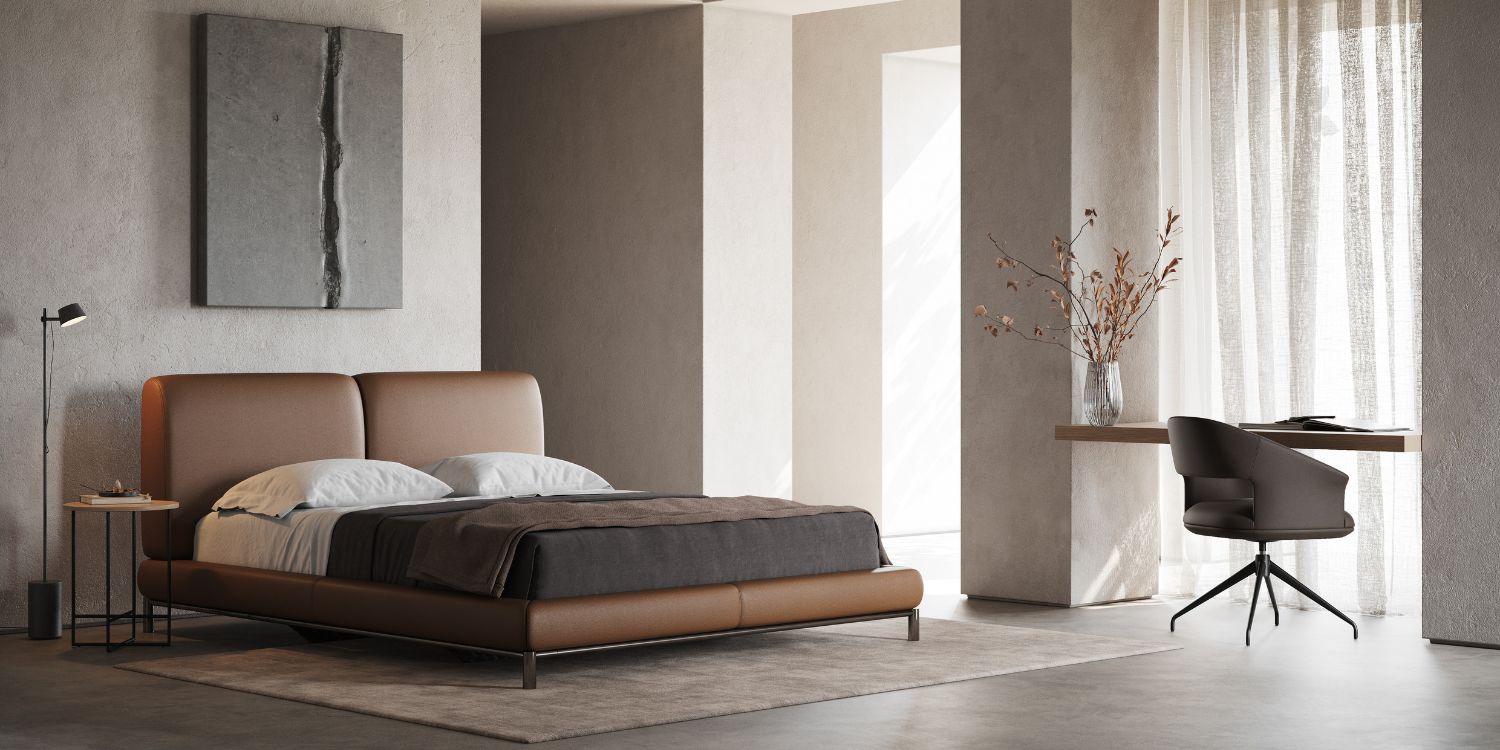
A midiminimalist interior design scheme might feature clean architectural lines and a restrained palette, then introduce a deeply textured sofa, a sculptural armchair, a vintage lamp or an unexpected artwork. The room does not rely on abundance to feel interesting. Instead, its character comes from the quality and specificity of the choices within it.
Common characteristics include:
- Clean architectural foundations;
- Warm, tactile materials;
- Restrained but layered colour palettes;
- Sculptural furniture;
- Curated objects;
- Subtle pattern;
- Layered texture;
- A strong sense of proportion.
The objective is not to fill an empty room. It is to give a restrained room enough personality to feel human. This distinction matters because Midiminimalism is not about reaching a mathematically perfect balance between minimalism and maximalism. It has its own design logic: edit the composition, then make what remains count.
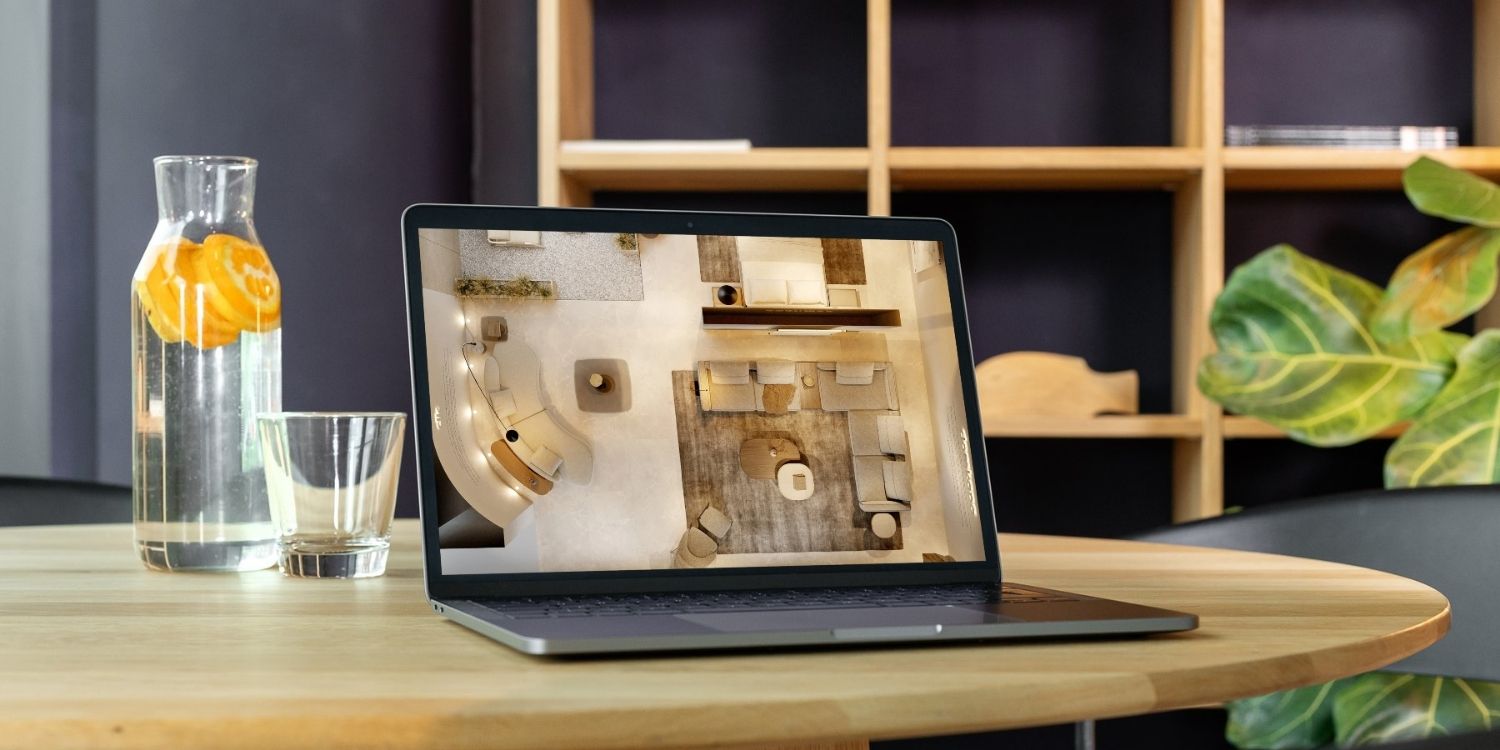
In practice, that may mean a quiet living room with one generously proportioned curved sofa, a stone coffee table, an expressive chair and a small collection of objects with personal meaning. There may be relatively little in the room, but very little feels generic.
Why Clients Are Moving Beyond Minimalism
Stark minimalism has undeniable appeal. It can make spaces feel calm, organised and architecturally focused. But when interpreted too literally, it can also become impersonal, cold or visually repetitive.
There is also a practical problem: homes are lived in.
Books accumulate. Objects carry memories. Textiles invite comfort. Families need surfaces, storage and furniture that can tolerate everyday life. An interior designed around eliminating all visible evidence of living can become surprisingly difficult to maintain.
At the same time, contemporary interior design has shifted towards greater interest in emotional design, tactility and individuality. Clients increasingly want spaces that feel comfortable as well as composed, collected rather than purchased in one afternoon and personal without becoming chaotic.
Social media has played a role too. Exposure to a much broader range of homes, designers and visual references means clients are often less interested in committing to one rigid aesthetic. A homeowner may appreciate the calm of Japanese-influenced minimalism, the warmth of Mediterranean materials and the personality of a vintage Italian chair – all in the same room.
This is part of the appeal behind Midiminimalism. It permits designers to combine restraint with personal storytelling.
Rather than asking, “Is this minimalist?” the more useful question becomes: “Does this add something meaningful to the composition?”
Minimalism vs. Midiminimalism vs. Maximalism
Element |
Minimalism |
Midiminimalism |
Maximalism |
|---|---|---|---|
| Colour | Limited, often monochromatic | Restrained, tonal and occasionally punctuated | Layered, bold and often varied |
| Furniture | Simple, reduced forms | Fewer pieces with stronger silhouettes | Multiple expressive and often contrasting pieces |
| Materials | Often consistent and restrained | Rich tactile variation within a controlled palette | Diverse, mixed and deliberately abundant |
| Accessories | Minimal or highly edited | Curated and personal | Collected, layered and plentiful |
| Pattern | Rare or absent | Subtle, occasional and strategic | Frequent and often mixed |
| Visual density | Low | Moderate, with intentional breathing room | High and compositionally layered |
| Personality | Expressed through restraint | Expressed through meaningful choices | Expressed through abundance and juxtaposition |
The key point is that Midiminimalism is not simply a compromise in the maximalism vs minimalism debate. It does not take half the accessories away from maximalism or add a few decorative objects to minimalism.
Its defining principle is selective intensity: a calm overall composition with specific areas of material, sculptural or emotional richness.
The Five Principles of Midiminimalist Interiors
1. Start With a Quiet Foundation
A successful Midiminimalist space usually begins with architectural clarity.
Neutral backgrounds, simple flooring and restrained built-ins create visual breathing room. Walls do not need to be white and neutral does not mean colourless, but the larger surfaces should allow furniture and materials to register clearly.
Think of the foundation as the pause between sentences. Without it, every design gesture has to work harder to be noticed.
In a residential living room, for example, warm plaster walls, oak flooring and integrated storage may provide a quiet framework. The character can then emerge through a curved sofa, a textured rug or a distinctive light.
3. Layer Texture Before Colour
One of the easiest ways to make a neutral room feel rich rather than bland is through tactile variation.
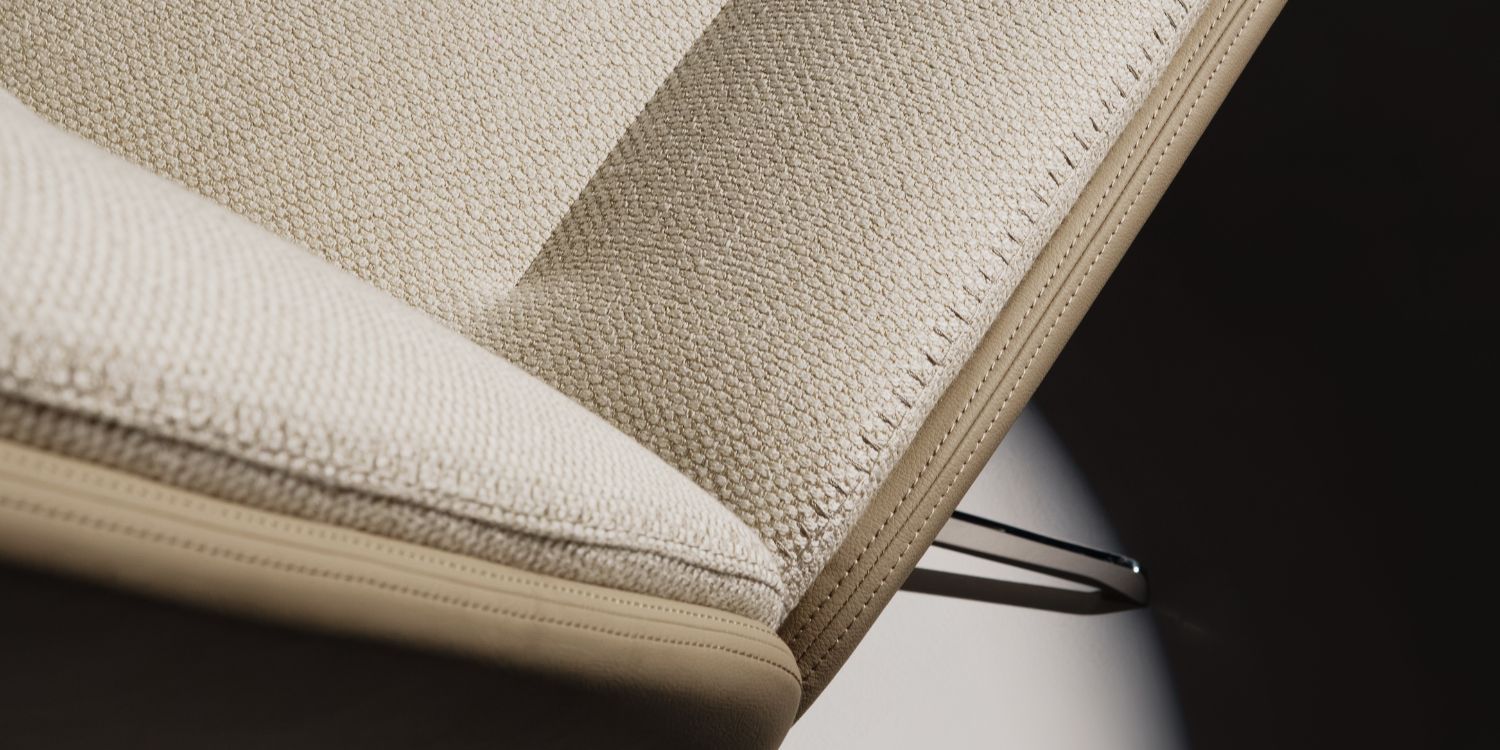
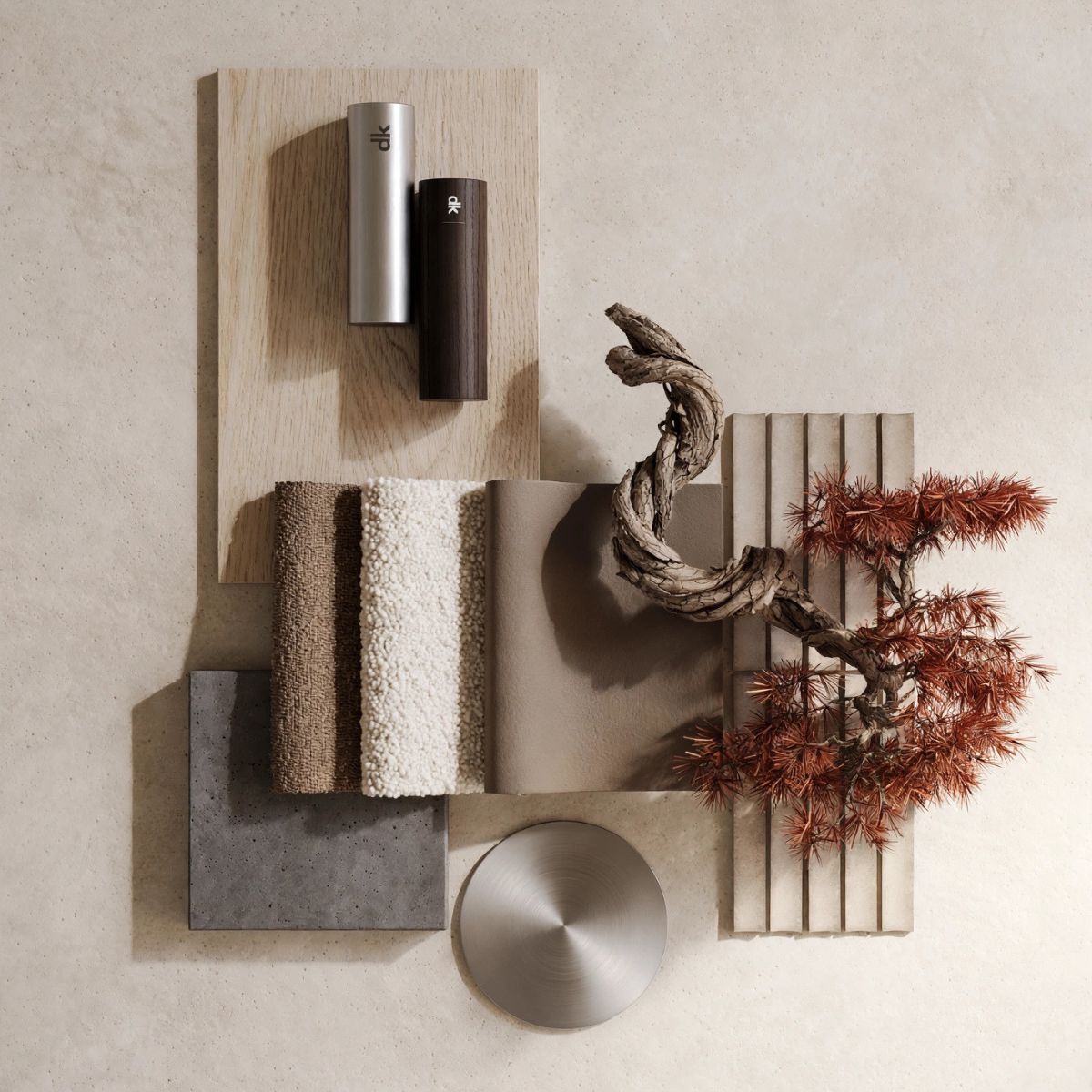
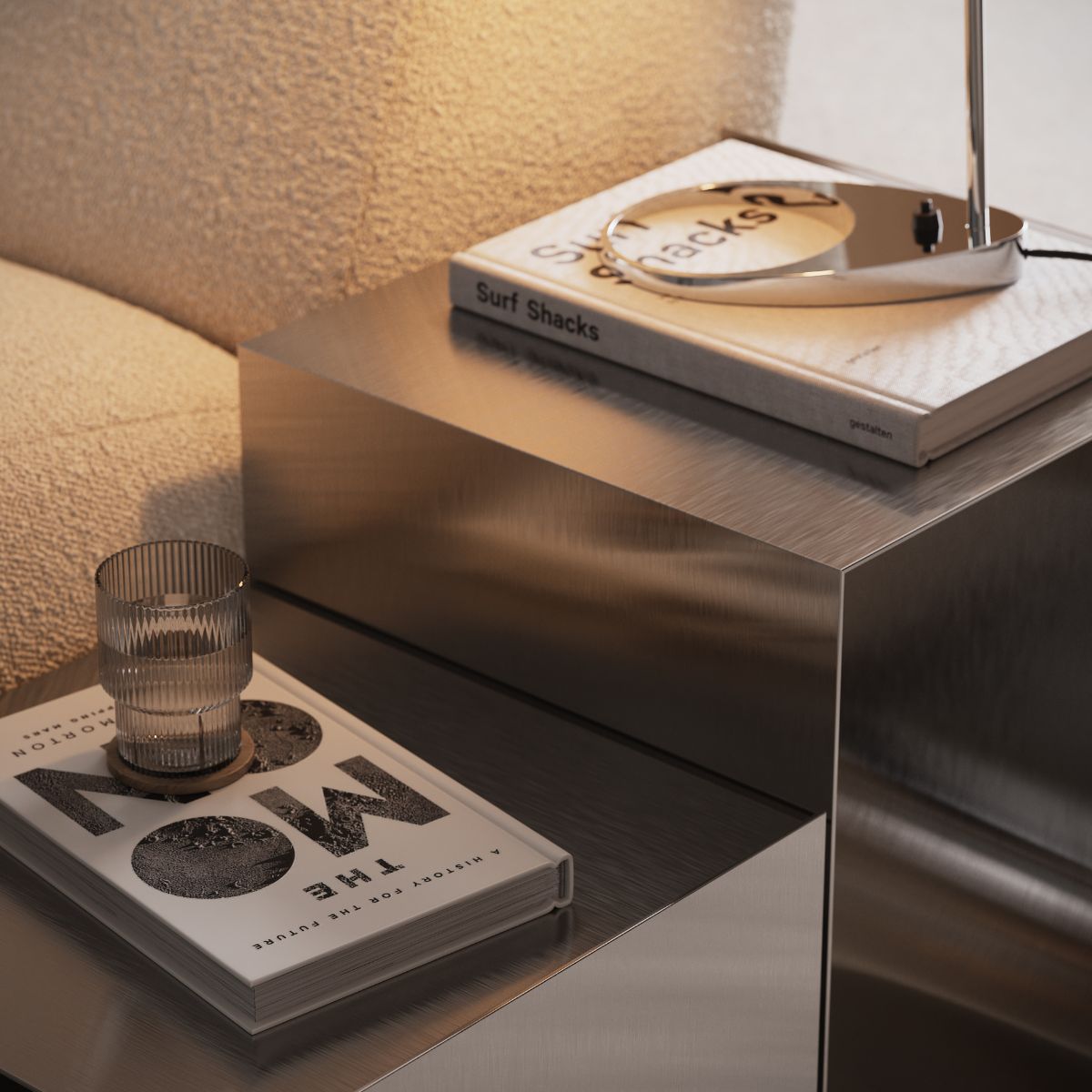
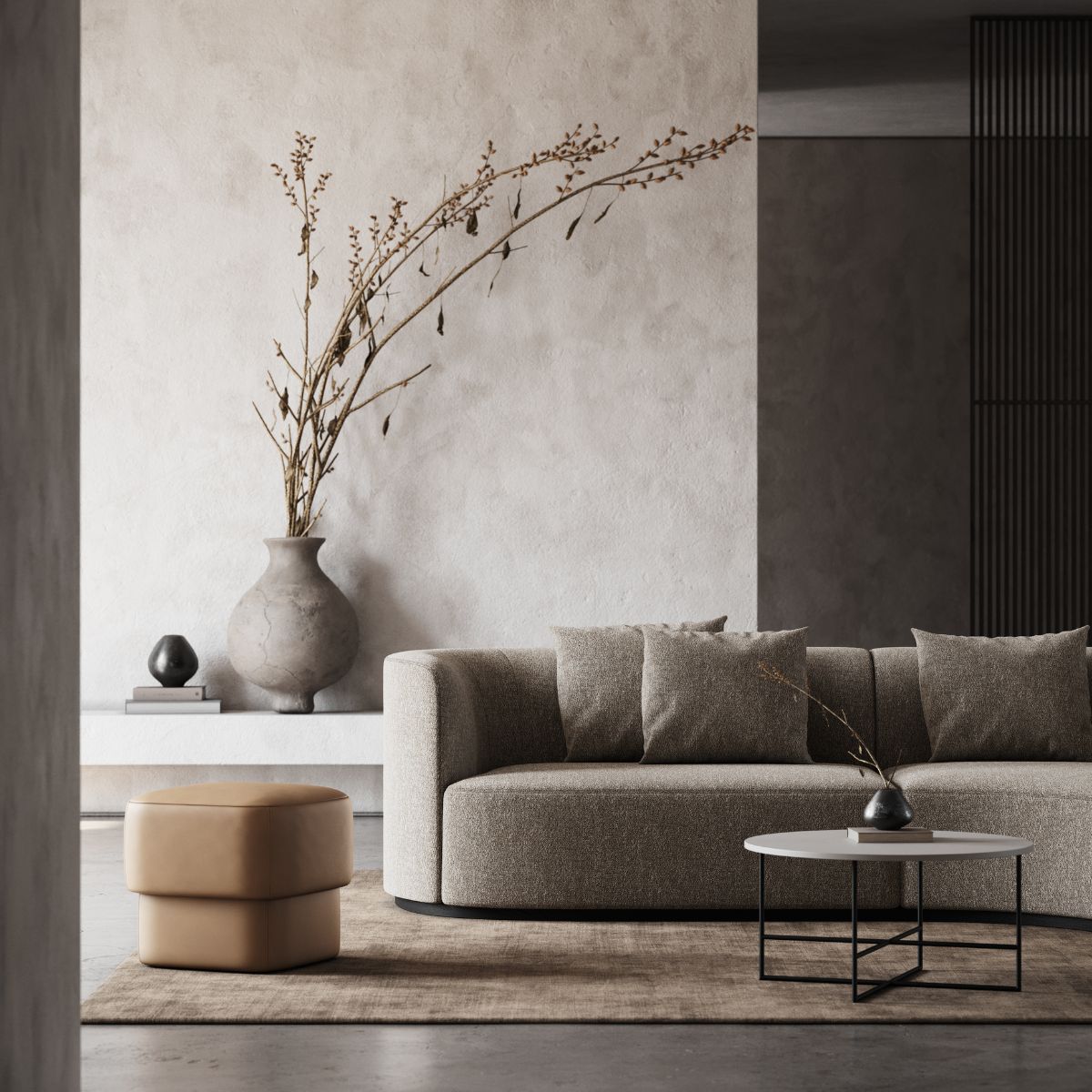
Bouclé, linen, wool, leather, timber, stone and metal all reflect light differently and invite different sensory responses. A cream palette can therefore contain considerable depth when one surface is dry and chalky, another softly woven, another polished and another naturally grained.
This approach is especially useful for clients who want calm but worry about their home looking too plain.
A warm-white wall, linen curtains, a wool-upholstered sofa, a dark timber occasional table and a brushed metal lamp may all sit within a relatively narrow colour range. Yet the room feels layered because the materials are doing the work.
5. Leave Some Space Empty
Restraint remains fundamental to Midiminimalism.
Negative space gives furniture room to be seen and allows materials to retain their impact. Not every wall needs art. Not every shelf needs styling. Not every corner needs a chair, plant or decorative object.
This can be particularly important when specifying furniture. A generous sofa may need more surrounding space than a visually lighter model. A sculptural dining table works best when its silhouette can be appreciated from multiple angles.
Sometimes the most effective specification decision is deciding what not to add.
2. Let Furniture Carry the Character
When accessories are kept under control, furniture has a more important role to play.
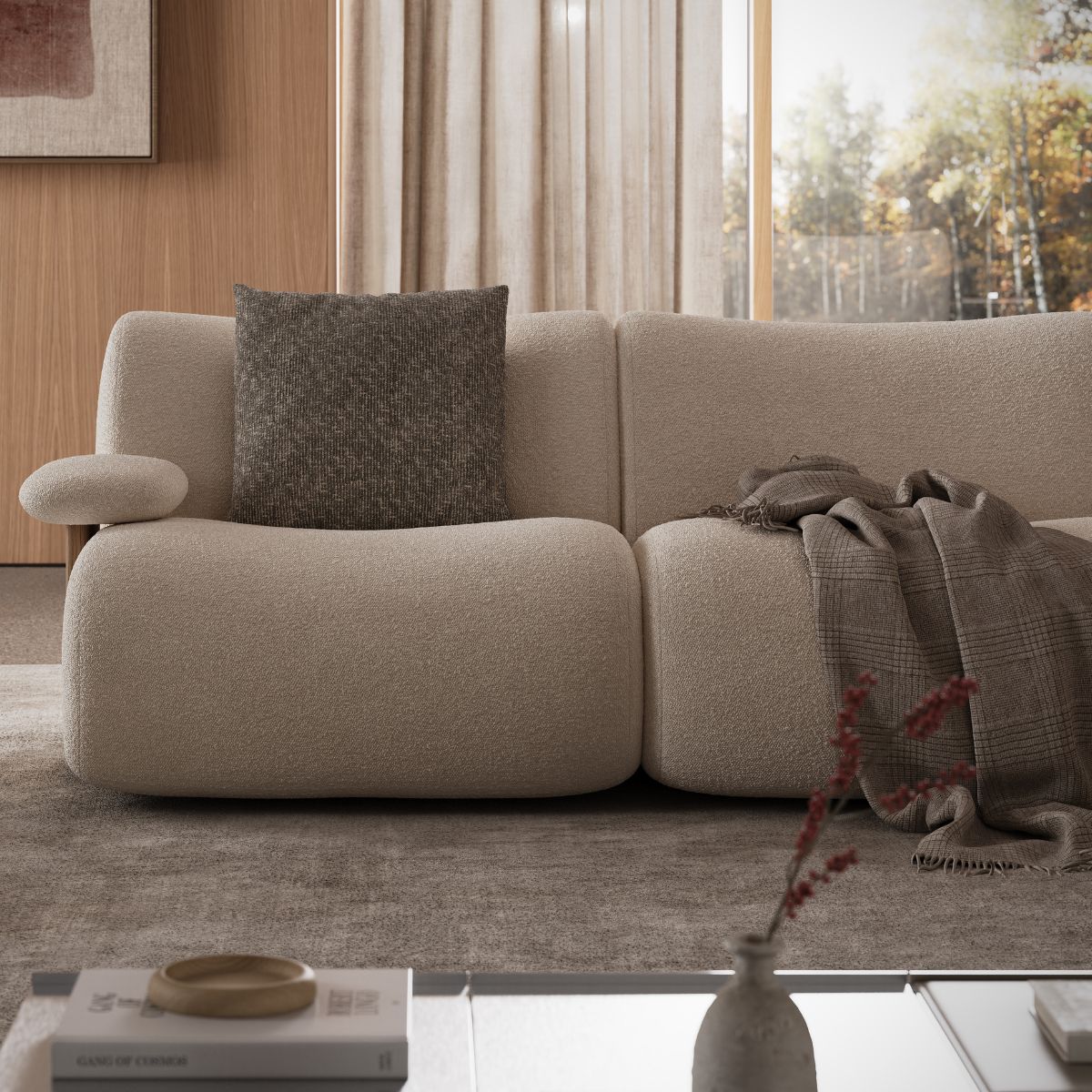
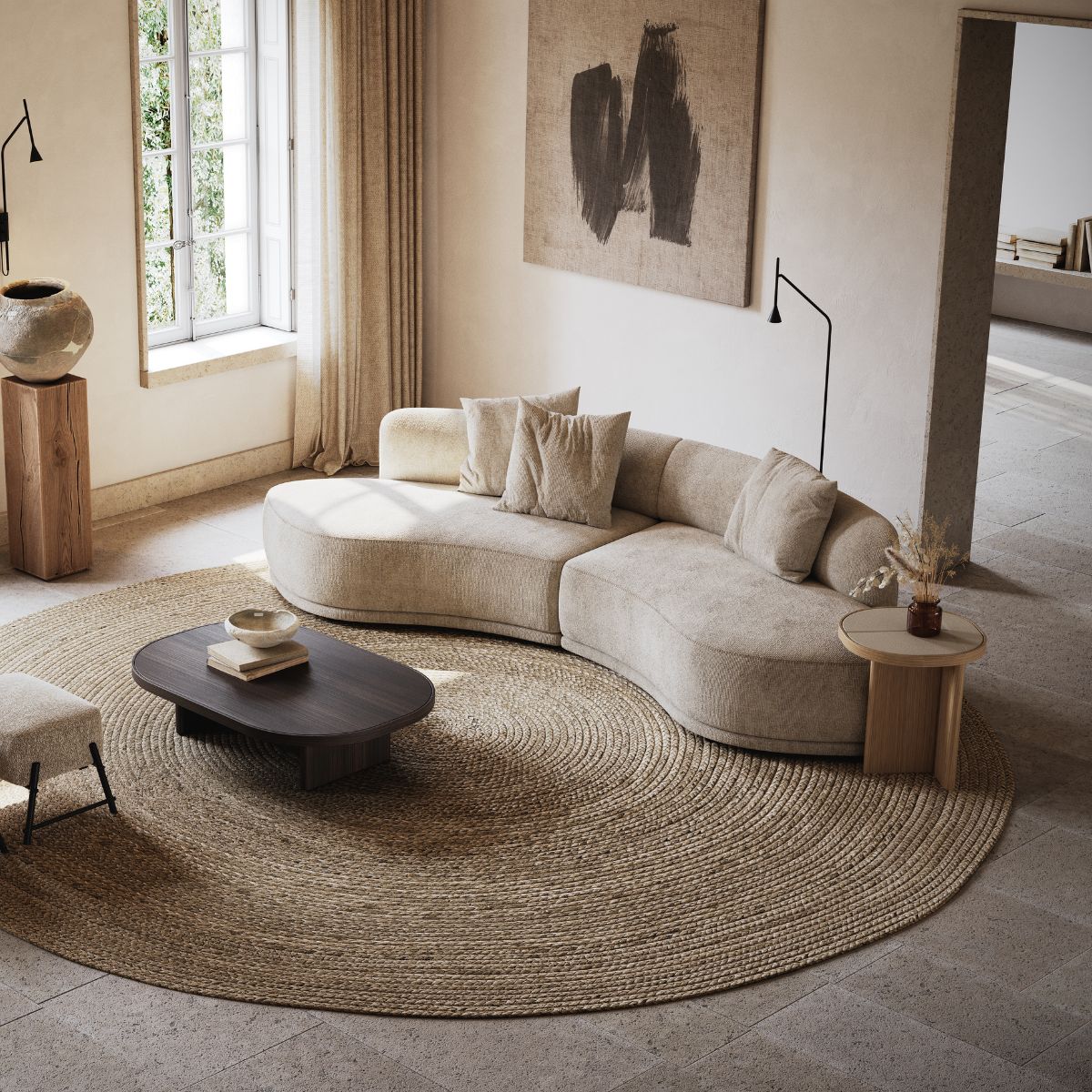
This is where sculptural silhouettes become particularly useful. A sofa with generous curves, an armchair with a distinctive profile or an organically shaped dining table can introduce personality without requiring the room to be filled with decoration.
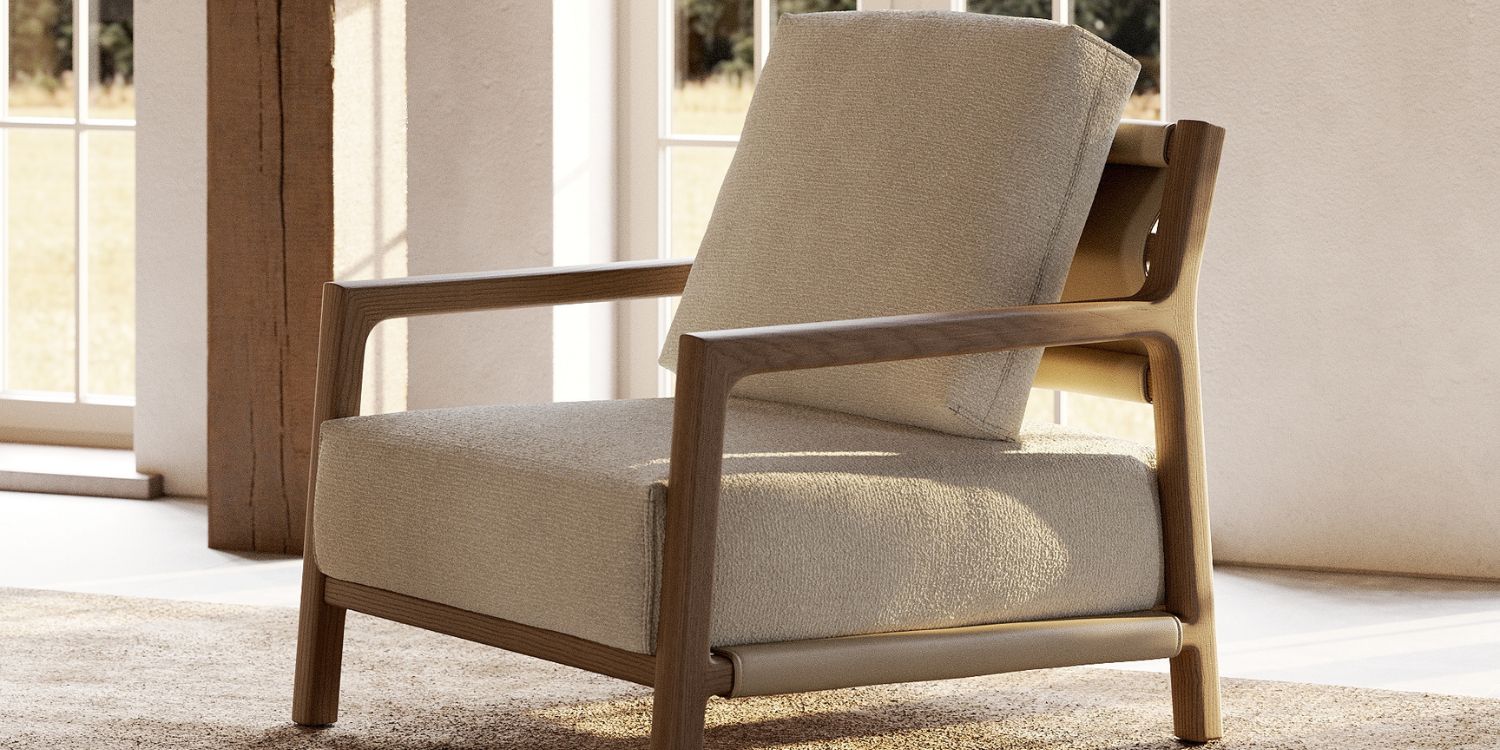
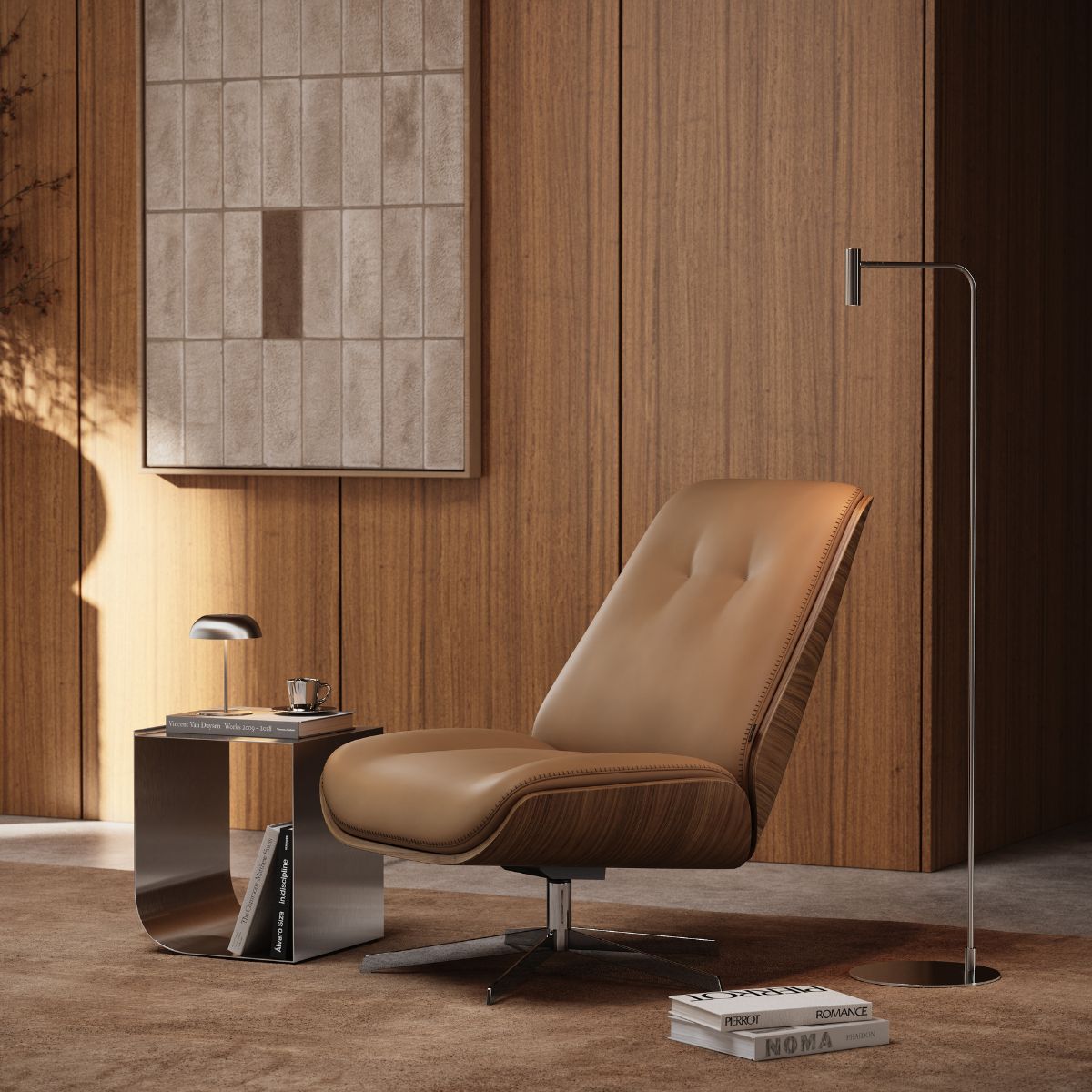
A piece such as Domkapa’s Giorgio Sofa, with its rounded and generous proportions, demonstrates how one substantial form can become a soft focal point within an otherwise restrained composition. Likewise, the architectural combination of wood and upholstery in the Alton Armchair can add material contrast without introducing visual noise.
The specification principle is simple: choose fewer, stronger pieces.
Rather than selecting five pieces that all demand attention, allow one or two to carry the expressive weight of the room.
4. Introduce Contrast With Restraint
Midiminimalism depends on contrast but not necessarily dramatic contrast.
A dark chair against a pale wall. A soft sofa beside a structured table. Matte plaster paired with polished stone. An organic form placed within a geometric room. A vintage object in a contemporary interior.
These relationships create visual interest without increasing the number of elements in the space.
Consider the Elliot Armchair as an example: its curved shell can introduce sculptural presence into a room dominated by rectilinear architecture. The contrast lies in the form itself, rather than requiring additional layers of decoration around it.
The goal is not to make everything match. It is to make differences feel intentional.
How to Specify Furniture for Midiminimalist Interiors
Sofas: Comfort With Clear Proportions
Prioritise generous comfort, soft silhouettes and strong proportions over unnecessary visual complexity.
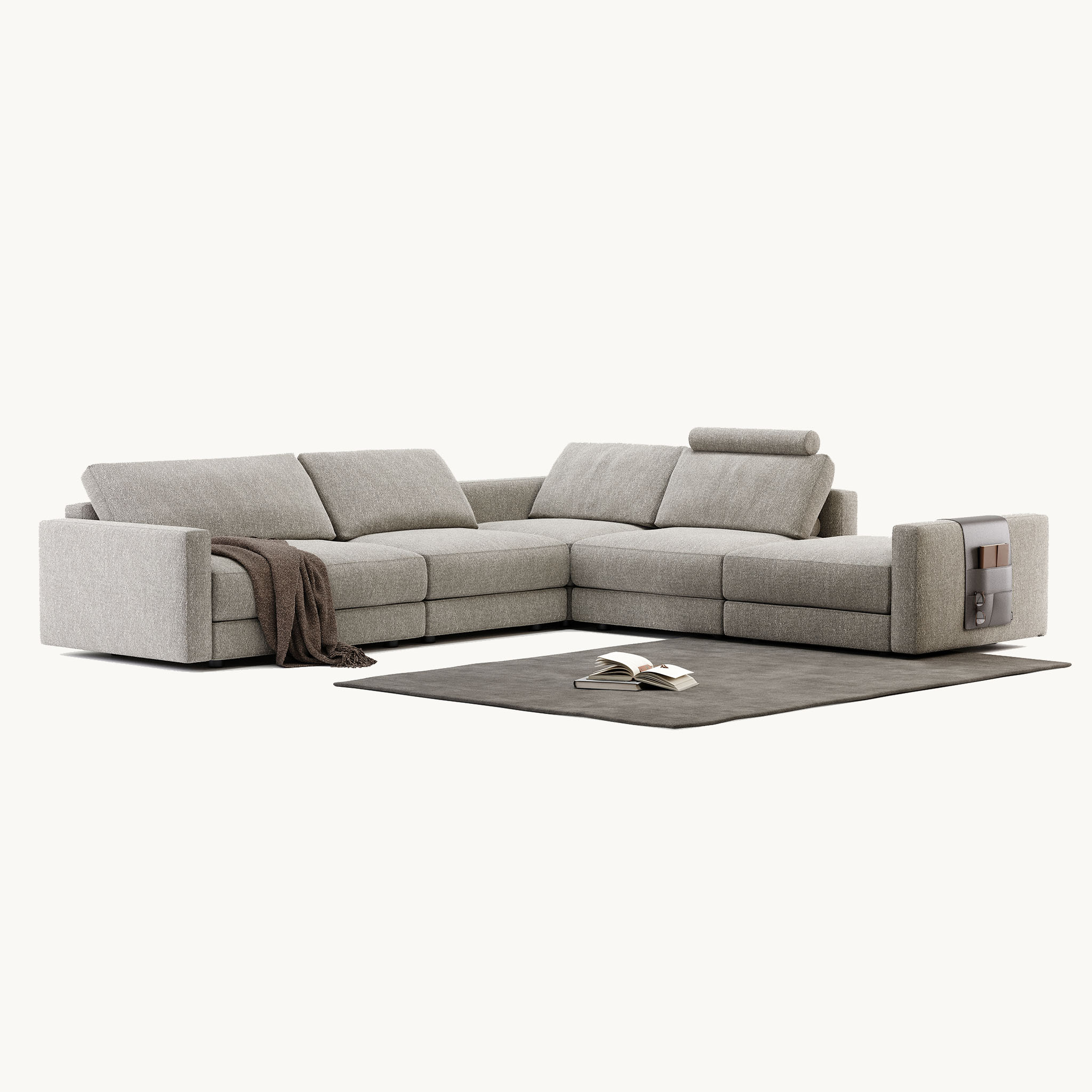
A sofa can be substantial without feeling heavy if its form is well resolved. Rounded edges, deep seating and relaxed upholstery can introduce warmth, while a controlled overall silhouette keeps the piece appropriate for a calm contemporary interior.
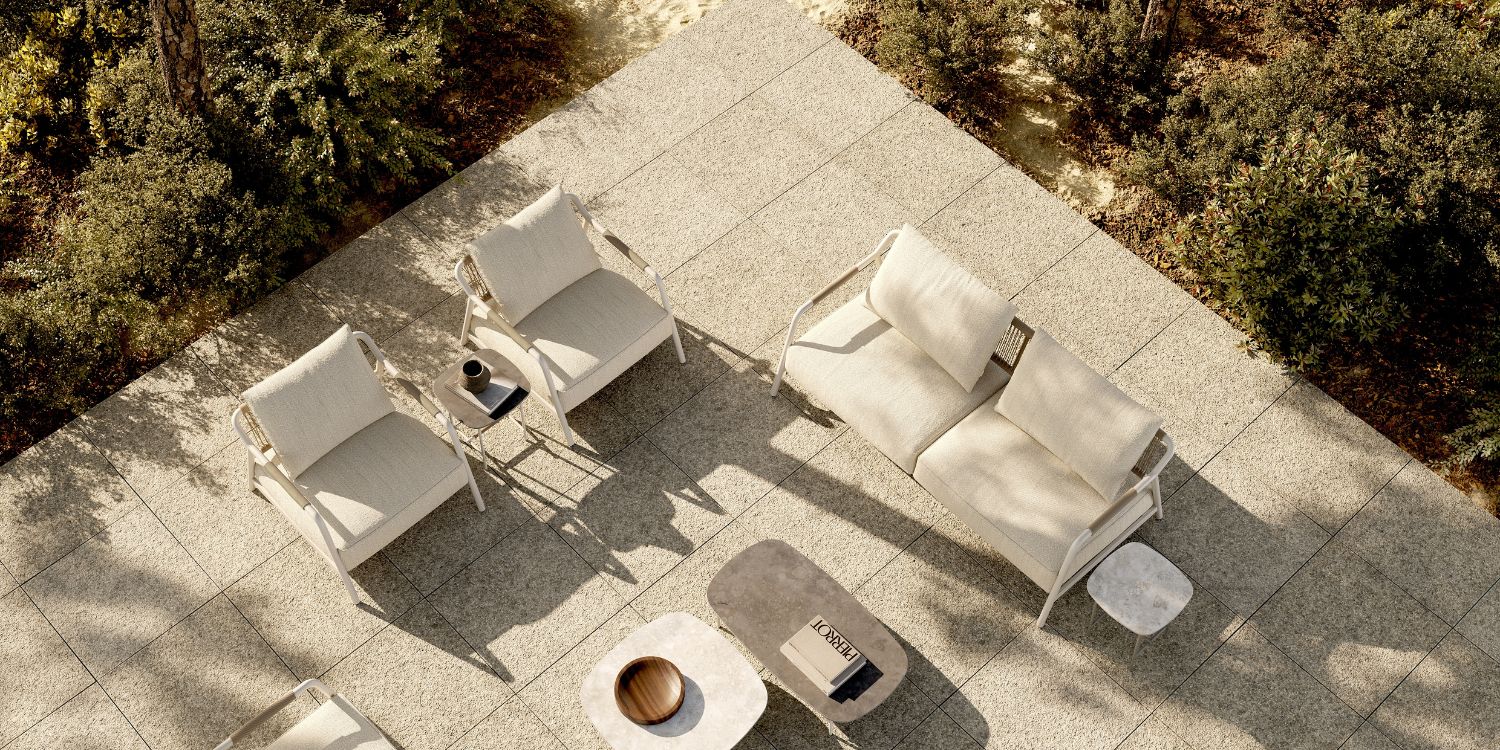
Domkapa’s Edward Sofa, for instance, illustrates how modularity and relaxed proportions can support adaptable living spaces without requiring a room to become visually busy.

Armchairs: Choose a Character Piece
Rather than filling a living room with multiple competing statement chairs, consider one distinctive armchair as a point of emphasis.
The armchair might introduce a contrasting timber structure, an unusual curve or a richer upholstery texture. Its role is to create a memorable moment within the larger composition.
Tables: Let Form Do Some of the Decorating
Organic and sculptural tables are particularly effective against more architectural backgrounds.
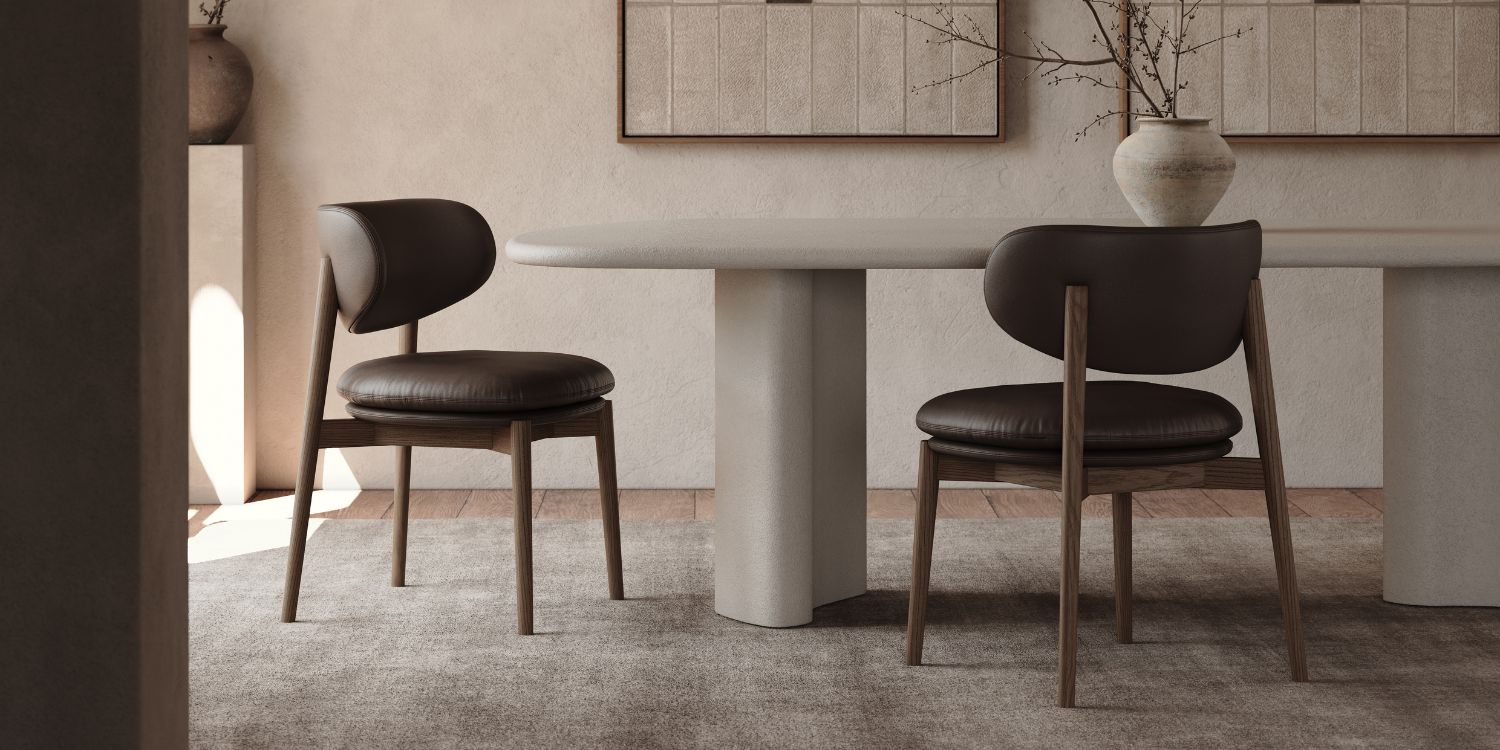
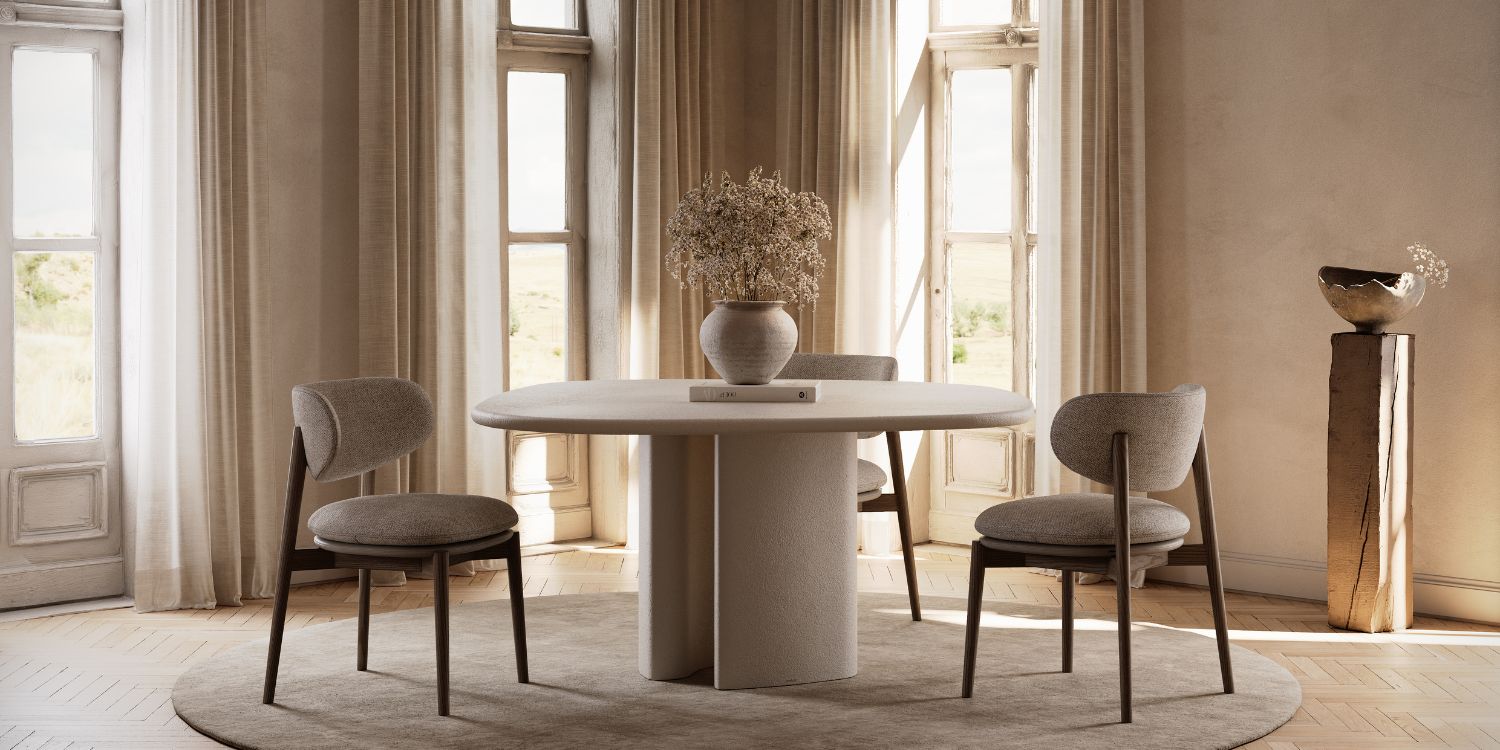
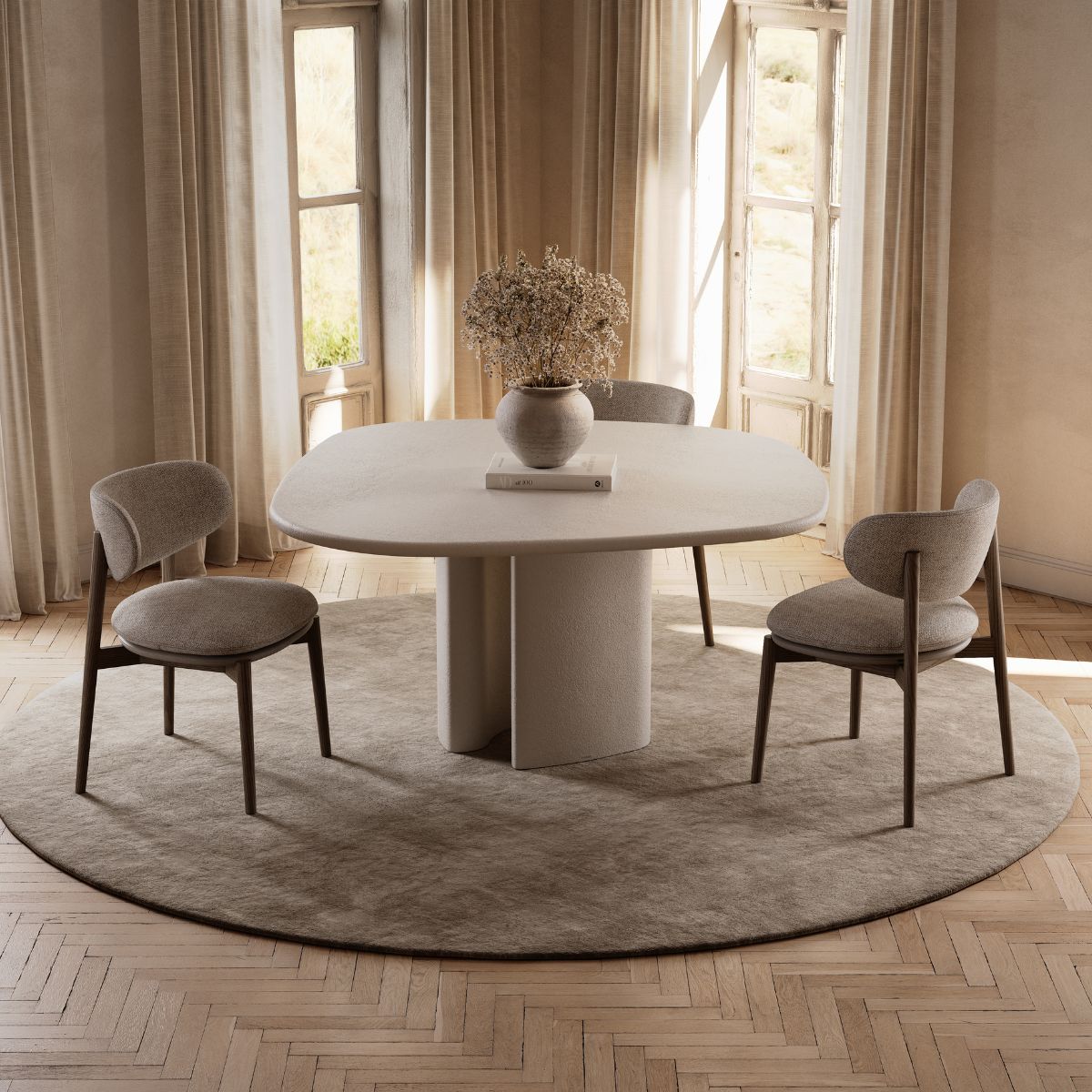
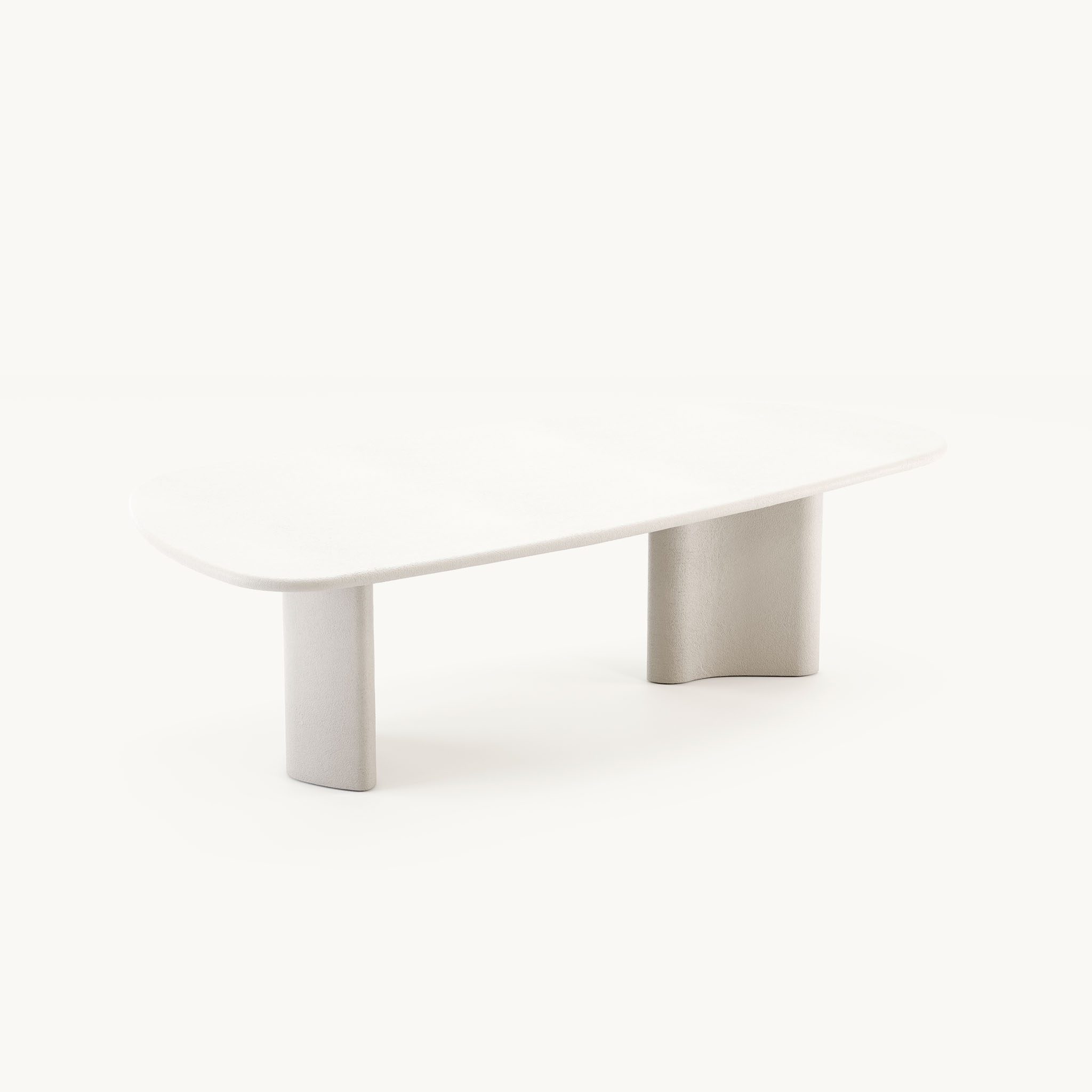
An Elodie Dining Table, for example, can act as a singular sculptural gesture within a restrained dining room. The surrounding chairs, lighting and finishes can then remain comparatively quiet.
Similarly, the architectural forms and contrasting curves and angles of the Ren Table Set show how occasional furniture can add interest through proportion rather than ornament.
Poufs and Occasional Pieces: Add Character in Smaller Doses
Smaller furniture is useful when a composition needs another layer but does not need more visual density.
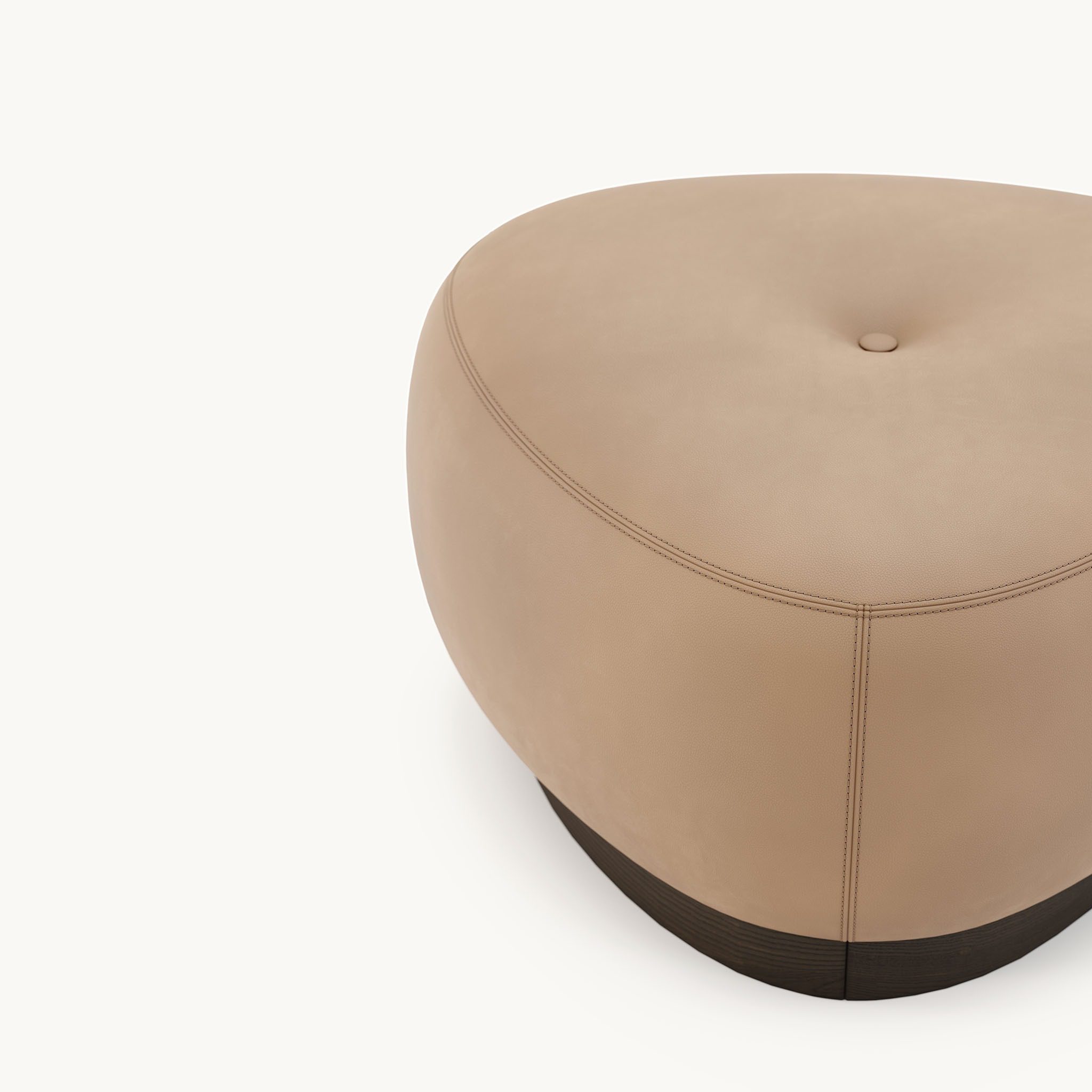
A pouf can introduce geometry, texture or a controlled accent colour. Domkapa’s Jules Pouf, with its distinctive geometric character, is the kind of piece that can create personality without carrying the visual weight of a large statement object.
Is Midiminimalism a Trend or a New Design Standard?

Like many terms within interior design trends, Midiminimalism may eventually be replaced by another label. The name itself is less important than the ideas behind it.
Comfort, restraint, materiality, proportion and individuality are not new principles. Nor are they likely to disappear.
What may be changing is the willingness to move beyond strict visual categories. Contemporary clients increasingly want homes that respond to their actual lives rather than demonstrating loyalty to a single aesthetic camp.
There is an important difference between following the Midiminimalist look and adopting its design principles. The look can be copied: neutral walls, curved furniture, textured fabrics and a carefully placed vintage object. However, the principles require more thought. They ask whether each choice contributes to the whole, whether the space has enough calm to support moments of character and whether the finished interior reflects the people living in it.
That makes Midiminimalism potentially more durable than many visual cycles within modern furniture trends. Its value lies not in prescribing a particular sofa, colour or decorative object, but in offering a framework for making better choices.
A New Middle Ground for Contemporary Interior Design
The appeal of midiminimalism lies in its refusal to choose between two extremes.
It recognises that minimalist interior design can offer clarity without requiring sterility and that expressive interiors can have personality without descending into excess. The best interpretation creates spaces that are calm but not cold, expressive but not excessive, curated but not contrived.
For designers, this is perhaps the most useful way to discuss Midiminimalism with clients: not as a fixed style, but as a balance between restraint and personality.
That may be the real middle ground clients are looking for – not more or less, but simply more intention.
YOU MAY ALSO LIKE: Contemporary Design: A Specifier’s Guide To Getting It Right
We are working every day to bring you the most stylish ideas to fulfil your inspiration and to create the best interior design projects, so feel free to follow our Instagram Page and subscribe to our newsletter.