

Shape has quietly become one of the defining conversations in contemporary interior design. While colour palettes have settled into sophisticated neutrals and materials continue to celebrate authenticity, it is furniture form that increasingly determines how a space feels before a single detail is consciously noticed.
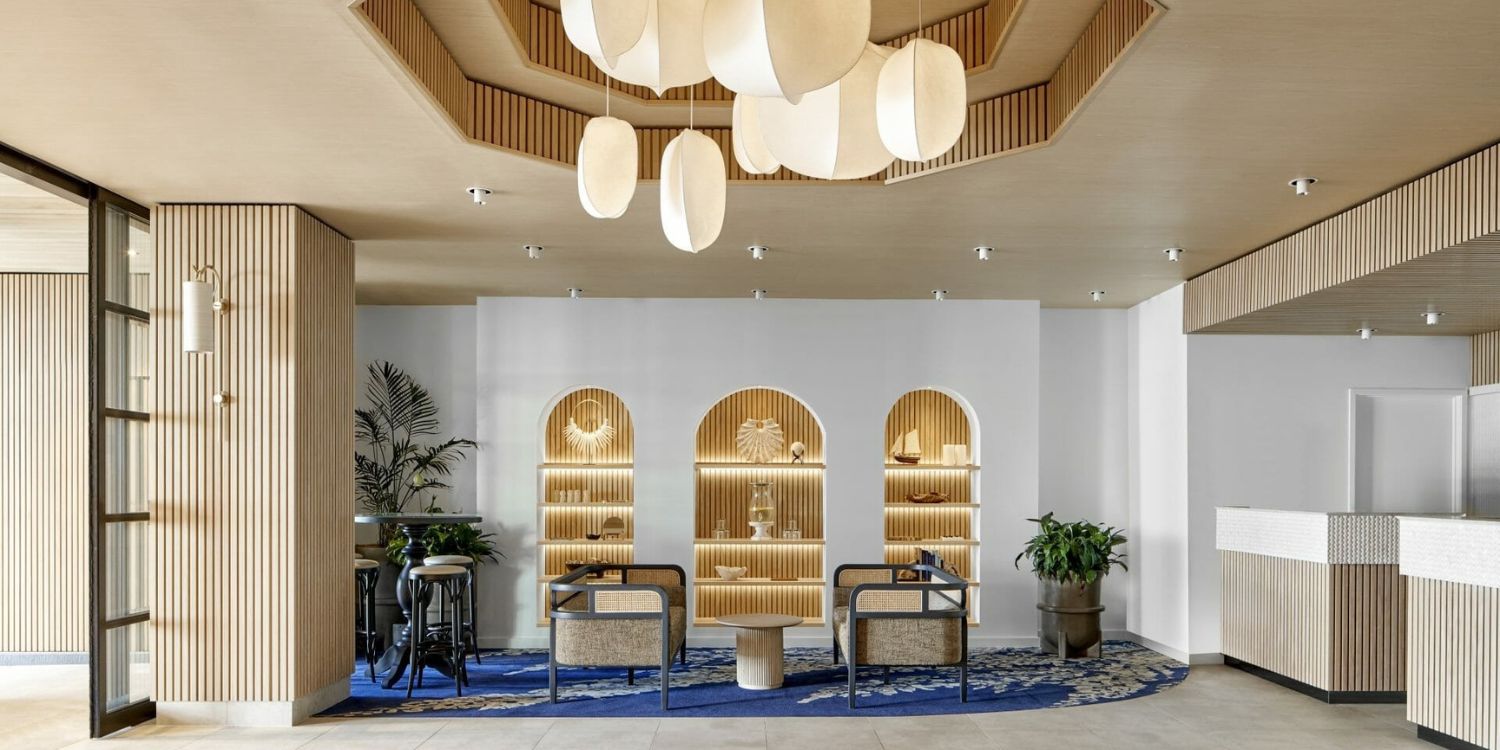
Across residential projects, boutique hotels, luxury workplaces and hospitality environments, softened silhouettes have emerged as a recurring visual language. Curved sofas invite conversation, sculptural dining tables soften open-plan spaces and rounded armchairs create moments of refuge within otherwise architectural interiors. Yet despite their growing popularity, straight lines remain just as fundamental to contemporary design.
This isn’t a battle between two opposing aesthetics. Rather, the discussion reflects a deeper shift towards interiors that balance precision with comfort, structure with emotion, and architecture with human experience.
For interior designers and architects, this presents an opportunity and a challenge. Clients arrive with Pinterest boards filled with organic forms and sculptural furniture, while projects themselves often occupy highly rectilinear spaces defined by clean walls, large glazing systems and strong architectural geometry. The question is no longer whether to choose curves or clean lines, but how to combine them with purpose.
Understanding the psychology, history and functionality behind these forms allows designers to justify their decisions with confidence, moving conversations beyond trends towards enduring design principles.
Why Shape Matters More Than Ever
Furniture has always fulfilled practical needs, but increasingly it also shapes emotional experience. The geometry of an object influences how we perceive movement, navigate space and even interpret comfort.
Unlike colour or decoration, shape operates on an instinctive level. Rounded forms often suggest softness, safety and approachability, while clean lines communicate clarity, order and precision. These responses are deeply rooted in human perception. Research in environmental psychology has consistently found that people tend to associate curved forms with relaxation and positive emotional responses, whereas angular forms are often perceived as more formal, structured and purposeful.
This shift towards emotional design reflects broader lifestyle changes.
Homes now function as workplaces, wellness retreats, entertainment spaces and family environments simultaneously. Furniture is expected to support multiple modes of living while reducing visual stress. Designers are therefore specifying pieces that not only perform functionally but also contribute to an atmosphere of calm and psychological comfort.
Shape also influences spatial movement.
Curved furniture naturally guides the eye through a room, encouraging a softer visual journey rather than abrupt directional changes. In open-plan layouts, organic forms can subtly define activity zones without introducing physical barriers.
Visual softness has become equally important.
Minimalist interiors of previous decades occasionally risked feeling austere. Today’s designers increasingly soften architectural precision through furniture rather than ornament, allowing clean spaces to remain contemporary while becoming significantly more welcoming.
Ultimately, the growing emphasis on human-centred design has elevated furniture shape from a stylistic preference to a fundamental design tool.
The Rise of Rounded Furniture
Among the most recognisable rounded furniture trends of 2026 is the continued popularity of generous, sculptural silhouettes that prioritise comfort without compromising sophistication.
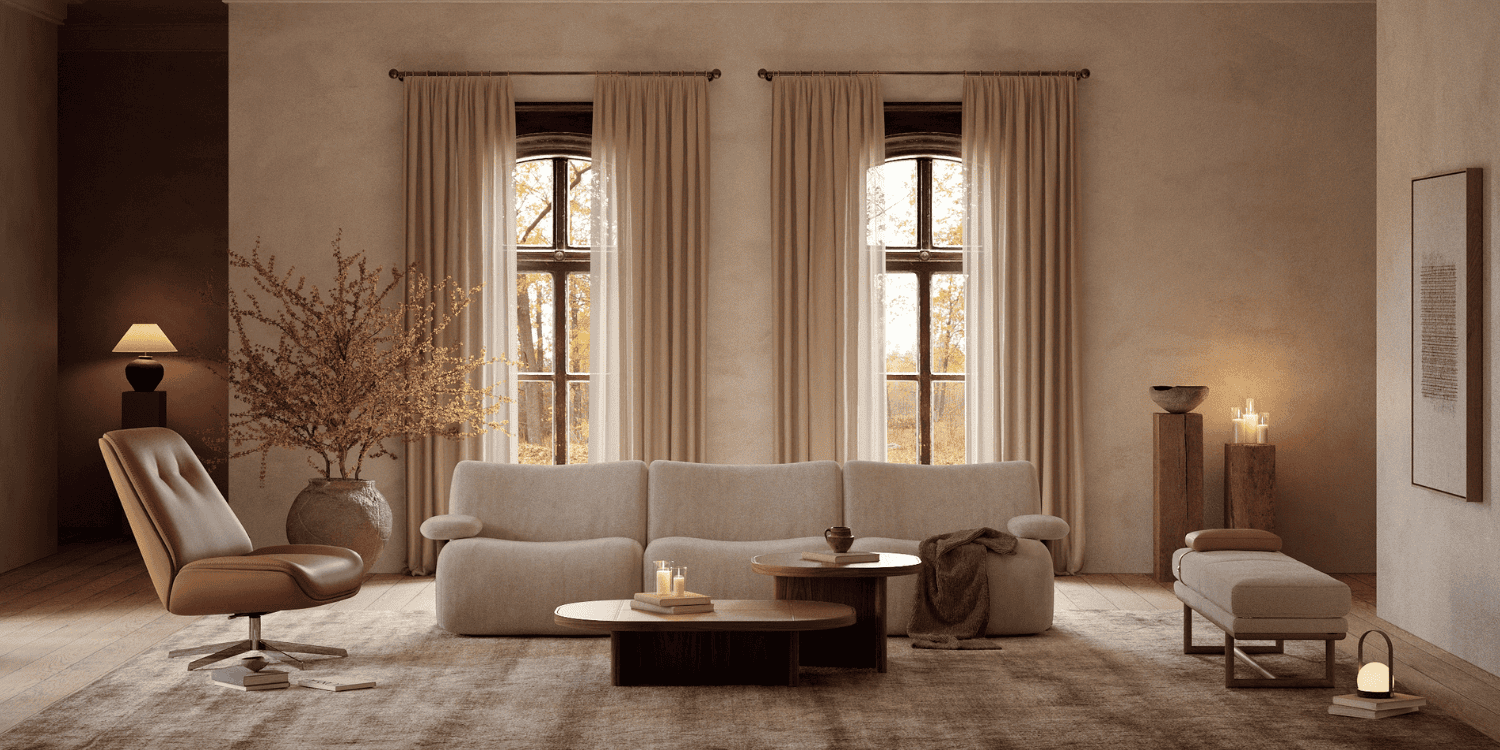
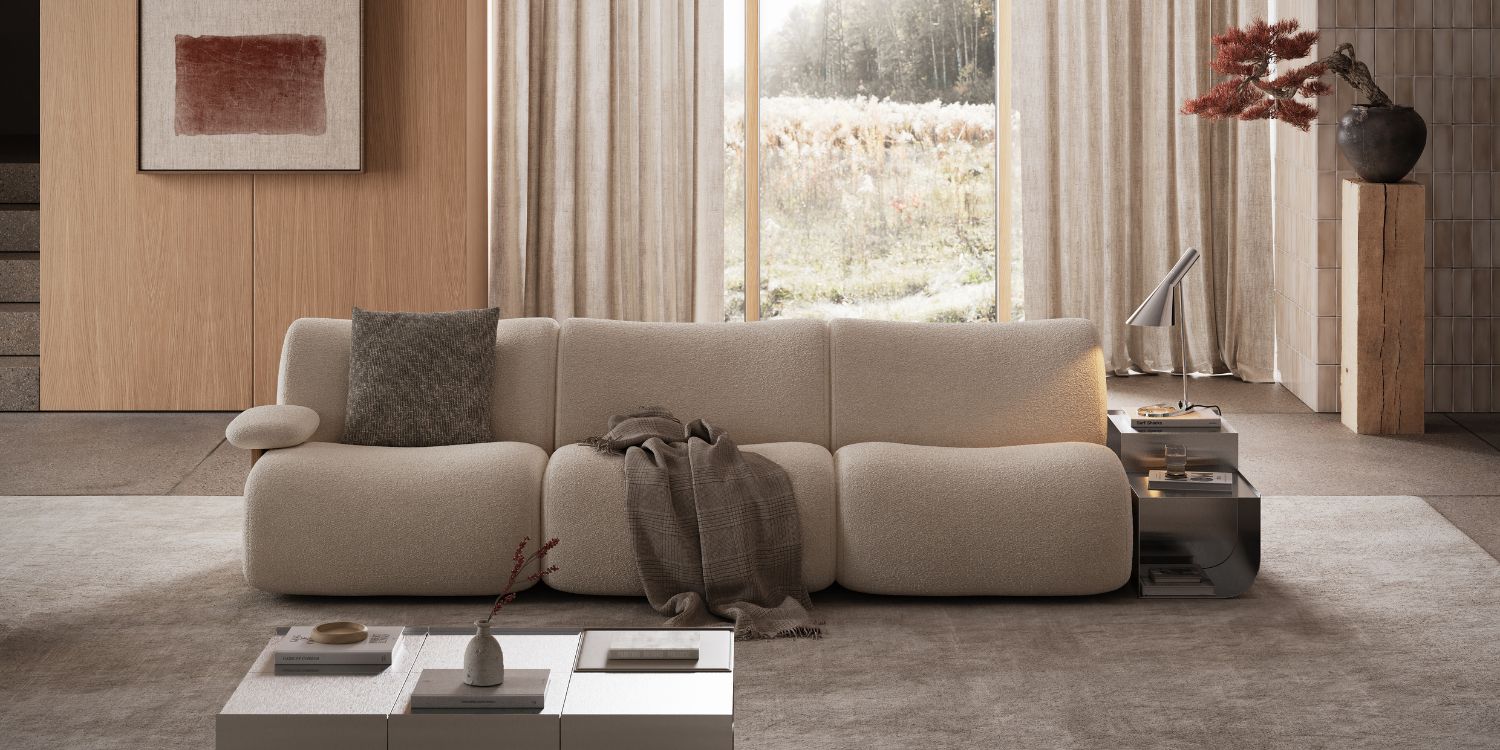
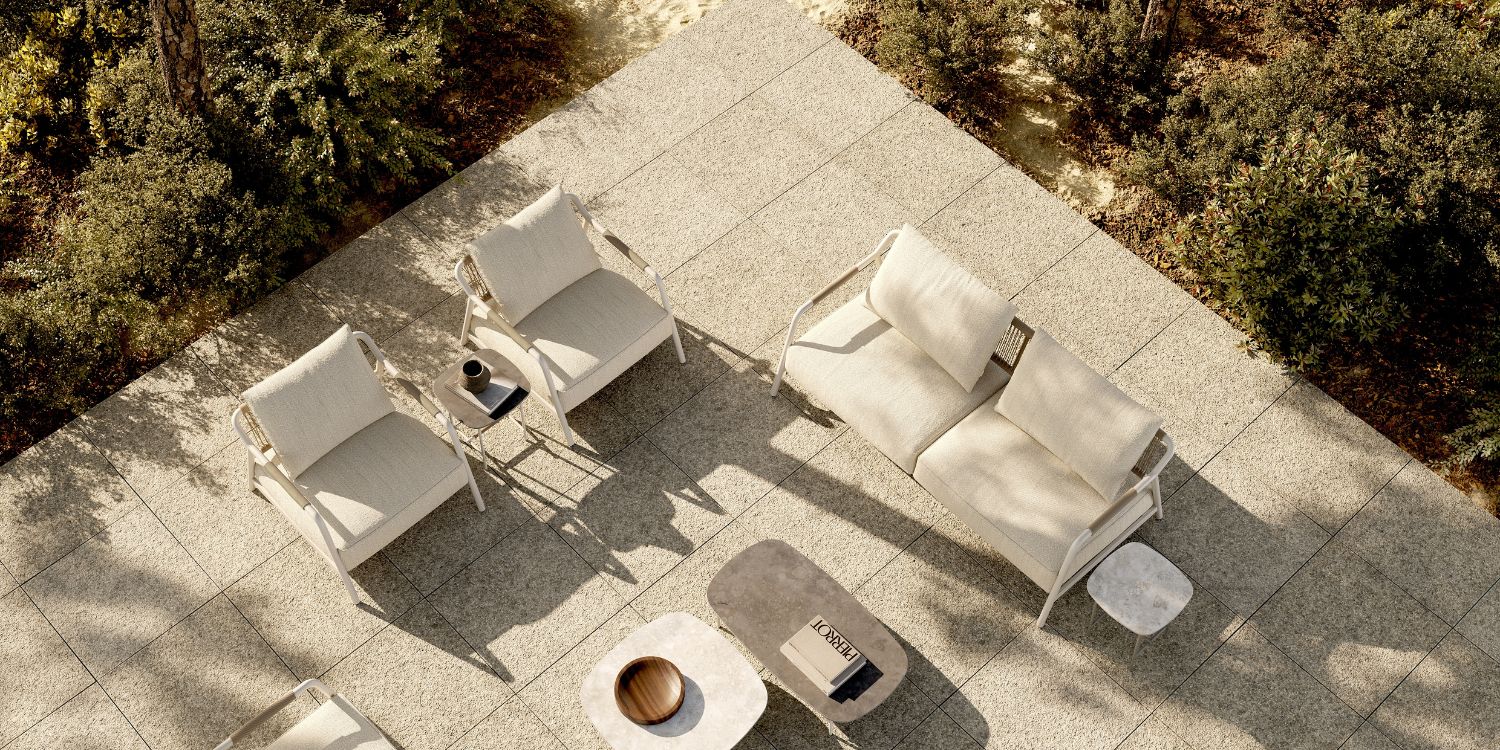
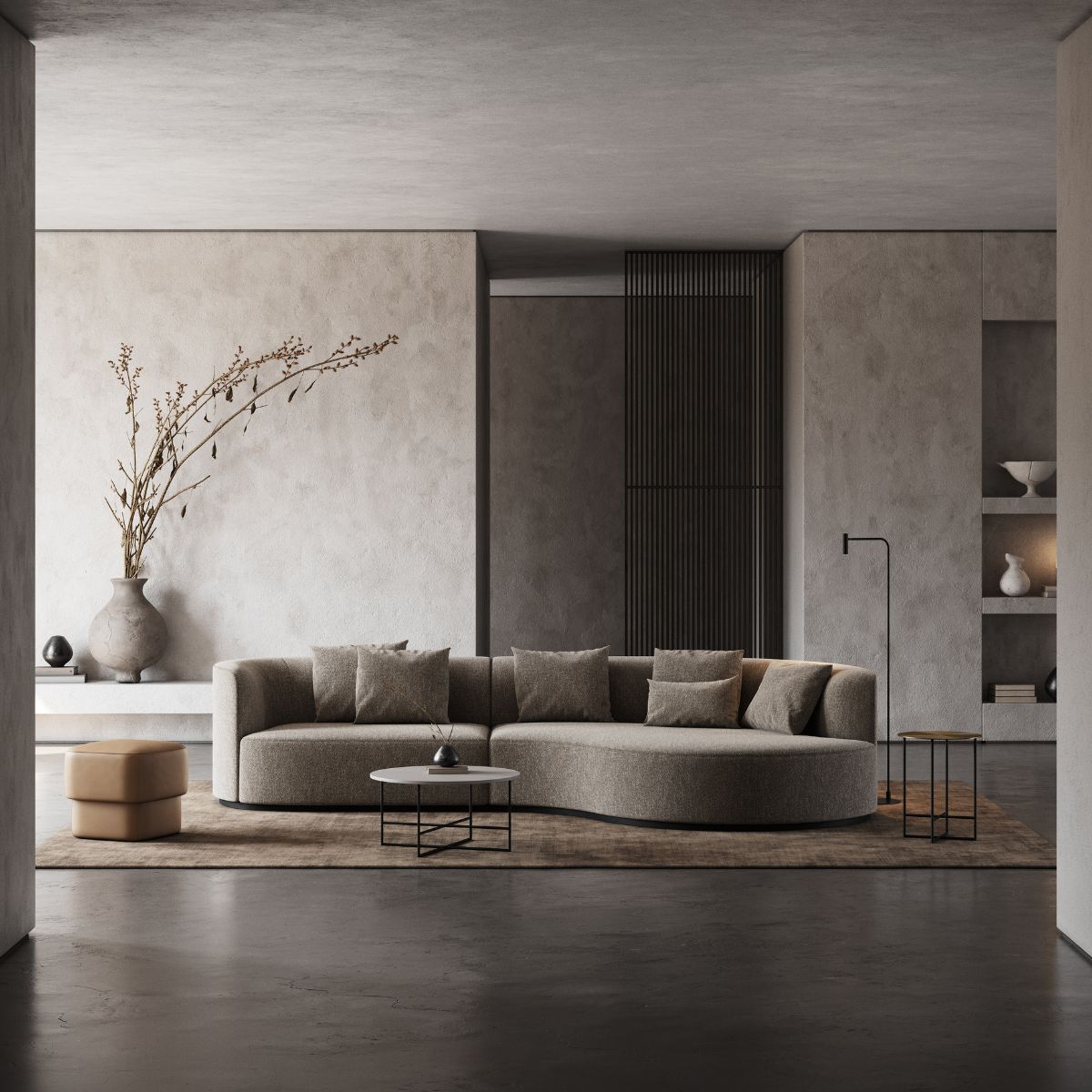
Curved sofas create naturally conversational seating arrangements while reducing the rigid formality often associated with straight sectional layouts. Rounded armchairs embrace occupants with enveloping forms that feel equally appropriate in private residences and boutique hospitality settings. Organic coffee tables introduce movement to living rooms dominated by rectilinear rugs and architectural flooring, while sculptural dining tables transform everyday functionality into visual centrepieces.
This evolution is driven by several interconnected influences rather than a single trend.
Wellness-Focused Interiors
As wellness becomes increasingly integrated into interior design, furniture is expected to support emotional wellbeing alongside physical comfort. Soft geometries contribute to environments that feel restorative, reducing visual tension through gentle transitions and continuous forms.
Rather than overwhelming a room, rounded furniture creates subtle moments of relief that encourage slower, more relaxed interaction with the space.
Hospitality as Inspiration
Many residential interiors now borrow directly from luxury hotels, boutique resorts and premium lounges.
Hospitality designers have long understood that curved furniture encourages social interaction while creating more welcoming environments. Guests instinctively gravitate towards seating arrangements that feel inclusive rather than rigidly organised.
As homeowners increasingly seek hotel-inspired comfort, these principles naturally migrate into residential design.
Biophilic Design
Organic furniture design also aligns with the broader movement towards biophilic interiors.
Nature rarely operates through perfect rectangles. Rivers curve, stones soften through erosion, trees branch organically and coastlines resist geometric precision. Furniture with flowing silhouettes subtly echoes these natural patterns, reinforcing the calming effects associated with biophilic environments even when literal planting is minimal.
Quiet Luxury
The rise of quiet luxury has further accelerated this preference.
Rather than relying on decorative excess, quiet luxury celebrates proportion, craftsmanship, tactile materials and restrained elegance. Rounded forms express sophistication through volume and silhouette rather than embellishment, allowing craftsmanship to become the focal point.
Mid-Century Reinterpretations
Many contemporary curved furniture designs also revisit ideas established during the mid-twentieth century.
Designers such as Eero Saarinen challenged conventional furniture geometry with fluid, sculptural forms, while Vladimir Kagan popularised sweeping sofas that prioritised movement over symmetry. Today’s interpretations retain that sculptural spirit while incorporating contemporary materials, manufacturing techniques and ergonomic research.
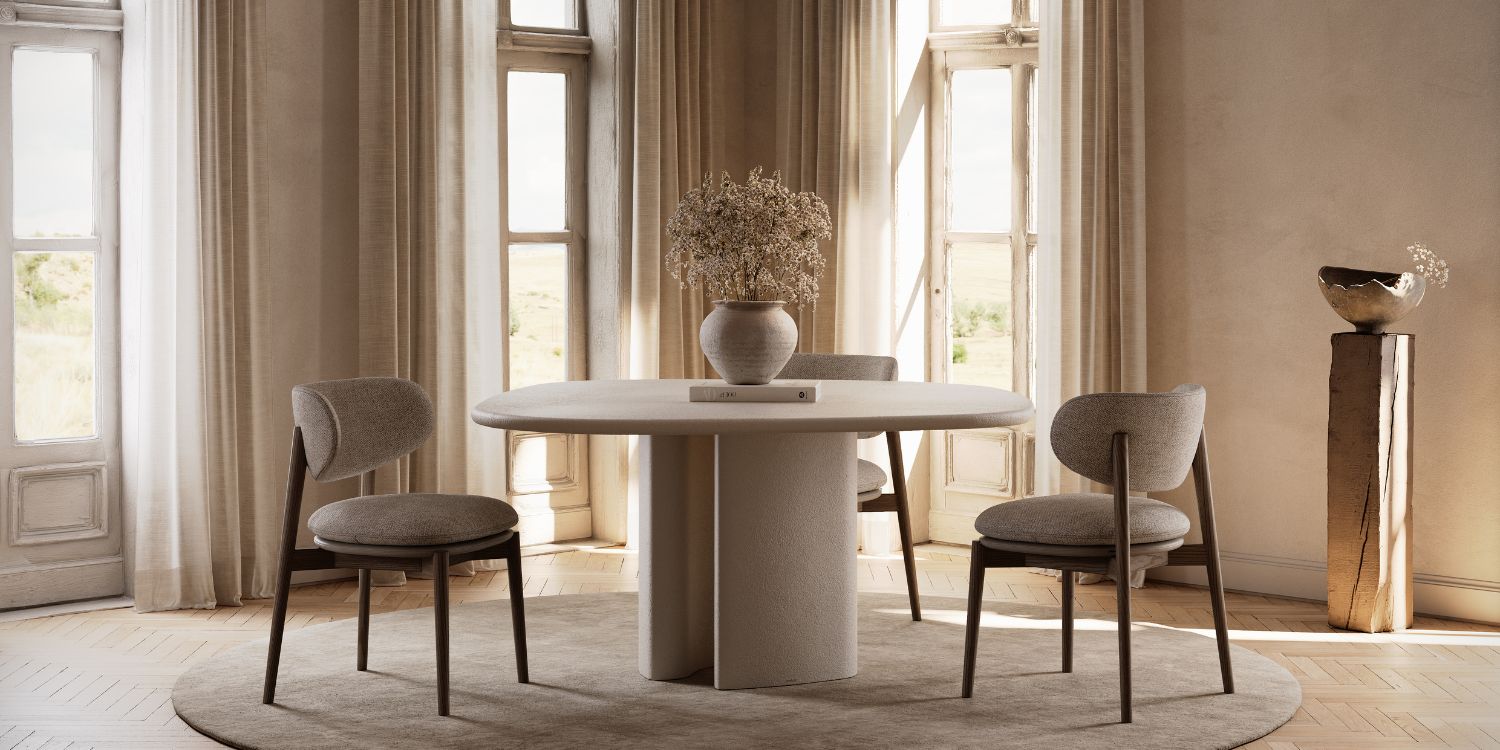
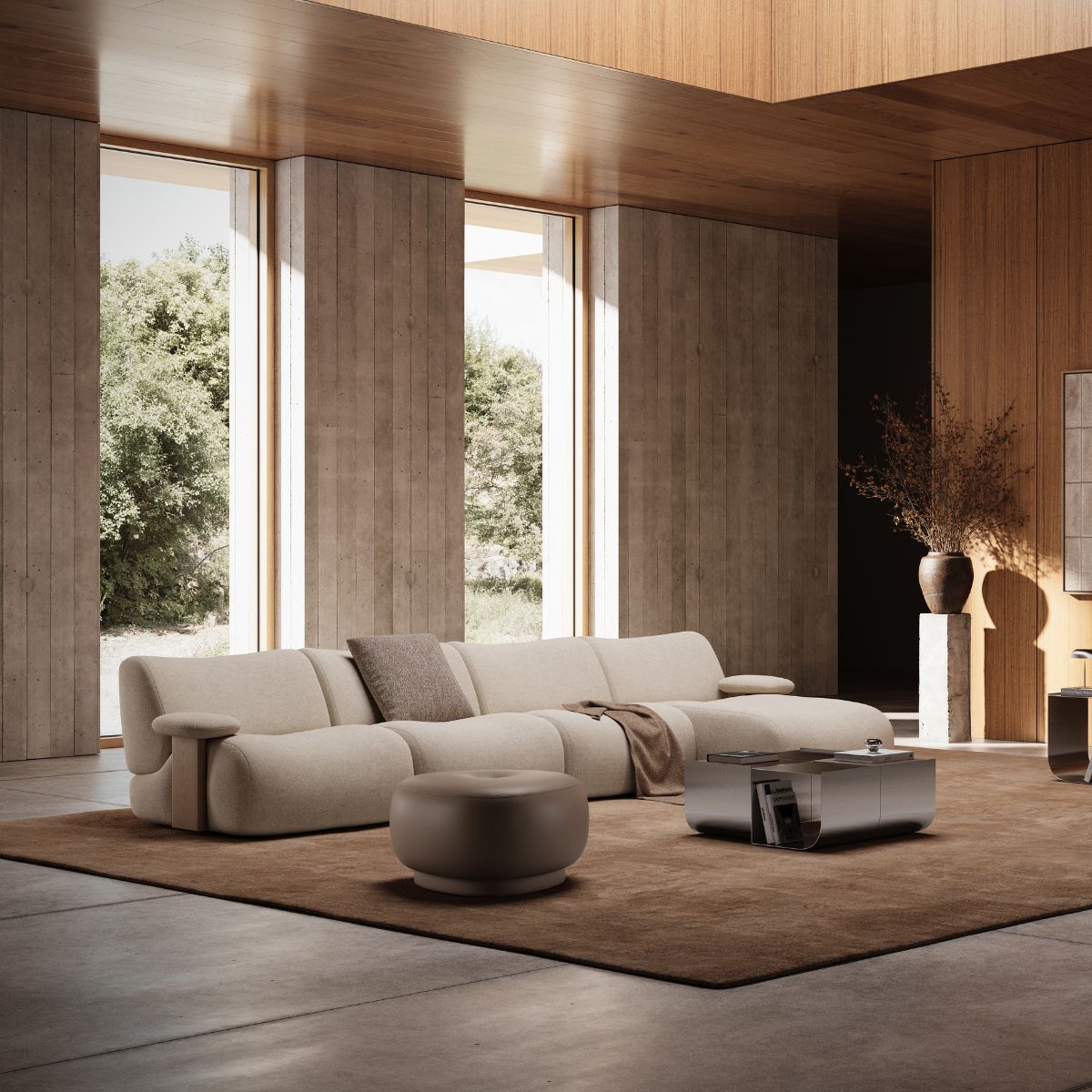
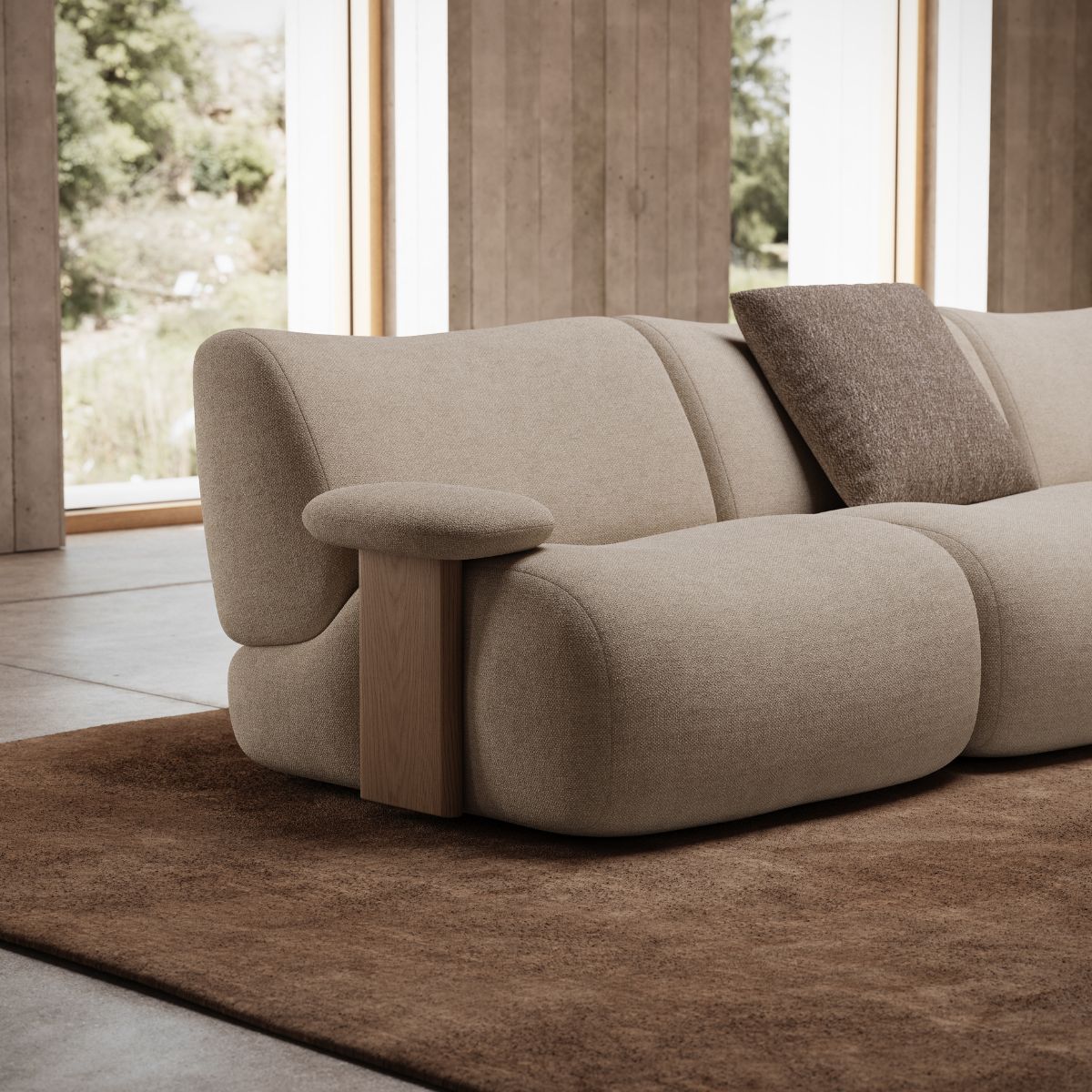
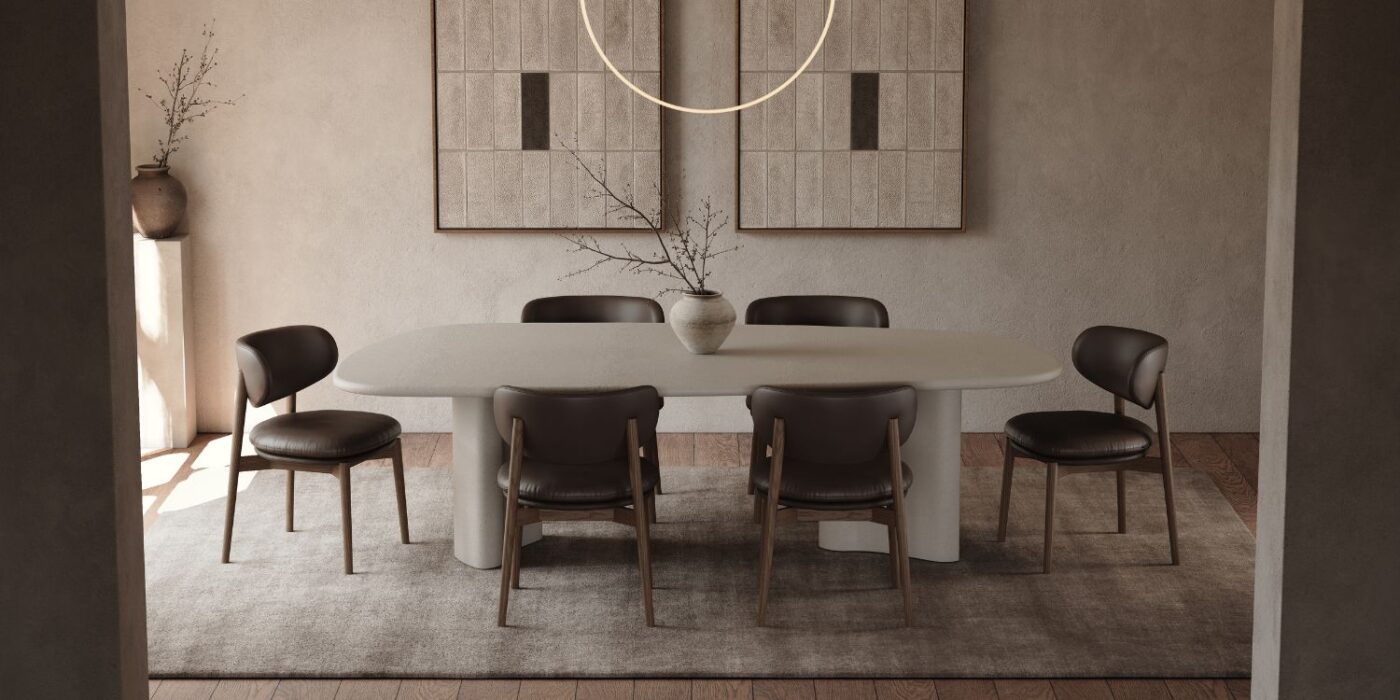
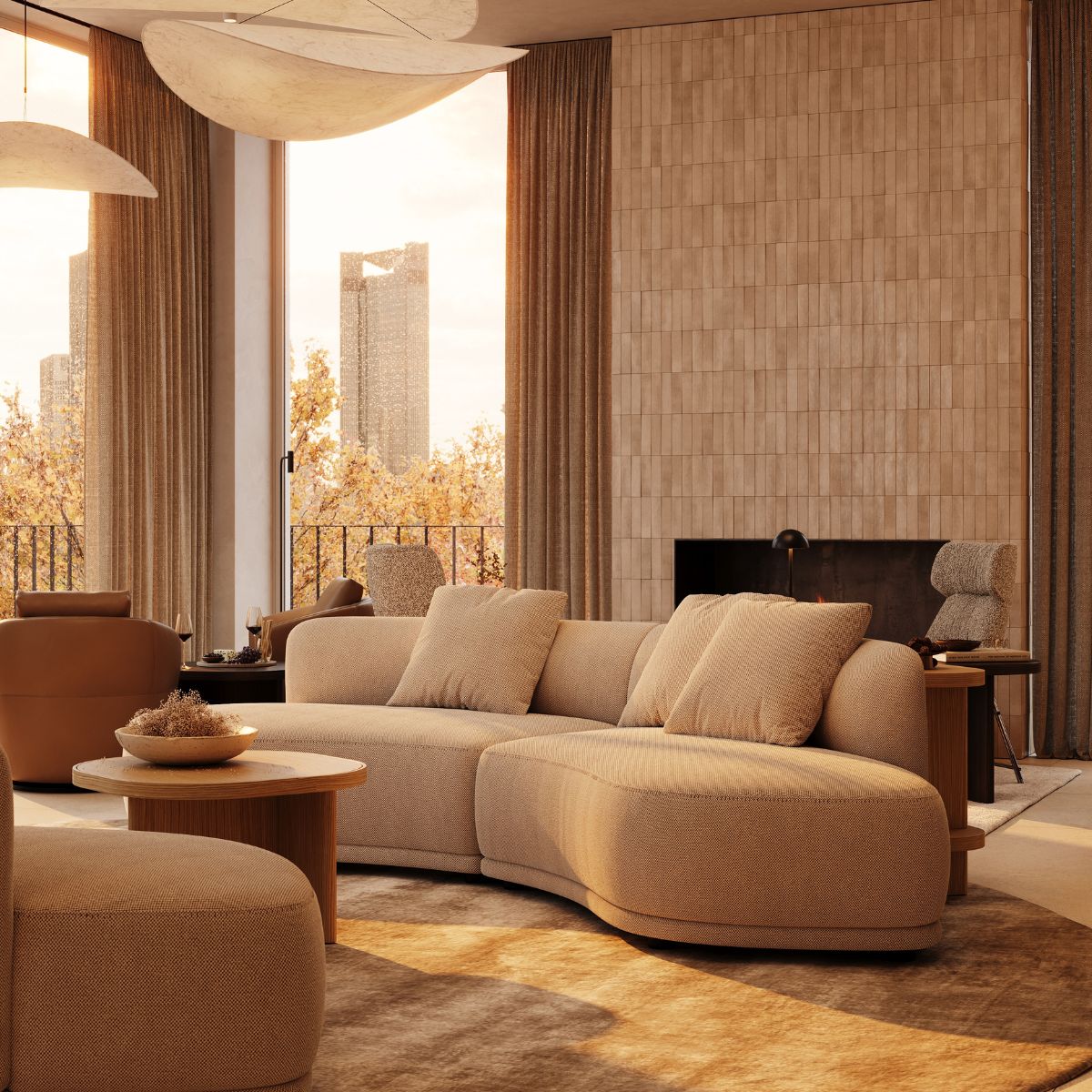
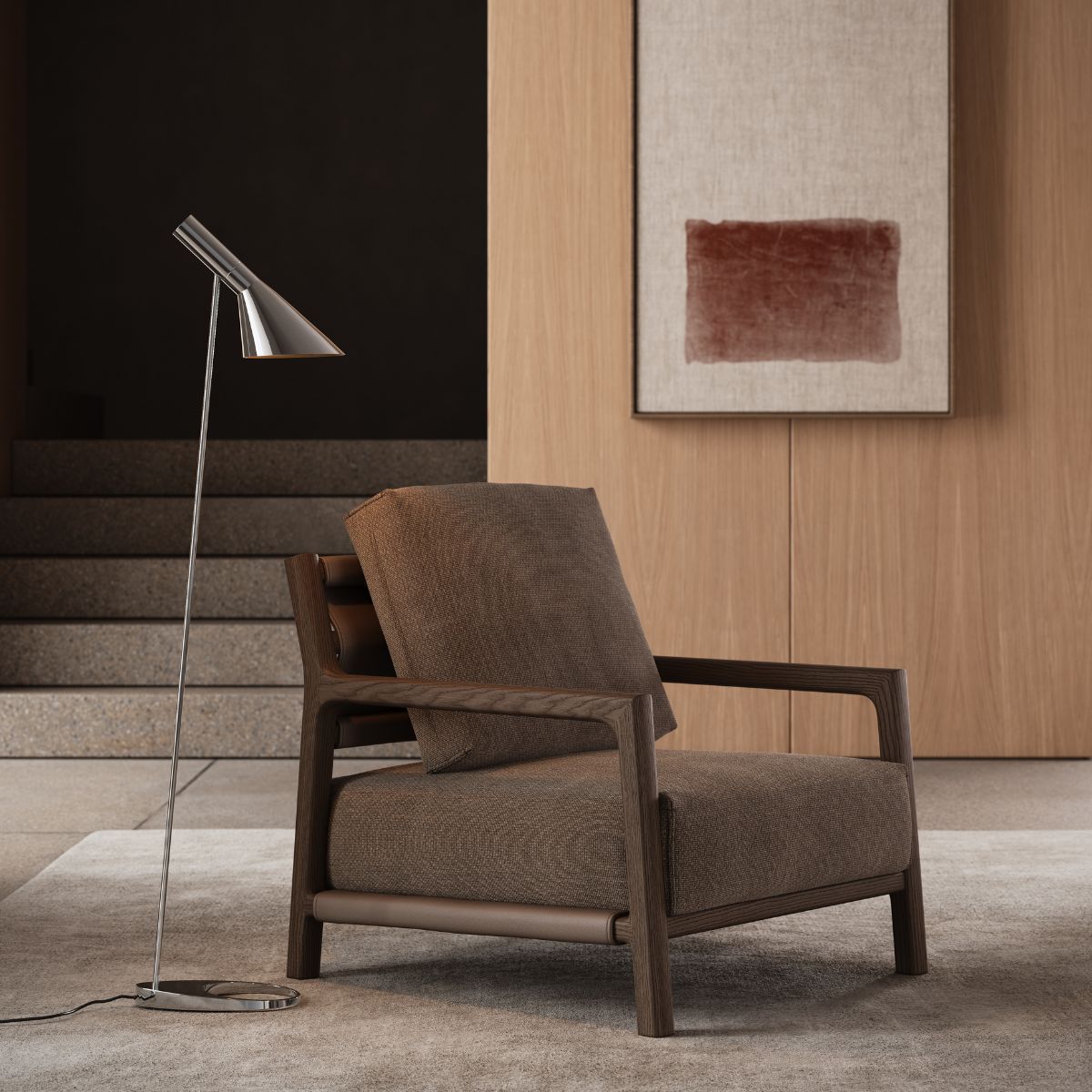
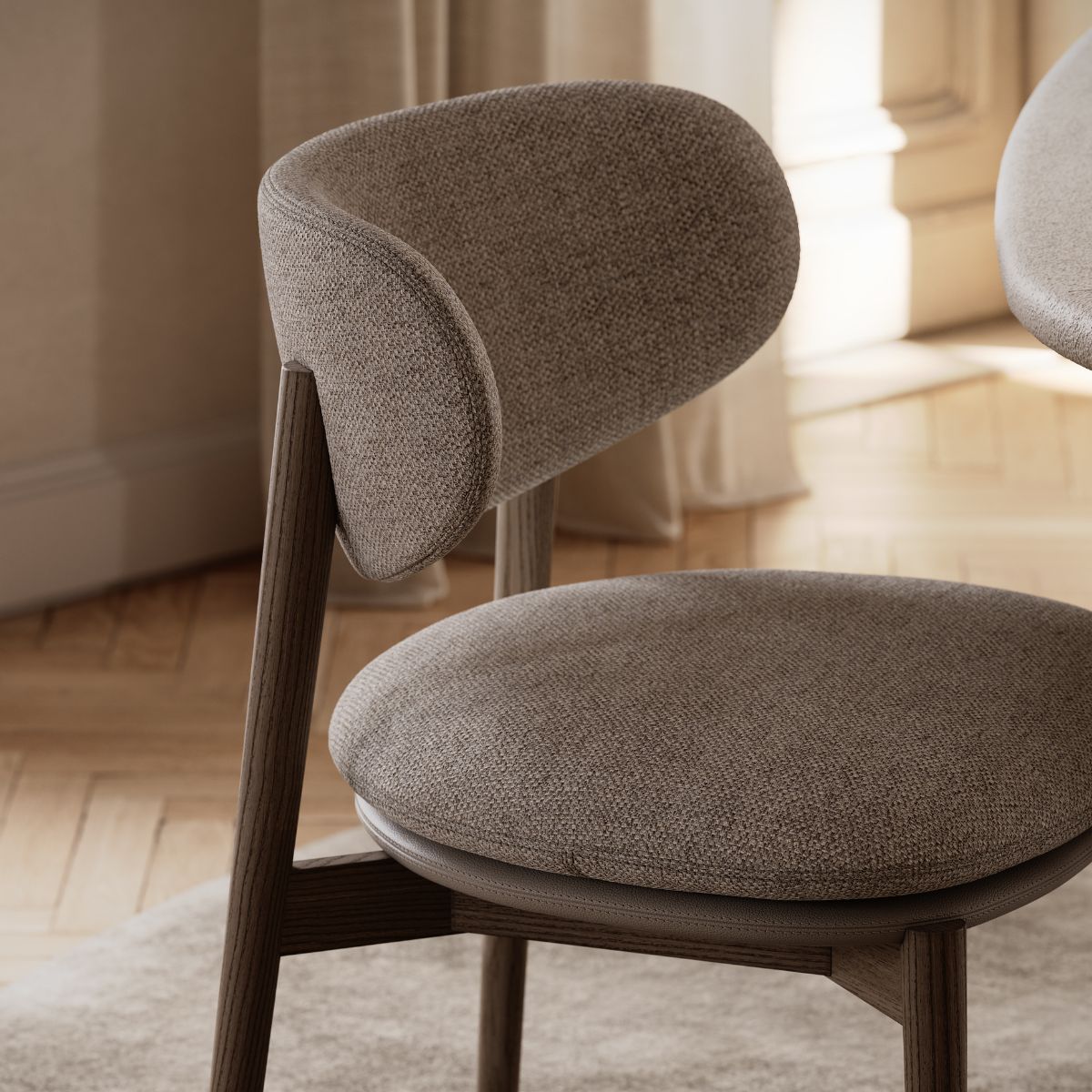
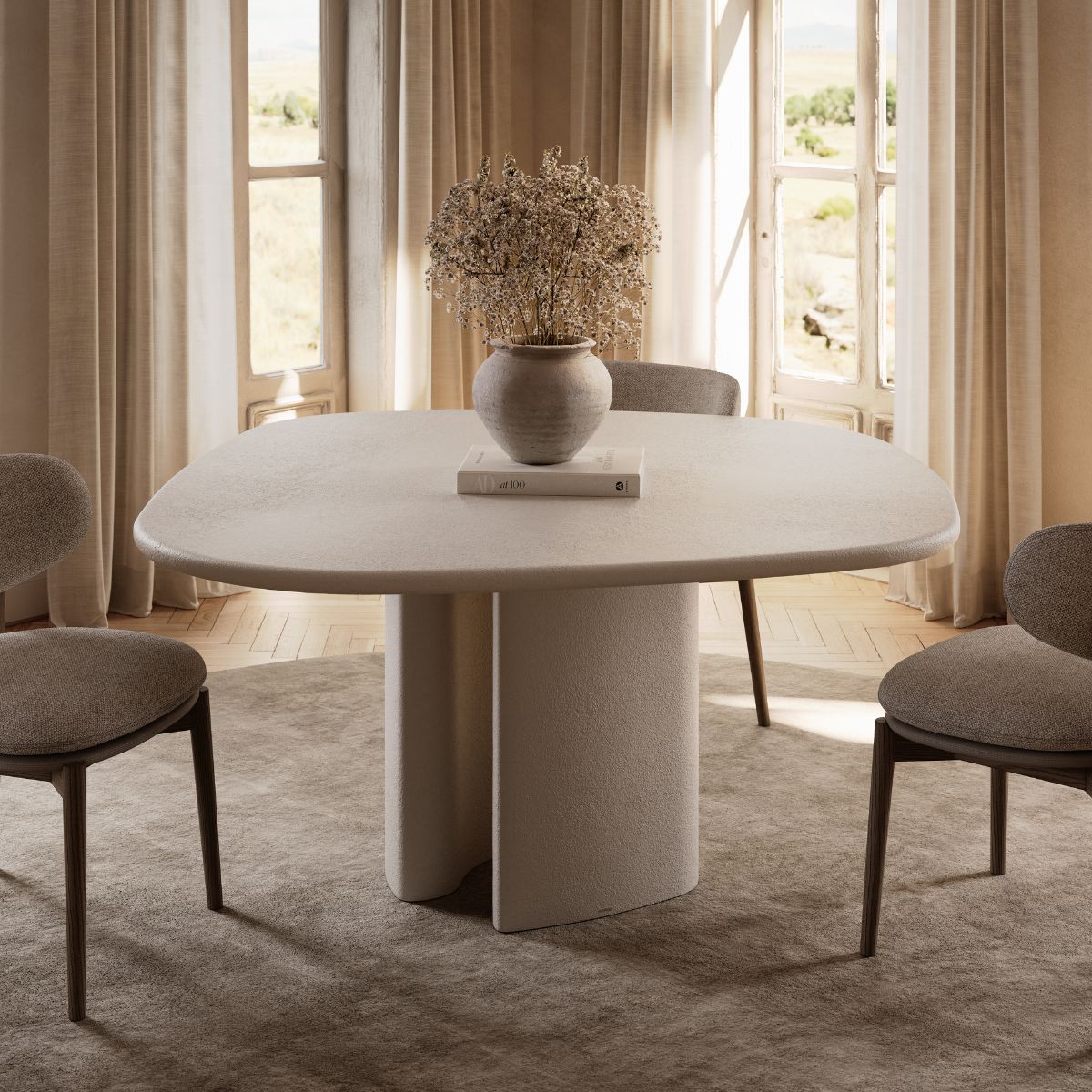
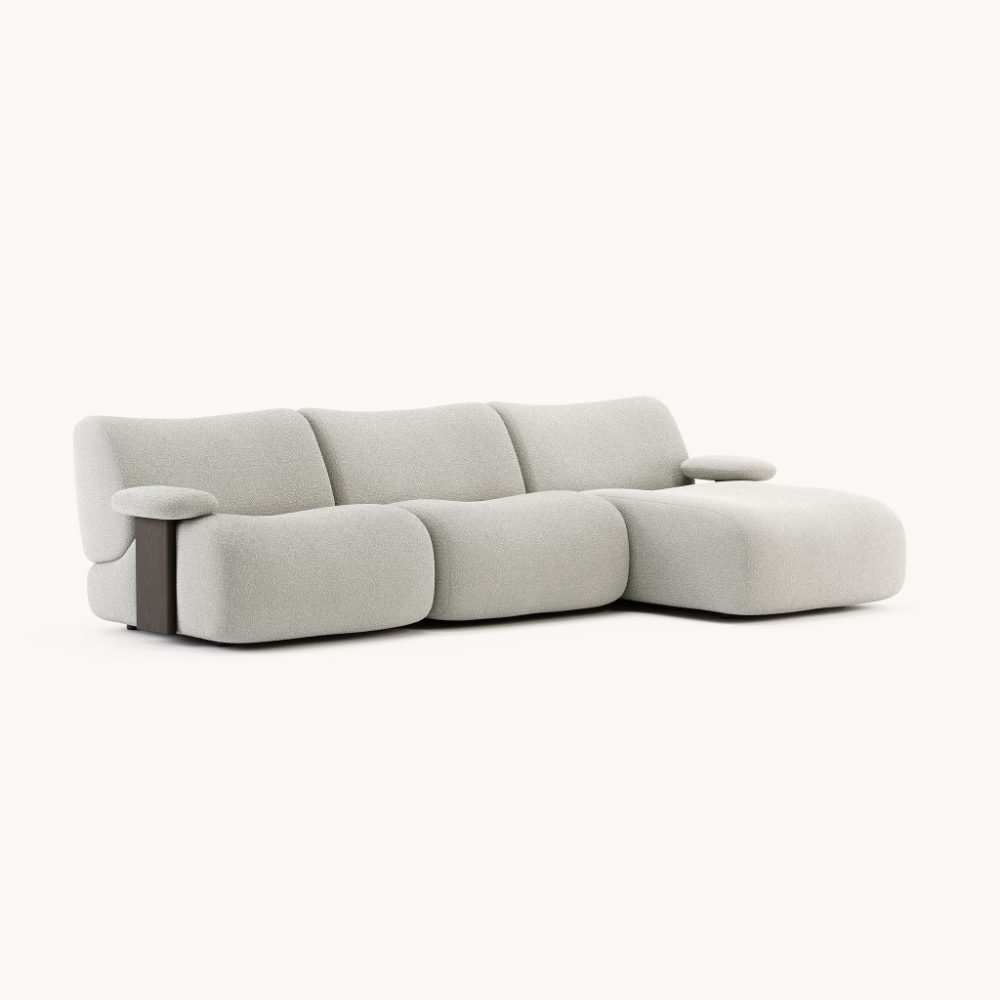
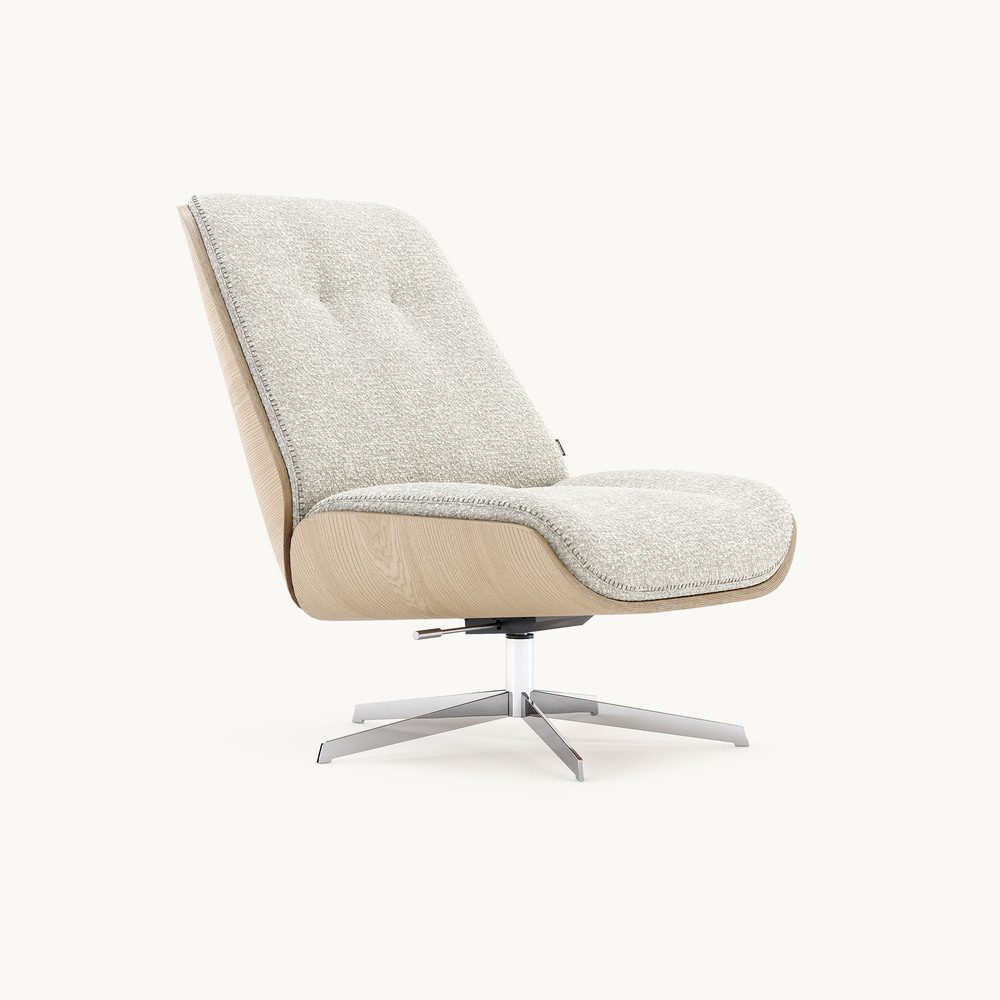
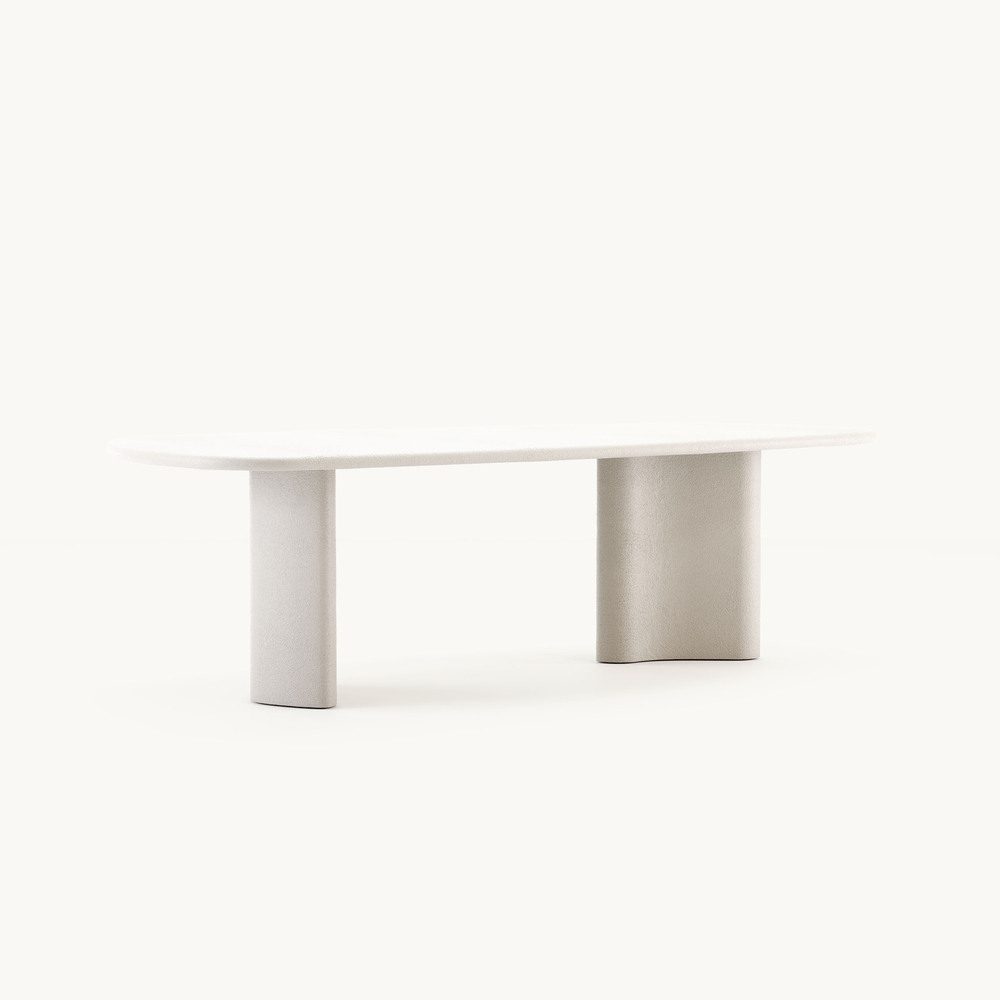
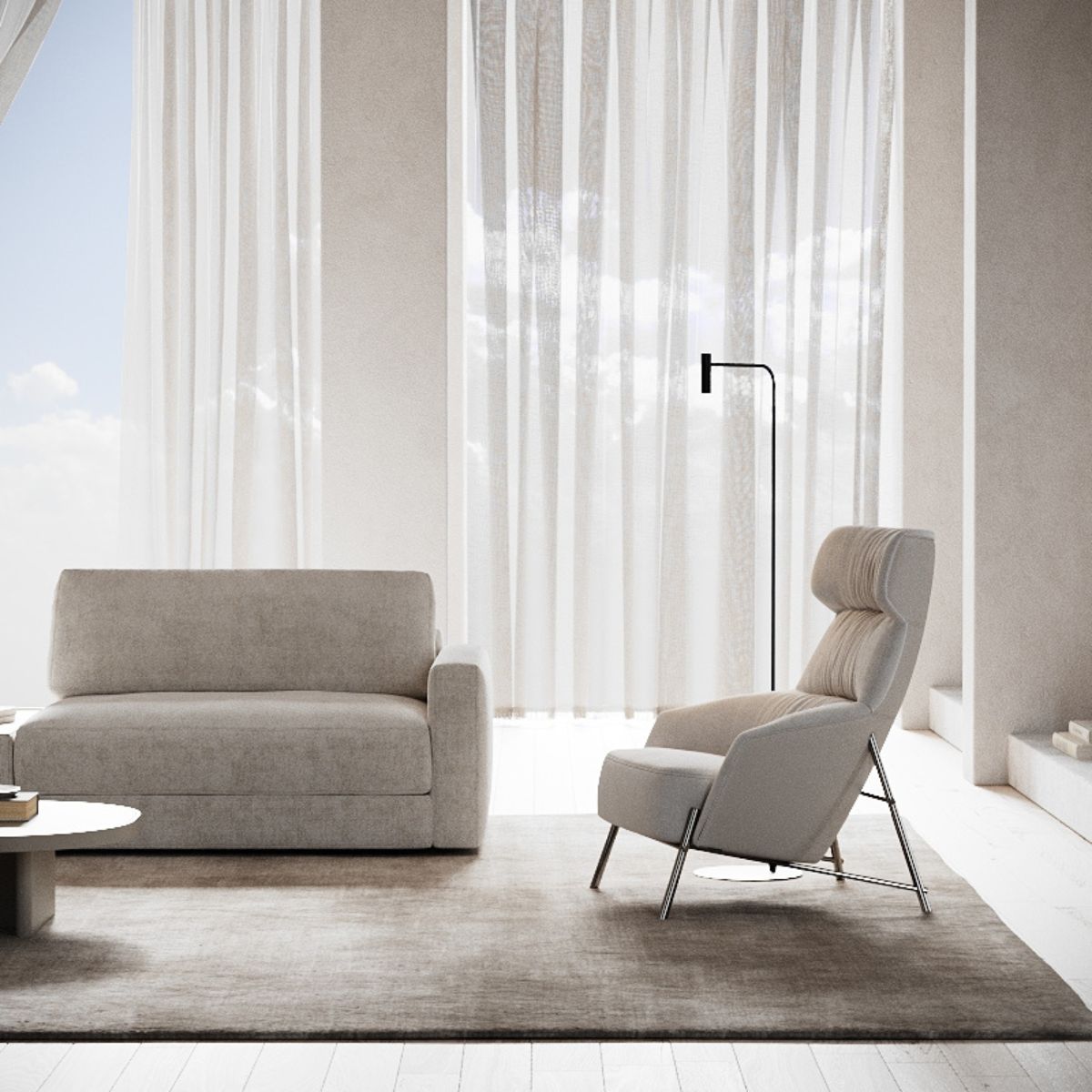
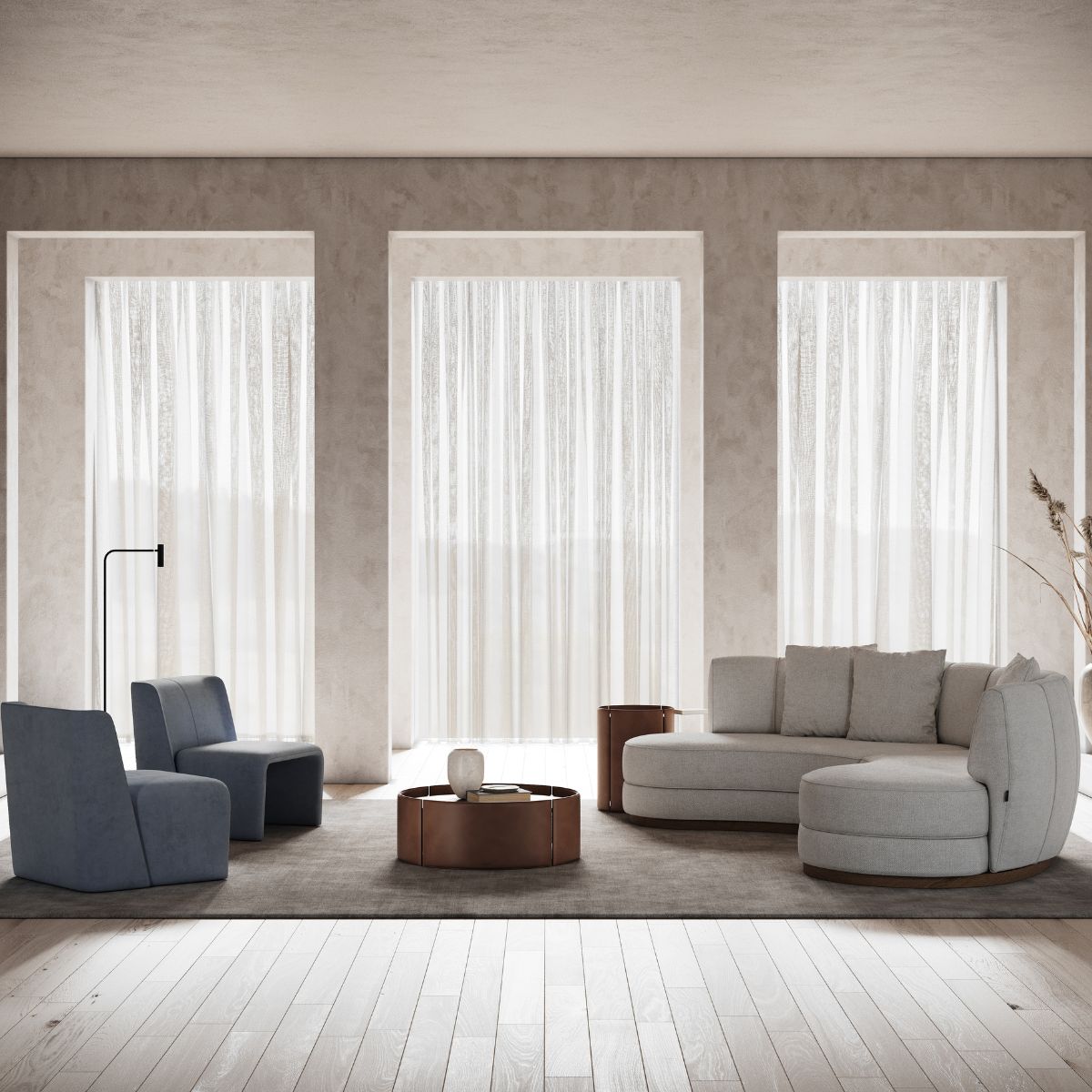
Editorial furniture collections illustrate this evolution particularly well. Domkapa’s Giorgio Sofa demonstrates how generous rounded volumes can feel substantial without becoming visually heavy, while the Elliot Armchair’s curved shell creates ergonomic support and architectural presence. Similarly, the Elodie Dining Table explores organic geometry as functional sculpture rather than a decorative statement.
These pieces are successful not because they follow a trend, but because they respond to enduring human preferences for comfort, tactility and visual balance.
Why Straight Lines Will Never Disappear
Despite the growing appreciation for curved furniture design, predictions of the demise of clean lines are greatly exaggerated.
Linear geometry remains essential because architecture itself is predominantly rectilinear.
Walls, ceilings, windows, structural grids, cabinetry and circulation routes all depend upon straight lines to establish order and functionality. Without this architectural framework, interiors risk feeling visually ambiguous or lacking definition.
Clean lines provide clarity.
They establish hierarchy, reinforce spatial organisation and simplify navigation. In kitchens, workspaces and dining environments, rectilinear layouts often remain the most efficient solution for everyday living.
Minimalist design continues to rely on clean geometry not as an aesthetic trend but as a method of reducing visual noise. Architectural precision allows furniture, lighting, materials and artwork to assume greater significance without competing for attention.
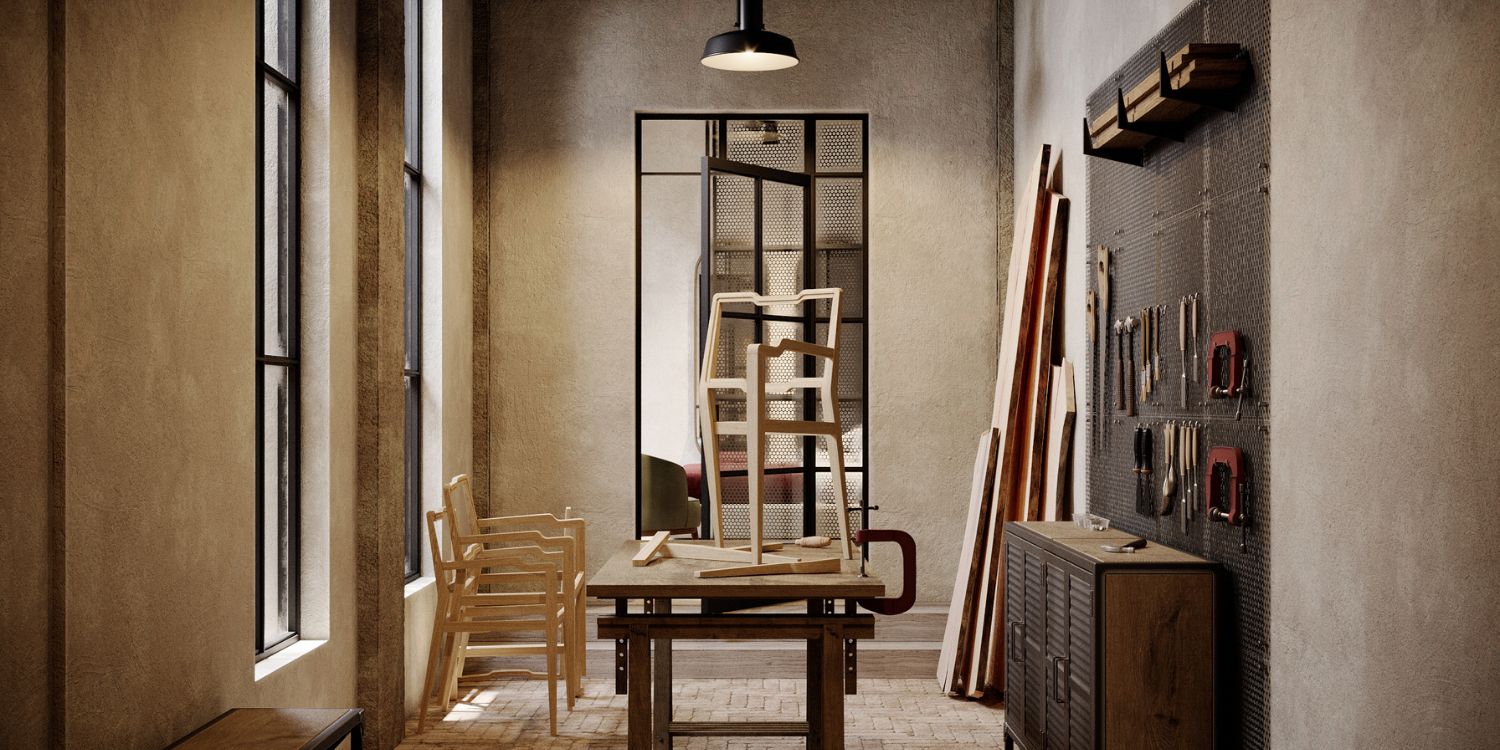
Historically, modernist architects, including Ludwig Mies van der Rohe, championed clean lines as expressions of structural honesty and functional clarity. Those principles continue to influence contemporary architecture because they solve practical challenges as effectively today as they did decades ago.
Straight lines also create contrast.
Without architectural order, curved furniture loses much of its visual impact. Sculptural forms appear most expressive when positioned against calm, disciplined backgrounds.
Rather than opposing one another, these geometries rely upon mutual balance.
The Secret Isn’t Choosing One: It’s Balancing Both
The most compelling contemporary interiors rarely commit exclusively to either organic or geometric forms. Instead, they create dialogue between the two.
Think of architecture as providing the framework while furniture introduces personality.
- Linear walls establish order;
- Curved seating encourages relaxation;
- Rectilinear layouts organise circulation;
- Organic coffee tables soften transitions;
- Structured shelving provides rhythm;
- Soft textiles absorb rigidity.
The result is visual harmony through intentional contrast.
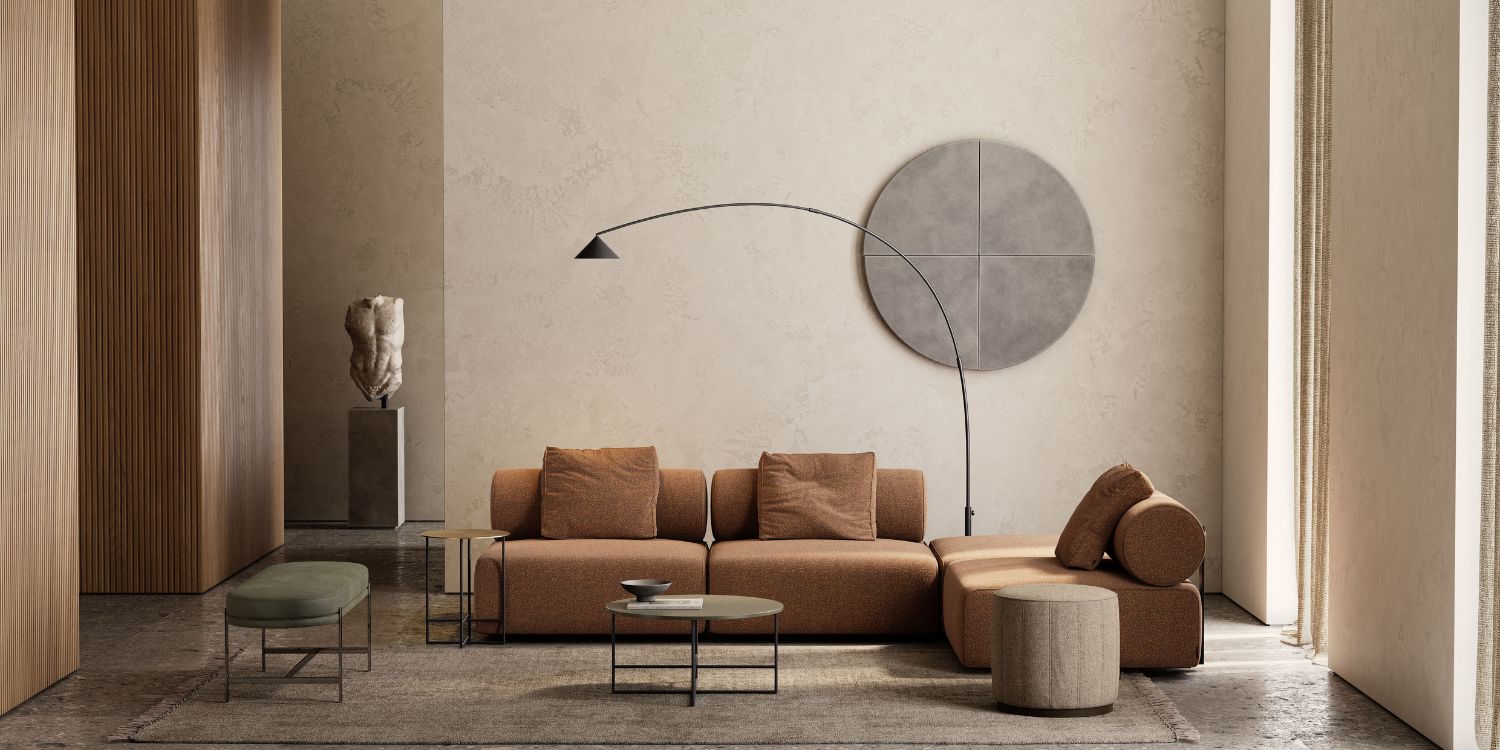
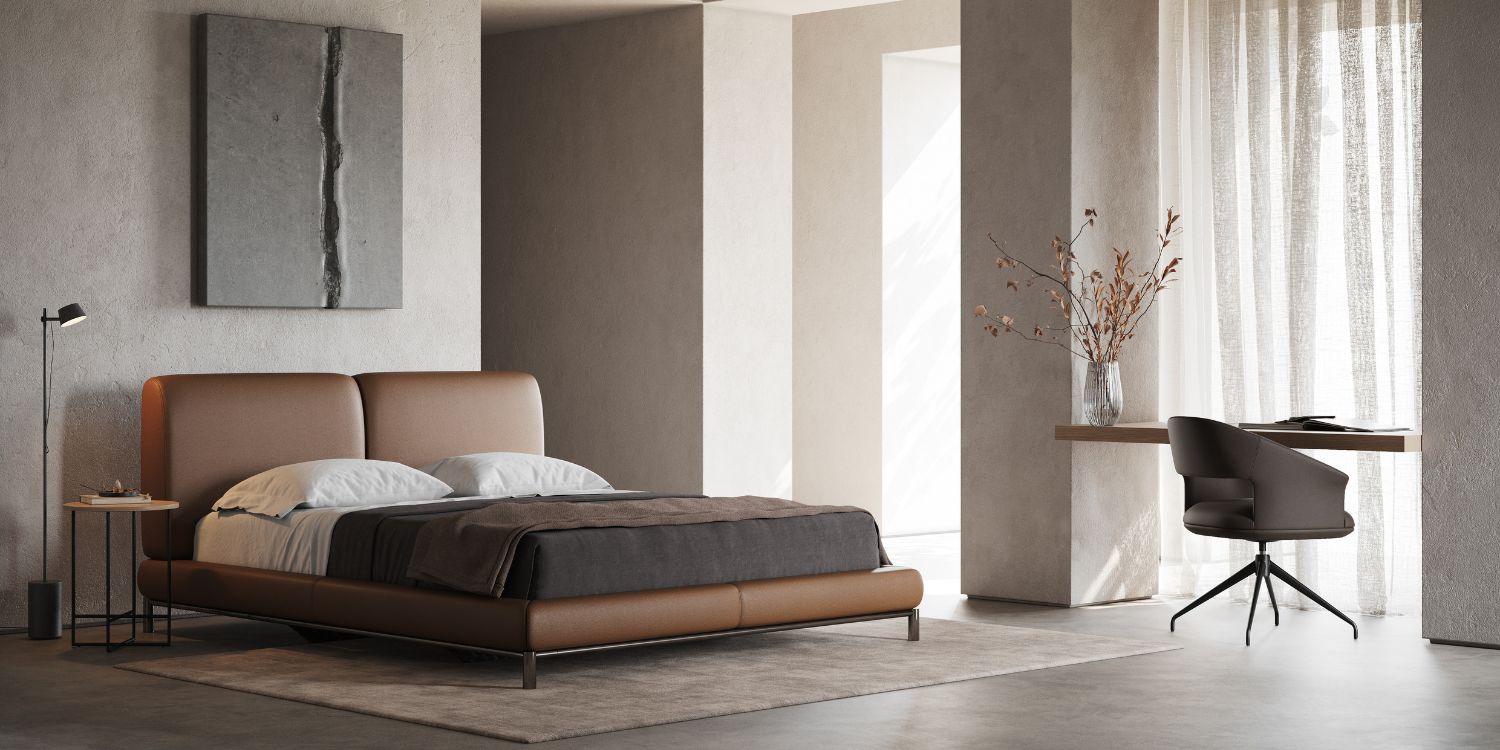
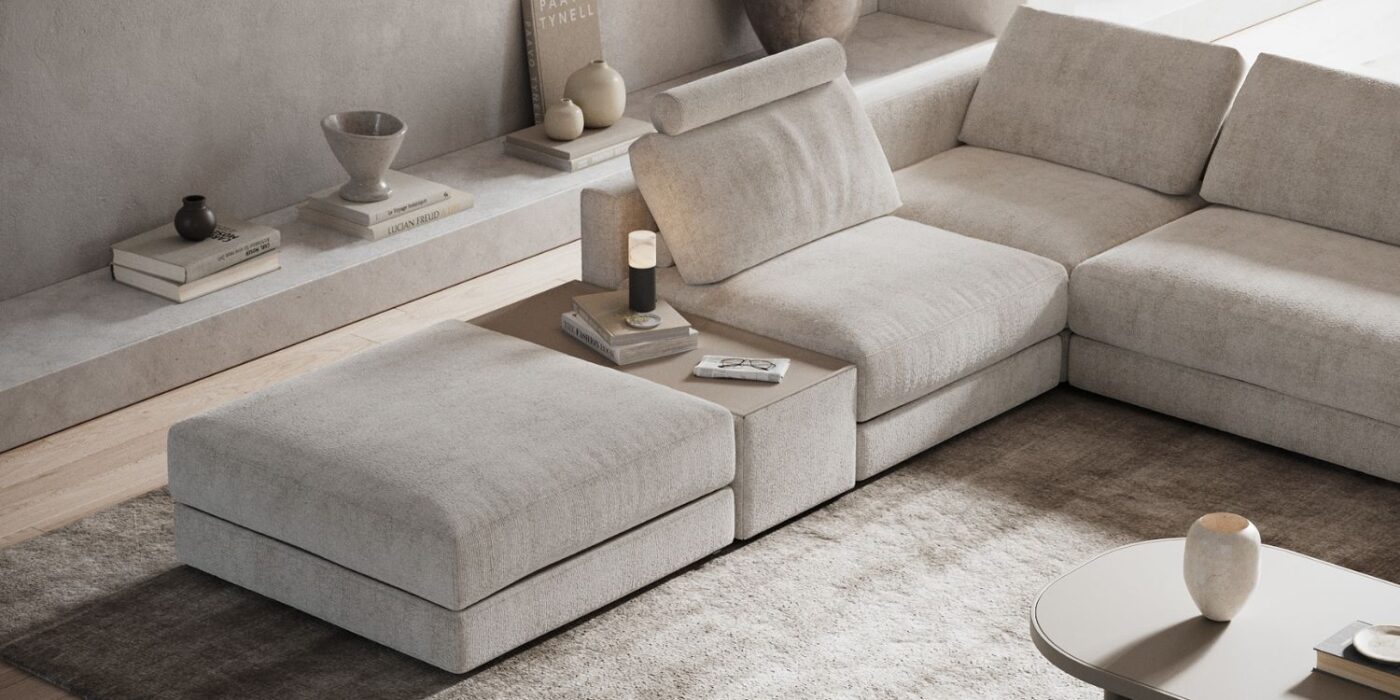
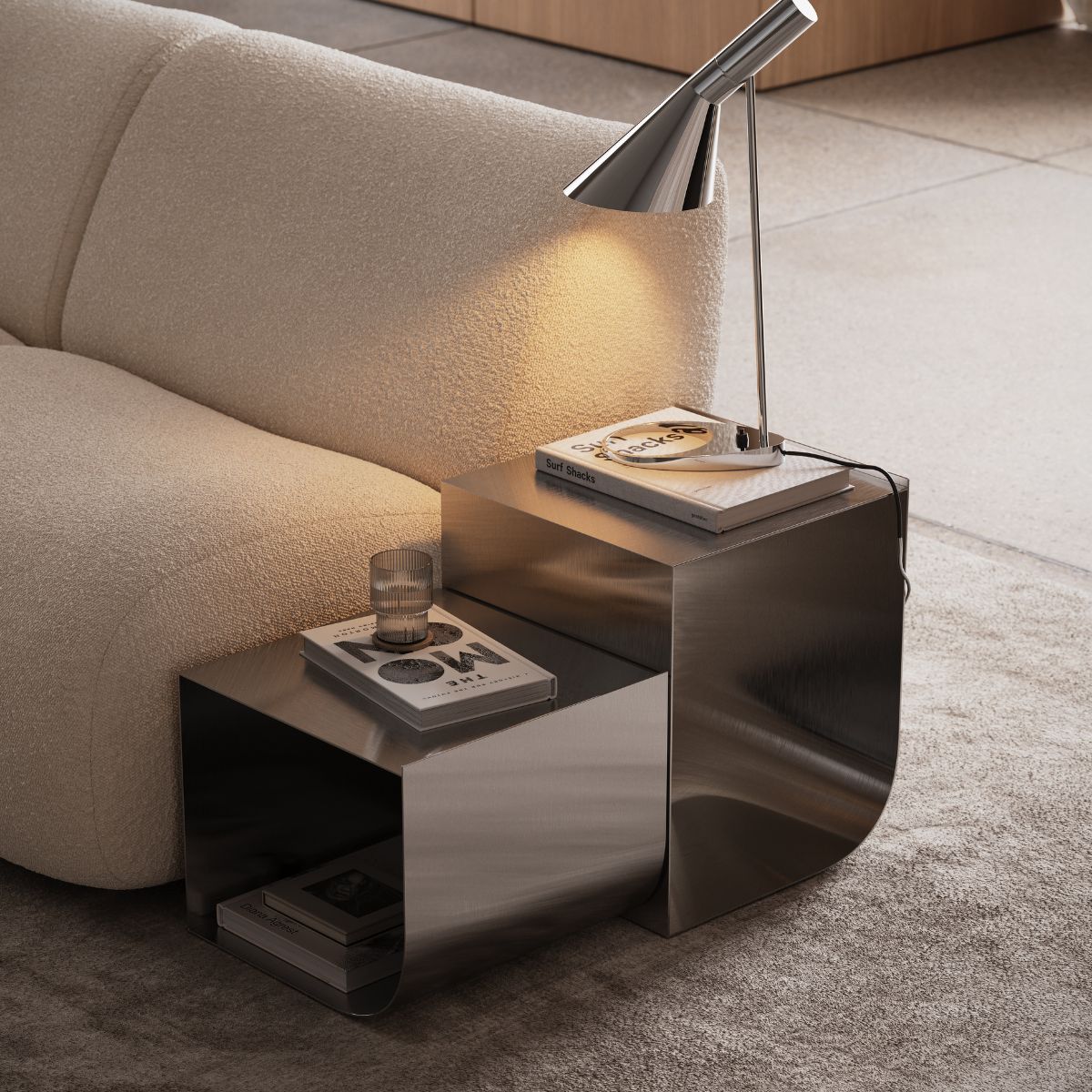
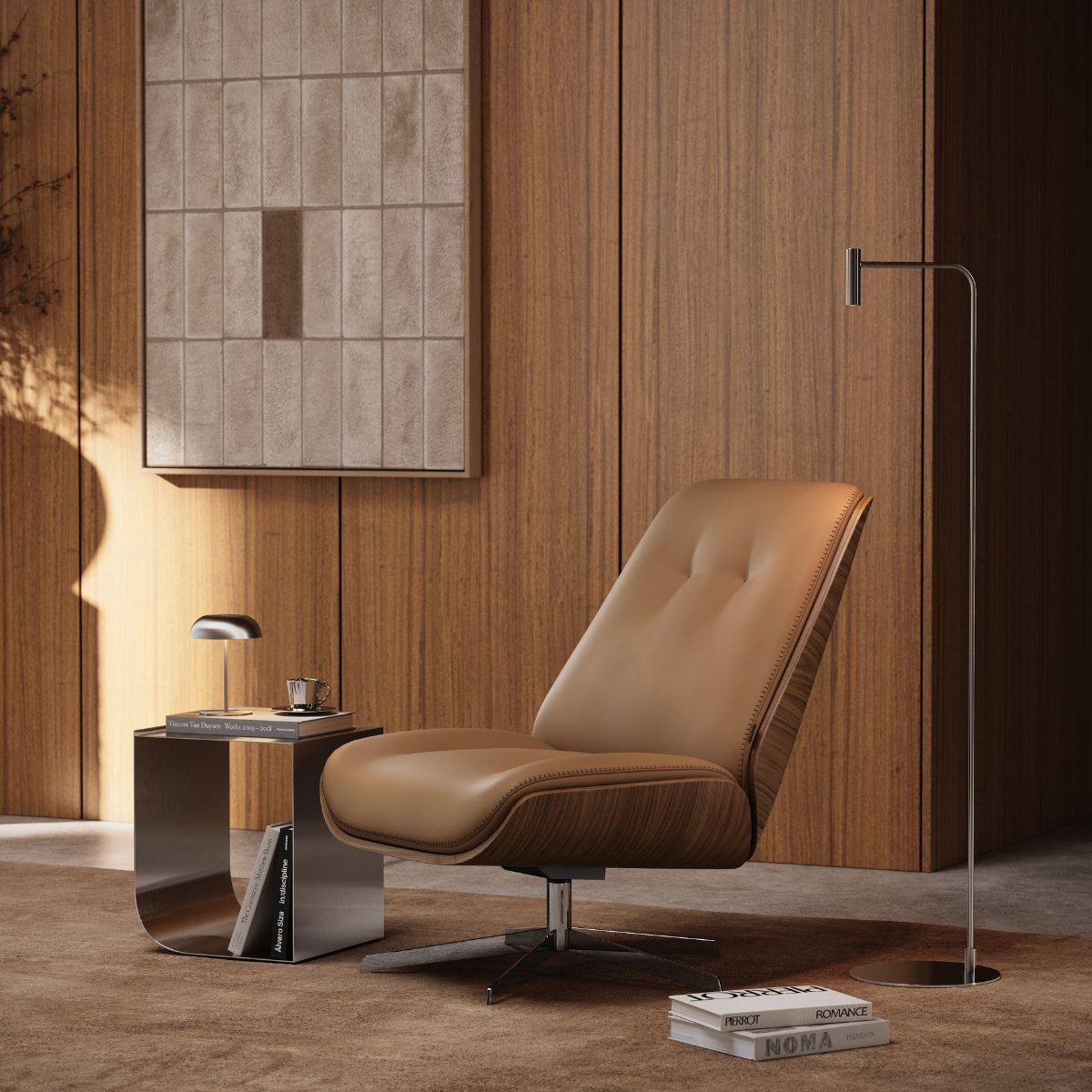
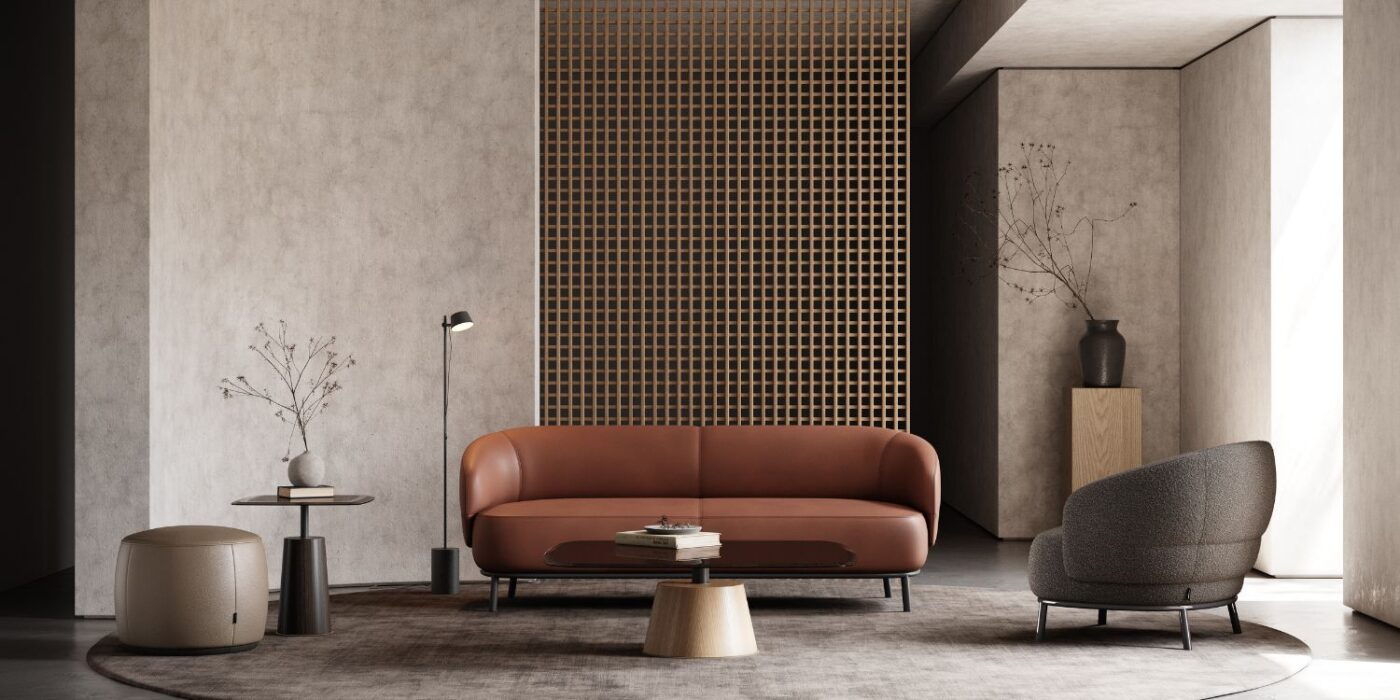
Domkapa’s Ren Table Set exemplifies this dialogue, combining circular forms with linear arrangements, while the Alton Armchair balances an architectural frame with generous upholstery. Likewise, the geometric yet softened proportions of the Jules Pouf demonstrate how even rectilinear furniture can avoid visual severity through careful edge treatment and proportion.
Five Principles for Mixing Curves and Clean Lines
1. Let Architecture Provide Structure
Allow walls, flooring patterns, cabinetry and built-in joinery to establish spatial order. Rather than competing with architecture, furniture should respond to it.
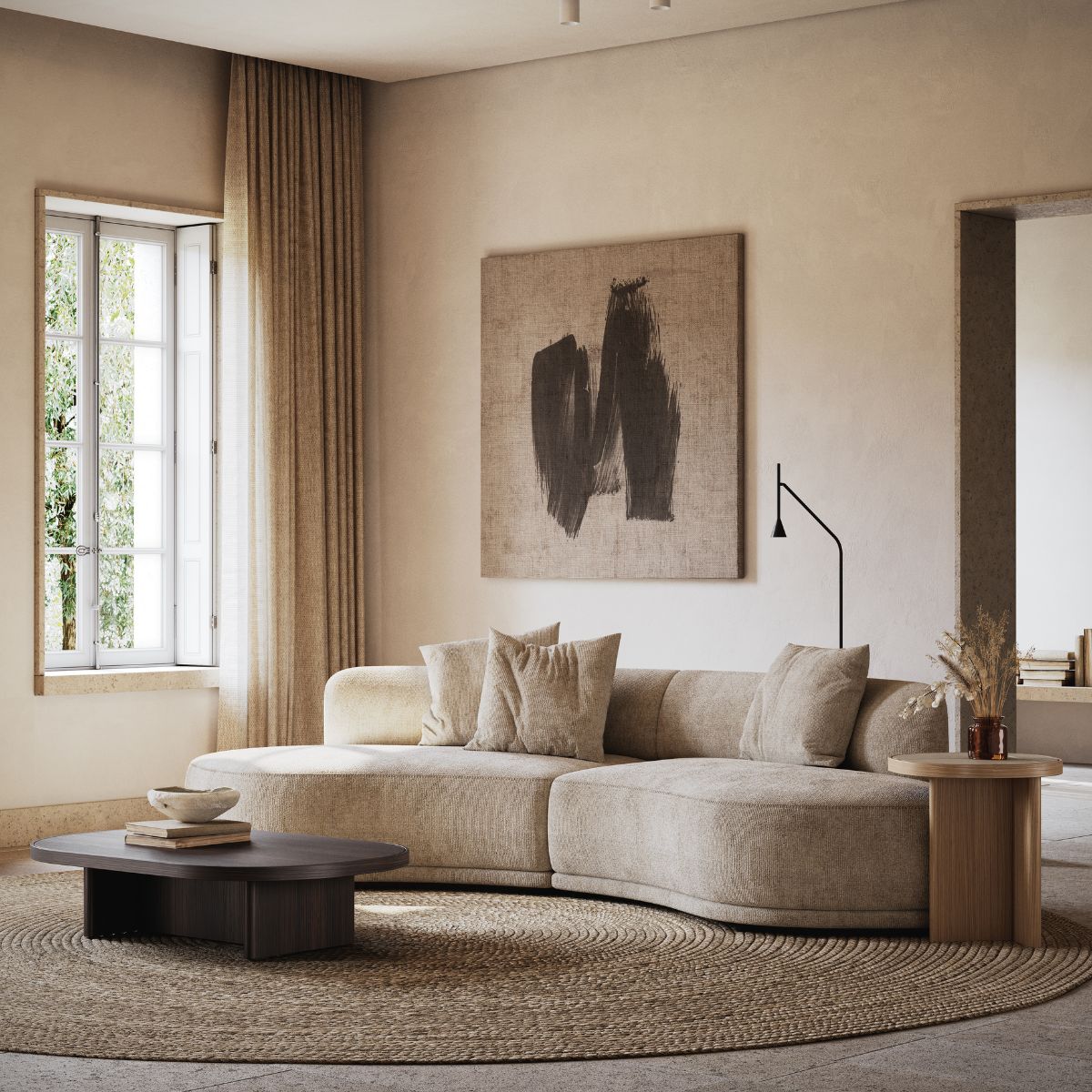
For example, in a loft apartment defined by exposed concrete and floor-to-ceiling glazing, a curved sofa can soften the industrial envelope without undermining its architectural character.
2. Use Furniture to Introduce Softness
Furniture offers the easiest opportunity to humanise a space.
An organic coffee table, rounded dining chairs or curved armchairs can dramatically alter the emotional tone of an otherwise highly geometric room.
Rather than redesigning the architecture, designers introduce comfort where people physically interact with the environment.
3. Repeat Curves Throughout the Room
One isolated curved object often feels accidental. Instead, echo rounded geometry through multiple elements.
A curved sofa might be complemented by a circular rug, rounded pendant lighting, softly profiled accessories or arched mirrors.
These repeated gestures establish visual rhythm rather than isolated novelty.
4. Balance Visual Weight
Curved furniture frequently appears larger than similarly sized angular pieces because continuous surfaces attract greater visual attention. Balance generous silhouettes with lighter elements such as slender lighting, open shelving, negative space or refined architectural detailing.
The objective is equilibrium rather than symmetry.
5. Keep Materials Cohesive
Shape should create contrast – not the material choices.
When combining organic and rectilinear forms, maintain consistency through finishes such as timber, stone, leather, bouclé, linen or brushed metal.
Shared materials allow differing geometries to feel intentionally connected.
As interior design trends in 2026 continue to evolve, the most successful projects will not be defined by whether they embrace organic furniture design or geometric precision alone. Instead, they will demonstrate how contemporary furniture shapes – whether rounded, linear or somewhere in between – can work in concert to support movement, comfort, wellbeing and lasting visual harmony.
The future of furniture, then, isn’t rounded versus straight. It is the intelligent composition of both, where every line, curve and proportion contributes to an interior that feels as good to inhabit as it does to admire.
YOU MAY ALSO LIKE: Furniture Trends For 2026: A New Era Of Comfort, Craftsmanship And Living
We are working every day to bring you the most stylish ideas to fulfil your inspiration and to create the best interior design projects, so feel free to follow our Instagram Page and subscribe to our newsletter.