

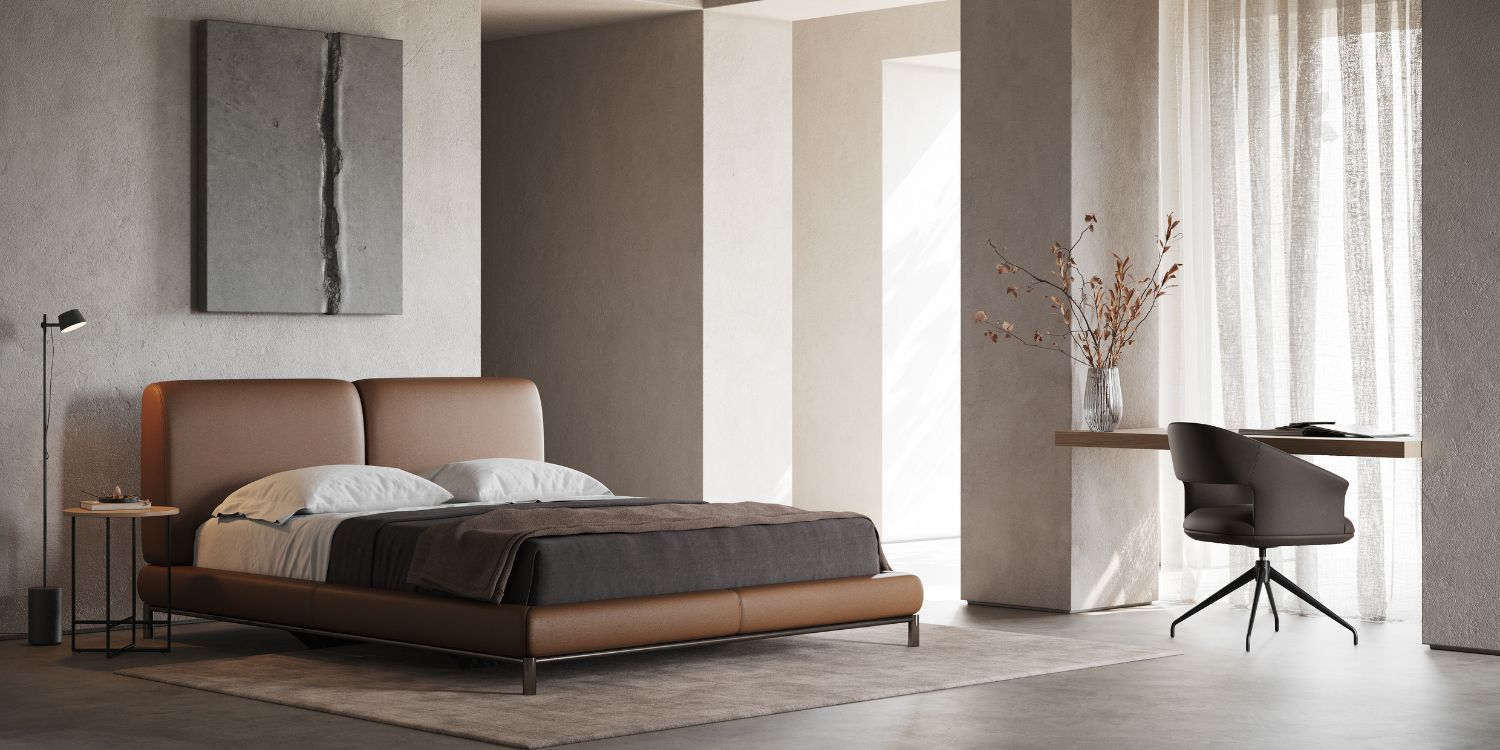
Something has shifted in how we think about the bedroom. Once a room defined primarily by function – a place to sleep, to dress, to begin and end the day – it has progressed to something far more intentional. In 2026, the bedroom is the most emotionally charged room in the home.
The forces behind this shift are well-documented: a growing awareness of sleep quality, the lasting influence of remote work on domestic life and a broader cultural turn toward stillness and self-restoration. But the design response goes deeper than wellness buzzwords. Today’s most compelling bedroom interiors are built around atmosphere – the precise orchestration of light, material, proportion and tone to create spaces that feel genuinely restorative.
For interior designers and architects working on high-end residential projects, understanding these 2026 bedroom design trends means moving beyond aesthetics into the language of lived experience.
1. Warm Earthy and Muted Colour Palettes
The Shift Away from Cool Neutrality
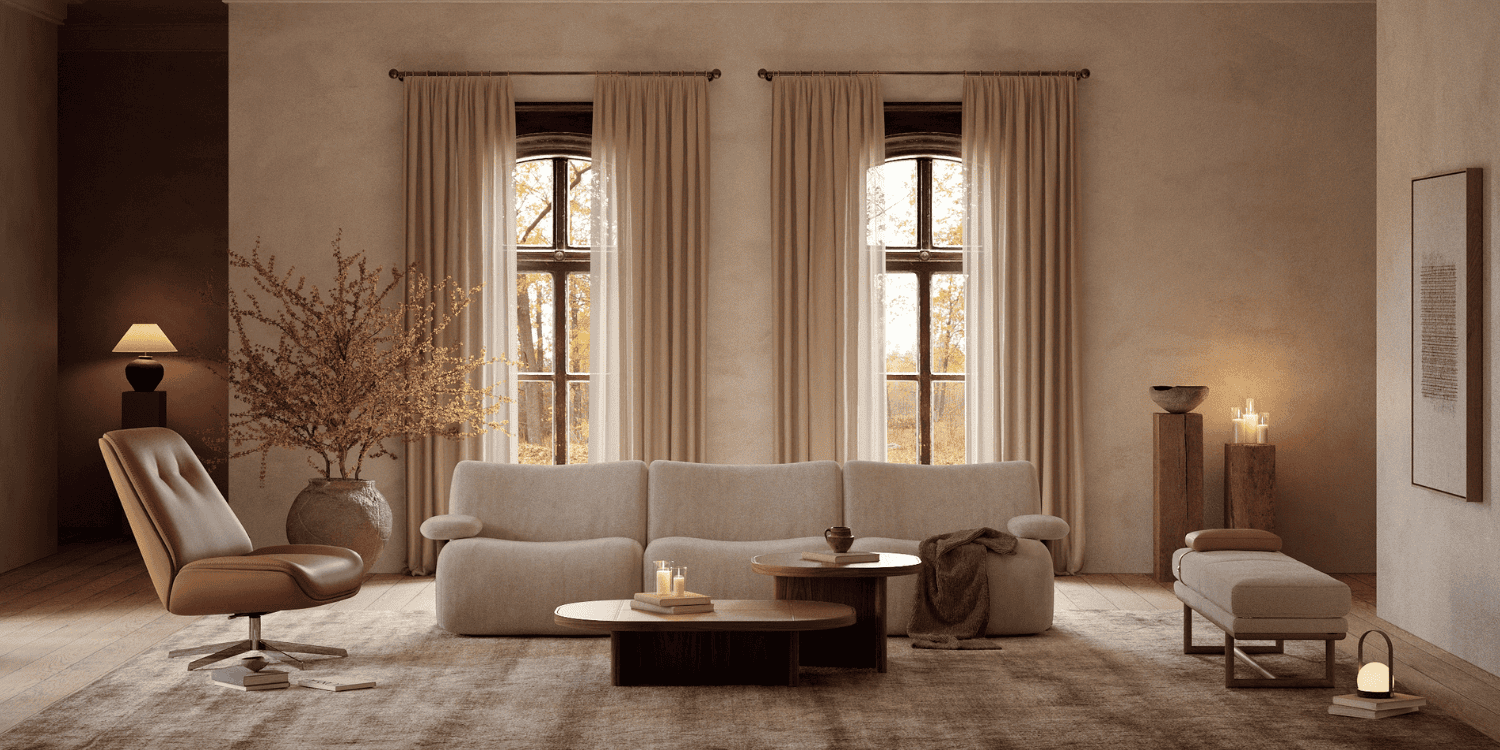
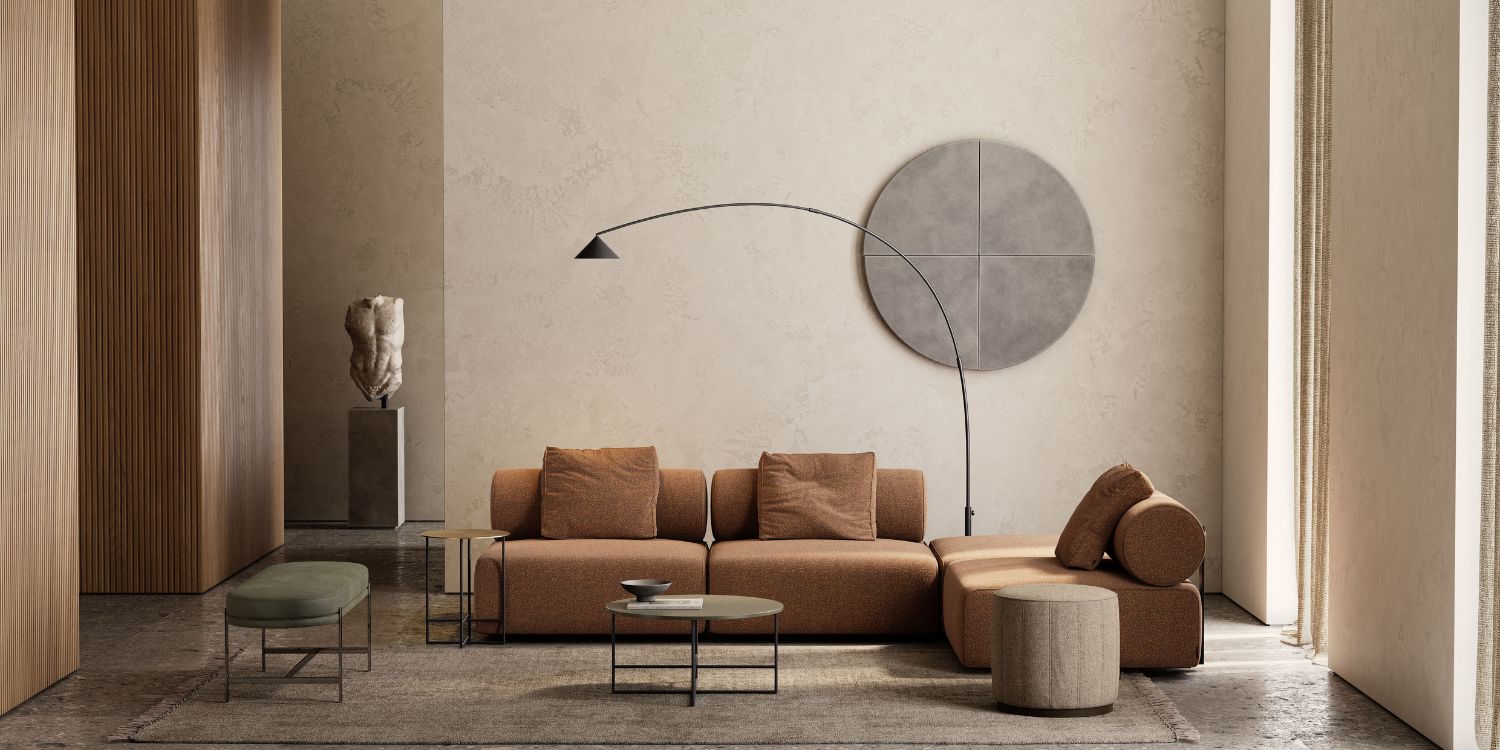
The cool, pale interiors that dominated the last decade are giving way to something richer and more grounded. In luxury bedroom trends for 2026, warm earth tones such as clay, ochre, tobacco, deep terracotta and aged linen are emerging as the defining palette. These are colours with depth and personality, drawn from the natural world and from the long history of pigment-led interiors.
Key colours: Warm white with yellow undertones, raw sienna, burnt umber, dusty sage, deep café au lait and the quiet drama of darkened plum.
Emotional atmosphere: Warmth, enclosure, psychological safety. These palettes evoke the sensation of shelter – of a room that holds you.
For designers: Avoid uniform application. The most successful bedrooms layer these tones across different surfaces and materials, allowing subtle shifts from wall to linen to joinery.
2. Layered Textures and Tactile Materials

Design You Can Feel
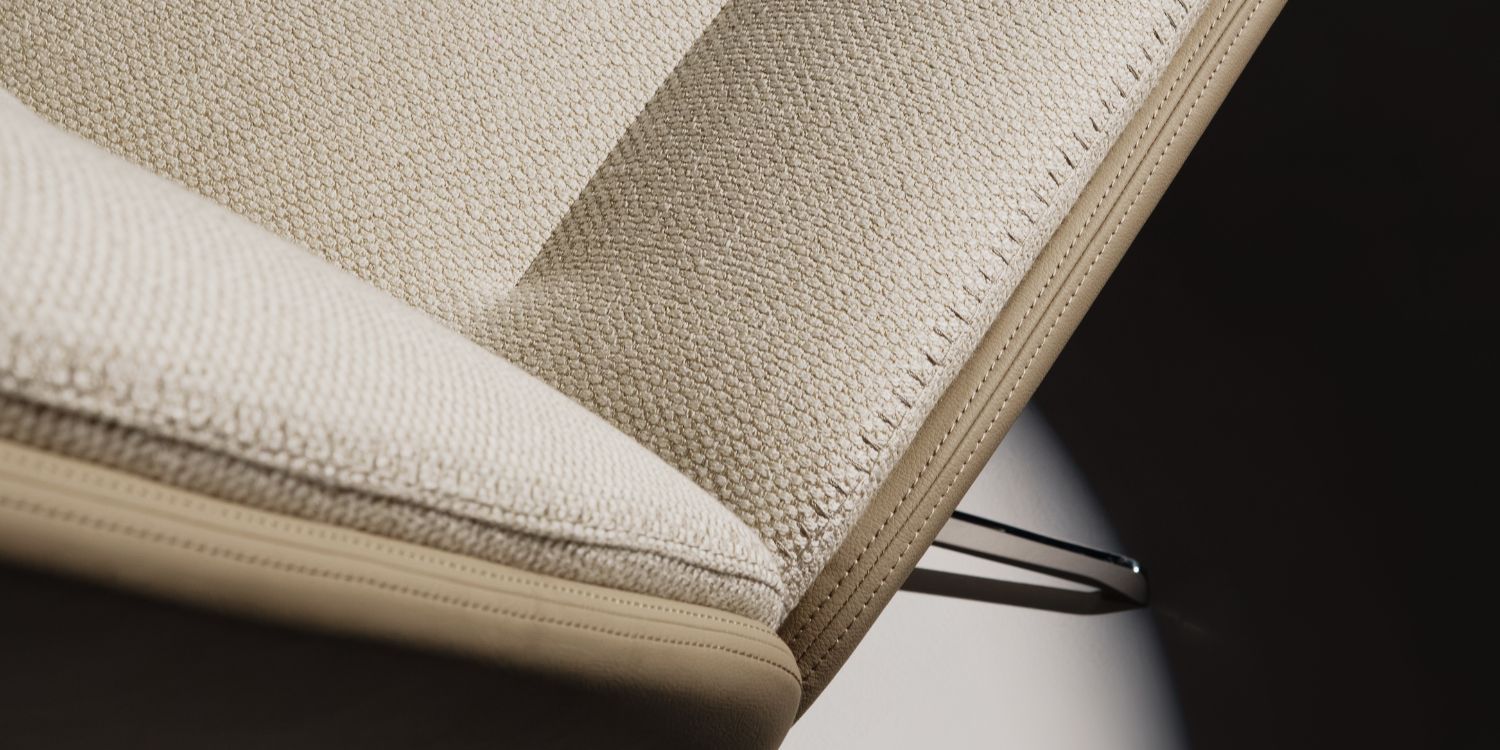
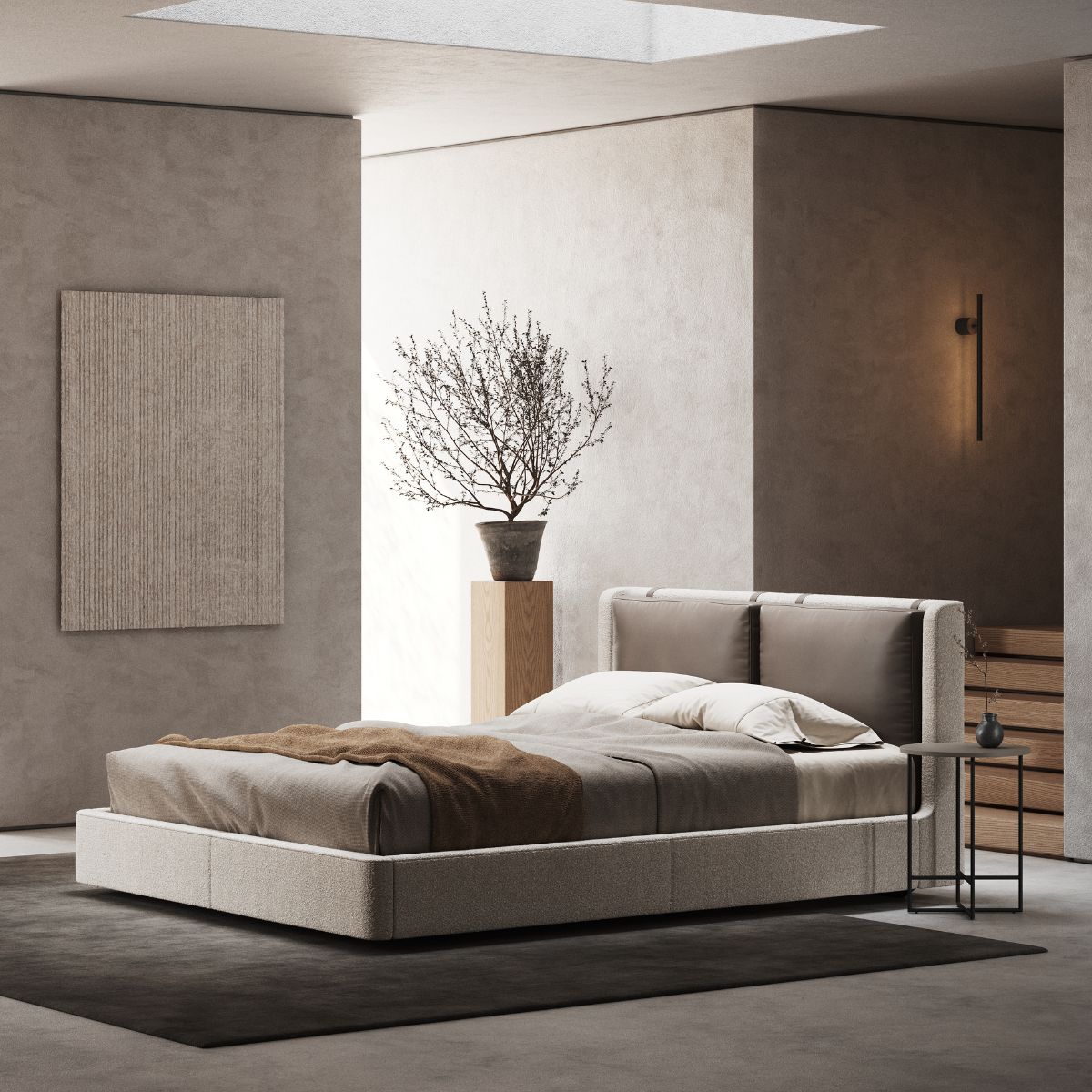
The visual sophistication of a well-designed bedroom is only one dimension of its impact. In 2026, texture is being treated as a primary design tool – not decoration, but atmosphere-building. The goal is to create spaces that feel as good as they look, engaging the senses at every point of contact.
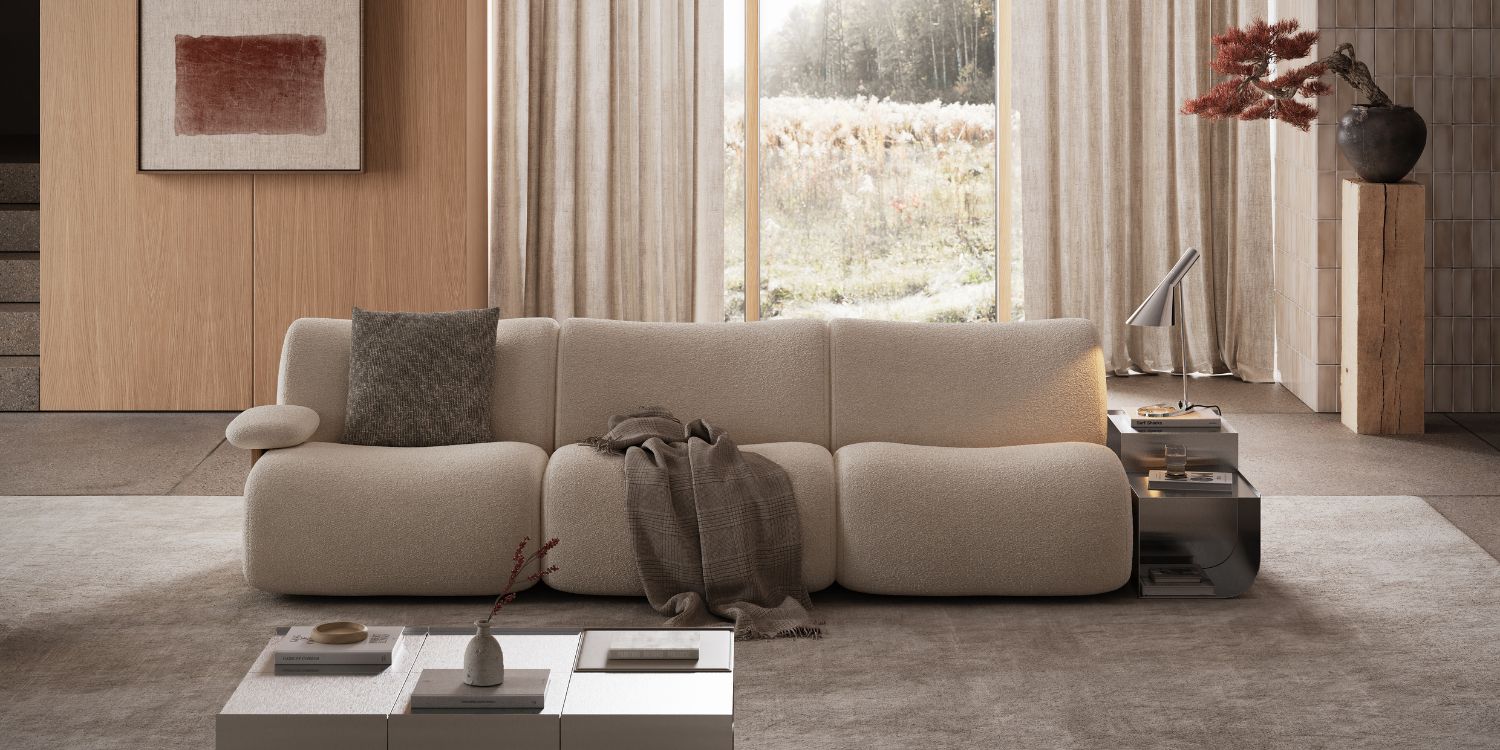
Key materials: Brushed linen, heavyweight bouclé, aged velvet, hand-thrown ceramic, limewash plaster, natural oak with visible grain, raw brass and patinated bronze.
Furniture and lighting: Upholstered bedheads in textured weave, linen-wrapped bedside tables, ceramic lamp bases with raw, unglazed finishes. Lighting itself becomes tactile – woven pendants, ribbed glass, hand-beaten metalwork.
Emotional atmosphere: Softness, intimacy, the sense of being cocooned. Layered textures slow the eye and the body, encouraging genuine rest.
For designers: Consider the full sensory journey: from the moment a client touches the door handle to the feel of bed linens against skin. Material specification in the bedroom should be a holistic act.
3. Sculptural Upholstered Furniture
The Bed as Centrepiece
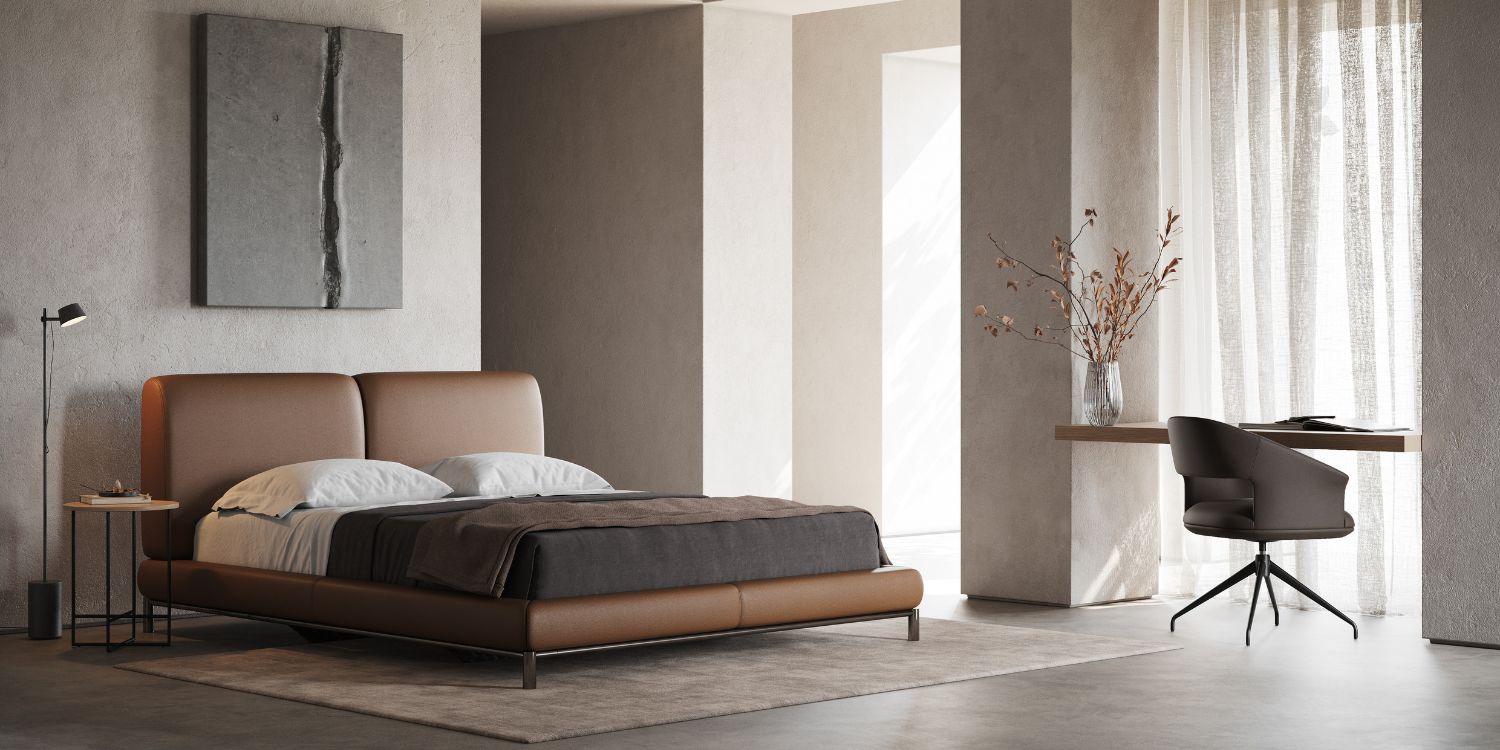
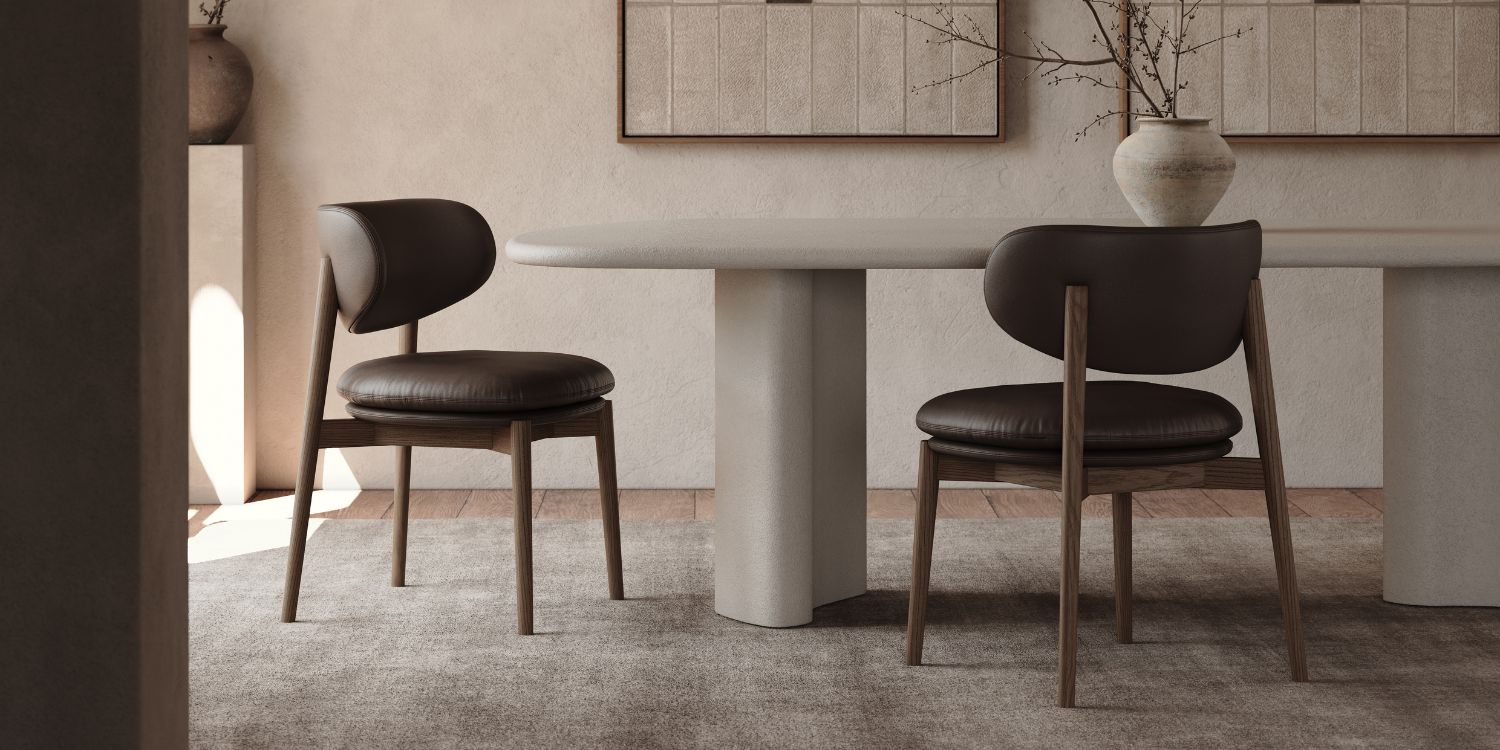
Among the most striking of the modern bedroom interior trends emerging in 2026 is the rise of the sculptural bed frame. Upholstery is moving beyond the conventional padded panel into something more expressive – curved forms, deeply channelled profiles and generous proportions that announce the bed as the unambiguous heart of the room.
Key materials: Performance bouclé, tightly woven velvet, leather with a matte finish, natural cotton with visible texture.
Design direction: Low-profile platforms in warm-toned fabrics, arched bedheads that echo architectural forms, bedside pieces with rounded silhouettes and cast metal legs. The overall aesthetic is confident without being assertive.
Emotional atmosphere: Comfort elevated to artistry. Sculptural furniture transforms the bedroom from a functional space into one with genuine character.
For designers: Invest in bespoke or limited-edition upholstered pieces for high-end residential clients. The bed frame is often the longest-kept item in a bedroom; it rewards serious design consideration.
4. Hotel-Inspired Bedroom Atmospheres

The Hospitality Influence on the Private Home
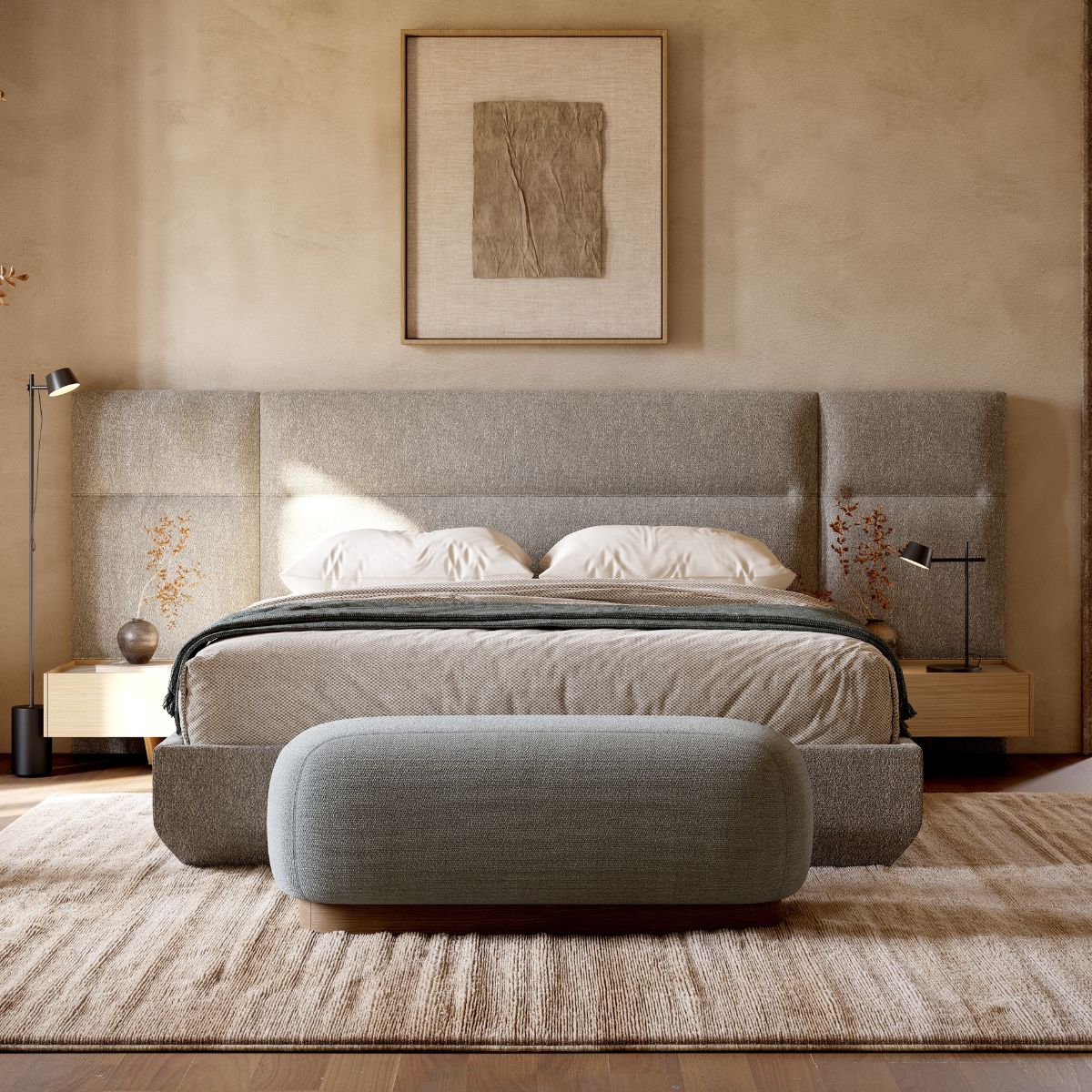
Perhaps no force has shaped contemporary bedroom trends for 2026 more profoundly than the influence of hotel design. The expectation of comfort, considered detail and atmosphere that clients bring from their most memorable hotel experiences is now a baseline expectation for premium residential interiors.
Key references: The calm opulence of boutique hotels in Rome and Kyoto; the linen-and-stone palette of a rural French maison de maître; the considered restraint of Scandinavian design hotels.
Furniture and lighting directions: Bedside reading lights with individual switching, high-quality linen with a visible weave, generous cushioning, recessed niches for objects and books. Wardrobes concealed behind full-height panels to maintain clean walls.
Emotional atmosphere: Ease without effort – the feeling of being cared for, of everything being in its right place.
For designers: Borrow the operational thinking of hospitality interiors. The best hotel bedrooms are designed around sequences of use, from arriving and undressing to reading and sleeping. Apply this logic to domestic layouts.
5. Curved Silhouettes and Soft Forms
The Geometry of Comfort
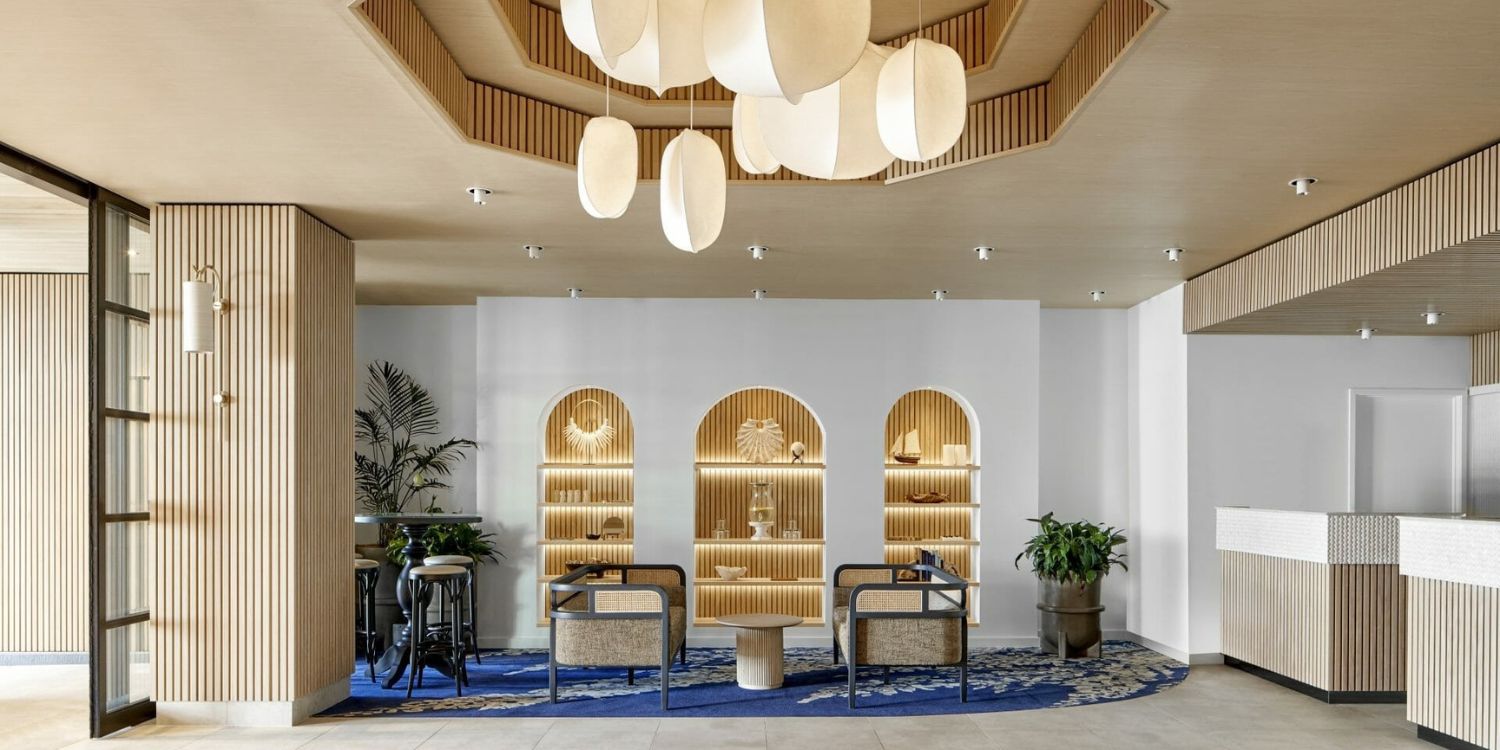
The hard-edged, rectilinear language of minimalism is softening. Across furniture, architecture and detailing, curves are returning – not as nostalgic ornament but as a considered response to the desire for spaces that feel kind. In 2026 bedroom design trends, the arc is replacing the right angle wherever the design allows.
Key forms: Arched alcoves and niches, rounded bedside tables, circular mirrors, domed ceiling features, gently curved wardrobes and headboards.
Materials: The curve works best in materials with natural warmth – plaster, solid timber, upholstery, ceramics. Hard-edged materials resist the softening effect.
Emotional atmosphere: Gentleness, organic ease, the visual sense of a room with no sharp corners or harsh transitions.
For designers: Introduce curves at an architectural level where possible – arched openings, curved plasterwork, rounded reveals – to create a dialogue between the building and its contents.
6. Quiet Luxury and Understated Elegance
The End of Visible Effort
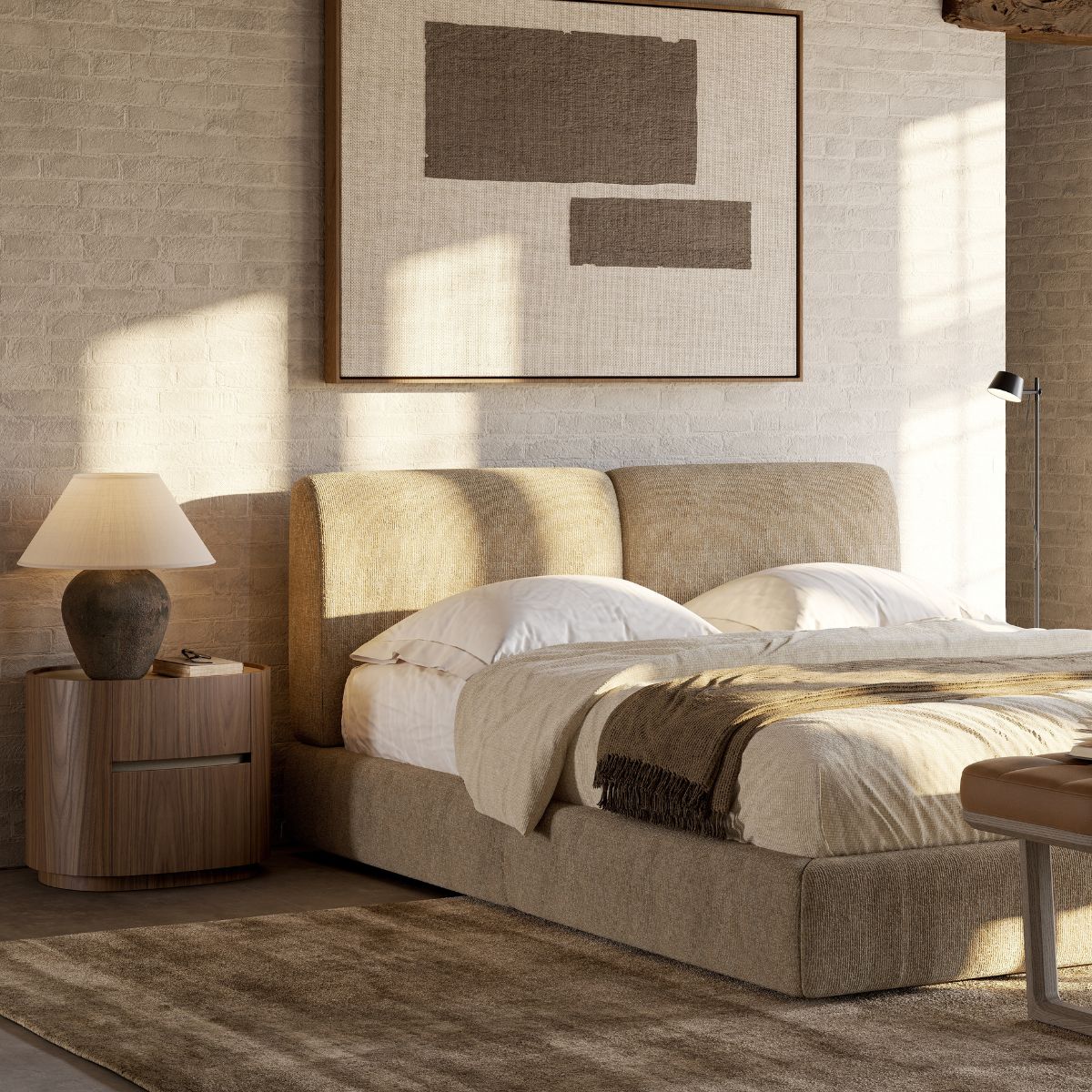
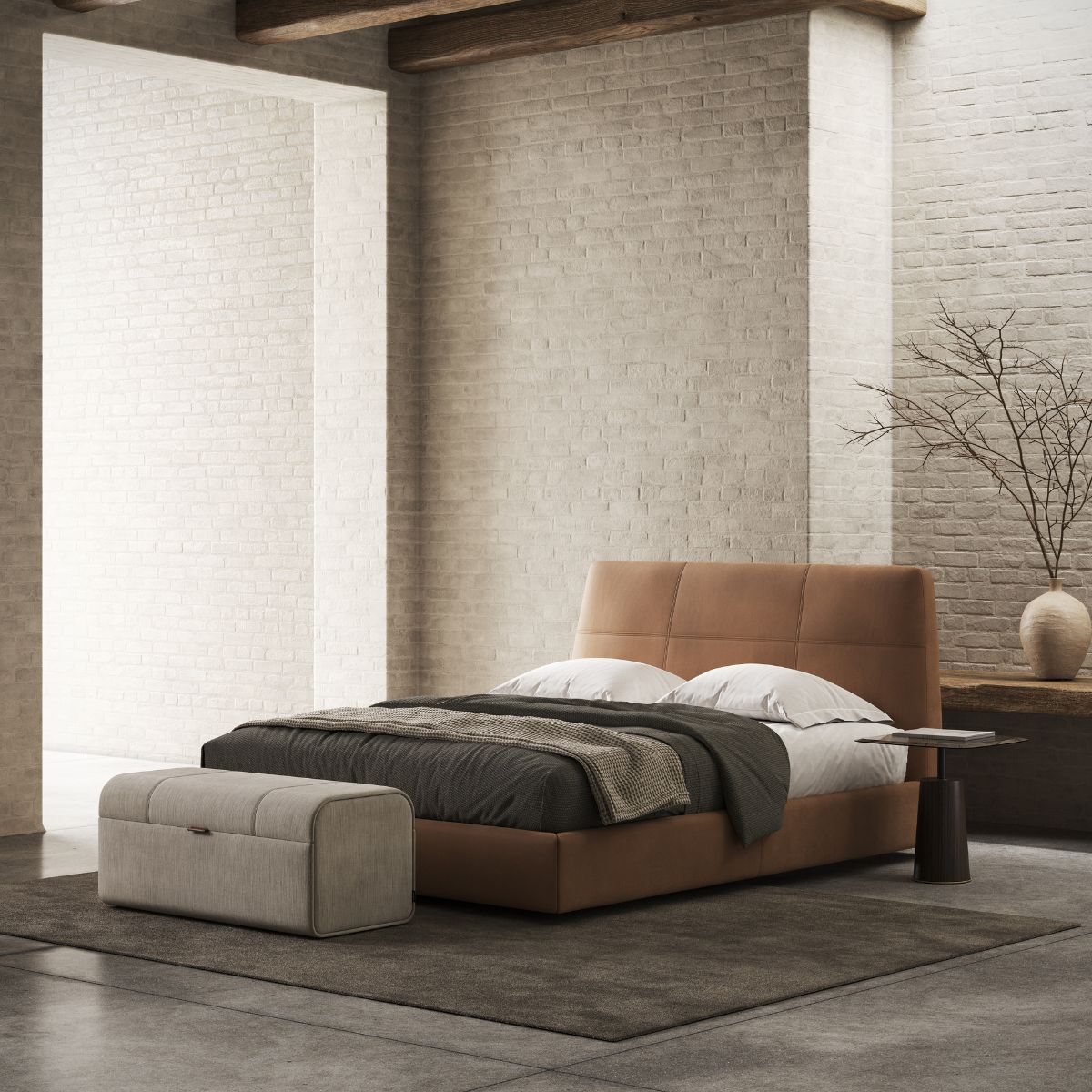
One of the most enduring values in contemporary high-end interiors is the refusal of ostentation. ‘Quiet luxury’ – a phrase that has migrated from fashion into interior design – describes spaces of obvious quality in which the investment is felt rather than displayed. In the bedroom, this translates into rooms where every decision is deliberate, every material considered and nothing is superfluous.
Key materials: Natural linen, unlacquered brass, hand-plastered walls, solid stone, cashmere, aged leather.
Design direction: Monochromatic palettes with tonal variation, minimal hardware, flush joinery with push-to-open mechanisms, bespoke furniture that fits the room as though made for it.
Emotional atmosphere: Calm confidence. The room communicates quality without declaring it.
For designers: Quiet luxury demands precision in execution. The absence of decorative excess places every detail under scrutiny. Material selection, proportions, and finishes must be flawless.
7. Natural Materials and Wellness-Focused Interiors
Biophilic Thinking in the Private Space
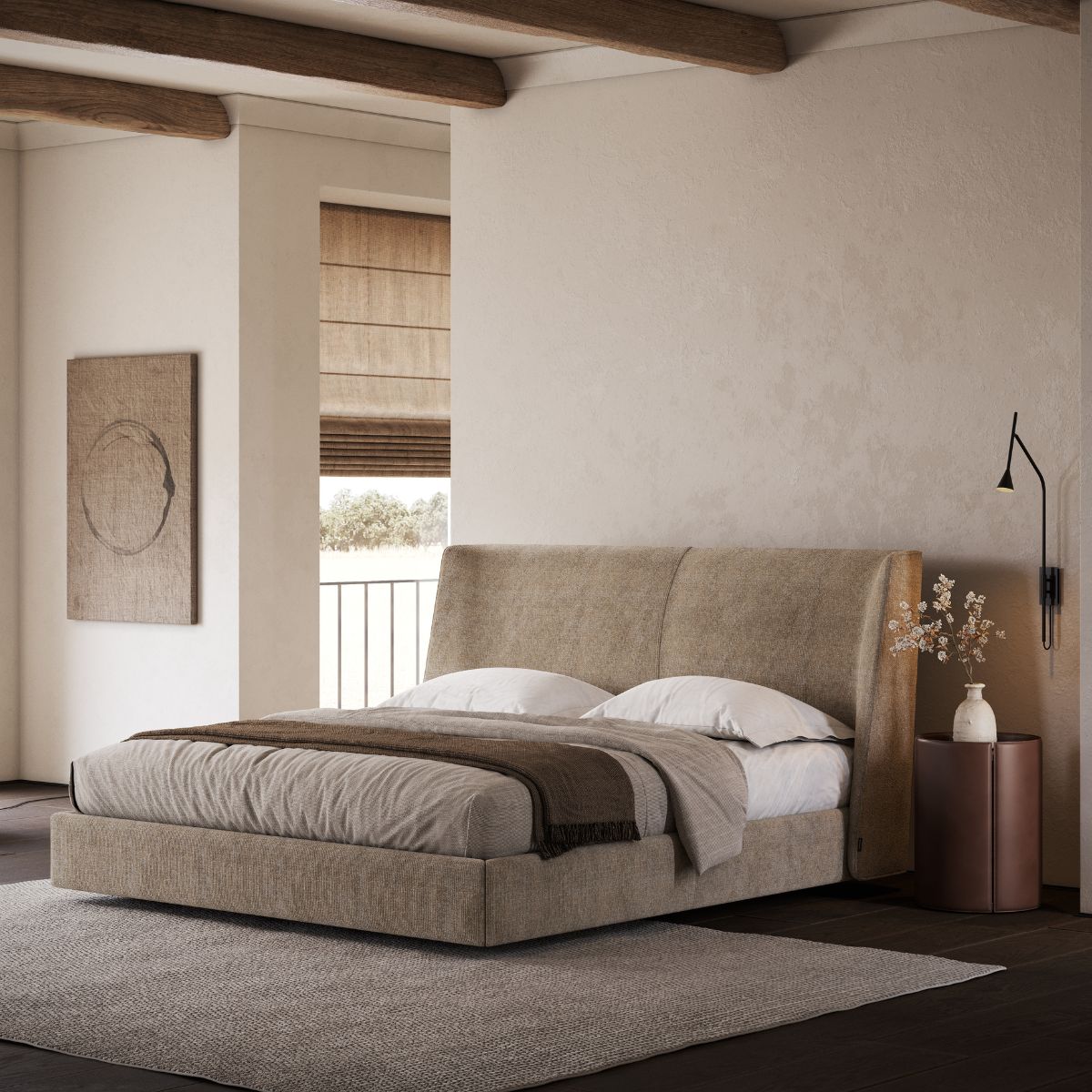
The relationship between natural materials and psychological well-being is now well established and bedroom design in 2026 reflects a mature application of biophilic principles: not the addition of plants as a gesture, but the deep embedding of natural materials, textures and references throughout the space.
Key materials: Exposed stone or plaster walls, solid timber flooring and joinery, raw cotton and linen, rattan and cane, ceramic objects with earthy glazes.
Sensory elements: Soundproofing for acoustic calm, natural ventilation where possible, the use of organic shapes drawn from landscape and geology.
Emotional atmosphere: Groundedness, connection to the natural world, the particular quality of rest that comes from sleeping in a room that breathes.
For designers: Specify materials with genuine provenance – reclaimed timber, handmade tile, natural plaster – for clients who understand and value the difference.
How Designers Can Apply These Trends in Contemporary Projects

The trends outlined above are not a checklist. The most compelling bedroom interiors of 2026 draw from several of these directions simultaneously, creating spaces in which each element supports and amplifies the others. A warm, earthy palette gains depth when applied to limewash plaster; sculptural upholstery reads more powerfully against a curved architectural niche; integrated lighting reveals the full richness of layered textures.
For designers working on high-end residential projects, the practical application begins with a single question: What should this room feel like? The atmosphere precedes every decision. From there, material palette, lighting strategy, furniture selection and spatial planning all become instruments of that intended feeling.
Consider also the choreography of the space – how clients move through it, where they pause, what they see on waking. The best bedrooms are experienced as much as they are seen, and design decisions that prioritise sensory comfort alongside visual beauty tend to produce the most enduring results.
The Bedroom in 2026 and Beyond
What these trends share, beneath their aesthetic differences, is a common orientation: toward the human being who will inhabit the space. The bedroom trends of 2026 are not driven by novelty or by the rhythms of commercial fashion but by a genuine shift in what people want from their homes and, particularly, from the room in which they rest.
Comfort has been elevated from a domestic given to a design ambition. Atmosphere is being treated with the same seriousness as plan, section and elevation. And the relationship between the designed environment and human wellbeing – long discussed in theory – is now being expressed in the specific choices of material, light, proportion and form that define the contemporary bedroom.
For interior designers and architects, this is a rich moment. The brief has deepened. The bedroom, in 2026 and beyond, is asking for everything you know.
YOU MAY ALSO LIKE: The Best Interior Design TV Shows To Watch Right Now
We are working every day to bring you the most stylish ideas to fulfil your inspiration and to create the best interior design projects, so feel free to follow our Instagram Page and subscribe to our newsletter.